Photos from current listings. Actual item, color, and included accessories may vary.
Inverter Buying Guide
A car inverter converts 12V DC from a vehicle's battery or cigarette lighter into 110-120V AC for laptops, tools, and small appliances. The critical trade-off is waveform and connection type: modified sine wave is cheaper but can overheat motors and buzz audio gear, while pure sine wave costs more but runs sensitive electronics cleanly; hardwired alligator clips carry high wattage, whereas 12V plugs cap around 150-200W. The decision rule is simple: match the inverter's continuous wattage to your device's running draw, choose pure sine for anything with a motor or compressor, and hardwire above 300W.

At a glance
- Category
- Car Power
- Data updated
- Nov 15, 2026
Current offers
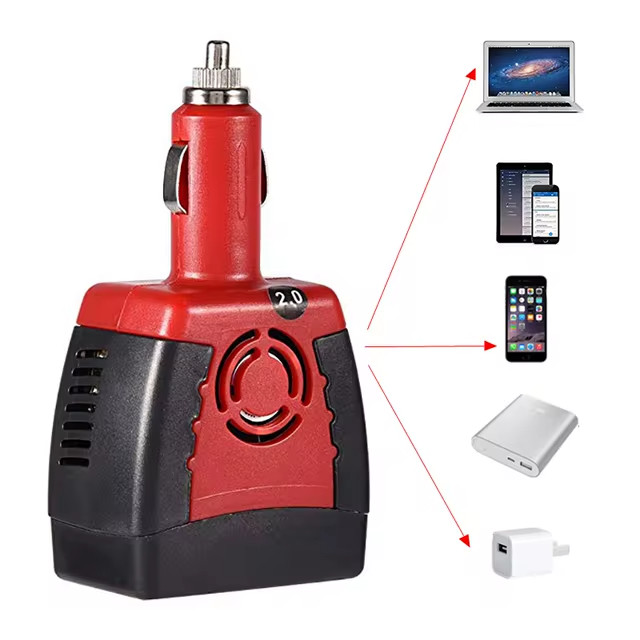 150W Car Power Inverter Laptop Phone Charger DC12V to AC110V Adapter + USB 5V RV$6.49
 View on eBay
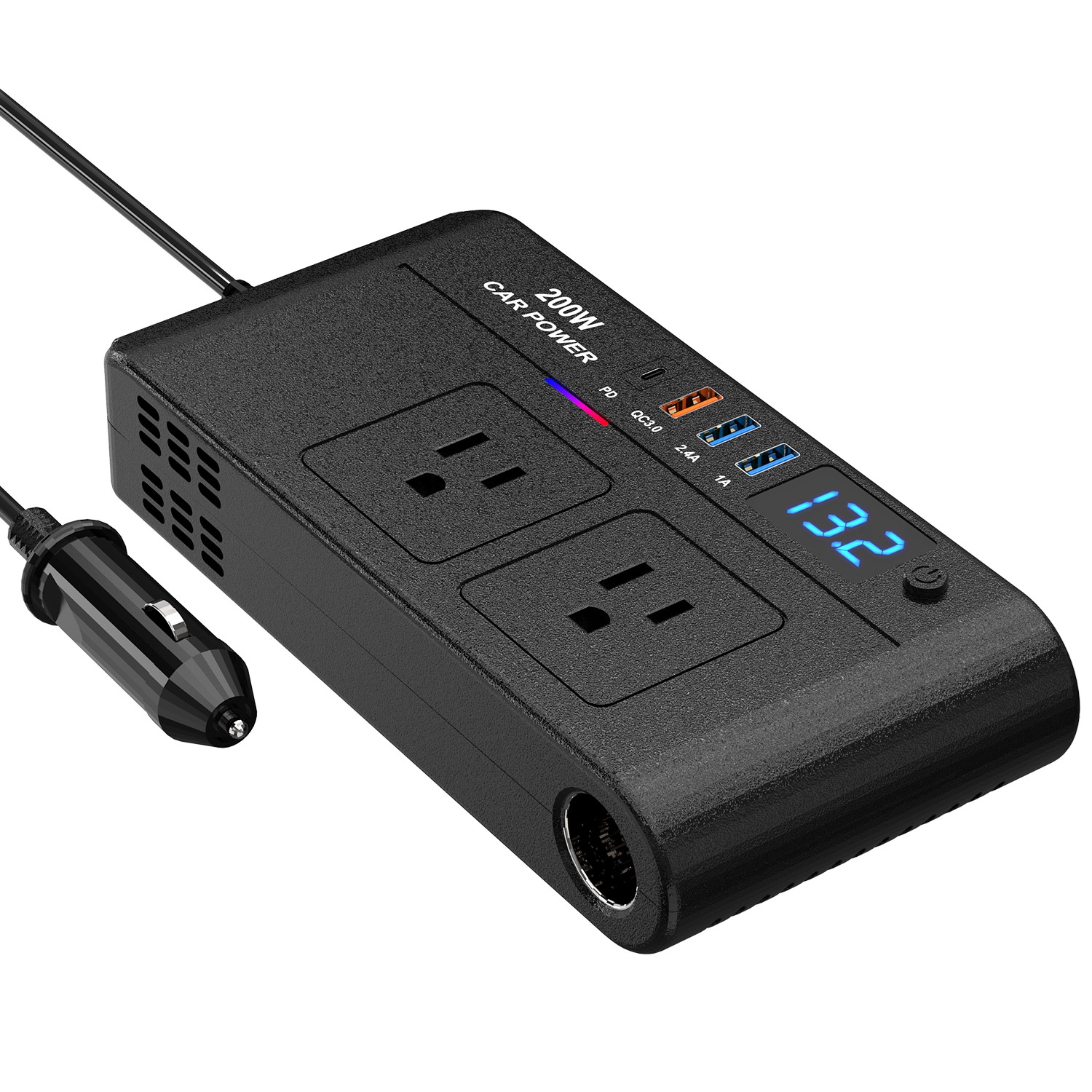 1Pc 200W 12V Car Inverter DC12V To AC110V Vehicle Power Converter With 2 110V AC Outlets 1 TypeC 3 USB Port Quick Charge$44.99
 View on Mallflare
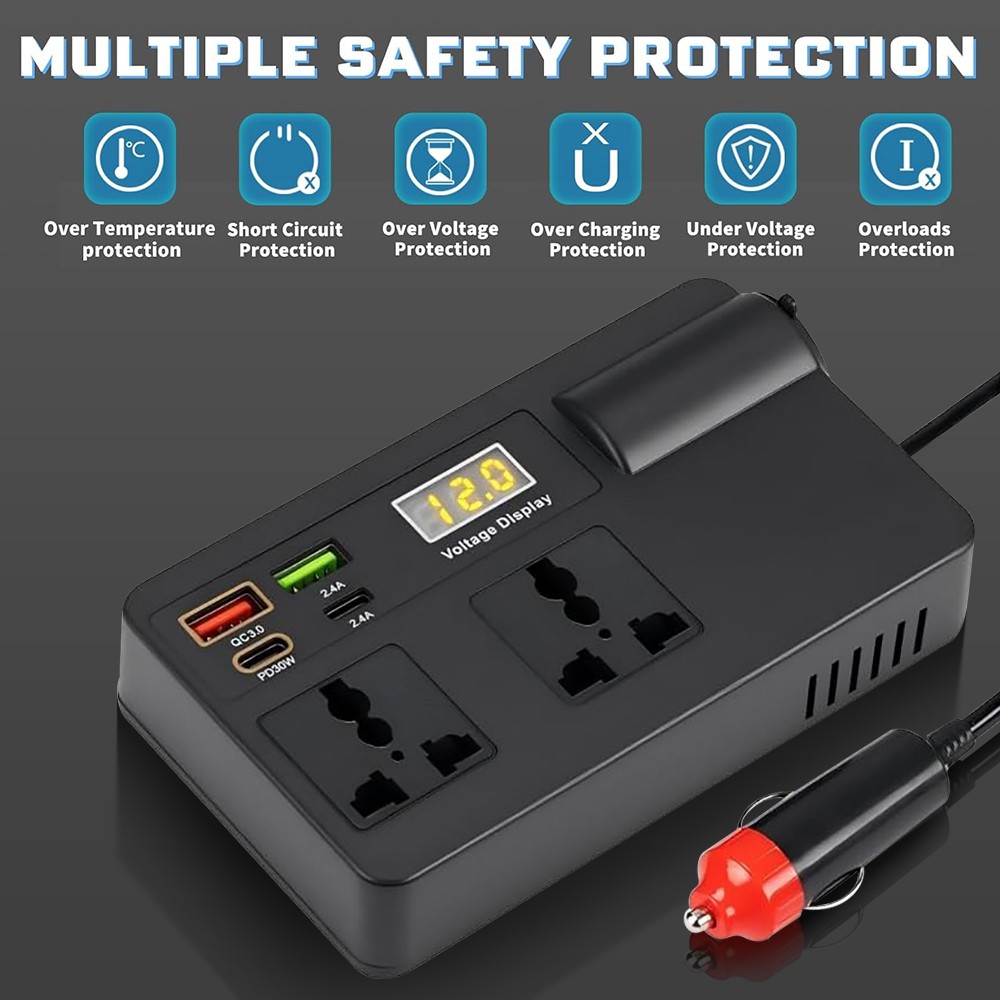 Car Auto 200W Power Inverter DC 12V 24V to AC 110V 240V Converter With 2 USB$15.99View on eBay
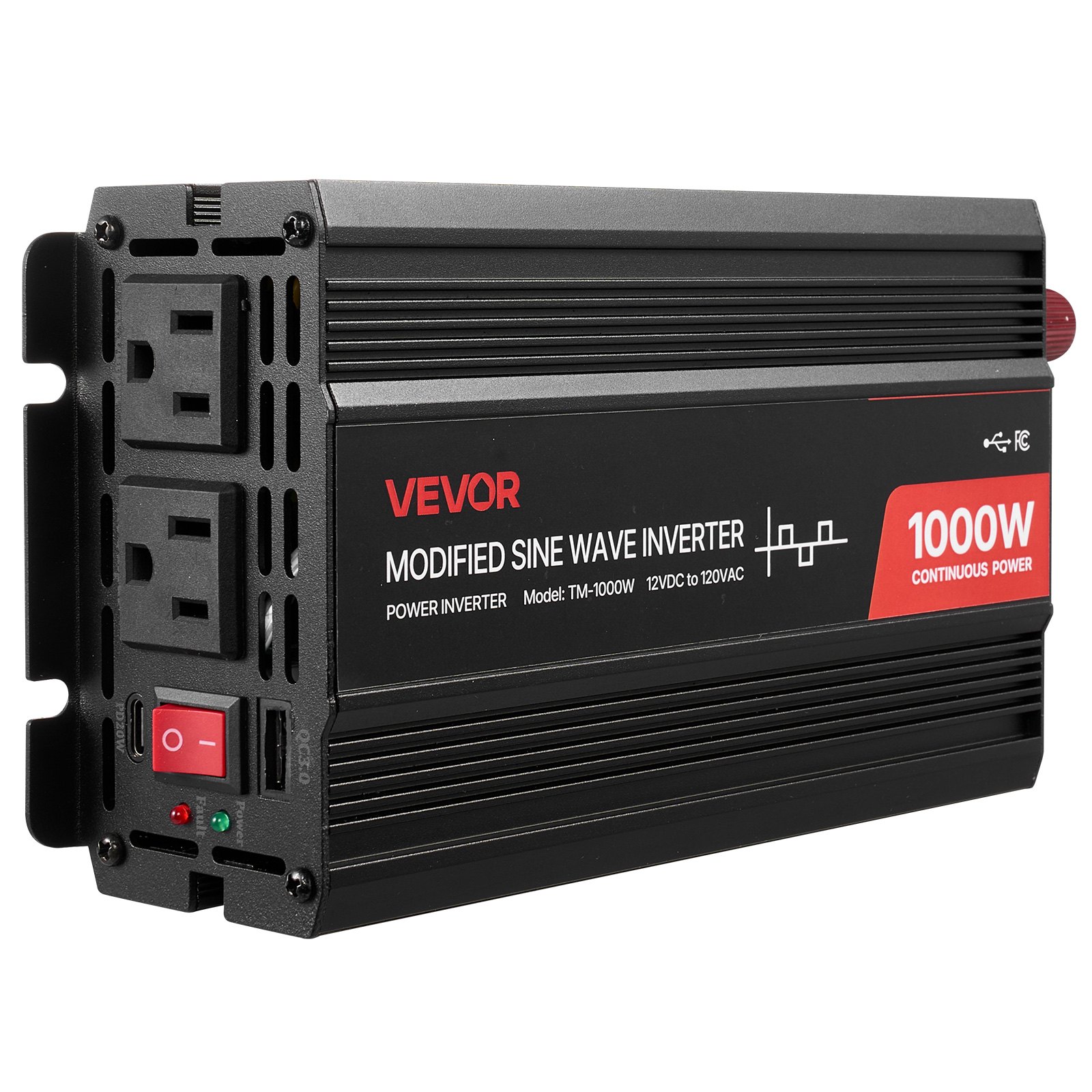 1000W Power Inverter, 12V DC To 120V AC Modified Sine Wave Car Charger Converter With USB & Type-C Port, 2 AC Outlets,$80.99View on Mallflare
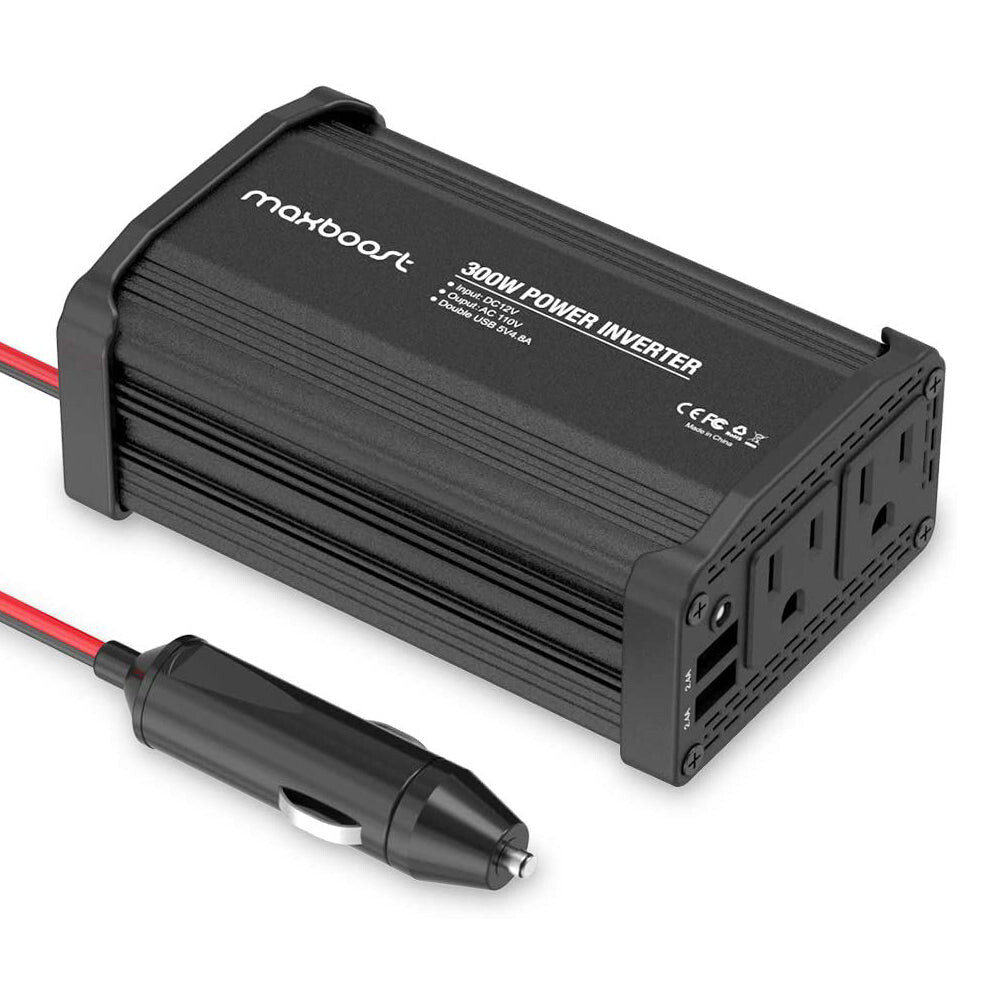 Maxboost 300W Power Inverter Dual 110V AC Outlet and 2.4A/24W USB Car Charger$20.29View on eBay
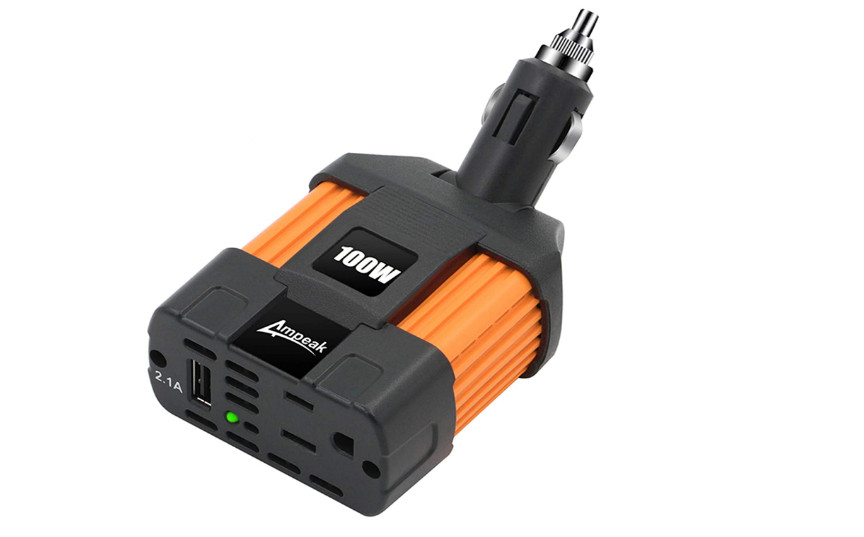 Car Inverter Power Converter Plug Adapter 12V To 110V Outlet Cigarette Lighter$24.88View on eBay
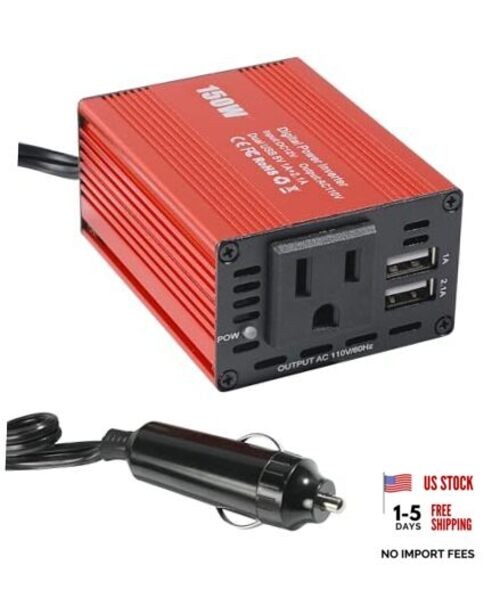 Power Inverters for Vehicles,Car Accessories,150W Car Power Inverters with$24.92View on eBay
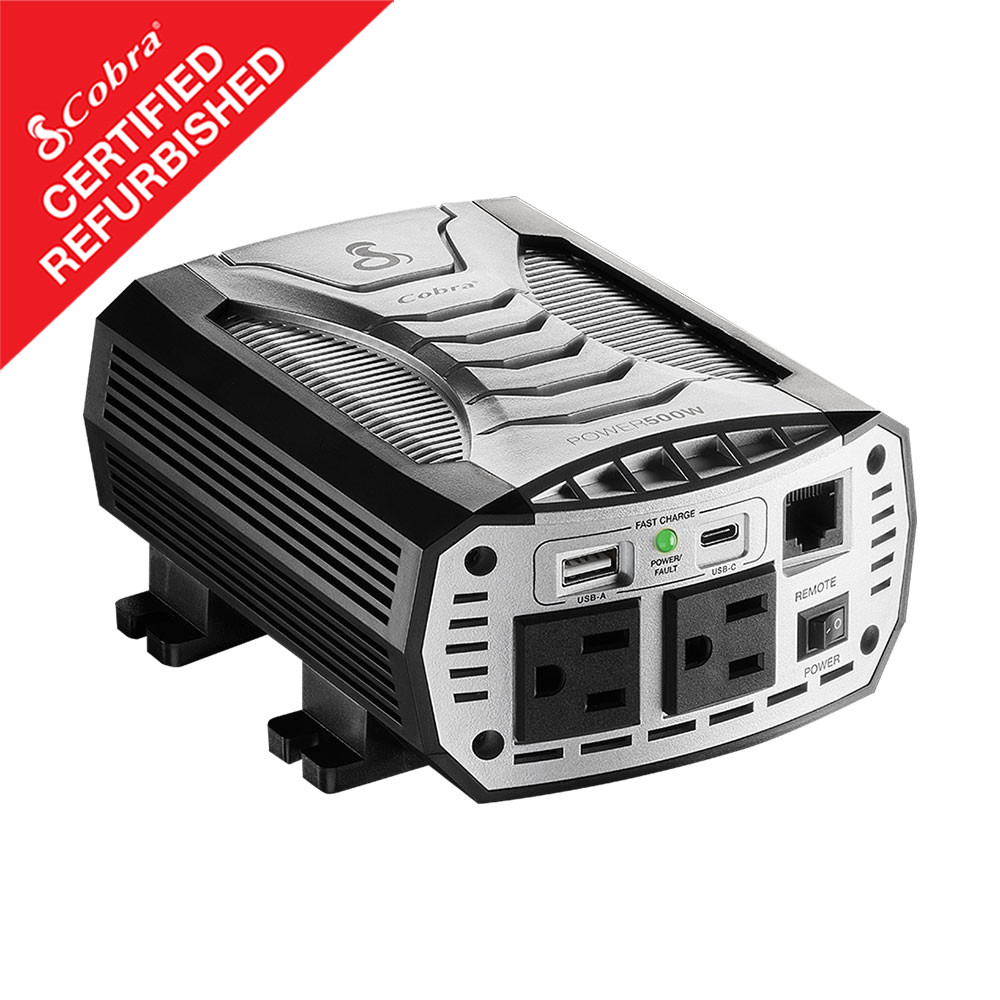 Cobra Power 500W Power Inverter Portable Car Charger Certified Refurbished$24.99View on eBay
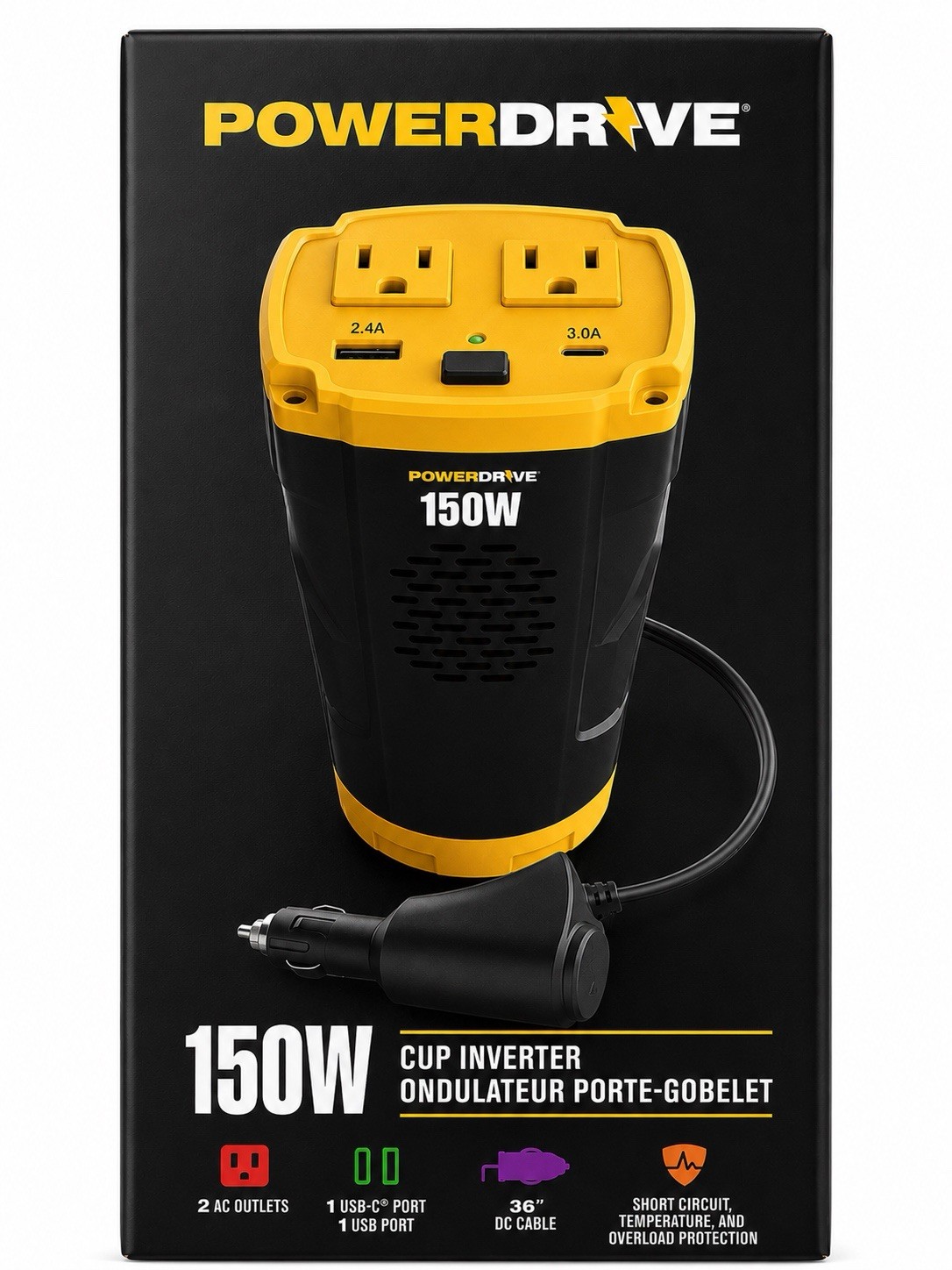 PowerDrive PWD150C 150W Power Inverter$24.99View on eBay
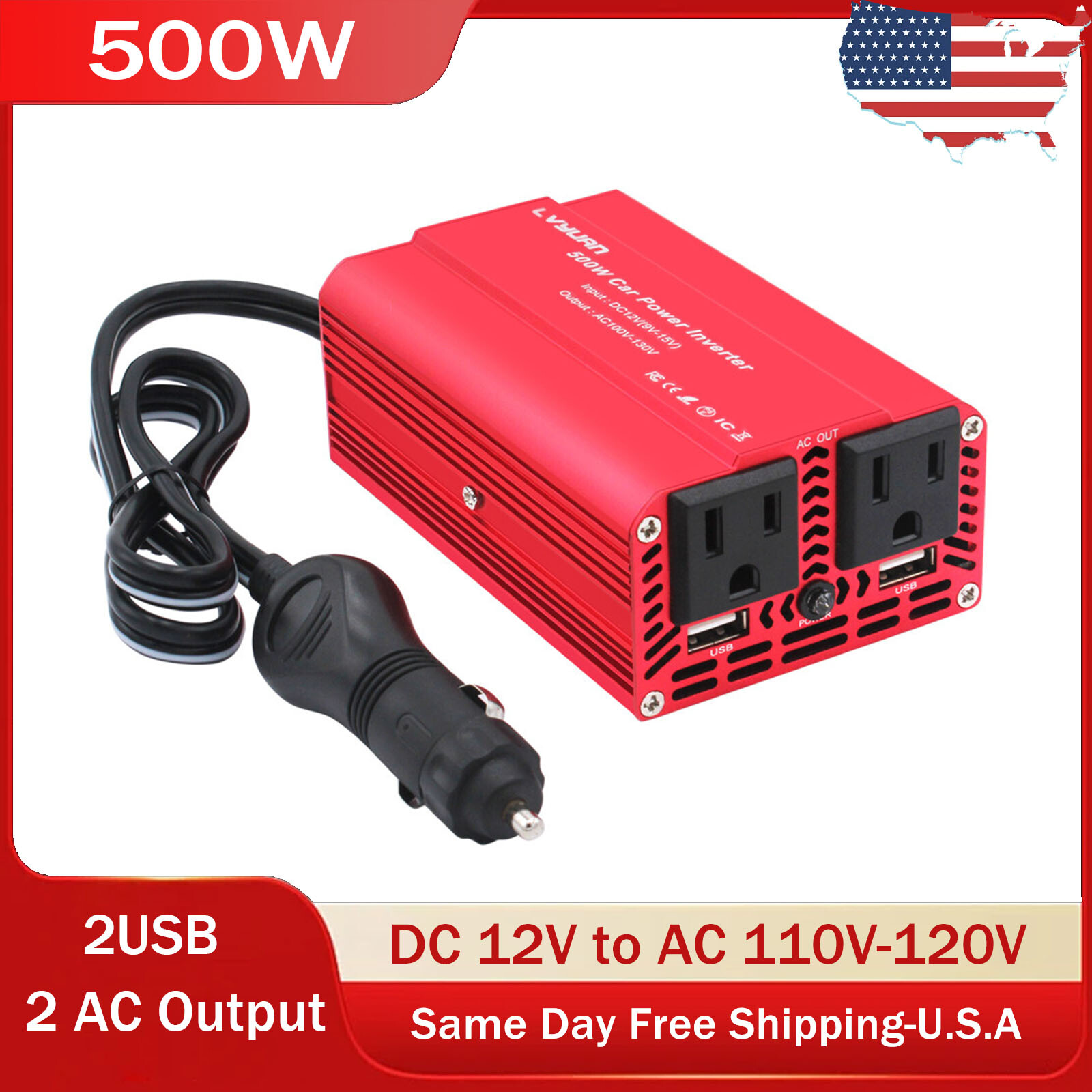 500W Car Power Inverter DC 12V to AC 110V 120V Converter With 2USB 2Sockets Red$24.99View on eBay
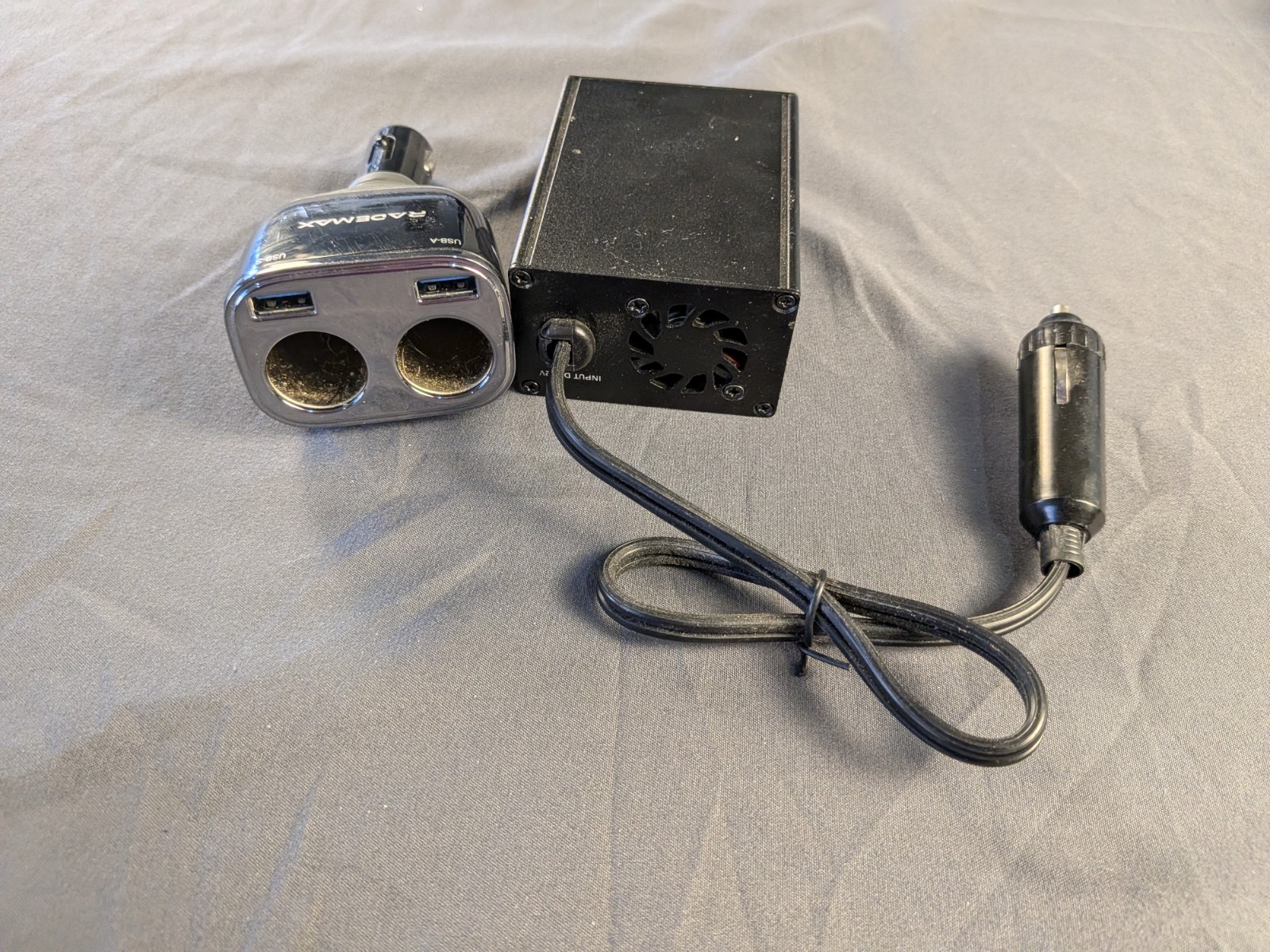 Lot of 2 Car Power Accessories: 150W DC to AC Power Inverter & Rademax Dual...$24.99View on eBay
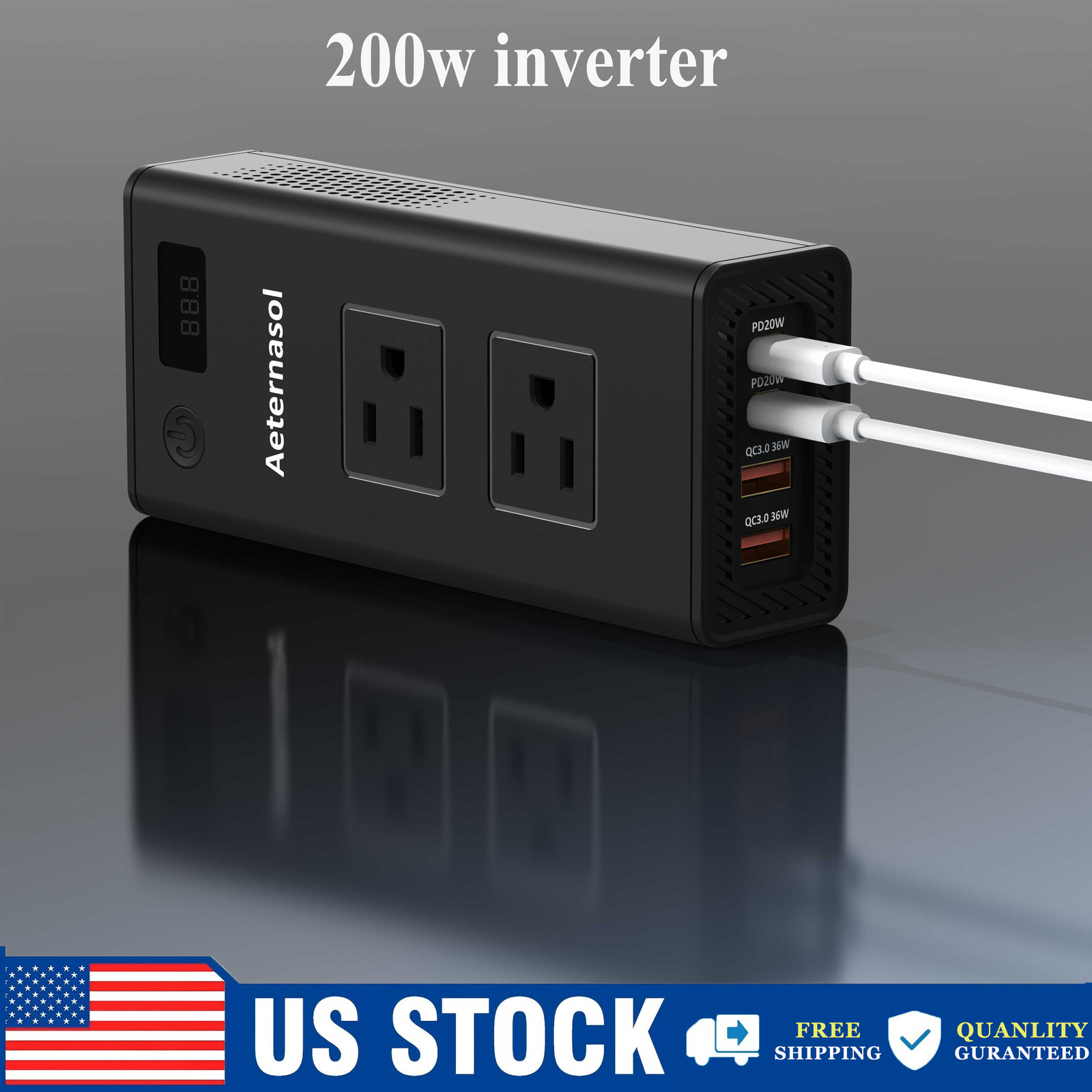 200W Car Power Inverter Outlet DC 12V to 110V 120V car Adapter Plug Outlet 4USB$25.99View on eBay
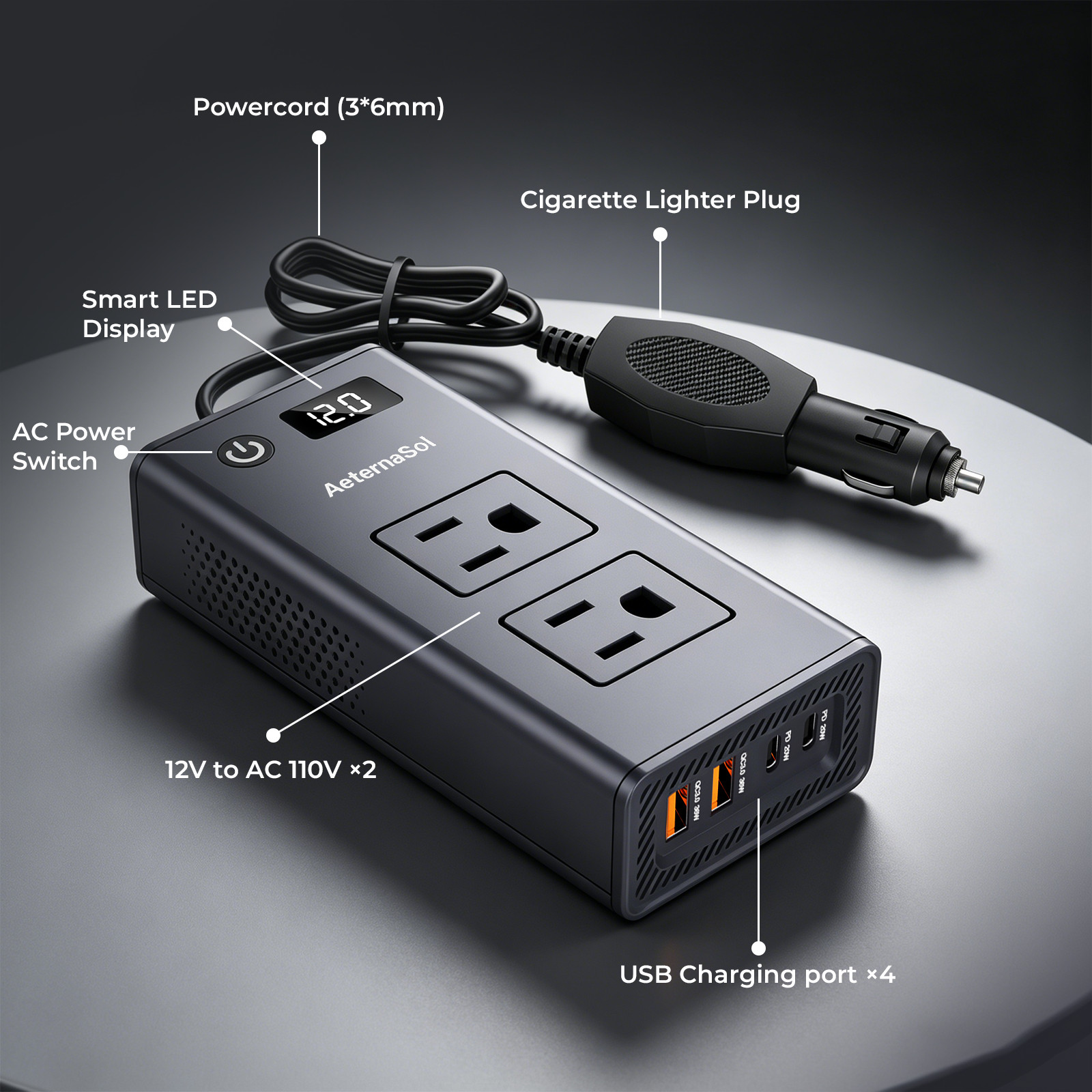 200W Car Power Inverter DC 12V to 110V AC Plug Adapter Outlet Converter USB 36W$25.99View on eBay
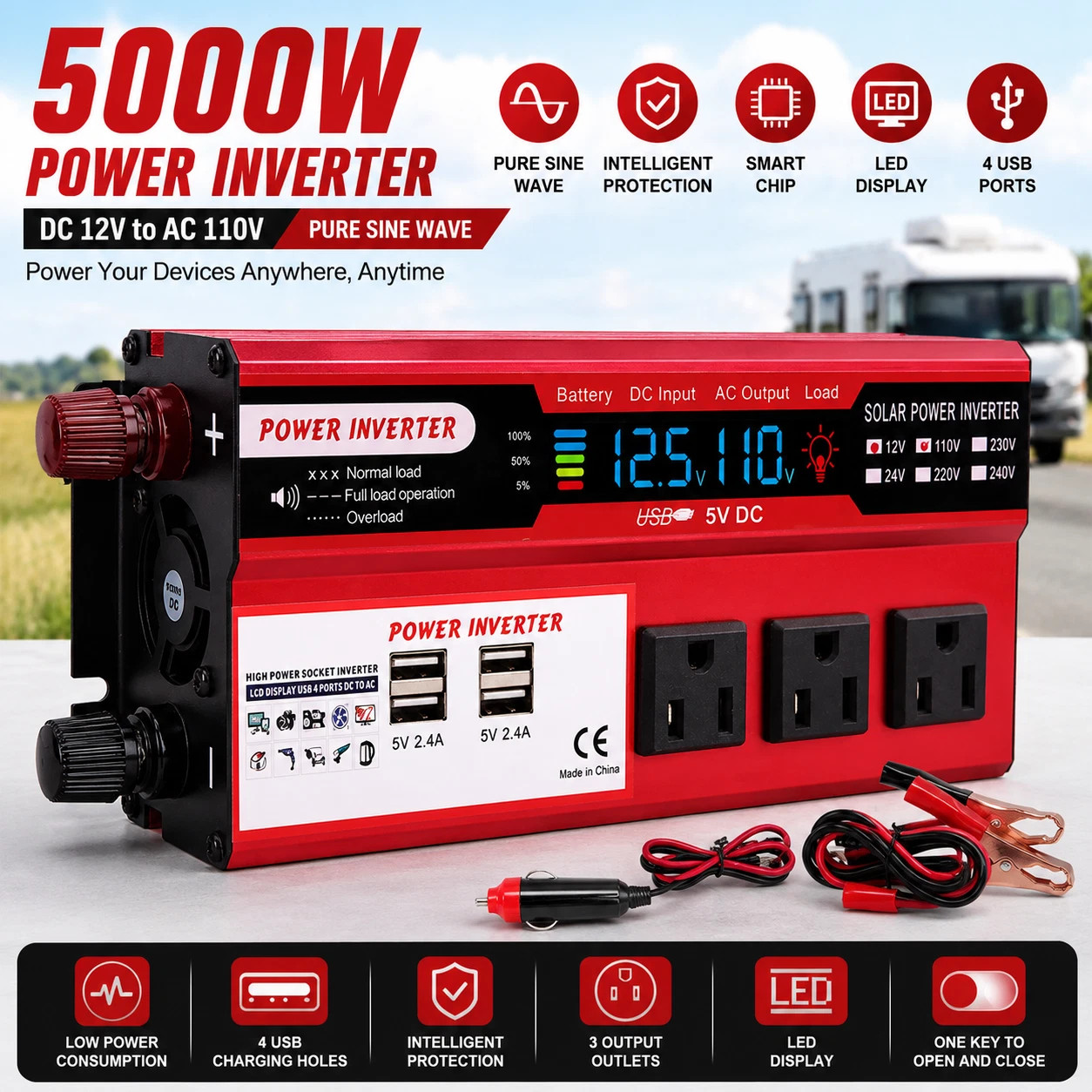 5000W Car Power Inverter DC 12V To AC 110V Pure Sine Wave Solar 4 USB Converter$26.99View on eBay
 6000W Car Power Inverter 12V/24V to AC 110V Pure Sine Wave Solar Converter LCD$27.99View on eBay
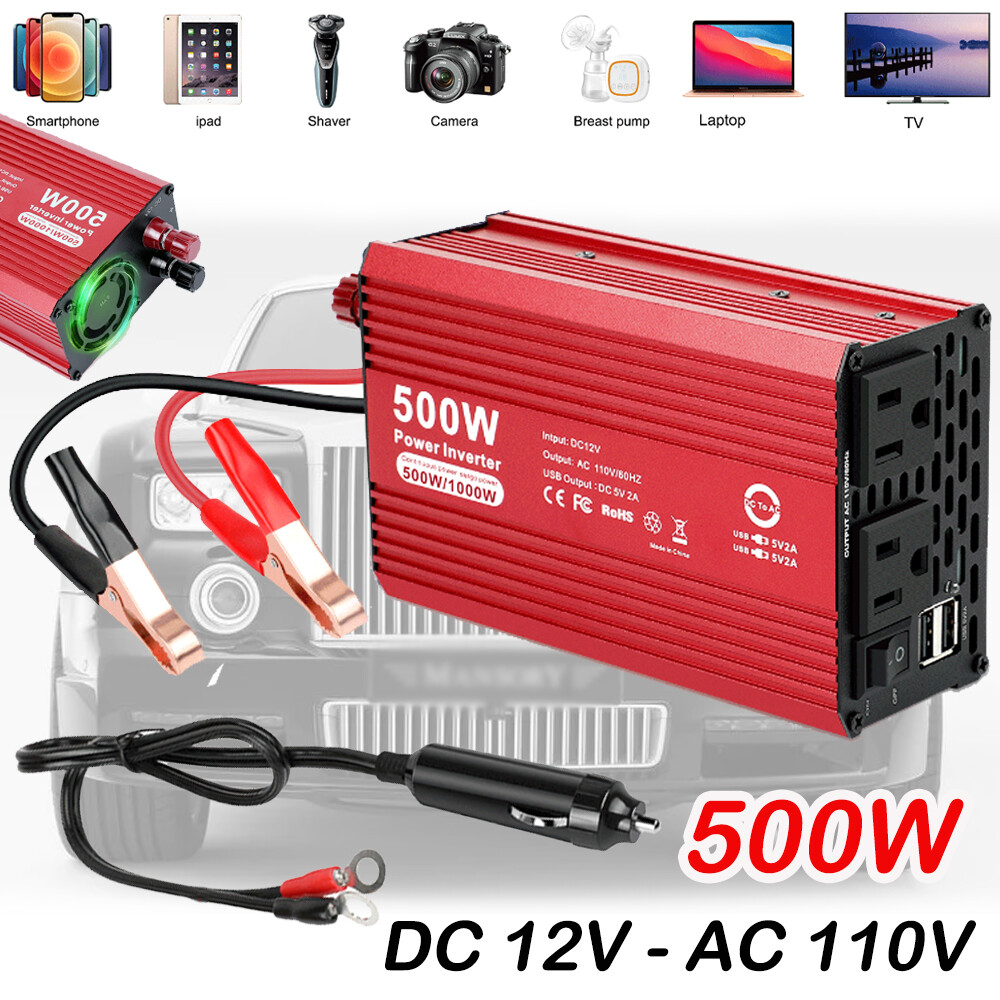 500W Car Power Inverter DC 12V To AC 110V 120V Adapter Converter 2 USB 2 AC$28.59View on eBay
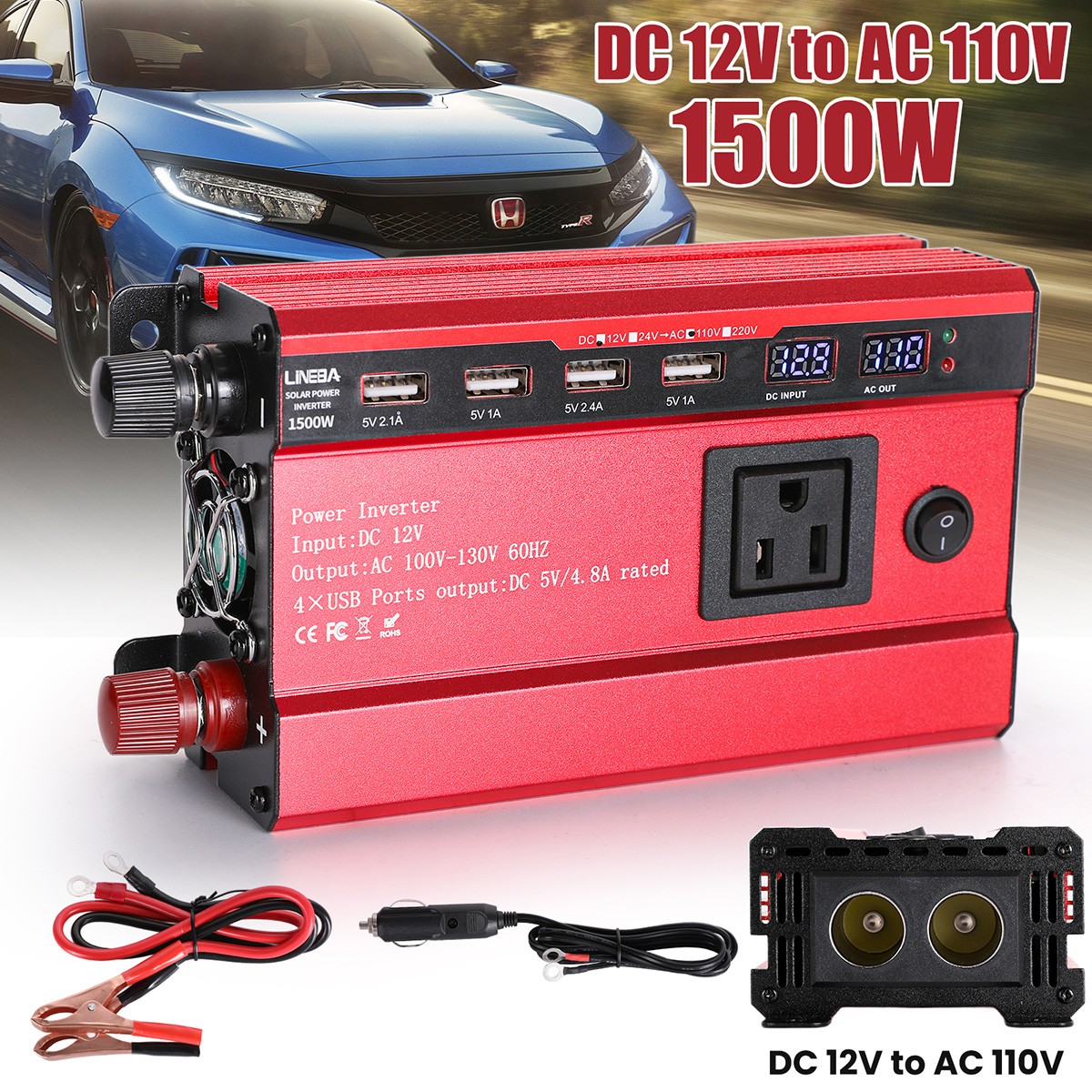
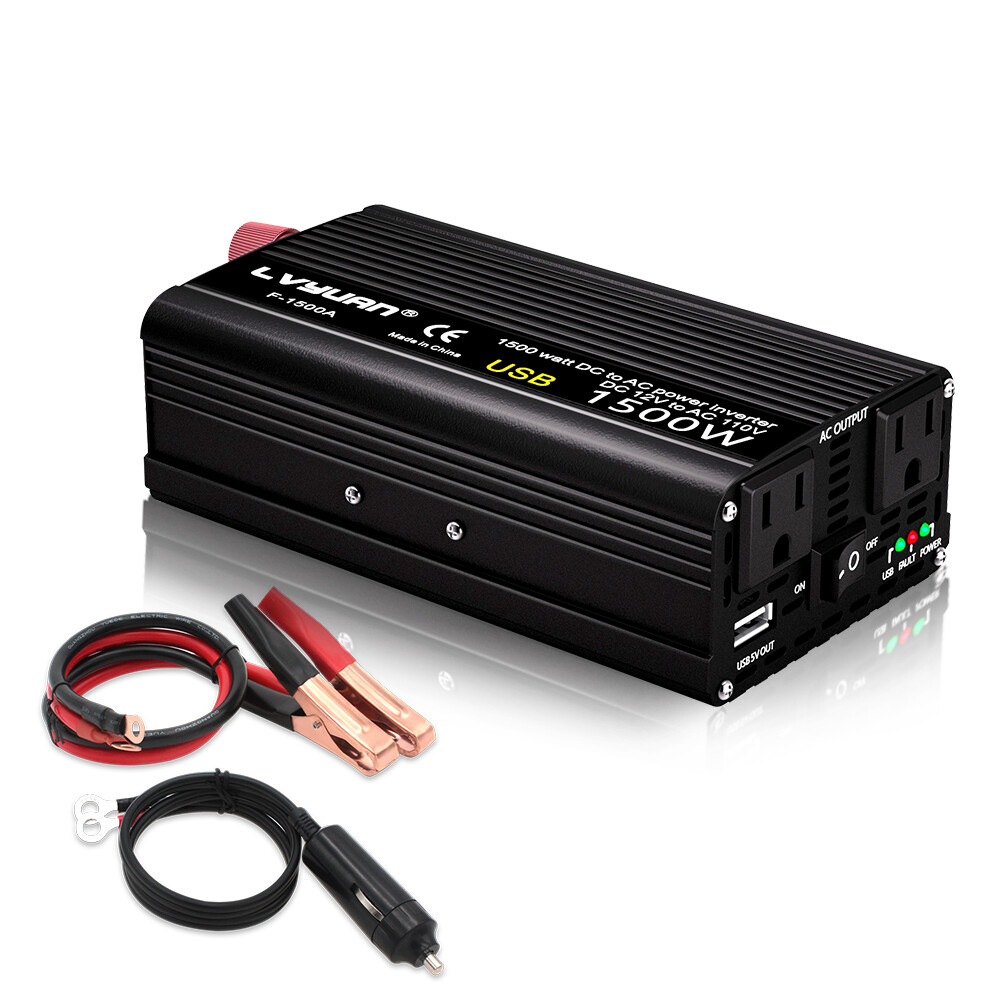 1500W Power Inverter 12V DC to 110V AC Converter Dual Outlets Car Charger Port$29.69View on eBay
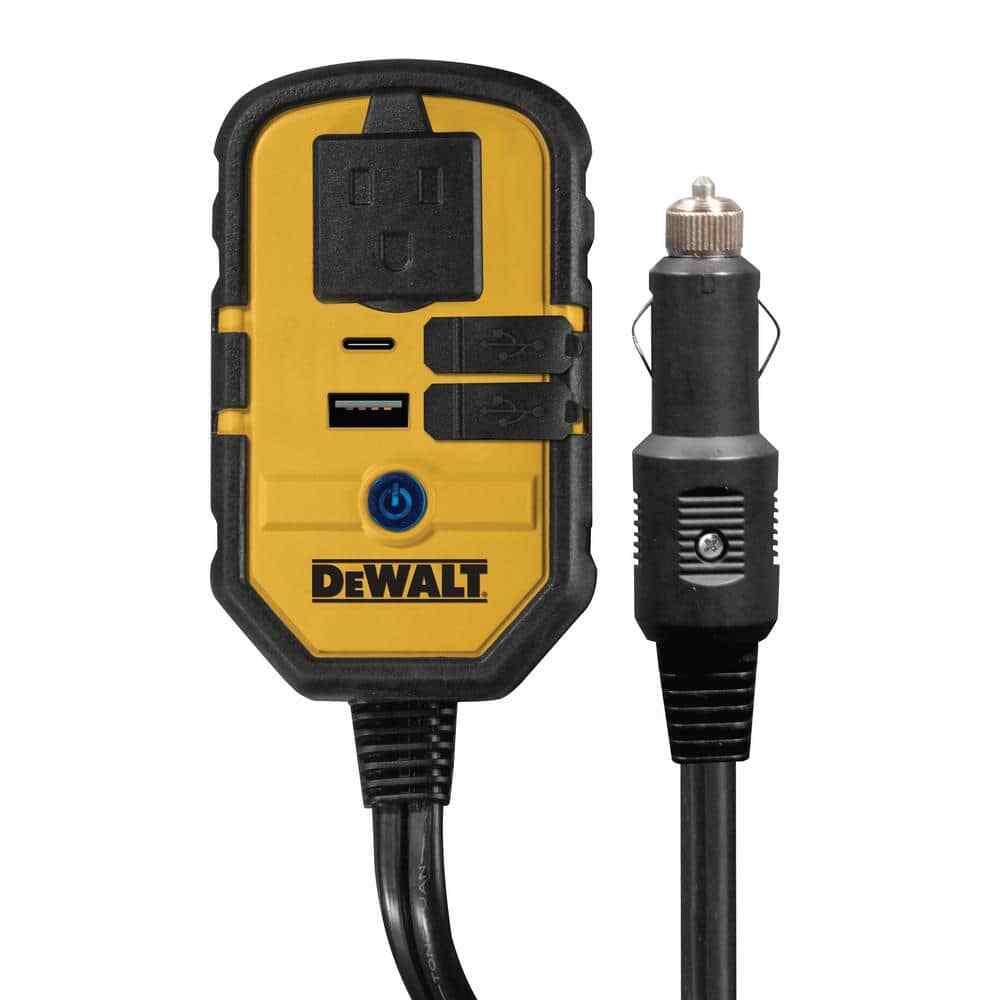 DEWALT 140-Watt Portable Car Power Inverter with Dual USB Ports$29.99View on eBay
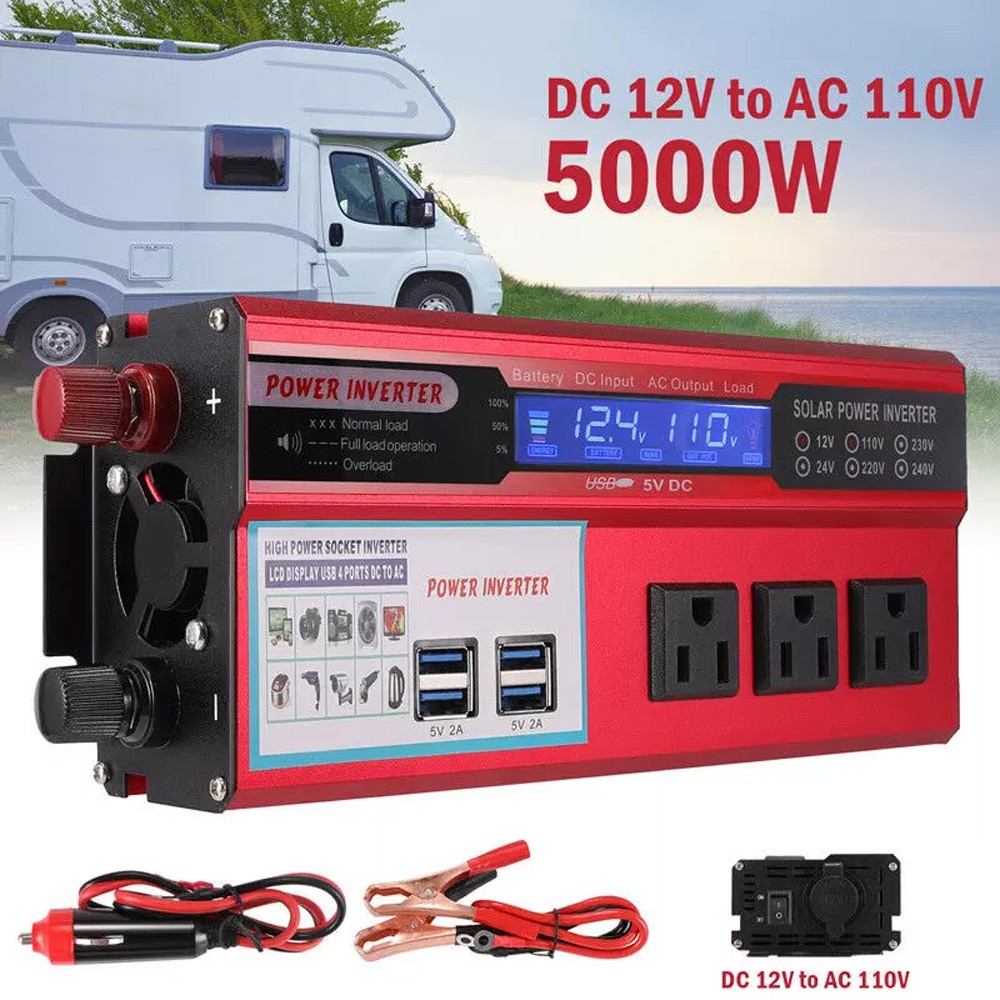 Car Power Inverter DC 12V To AC 110V modified Sine Wave Solar Converter 4 USB$29.99View on eBay
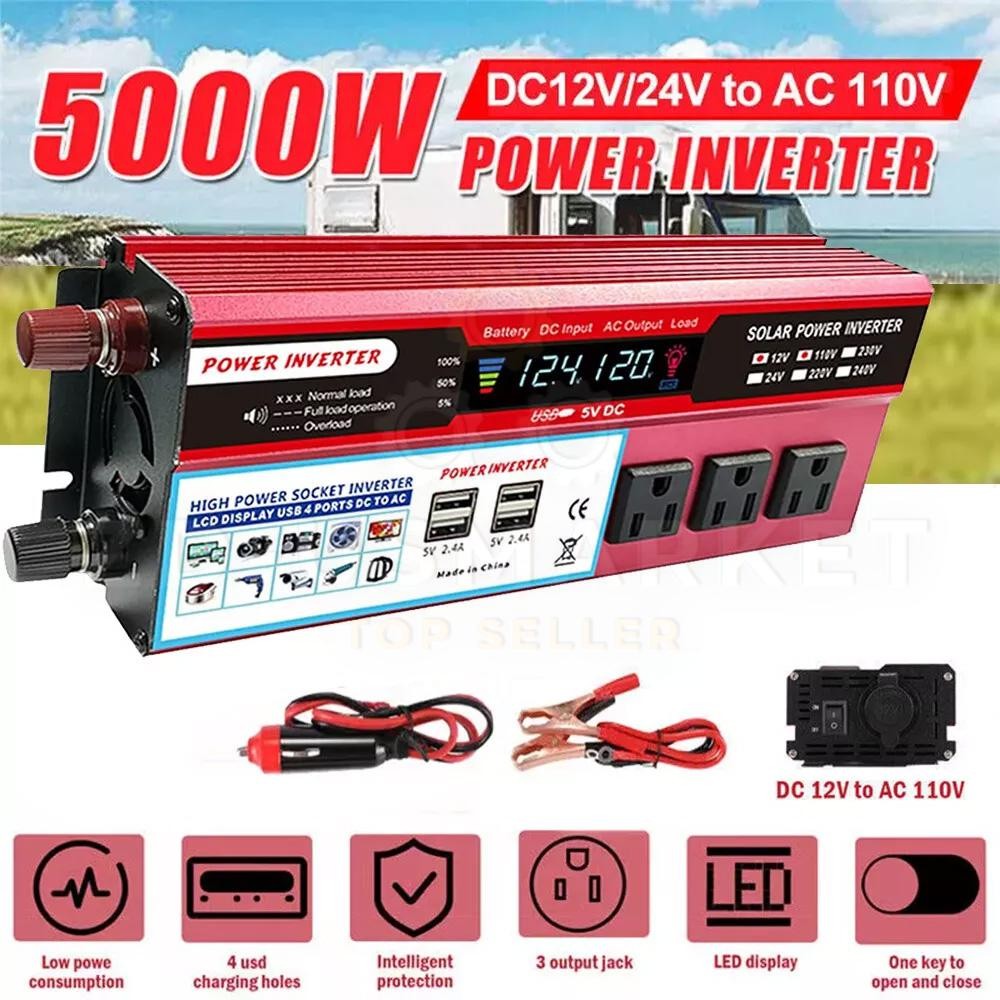 5000W Car Power Inverter DC 12V To AC 110V modified Sine Wave Solar Converter$29.99View on eBay
Highlights
- Modified sine wave outputs a stepped square wave that runs resistive loads (phone chargers, incandescent lamps) but causes motors to run hot and audio gear to hum; pure sine wave matches grid power for compressors and sensitive electronics.
- Cigarette-lighter plugs are typically fused at 15A, capping safe draw near 180W; inverters above 300W require direct battery connection via alligator clips or ring terminals to carry the current.
- Continuous wattage, not peak wattage, determines real capability; a 1000W inverter with 2000W peak handles a 700W appliance continuously but only brief surge for motor startup.
- Aluminum alloy housings with cooling fans dissipate heat far better than sealed plastic shells, which is decisive for extended high-load runs above 300W.
Best use cases
- Best fit: 150-200W modified sine wave with a 12V plug for phone, laptop, and tablet charging on road trips; skip pure sine here since these devices use DC adapters that tolerate stepped waveforms.
- Best fit: 300-500W pure sine wave with alligator clips for CPAP machines, power tools, and small fridges; skip any modified sine unit because motors and medical devices need clean waveform.
- Best fit: 1000W+ pure sine hardwired to the battery for tailgating, RV, or job-site use running microwaves and compressors; skip 12V-plug models entirely at this tier because the fuse will blow.
- Wrong fit: running a 1500W space heater or hair dryer from a 12V plug inverter—no plug-fused unit can supply this, and even hardwired setups drain a standard battery in minutes.
Buying tips
- Add 20-30% headroom to your device's running wattage; a 500W inverter comfortably runs a 400W load without thermal shutdown on long sessions.
- Choose pure sine wave for anything with an AC motor (fans, fridges, pumps), compressor, or microprocessor; modified sine is acceptable only for resistive and switched-mode loads.
- Above 300W, require alligator clips or ring-terminal battery cables—12V plug inverters are fuse-limited and will nuisance-blow at sustained high draw.
- Check the DC input range: 12V nominal units accept roughly 10-15V, so do not use a 12V inverter on a 24V truck system without a 24V-to-12V converter.
Specs
| Waveform | Modified sine vs pure sine |
|---|---|
| Continuous Power | 150W / 300W / 500W / 1000W+ |
| Input Connection | 12V plug (≤200W) vs battery clips |
| DC Input | 12V nominal (10-15V range) |
Related searches
What to check before buying
- Calculate total running watts of every device you plan to power simultaneously, then add 25% headroom; compare that figure to the inverter's continuous rating, not peak.
- Verify your vehicle's cigarette lighter fuse rating—typically 15A—which caps plug-powered inverters near 180W; plan hardwiring for higher loads.
- Confirm battery capacity and alternator output: a 1000W load draws about 85A at 12V, which exceeds many stock alternators and drains a 100Ah battery in roughly an hour.
- Measure mounting space against the inverter's dimensions and ensure at least 2 inches of clearance around cooling fans and vents for heat dissipation.
FAQ
Data sources: eBay / Amazon listings and product attribute feeds Data updated Nov 15, 2026.
Some links on this page are affiliate links. If you buy after clicking one, we may earn a commission at no extra cost to you. This does not change which products appear here or their order. Affiliate disclosure.