Photos from current listings. Actual item, color, and included accessories may vary.
AC Adapter Buying Guide
An AC adapter for car use splits into two distinct devices: a DC-to-AC power inverter that turns 12V battery power into household AC, and an AC-to-DC power supply that converts wall AC into 12V for car accessories. The core trade-off is continuous wattage and waveform quality versus size and cost—pure sine wave and honest continuous ratings separate durable inverters from modified-square-wave compromises that overheat or damage electronics. Choose an inverter only if you need AC output on the road; choose an AC-to-DC supply if you are powering 12V gear indoors.


At a glance
- Category
- Car Power
- Data updated
- Nov 15, 2026
Current offers
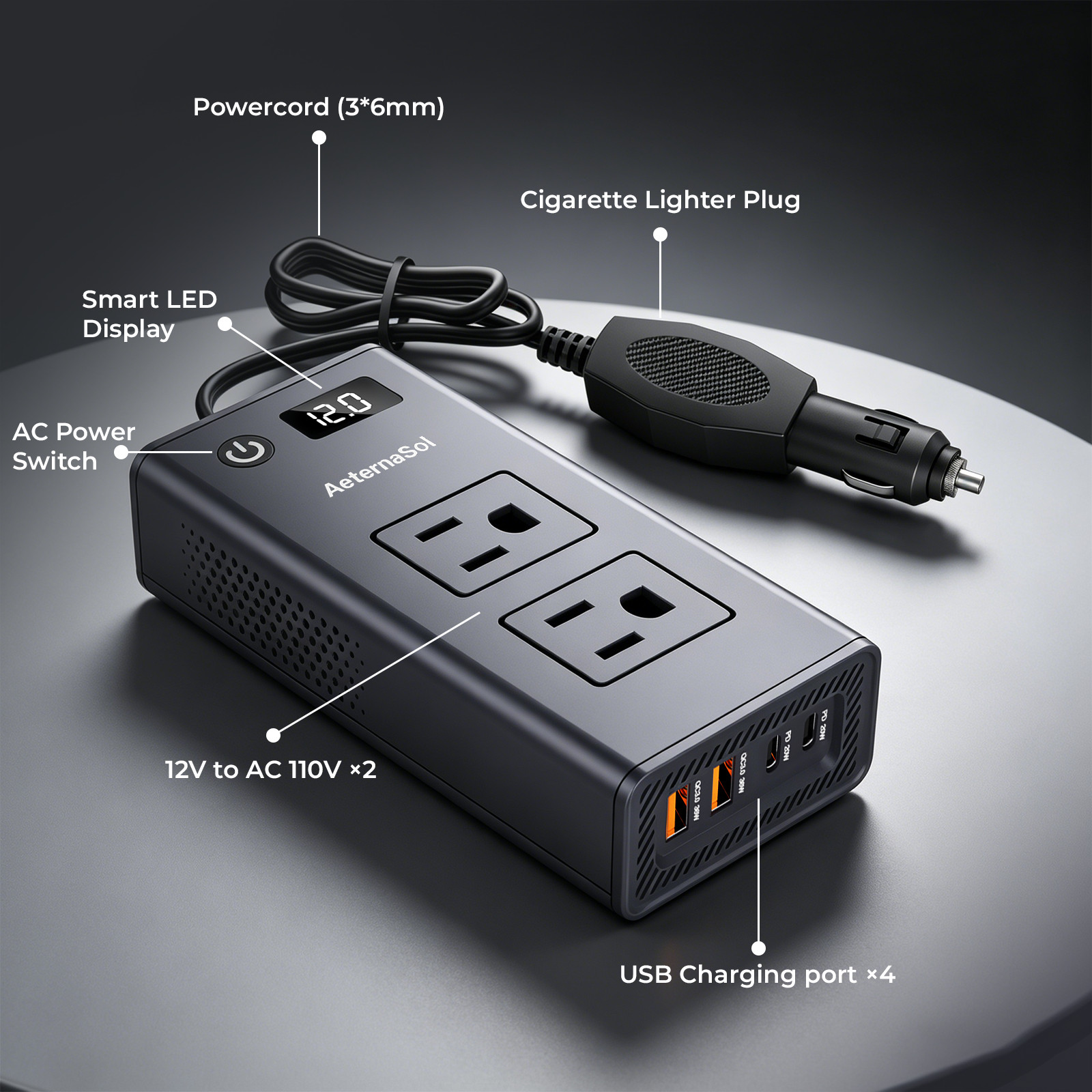 200W Car Power Inverter DC 12V to 110V AC Plug Adapter Outlet Converter USB 36W$25.99
 View on eBay
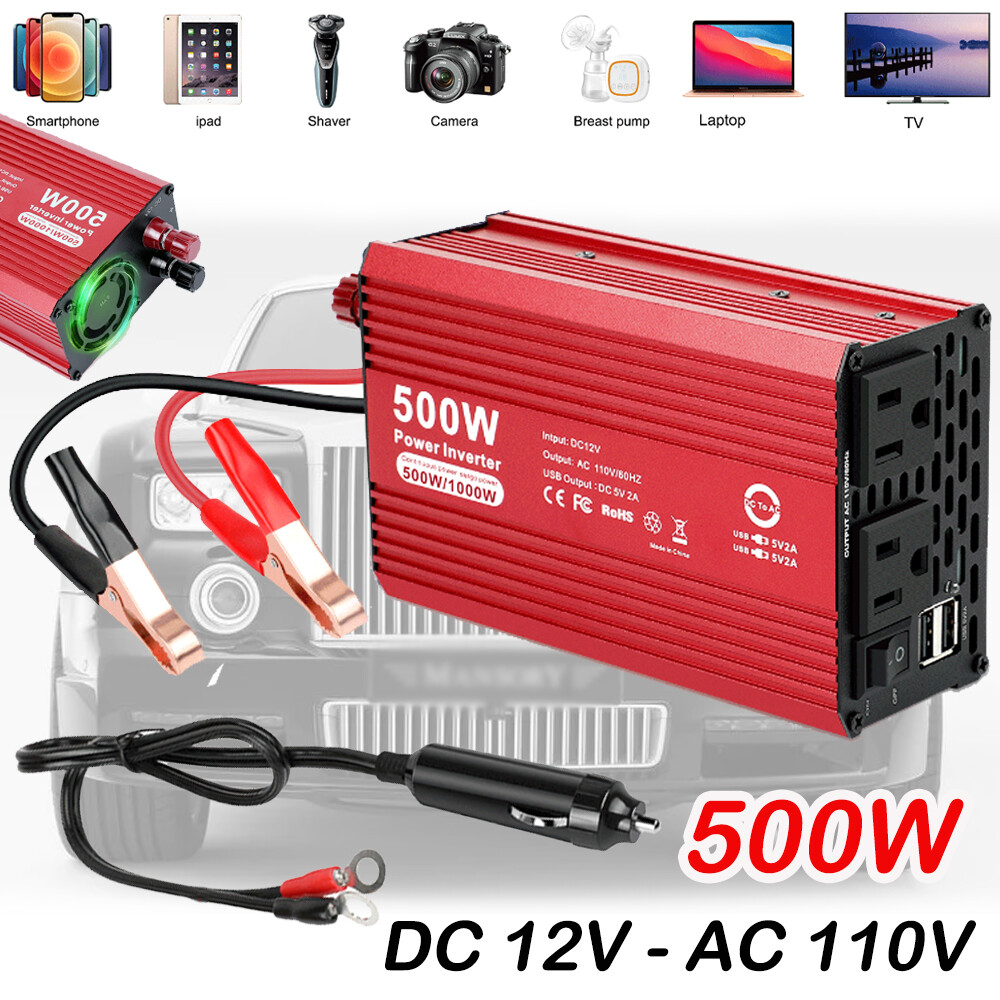 500W Car Power Inverter DC 12V To AC 110V 120V Adapter Converter 2 USB 2 AC$28.59View on eBay
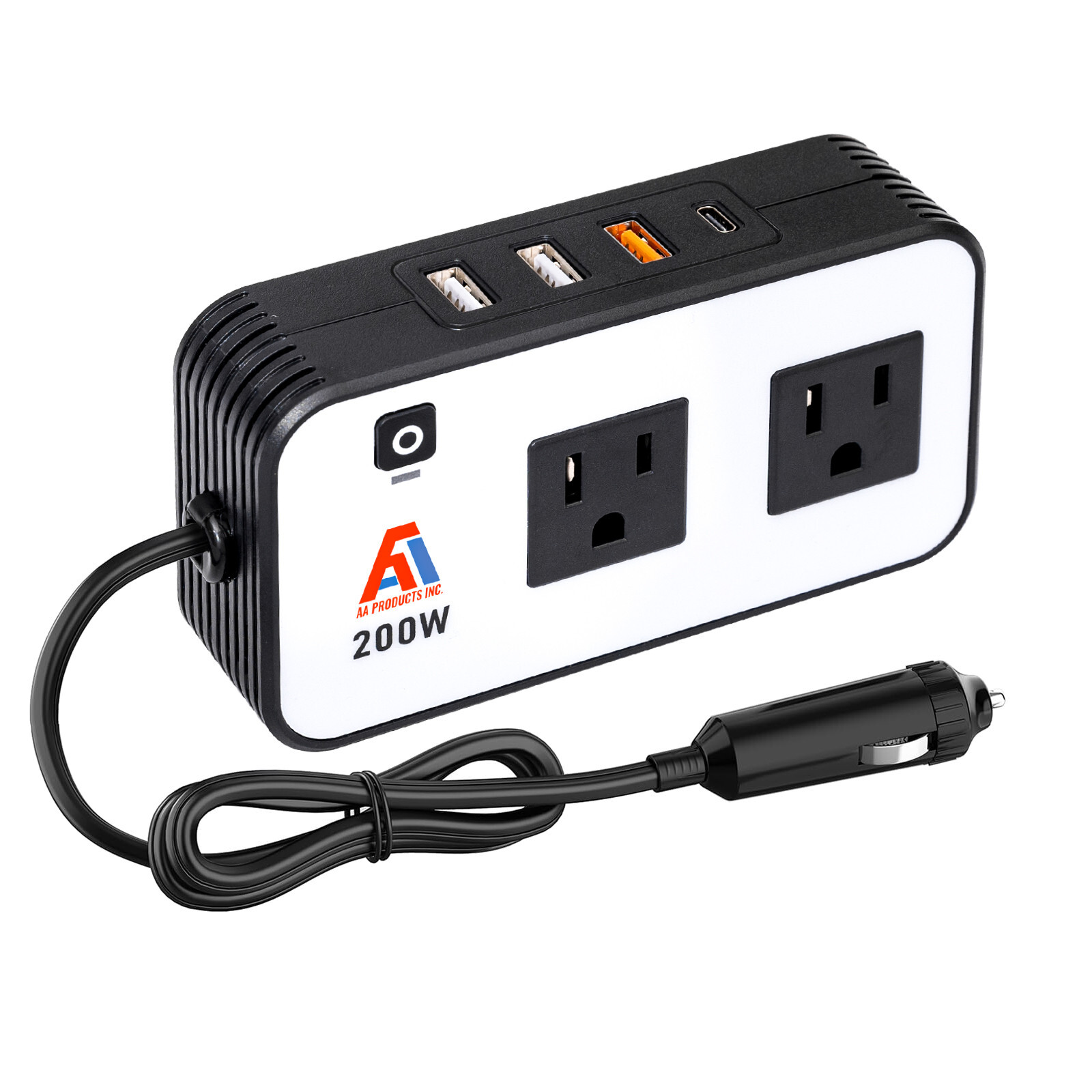 AA Products P-SH-Power Inverter 12V DC to 110V AC 200W Car Charger Adapter$30.90View on eBay
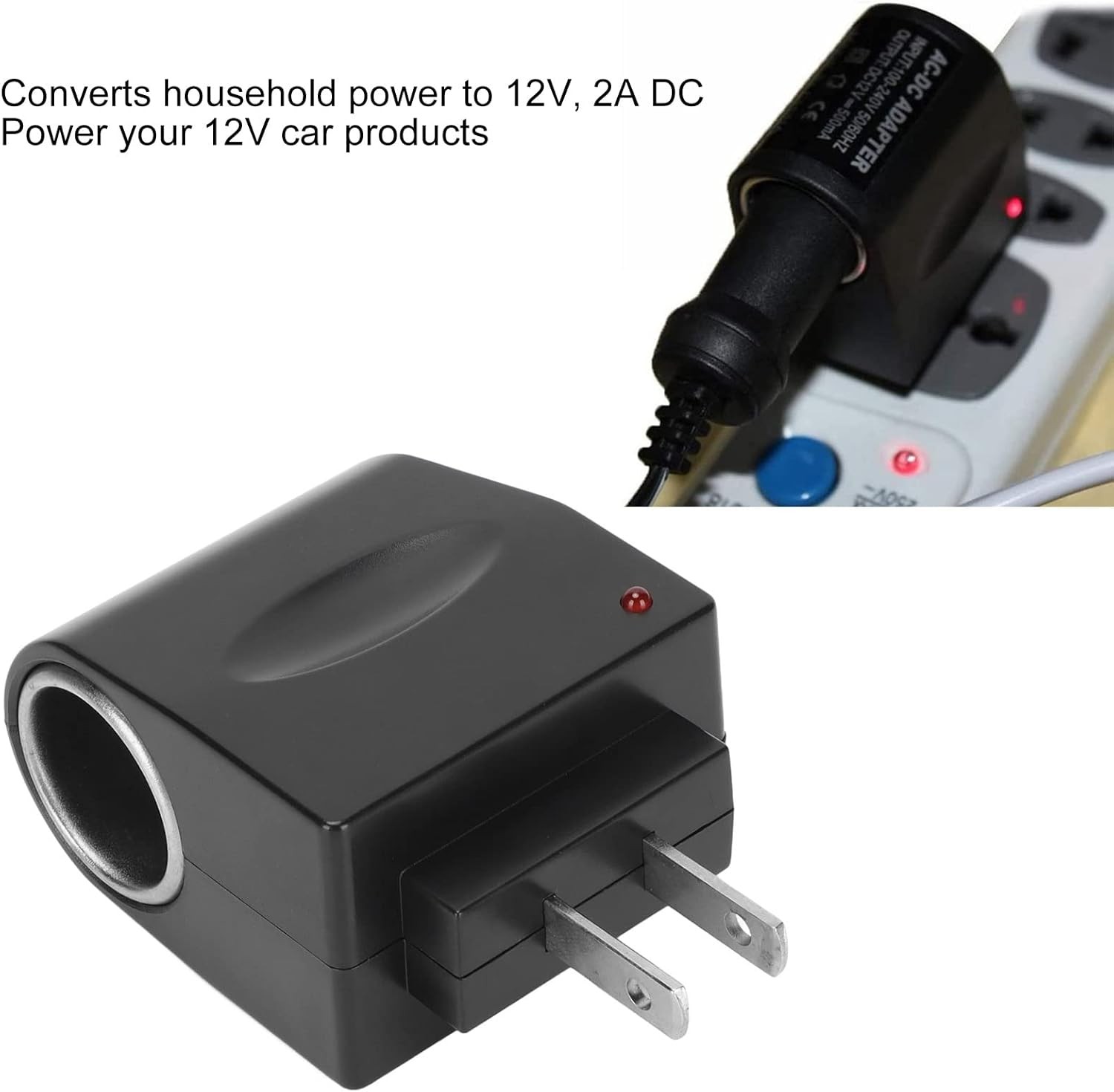 110V-240V AC Plug To 12V DC Car Cigarette Lighter Converter Socket Adapter Lot$46.29View on eBay
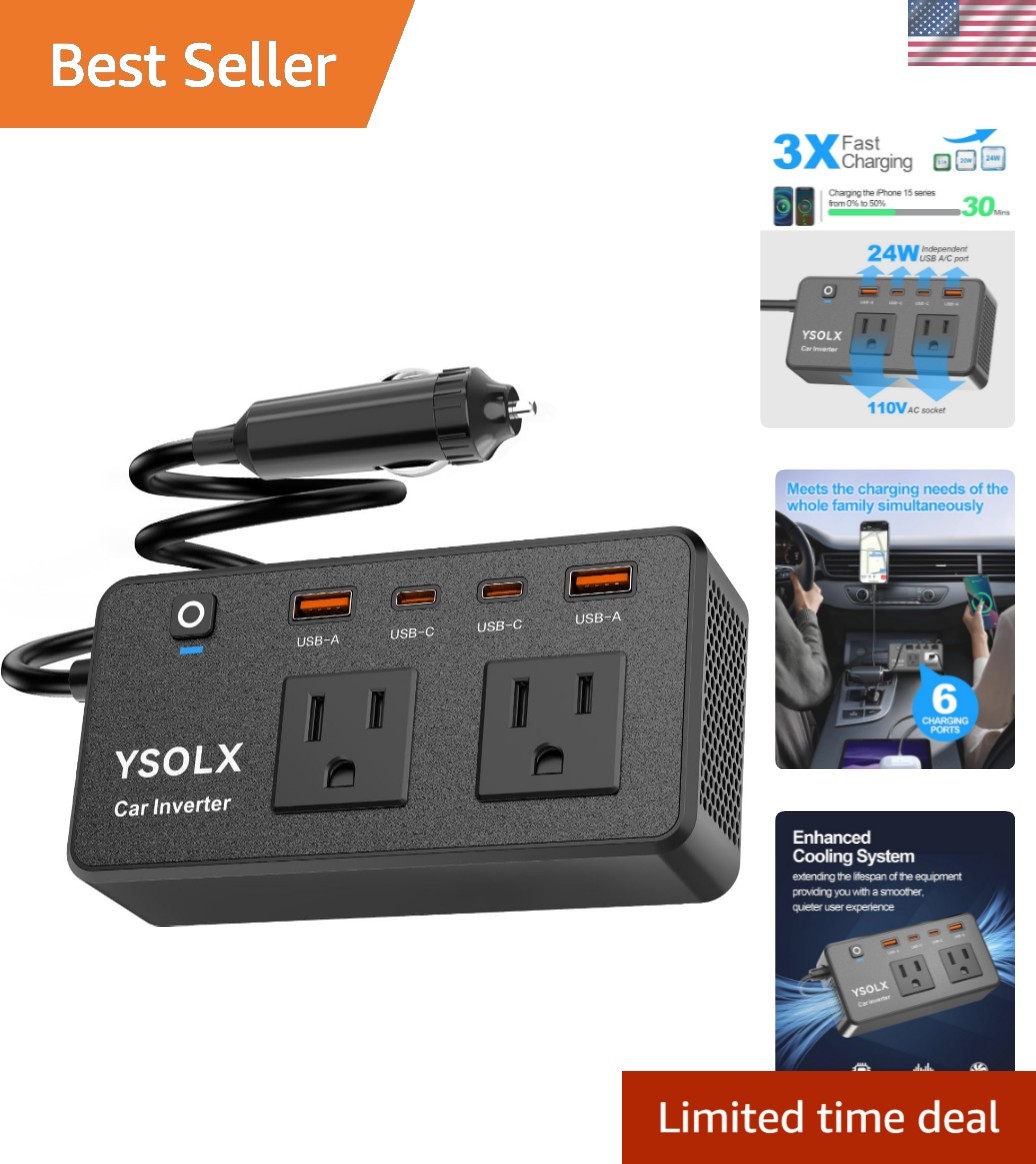 300W Car Power Inverter - Dual DC 12V to 110V AC Car Outlet Adapter to Wall P...$57.10View on eBay
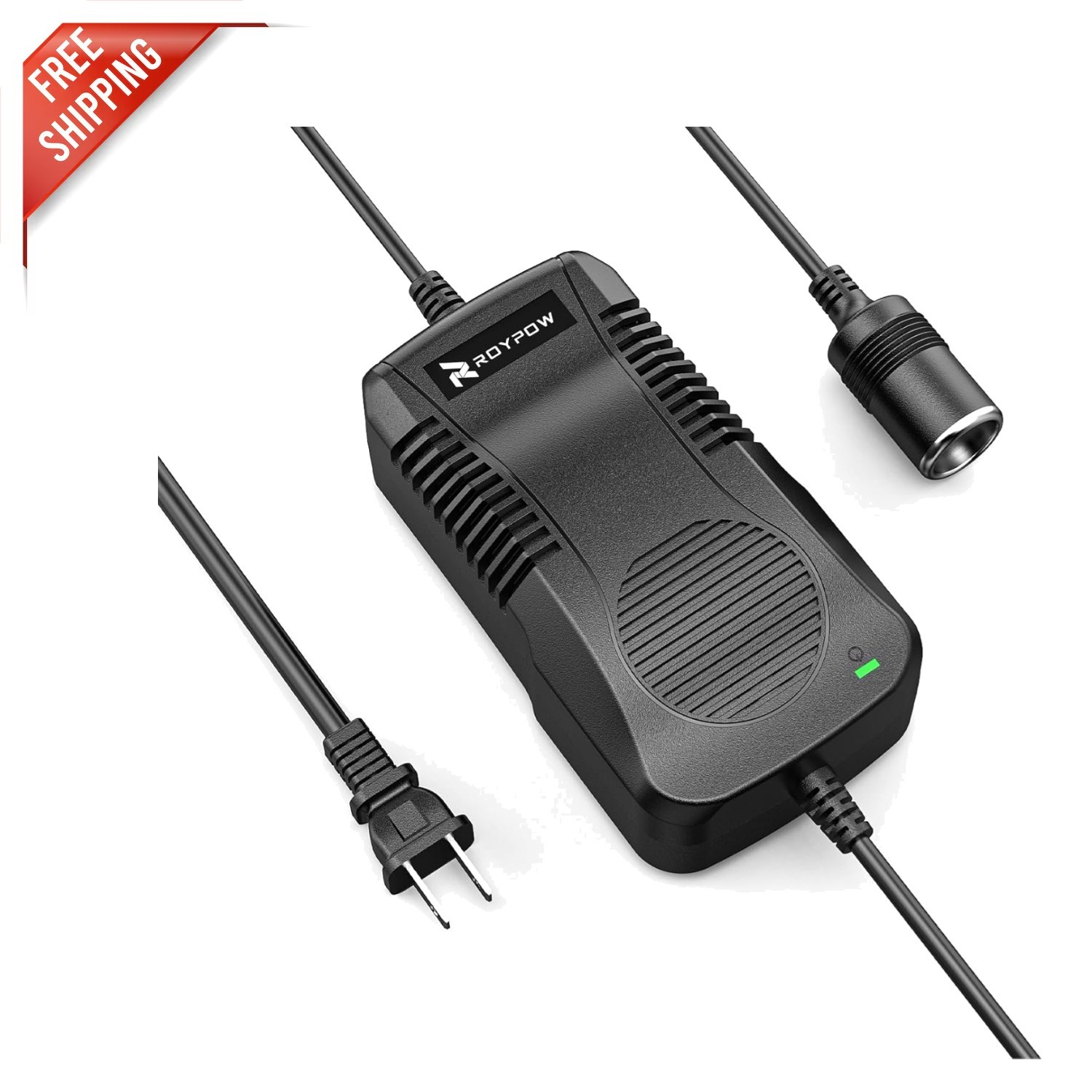 Compact 180W AC to DC Power Supply Adapter for Car Accessories - Safe & Reliable$79.17View on eBay
- Compact 180W AC to DC Power Supply Adapter for Car Accessories - Safe & Reliable$87.97View on eBay
Highlights
- DC-to-AC inverters convert 12V battery input to 110-120V AC; continuous wattage, not peak wattage, determines what they can run safely.
- Pure sine wave output matches grid power and runs motors, compressors, and sensitive electronics; modified sine wave is cheaper but heats and buzzes inductive loads.
- AC-to-DC supplies step 110-240V wall power down to regulated 12V DC, typically at 2-15A, and are rated by continuous amps, not cigarette-lighter peak claims.
- Inverter efficiency runs roughly 85-90%; a 500W AC load draws about 46-49A from a 12V battery, so wiring and fuse ratings must match the inverter, not the outlet.
Best use cases
- Best fit: laptop, phone, and camera charging on road trips—pick a 150-300W pure sine inverter with USB ports and hardwire it to the battery for loads above 150W.
- Best fit: running a CPAP, mini fridge, or power tools from a car—choose 500-1000W pure sine with a remote switch and direct battery cables; skip cigarette-lighter plugs for anything above 150W continuous.
- Best fit: powering a 12V dash cam or cooler from a wall outlet indoors—choose a regulated 12V AC-to-DC supply rated at least 20% above the device's amp draw.
- Wrong fit: running a 1500W space heater or hair dryer from a stock 12V outlet—alternator and wiring cannot sustain it; upgrade to a high-output alternator and dedicated inverter circuit first.
Buying tips
- Size the inverter at 1.25-1.5x the continuous wattage of your largest load, and ignore peak wattage claims that last only milliseconds.
- Buy pure sine wave for anything with a motor, compressor, or digital power supply; modified sine wave only suits resistive loads like incandescent bulbs and simple chargers.
- Match AC-to-DC adapters by output voltage and continuous amps—12V devices typically need 2-5A, and the barrel-jack polarity and diameter must match exactly.
- For loads above 150W, use direct battery cables with an inline fuse rated to the inverter's input current; cigarette-lighter sockets are typically fused at 15-20A (180-240W).
Specs
| Type | DC-to-AC inverter vs AC-to-DC supply |
|---|---|
| Output Waveform | Pure sine vs modified sine |
| Continuous Power | 150W / 300W / 500W / 1000W tiers |
| DC Output | 12V regulated, 2-15A typical |
Related searches
What to check before buying
- Measure your device's continuous wattage (or volts x amps) and add 25-50% headroom before choosing inverter size.
- Confirm your vehicle's cigarette-lighter or accessory socket fuse rating—most are 15-20A, capping practical draw near 180-240W.
- Check the AC-to-DC adapter's output voltage, amperage, barrel-jack dimensions, and center-positive/negative polarity against the device label.
- Verify ventilation space around the inverter and keep it away from upholstery; inverters dissipate heat and need open airflow.
FAQ
Data sources: eBay / Amazon listings and product attribute feeds Data updated Nov 15, 2026.
Some links on this page are affiliate links. If you buy after clicking one, we may earn a commission at no extra cost to you. This does not change which products appear here or their order. Affiliate disclosure.