Photos from current listings. Actual item, color, and included accessories may vary.
12v Battery Buying Guide
A 12V battery is the standard low-voltage power source for automotive starting, deep-cycle auxiliary, and small electric vehicle systems, defined by chemistry (lead-acid vs lithium), capacity (Ah), and cranking amps (CCA). The key trade-off is upfront cost versus cycle life and weight: flooded lead-acid is cheapest but shallow-cycles poorly, AGM handles vibration and deeper discharge, and LiFePO4 delivers 2,000+ cycles at half the weight but demands a compatible charger. Buy by chemistry-to-use-case match first, then verify physical group size and terminal layout before purchase.

At a glance
- Category
- Car Power
- Data updated
- Nov 15, 2026
Current offers
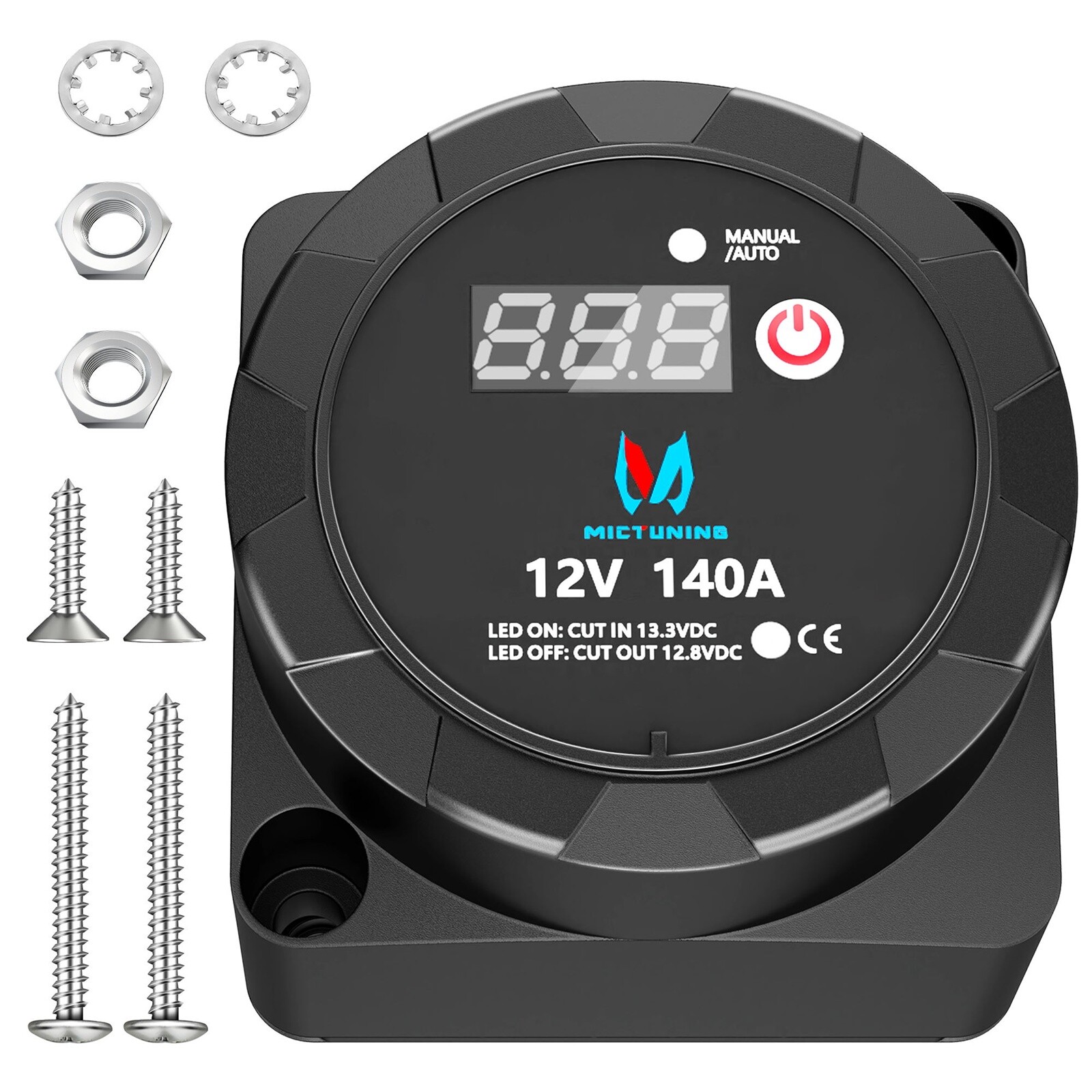 12V 140A Smart Dual Battery Kit System isolator Car Voltage Sensitive Relay UTV$24.72
 View on eBay
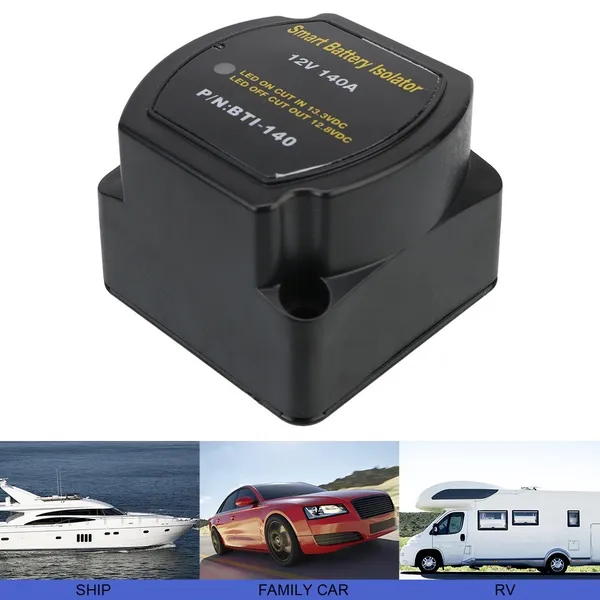 12V 140A Automatic Battery Isolator Relay, Voltage Sensitive For Car, Camper, Boat$32.99
 View on Mallflare
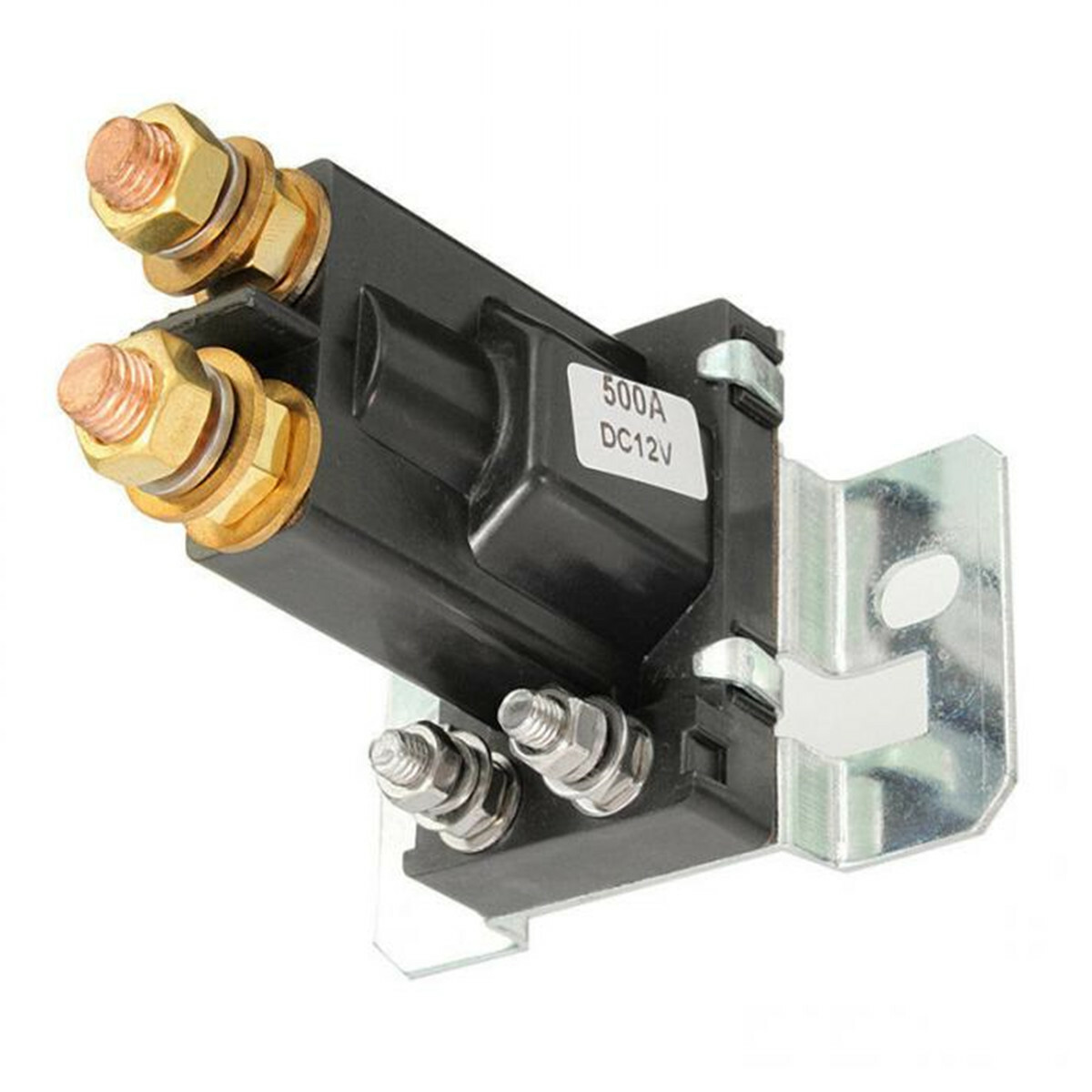 Car Accessories 500A 12V DC Dual Battery Isolator Relay Power Switch Waterproof*$33.99View on eBay
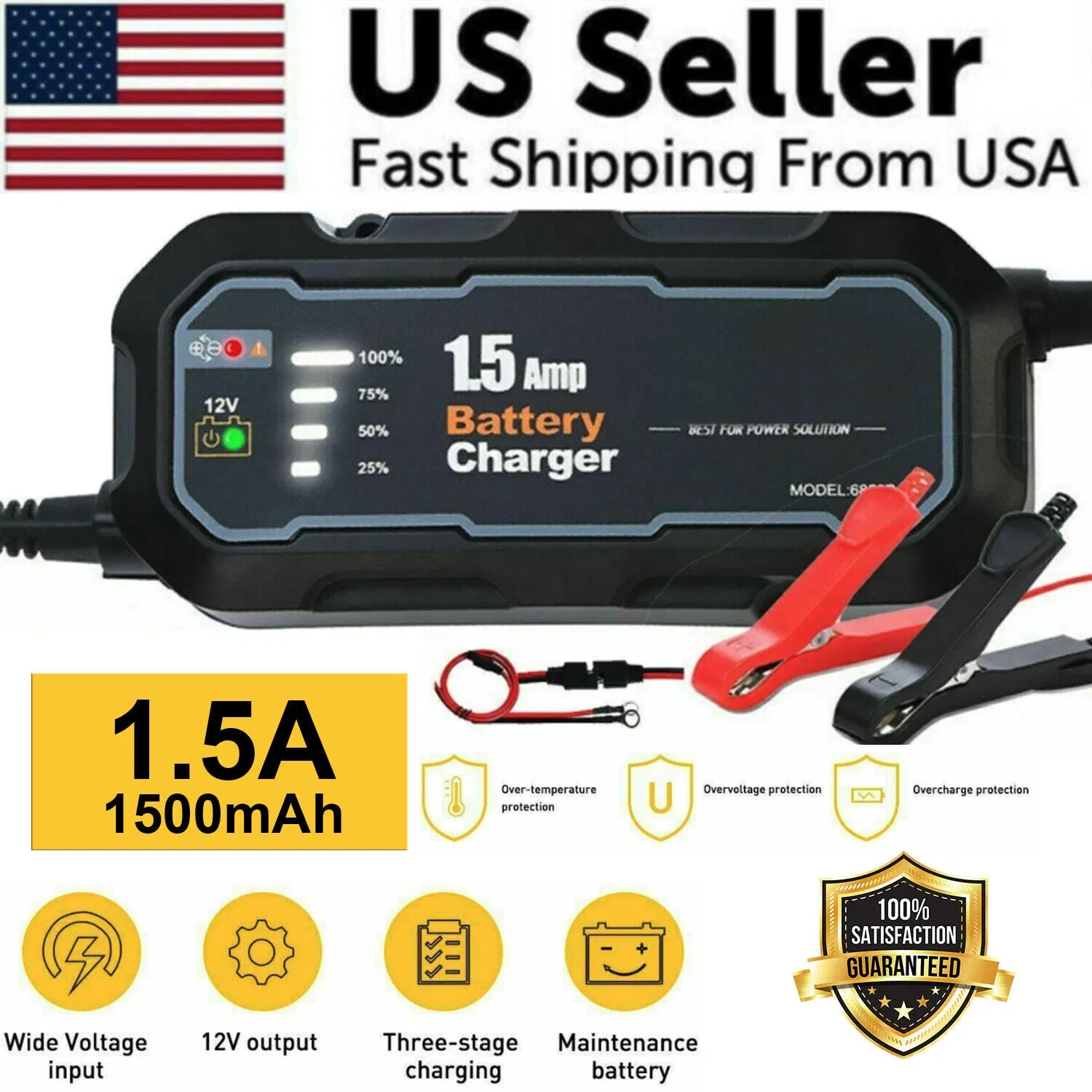 1500mAh Automatic Smart Battery Charger 12V Portable Car Auto Trickle Maintainer$35.99View on Mallflare
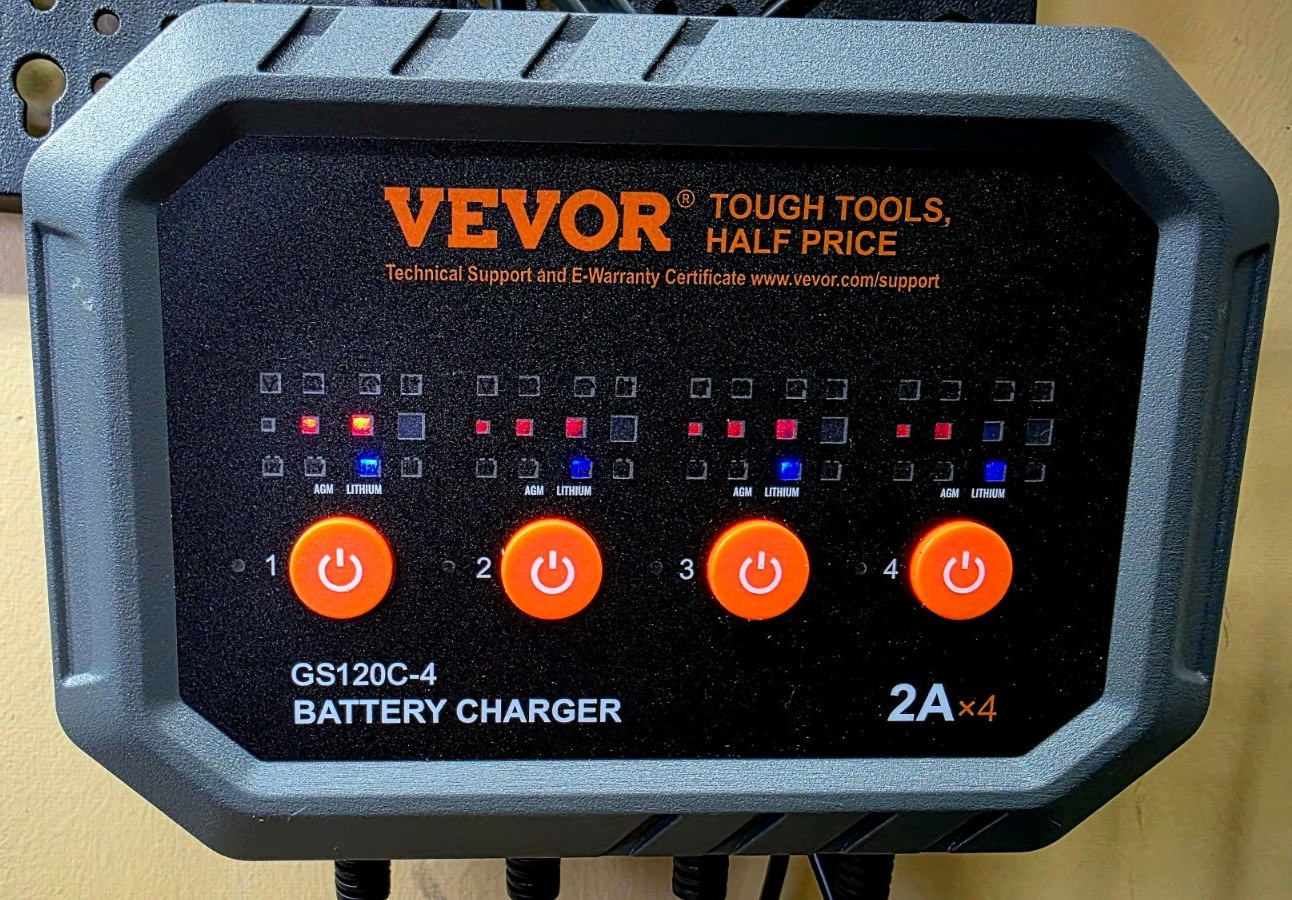 4-Bank Battery Charger Maintainer 8A 12V Automatic Trickle Repair LiFePO4 Marine$69.32View on eBay
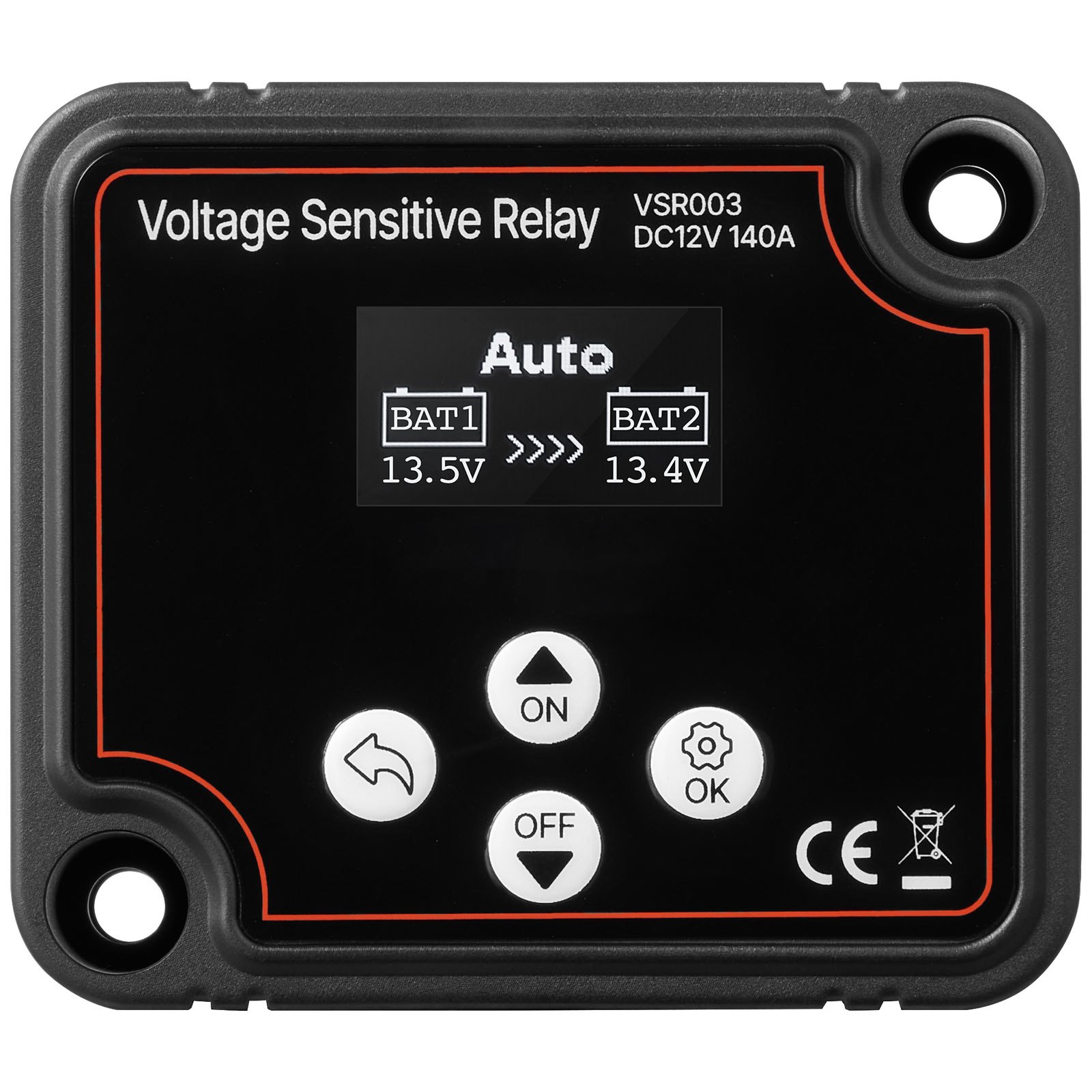 Dual Battery Isolator, 12V 140 Amp, Manual And Automatic VSR Voltage Sensitive Relay With LCD Screen, Smart For Lithium & Lead-Acid Batteries, For Car Truck RV UTV ATV Boat$39.99View on Mallflare
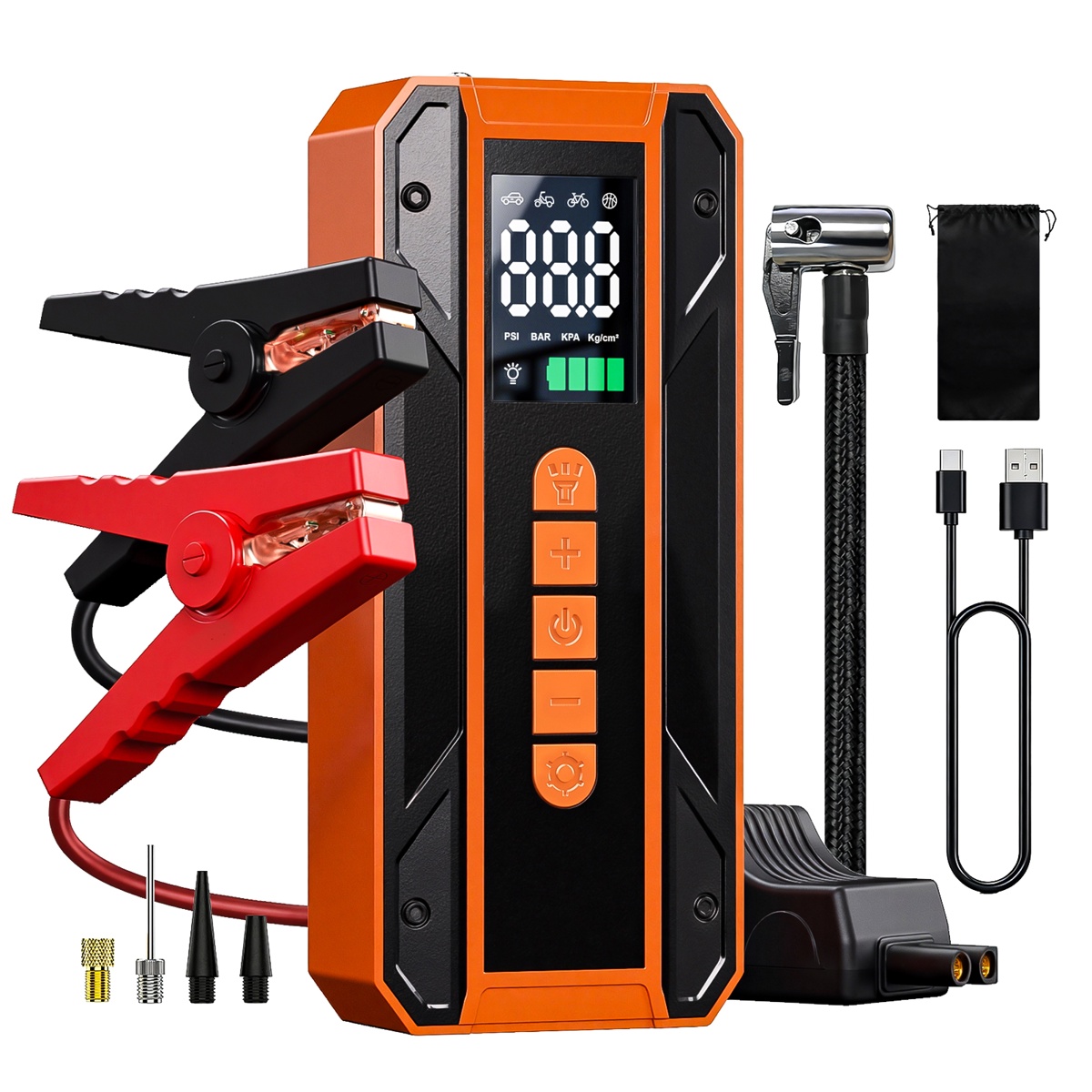 Air Pump Car Jumper Starter Portable Battery Pack With 150PSI Tire Inflator, 12V Box For Car Charger Booster LCD$62.99View on Mallflare
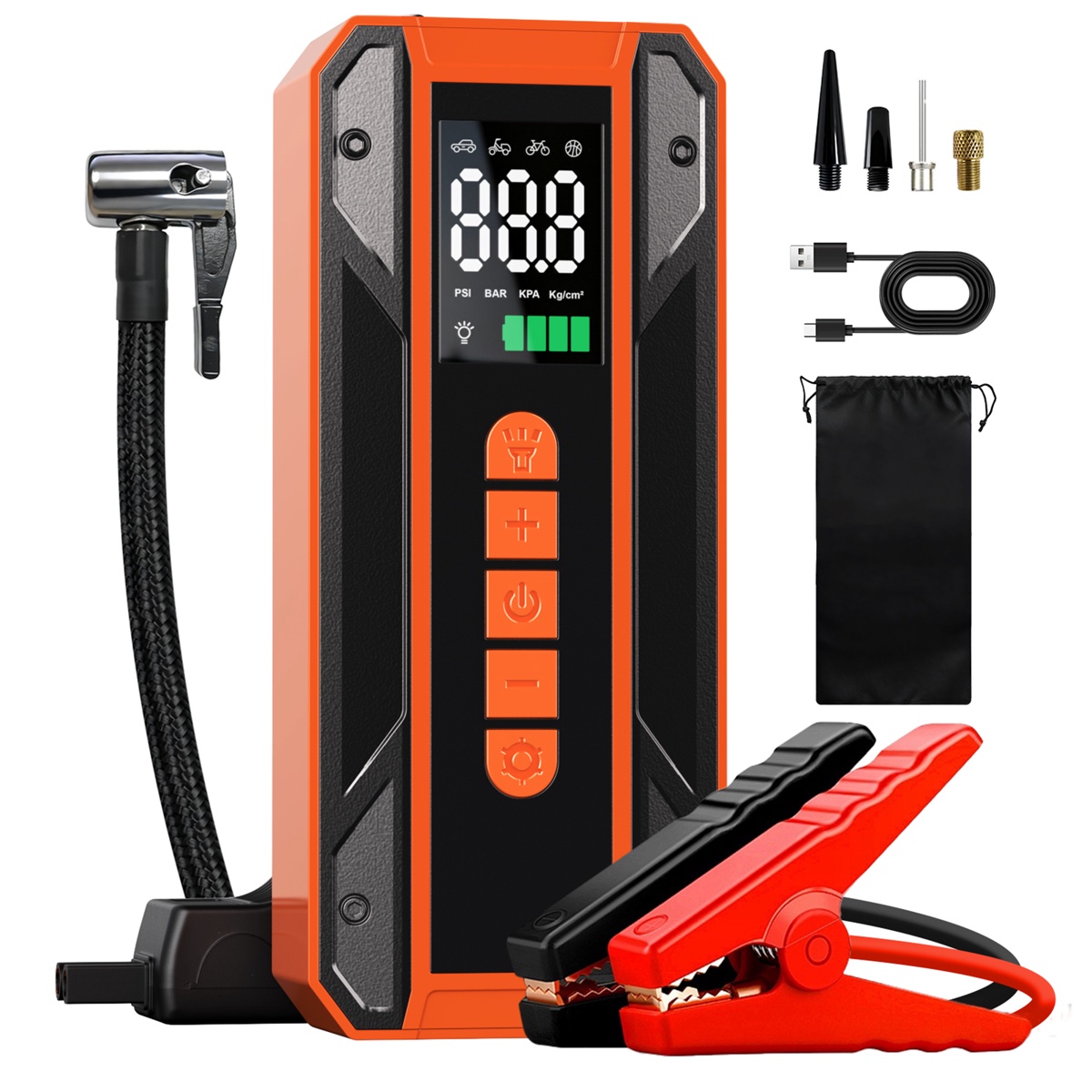 Car Jumper Starter Portable Battery Pack With 150PSI Tire Inflator, Jump Air Compressor,12V Box For Car Charger Booster LCD Display, 3-Mode Emergency Flashlight$68.99View on Mallflare
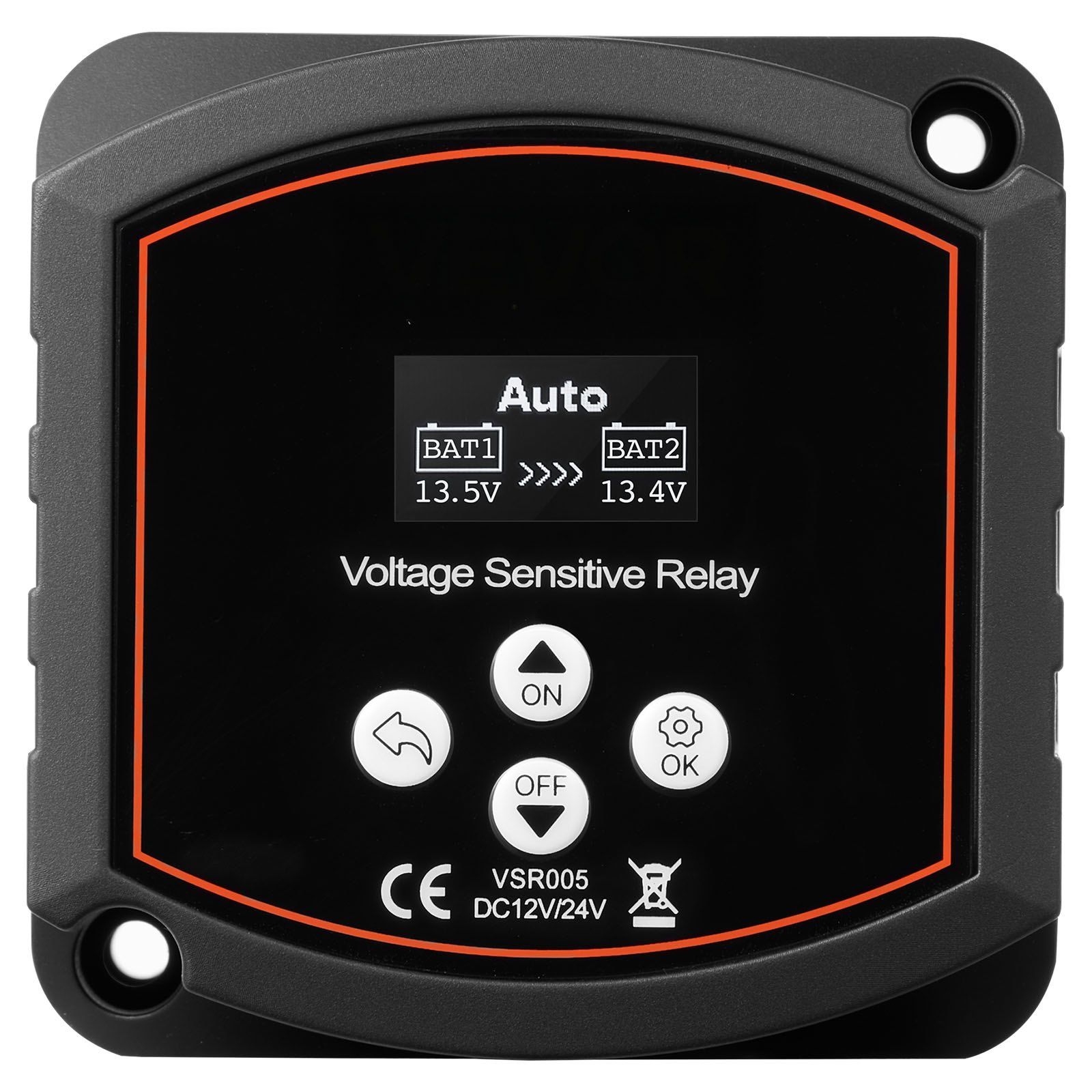 Dual Battery Isolator, 12V 300 Amp, Manual And Automatic VSR Voltage Sensitive Relay With LCD Screen, Smart For Lithium & Lead-Acid Batteries, For Car Truck RV UTV ATV Boat$71.99View on Mallflare
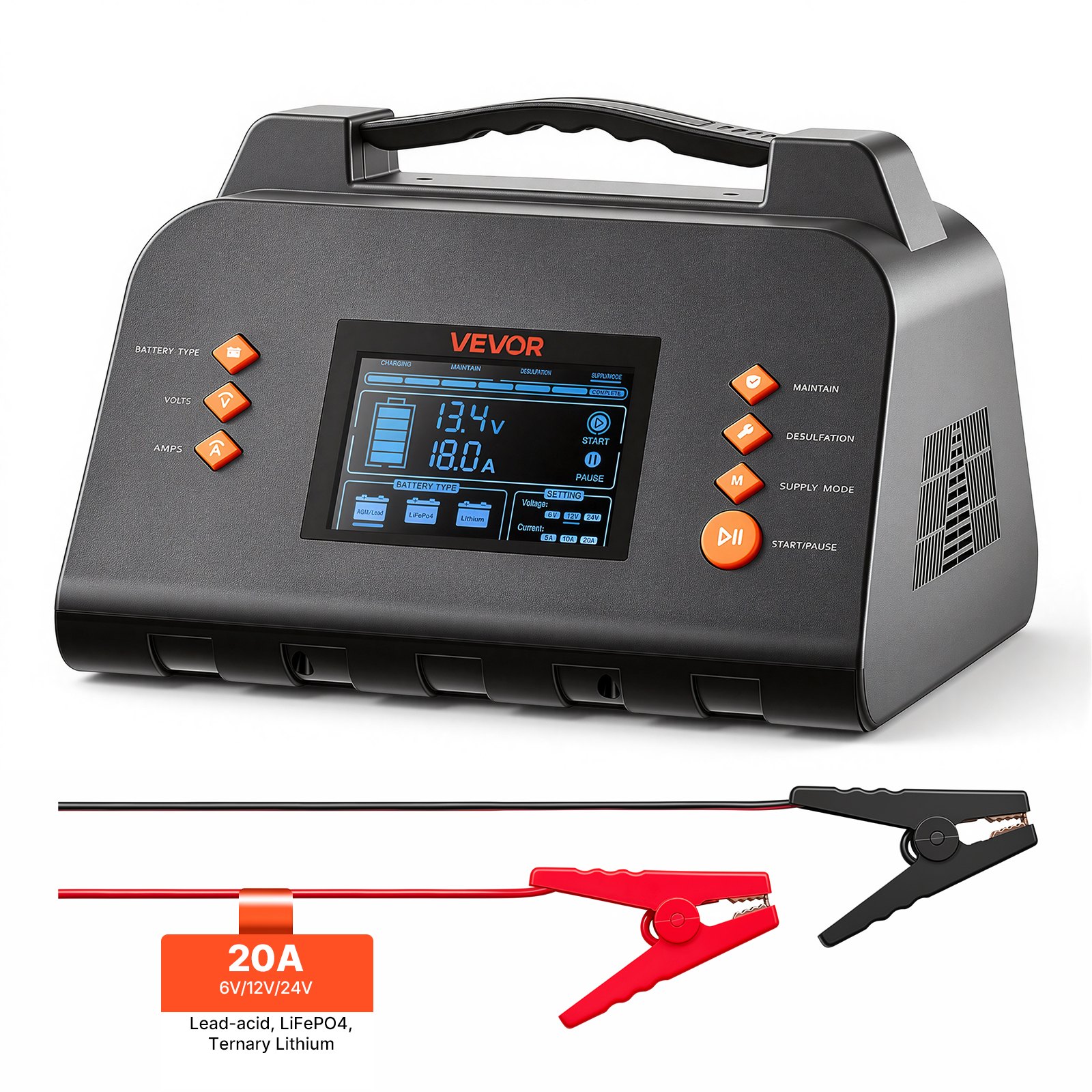 Smart Battery Charger 20A 6V 12V 24V for Lithium LiFePO4 Lead-Acid, Compatible with Car Lawn Mower ATV Compact RV, Trickle Charging Maintainer Desulfator, 3.8 Inch LCD Display$73.99View on Mallflare
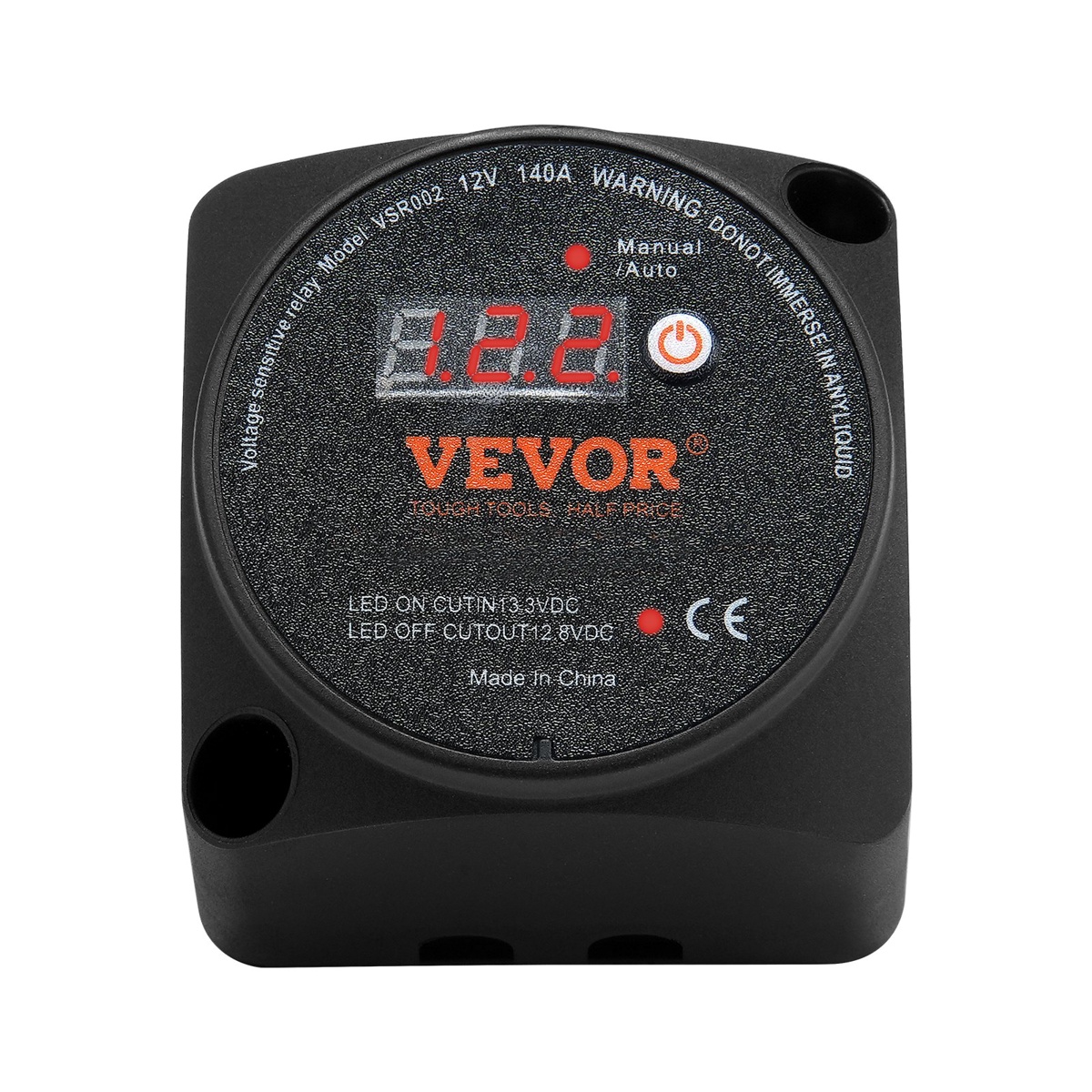 Dual Battery Isolator Kit, 12V 140Amp, Manual And Auto Modes VSR Voltage Sensitive Relay With LCD Screen, Smart For ATV$80.99View on Mallflare
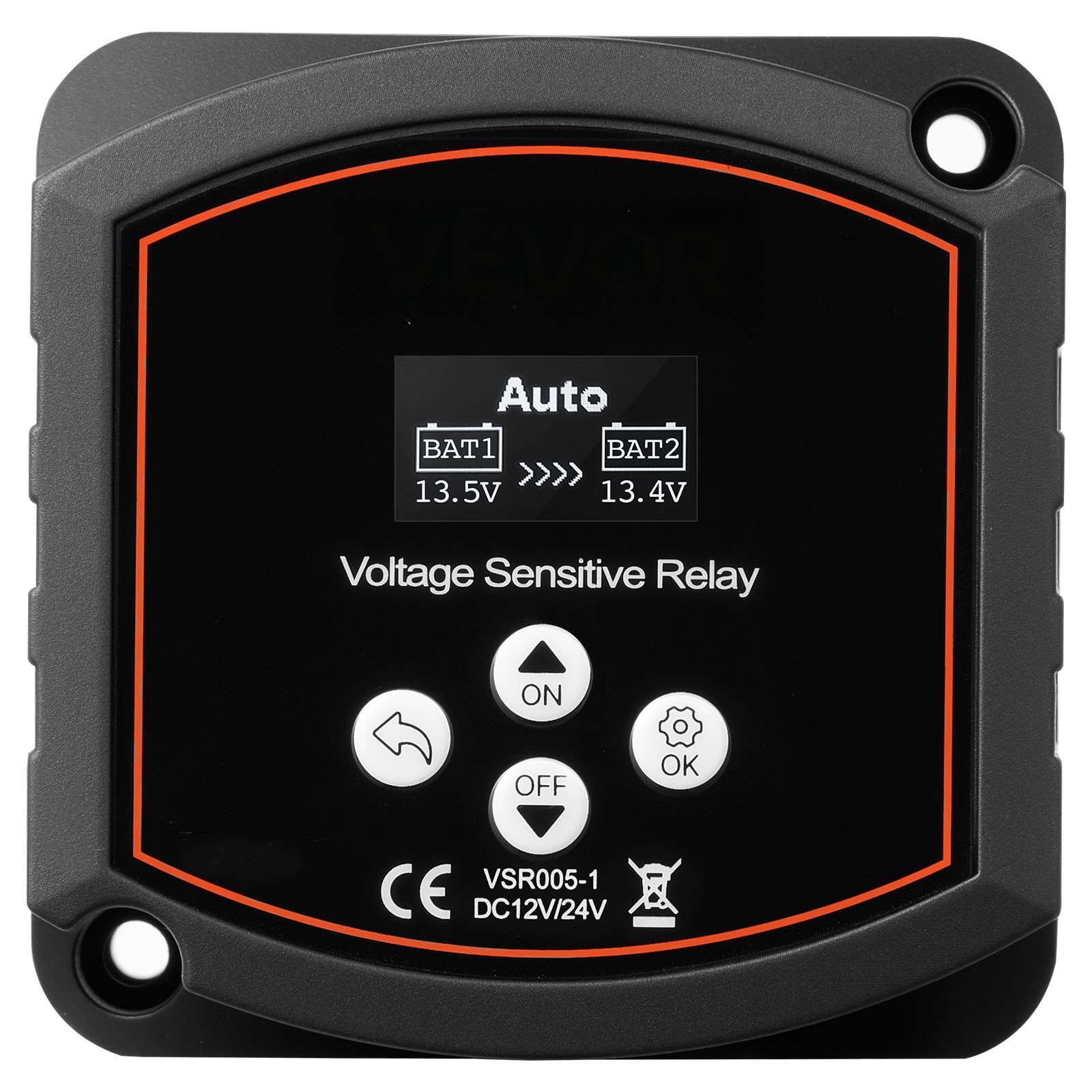 Dual Battery Isolator Kit, 12V 300 Amp, Manual And Automatic VSR Voltage Sensitive Relay With Voltmeter, LCD Screen, Smart Compatible Lead-Acid Batteries, For UTV, ATV$174.99View on Mallflare
Highlights
- Lead-acid 12V batteries are six 2.1V cells in series; a healthy rested voltage is 12.6-12.8V and 12.0V indicates roughly 50% depth of discharge.
- LiFePO4 12V packs hold 13.2-13.6V nominal and 2,000-5,000 cycles, but require a charger with a lithium profile capping at 14.4-14.6V; lead-acid chargers can overcharge them.
- AGM batteries accept charge 3-5x faster than flooded and resist vibration, making them the default for start-stop vehicles and marine auxiliary banks.
- Dual-battery isolators (VSR) switch at 13.2-13.8V so the starting battery recharges first; 140A units suit stock alternators while 300A units handle dual-alternator or high-output setups.
Best use cases
- Electric toy cars (Power Wheels-type): buy a sealed lead-acid (SLA) 12V pack in the exact Ah and terminal size the toy specifies; skip lithium upgrades unless the controller and charger are rated for 13.2V+.
- Camper, boat, and overland auxiliary power: choose a 100Ah+ LiFePO4 or AGM deep-cycle battery paired with a 140A or 300A VSR isolator; skip a second starting battery.
- Daily-driven start-stop cars: pick an AGM battery matching the original group size and CCA; skip flooded batteries, which fail early under constant partial-state charging.
- Trickle maintenance and seasonal storage: use a smart charger with explicit LiFePO4 and lead-acid modes (6V/12V/24V, 8-20A); skip fixed-voltage trickle units that cannot desulfate.
Buying tips
- Match group size (e.g., 24F, 35, 65) and terminal orientation to the factory tray; a battery 1 inch too tall can short against the hood.
- Size cranking amps to engine displacement: 400-600 CCA covers 4-cylinder engines, 600-800 CCA covers V6/V8, and diesel needs 800+ CCA.
- For deep-cycle use, buy 50-100% more Ah than your daily draw: a 50Ah load over 8 hours needs 100Ah of lead-acid or 60Ah of LiFePO4.
- Confirm the charger's voltage profiles: a 12V LiFePO4 battery needs 14.4-14.6V absorption, while AGM wants 14.4-14.8V and flooded 14.8-15.0V.
Specs
| Chemistry | Flooded / AGM / Gel / LiFePO4 |
|---|---|
| Capacity | 7Ah - 200Ah+ (deep-cycle) |
| Cranking Amps | 400-800+ CCA starting |
| Group Size | 24F / 35 / 65 / 34/78 |
Related searches
What to check before buying
- Measure the battery tray length, width, height, and hold-down location; compare against the group size before ordering.
- Note terminal type and polarity (SAE post vs. side-terminal, positive-left vs. positive-right) and confirm cable reach.
- Check the alternator or charger output: stock alternators charge lead-acid fine, but lithium needs a DC-DC charger or lithium-compatible profile.
- Verify cold-climate rating: lead-acid loses roughly 20% CCA at 0°F, and LiFePO4 should not charge below 32°F.
FAQ
Data sources: eBay / Amazon listings and product attribute feeds Data updated Nov 15, 2026.
Some links on this page are affiliate links. If you buy after clicking one, we may earn a commission at no extra cost to you. This does not change which products appear here or their order. Affiliate disclosure.