Photos from current listings. Actual item, color, and included accessories may vary.
Car Buffer Polisher Buying Guide
A car buffer polisher is a motorized tool that spins or oscillates a foam, microfiber, or wool pad to remove swirls, apply wax, and correct paint defects. The core trade-off is rotary vs dual-action: rotary machines cut faster but burn paint in inexperienced hands, while dual-action (random orbital) polishers are safer but slower on heavy defects. Choose a dual-action polisher for safe all-around correction, or a rotary only if you have prior machine-polishing experience and need maximum cut.

At a glance
- Category
- Car Polishers & Compounds
- Data updated
- Nov 15, 2026
Current offers
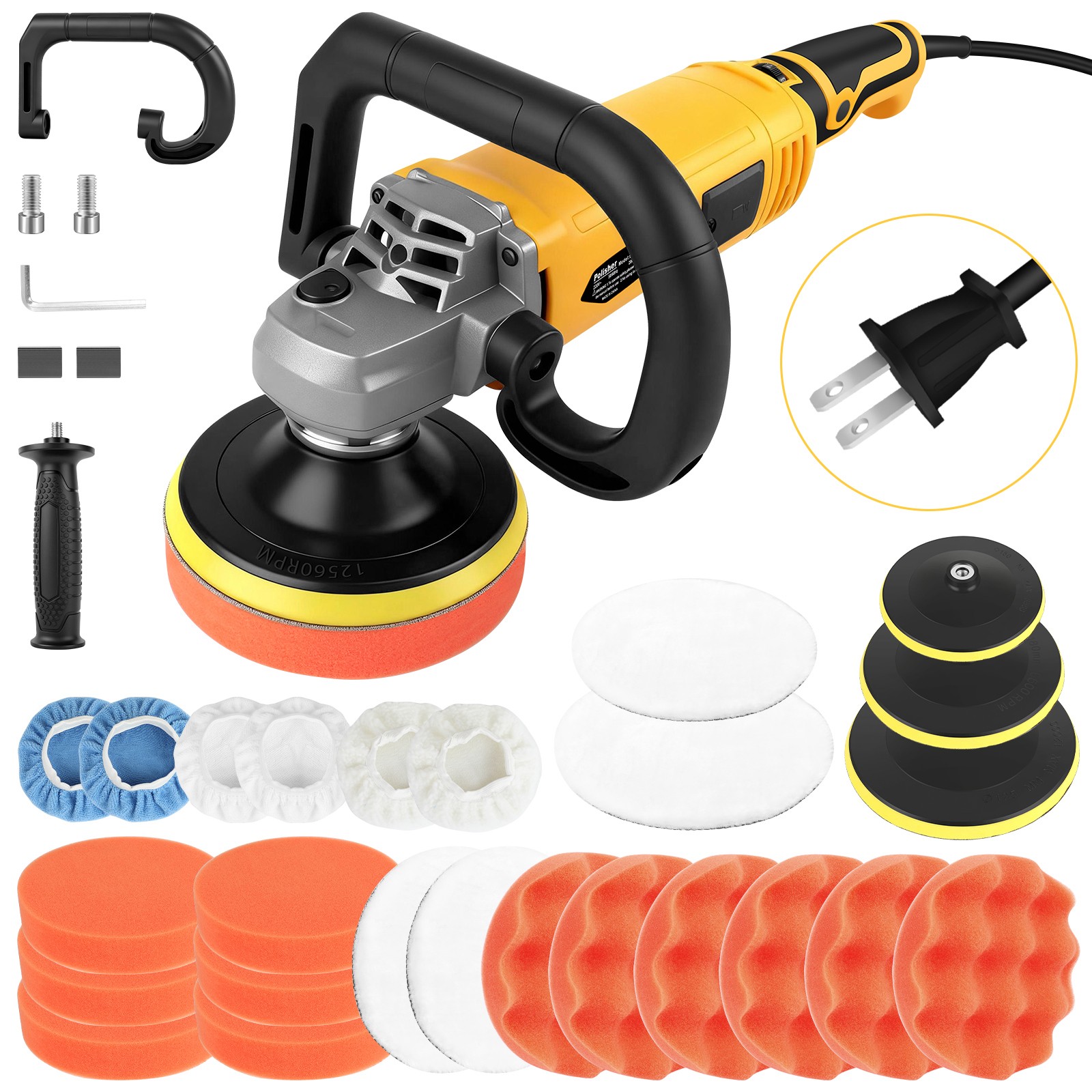 Car Buffer Polisher Waxer 7-Speed Rotary 6" + 7" Backing Plate Polishing Machine$47.99
 View on eBay
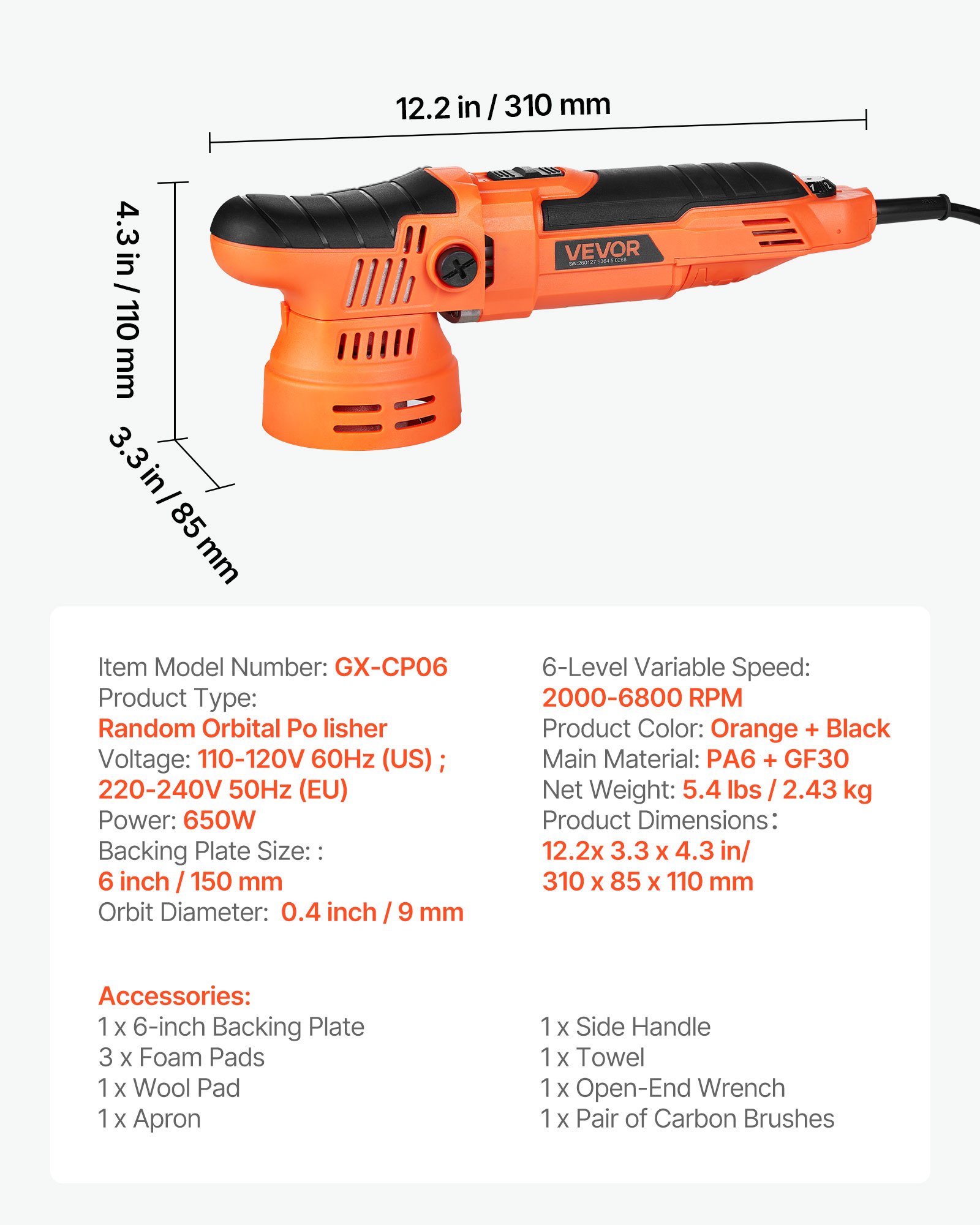 Car Buffer Polisher, 6-Inch Dual Action Waxer, 650W 6 Variable Speeds 2000-6800RPM Random Orbital Kit For Cars Detailing, Waxing, Polishing$75.99
 View on Mallflare
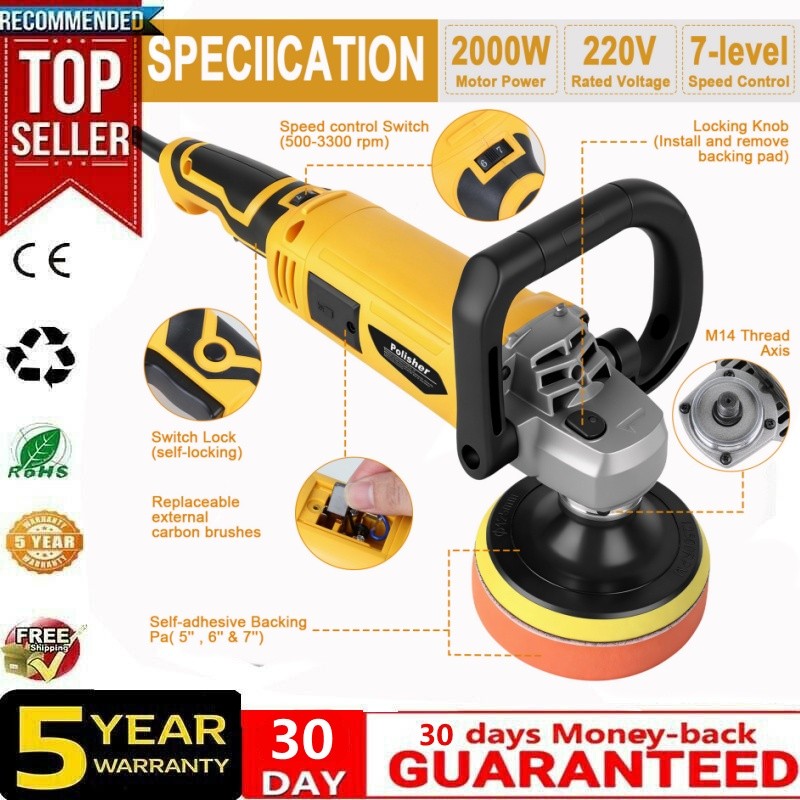 Car Buffer Polisher Waxer 7-Speed Rotary 5"6"+7" Backing Plate Polishing Machine$47.99View on eBay
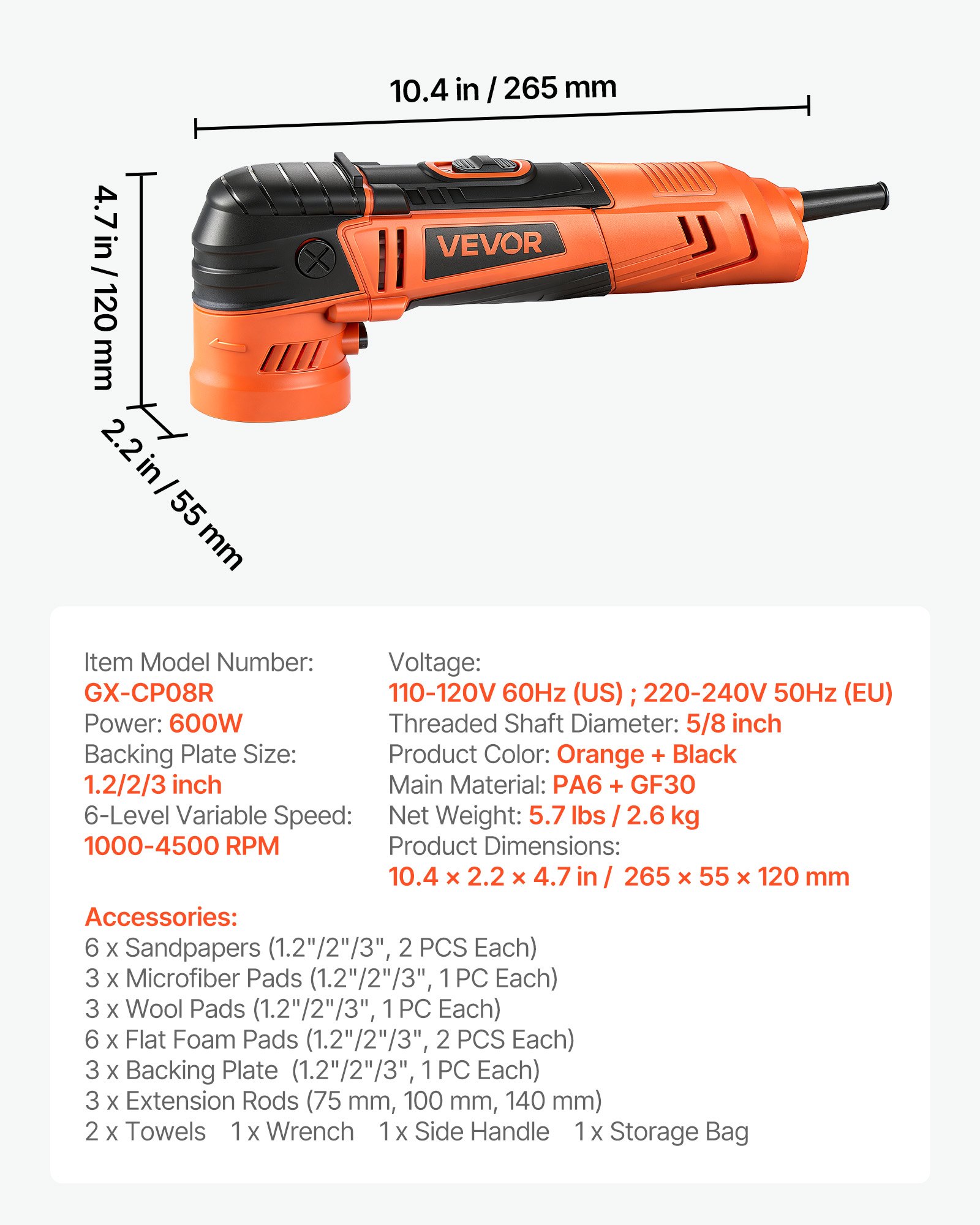 Car Buffer Polisher, 1.2"/2"/3" Rotary 600W 6 Variable Speeds 1000-4500RPM Car Waxer Kit For Cars Detailing, Waxing, Polishing, Scratch Removal$96.99View on Mallflare
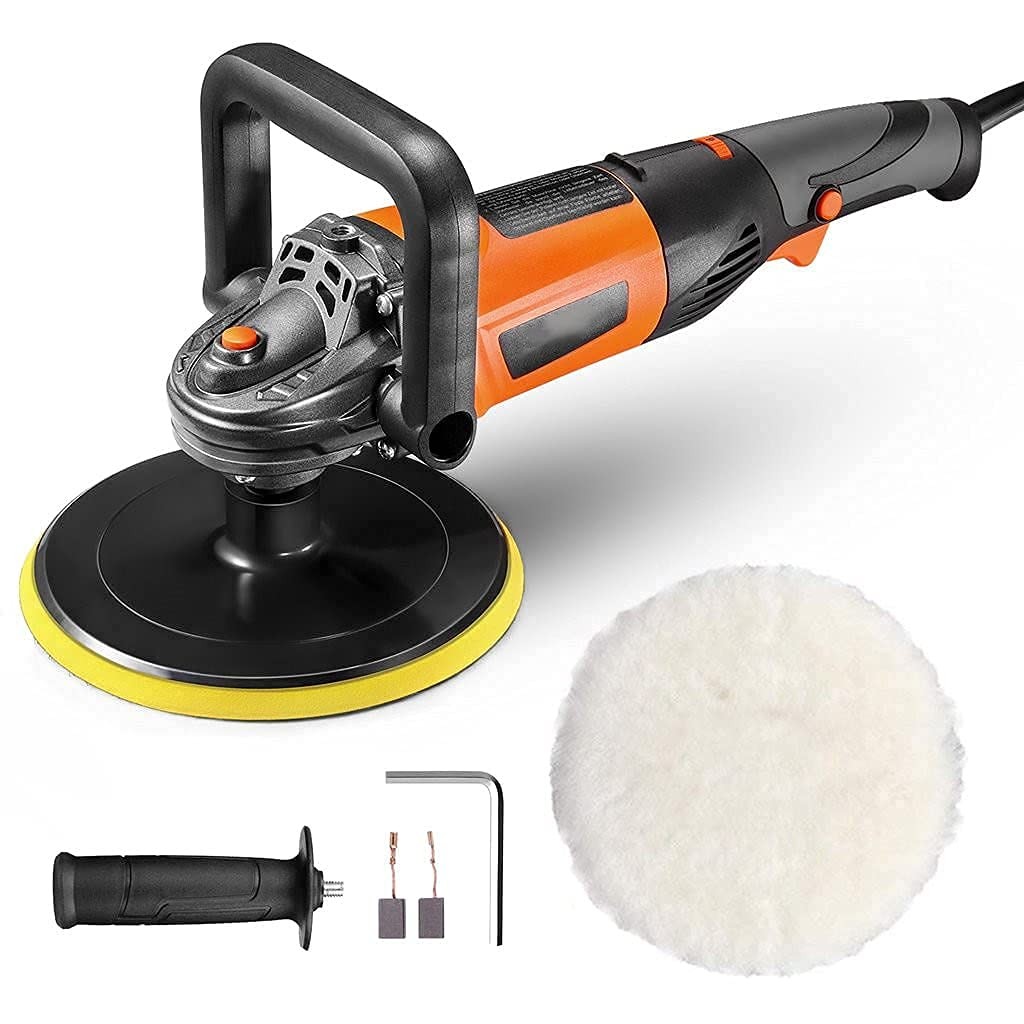 Buffer Polisher, 7-inch Car Polisher, 10A,6 Variable Speeds from 1500~3500 RPM,D$34.99View on eBay
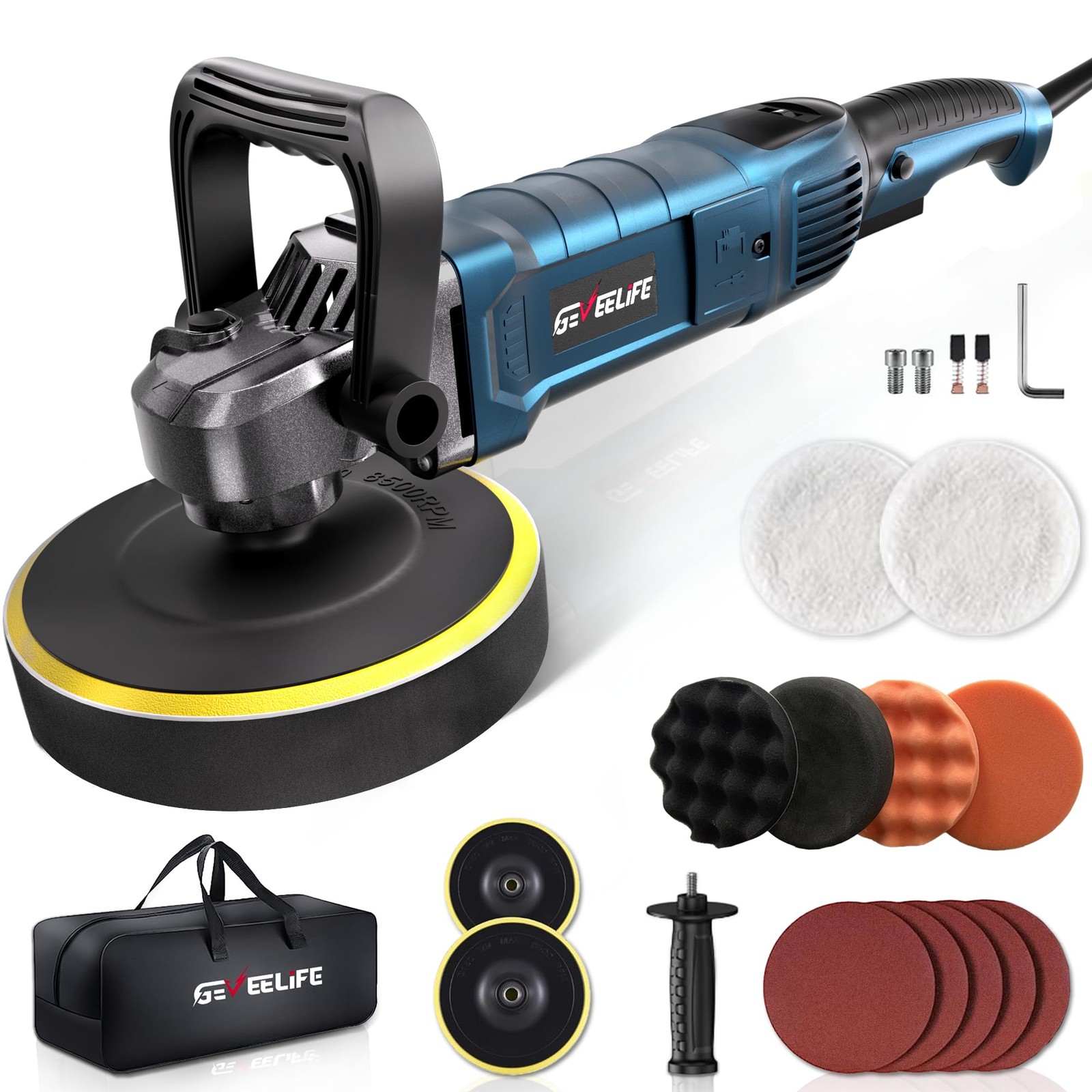 GEVEELIFE Buffer Polisher, 6 Inch/7 Inch 1600W Rotary Car Blue$117.17View on eBay
Highlights
- Dual-action (random orbital) polishers use a free-floating spindle that oscillates and rotates, preventing holograms and burn-through—ideal for beginners and clear-coat safe work.
- Rotary polishers use a fixed direct-drive spindle with high torque; 7-speed and 6-speed models typically range 1000–4500 RPM for small pads and 1500–3500 RPM for large pads.
- Pad size determines defect removal and control: 6–7 inch pads cover large panels fast but are harder to control on curves; 1–3 inch pads are mandatory for tight areas, pillars, and scratch repair.
- Wattage and amperage separate classes: 600–650W (≈5–6A) suits light polishing and waxing, while 1200–1600W (≈10A) rotary units deliver the torque needed for heavy compounding and wool pads.
Best use cases
- Best fit: a 6-inch dual-action random orbital with variable speed (2000–6800 RPM) for first-time paint correction, wax application, and swirl removal on daily drivers—safe on factory clear coat.
- Best fit: a 1–3 inch rotary or mini dual-action kit for headlights, pillars, door jambs, and scratch removal where large pads cannot reach.
- Wrong fit: a high-amperage 7-inch rotary as a first machine—direct-drive torque can burn edges and trim in seconds; reserve rotary for experienced users doing heavy compounding.
- Skip: single-speed or non-variable polishers for paint correction—you need RPM control to match pad and compound aggressiveness.
Buying tips
- Match pad diameter to backing plate: 6-inch pads need a 6-inch plate; a 7-inch plate accepts 7-inch pads—never run a pad smaller than the plate or it will fly off.
- For safe paint correction choose dual-action with a 15mm or larger orbit throw; larger throw covers more area per pass but requires more control on narrow panels.
- Check speed range: 2000–6800 RPM dual-action covers waxing (low) through compounding (high); rotary 1000–4500 RPM suits small pads, 1500–3500 RPM suits large pads.
- Verify spindle thread (5/16-24 or M14) so backing plates and pads are replaceable; M14 is the common rotary standard, 5/16-24 common on dual-action.
Specs
| Action Type | Dual-action orbital vs rotary direct-drive |
|---|---|
| Pad Size Range | 1–3 in detail / 6–7 in panel |
| Power Class | 600–650W light vs 1200–1600W heavy |
| Speed Control | 6–7 variable speeds, 1000–6800 RPM |
Related searches
What to check before buying
- Confirm the polisher includes or accepts your pad sizes: a 6-inch dual-action needs 6-inch pads, and a rotary kit with 5/6/7-inch plates covers both large panels and mid-size areas.
- Check your power source: corded polishers draw 600–1600W and need a grounded outlet; confirm voltage (120V North America, 220–240V elsewhere) and cord length for reach around the vehicle.
- Plan for consumables and companion parts: backing plate, at least two foam pads per step, microfiber towels, and a compound/polish system matched to your paint condition.
- Assess workspace and safety: polishing generates heat and sling—wear eye protection, keep the cord clear of the spinning pad, and work in shade on a cool panel.
FAQ
Data sources: eBay / Amazon listings and product attribute feeds Data updated Nov 15, 2026.
Some links on this page are affiliate links. If you buy after clicking one, we may earn a commission at no extra cost to you. This does not change which products appear here or their order. Affiliate disclosure.