Photos from current listings. Actual item, color, and included accessories may vary.
Car Polish Buying Guide
Car polish is an abrasive suspension in a carrier liquid or paste that levels clear coat, removing swirls and light scratches while restoring gloss. The core trade-off is cut versus finish: aggressive compounds flatten defects fast but leave haze, while fine polishes refine to a mirror finish but cannot remove deep defects. The decision rule: use a graded system—heavy compound, medium polish, fine finish polish—matched to paint hardness and defect depth, and never treat a one-step paste as a scratch remover.

At a glance
- Category
- Car Polishers & Compounds
- Data updated
- Nov 15, 2026
Current offers
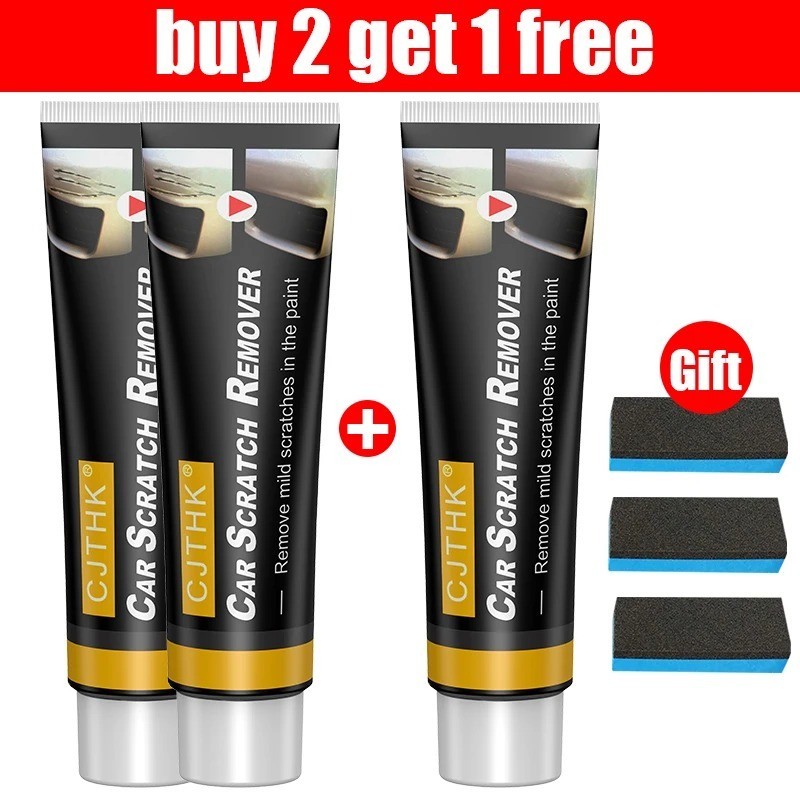 Car Scratch Remover Wax Polish Mild Scratch Repair Auto Paint Care$21.99
 View on eBay
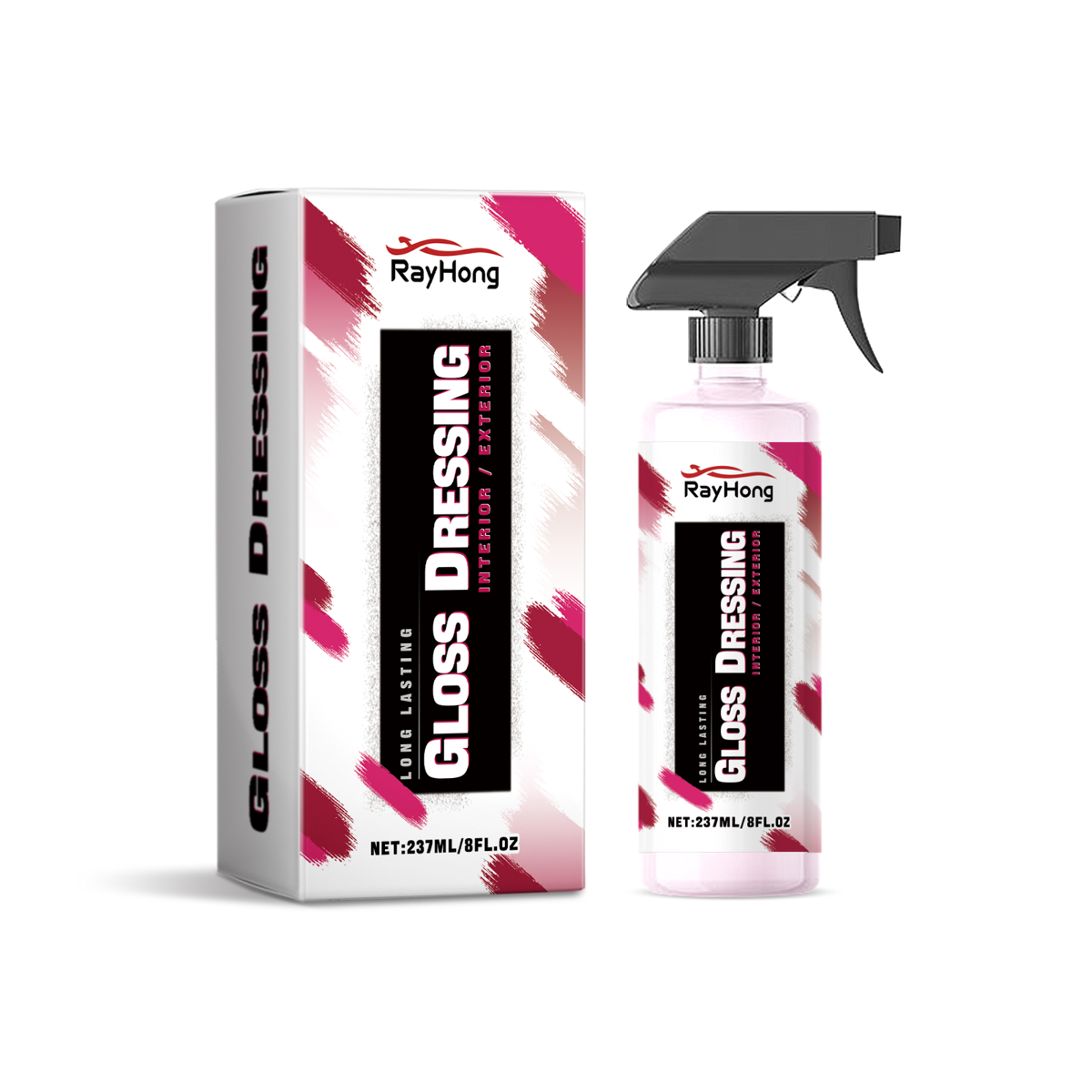 Rayhong Car Care Gloss Car Paint, Maintenance Anti-Fouling Repair Scratches Car Polish$19.99
 View on Mallflare
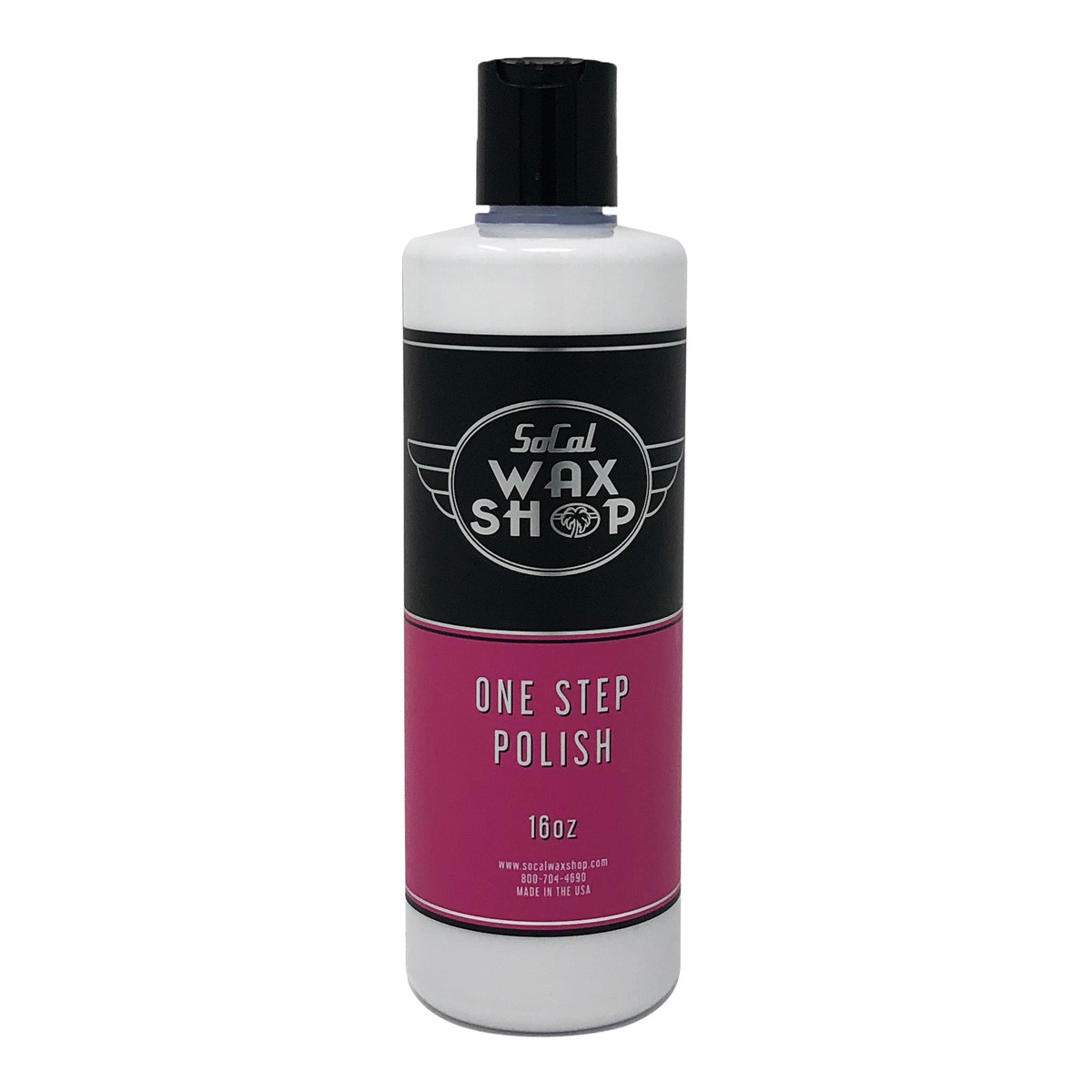 ONE STEP POLISH SoCal Wax Shop Car Care Products 16 oz 80416$25.95View on eBay
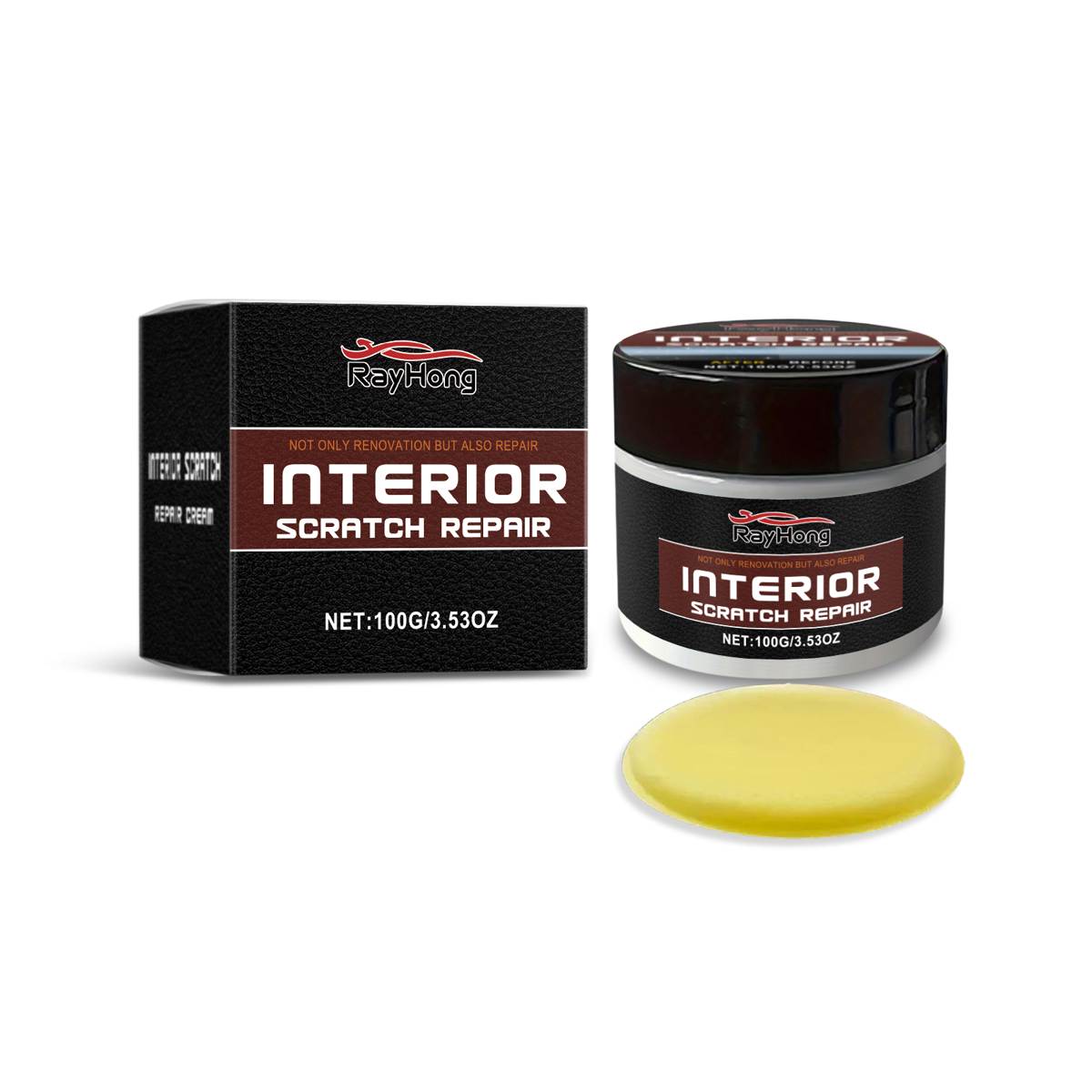 Rayhong Car Scratch Care Wax, Car Polish Clean Decontamination Coating Refurbished Wax$19.99View on Mallflare
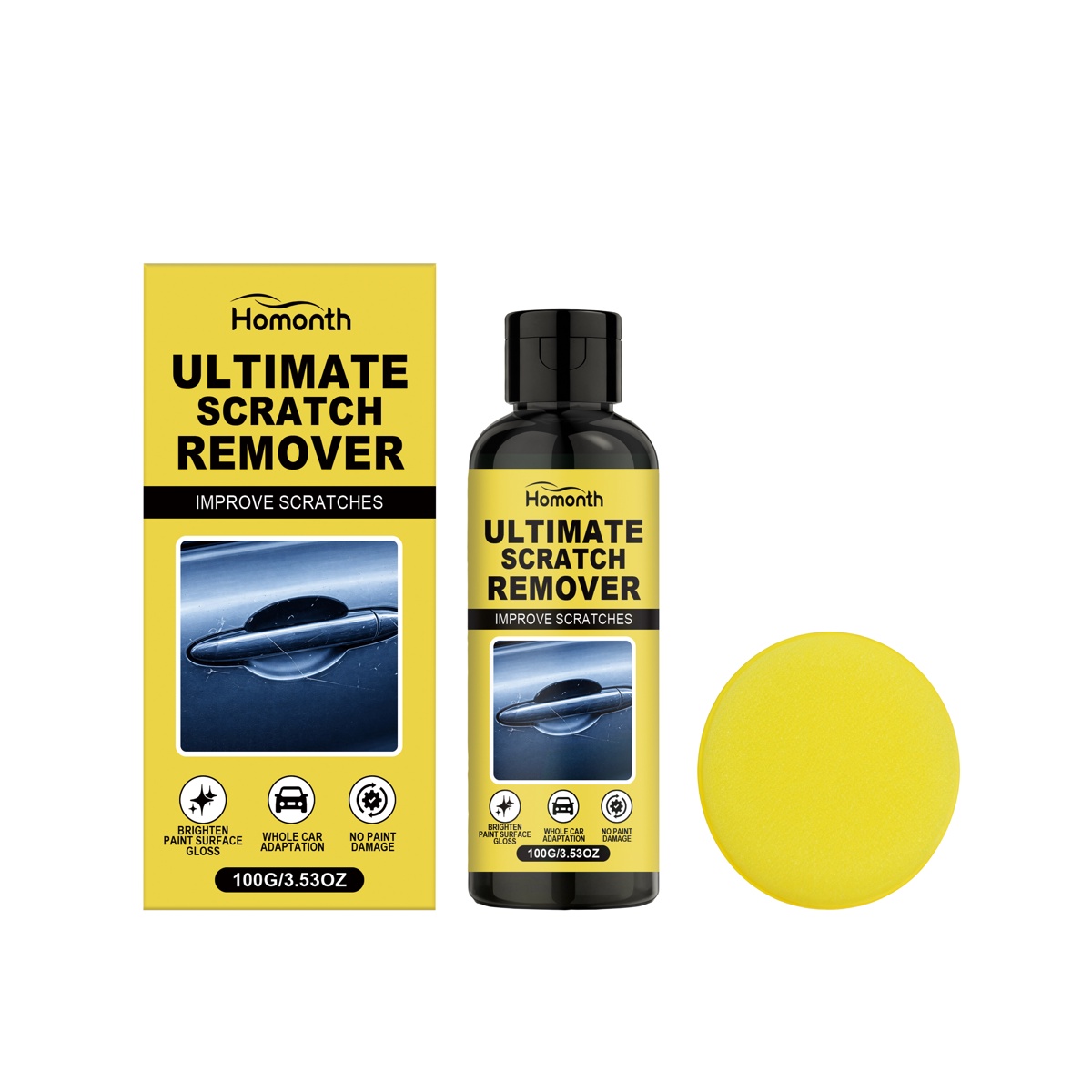 Homonth Car Scratch Care Cream - Daily Maintenance And Refurbishment Of Exterior Paint Scratches Cleaning And Polish$19.99View on Mallflare
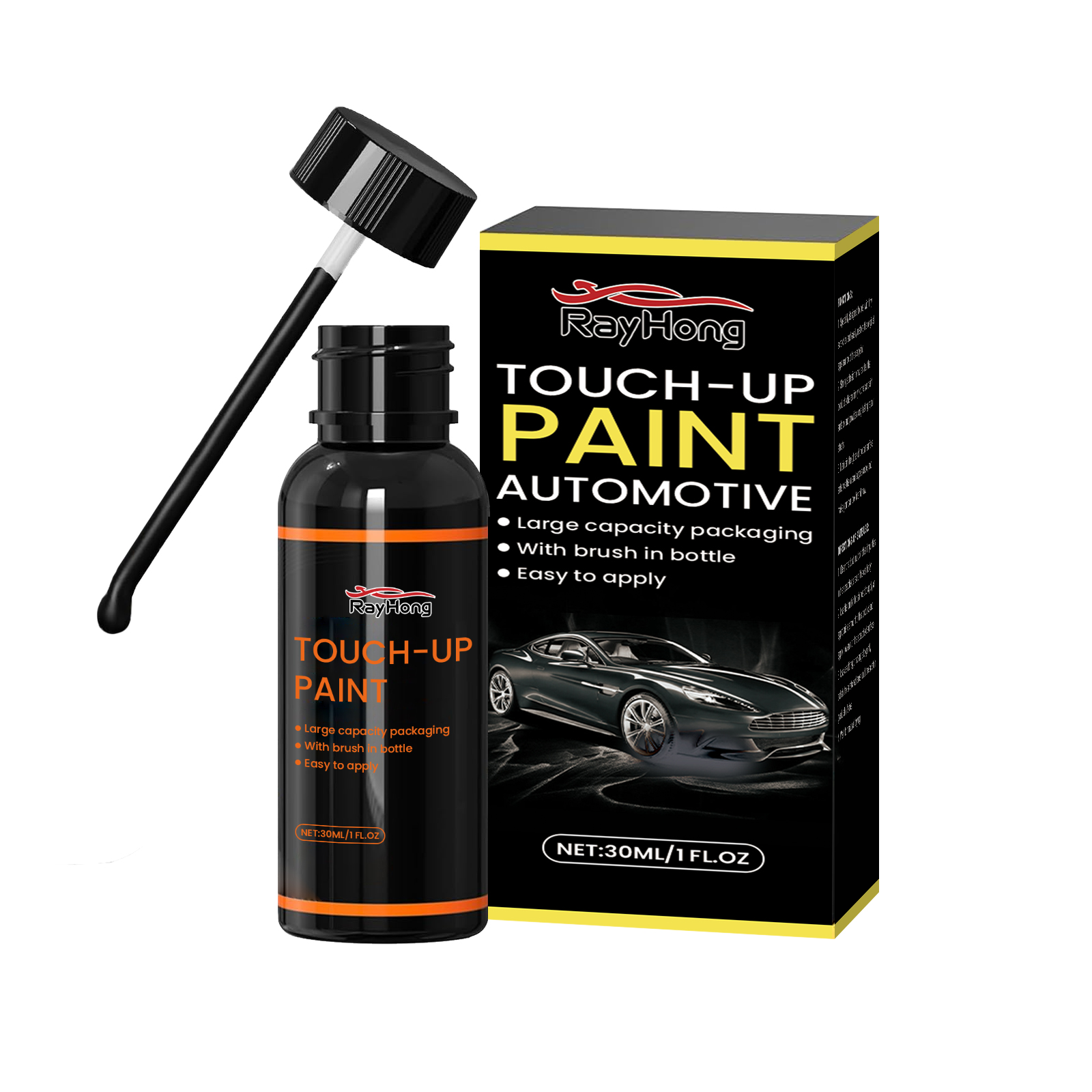 Paint Scratch Repair Agent, Swirl Nano Coating Polish Sealant, Polishing Paste for Car Care$22.99View on Mallflare
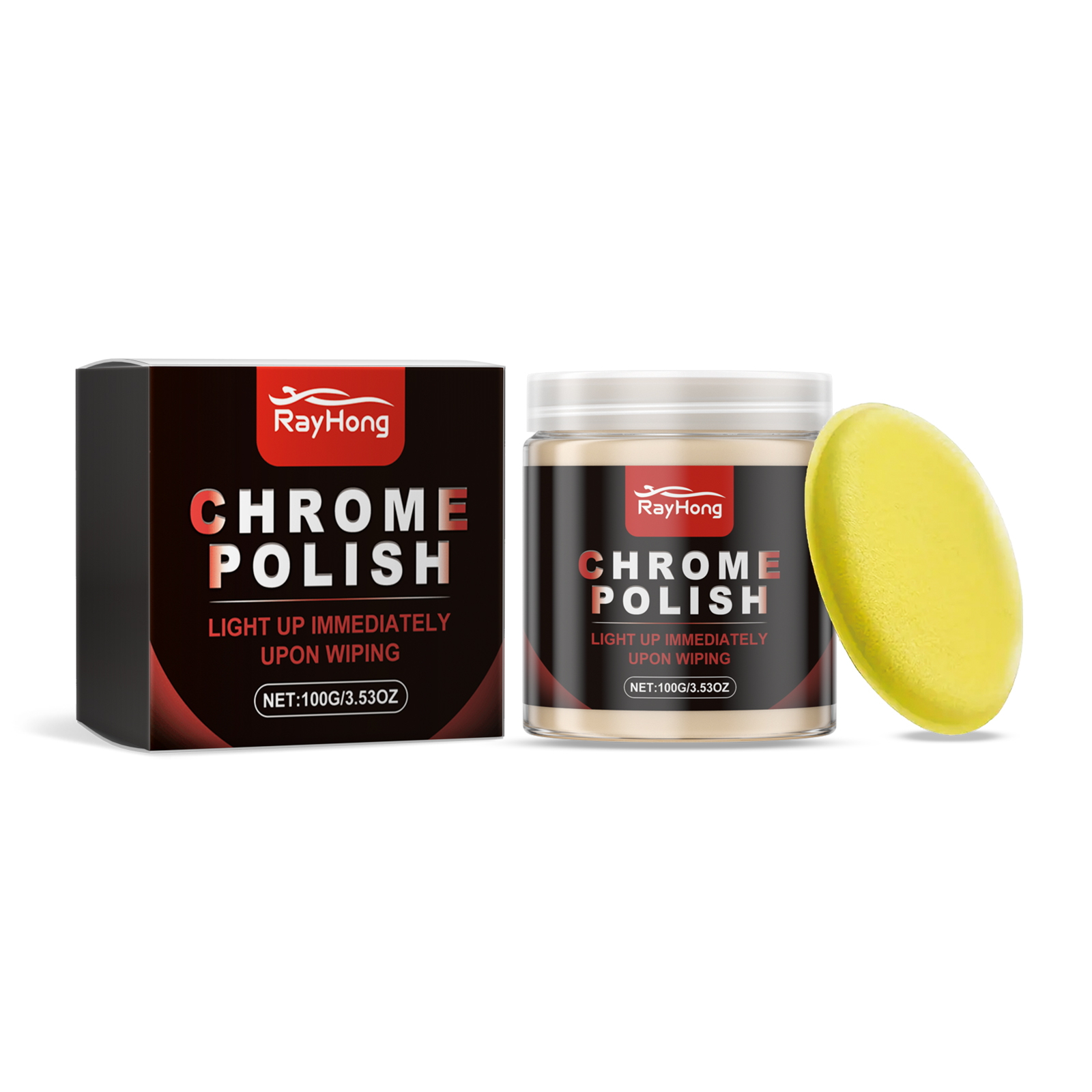 Metal Polish Cream, Car Paint Wax Decontamination Shine Cleaner, Cleaning Agent for Home$22.99View on Mallflare
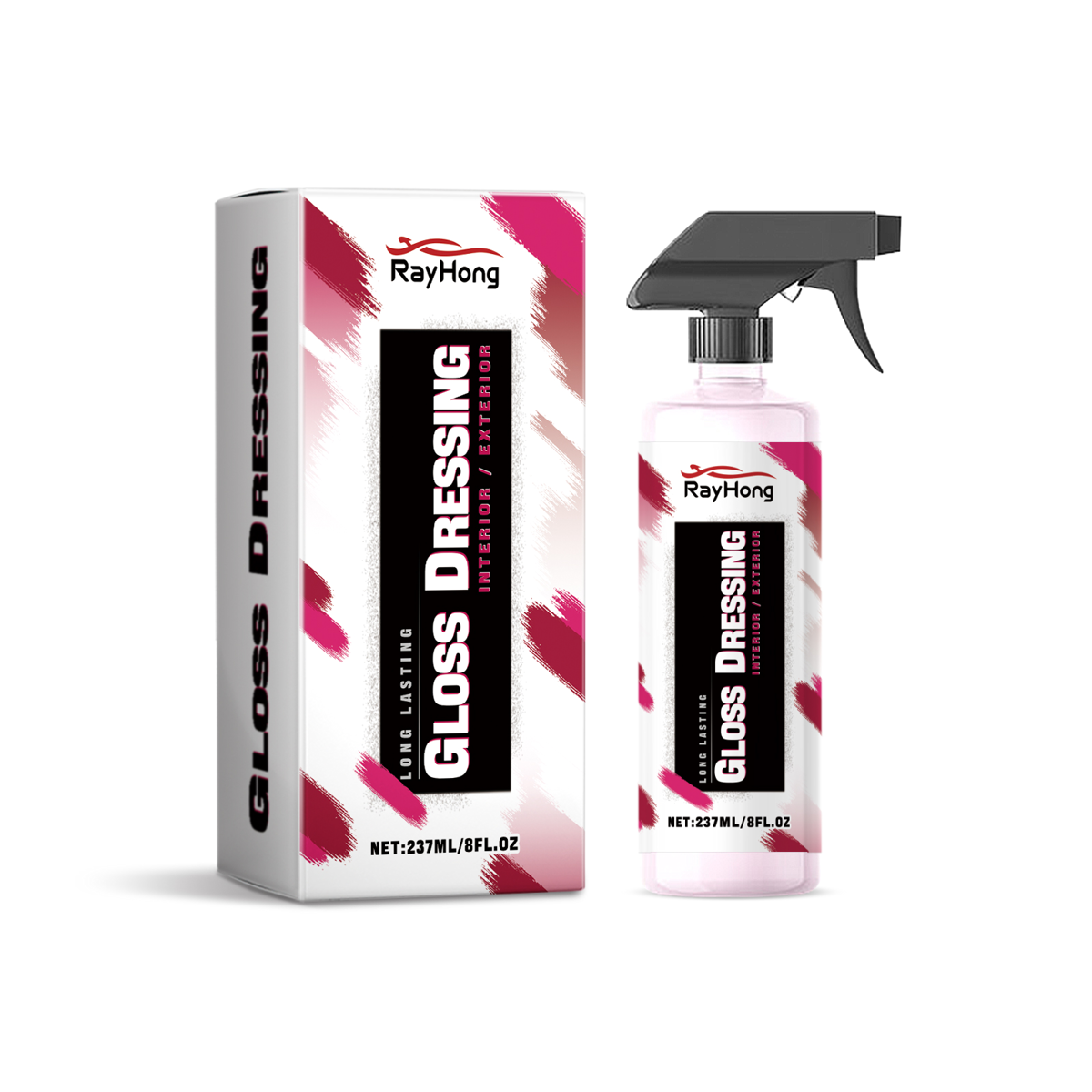 Car Gloss Care Agent, Paint Anti-Stain Scratch Repair Polish, Polishing Paste for Car$23.99View on Mallflare
Highlights
- Abrasive grade defines the job: heavy compound (cutting) removes 1500-2000 grit sanding marks, medium polish removes swirls, fine finish polish creates gloss with near-zero cut.
- Abrasive technology matters: diminishing abrasives break down during the buffing cycle for a one-product finish, while non-diminishing (super-micro) abrasives keep constant cut and require a separate finish step.
- Form factor controls control: liquids spread evenly by machine pad and suit dual-action polishers; pastes and creams work by hand but load pads and can dry unevenly on warm panels.
- Pad and speed pairing is as important as the polish: a firm cutting foam or microfiber pad with a dual-action polisher at moderate speed does the work—polish alone on a soft pad removes almost nothing.
Best use cases
- For isolated light scratches and scuffs: pick a medium-cut polish with a foam applicator or microfiber pad and work only the affected area—skip heavy compounds that thin surrounding clear coat.
- For an entire swirled daily driver: use a two-step system, medium compound on a cutting pad followed by a fine finish polish on a polishing pad, rather than a single glaze that masks defects temporarily.
- For black or dark paint: choose a fine finish polish and a soft polishing pad, keep the panel cool, and avoid heavy compounds—dark paint reveals haze and holograms that lighter colors hide.
- For hand application with no machine: pick a liquid or cream polish labeled hand-safe with diminishing abrasives; skip aggressive compounds and hard pastes that require machine heat and pad rotation to break down.
Buying tips
- Match grade to defect depth: heavy compound for scratches you can feel with a fingernail, medium polish for swirls and towel marks, fine finish polish for gloss restoration on already-corrected paint.
- Use the least aggressive method first: test a fine polish on a small panel—if defects remain after two passes, step up one grade rather than jumping straight to compound.
- Keep pad diameter matched to the polisher: dual-action machines with 5-6 inch backing plates need matching pads, and smaller pads concentrate cut for tight areas and curved panels.
- Respect clear coat thickness: factory clear coat is roughly 40-60 microns total, so repeated heavy compounding removes measurable material—reserve compounds for correction jobs, not routine maintenance.
Specs
| Abrasive Grade | Compound / Medium / Fine Finish |
|---|---|
| Abrasive Type | Diminishing vs Non-Diminishing |
| Form Factor | Liquid / Cream / Paste |
| Application Method | Dual-Action / Rotary / Hand |
Related searches
What to check before buying
- Confirm paint type and condition: single-stage, clear-coated, or matte—matte and satin finishes require dedicated non-abrasive products, never conventional polish.
- Check your tooling: dual-action polisher, rotary, or hand applicator determines whether you buy machine-grade liquids or hand-safe creams and pastes.
- Verify pad and backing plate compatibility: pad diameter must match the backing plate, and hook-and-loop backing must be sound before starting.
- Work in a shaded, cool environment: polishing in direct sun or on hot panels dries product prematurely and causes haze, so plan a shaded space or cool the paint first.
FAQ
Data sources: eBay / Amazon listings and product attribute feeds Data updated Nov 15, 2026.
Some links on this page are affiliate links. If you buy after clicking one, we may earn a commission at no extra cost to you. This does not change which products appear here or their order. Affiliate disclosure.