Photos from current listings. Actual item, color, and included accessories may vary.
Buffer Polisher Buying Guide
A buffer polisher is a motorized rotary or dual-action (random orbital) tool used to apply compounds, polishes, and waxes by machine rather than hand. The core trade-off is rotary cutting power and pad speed versus dual-action safety and finish control; rotary tools remove defects faster but can burn paint in unskilled hands, while DA tools are forgiving but slower on heavy correction. The decision rule: choose rotary only if you have prior machine-polishing experience or a test panel, and choose dual-action for everything else—especially factory clearcoat and beginner use.

At a glance
- Category
- Car Polishers & Compounds
- Data updated
- Nov 15, 2026
Current offers
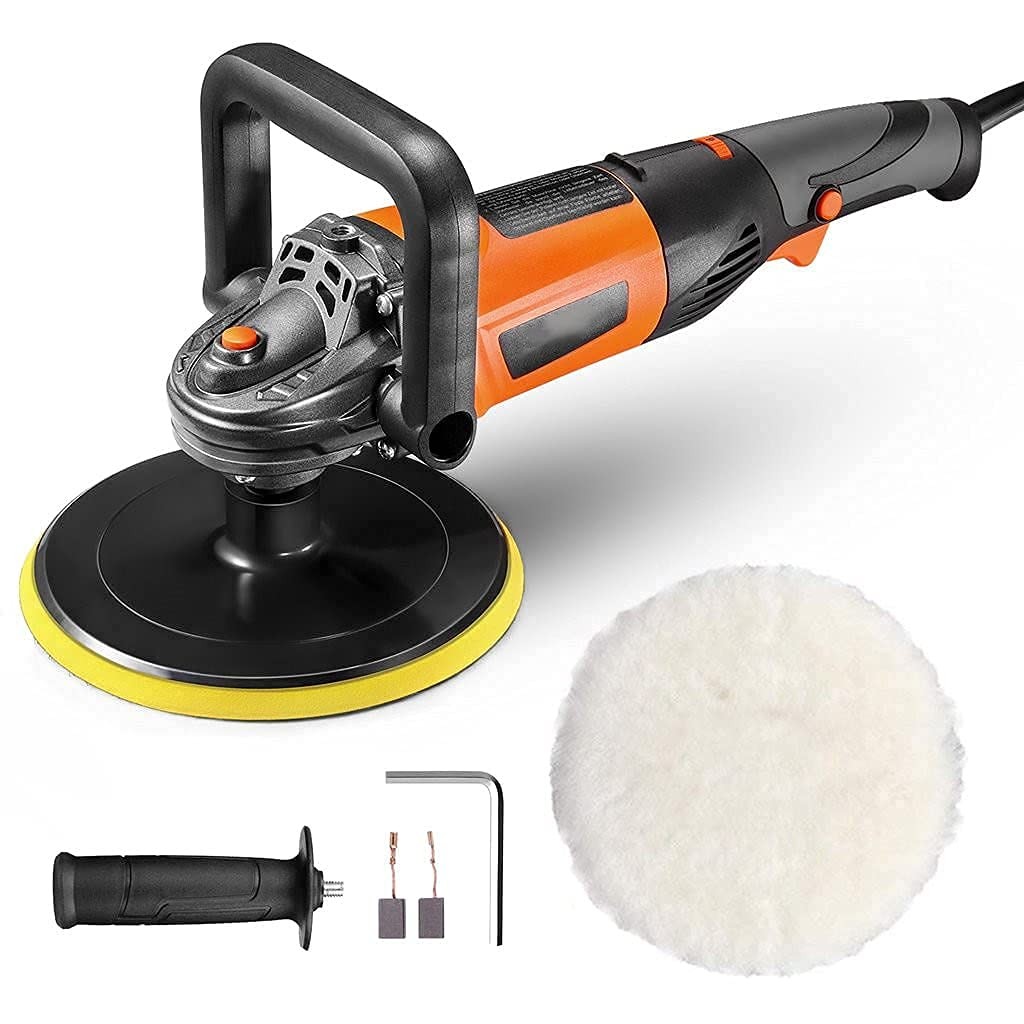 Buffer Polisher, 7-inch Car Polisher, 10A,6 Variable Speeds from 1500~3500 RPM,D$34.99
 View on eBay
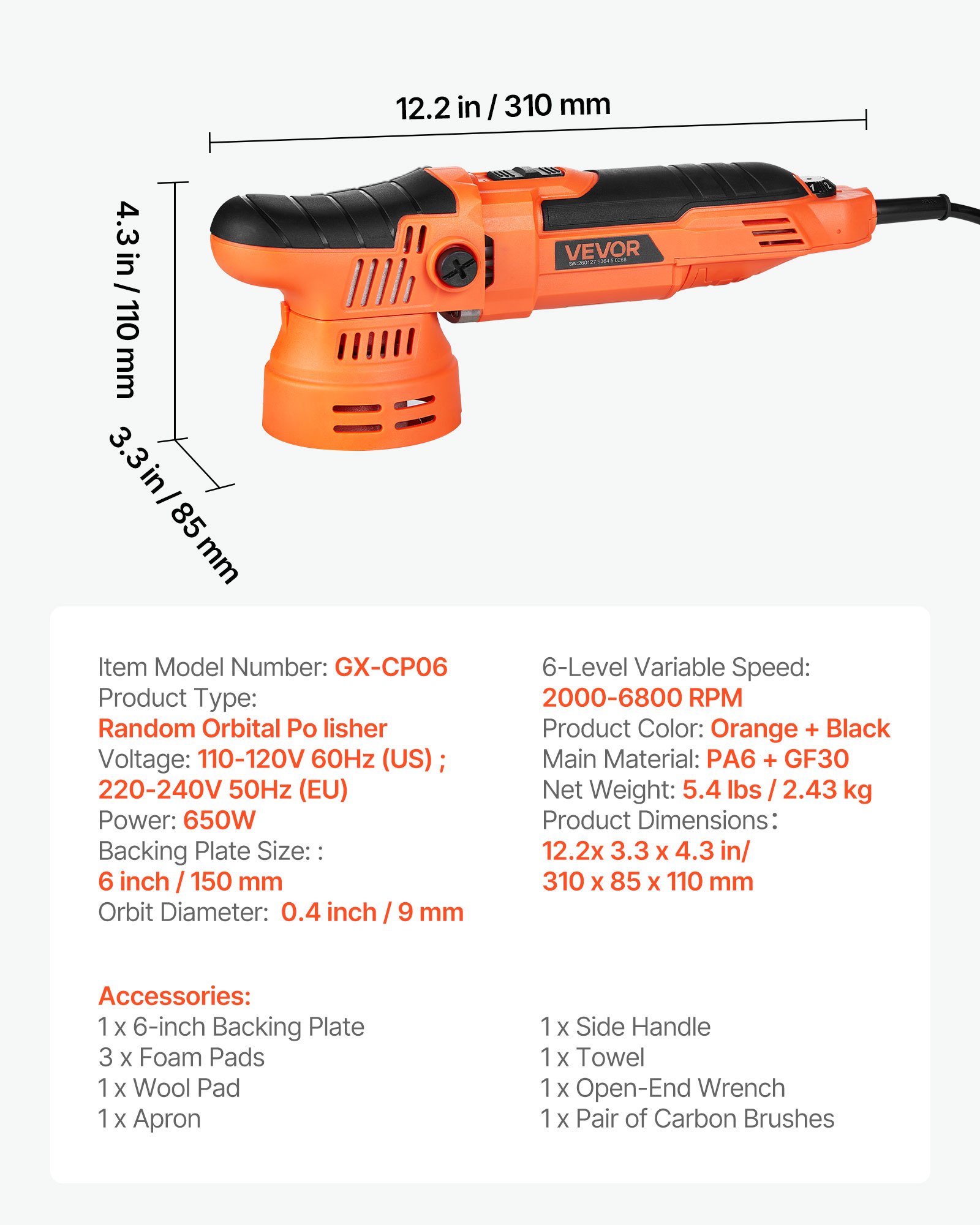 Car Buffer Polisher, 6-Inch Dual Action Waxer, 650W 6 Variable Speeds 2000-6800RPM Random Orbital Kit For Cars Detailing, Waxing, Polishing$75.99
 View on Mallflare
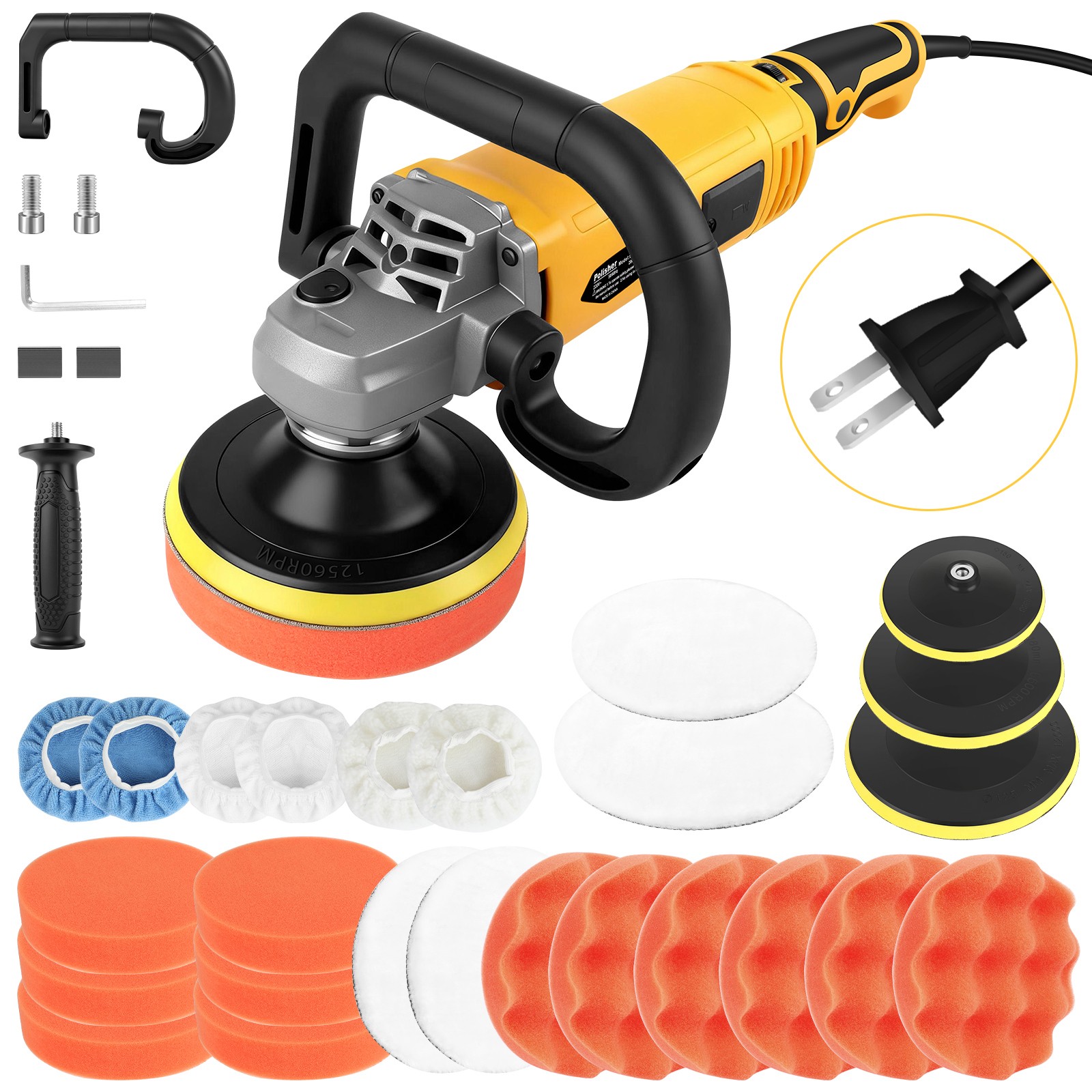 Car Buffer Polisher Waxer 7-Speed Rotary 6" + 7" Backing Plate Polishing Machine$47.99View on eBay
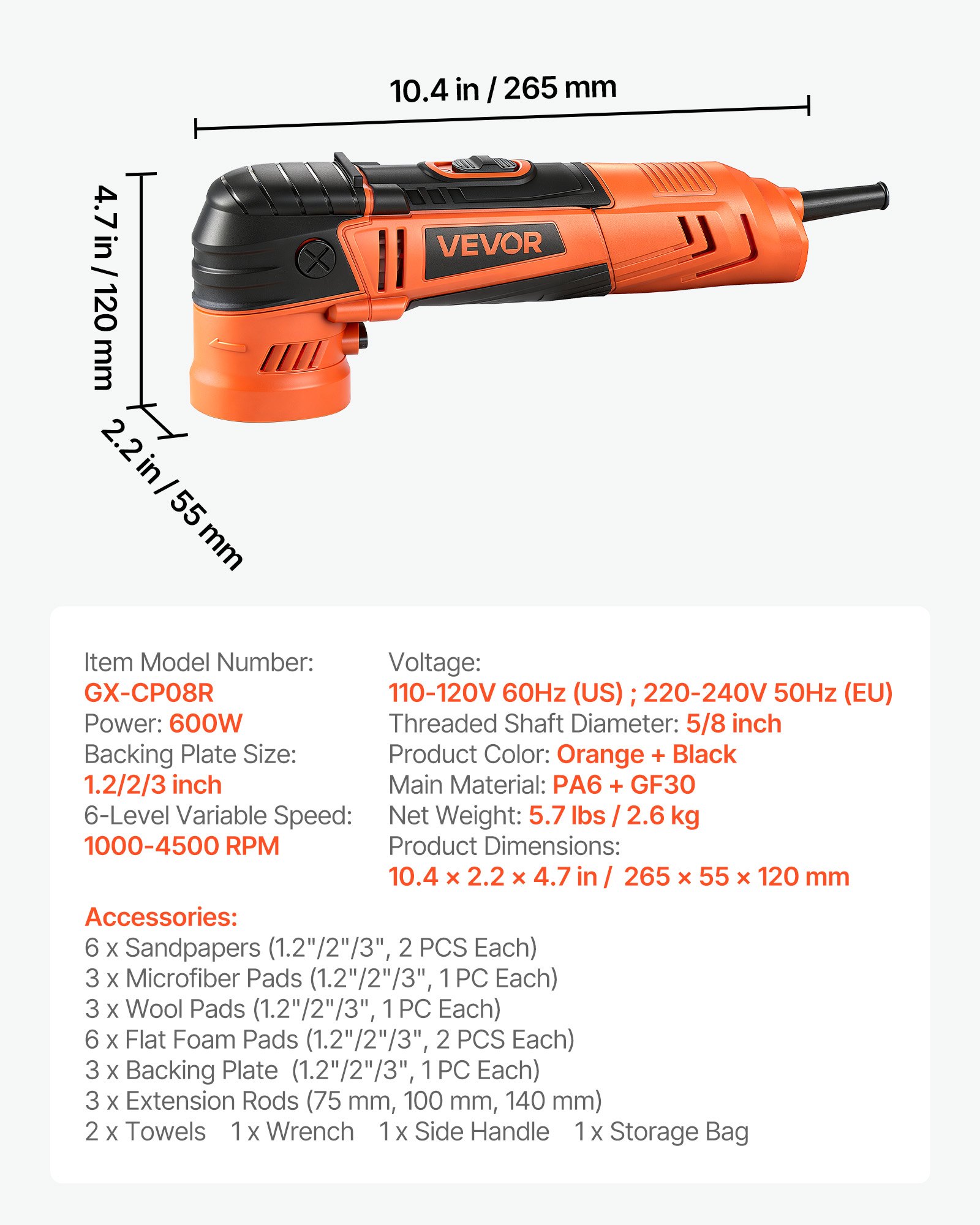 Car Buffer Polisher, 1.2"/2"/3" Rotary 600W 6 Variable Speeds 1000-4500RPM Car Waxer Kit For Cars Detailing, Waxing, Polishing, Scratch Removal$96.99View on Mallflare
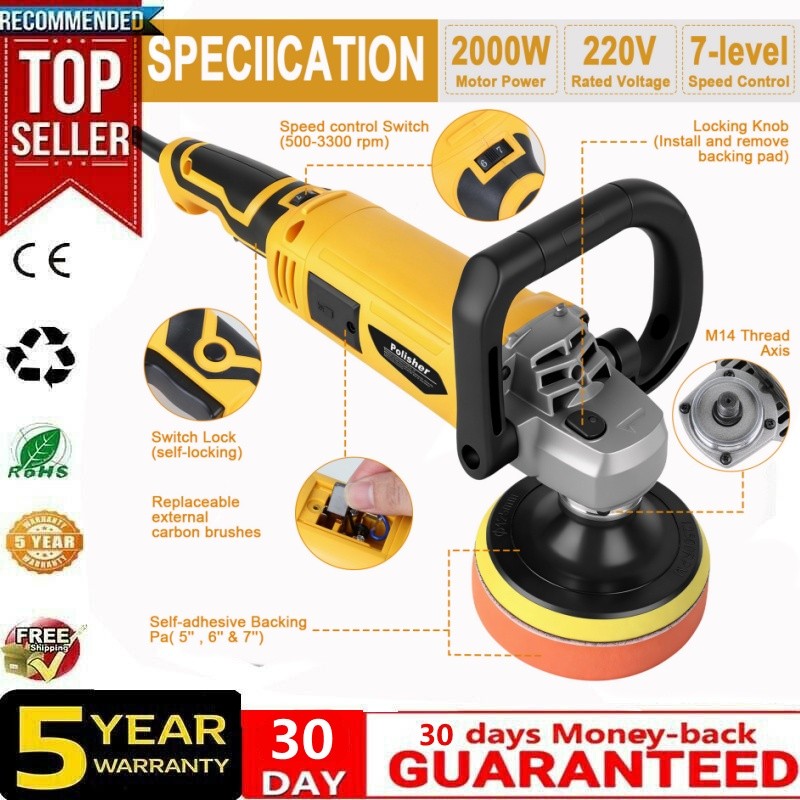 Car Buffer Polisher Waxer 7-Speed Rotary 5"6"+7" Backing Plate Polishing Machine$47.99View on eBay
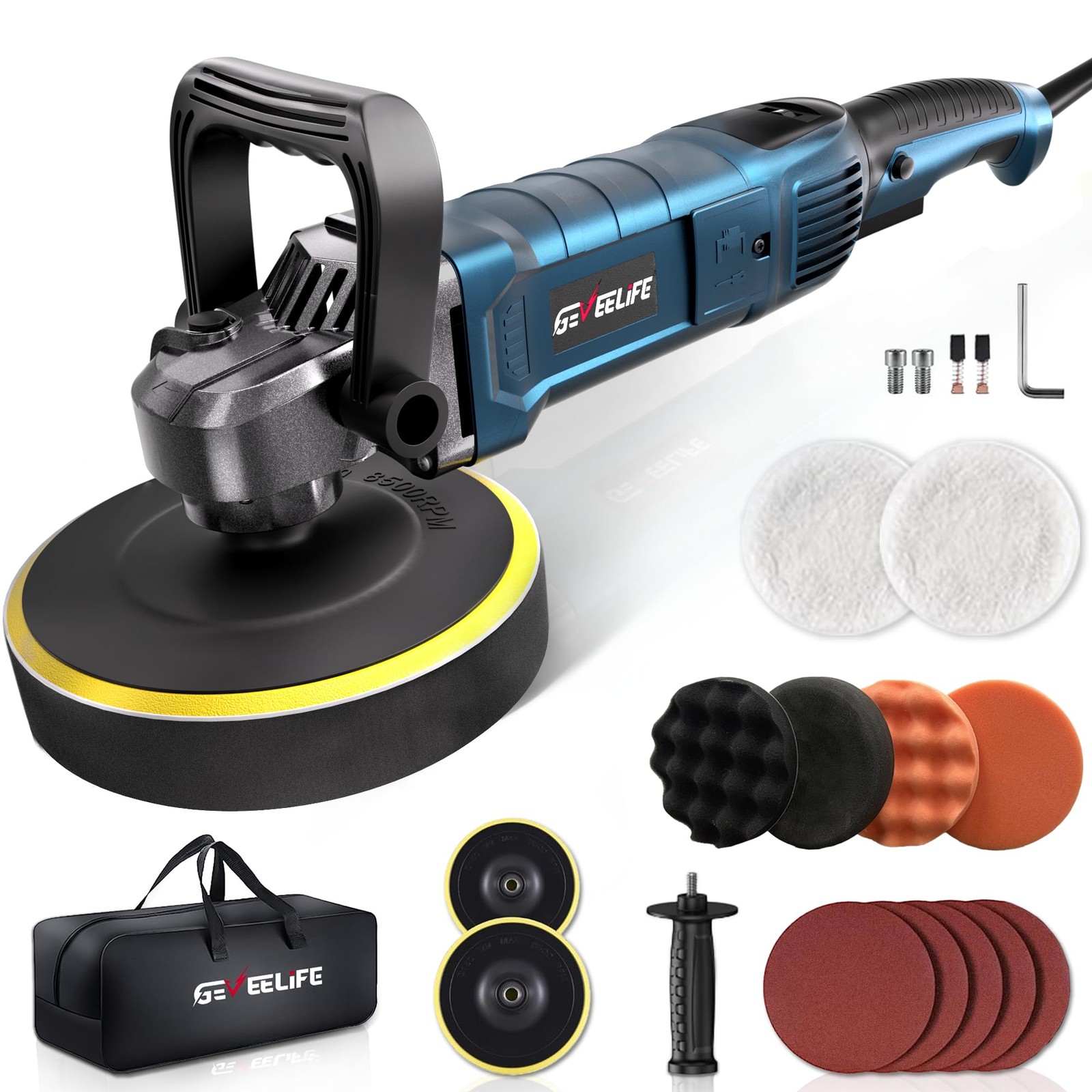 GEVEELIFE Buffer Polisher, 6 Inch/7 Inch 1600W Rotary Car Blue$117.17View on eBay
Highlights
- Rotary buffers spin a fixed pad at 1,500–3,500 RPM and cut fast but generate heat that can strike through thin clearcoat; dual-action (random orbital) heads oscillate at 2,000–6,800 OPM and are nearly burn-proof.
- Pad diameter drives correction scale: 5–6 inch pads suit panel work and one-handed control, 7 inch pads cover large flat areas faster but slow the head and reduce maneuverability on curves.
- Variable speed is a real control feature—6–7 discrete settings let you run 1,500–2,000 RPM for waxing and 2,500–3,500 RPM for compounding; single-speed tools force you to modulate pressure instead.
- Motor wattage separates duty tiers: 600–650W DA units handle hobby sessions, 1,000–1,600W rotary units sustain continuous correction without thermal shutdown on full panels.
Best use cases
- Best fit: dual-action 6-inch, 600–650W, 6-speed random orbital for beginners and factory-clearcoat maintenance—safe on edges, curves, and trim, and the right pick for waxing, polishing, and light swirl removal.
- Best fit: rotary 7-inch, 1,000–1,600W, variable-speed for experienced users doing heavy oxidation, deep scratch removal, or gelcoat on boats and RVs where fast cutting matters more than burn risk.
- Best fit: compact rotary 1.2–3 inch, 600W kit for headlights, pillars, bumpers, and motorcycle parts—small pads reach tight contours that a 6- or 7-inch head cannot touch.
- Wrong fit: buying a 7-inch rotary as a first machine for a daily driver—the combination of large pad, high RPM, and fixed rotation is the most common cause of burned edges and holograms; start with a DA instead.
Buying tips
- Match backing plate to pad: a 6-inch polisher needs a 5-inch backing plate for 5.5–6 inch pads; running a 7-inch pad on a 6-inch plate causes pad wobble, heat, and uneven cut.
- For DA tools, prioritize orbit throw and OPM range over wattage—2,000–6,800 OPM with a 6-speed dial covers compounding through waxing; for rotary, insist on a soft-start and 1,500–3,500 RPM range.
- Check spindle and backing-plate thread standard (5/16-24 or M14) before buying pads and plates; mismatched threads are the most common compatibility failure on budget polishers.
- Buy a kit with at least two pad grades (cutting foam and finishing foam) plus a microfiber or wool pad; a single pad cannot both compound and finish, and pad contamination ruins the finish.
Specs
| Action Type | Rotary vs Dual-Action Random Orbital |
|---|---|
| Pad Diameter | 1.2–7 in (6 in all-around standard) |
| Speed Range | 1,500–3,500 RPM rotary / 2,000–6,800 OPM DA |
| Motor Power | 600–650W DA / 1,000–1,600W rotary |
Related searches
What to check before buying
- Confirm your power source: corded buffers draw 600–1,600W and need a grounded outlet within cord reach; add an outdoor-rated extension cord rated for the amperage if working away from the garage.
- Measure your work area: a 6–7 inch pad needs roughly 2 feet of clearance per panel; for tight garages or motorcycle work, choose the 1.2–3 inch compact rotary instead.
- Verify pad and plate compatibility: backing plate diameter should be 1 inch smaller than the pad, and the plate thread must match the polisher spindle (5/16-24 or M14).
- Plan for consumables and PPE: budget for compound, polish, wax, 2–3 pads, microfiber towels, and eye/hearing protection—the tool alone does not produce a finish.
FAQ
Data sources: eBay / Amazon listings and product attribute feeds Data updated Nov 15, 2026.
Some links on this page are affiliate links. If you buy after clicking one, we may earn a commission at no extra cost to you. This does not change which products appear here or their order. Affiliate disclosure.