Photos from current listings. Actual item, color, and included accessories may vary.
Car Compound Buying Guide
Car compound is an abrasive paste used to remove oxidation, scratches, and sanding marks before polishing; the core trade-off is cut rate versus finish quality. Decisive rule: choose a compound graded by defect severity (heavy, medium, fine) and compatible with your pad and machine, not a generic 'scratch remover' cream.
Abrasive Grade:Heavy / Medium / FineBase Chemistry:Water-based vs solvent pasteCut Level:P1200–P1500 to polish-readyApplication:Dual-action / rotary / hand
Typical price range$19.99 – $86.04

At a glance
- Category
- Car Polishers & Compounds
- Data updated
- Nov 15, 2026
Current offers
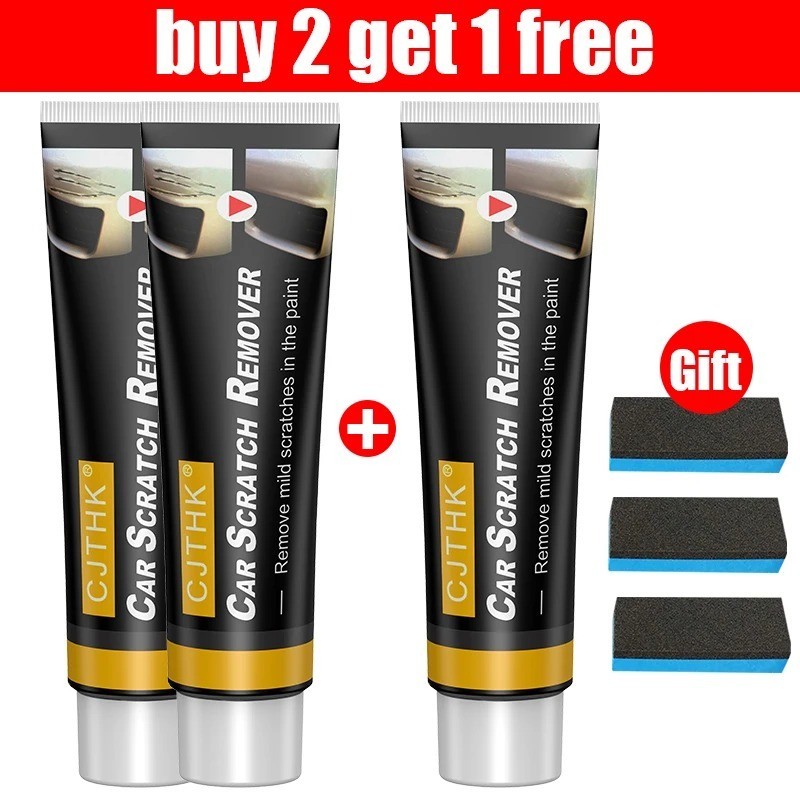 Car Scratch Remover Wax Polish Mild Scratch Repair Auto Paint Care$21.99
 View on eBay
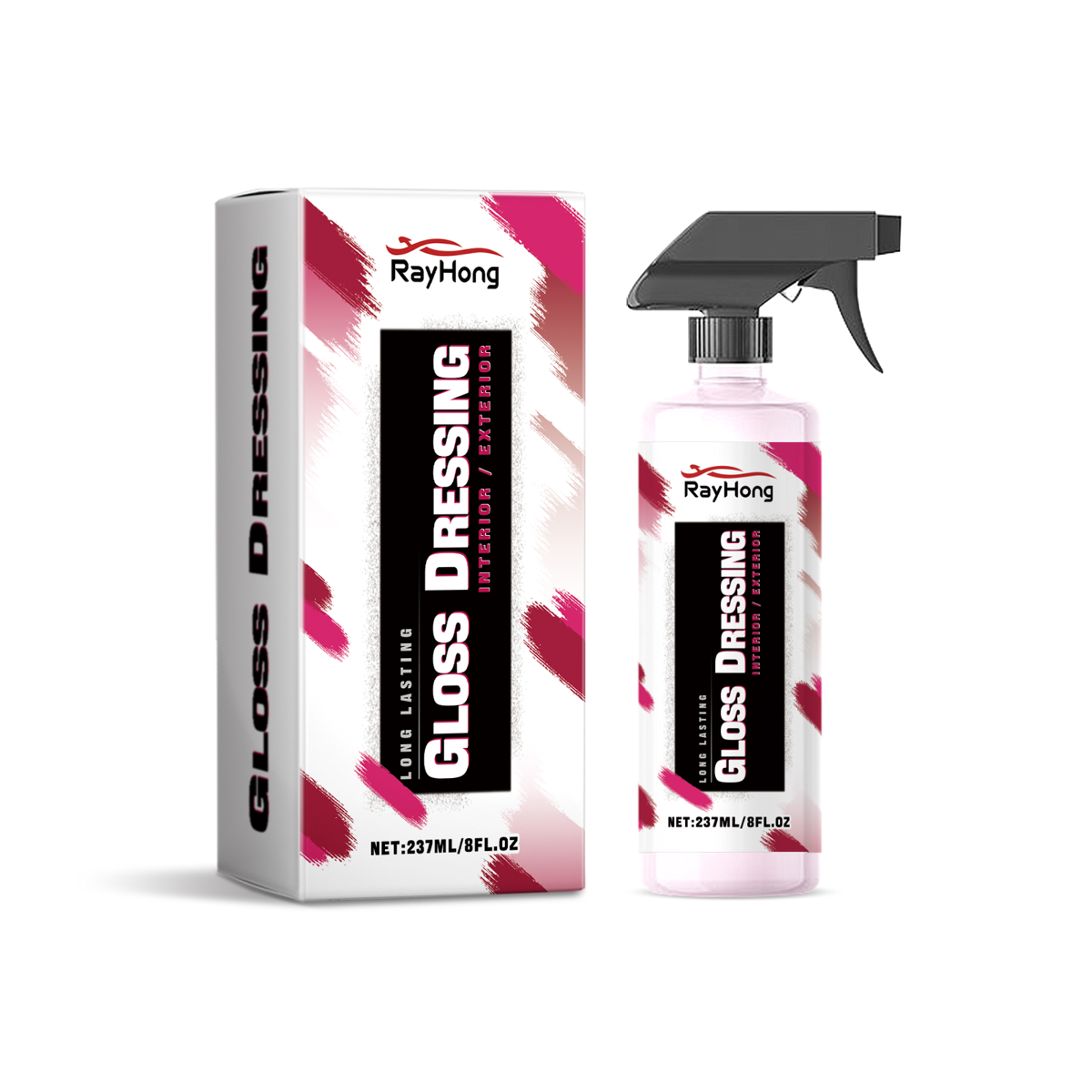 Rayhong Car Care Gloss Car Paint, Maintenance Anti-Fouling Repair Scratches Car Polish$19.99
 View on Mallflare
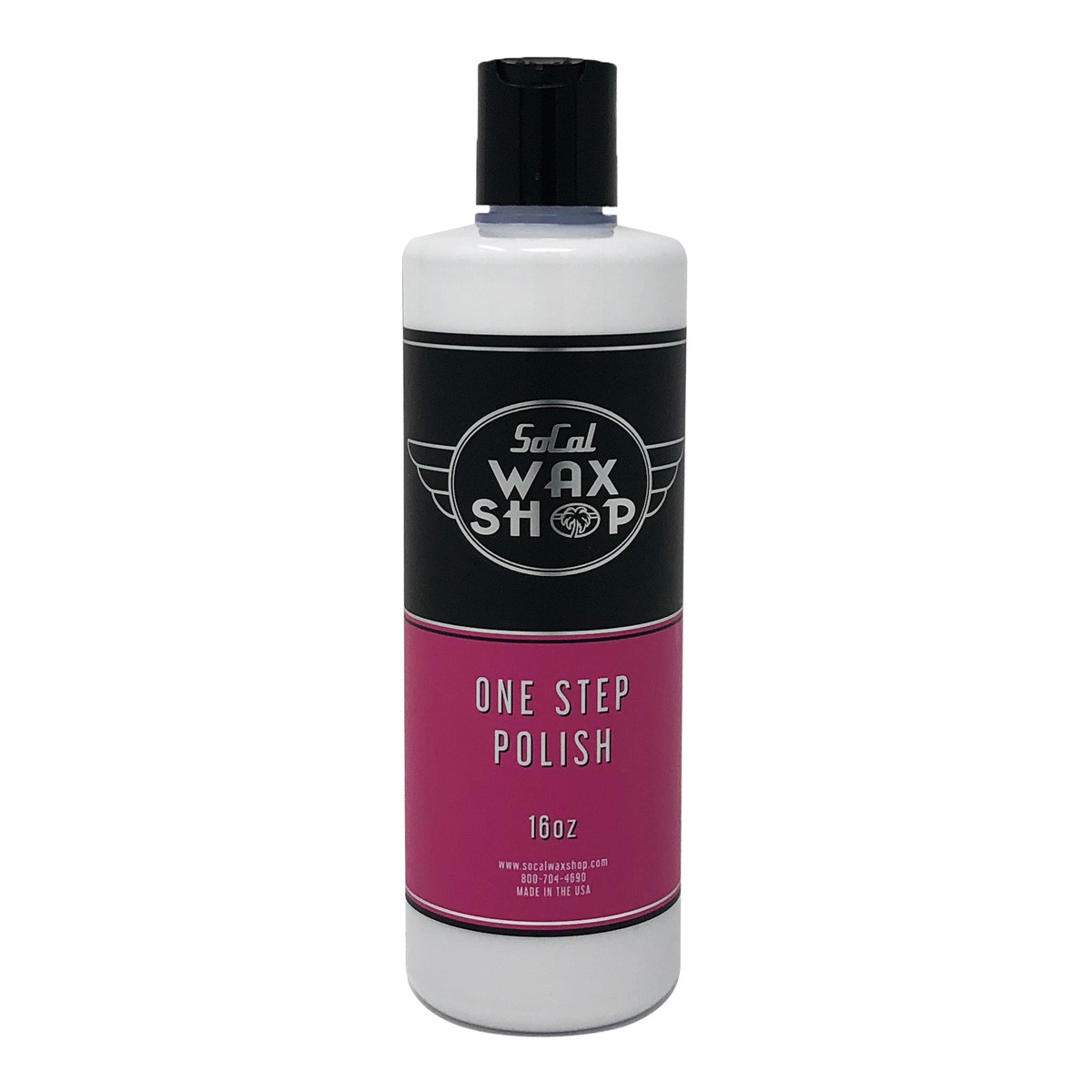 ONE STEP POLISH SoCal Wax Shop Car Care Products 16 oz 80416$25.95View on eBay
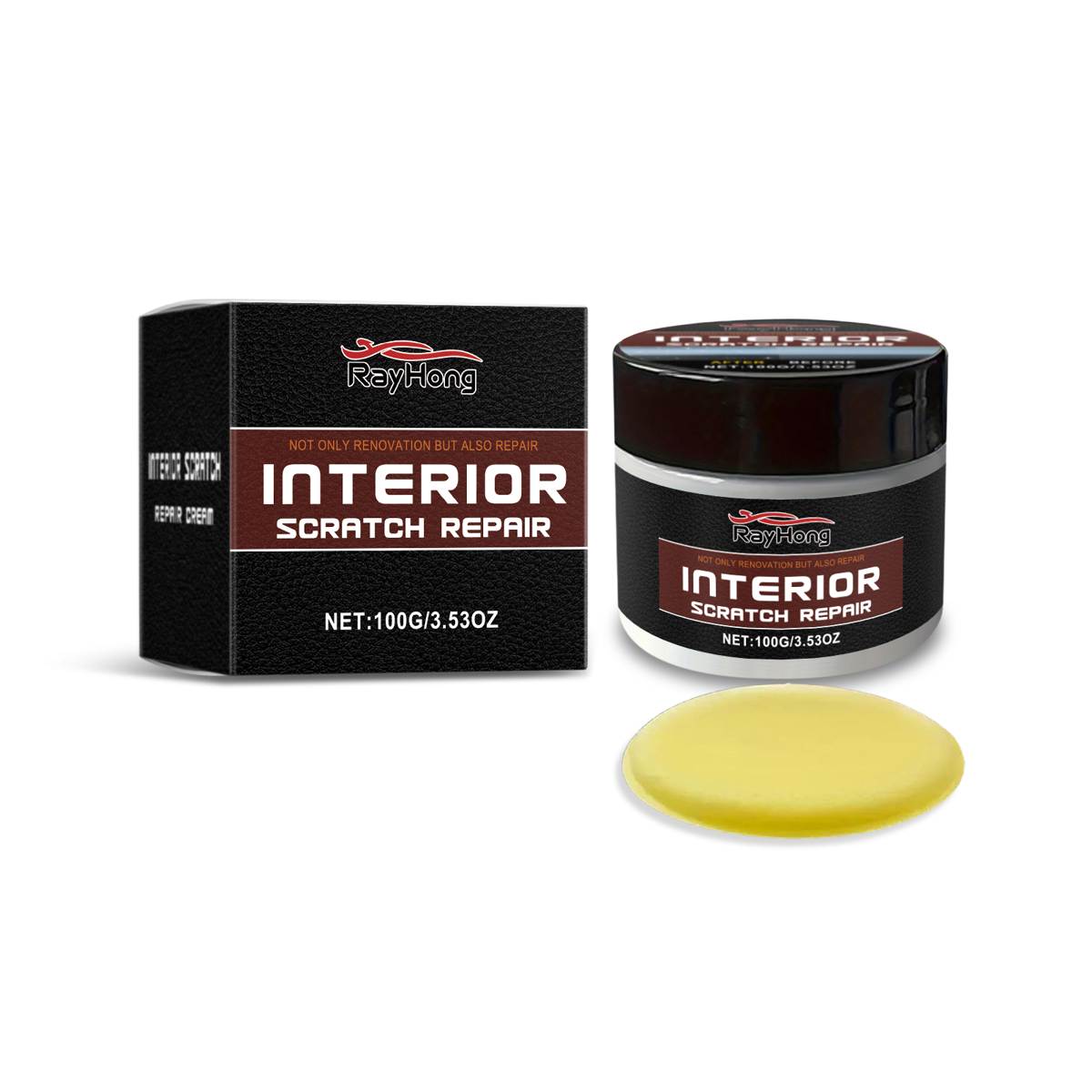 Rayhong Car Scratch Care Wax, Car Polish Clean Decontamination Coating Refurbished Wax$19.99View on Mallflare
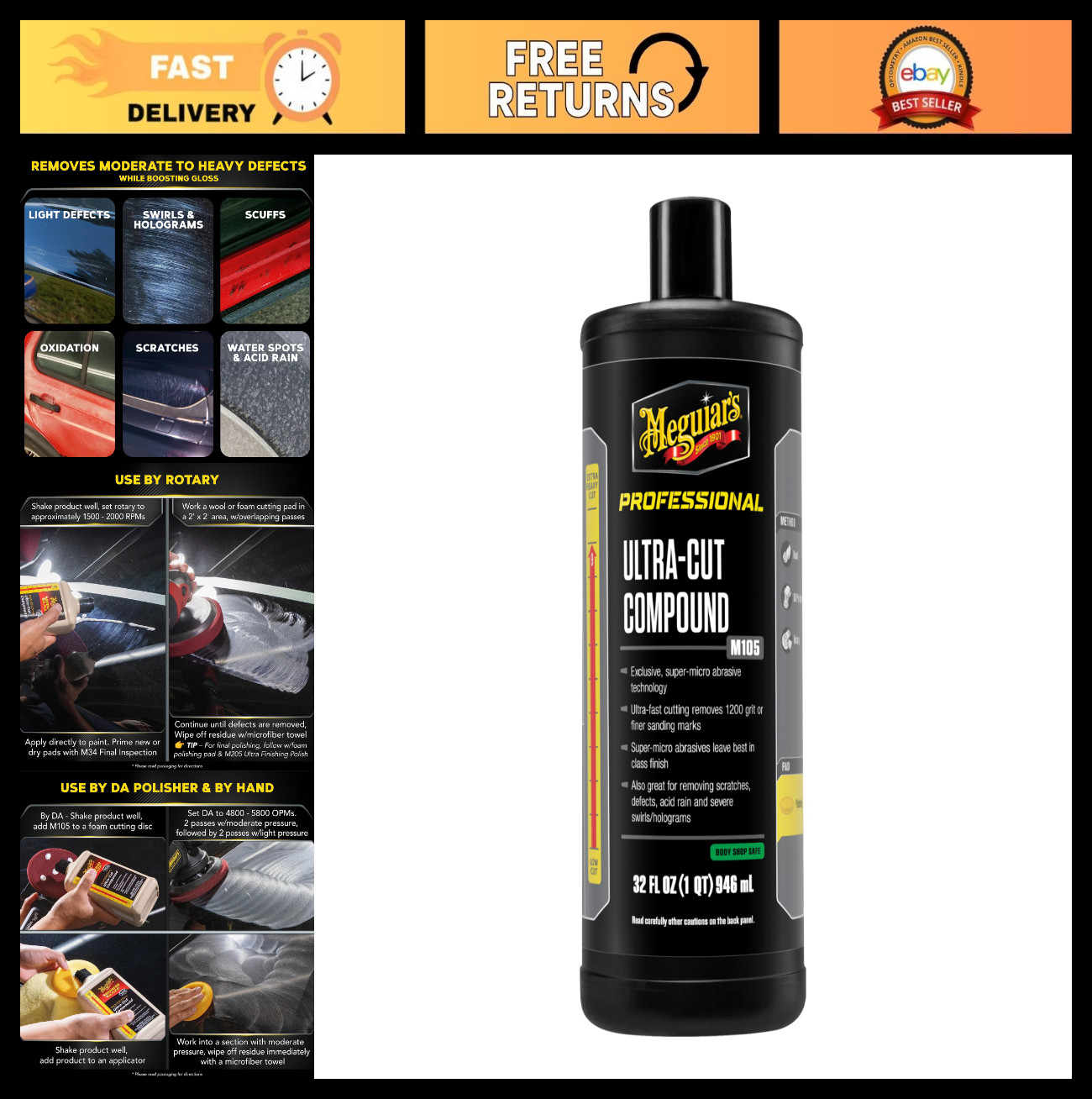 Ultra-Cut Car Polishing Compound - Remove Light Defects & Restore Clarity, 32 Fl$81.69View on eBay
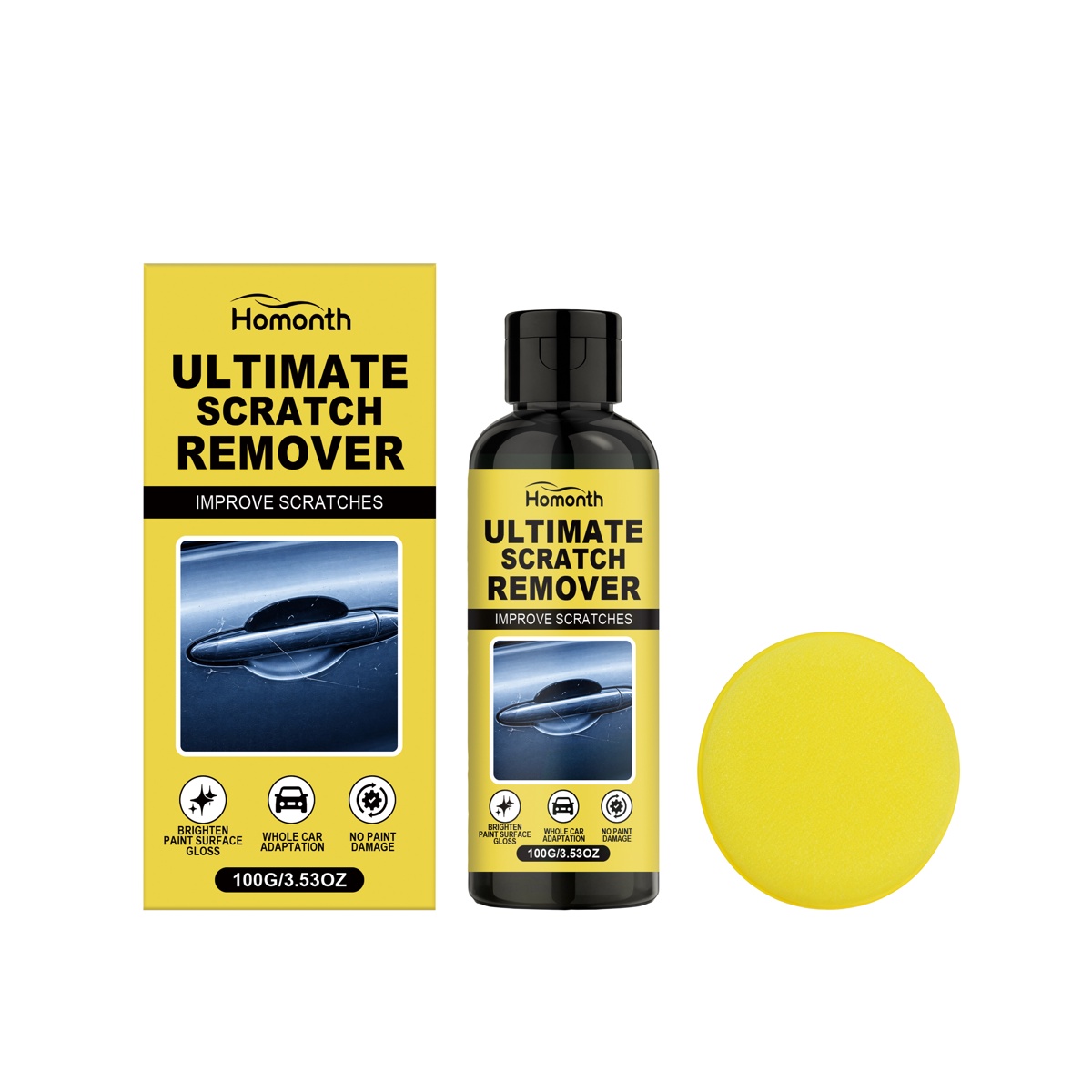 Homonth Car Scratch Care Cream - Daily Maintenance And Refurbishment Of Exterior Paint Scratches Cleaning And Polish$19.99View on Mallflare
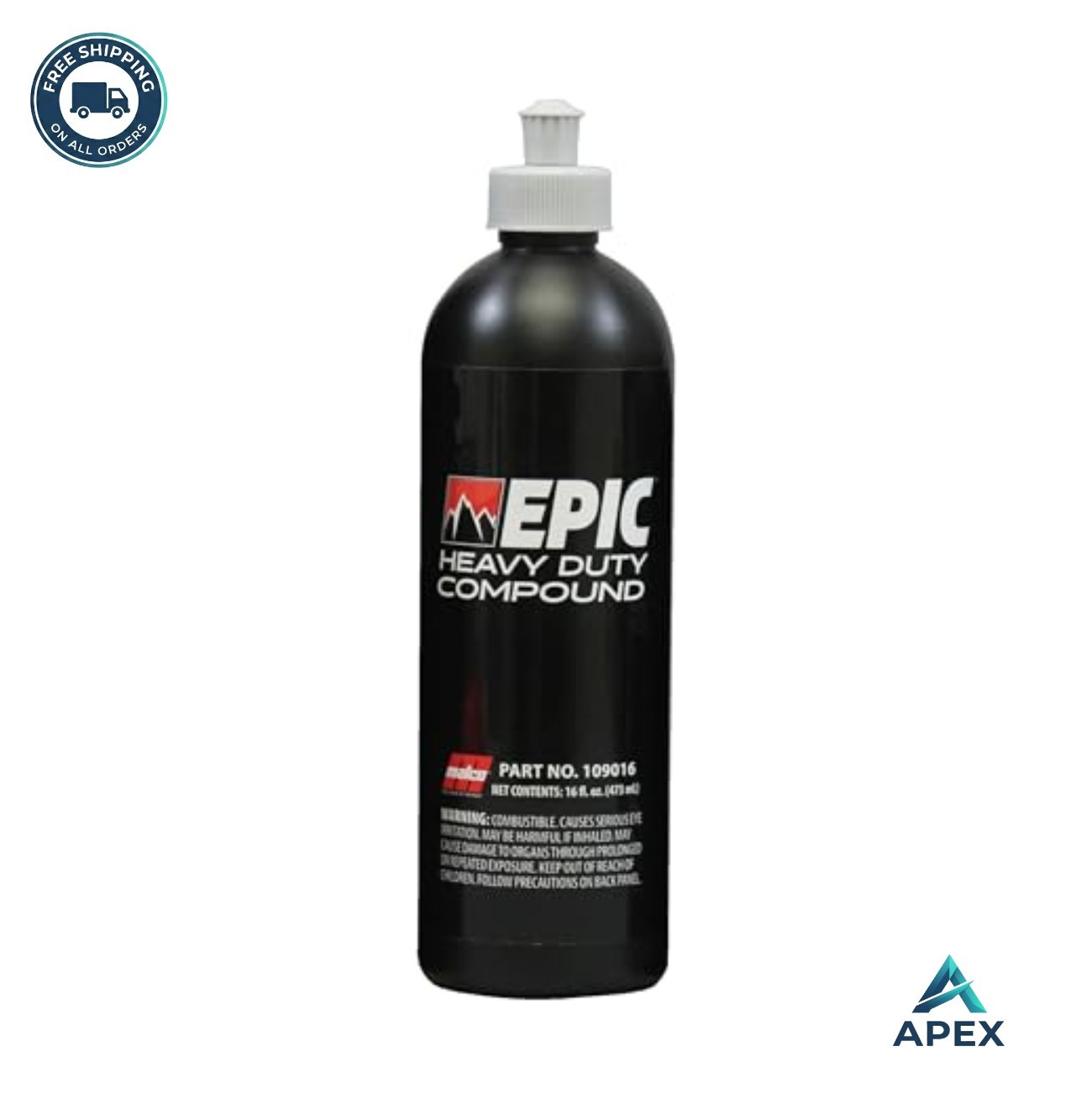 Car Polishing Compound Heavy Duty One Step 16 Oz Removes P1500 Sand Scratches$86.04View on eBay
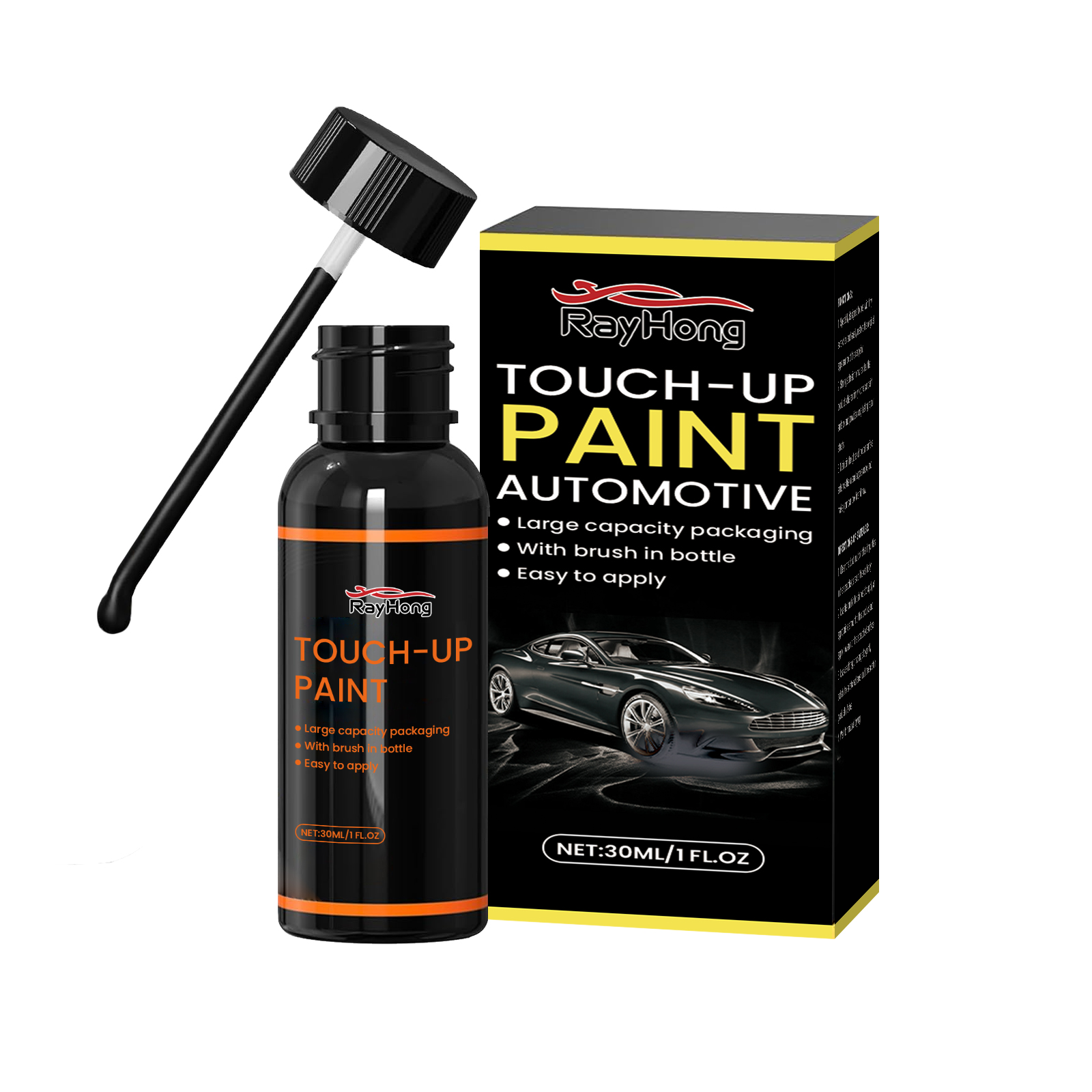 Paint Scratch Repair Agent, Swirl Nano Coating Polish Sealant, Polishing Paste for Car Care$22.99View on Mallflare
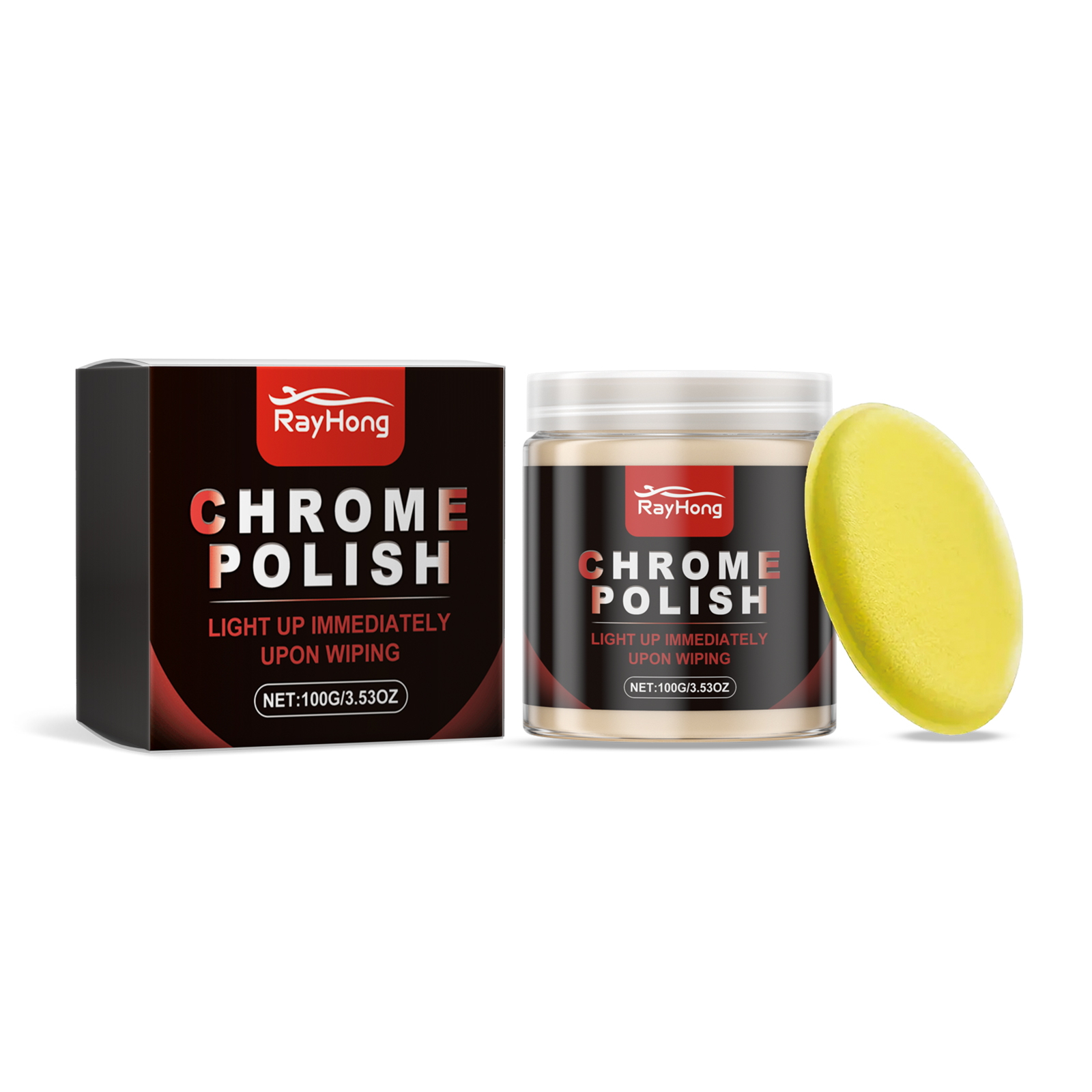 Metal Polish Cream, Car Paint Wax Decontamination Shine Cleaner, Cleaning Agent for Home$22.99View on Mallflare
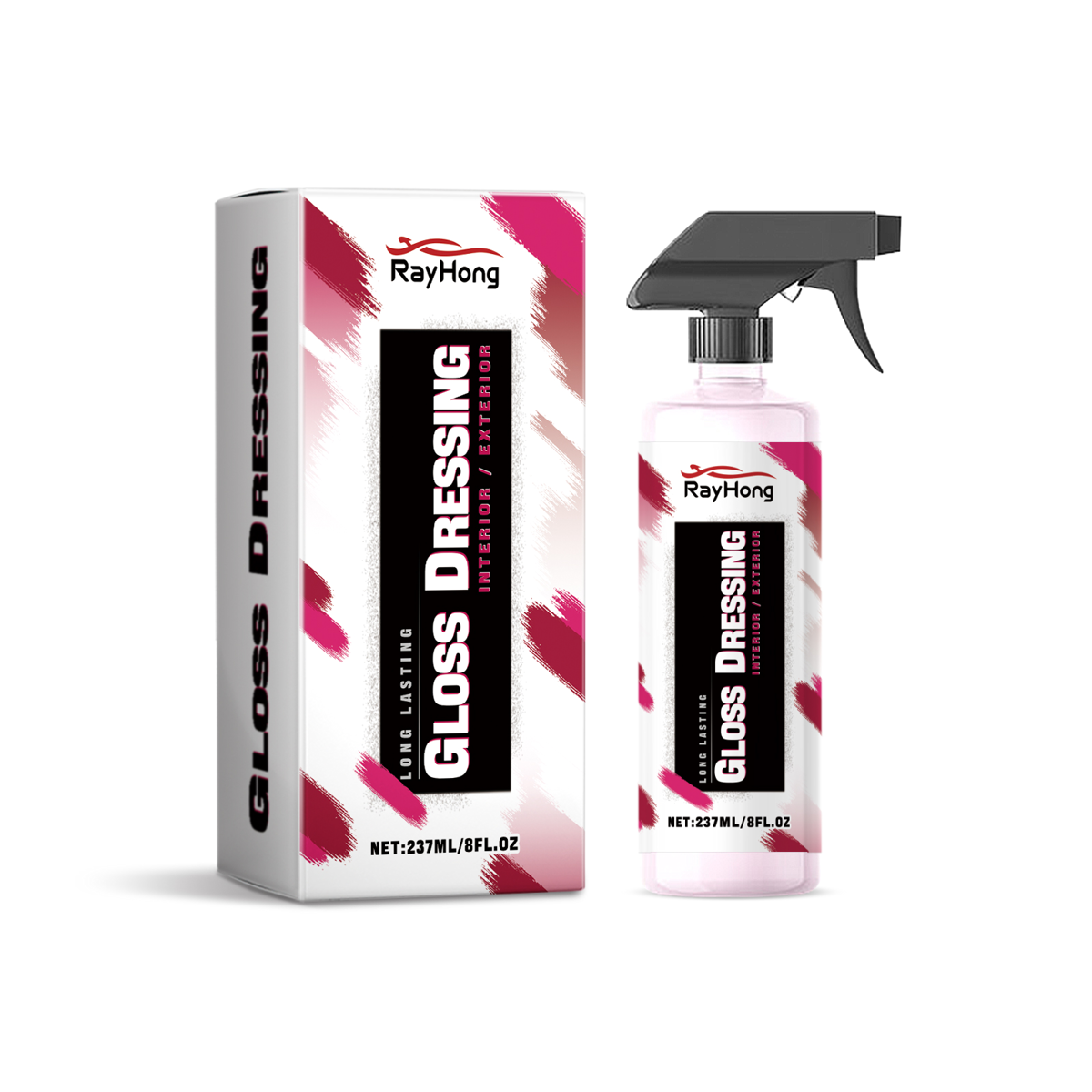 Car Gloss Care Agent, Paint Anti-Stain Scratch Repair Polish, Polishing Paste for Car$23.99View on Mallflare
Highlights
- Abrasive grade determines cut: heavy compounds remove P1200–P1500 sanding scratches, medium compounds remove P2000–P2500, fine compounds refine to a polish-ready haze.
- Liquid compounds use aluminum oxide or silica abrasives in water-based carriers; cream 'scratch remover' waxes rely on fillers that hide defects temporarily rather than leveling paint.
- Diminishing-abrasive technology lets one compound break down from heavy cut to fine finish, reducing steps but requiring consistent pad pressure and machine speed.
- Pad pairing is decisive: wool or microfiber cutting pads with heavy compound, foam polishing pads with medium, and soft foam finishing pads with fine compound.
Best use cases
- Best fit: heavy-cut compound with a microfiber cutting pad on a dual-action polisher for oxidized, chalky paint or P1500 sanding marks; skip hand application for this stage.
- Best fit: medium compound on a foam polishing pad for swirl marks and light scratches on daily drivers; wrong fit is using heavy compound, which risks thinning clear coat.
- Best fit: fine compound or finishing polish for haze removal after compounding; wrong fit is jumping straight to wax, which locks in compound haze.
- Best fit: hand-applied fine compound for isolated small defects; wrong fit is expecting a cream 'scratch repair' product to remove deep scratches that catch a fingernail.
Buying tips
- Match compound cut to defect depth: if a scratch catches your fingernail, no compound removes it safely; if it disappears with water, a fine polish suffices.
- Use 4–6 pea-sized drops per 2x2 ft section; overloading compound reduces cut and creates splatter, while underloading dries the pad and causes marring.
- Keep pad speed at 4–5 on a dual-action polisher for compounding and 3–4 for finishing; rotary users should stay below 1800 RPM to avoid burning edges.
- Choose water-based compounds for easier wipe-off and pad cleaning; solvent-heavy pastes dry fast and are harder to buff clean on warm panels.
Specs
| Abrasive Grade | Heavy / Medium / Fine |
|---|---|
| Base Chemistry | Water-based vs solvent paste |
| Cut Level | P1200–P1500 to polish-ready |
| Application | Dual-action / rotary / hand |
Related searches
What to check before buying
- Confirm your machine type and backing plate size (5-inch or 6-inch) so pads and compound volume match your polisher's throw.
- Check paint condition and clear coat thickness: compounding removes microns of clear coat, so measure or limit passes on thin or aged paint.
- Verify pad inventory: at least one cutting pad and one polishing pad per compound stage prevents cross-contamination and pigtailing.
- Work in shade on cool panels below body temperature; compounding hot panels dries product and risks holograms.
FAQ
Data sources: eBay / Amazon listings and product attribute feeds Data updated Nov 15, 2026.
Some links on this page are affiliate links. If you buy after clicking one, we may earn a commission at no extra cost to you. This does not change which products appear here or their order. Affiliate disclosure.