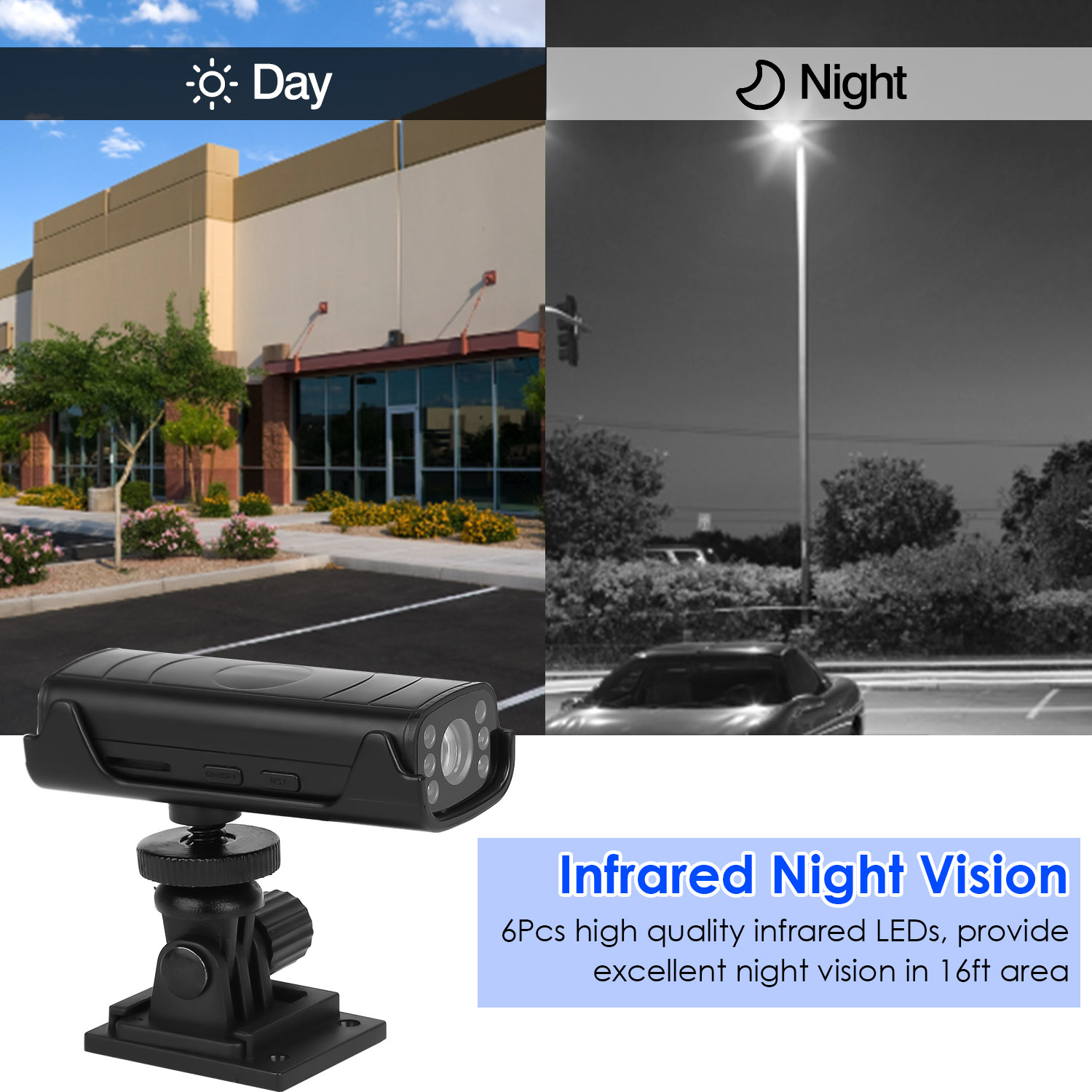

Photos from current listings. Actual item, color, and included accessories may vary.
Wireless Vehicle Backup Camera Buying Guide
Wireless vehicle backup cameras replace the factory tailgate harness with a 2.4/5.8 GHz or Wi-Fi link between a rear camera and a dash or mirror monitor. The core trade-off is signal stability versus install simplicity: digital FHSS systems resist interference but add pairing steps, while analog kits are instant-on but prone to flicker in dense RF environments. Buy a digital kit with a dedicated monitor for daily driving; choose a Wi-Fi phone-link camera only for occasional trailer or hitch use.


At a glance
- Category
- Car Electronics
- Data updated
- Nov 16, 2026
Current offers
Highlights
- 2.4 GHz analog kits suffer interference from Wi-Fi and Bluetooth; 5.8 GHz analog and digital FHSS kits hold a cleaner link in urban RF noise.
- IP67 or IP68 camera sealing is the durability threshold — IP65 survives spray only and fogged optics follow within a season of road salt and rain.
- CCD sensors beat CMOS in low light and night-vision clarity; 0.1 lux rating or lower is the real benchmark for usable reversing images after dark.
- Monitor size and resolution cap perceived clarity: 4.3-5 inch displays pair with 720p cameras, while 7 inch 1024x600 monitors suit 1080p hitch and RV views.
Best use cases
- Daily commuter or family SUV: pick a 5.8 GHz digital kit with a 4.3-5 inch dash monitor and IP68 bullet camera — skip phone-Wi-Fi cameras that drop link on every reverse.
- Trailer, RV, or tow-vehicle: choose a 7 inch 1080p monitor with a long-range 5.8 GHz transmitter and a wired power tap at the reverse lamp — phone apps lag and add pairing friction at every hookup.
- Temporary or lease vehicle: a rechargeable magnetic-base camera with adhesive mount is correct — skip it for permanent installs because suction and adhesive bases fail in heat and car washes.
- Night driving and tight garages: require a CCD sensor at 0.1 lux or lower with IR LEDs — CMOS-only budget cameras wash out in low light and produce poor night guidance.
Buying tips
- Match transmitter range to vehicle length: 2.4 GHz kits choke past 30 ft, so trailers and RVs need 5.8 GHz or digital FHSS rated for 50 ft or more.
- Power the camera from the reverse lamp circuit (12V) so the monitor wakes on gear engagement; always-on wiring drains the battery and defeats the trigger.
- Check monitor brightness and hood specs: 400 cd/m2 or higher with a sunshade is needed for daytime legibility in open-cab pickups and vans.
- For phone-link cameras, require 5 GHz Wi-Fi support and a low-latency mode; 2.4 GHz-only models lag and disconnect when the head unit uses the same band.
Specs
| Wireless Link | 2.4/5.8 GHz RF vs Wi-Fi app |
|---|---|
| Camera Sealing | IP65 spray vs IP67/IP68 submersible |
| Sensor & Low Light | CCD 0.1 lux vs CMOS 1 lux |
| Monitor Size | 4.3-5 in dash / 7 in RV |
Related searches
What to check before buying
- Measure the mounting surface: the camera base must fit a flat 2x2 inch patch of tailgate or bumper, or the license-plate frame adapter must match your plate standard.
- Confirm 12V DC negative-ground electrical system and fuse-tap access at the reverse lamp before choosing a hardwired kit.
- Check dash or windshield space for the monitor footprint and verify the bracket does not block airbags, wipers, or the driver's sightline.
- Verify climate rating: IP68 and an operating range to at least -4F to 158F for regions with road salt, freeze-thaw cycles, or desert heat.
FAQ
Data sources: eBay / Amazon listings and product attribute feeds Data updated Nov 16, 2026.
Some links on this page are affiliate links. If you buy after clicking one, we may earn a commission at no extra cost to you. This does not change which products appear here or their order. Affiliate disclosure.