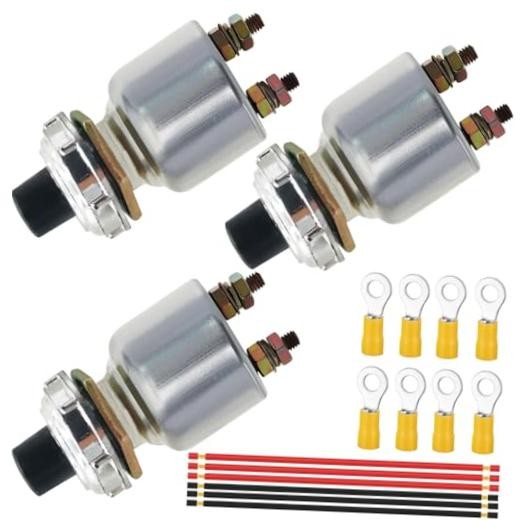

Photos from current listings. Actual item, color, and included accessories may vary.
Push Button Start Kit Buying Guide
A push button start kit replaces a traditional keyed ignition with a button-based engine start/stop system, requiring compatibility with your vehicle's immobilizer, wiring, and physical dash space. The core trade-off is between universal relay-based kits that bypass factory security and vehicle-specific CAN-bus kits that integrate with OEM anti-theft and accessory modes. Choose a vehicle-specific or CAN-bus kit for daily-driven modern cars; choose a universal relay kit only for off-road, classic, or track vehicles where factory immobilizer integration is not required.


At a glance
- Category
- Car Electronics
- Data updated
- Nov 16, 2026
Current offers
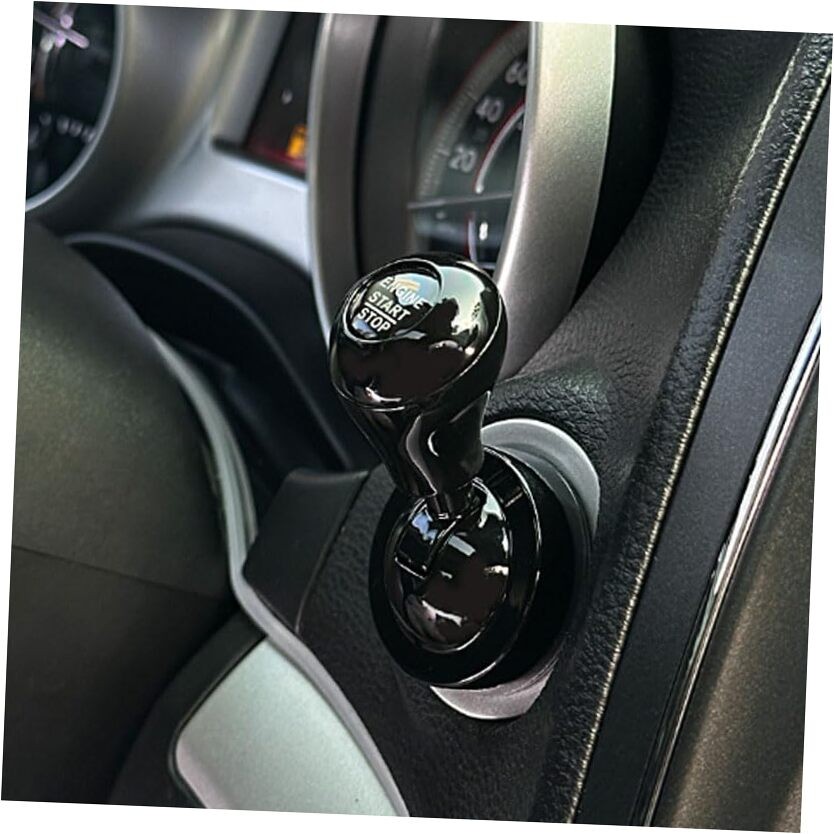
Highlights
- Universal kits use a 12V relay and push-button switch to mimic the key-turn signal; they do not communicate with the ECU or immobilizer unless explicitly stated.
- CAN-bus kits tap into the vehicle's data network to command start/stop and maintain factory anti-theft handshakes, but are model-specific and require firmware or wiring adapters.
- Button construction matters: metal housings with IP67 seals resist UV and moisture; ABS plastic buttons fade and crack in high-heat dash locations.
- RFID or proximity immobilizer bypass modules are legally required in many regions for keyless start; kits without them will crank but not run on secured vehicles.
Best use cases
- Best fit: modern daily driver with factory immobilizer — pick a CAN-bus kit with model-specific harness and RFID bypass; skip universal relay kits that leave the car crank-no-start.
- Best fit: classic car or off-road rig with no factory security — pick a universal 12V relay kit with a 30A-rated switch and explicit ACC/IGN/START wiring labels.
- Best fit: adding a start button to a race or track car — choose a plain momentary-switch panel with no immobilizer logic; skip any kit advertising keyless entry or alarm integration.
- Wrong fit: any vehicle still under factory warranty where dash or ignition wiring modification voids coverage — use an OEM accessory button kit instead of an aftermarket universal kit.
Buying tips
- Verify the kit's start signal type: a momentary ground trigger works with most universal relays, but cars expecting a 12V positive start signal need an inverted-output module.
- Match button current rating to the starter solenoid draw — 30A continuous-rated switches handle direct solenoid wiring; 5A buttons require an added relay.
- For CAN-bus kits, confirm the exact model-year and trim in the compatibility list; a kit for a 2015–2018 model often will not work on a 2019+ refresh with a different BCM.
- Check the harness connector count and pinout against your ignition switch: a 4-pin ACC/IGN/START/constant layout is standard on older cars; newer columns may use 6–8 pins with data lines.
Specs
| Integration Type | Universal relay vs CAN-bus |
|---|---|
| Immobilizer Bypass | RFID / transponder / none |
| Switch Rating | 3–5A button or 30A+ direct |
| Mounting Hole | 22–30 mm dash/panel cutout |
Related searches
What to check before buying
- Measure dash or console mounting depth and button diameter — most push buttons need a 22–30 mm hole with 40–60 mm behind-panel clearance for the switch body and connector.
- Confirm the vehicle's immobilizer type: transponder-key, proximity fob, or none; kits must include the matching bypass module or the engine will crank but not fire.
- Check operating voltage and fuse rating — automotive 12V DC systems require a kit fused at or below the circuit's original rating, typically 10–30A for ignition circuits.
- Verify whether the kit supplies a start-stop latching relay or only a momentary button; latching behavior is needed for one-press start/stop, while momentary works only for hold-to-crank.
FAQ
Data sources: eBay / Amazon listings and product attribute feeds Data updated Nov 16, 2026.
Some links on this page are affiliate links. If you buy after clicking one, we may earn a commission at no extra cost to you. This does not change which products appear here or their order. Affiliate disclosure.