Photos from current listings. Actual item, color, and included accessories may vary.
Wireless Backup Camera Buying Guide
Wireless backup cameras eliminate the video cable run from rear to dash, but the signal path, power source, and display integration determine whether the system is reliable or a laggy compromise. The primary trade-off is between battery-powered magnetic cameras (easy install, finite runtime) and hardwired wireless transmitters (constant power, more installation). Choose a hardwired wireless kit for a permanent vehicle, a rechargeable magnetic camera only for occasional towing or rental use, and skip any kit that lacks a dedicated monitor or stable 2.4/5 GHz link.

At a glance
- Category
- Car Electronics
- Data updated
- Nov 16, 2026
Current offers
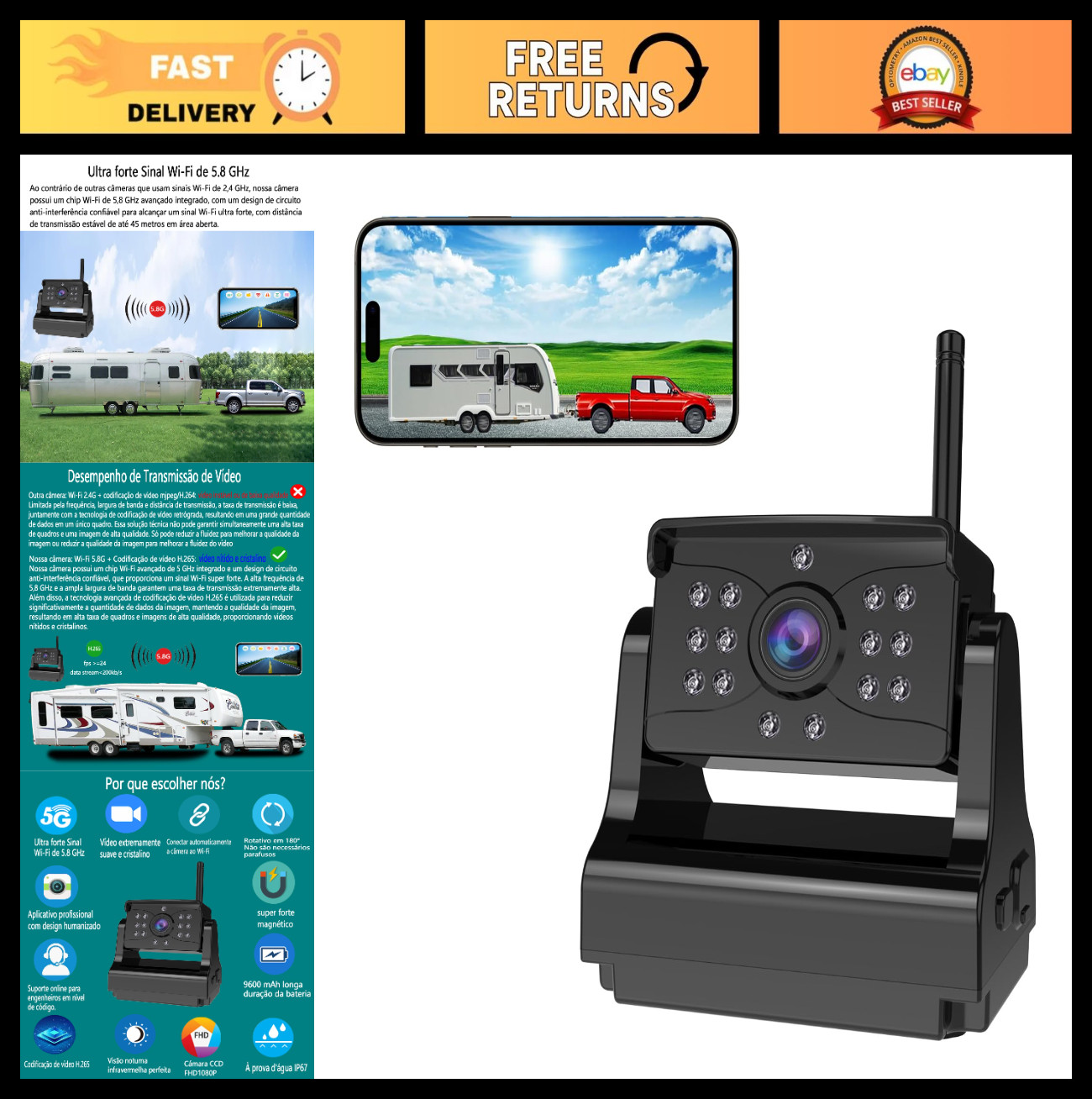 Wireless Backup Camera - Ultra Strong WiFi, Clear Picture, Magnetic Rechargeable$128.99
 View on eBay
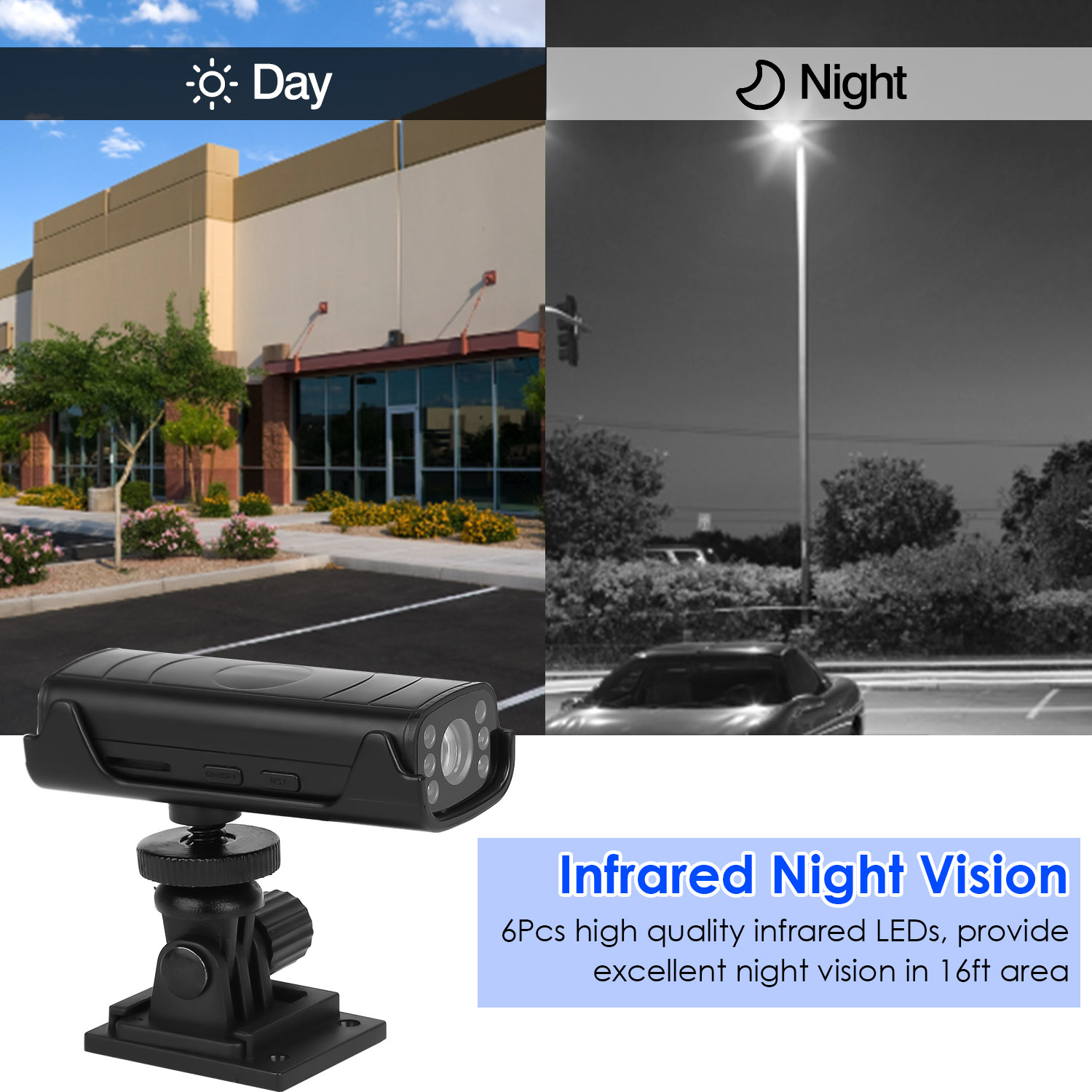 1Pc Wireless Camera Reverse Hitch Guide Vehicle Backup Rechargeable With Flexible Adhesive Base Night Vision For Car RVs$35.99
 View on Mallflare
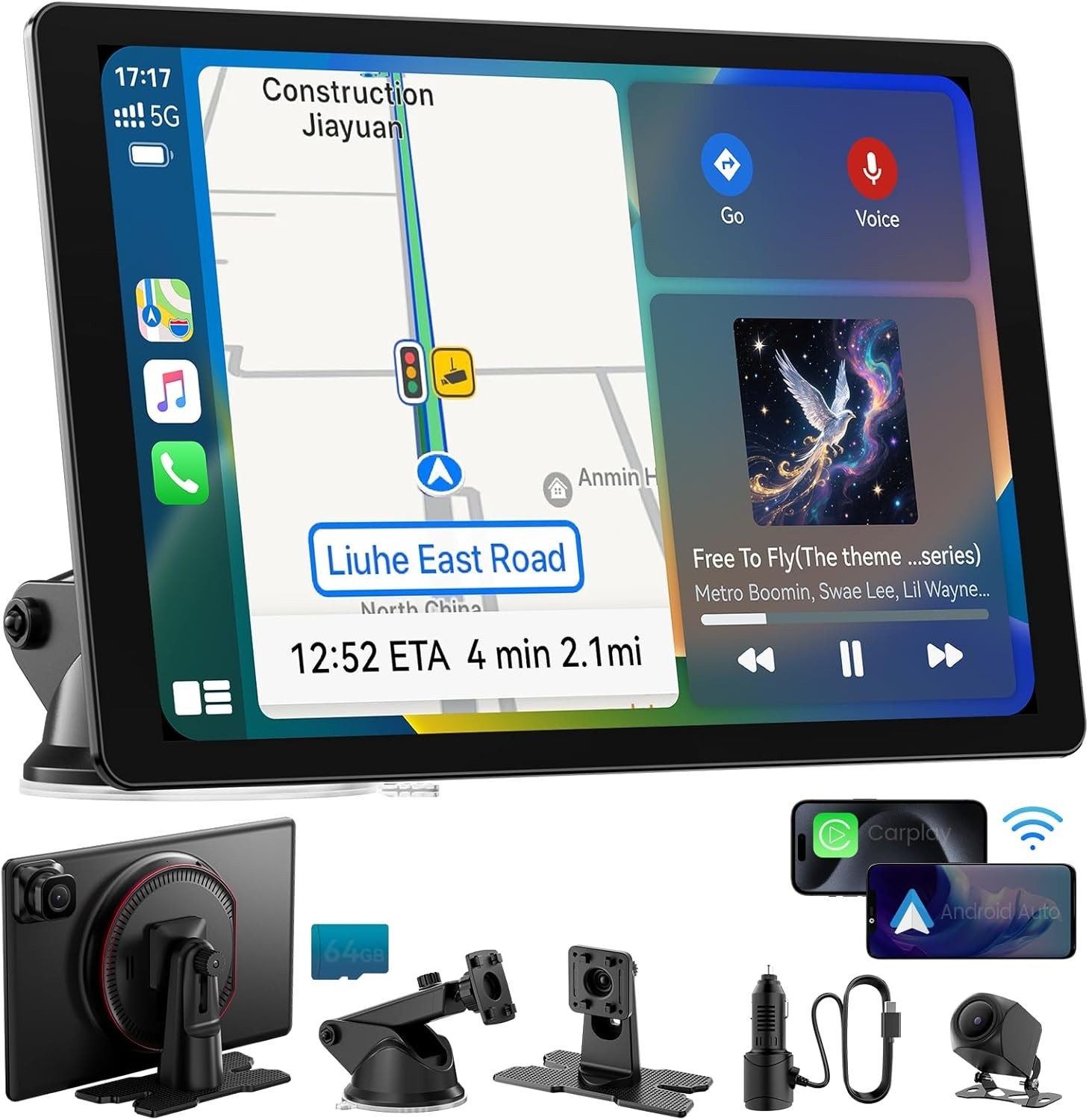 11" Large Wireless Carplay Screen For Car 4K Dash Cam 1080P Backup Camera GPS$105.99View on eBay
Highlights
- Signal transport is either direct Wi-Fi to a phone (no dedicated monitor, app-dependent) or a proprietary 2.4/5 GHz transmitter-receiver pair with a standalone display (lower latency, no phone needed).
- Battery cameras use 2.4–5 Ah rechargeable cells and deliver roughly 4–8 hours per charge; magnetic bases and adhesive mounts are not theft-resistant and need removal for charging.
- Hardwired wireless kits tap reverse-light 12V power and transmit continuously; they avoid charging cycles but require a fused connection and a weatherproof camera rated IP67 or higher.
- Monitor size and resolution set usable detail: 4.3–5 inch screens are adequate for reversing, while 7–11 inch displays suit large RVs and trailers; 1080P cameras outperform 720P at night when paired with IR LEDs.
Best use cases
- Permanent daily-driver car or truck: pick a hardwired wireless transmitter kit with an IP67+ camera and a dedicated 4.3–7 inch monitor; skip magnetic rechargeable cameras that need weekly charging.
- Towing, trailer, or rental vehicle: choose a rechargeable magnetic camera with a suction or dash-mounted monitor so it moves between vehicles without wiring; skip hardwired kits that need a permanent reverse-light tap.
- Large RV or long trailer: use a 7–11 inch monitor and a long-range 2.4 GHz transmitter rated for the vehicle length; skip phone-app Wi-Fi cameras that drop signal beyond roughly 30 feet.
- Occasional phone-only use: a Wi-Fi camera streaming to a smartphone is acceptable for short parking maneuvers; skip it for continuous rearview or night-critical reversing because phone battery and app latency interfere.
Buying tips
- Match transmitter range to vehicle length: 2.4 GHz kits typically hold a stable link to about 50 feet; for trailers over 30 feet choose a kit explicitly rated for long-range or 5 GHz.
- Verify camera ingress protection: IP67 or IP68 is required for exterior mounting; IP65 is splash-resistant only and will fail in rain or pressure washing.
- Check monitor power and mount: dash monitors need a 12V socket or hardwire; suction mounts loosen in heat, so prefer a dashboard adhesive base or a mirror-clip mount for permanent installs.
- Confirm camera field of view: 120–170 degrees covers blind spots behind large vehicles; below 100 degrees leaves trailer corners unseen, and above 170 degrees distorts distance judgment.
Specs
| Signal Type | 2.4/5 GHz RF vs Wi-Fi phone |
|---|---|
| Camera Power | 12V hardwired vs rechargeable battery |
| Ingress Rating | IP67/IP68 exterior vs IP65 splash |
| Monitor Size | 4.3–5 in cars / 7–11 in RV |
Related searches
What to check before buying
- Measure the distance from the camera mounting point to the monitor location; confirm the wireless kit's rated range exceeds it by at least 30 percent.
- Confirm the vehicle provides a 12V reverse-light circuit or a constant 12V source for hardwired kits, and that the monitor mount fits the dash or windshield area.
- Check phone or monitor compatibility: Wi-Fi cameras require a phone with a 5 GHz hotspot or the vendor app; dedicated monitors need the correct video input and power plug standard.
- For rechargeable cameras, verify the battery is removable or USB-C rechargeable and plan a charging routine; sealed non-replaceable cells limit the camera to a few years of use.
FAQ
Data sources: eBay / Amazon listings and product attribute feeds Data updated Nov 16, 2026.
Some links on this page are affiliate links. If you buy after clicking one, we may earn a commission at no extra cost to you. This does not change which products appear here or their order. Affiliate disclosure.