Photos from current listings. Actual item, color, and included accessories may vary.
Wireless Car Camera Buying Guide
A wireless car camera is a backup or dash camera that transmits video to a dash-mounted monitor or phone without running a cable through the vehicle's body. The core trade-off is signal reliability versus installation convenience: 2.4 GHz analog links are cheap but prone to interference, while 5 GHz digital or Wi-Fi app-based systems cost more yet hold a stable image at highway speed. Choose a digital 5 GHz kit with a dedicated monitor if you want set-and-forget durability; accept an analog or phone-only kit only for short vehicles and occasional use.

At a glance
- Category
- Car Electronics
- Data updated
- Nov 16, 2026
Current offers
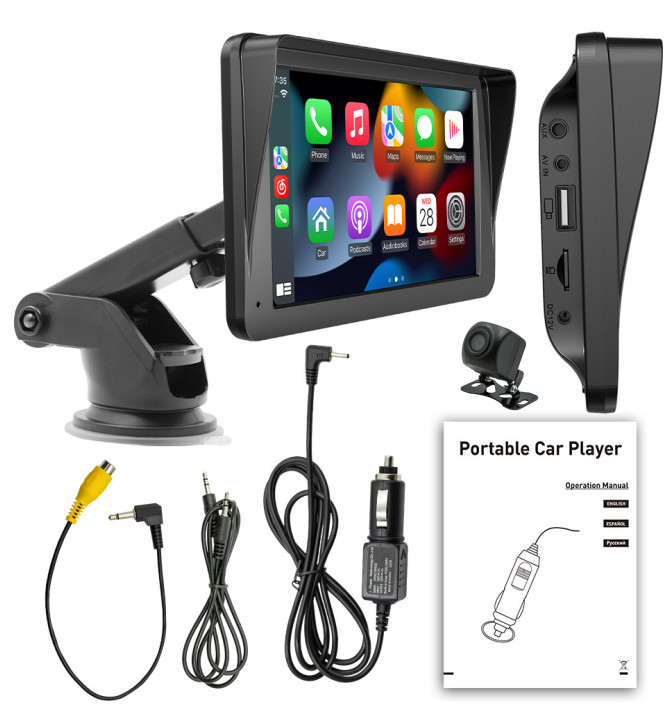 7-inch PND Car MP5 Player Wireless CarPlay Smart Display with Rearview Camera$40.99
 View on eBay
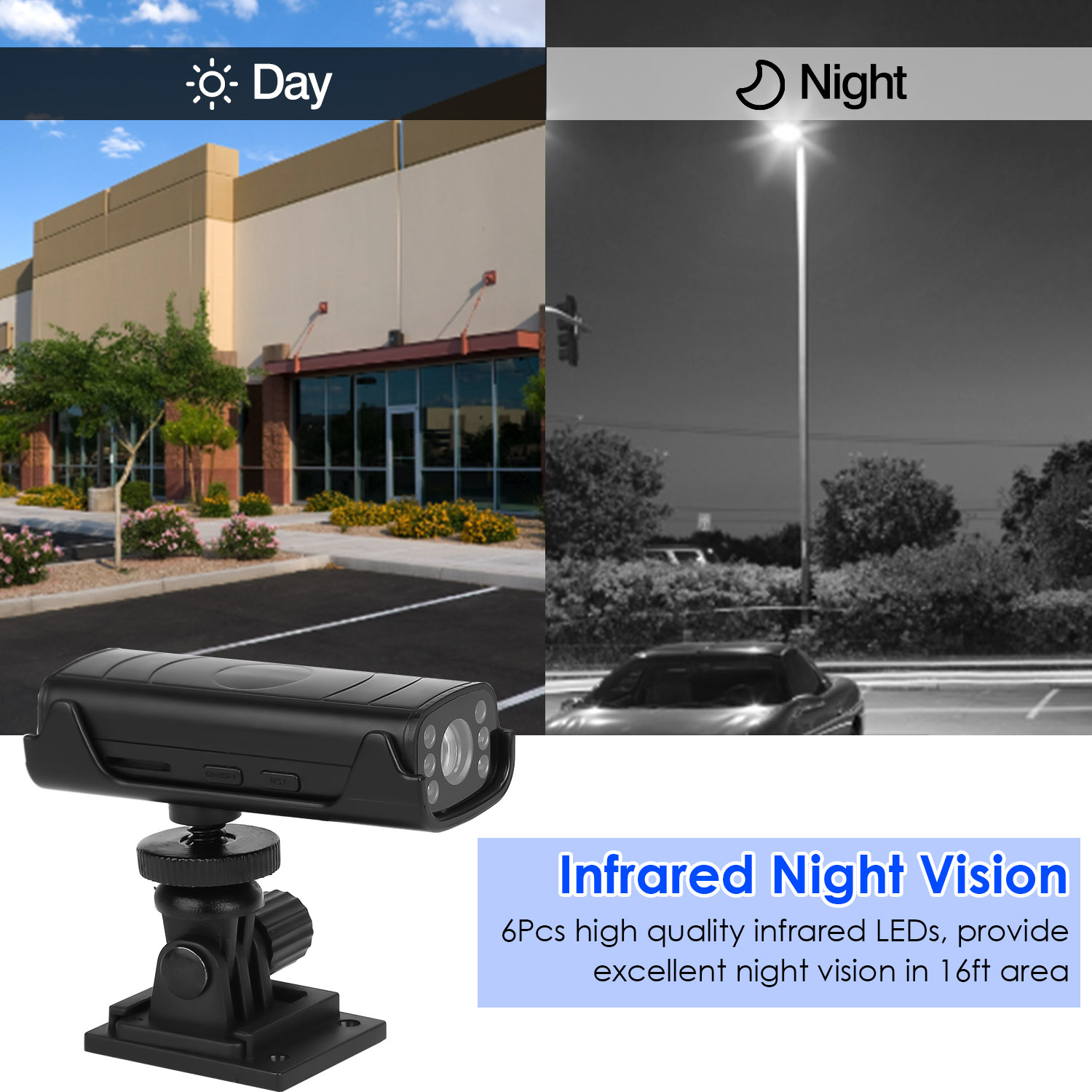 1Pc Wireless Camera Reverse Hitch Guide Vehicle Backup Rechargeable With Flexible Adhesive Base Night Vision For Car RVs$35.99
 View on Mallflare
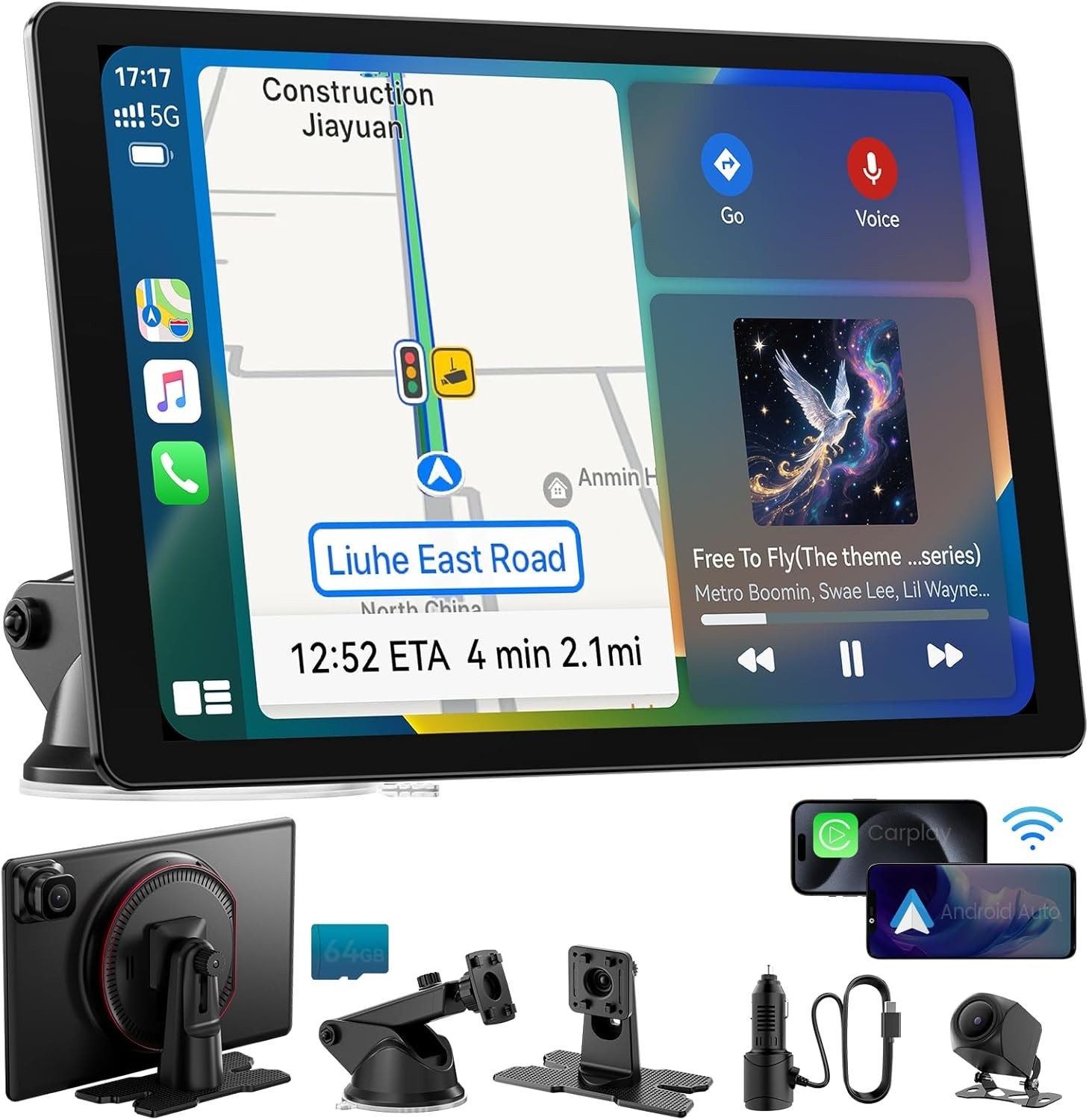 11" Large Wireless Carplay Screen For Car 4K Dash Cam 1080P Backup Camera GPS$105.99View on eBay
Highlights
- Transmission band decides reliability: 2.4 GHz analog extends range but drops frames near traffic signals and Wi-Fi routers; 5 GHz digital (often marketed as 'digital wireless') keeps a clean image within about 30-50 ft.
- Power source separates true wireless from hybrid kits: license-plate cameras with built-in rechargeable batteries need removal for charging every few weeks, while dash- or mirror-mounted monitors wire to 12V accessory power.
- Night vision depends on sensor and LED type: infrared LEDs give black-and-white low-light images, while color low-light CMOS sensors with larger pixels preserve color but need a reverse-light feed.
- Monitor size and resolution drive the decision: 4.3-5 inch screens suit compact cars, 7 inch suits SUVs and trucks, and 10-11 inch smart displays add CarPlay/Android Auto but demand dash space and a 12V socket.
Best use cases
- Best for sedans and hatchbacks: a 5 GHz digital kit with a 4.3-5 inch dash monitor and a license-plate camera, because short cable runs and limited dash space make large screens obstructive.
- Best for RVs, trailers, and long-wheelbase vans: a 2.4 GHz analog kit with a 7 inch monitor and a high-gain antenna, because the longer range outweighs interference risk at low reversing speeds.
- Best for ride-share and delivery drivers: an 11 inch smart display with integrated dash cam and backup camera, because CarPlay/Android Auto plus recording justify the dash footprint.
- Skip phone-only Wi-Fi cameras for daily reversing: app launch delay and Wi-Fi dropout make them unreliable in traffic, and skip battery-only plate cameras in freezing climates where rechargeable cells lose capacity.
Buying tips
- Match monitor size to windshield space: measure from the dash top to the mirror base; a 7 inch screen needs roughly 7 x 4.5 inches of clear dash, and an 11 inch display needs a flat dash or suction mount rated for its weight.
- Confirm camera voltage and trigger wiring: most kits run 12V DC with a reverse-light trigger wire; verify the kit includes a 12V-to-5V converter if the camera is USB-powered, or the camera will not power from a 12V reverse circuit.
- Pick 5 GHz digital over 2.4 GHz analog for vehicles under 20 ft: digital links resist the interference from toll transponders, dashcams, and phone hotspots that cause analog flicker.
- Check night-vision spec by sensor, not LED count: a Sony or OmniVision CMOS sensor with IR-cut filter outperforms 8 generic LEDs; minimum illumination under 0.5 lux indicates usable low-light performance.
Specs
| Transmission | 5 GHz digital vs 2.4 GHz analog |
|---|---|
| Monitor Size | 4.3-5 in / 7 in / 10-11 in |
| Camera Power | 12V wired vs rechargeable battery |
| Night Vision | IR LED vs color low-light CMOS |
Related searches
What to check before buying
- Measure license-plate recess width and height: plate cameras typically need a 7 x 4.5 inch flat area, and bracket-style cameras need 1-2 inches of clearance above the plate.
- Verify 12V accessory socket location and fuse rating: monitors draw 1-2A, and a socket already shared with a dashcam or charger may need a fused splitter.
- Confirm transmission range against vehicle length: measure from camera to monitor; a 30 ft vehicle needs a kit rated for at least 50 ft line-of-sight, and metal-bodied RVs need a repeater or extended-range antenna.
- Check climate rating for exterior cameras: look for IP67 or IP68 sealing and an operating range down to -4°F (-20°C) if the camera mounts outside the glass.
FAQ
Data sources: eBay / Amazon listings and product attribute feeds Data updated Nov 16, 2026.
Some links on this page are affiliate links. If you buy after clicking one, we may earn a commission at no extra cost to you. This does not change which products appear here or their order. Affiliate disclosure.