Photos from current listings. Actual item, color, and included accessories may vary.
Wireless Camera System Buying Guide
A wireless camera system for cars eliminates the long RCA cable run between rear and dash by using a dedicated 2.4/5 GHz RF link, a Wi-Fi app connection, or a CarPlay/Android Auto screen. The core trade-off is signal stability and power source versus install simplicity: solar and battery units avoid wiring but need sun or recharging, while wired-to-power wireless kits are the only ones that survive daily driving without maintenance. The decision rule is simple—pick a system whose power source matches your driving and parking pattern; anything less is a compromise you will feel within weeks.

At a glance
- Category
- Car Electronics
- Data updated
- Nov 16, 2026
Current offers
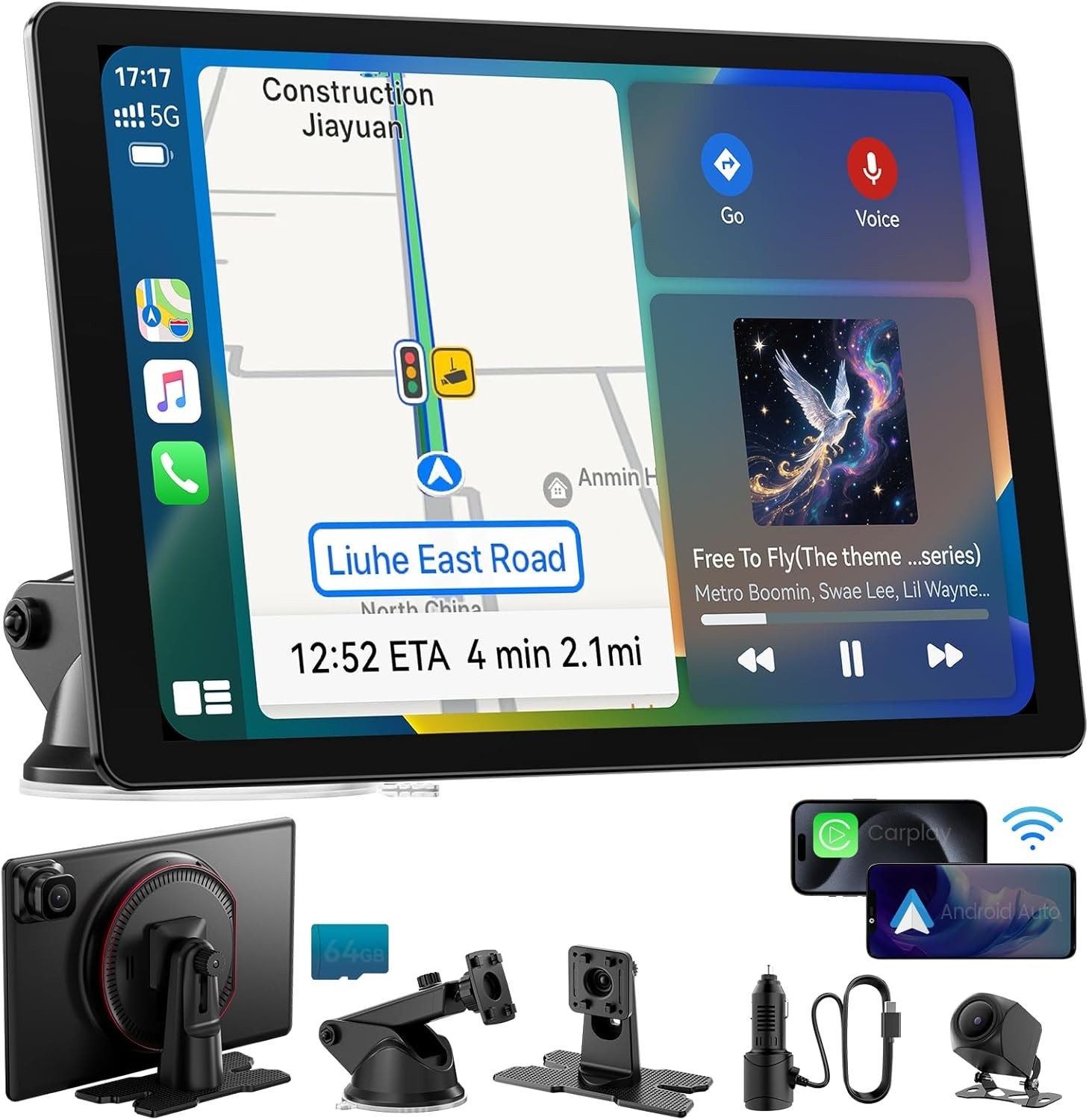 11" Large Wireless Carplay Screen For Car 4K Dash Cam 1080P Backup Camera GPS$105.99
 View on eBay
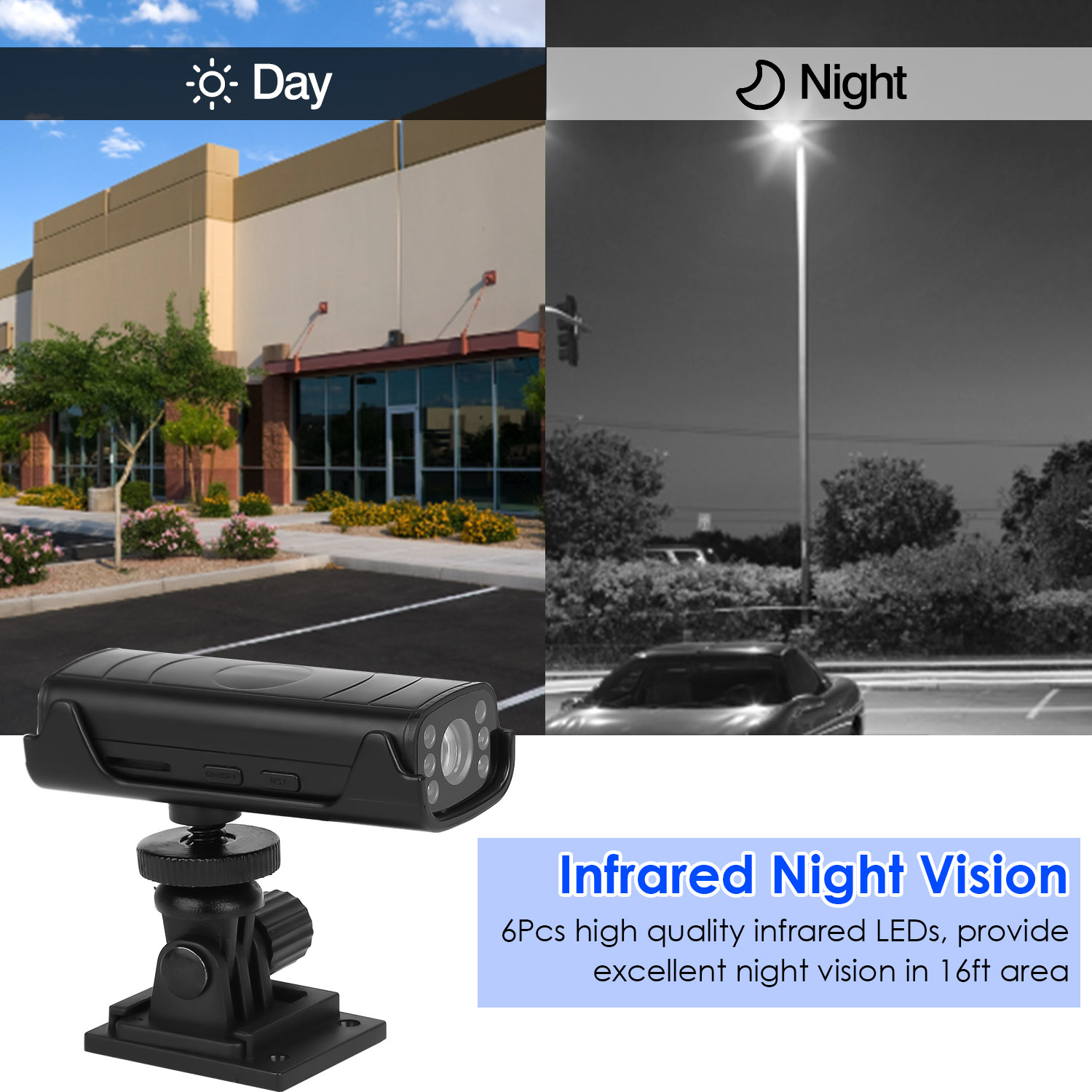 1Pc Wireless Camera Reverse Hitch Guide Vehicle Backup Rechargeable With Flexible Adhesive Base Night Vision For Car RVs$35.99
 View on Mallflare
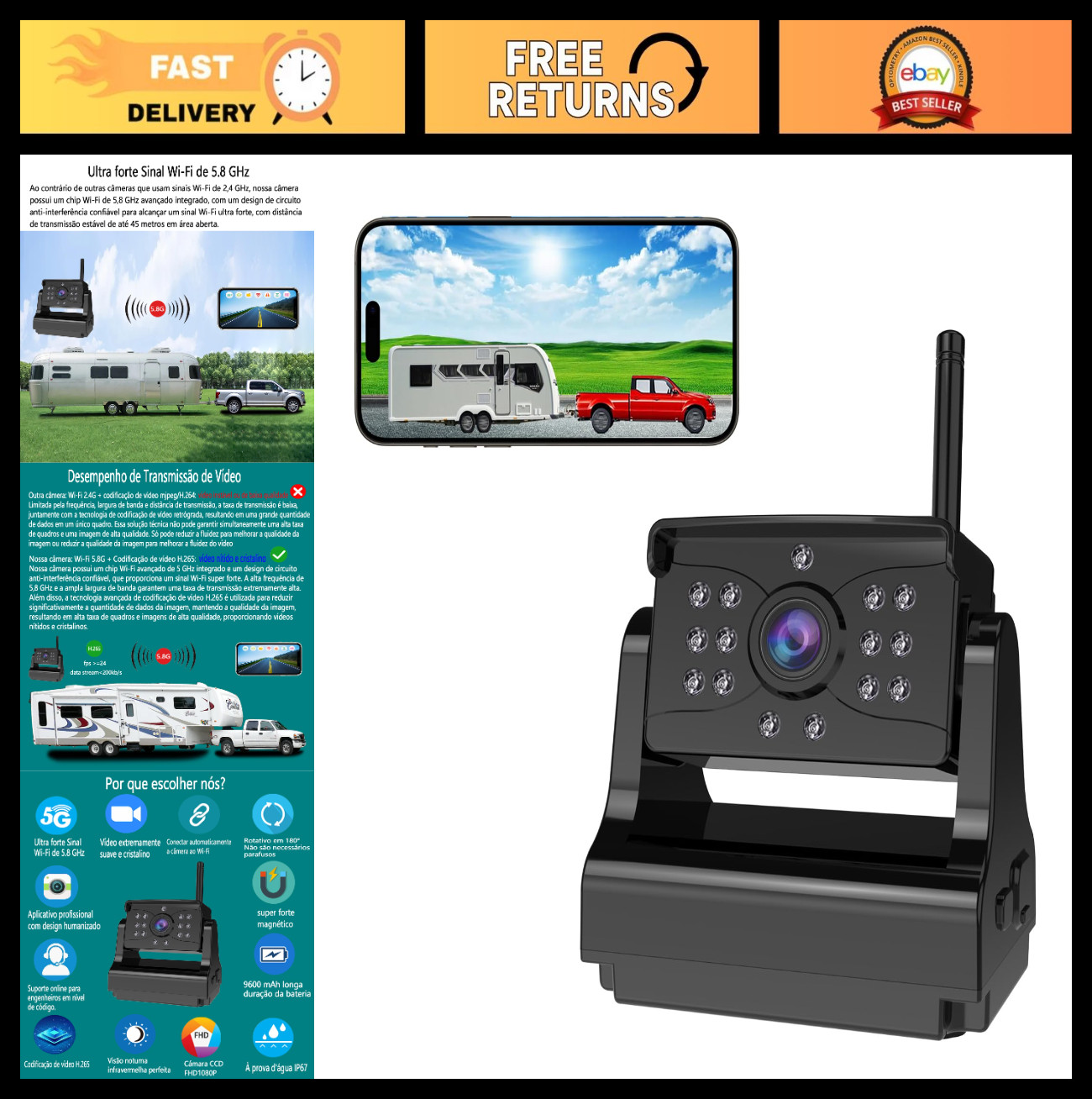 Wireless Backup Camera - Ultra Strong WiFi, Clear Picture, Magnetic Rechargeable$128.99View on eBay
Highlights
- Signal architecture: dedicated 2.4 GHz RF with paired transmitter/receiver gives the lowest latency and works without a phone; Wi-Fi app cameras add 150–300 ms and can drop on congested networks.
- Rear camera power tiers: hardwired to reverse light (no charging ever), solar panel + 18650/ lithium cell (needs 4+ hours sun), or USB-rechargeable magnetic puck (3–8 hours run time, manual charging).
- Monitor options: standalone 4.3–7 inch dash display with RCA, 10–11 inch CarPlay/Android Auto screen with split view, or phone-app only—each changes whether you need a screen in the box.
- Night vision and IP rating: real IR-cut lenses with 6–8 IR LEDs reach roughly 15–25 ft in darkness; camera bodies rated IP68 survive rain and pressure washing, IP67 is splash-only.
Best use cases
- Daily driver with reverse-light access: choose a hardwired wireless transmitter/receiver kit—no charging, no sun dependency, reliable in rain and cold; skip solar or magnetic rechargeable cameras.
- RV, trailer, or tow vehicle with long runs: pick a dedicated 2.4 GHz RF system rated for 100+ ft line-of-sight with a 7-inch standalone monitor; Wi-Fi phone apps drop when the cab and trailer are far apart.
- Rideshare or delivery driver wanting dash cam plus backup: choose an 11-inch CarPlay/Android Auto screen bundle with 4K front and 1080p rear; skip phone-only Wi-Fi cameras that block navigation.
- Short-trip city parker with no wiring access: a magnetic rechargeable camera with a 5-inch solar or USB monitor works for occasional reverse parking; skip it if you drive daily—charging becomes a chore.
Buying tips
- Match power to duty cycle: hardwired reverse-light cameras need no maintenance; solar cameras need 4+ peak sun hours daily; USB rechargeables last 3–8 hours per charge and are for occasional use only.
- Check RF range in real terms: 2.4 GHz kits rated 100 ft line-of-sight drop to 30–50 ft through a vehicle body—mount the transmitter high and avoid metal obstructions for trailer use.
- Verify monitor and voltage: most dash monitors take 12V via cigarette adapter or hardwire; CarPlay screens need 12V accessory power and a compatible phone (iOS 14+/Android 11+ for wireless).
- Rear camera resolution: 1080p is the practical floor for legible license plates at 10 ft; 720p is acceptable for proximity only, and 4K claims apply to the front dash channel, not the rear.
Specs
| Signal Type | 2.4 GHz RF vs Wi-Fi app |
|---|---|
| Rear Cam Power | Hardwired / Solar / USB recharge |
| Monitor Size | 4.3–11 in / phone-only |
| Rear Resolution | 720p / 1080p (4K front only) |
Related searches
What to check before buying
- Measure your plate or mounting area: most rear cameras use a license-plate frame (standard 12×6 in US) or a 1/4-inch stud; confirm the bracket fits before buying.
- Confirm 12V accessory power at the dash: a cigarette outlet or fuse-tap is required for monitors and CarPlay screens; magnetic rechargeable systems still need USB charging access.
- Check reverse-light voltage: most cars use 12V at the reverse lamp, but some CAN-bus vehicles pulse or dim—use a relay or dedicated hardwire kit if the camera flickers.
- Plan for signal obstruction: metal RV bodies, trailers, and rear-mounted spare tires weaken 2.4 GHz; a repeater or extended-antenna kit is needed for runs over 30 ft.
FAQ
Data sources: eBay / Amazon listings and product attribute feeds Data updated Nov 16, 2026.
Some links on this page are affiliate links. If you buy after clicking one, we may earn a commission at no extra cost to you. This does not change which products appear here or their order. Affiliate disclosure.