Photos from current listings. Actual item, color, and included accessories may vary.
Wireless Backup Camera Truck Buying Guide
A wireless backup camera truck system removes the need to run video cable from the tailgate to the cab, trading a wired link's permanent reliability for battery and signal trade-offs. The core decision is power source—hardwired to the reverse light versus rechargeable battery—and signal type—dedicated 2.4/5 GHz FHSS versus Wi-Fi. Buy hardwired FHSS systems for a permanent truck install; choose battery magnetic/adhesive units only for occasional hookup or rental use.

At a glance
- Category
- Car Electronics
- Data updated
- Nov 16, 2026
Current offers
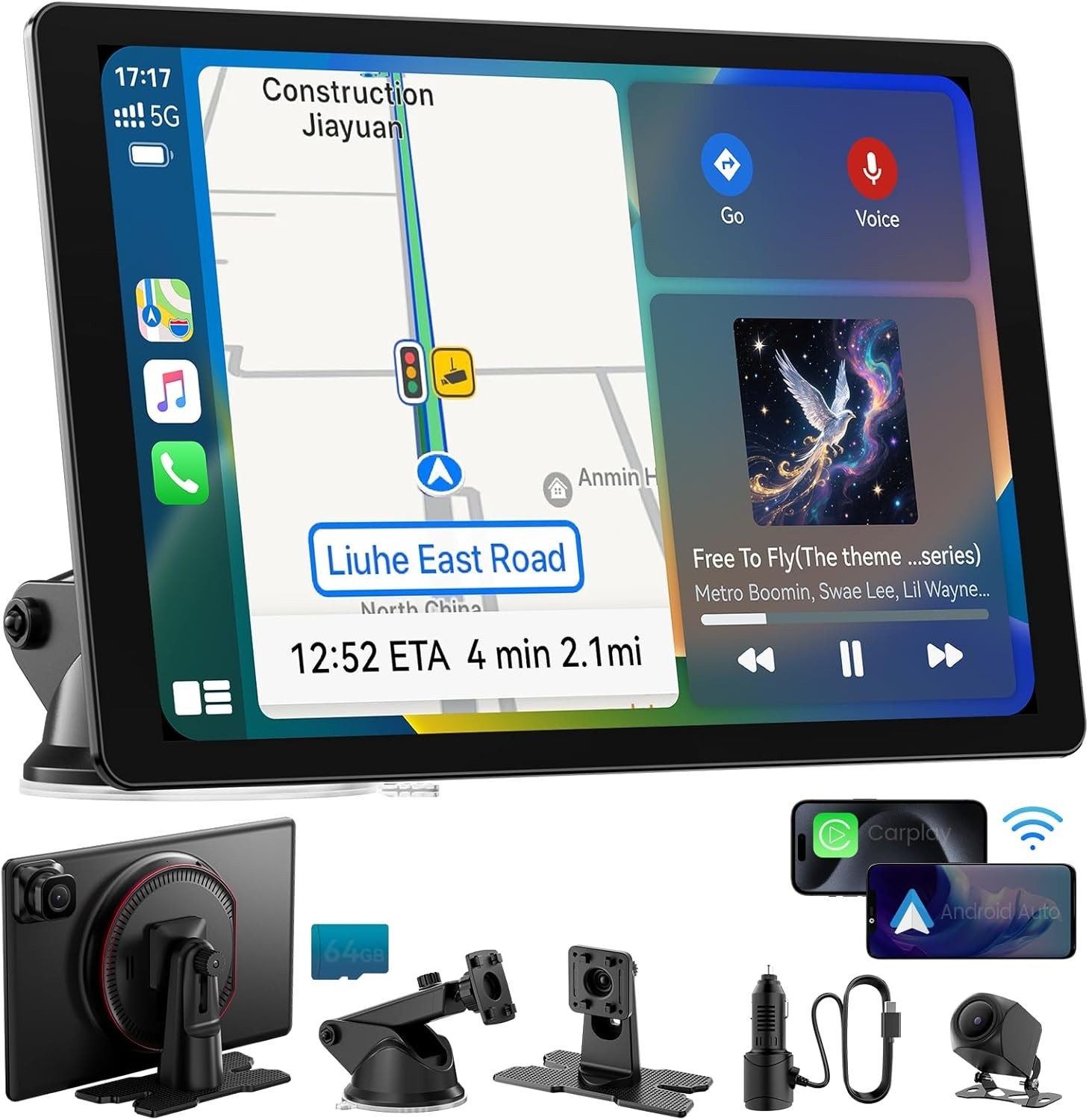 11" Large Wireless Carplay Screen For Car 4K Dash Cam 1080P Backup Camera GPS$105.99
 View on eBay
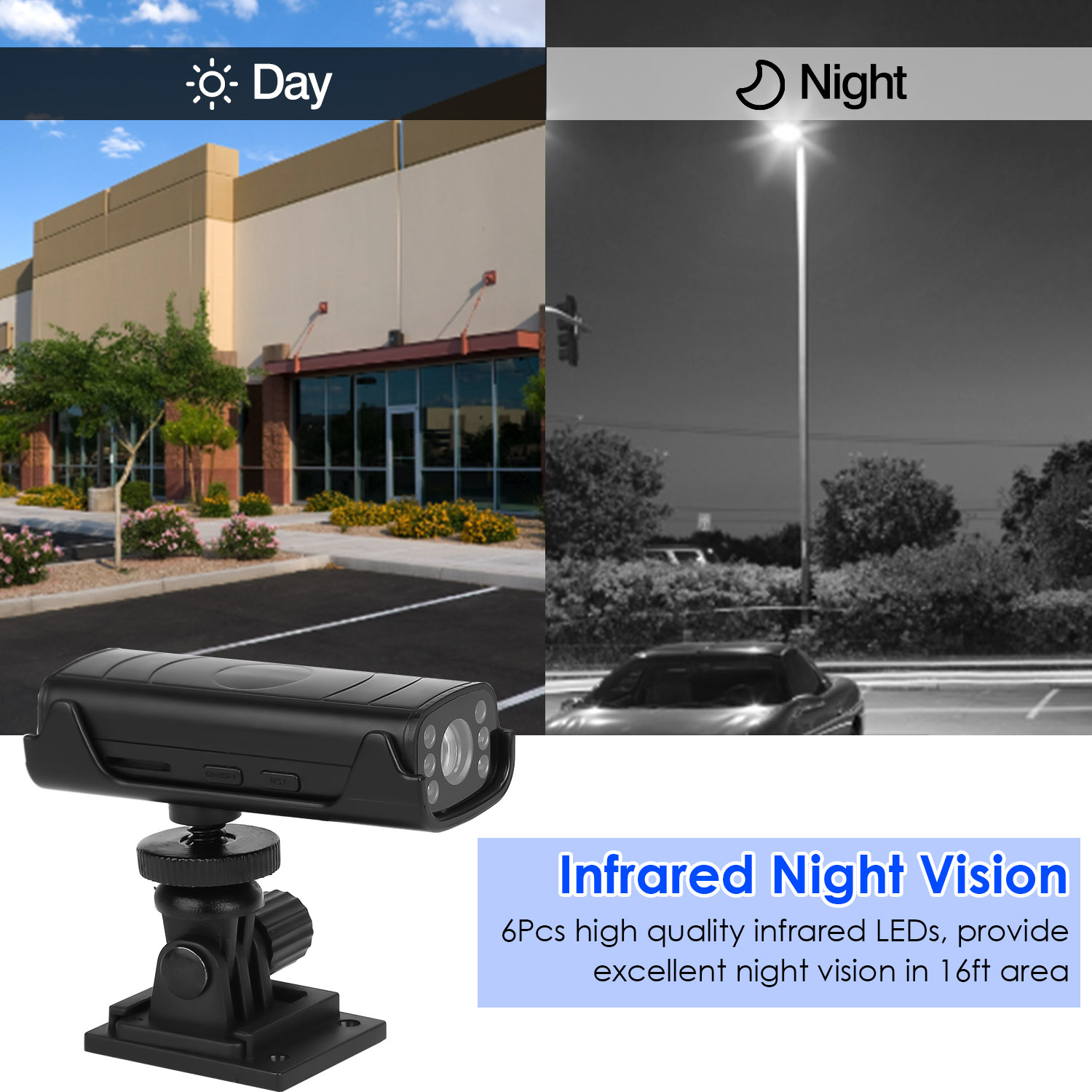 1Pc Wireless Camera Reverse Hitch Guide Vehicle Backup Rechargeable With Flexible Adhesive Base Night Vision For Car RVs$35.99
 View on Mallflare
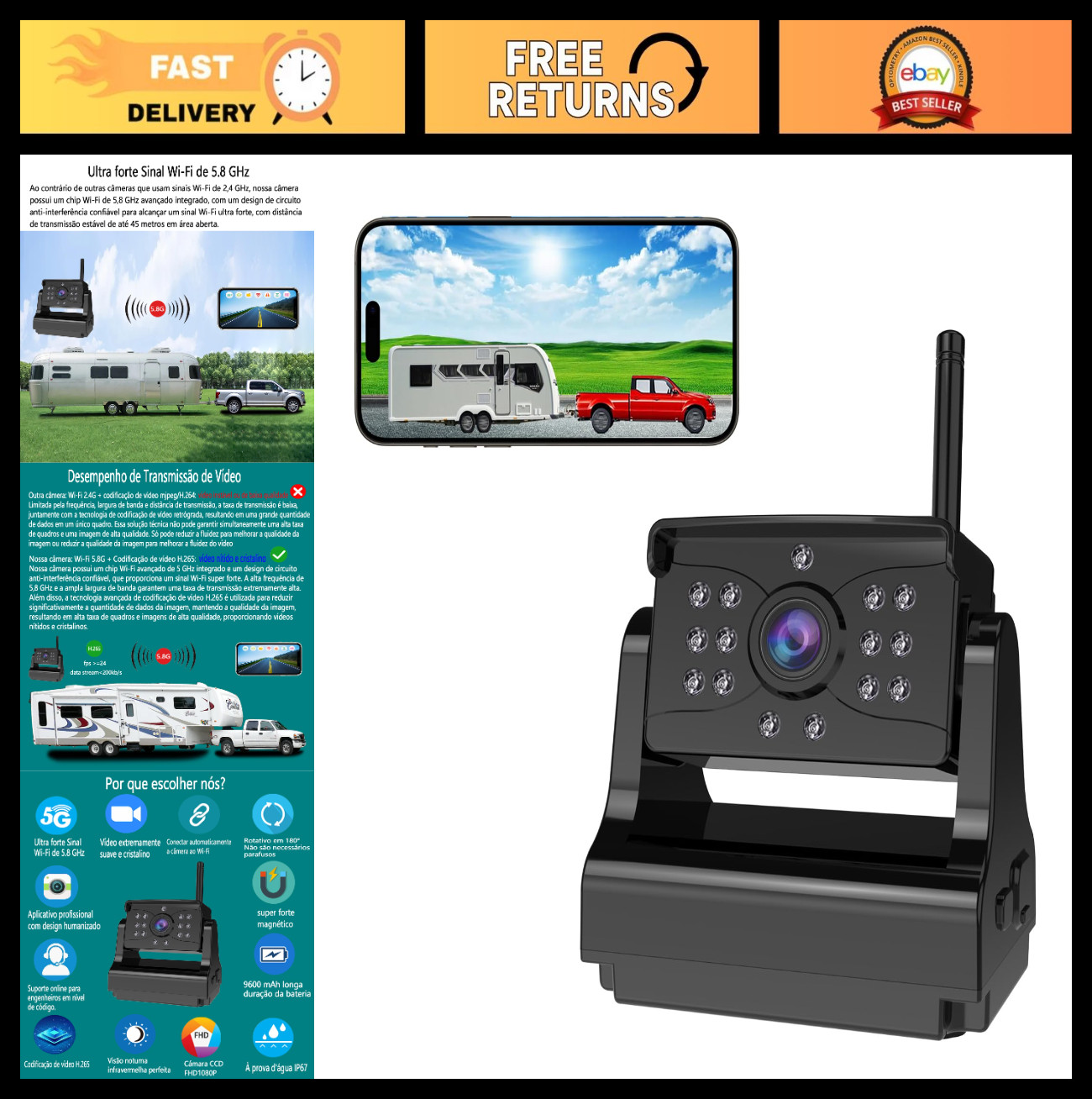 Wireless Backup Camera - Ultra Strong WiFi, Clear Picture, Magnetic Rechargeable$128.99View on eBay
Highlights
- Dedicated 2.4 GHz FHSS transmitter/receiver pairs deliver lower latency (under 150 ms) and 50–100 ft open-air range; Wi-Fi cameras rely on phone or monitor apps with higher lag and reconnect friction.
- Hardwired systems tap the reverse lamp for power (12–24 V), giving unlimited runtime; rechargeable magnetic cameras run 3–8 hours per charge at 2000–5000 mAh and require removal to charge.
- IP67/IP68 camera housings with metal brackets survive pressure washing and vibration; IP65 plastic-clip mounts crack at the tailgate within a season of gravel roads.
- Truck length matters: 2.4 GHz range degrades through metal trailers—a 30–50 ft fifth-wheel or horse trailer needs a repeater or a booster-equipped monitor, not a base camera.
Best use cases
- Permanent daily-driver pickup or flatbed: pick a hardwired FHSS kit with a 5–7 inch dash monitor and IP67 metal-bracket camera; skip rechargeable magnetic units that you must pull to charge.
- Fifth-wheel, horse, or boat trailer: choose a system rated for 50+ ft with a signal repeater or high-gain antenna; base 30 ft kits drop out through trailer walls.
- Rental, lease, or multi-driver vehicle: a magnetic or adhesive rechargeable camera with a suction-cup monitor installs and removes without drilling—accept shorter runtime.
- Do not buy a Wi-Fi-only phone-app camera for a long-bed truck if you need instant reverse-view on a dedicated screen; pairing lag and phone dependency defeat the purpose.
Buying tips
- Match monitor size to cab space: 4.3–5 inch monitors fit tight dashes; 7 inch is the practical minimum for a truck's wide rear blind zone.
- Confirm camera angle: 120–170° diagonal lenses cover a truck's rear corners; below 120° leaves trailer-hitch and bumper blind spots.
- For trailers, add roughly 10 ft of range per trailer section behind the cab and choose FHSS with a repeater—Wi-Fi range drops sharply through aluminum and steel.
- Check night performance via minimum illuminance: 0 lux with IR LEDs for true night vision; daytime-only CMOS cameras are useless for backing at dusk.
Specs
| Signal Type | 2.4/5 GHz FHSS vs Wi-Fi app |
|---|---|
| Power Source | Hardwired 12–24 V vs rechargeable |
| Camera Rating | IP67/IP68, 0 lux IR night vision |
| Range & Monitor | 30–100 ft; 4.3–7 in dash display |
Related searches
What to check before buying
- Measure from the reverse-light tap to the monitor location and confirm the kit's cable or transmitter range exceeds that distance.
- Verify the vehicle's reverse lamp voltage (12 V or 24 V for heavy trucks) matches the camera's input rating.
- Confirm the monitor mount fits your dash or windshield area without blocking airbags or sightlines.
- For battery cameras, confirm the magnetic or adhesive base seats on a flat metal surface—curved plastic bumpers need the included bracket.
FAQ
Data sources: eBay / Amazon listings and product attribute feeds Data updated Nov 16, 2026.
Some links on this page are affiliate links. If you buy after clicking one, we may earn a commission at no extra cost to you. This does not change which products appear here or their order. Affiliate disclosure.