Photos from current listings. Actual item, color, and included accessories may vary.
Wireless Backup Camera Car Buying Guide
A wireless backup camera for cars replaces the factory wired video link with a 2.4/5 GHz RF or Wi-Fi transmitter, trading cable-routing labour for a battery or ignition-powered module and a separate display. The core trade-off is between solar/rechargeable magnetic cameras that install in minutes but demand charging discipline, and hardwired ignition-powered kits that survive years but need a reverse-light tap. Buy a hardwired or solar-assisted kit rated IP68+ with a dedicated 5 GHz link for permanent daily use; accept a magnetic rechargeable unit only for occasional hook-up on trailers or rentals.

At a glance
- Category
- Car Electronics
- Data updated
- Nov 16, 2026
Current offers
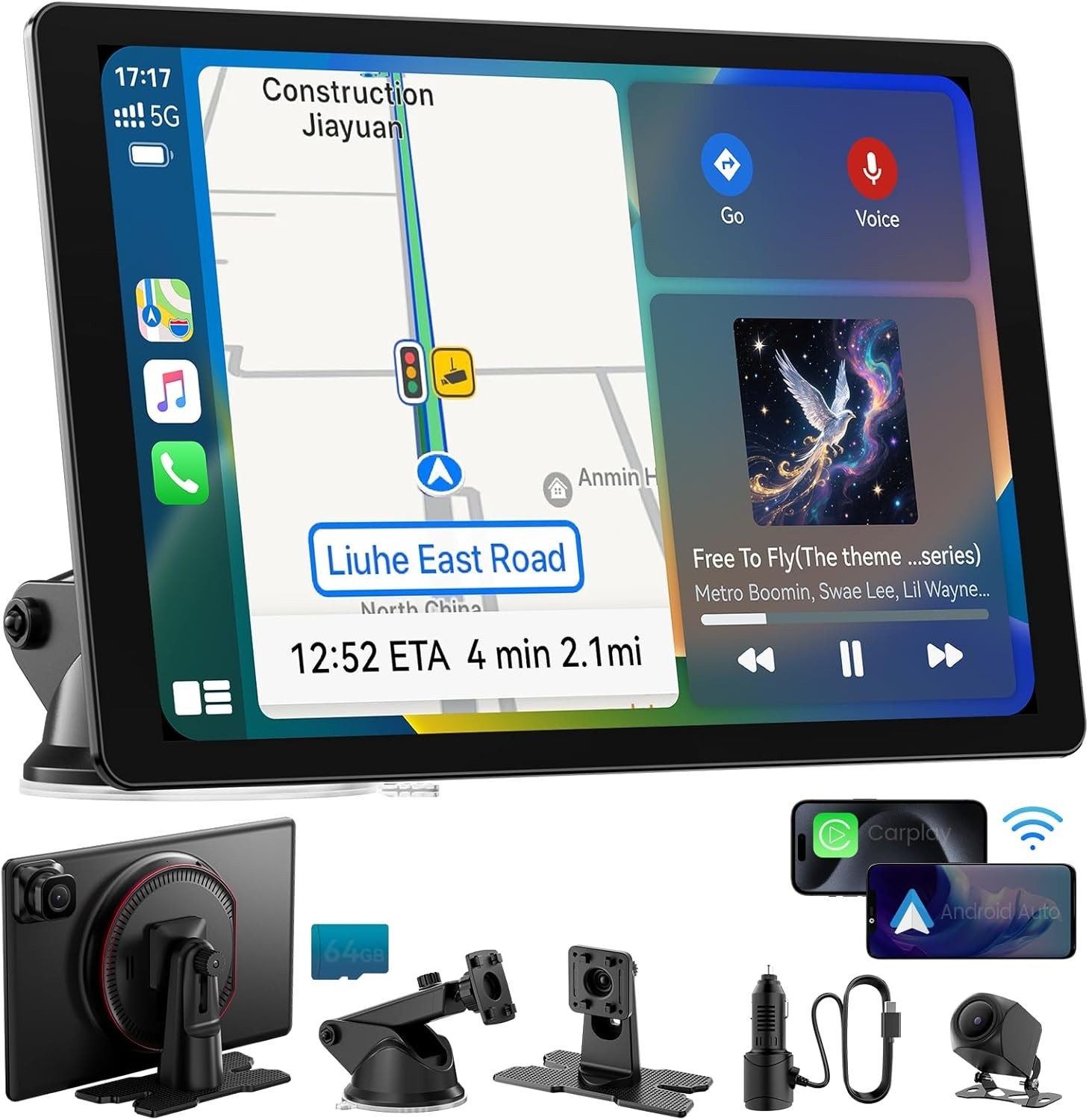 11" Large Wireless Carplay Screen For Car 4K Dash Cam 1080P Backup Camera GPS$105.99
 View on eBay
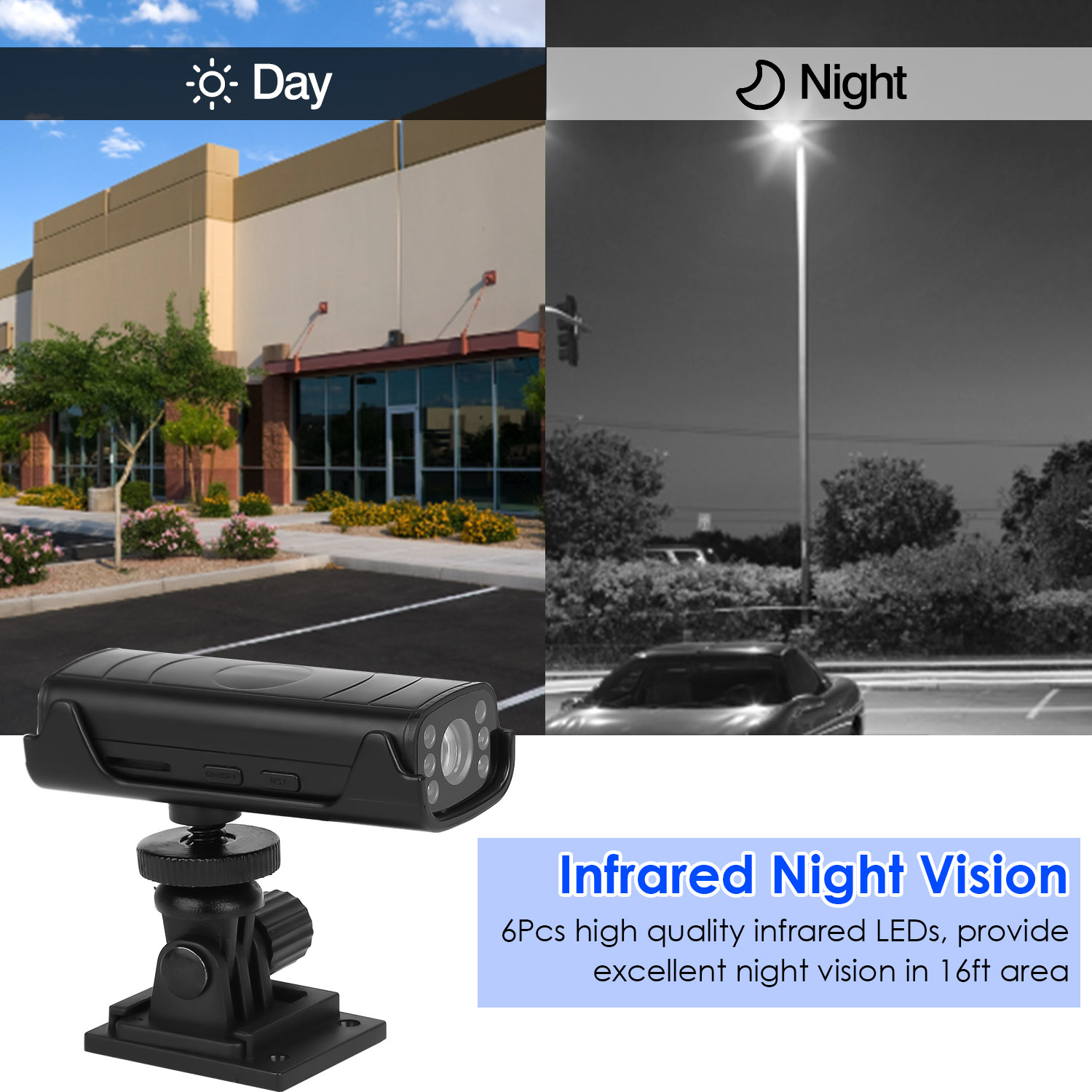 1Pc Wireless Camera Reverse Hitch Guide Vehicle Backup Rechargeable With Flexible Adhesive Base Night Vision For Car RVs$35.99
 View on Mallflare
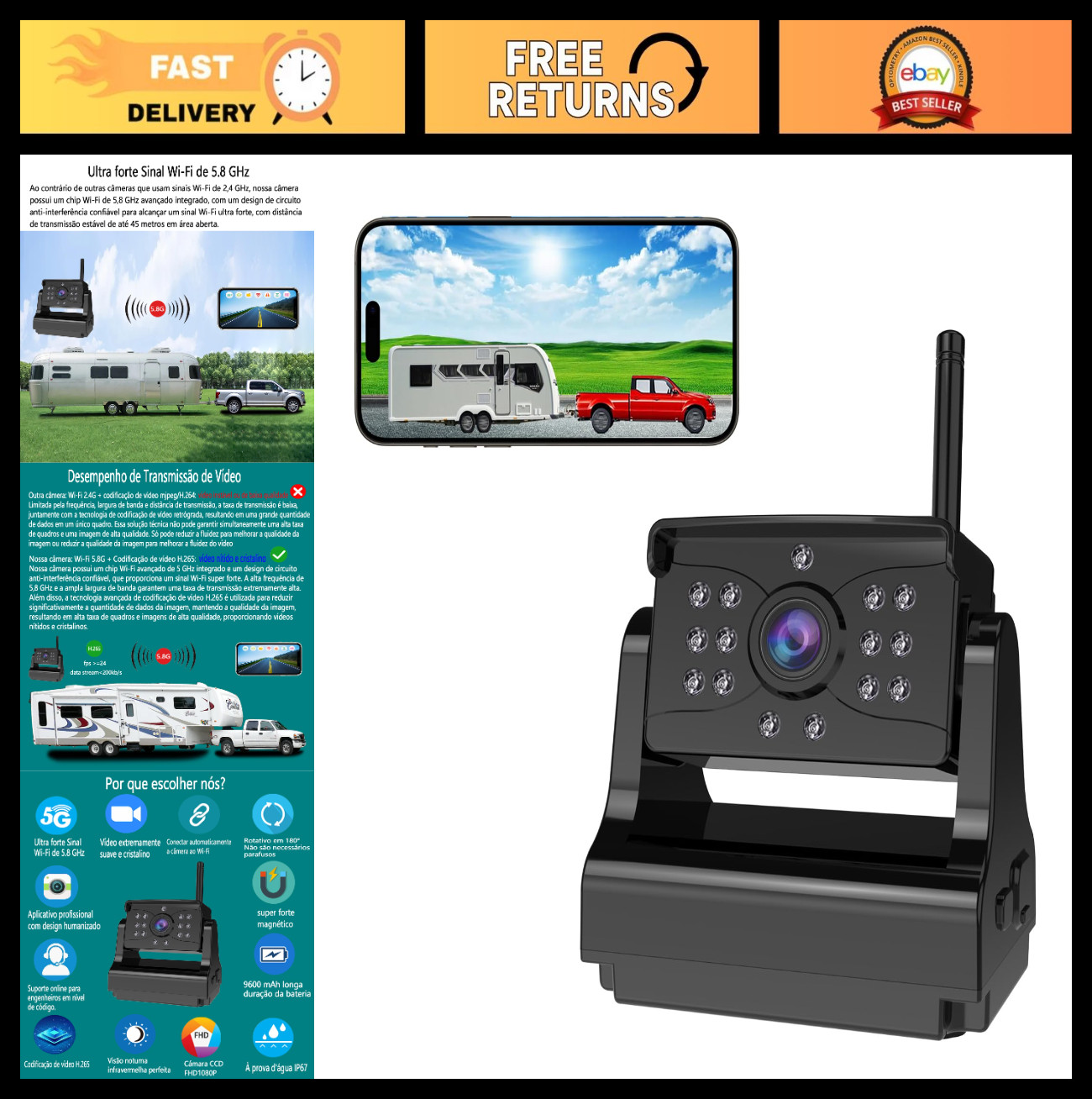 Wireless Backup Camera - Ultra Strong WiFi, Clear Picture, Magnetic Rechargeable$128.99View on eBay
Highlights
- Wireless kits split into 2.4 GHz analogue (long range, interference-prone) and 5 GHz Wi-Fi digital (shorter range, far more stable in traffic-dense areas).
- IP67 stops spray; IP68/IP69K survives pressure washing and standing water — the single biggest durability differentiator between budget and long-life cameras.
- Rechargeable-magnetic cameras typically run 4–8 weeks per charge at 10–20 clips/day; hardwired kits draw 2–5 W from the reverse lamp and never need charging.
- Night performance is set by sensor and LEDs: Sony STARVIS/IMX sensors plus 6–8 IR LEDs give usable low-light image; bare CMOS sensors with 4 LEDs wash out past 3 m.
Best use cases
- Daily-driven sedans/hatchbacks: pick a hardwired 5 GHz kit with IP68 camera and 4.3–5 in dash monitor, tapped to the reverse lamp — no charging, no dropouts.
- Trucks, SUVs and RVs with long cable runs: choose a 7–11 in 1080p monitor kit with extended-range 5 GHz transmitter and IP69K camera; skip compact 4.3 in units that are hard to read at distance.
- Trailers, rentals and multi-vehicle households: a magnetic rechargeable IP67 camera with suction or adhesive monitor is the right pick; skip it for a permanently mounted daily driver where charging becomes a chore.
- Real wrong-fit: a 2.4 GHz analogue kit in a dense urban parking garage will suffer interference — move to 5 GHz digital or a wired kit.
Buying tips
- Match monitor to cabin: 4.3–5 in for compact cars, 7 in for crossovers, 9–11 in for trucks/SUVs; screen diagonal should not block the driver's forward sightline.
- Require IP68 or IP69K on the camera housing for any exterior mount; IP67 is acceptable only for sheltered hitch or license-plate locations.
- Prefer 5 GHz digital transmitters over 2.4 GHz analogue for stable image in traffic; expect roughly 10–30 m usable range through a vehicle body.
- For rechargeable cameras, check battery capacity in mAh and quoted standby weeks — 3000 mAh+ with solar top-up suits weekly drivers; sub-1500 mAh units need charging every few days.
Specs
| Link Type | 5 GHz digital vs 2.4 GHz analogue |
|---|---|
| Camera Rating | IP67 / IP68 / IP69K |
| Power Source | Hardwired 12 V vs rechargeable |
| Monitor Size | 4.3–5 in / 7 in / 9–11 in |
Related searches
What to check before buying
- Measure the reverse lamp voltage (12 V DC negative-ground is standard) and confirm the kit includes a trigger wire for auto-on.
- Verify license-plate or surface mounting space and clearance for the camera body and adhesive/magnetic base.
- Check the monitor mount fits the dashboard or windshield area without obstructing airbags or wipers.
- Confirm the kit ships with a 12 V car charger or hardwire harness and the correct plug standard for your region.
FAQ
Data sources: eBay / Amazon listings and product attribute feeds Data updated Nov 16, 2026.
Some links on this page are affiliate links. If you buy after clicking one, we may earn a commission at no extra cost to you. This does not change which products appear here or their order. Affiliate disclosure.