Photos from current listings. Actual item, color, and included accessories may vary.
Wireless Backup Camera And Monitor Buying Guide
A wireless backup camera and monitor system replaces a wired reverse camera with a transmitter-receiver pair, trading cable routing for signal stability and power independence. The core trade-off is between solar/rechargeable battery convenience and the constant, interference-resistant power of a wired-to-vehicle system. Choose a dedicated 2.4GHz/5GHz FHSS link with a dash- or mirror-mounted display for reliability; treat Wi-Fi-only phone-app cameras and adhesive solar units as convenience compromises, not durability picks.

At a glance
- Category
- Car Electronics
- Data updated
- Nov 16, 2026
Current offers
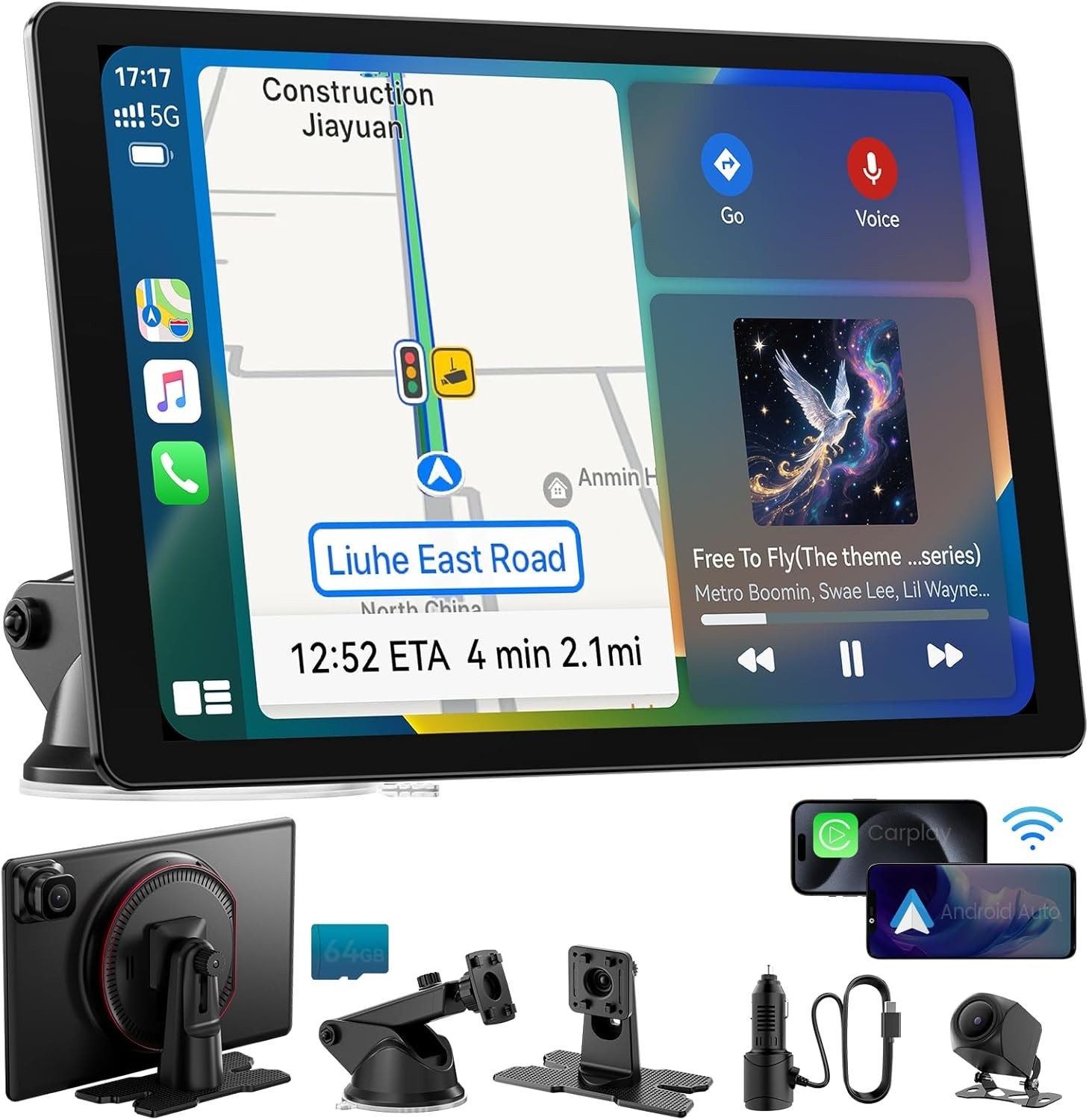 11" Large Wireless Carplay Screen For Car 4K Dash Cam 1080P Backup Camera GPS$105.99
 View on eBay
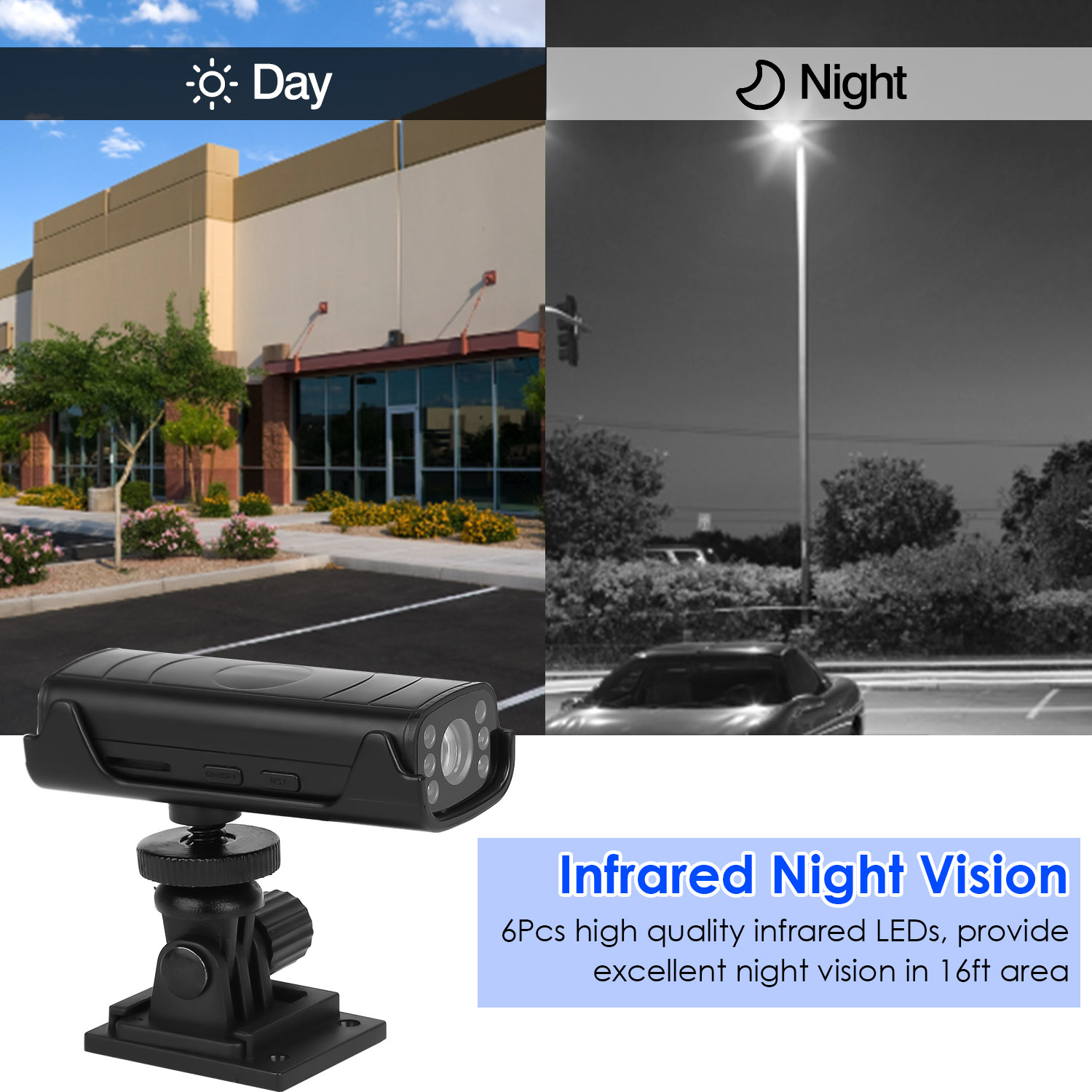 1Pc Wireless Camera Reverse Hitch Guide Vehicle Backup Rechargeable With Flexible Adhesive Base Night Vision For Car RVs$35.99
 View on Mallflare
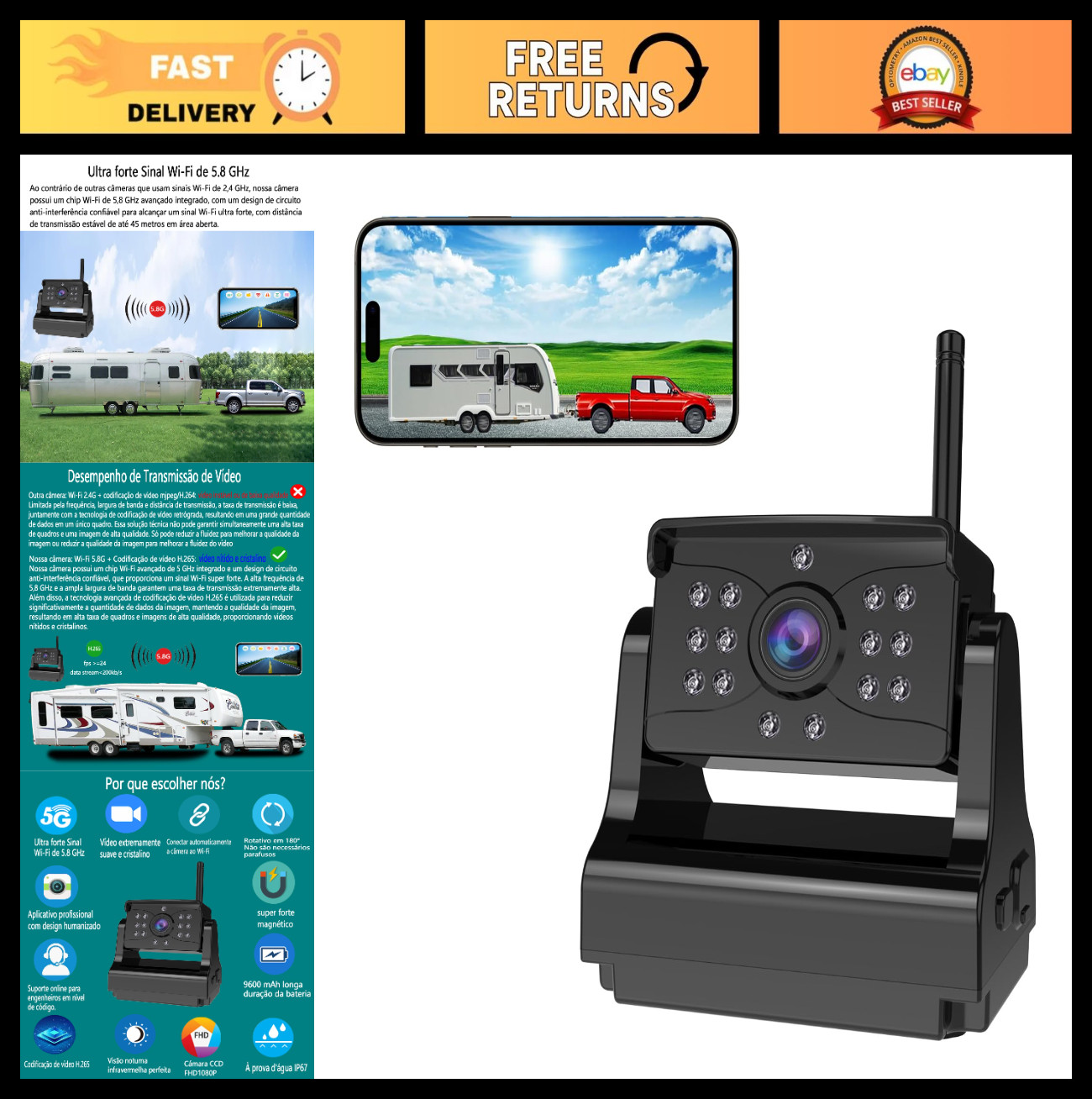 Wireless Backup Camera - Ultra Strong WiFi, Clear Picture, Magnetic Rechargeable$128.99View on eBay
Highlights
- Signal architecture: dedicated 2.4GHz FHSS or 5GHz digital link beats Wi-Fi/Bluetooth phone-app cameras for latency and dropout resistance at highway range.
- Power tier: hardwired to reverse-light circuit gives continuous power; solar or magnetic rechargeable packs cap runtime and need dock recharging every few weeks.
- Monitor tier: 4.3-5 inch dash displays are the minimum for safe framing; 7-11 inch mirror/dash units add CarPlay/Android Auto and dash-cam recording but cost dash space.
- Camera build: metal-housing IP68/IP69K cameras survive pressure washing and winter salt; plastic IP67 units are fair-weather only.
Best use cases
- Best fit: pick a hardwired 2.4GHz FHSS kit with a 5-inch dash monitor for daily drivers needing reverse-only reliability in rain and at night.
- Best fit: pick a mirror-mounted 7-10 inch unit with built-in dash cam and 1080P rear camera for fleet, RV, or van owners wanting one-screen recording and reversing.
- Wrong fit: skip Wi-Fi phone-app cameras for anything larger than a hatchback — app pairing adds 2-5 second wake lag and drops at speed.
- Wrong fit: skip adhesive-base solar cameras on trailers or fifth-wheels exposed to vibration; the pad releases and the panel never recovers full charge.
Buying tips
- Match camera field of view to vehicle length: 120-150 degrees covers a sedan; 150-170 degrees is needed to see a trailer hitch or RV rear corners.
- Budget 2.4GHz for 30-50 ft line-of-sight; choose 5GHz or a repeater kit when the run exceeds 50 ft, as on long trailers and motorhomes.
- Pick IP68 or IP69K camera housings with metal bodies for a car wash or coastal climate; IP67 plastic is adequate for garage-kept cars.
- Confirm monitor power source: 12V/24V cigarette or fuse-tap works for cars; RVs and trucks need 24V-compatible or voltage-converting adapters.
Specs
| Wireless Link | 2.4GHz FHSS / 5GHz digital vs Wi-Fi |
|---|---|
| Camera Rating | IP68/IP69K metal vs IP67 plastic |
| Power Source | Hardwired 12/24V vs solar/rechargeable |
| Monitor Size | 4.3-5 in dash / 7-11 in mirror |
Related searches
What to check before buying
- Measure the mounting surface: dash monitor needs a flat 3-5 inch footprint; mirror units need a 10-11 inch mirror band and a 12V socket within reach.
- Verify voltage: confirm the vehicle is 12V or 24V and that the kit's adapter matches; most dash monitors ship 12V-only.
- Check camera clearance: a surface-mount camera needs 1-2 inches of flat metal or plastic behind the plate; recessed cameras require a 0.7-1 inch hole.
- Plan the power path: hardwired kits need a reverse-light tap or fuse-tap; battery/solar kits need a sun-exposed mounting spot or a USB-C recharge routine.
FAQ
Data sources: eBay / Amazon listings and product attribute feeds Data updated Nov 16, 2026.
Some links on this page are affiliate links. If you buy after clicking one, we may earn a commission at no extra cost to you. This does not change which products appear here or their order. Affiliate disclosure.