Photos from current listings. Actual item, color, and included accessories may vary.
Reverse Camera Buying Guide
A reverse camera is a rear-facing imaging system that feeds a live video signal to a dash or mirror-mounted display, and the primary trade-off is between wired reliability and wireless convenience. Wired kits deliver stable video and constant power but require routing cable through the cabin; wireless kits ease installation but add latency and need dependable 2.4 GHz pairing. Buy wired if you keep the vehicle long-term, wireless if you cannot run cable—and always match camera IP rating, night-vision sensor, and monitor voltage to your vehicle's electrical system.

At a glance
- Category
- Car Electronics
- Data updated
- Nov 16, 2026
Current offers
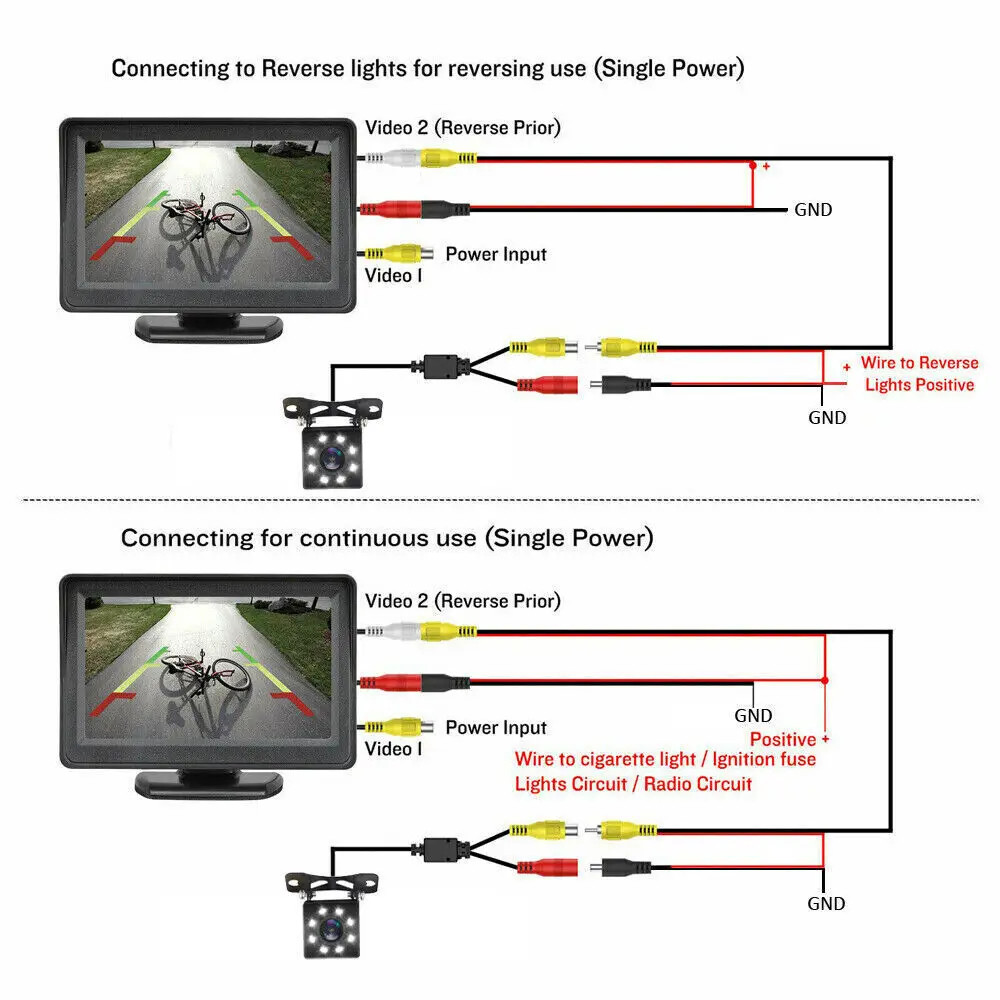 4.3'' Car Monitor With Night Vision Reverse Camera Backup Rear View Parking Kit$30.03
 View on eBay
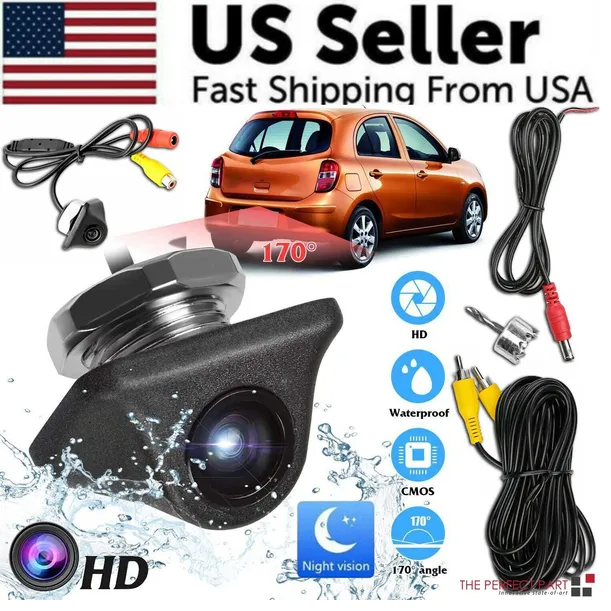 Car Rear View Reverse Camera Parking Backup Cam HD Night Vision Waterproof$22.99
 View on Mallflare
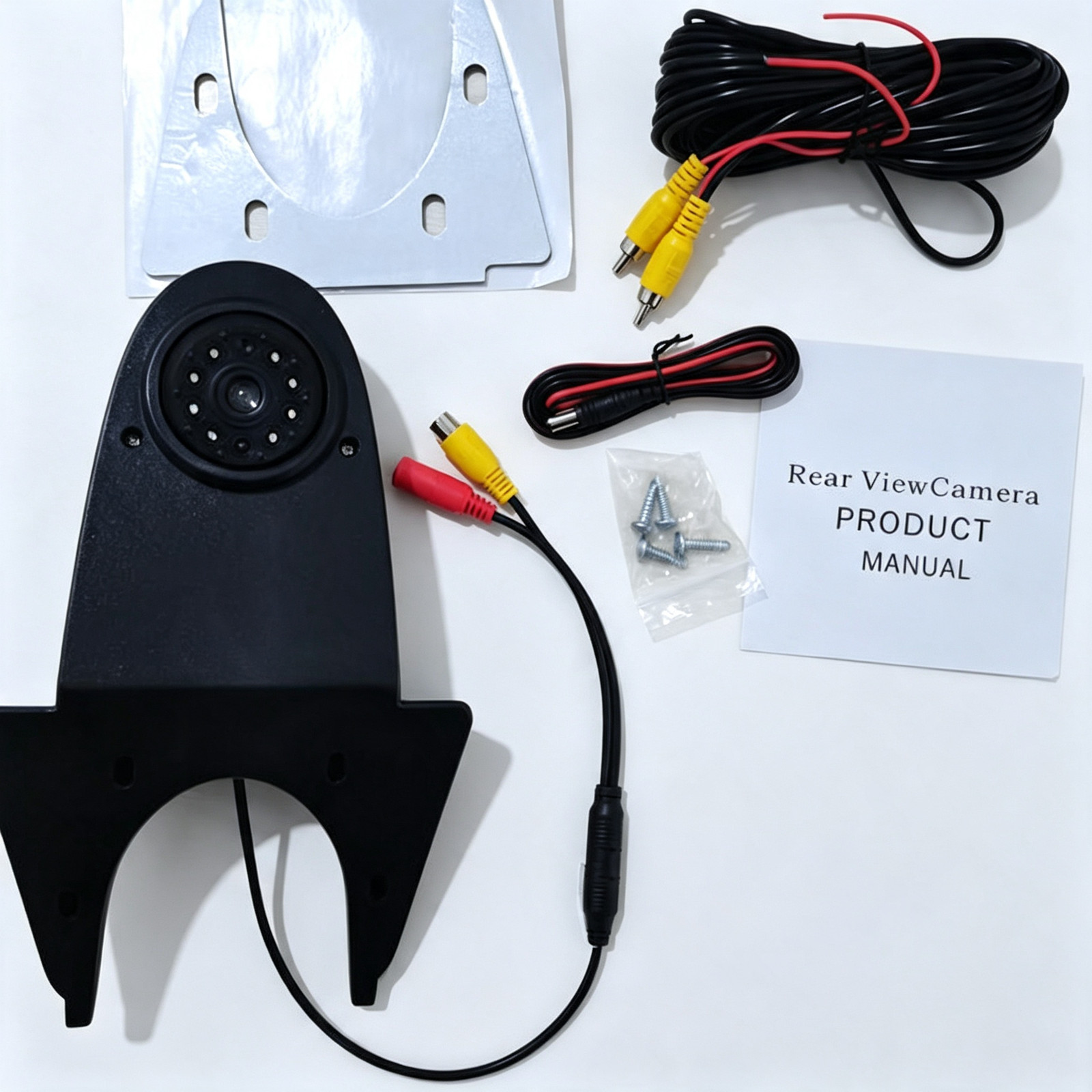 Car Rear View Reverse Camera For Mercedes for Benz SPRINTER 2500 3500$39.86View on eBay
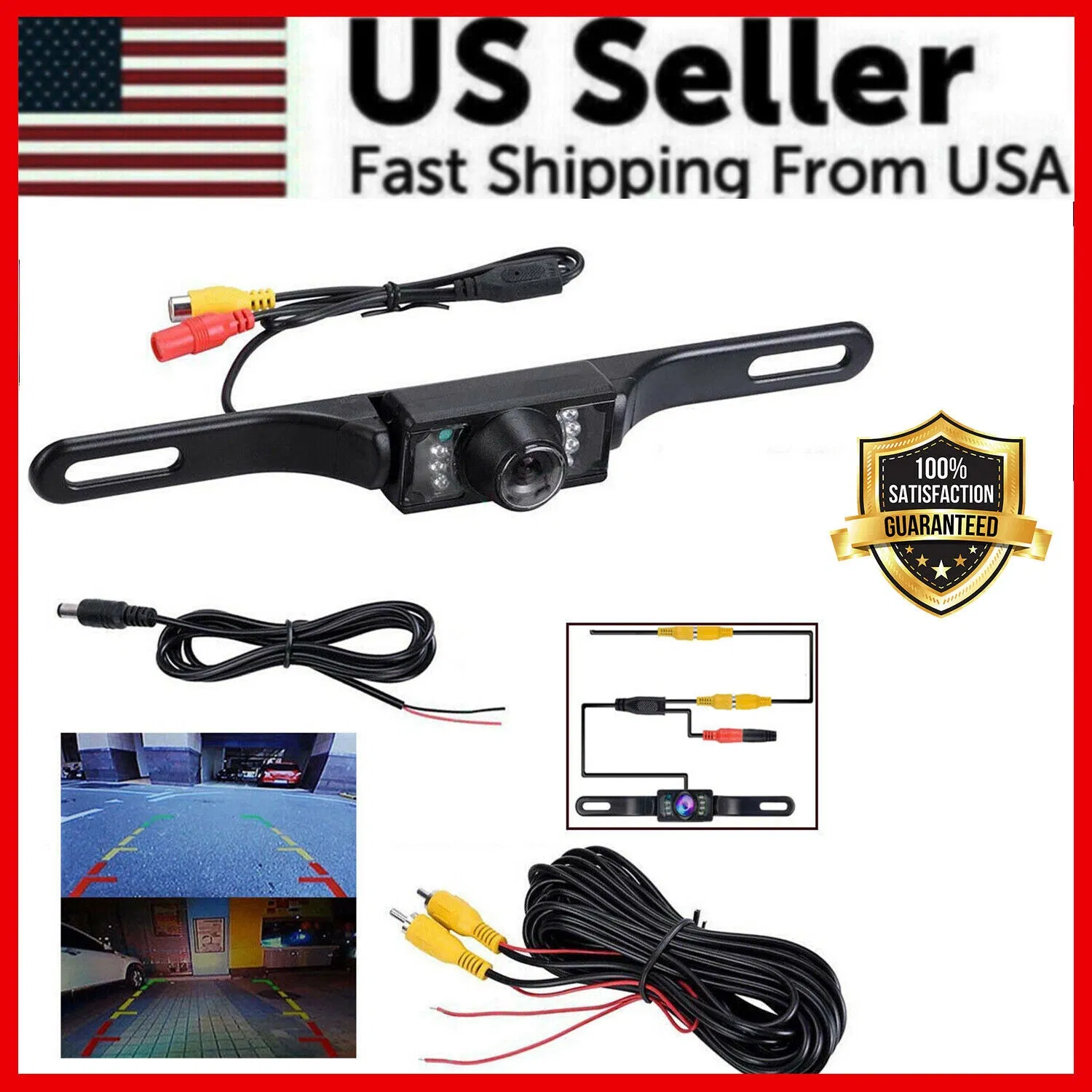 Wide 170° Night Vision Car Rear View Reverse Backup Parking Camera Waterproof$23.99View on Mallflare
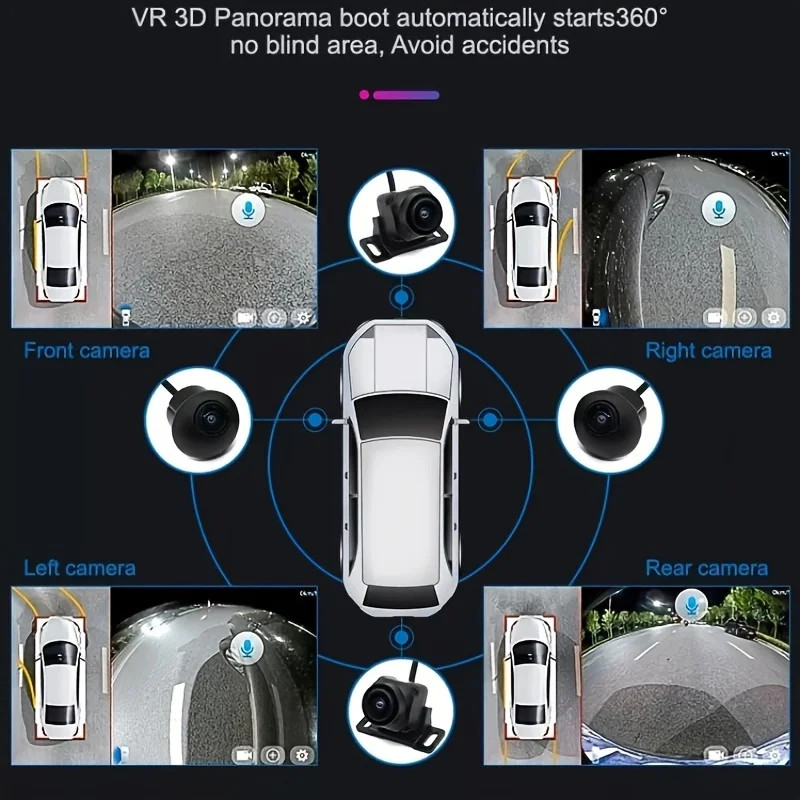 Panoramic View 4-Way Parking Reverse Camera For 360° Car GPS Stereo Radio Player$61.38View on eBay
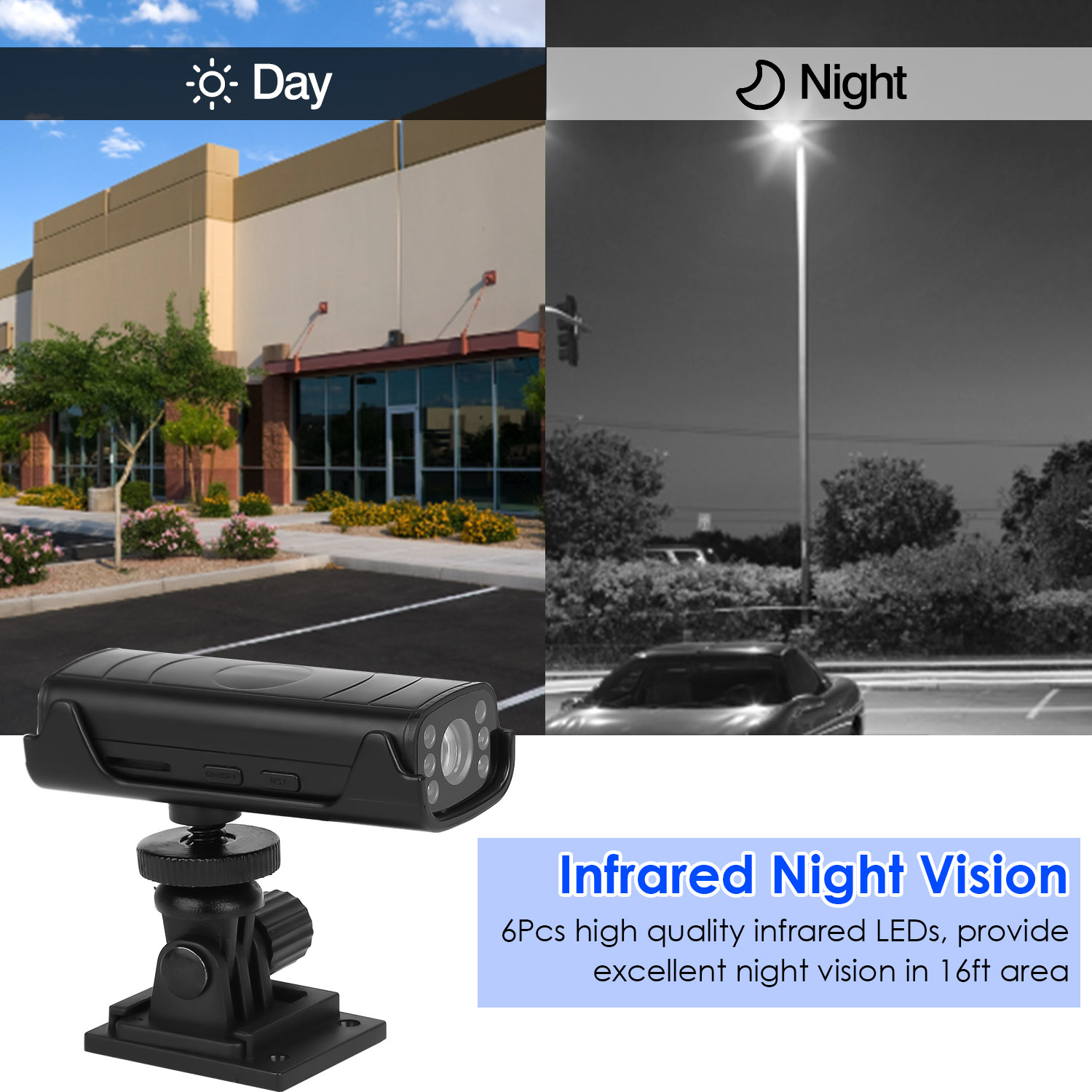 1Pc Wireless Camera Reverse Hitch Guide Vehicle Backup Rechargeable With Flexible Adhesive Base Night Vision For Car RVs$35.99View on Mallflare
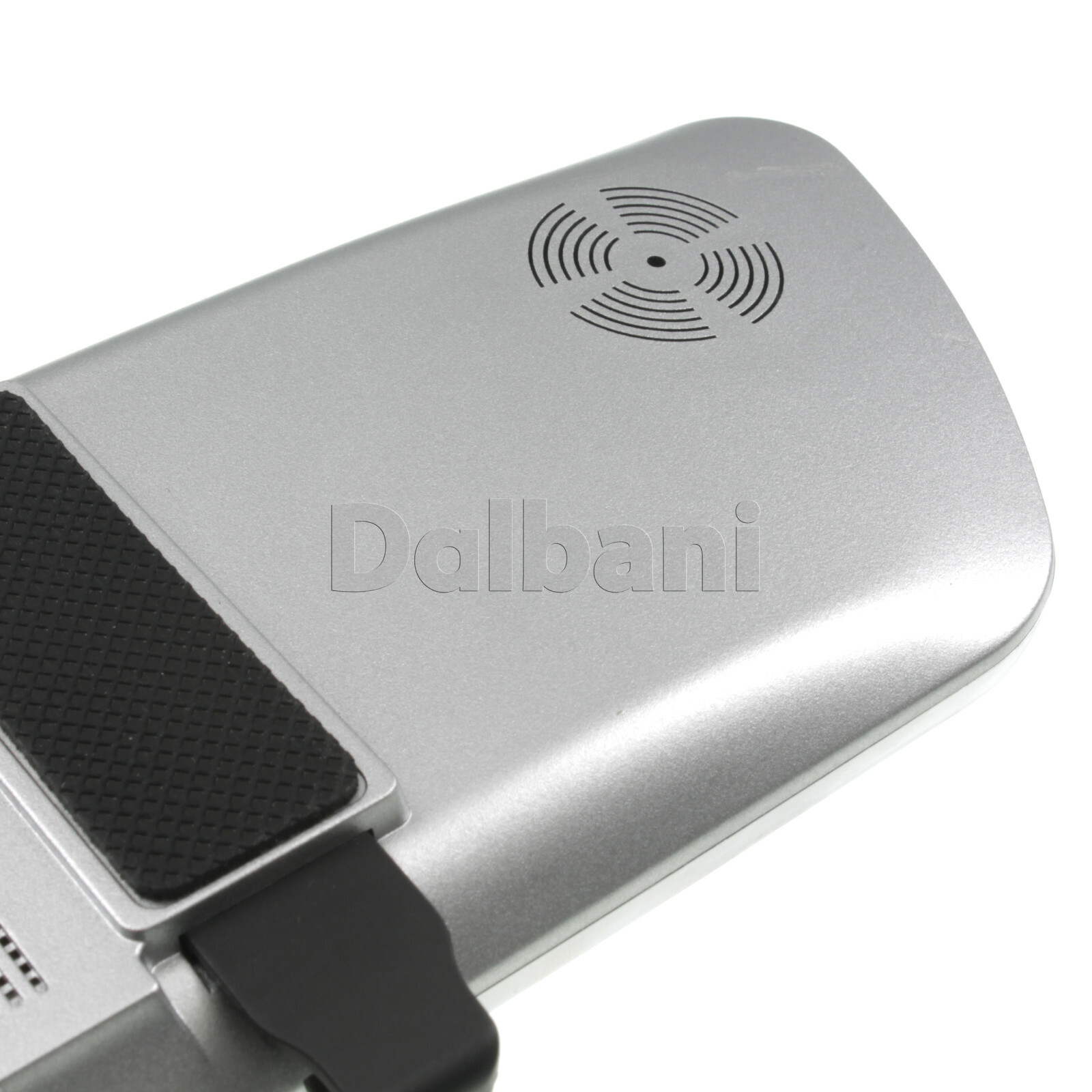 7" 1080P Rear View Car Mirror Car Reverse Camera Kit Wired Camera$65.95View on eBay
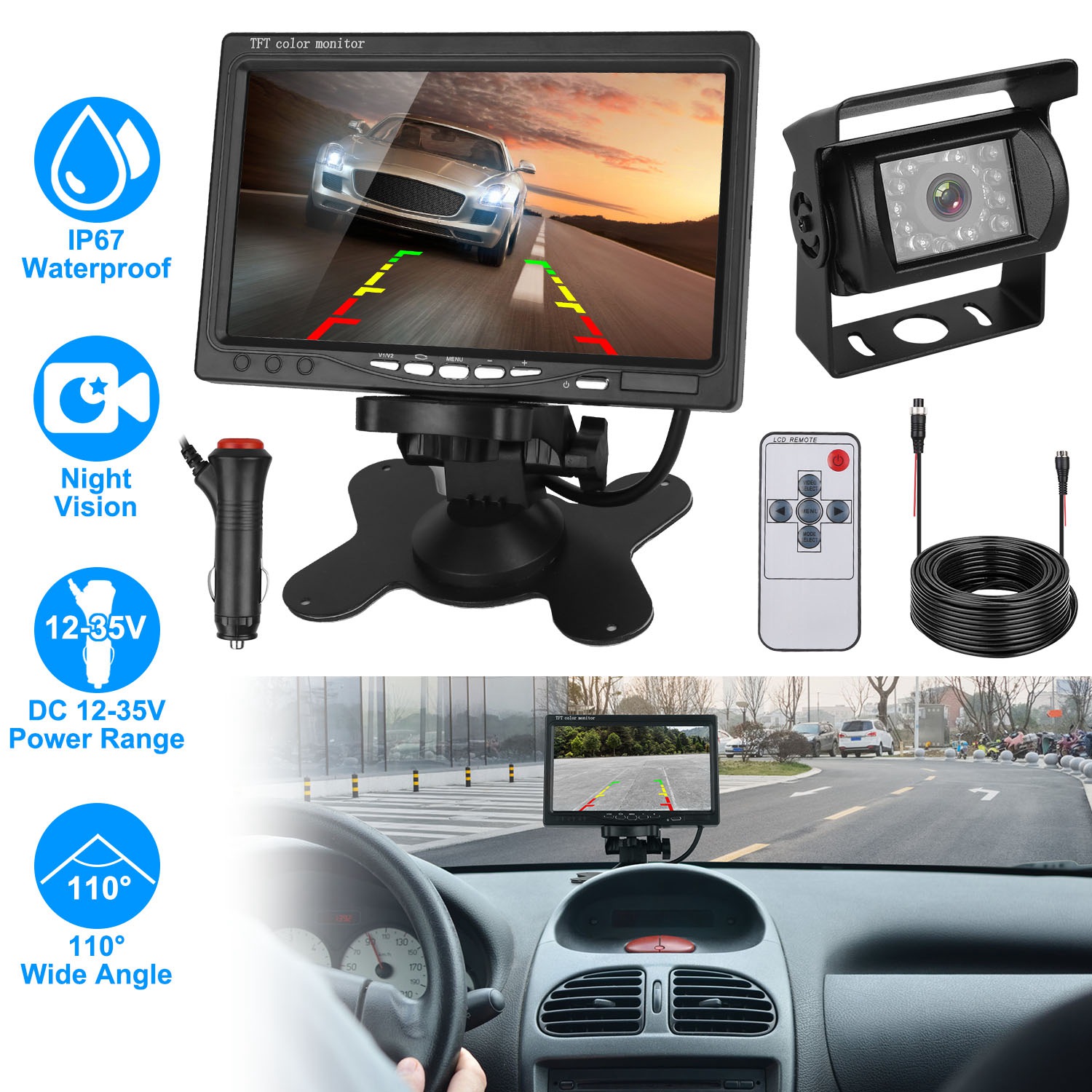 1Pc 7In Screen Backup Camera System Vehicle Rear View Monitor Kit IP67 Waterproof Car Parking Reverse With Night Vision$77.99View on Mallflare
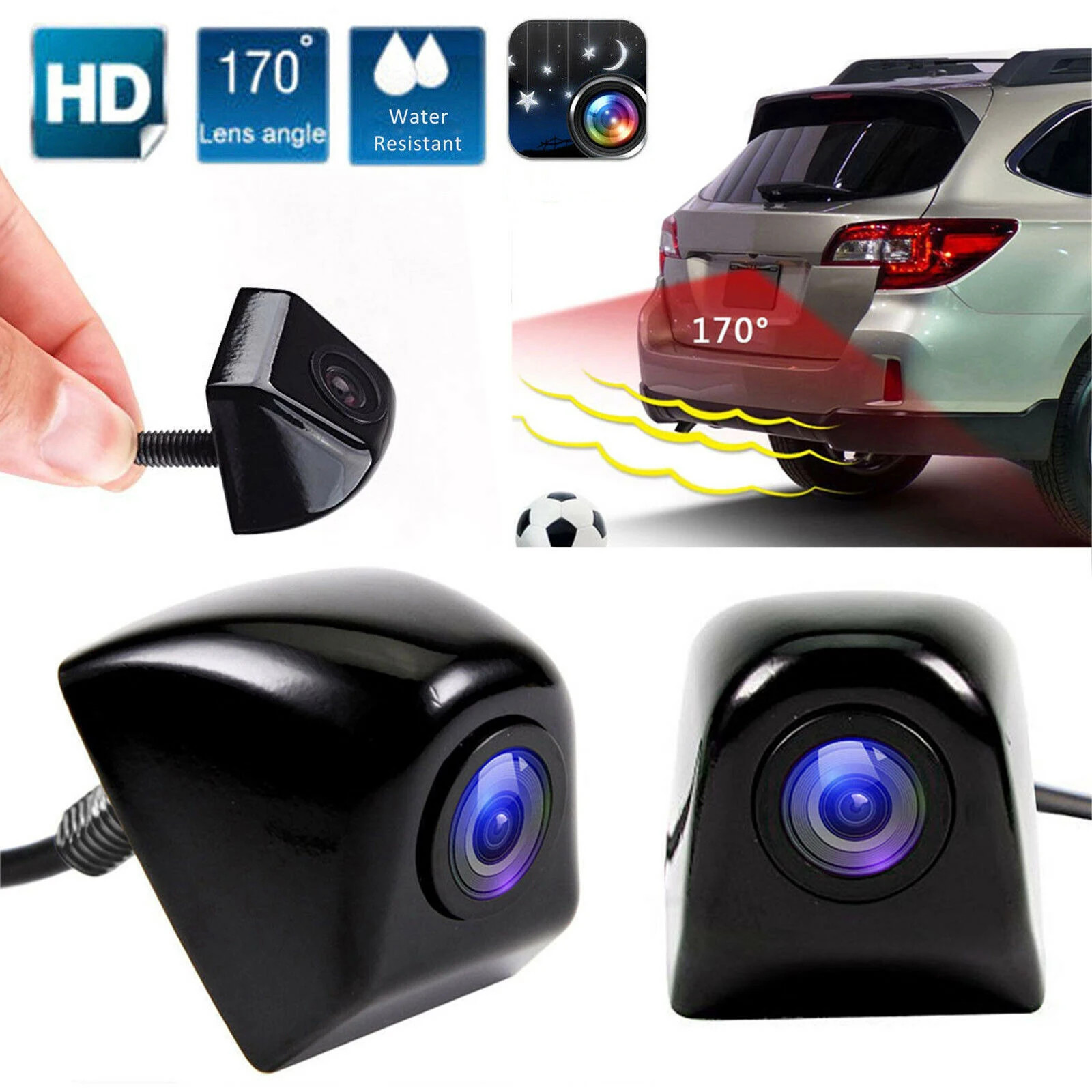 Rear Car Camera 170°HD Night Vision View Reverse Backup Parking Waterproof CMOS$16.32View on eBay
Highlights
- Wired CVBS/AHD kits transmit over RCA cable with near-zero latency; wireless 2.4 GHz kits add 100-300 ms delay and can drop frames in dense RF environments.
- IP68 cameras survive full submersion at the lens and connector; IP67 handles spray and rain but not prolonged soaking—hitch and rear-bumper mounts need IP68.
- CMOS sensors with 0.1-0.5 lux minimum illumination and automatic IR cut filters deliver usable night vision; CCD is older, lower-res, and being phased out.
- 170° diagonal viewing angle covers blind spots without fisheye distortion; 120-140° is easier to judge distance but leaves bumper corners unseen.
Best use cases
- Best fit: a wired 170° IP68 CMOS camera paired with a 4.3-7 inch dash or mirror monitor for daily drivers—stable signal, no pairing issues, constant power from reverse light.
- Best fit: a wireless rechargeable magnetic-base hitch camera for tow vehicles and RVs where cable routing is impractical; accept occasional latency and recharge between trips.
- Wrong fit: a 170° wide-angle camera on a long-bed truck or RV—the fisheye hides distance; pick a 120-140° camera with a longer focal length for accurate backing.
- Wrong fit: a wireless kit in a dense urban RF environment or on a metal-bodied van—signal dropout is common; run wired or use a 2.4 GHz kit with a dedicated repeater.
Buying tips
- Match monitor voltage: 12V systems suit cars and light trucks; 24V systems suit heavy trucks and RVs—a 12V camera on 24V will fail immediately without a step-down converter.
- Choose IP68 for exterior bumper, hitch, or license-plate mounts; IP67 is acceptable only for sheltered positions like under a tailgate handle.
- Verify camera connector type: 4-pin aviation connectors are standard for wired kits; RCA-only cameras need a separate power lead and may lack IR cut filtering.
- For night vision, require 0.1-0.5 lux CMOS with active IR LEDs and automatic IR cut—avoid cameras rated above 1 lux, which wash out in low light.
Specs
| Signal Type | Wired CVBS/AHD vs Wireless 2.4 GHz |
|---|---|
| Waterproof Rating | IP68 exterior / IP67 sheltered |
| Viewing Angle | 120-140° precise / 170° wide |
| Night Vision Sensor | CMOS 0.1-0.5 lux + IR cut |
Related searches
What to check before buying
- Measure your monitor mounting location—dash, mirror, or sun visor—and confirm the screen size (4.3, 5, or 7 inch) fits without blocking sightlines.
- Check your reverse-light voltage (12V vs 24V) and confirm the camera kit includes a matching power harness or step-down converter.
- Confirm the camera's IP rating suits its mount position: IP68 for exposed bumper/hitch, IP67 only for sheltered locations.
- Verify cable length: wired kits typically include 6-10 m of RCA; measure from camera to monitor along your routing path and add 1 m of slack.
FAQ
Data sources: eBay / Amazon listings and product attribute feeds Data updated Nov 16, 2026.
Some links on this page are affiliate links. If you buy after clicking one, we may earn a commission at no extra cost to you. This does not change which products appear here or their order. Affiliate disclosure.