Photos from current listings. Actual item, color, and included accessories may vary.
Rear View Camera Buying Guide
A rear view camera is a CMOS sensor plus lens, wired or wireless to a cabin display, that adds a backup and blind-spot view behind the vehicle. The trade-off is sensor resolution, night-vision sensitivity, and waterproofing versus kit price and mounting complexity—cheap generic units often fall short on both moisture sealing and low-light clarity. The clear rule: buy a kit whose camera is IP68-rated, whose sensor is a Sony or quality CMOS module with a stated 1080P/AHD output, and whose monitor matches that signal—anything less is a compromise.

At a glance
- Category
- Car Electronics
- Data updated
- Nov 16, 2026
Current offers
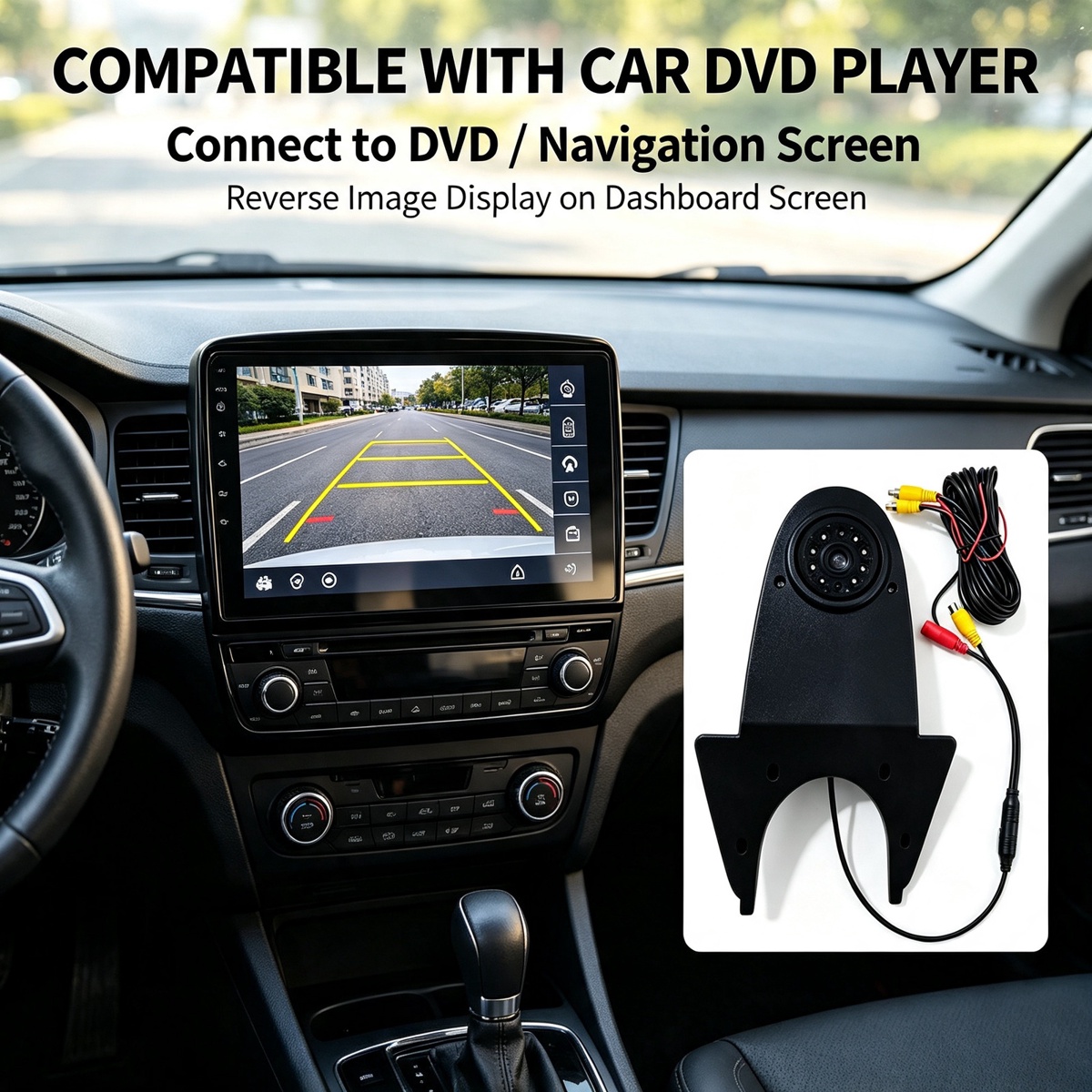 Car Rear View Camera Roof Mount FOR MERCEDES-BENZ SPRINTER 2500 3500$39.40
 View on eBay
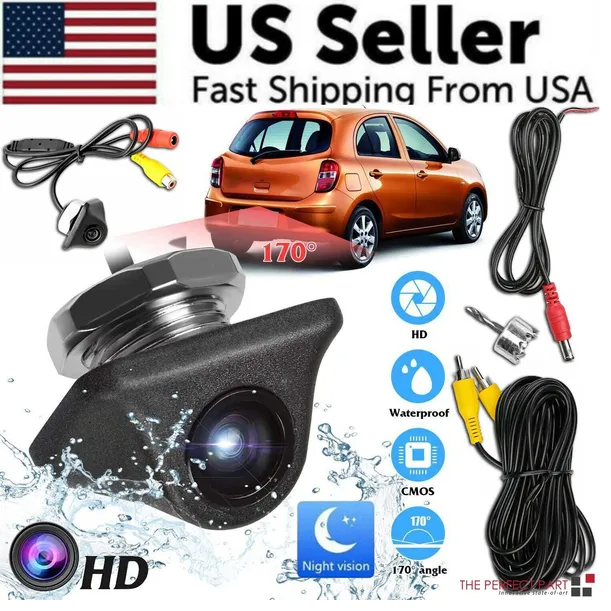 Car Rear View Reverse Camera Parking Backup Cam HD Night Vision Waterproof$22.99
 View on Mallflare
 DoHonest Baby Car Camera Monitor Rear Seat View Infant Safety Camera Tested$11.99View on eBay
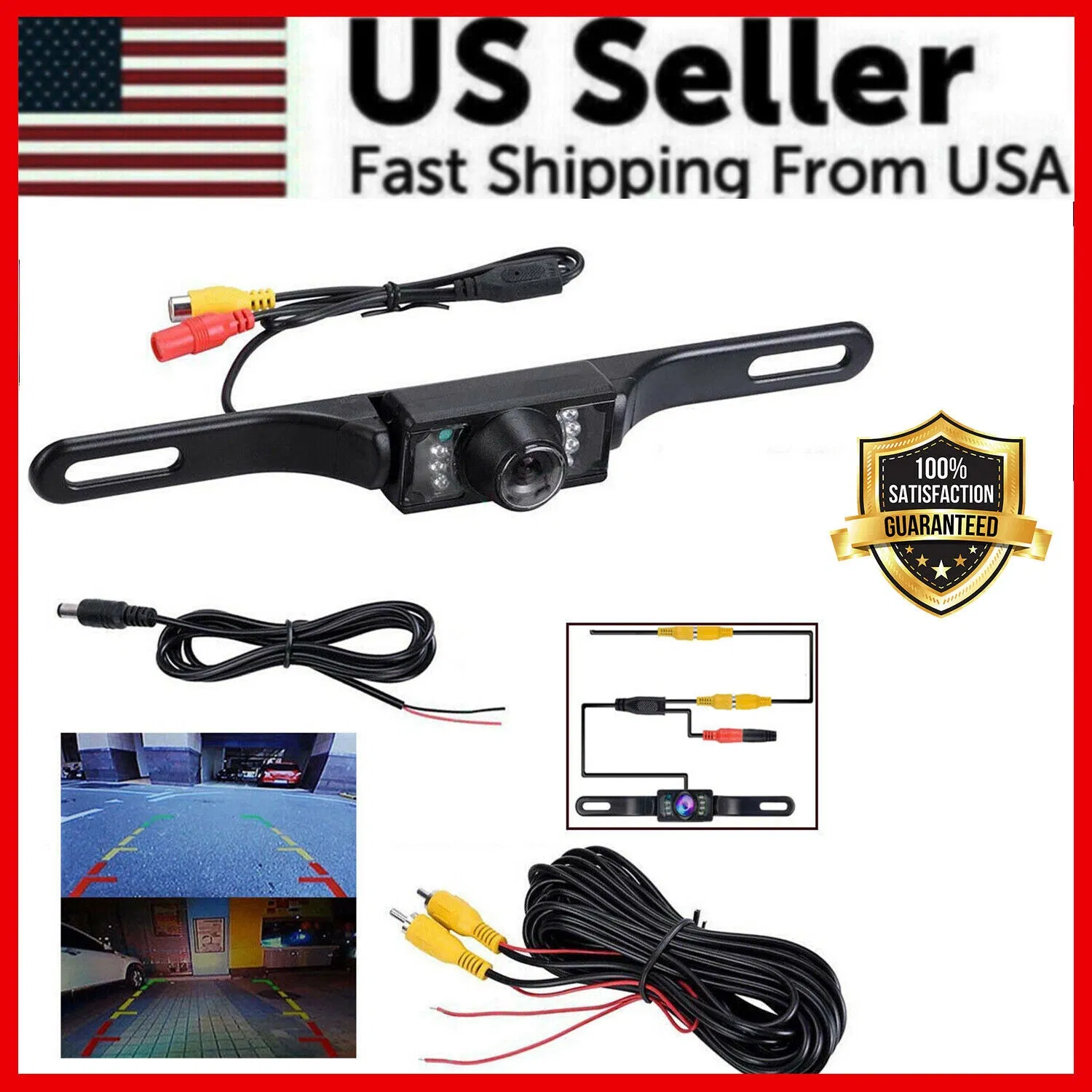 Wide 170° Night Vision Car Rear View Reverse Backup Parking Camera Waterproof$23.99View on Mallflare
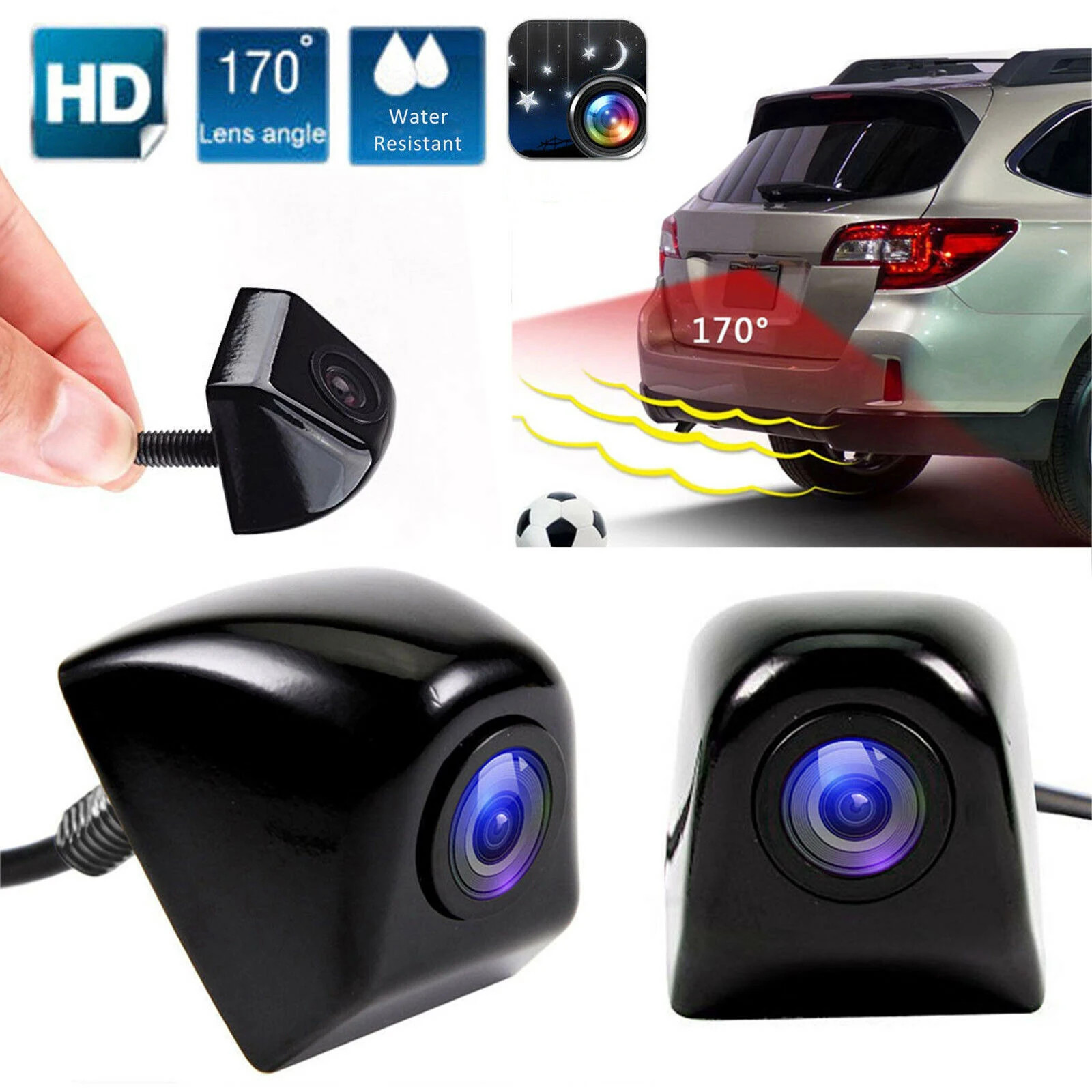 Rear Car Camera 170°HD Night Vision View Reverse Backup Parking Waterproof CMOS$16.32View on eBay
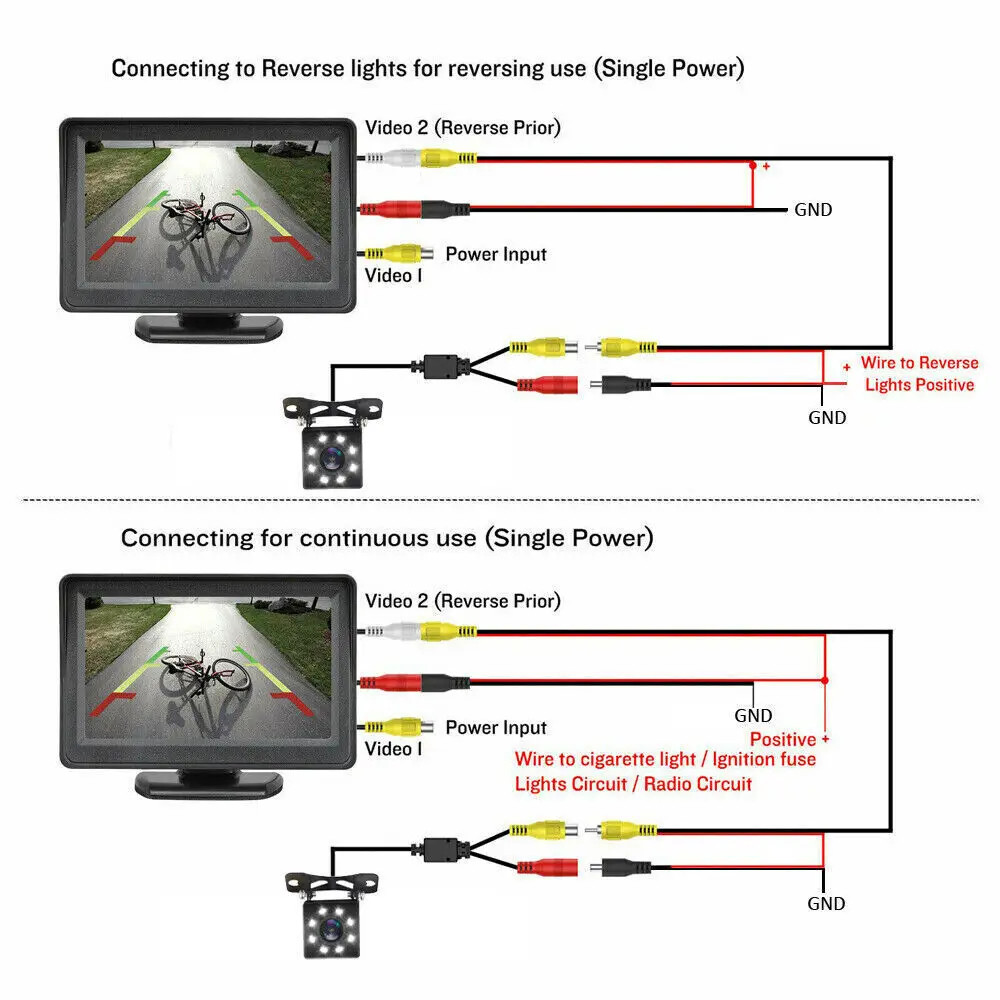 4.3'' Car Monitor With Night Vision Reverse Camera Backup Rear View Parking Kit$30.03View on eBay
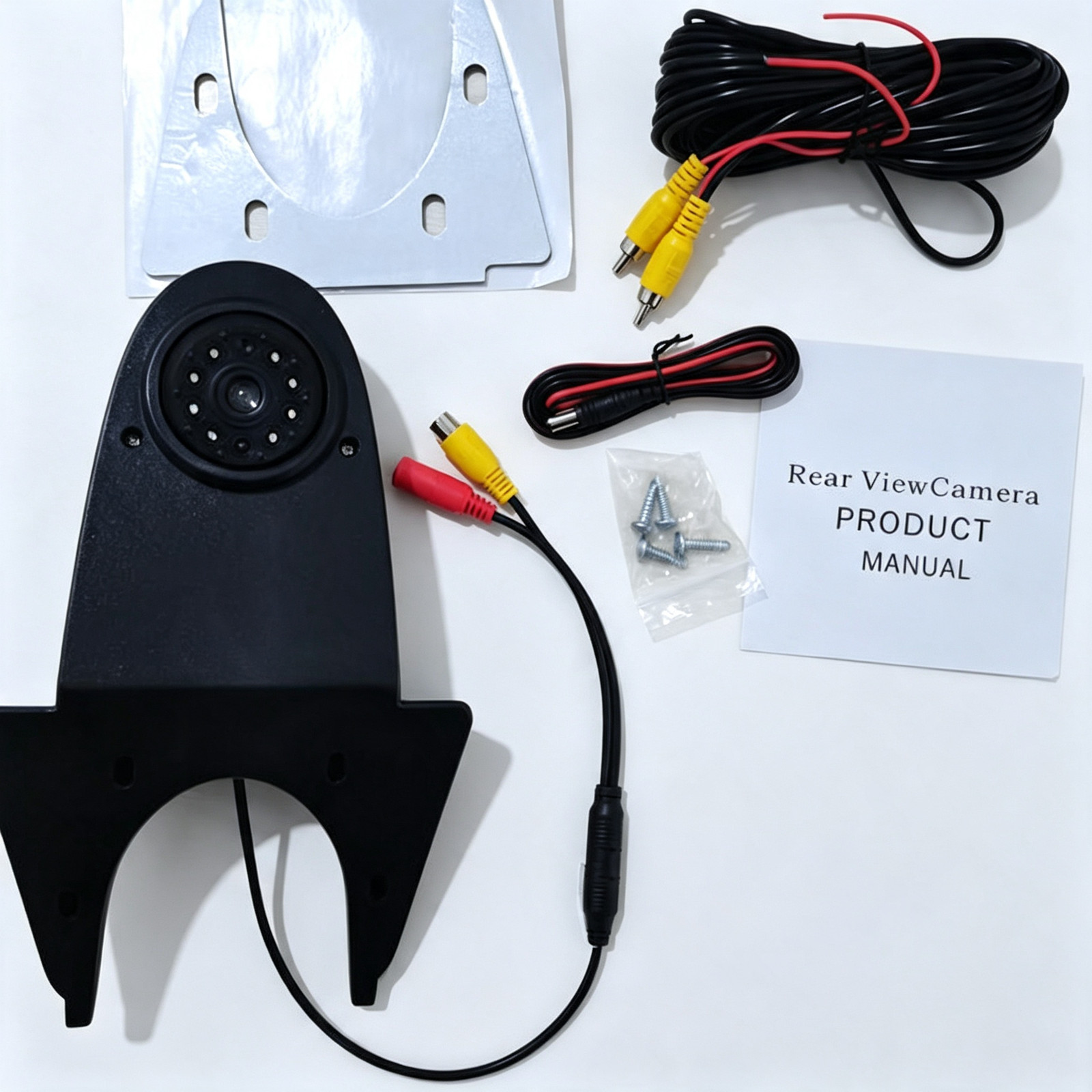 Car Rear View Reverse Camera For Mercedes for Benz SPRINTER 2500 3500$39.86View on eBay
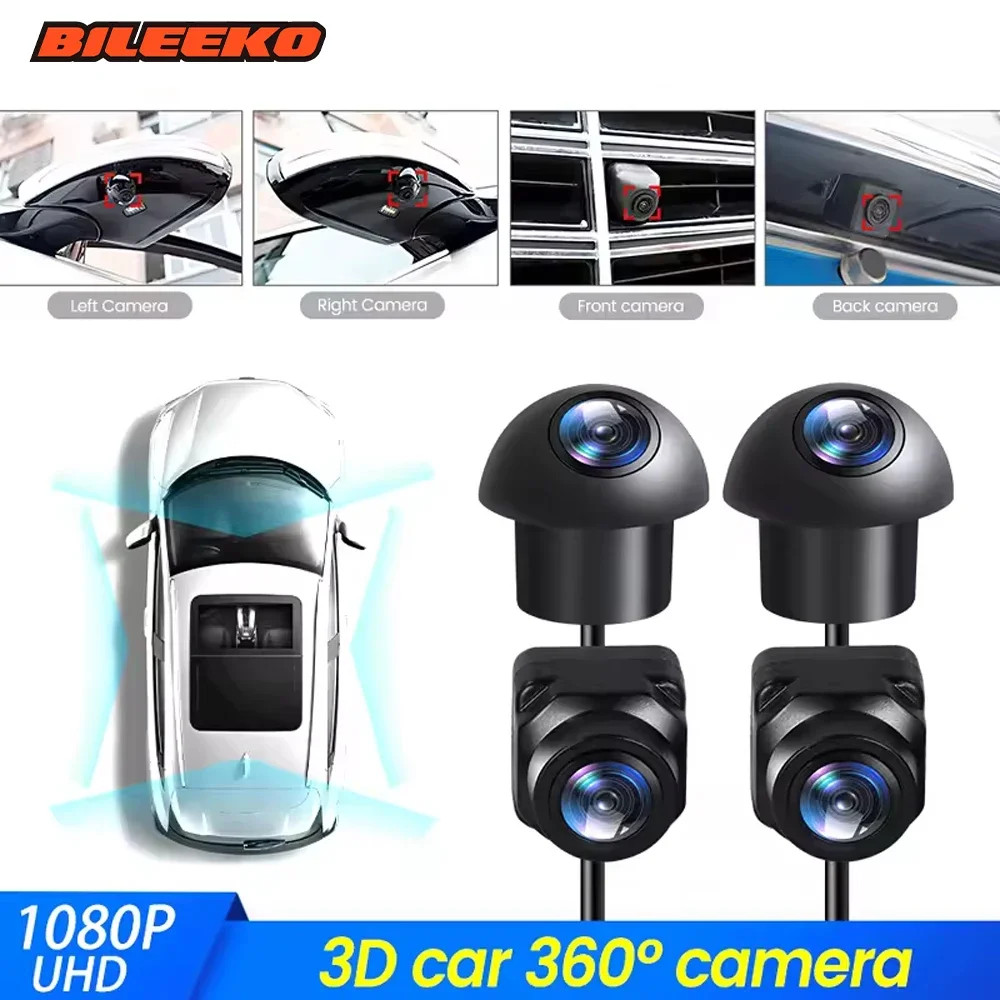 360° Car Camera Panoramic Surround View AHD 1080P Right+Left+Front+Rear 4-Camera$57.18View on eBay
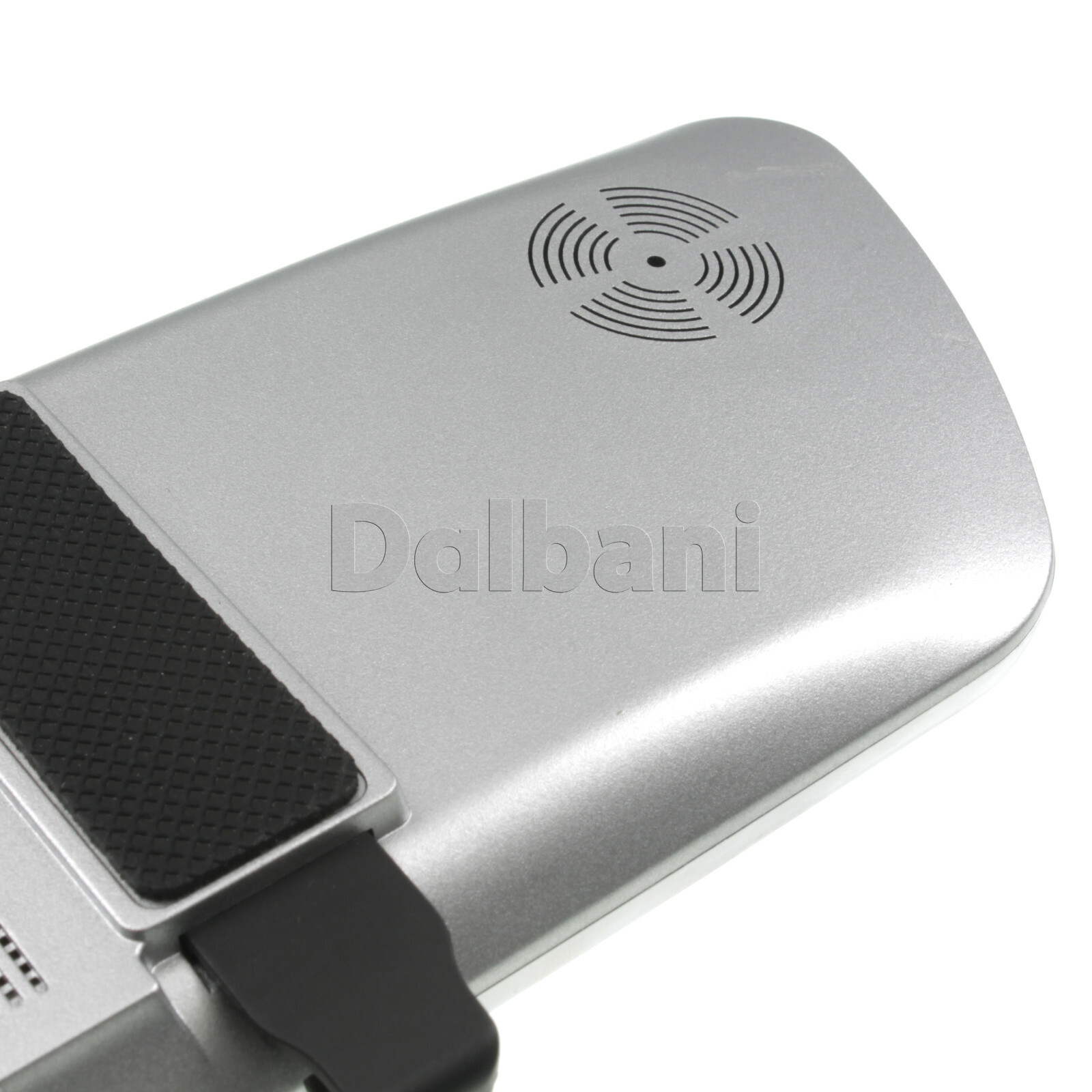 7" 1080P Rear View Car Mirror Car Reverse Camera Kit Wired Camera$65.95View on eBay
Highlights
- Sensor and resolution tiers: NTSC/analog 480TVL cameras are legacy; 1080P AHD over coax is the current minimum for a clear plate-level image, and the monitor must explicitly support AHD to avoid a black or grainy feed.
- Waterproofing is the top failure point: IP68 or IP69K sealing with a properly seated grommet and loom is required for a bumper or roof-mounted camera; the catalog's 'waterproof' claim is meaningless without an IP rating.
- Night vision depends on minimum illumination (lux) and sensor size—0.1 lux or lower with a 1/2.9-inch or larger sensor delivers usable low-light footage; IR LEDs only help within a few feet and cannot compensate for a small sensor.
- Wired kits use a single 4-pin or RCA-plus-power loom for a stable, latency-free signal; wireless kits avoid cabin-to-tailgate cable runs but introduce interference and pairing dropouts, especially on long vans and Sprinters.
Best use cases
- Daily driving and tight parking: pick a 170°-diagonal AHD 1080P camera with a 4.3–7-inch dash or mirror monitor in a wired kit; the wide field covers bumper corners and the Miranda-style mirror keeps the factory rearview mirror intact.
- Vans, Sprinters, and RVs: choose a roof or high-mount camera aimed down at the rear bumper with a long wired loom or a correctly paired wireless extender; the factory third-brake-light housing makes a clean, no-drill fit on Sprinter 2500/3500 models.
- 360° surround and multi-camera systems: a 4-camera AHD 1080P kit with a dedicated viewing processor is the right pick for trailers and large SUVs—skip the single-camera kits if you need left/right/front coverage; single cameras cannot deliver a true bird's-eye view.
- Infant and rear-seat monitoring is a different product class: a baby car camera (rear-seat view) is not a reversing camera and should not be chosen for parking; conversely, a bumper camera cannot see into the back seat.
Buying tips
- Match monitor and camera signal standards before buying: an AHD 1080P camera needs an AHD-capable monitor; RCA composite monitors will show rolling or black screens with an AHD feed unless the camera has a CVBS fallback.
- Measure the cable run from the camera location to the monitor—tailgate to dash on a sedan is roughly 15–20 ft, a van or Sprinter needs 30–45 ft; order a loom with at least 10% spare length and route through a factory grommet, never pinched at the hatch hinge.
- For night visibility, prioritize minimum illumination (≤0.1 lux) and sensor size over IR LED count; a larger sensor with fewer LEDs outperforms a small sensor ringed with LEDs at true night-dark conditions.
- Check the camera's viewing angle in diagonal degrees: 120–140° is a natural rear view, 170° is wide and great for parking but distorts edges; 170°+ is better for bumper-corner coverage than judging distance to a trailer.
Specs
| Signal Standard | AHD 1080P vs CVBS composite |
|---|---|
| Waterproof Rating | IP68 / IP69K sealed housing |
| Viewing Angle | 120–170° diagonal |
| Night Vision | ≤0.1 lux, 1/2.9in sensor or larger |
Related searches
What to check before buying
- Confirm your monitor or head unit input: RCA composite, 4-pin aviation, or AHD over coax—buy a camera whose output matches, and verify the head unit's camera input voltage (6V vs 12V trigger) so the reverse signal triggers correctly.
- Measure the mounting surface and clearance: a roof-mount camera needs a flat, sealed area with a cable path; a license-plate or bumper camera needs the plate recess depth and a grommet hole for the loom.
- Check vehicle voltage and reverse-light wiring: most kits run 12V DC from the reverse lamp; confirm the reverse lamp circuit can carry the camera's draw and use an inline fuse, and confirm the monitor's power source (cigarette, fuse tap, or hardwire).
- Verify climate and wash exposure at the mounting point: high-pressure car washes and road salt demand IP68 sealing and a drip loop in the cable; a camera mounted low on the bumper faces more spray than a roof or third-brake-light mount.
FAQ
Data sources: eBay / Amazon listings and product attribute feeds Data updated Nov 16, 2026.
Some links on this page are affiliate links. If you buy after clicking one, we may earn a commission at no extra cost to you. This does not change which products appear here or their order. Affiliate disclosure.