Photos from current listings. Actual item, color, and included accessories may vary.
Rear Camera Buying Guide
Rear cameras split into universal surface/roof-mount units and vehicle-specific tailgate-handle or factory-fit replacements. The core trade-off is sensor quality and night vision (CMOS size, lux rating, AHD vs analog) versus integration effort: universal cams need only power and a video path, while handle/roof mounts demand exact model-year fit. Buy a vehicle-specific bracket only when the part number matches your truck's generation; otherwise a 170° CMOS universal unit with IR LEDs and IP67 sealing delivers the same view for far less installation risk.

At a glance
- Category
- Car Electronics
- Data updated
- Nov 16, 2026
Current offers
 DoHonest Baby Car Camera Monitor Rear Seat View Infant Safety Camera Tested$11.99
 View on eBay
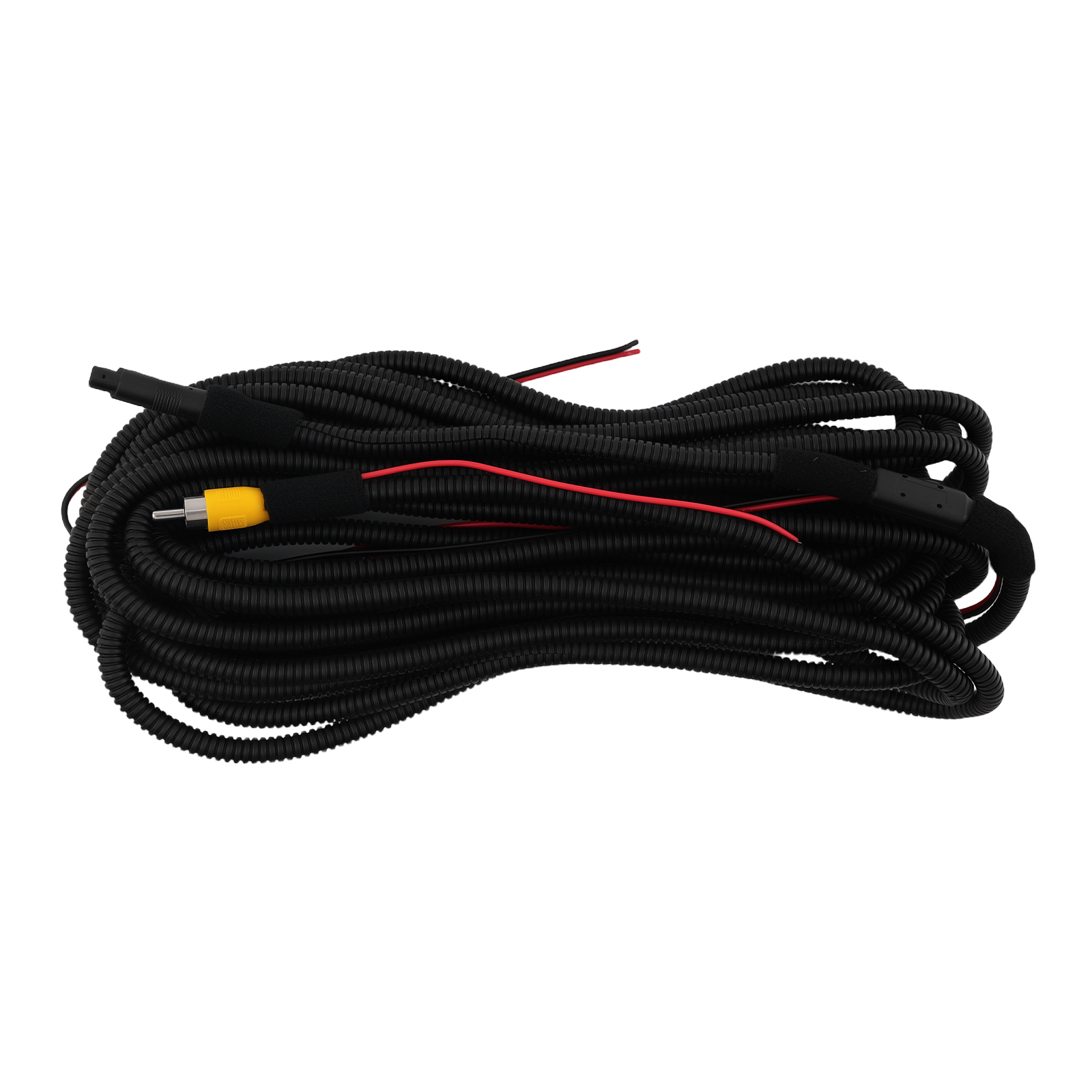 Rear Camera Tailgate Handle fit for Silverado 2500 HD 2007-14 82777 590083$64.99
 View on Mallflare
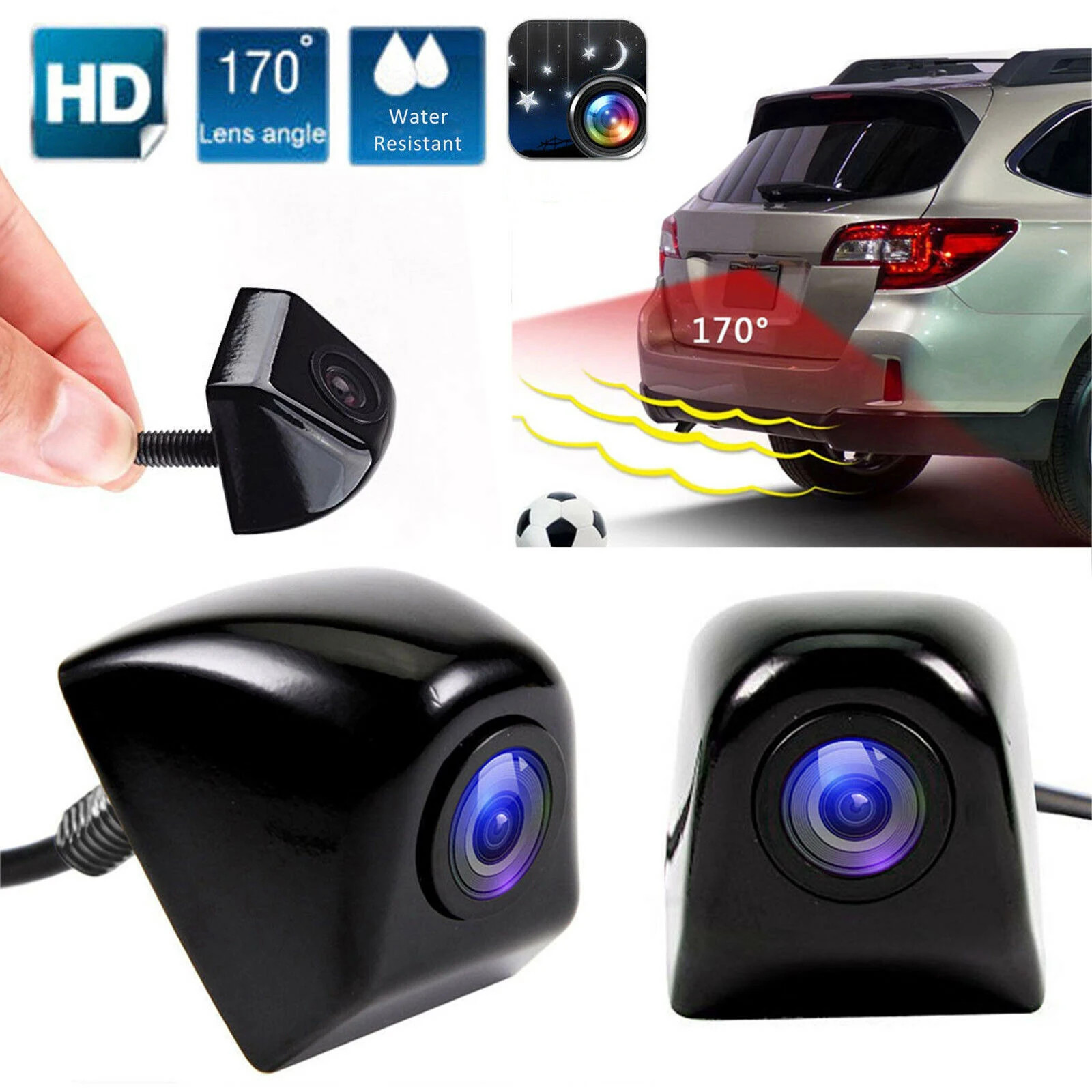 Rear Car Camera 170°HD Night Vision View Reverse Backup Parking Waterproof CMOS$16.32View on eBay
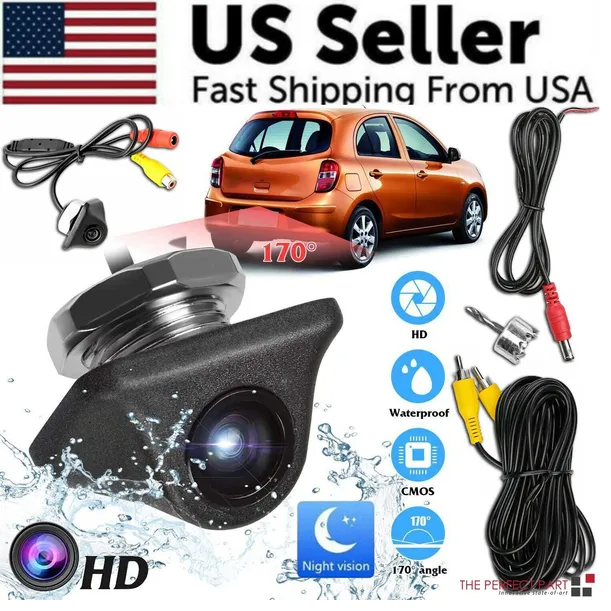 Car Rear View Reverse Camera Parking Backup Cam HD Night Vision Waterproof$22.99View on Mallflare
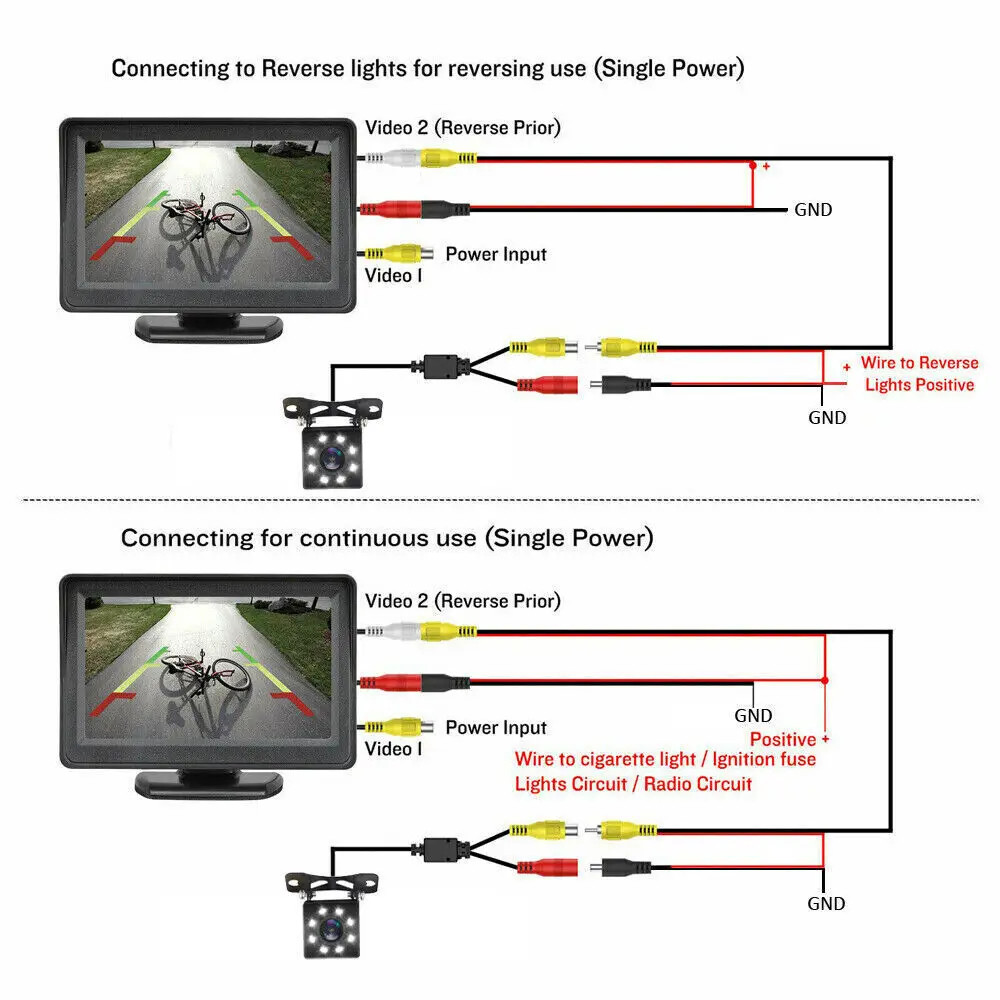 4.3'' Car Monitor With Night Vision Reverse Camera Backup Rear View Parking Kit$30.03View on eBay
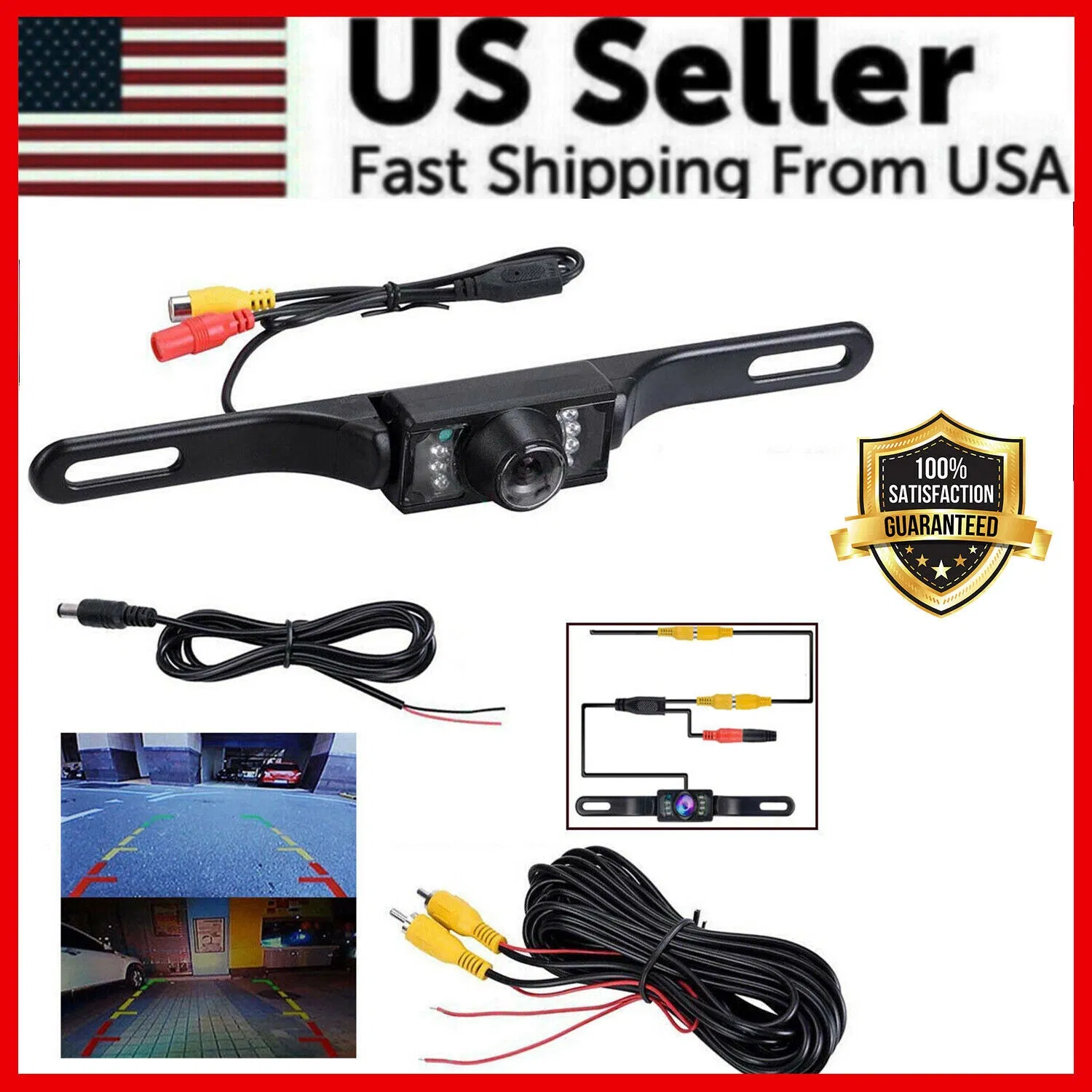 Wide 170° Night Vision Car Rear View Reverse Backup Parking Camera Waterproof$23.99View on Mallflare
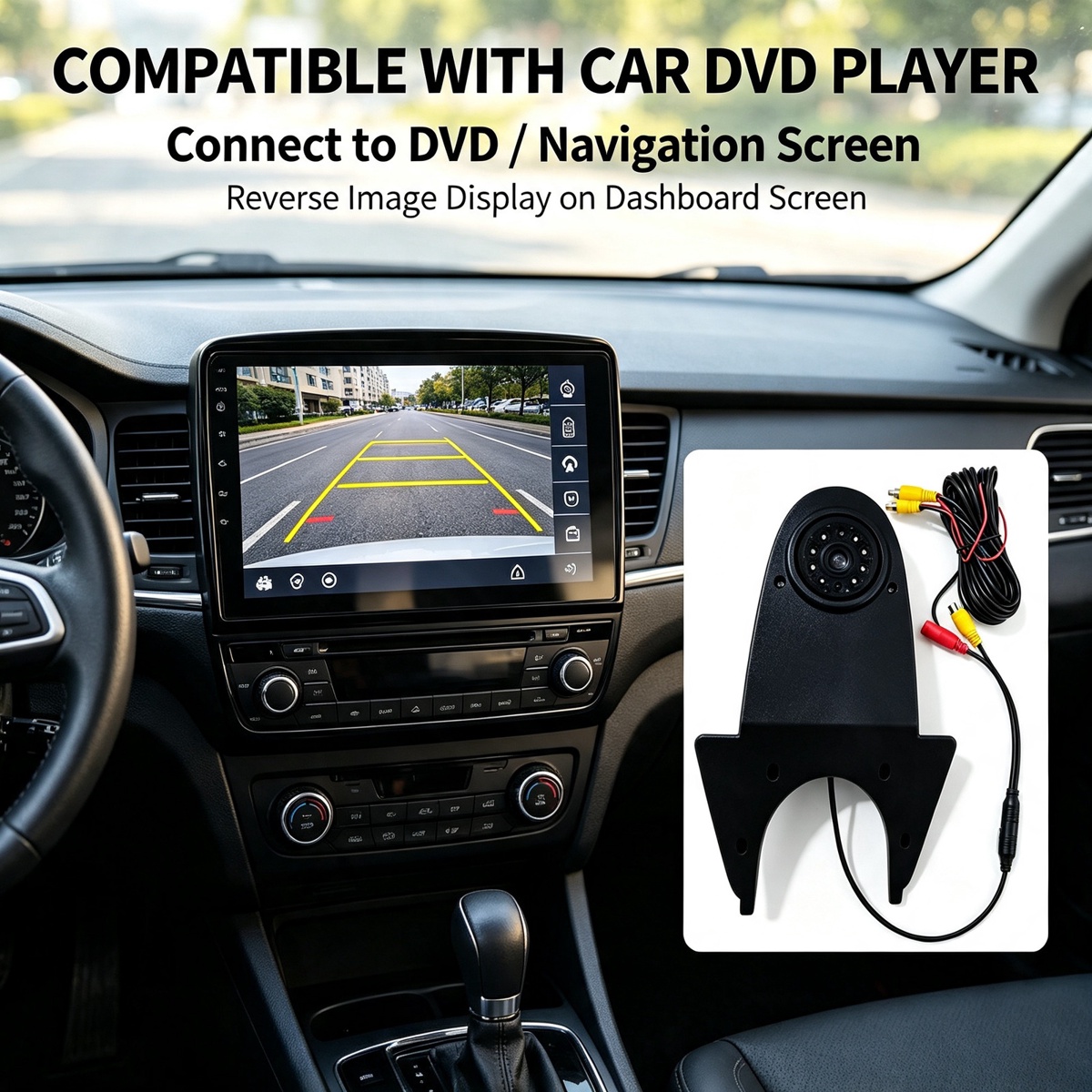 Car Rear View Camera Roof Mount FOR MERCEDES-BENZ SPRINTER 2500 3500$39.40View on eBay
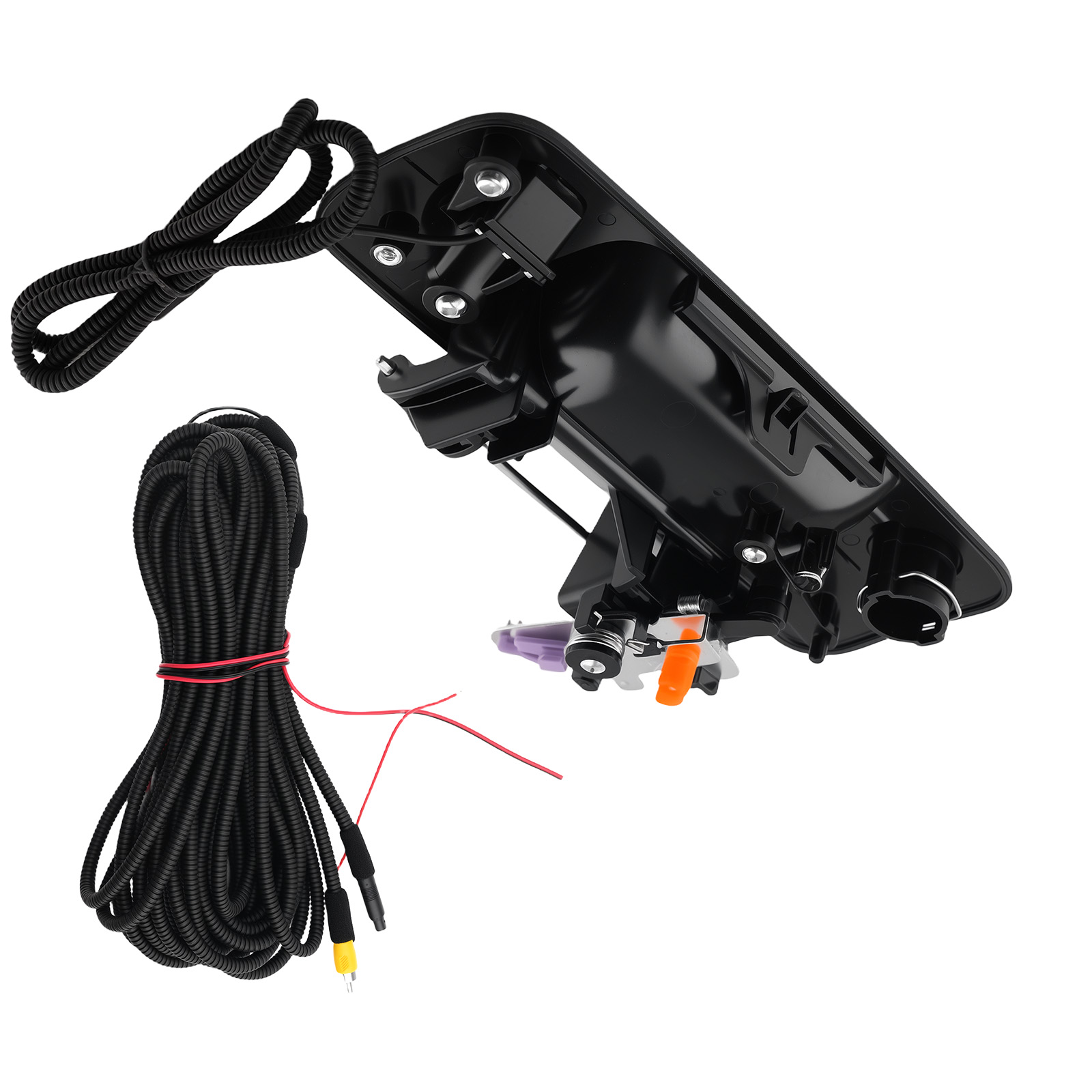 Rear Tailgate Handle Camera fit for Toyota Tundra 2007-2013 690900C050 Black$68.99View on Mallflare
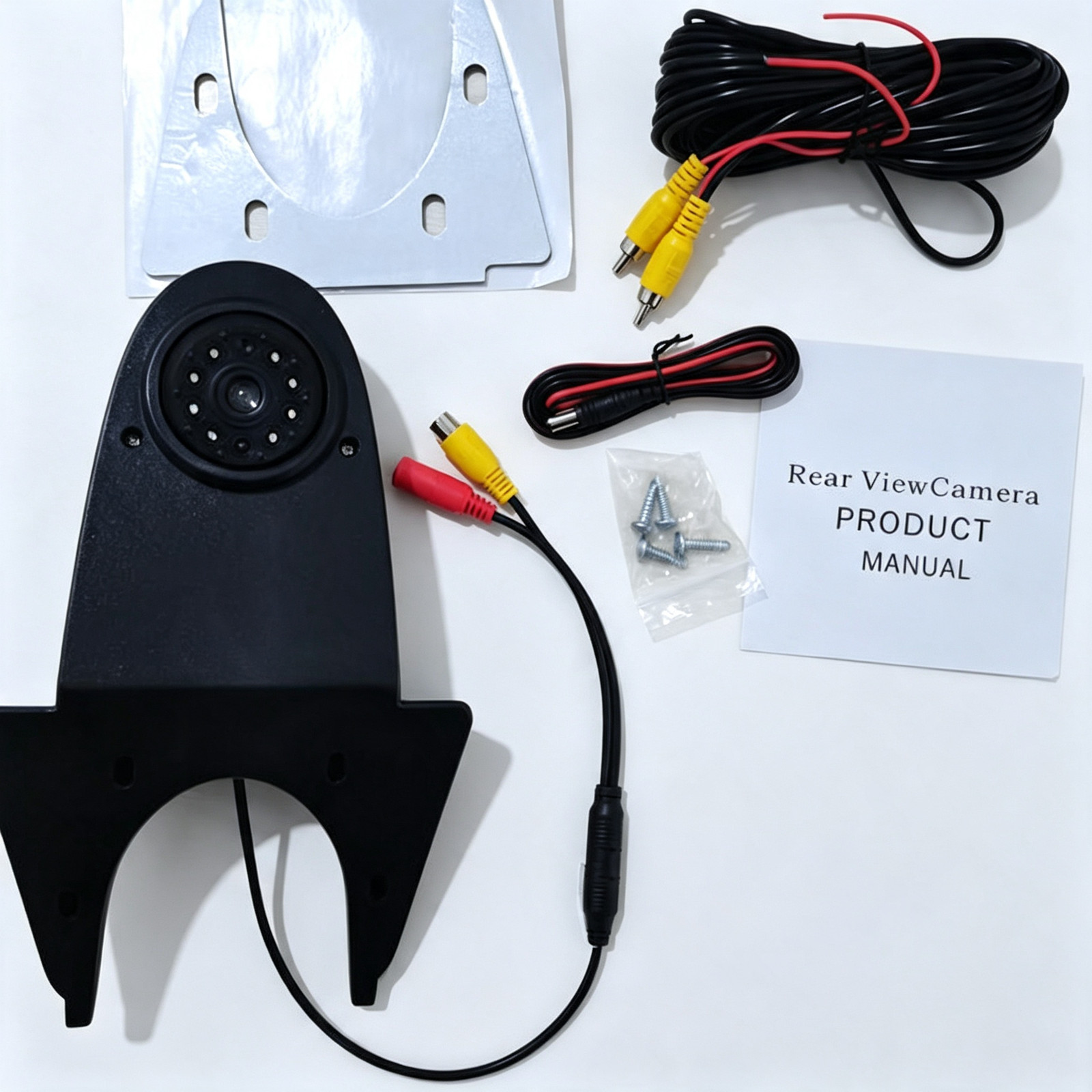 Car Rear View Reverse Camera For Mercedes for Benz SPRINTER 2500 3500$39.86View on eBay
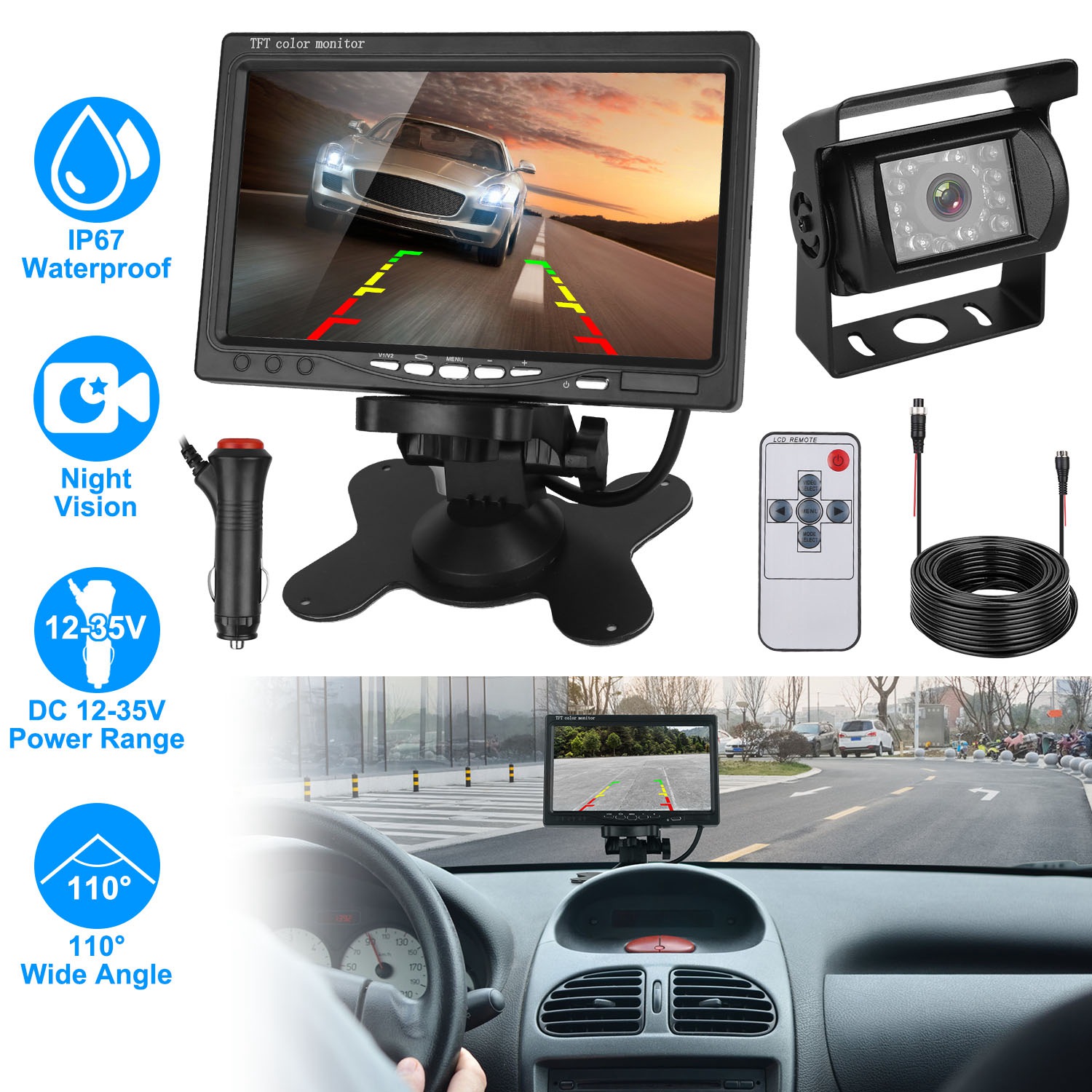 1Pc 7In Screen Backup Camera System Vehicle Rear View Monitor Kit IP67 Waterproof Car Parking Reverse With Night Vision$77.99View on Mallflare
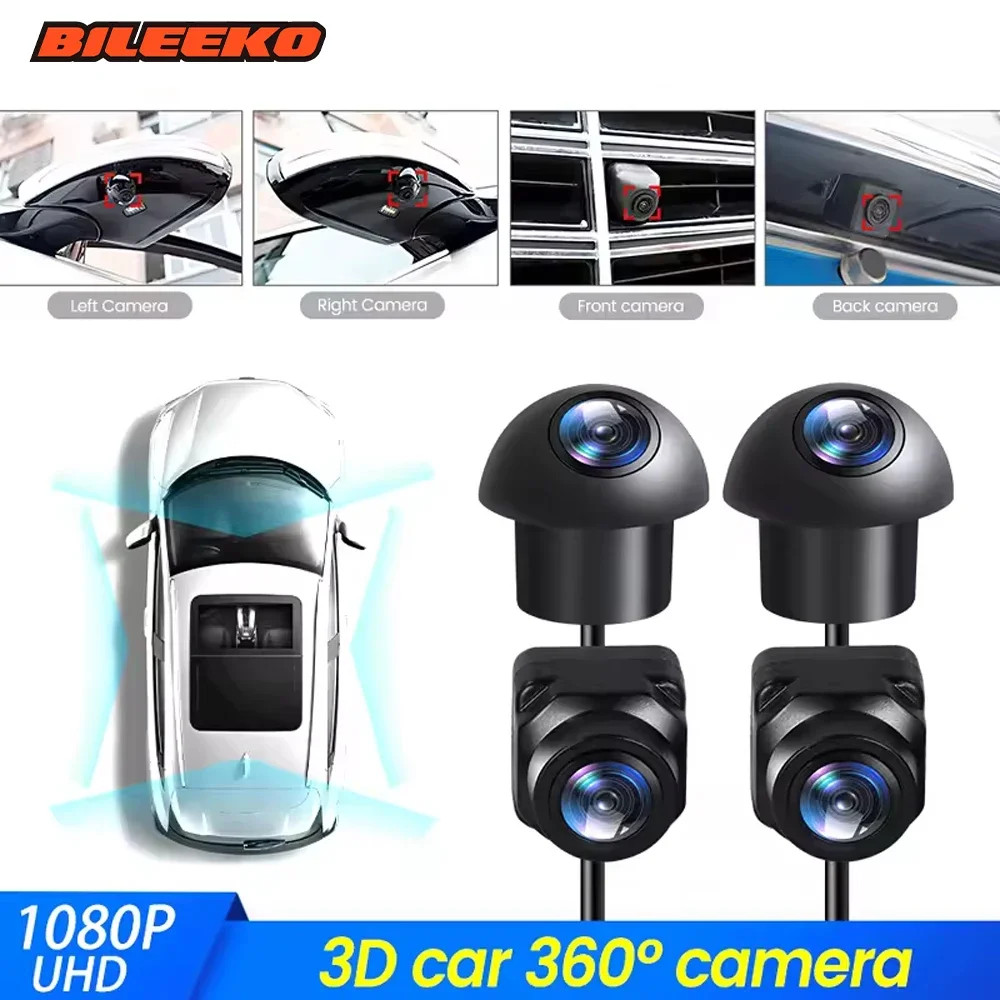 360° Car Camera Panoramic Surround View AHD 1080P Right+Left+Front+Rear 4-Camera$57.18View on eBay
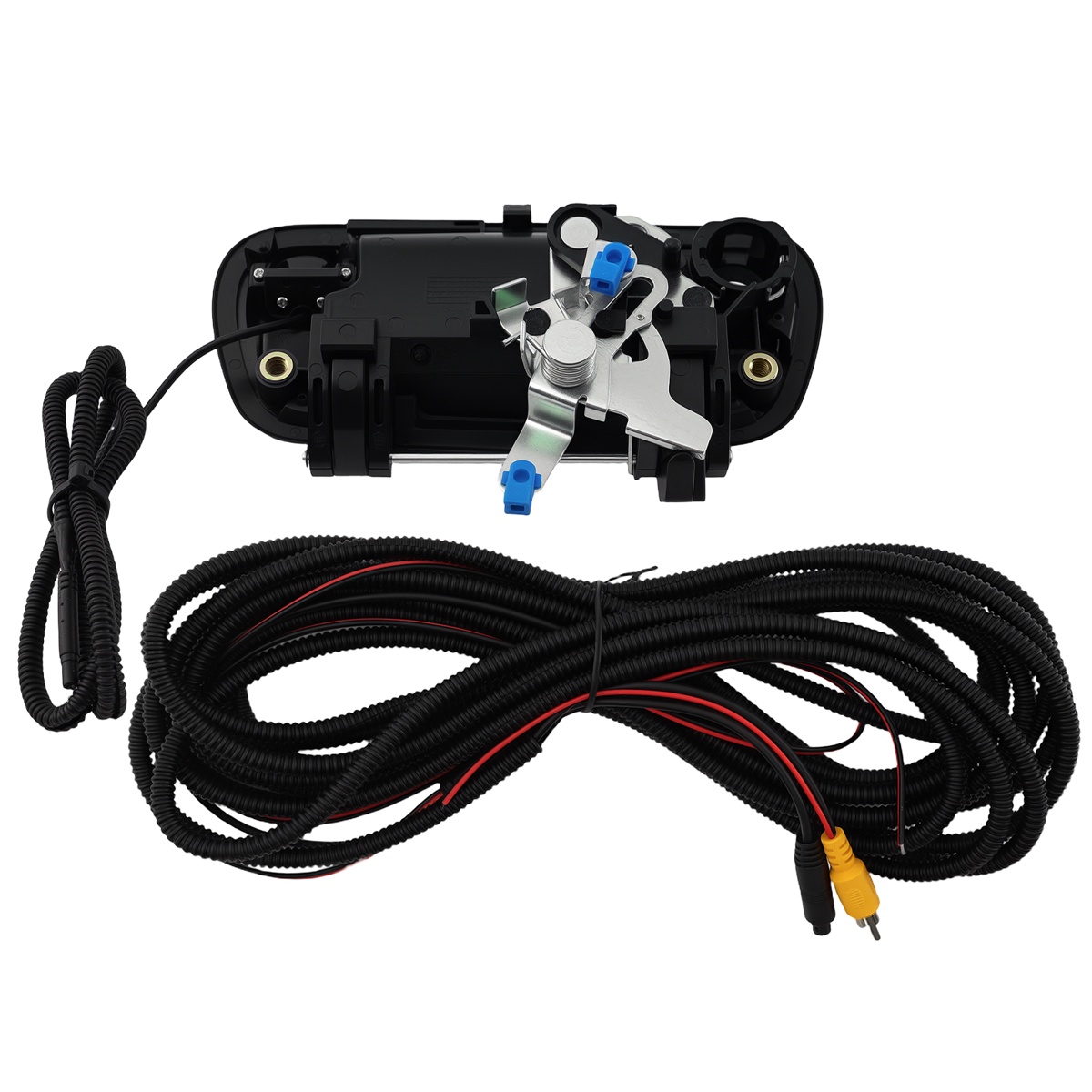 Black Tailgate Rear Handle fit for Toyota Tundra 2000-2006 819952028013 Camera$78.99View on Mallflare
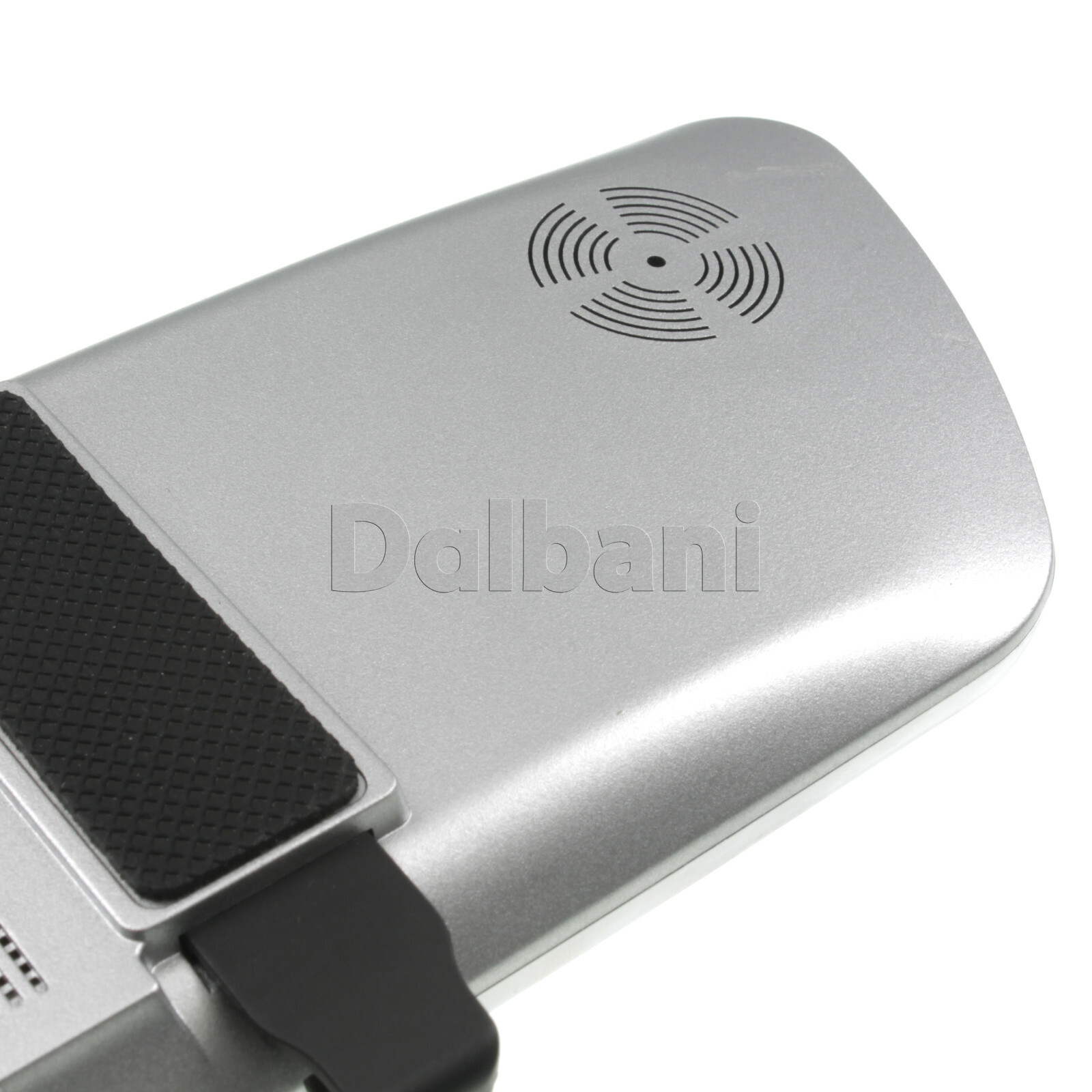 7" 1080P Rear View Car Mirror Car Reverse Camera Kit Wired Camera$65.95View on eBay
Highlights
- Sensor type drives low-light performance: CMOS with IR LEDs reaches usable image near 0.1–0.5 lux, while plain CCD units without illumination go dark below ~1 lux.
- AHD 1080P transmits over the same coax as analog CVBS but needs an AHD-capable monitor; mixing AHD camera with legacy monitor yields no image or a downscaled one.
- 170° diagonal viewing angle is the practical wide-angle limit before fisheye distortion; narrower 120–140° units give more accurate distance judgment for tight parking.
- IP67/IP68 sealing and a metal or ABS housing determine lifespan; plastic-only bodies survive road spray but crack at mounting tabs under UV and vibration.
Best use cases
- Pick a tailgate-handle camera only for the exact truck generation it lists (e.g., Silverado 2500 HD 2007–14, Sprinter 2500/3500) — skip it for any other model year.
- Pick a universal 170° CMOS night-vision cam with a separate 4.3" or 7" monitor kit for older cars with no factory screen; skip mirror-replacement kits if your mirror houses sensors or auto-dimming wiring.
- Pick a 360° four-camera AHD surround system only if you will run all four cameras and a compatible AHD head unit; a single rear camera plus a cheap monitor is the wrong buy for full surround.
- Pick a baby/infant rear-seat camera for child monitoring inside the cabin; skip exterior waterproof units for that job since they lack the close-focus optics and cabin mount.
Buying tips
- Match monitor and camera signal: buy CVBS camera + CVBS monitor or AHD camera + AHD monitor; never mix generations unless the monitor explicitly supports both.
- Budget a video cable long enough to route from tailgate to dash — hatchbacks and SUVs typically need 6–8 m; measure the route, not the straight-line distance.
- For night driving, require IR LEDs or a stated lux rating of 0.5 or lower; a bare CMOS cam without illumination is daytime-only in practice.
- Prefer cameras with a metal housing and IP67+ rating over plastic-only bodies if the car sees winter salt or gravel roads.
Specs
| Sensor Type | CMOS vs CCD; IR LEDs for night |
|---|---|
| Signal Standard | CVBS analog vs AHD 1080P |
| Viewing Angle | 120–140° precise / 170° wide |
| Mount & Sealing | Universal surface / handle / roof; IP67+ |
Related searches
What to check before buying
- Measure your factory radio/monitor input: confirm RCA composite, AHD, or factory harness before choosing a kit.
- For handle or roof-mount cams, verify exact model year and trim — 2007–14 Silverado 2500 HD and Sprinter 2500/3500 each use different brackets.
- Check your vehicle's tailgate or roof surface for a flat mounting area and a path for the cable grommet.
- Confirm 12V DC power availability at the reverse-light circuit and whether you need a relay or can tap directly.
FAQ
Data sources: eBay / Amazon listings and product attribute feeds Data updated Nov 16, 2026.
Some links on this page are affiliate links. If you buy after clicking one, we may earn a commission at no extra cost to you. This does not change which products appear here or their order. Affiliate disclosure.