Photos from current listings. Actual item, color, and included accessories may vary.
Car Stereo Speaker Buying Guide
Car stereo speakers are drop-in coaxial or component drivers that replace factory units to improve clarity and bass, where the core trade-off is sensitivity and mounting depth versus power handling and material quality. Buyers should prioritize RMS power matched to head-unit or amp output, real mounting depth, and true 2-way coaxial construction over inflated peak-wattage claims.


At a glance
- Category
- Car Electronics
- Data updated
- Nov 16, 2026
Current offers
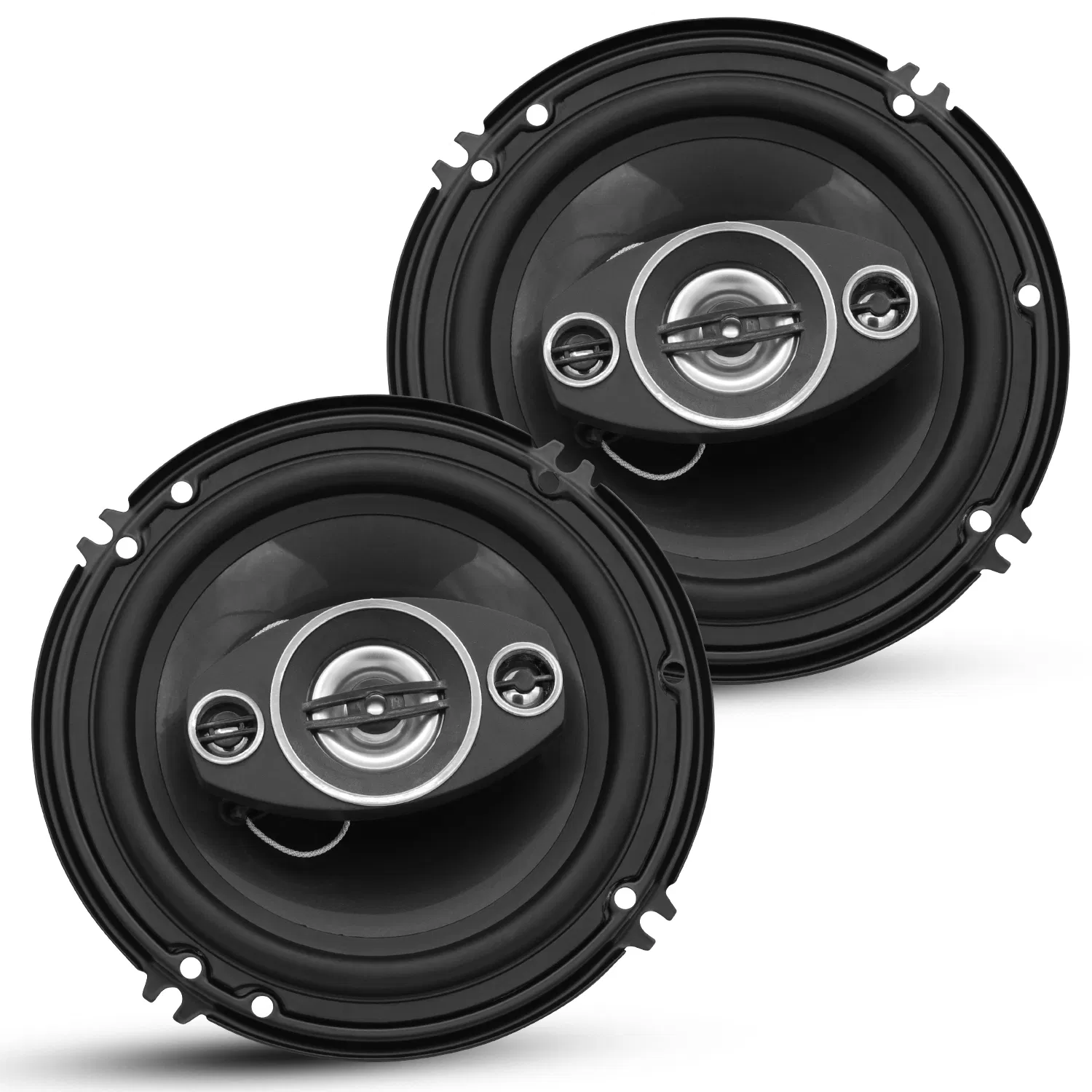 5 Core 2 Way 6' Car Stereo Speakers Pair 500W Coaxial Subwoofer w Tweeter | Universal Fit Deep Bass Replacement$29.99
 View on Mallflare
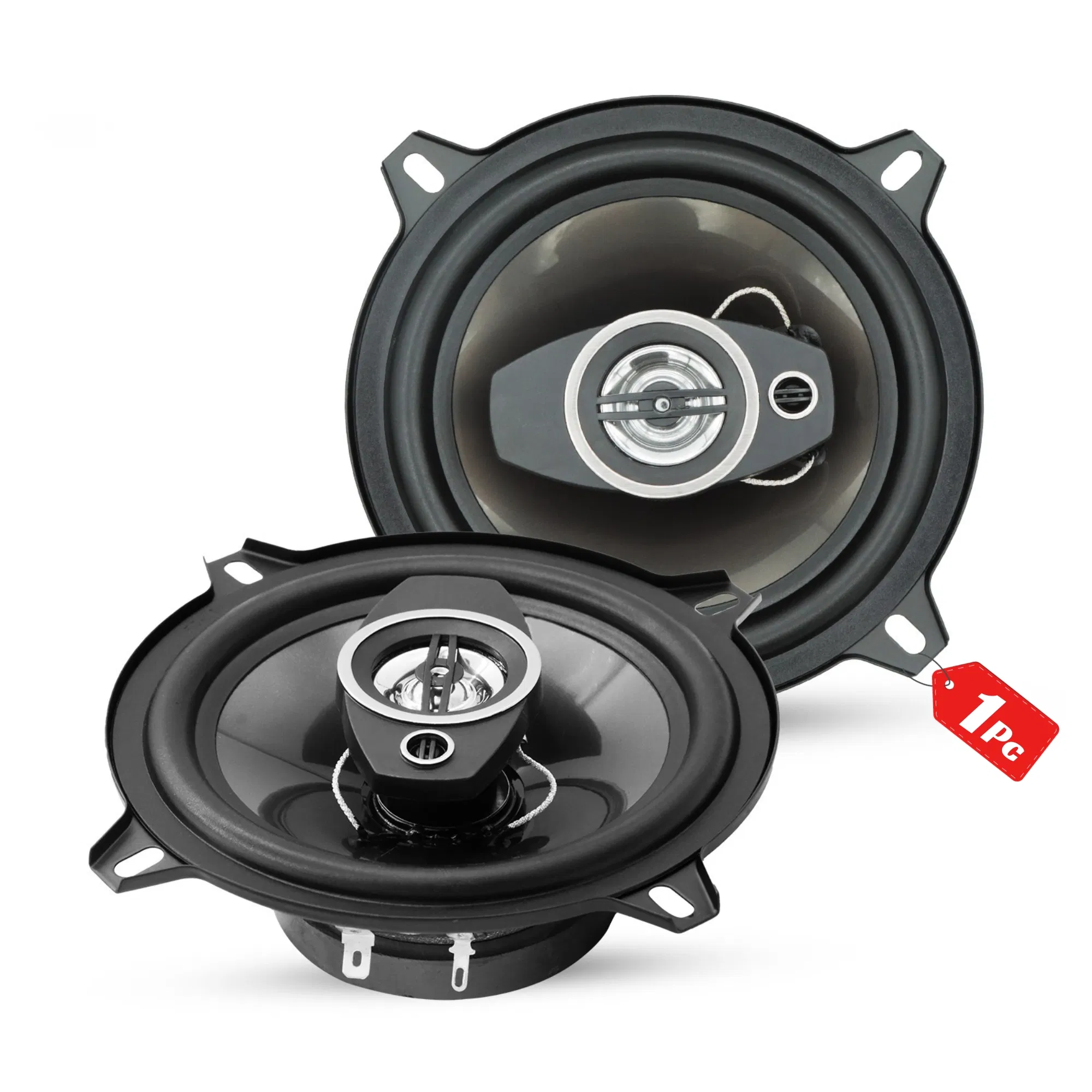 5 Core 2 Way 5" Car Stereo Speakers Pair 350W Coaxial Subwoofer w Tweeter Universal Fit Quick Deep Bass Replacement$30.99View on Mallflare
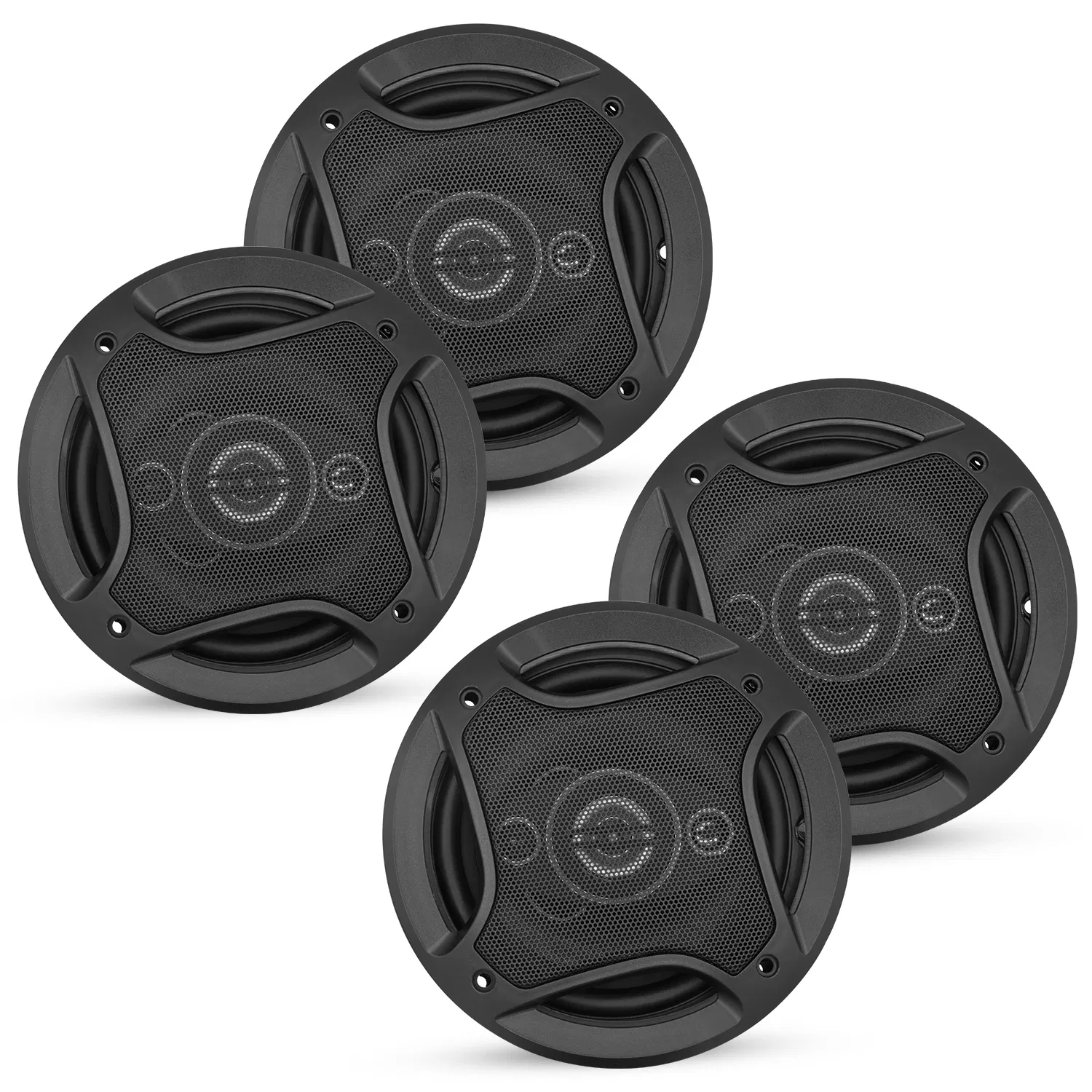 5 Core 2 Way 6' Car Stereo Speakers 2Pair 500W Coaxial Subwoofer w Tweeter | Universal Fit Deep Bass Replacement$40.99View on Mallflare
Highlights
- Coaxial 2-way designs mount a tweeter coaxially over the woofer for simplified drop-in installation versus separate component tweeters and crossovers.
- Peak wattage labels (350W–500W) are marketing figures; real continuous power is typically 30–80W RMS and must match amplifier or head-unit output.
- Standard car speaker sizes are 5.25", 6.5", and 6x9"; the 6.5" coaxial is the most common factory replacement across sedans and hatchbacks.
- Woofer cone material—polypropylene, treated paper, or woven fiber—and rubber versus foam surrounds determine moisture resistance and long-term durability.
Best use cases
- Best fit: replacing blown or muddy factory 6.5" door speakers in a sedan—choose a 2-way coaxial pair with 4-ohm impedance and 40–60W RMS handling.
- Best fit: adding rear-fill or parcel-shelf sound in a hatchback or SUV—pick 6x9" coaxials only if the factory cutout is 6x9"; otherwise use 6.5" with adapter plates.
- Wrong fit: expecting deep subwoofer bass from 5" coaxials—skip these if you want sub-40Hz output; add a dedicated subwoofer and amplifier instead.
- Wrong fit: powering 500W peak-rated coaxials from a stock head unit—skip high-power speakers without an external amp; stock radios deliver roughly 15–25W RMS per channel.
Buying tips
- Match RMS power: choose speakers rated within 20% of your amplifier's per-channel RMS output; a 50W RMS amp pairs with 40–60W RMS speakers.
- Confirm impedance: 4-ohm speakers suit most head units and amps; 2-ohm models need amps stable at 2 ohms to avoid overheating.
- Measure mounting depth before buying: most 6.5" coaxials need 2.0–2.5" of clearance; shallow-mount models fit doors under 2" deep.
- Prioritize sensitivity (88–92 dB) over peak wattage for head-unit-only setups; higher sensitivity yields louder output from low power.
Specs
| Speaker Size | 5.25" / 6.5" / 6x9" coaxials |
|---|---|
| Power Handling | 30–80W RMS; 200–500W peak |
| Impedance | 4 ohm standard; 2 ohm amp-dependent |
| Configuration | 2-way coaxial vs component set |
What to check before buying
- Measure your factory speaker cutout and bolt-hole spacing—6.5" speakers typically need a 5.6–5.75" cutout diameter.
- Check door or rear-deck mounting depth with the window rolled down; confirm at least the speaker's top-mount depth plus 0.25" clearance.
- Verify your head unit or amplifier's per-channel RMS output and minimum impedance before choosing 2-ohm or 4-ohm speakers.
- Confirm you have speaker adapter brackets and wiring harnesses for your vehicle if the factory cutout is non-standard.
FAQ
Data sources: eBay / Amazon listings and product attribute feeds Data updated Nov 16, 2026.
Some links on this page are affiliate links. If you buy after clicking one, we may earn a commission at no extra cost to you. This does not change which products appear here or their order. Affiliate disclosure.