Photos from current listings. Actual item, color, and included accessories may vary.
Car Mp3 Player Buying Guide
A car MP3 player spans two distinct architectures: a plug-in FM transmitter that broadcasts audio over an unused radio frequency, and an in-dash head unit that replaces the factory radio. The core trade-off is signal fidelity and installation effort versus plug-and-play convenience—FM transmitters suffer interference in dense urban RF environments, while in-dash units demand harness and dash-kit compatibility. Buy an in-dash receiver if your dash accepts a standard single-DIN or double-DIN cage and you want clean wired audio; choose an FM transmitter only if you refuse to modify the dash and accept minor static in crowded spectrum areas.

At a glance
- Category
- Car Electronics
- Data updated
- Nov 16, 2026
Current offers
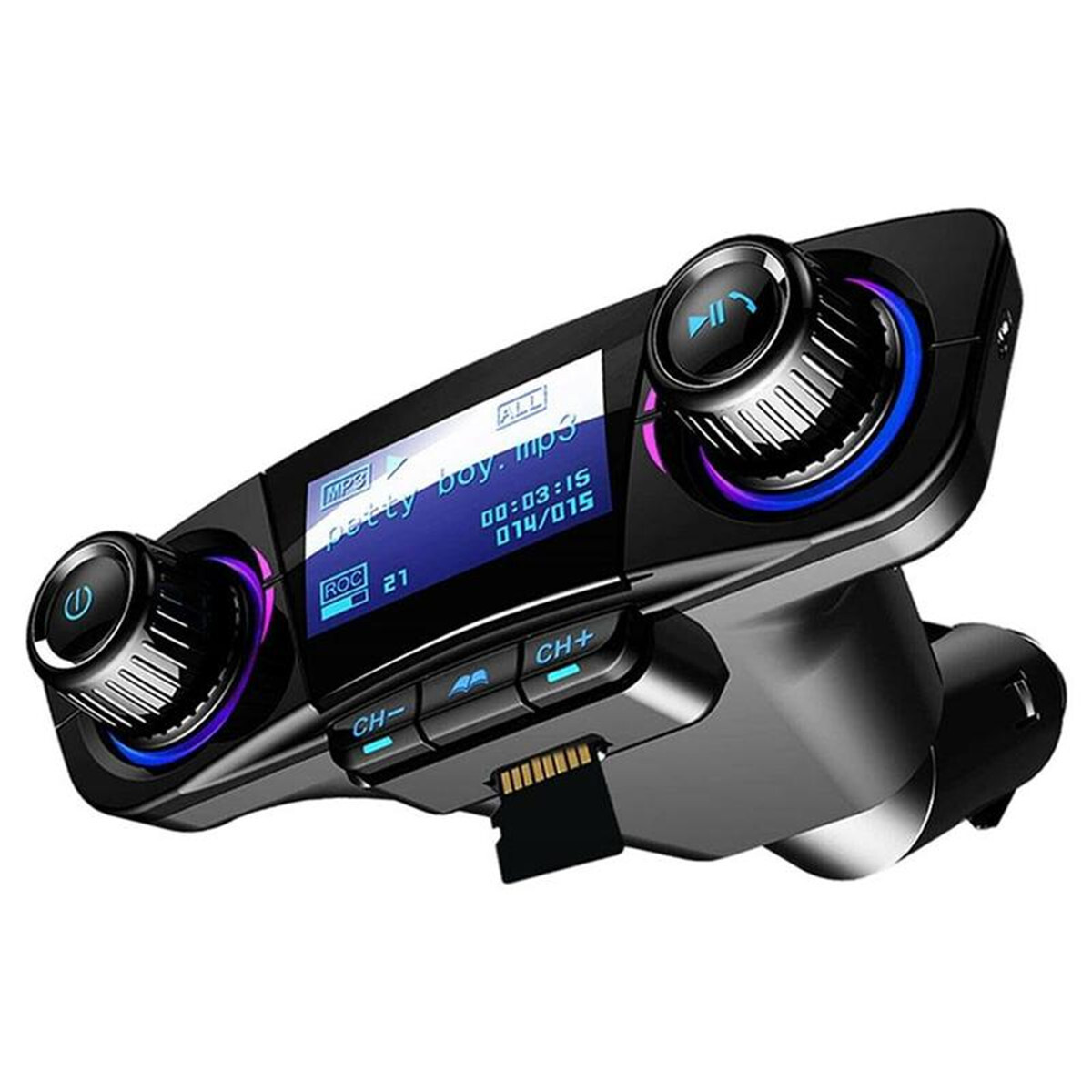 Car MP3 Player Wireless Bluetooth 4.0 FM Handsfree 1.3in LED Screen Accessories$27.26
 View on eBay
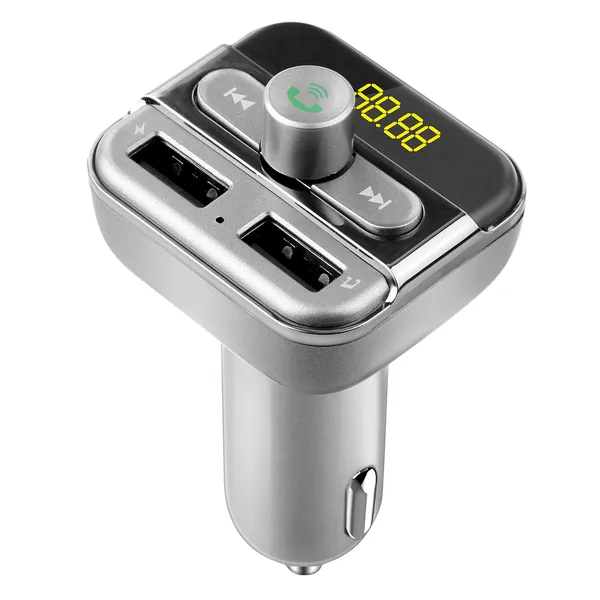 Car Wireless FM Transmitter 3.4A Dual USB Charge Hands-free Call Car MP3 Player$28.99
 View on Mallflare
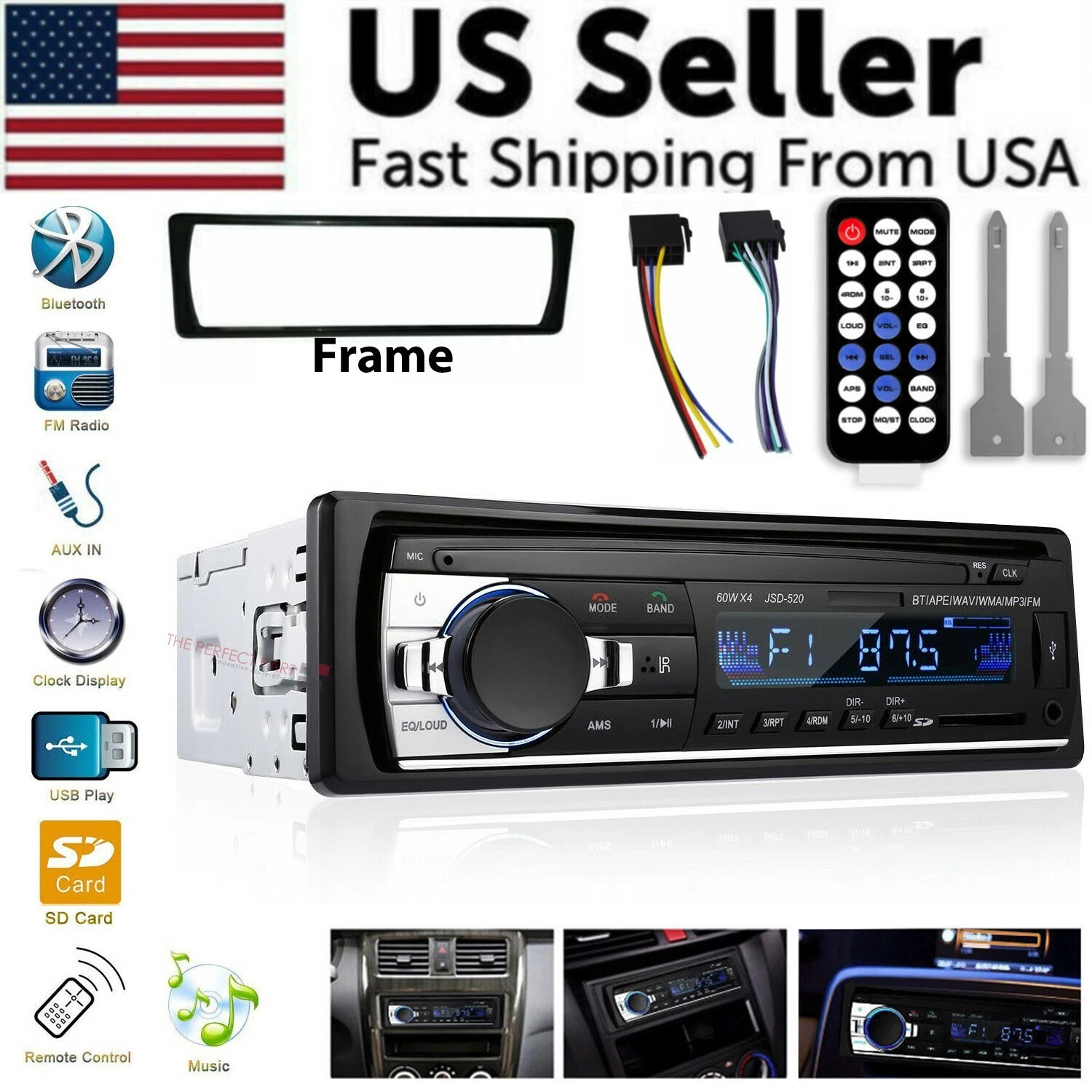 Bluetooth Car Stereo Audio In-Dash FM Aux Input Receiver SD USB MP3 Radio Player$10.99View on eBay
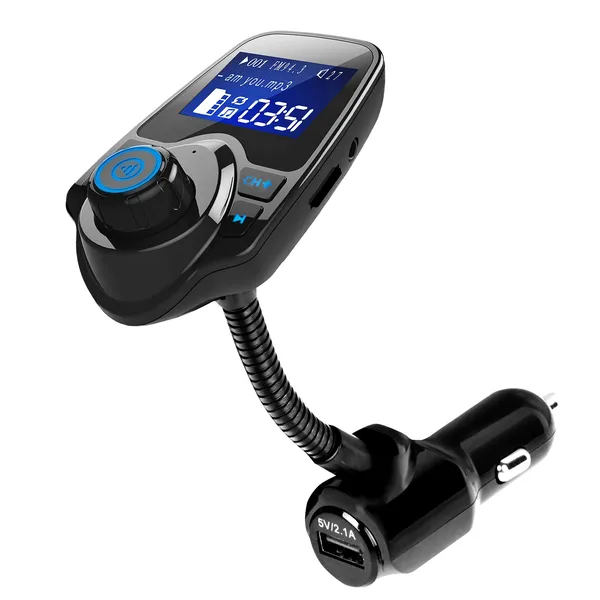 Car Wireless FM Transmitter Fast USB Charge Hands-free Call Car MP3 Player AUX Input$33.99View on Mallflare
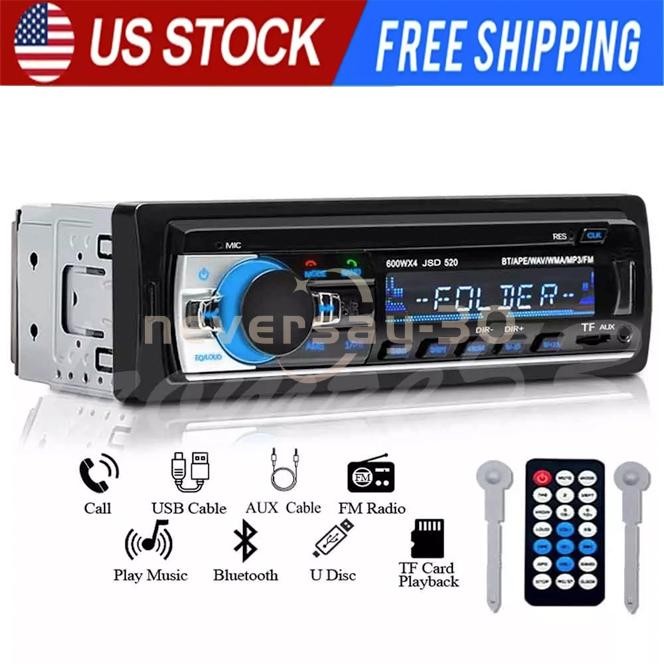 Bluetooth Car Stereo Audio In-Dash Aux Input Receiver SD USB MP3 Radio Player FM$14.99View on eBay
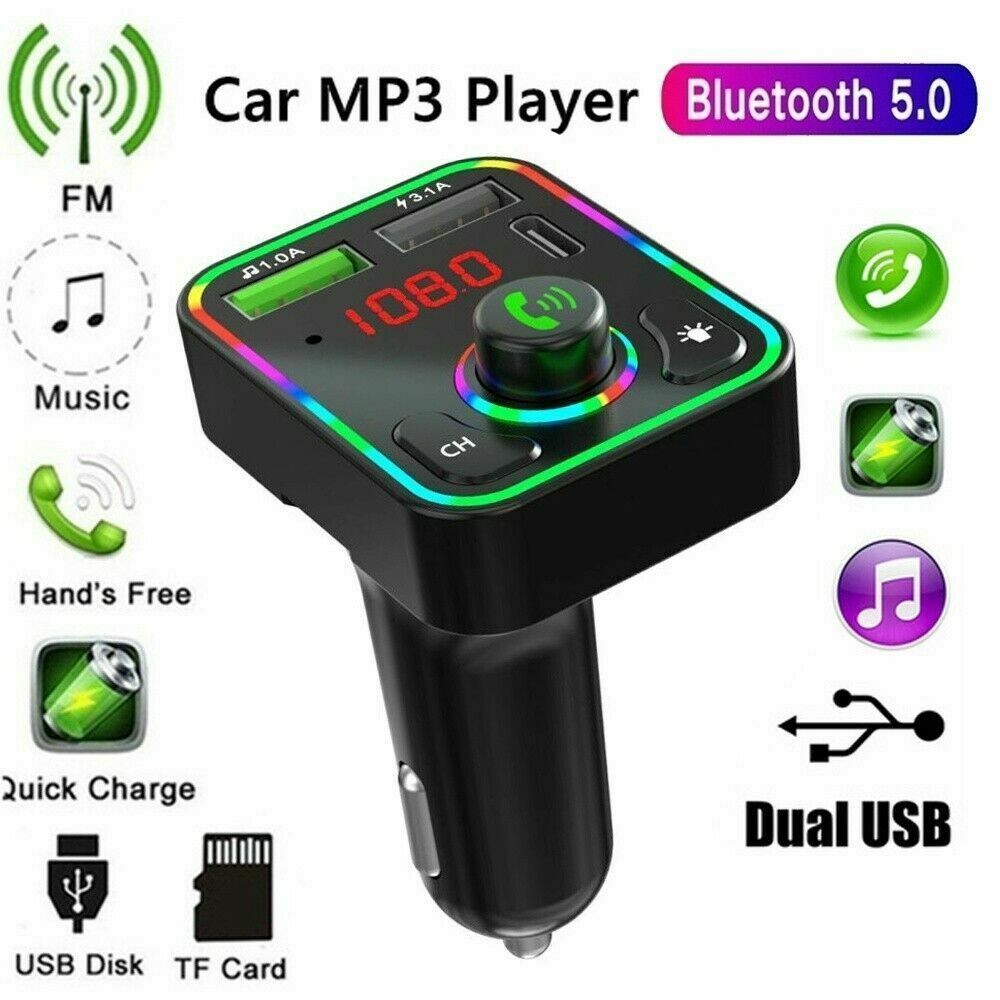 Car Bluetooth FM Transmitter USB Charger MP3 Player Handsfree Call 2PCS$20.99View on Mallflare
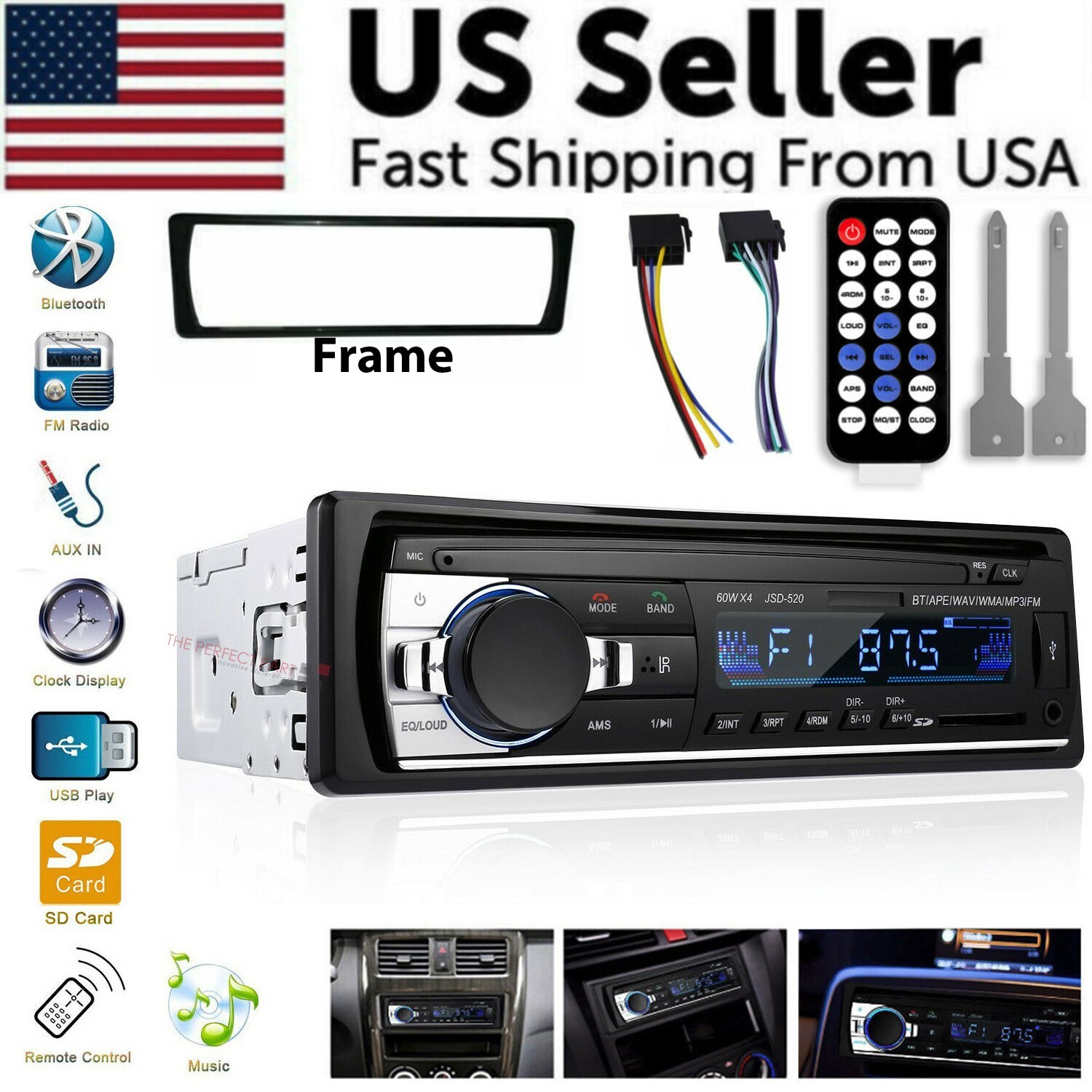 Bluetooth Car Stereo Audio In-Dash FM Aux Input Receiver SD USB MP3 Radio Player$16.79View on eBay
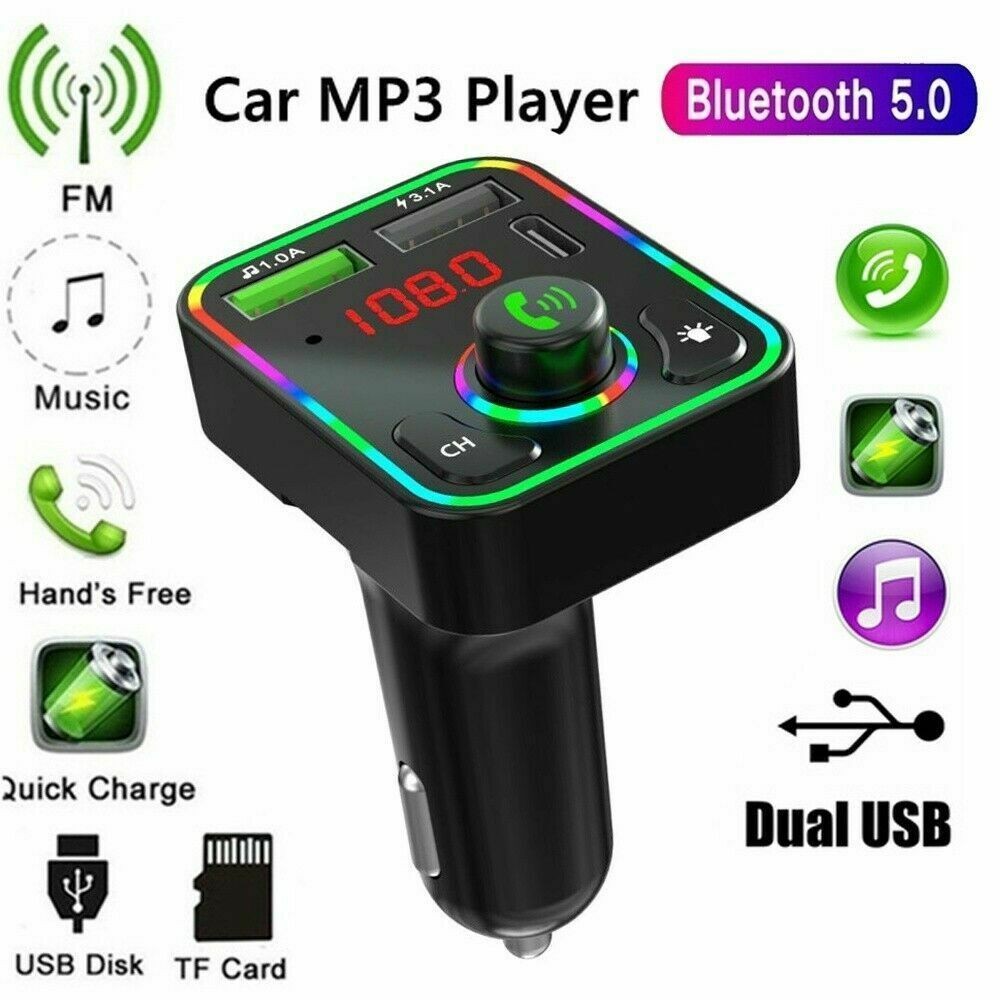 (2 Pack)Bluetooth 5.0 Wireless Car FM Transmitter MP3 Player Radio 2 USB Charger Adapter (US Logistics For USPS/DHL/Fedex/UPS. No designated accepted,TK/TMEU only For self-pickup)$26.99View on Mallflare
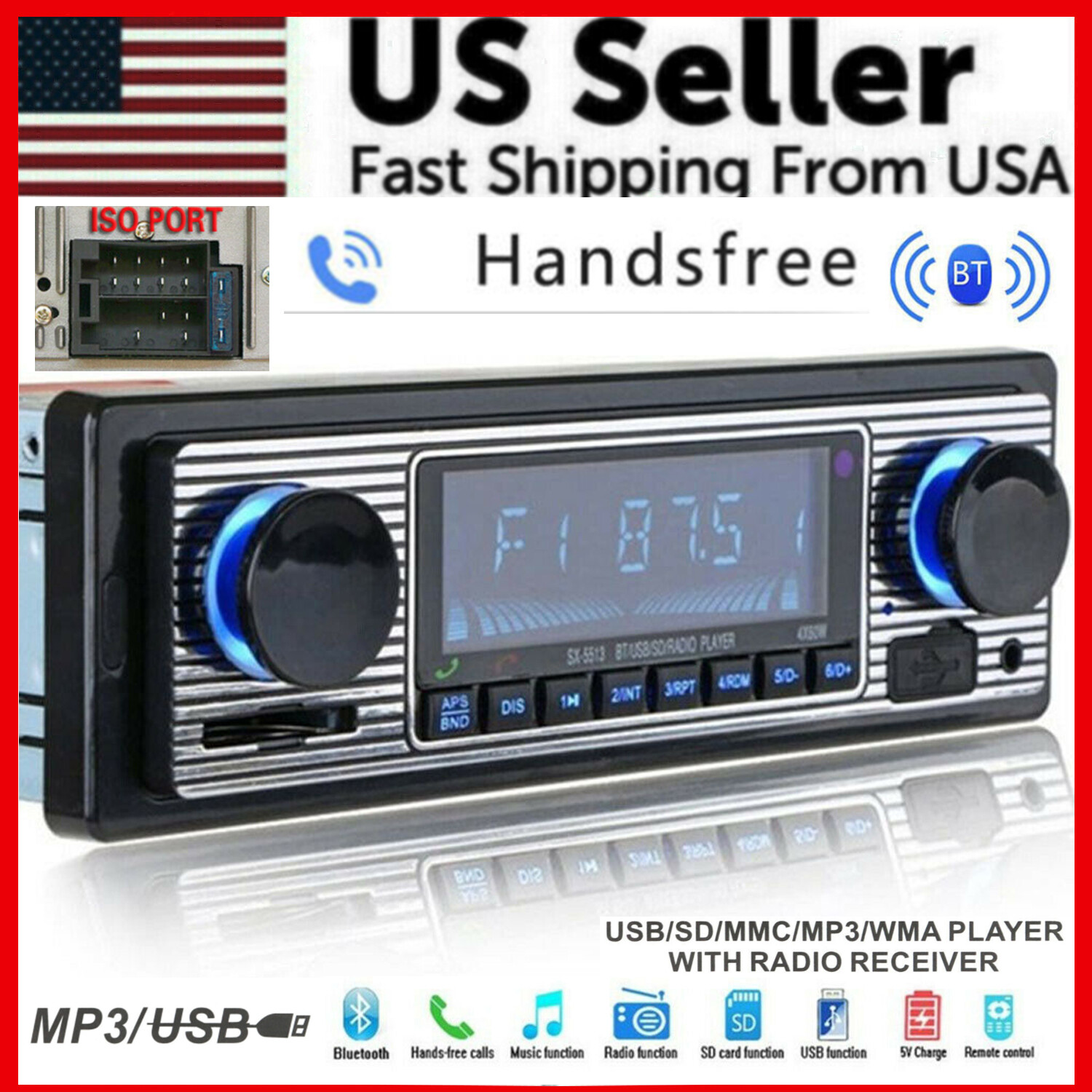 Bluetooth Vintage Car FM Radio MP3 Player USB Classic Stereo Audio Receiver AUX$18.39View on eBay
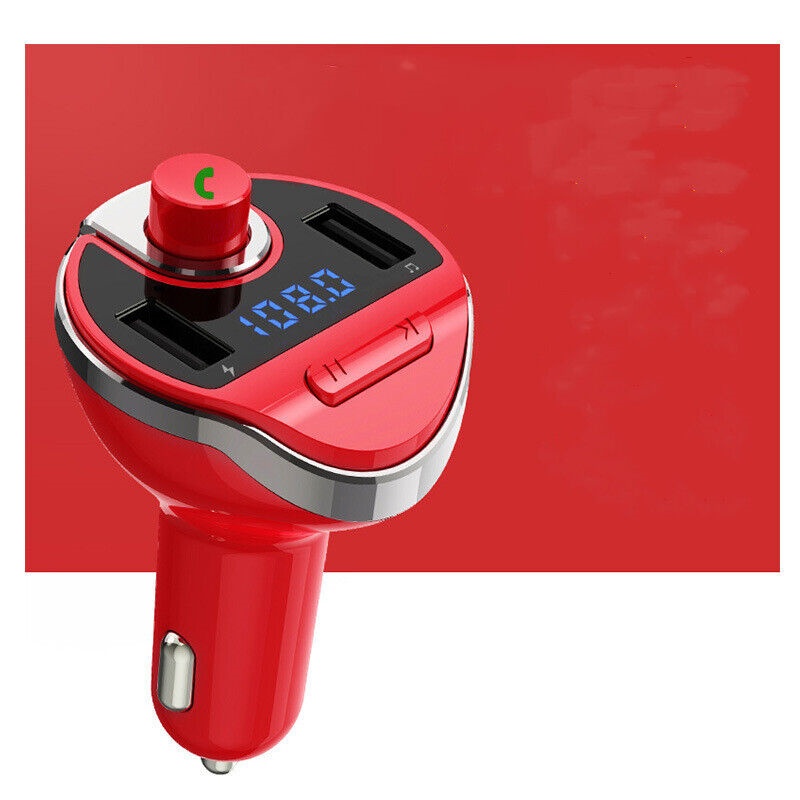 Car Bluetooth T20 Hands-free FM Transmitter MP3 Player Phone Charger$26.99View on Mallflare
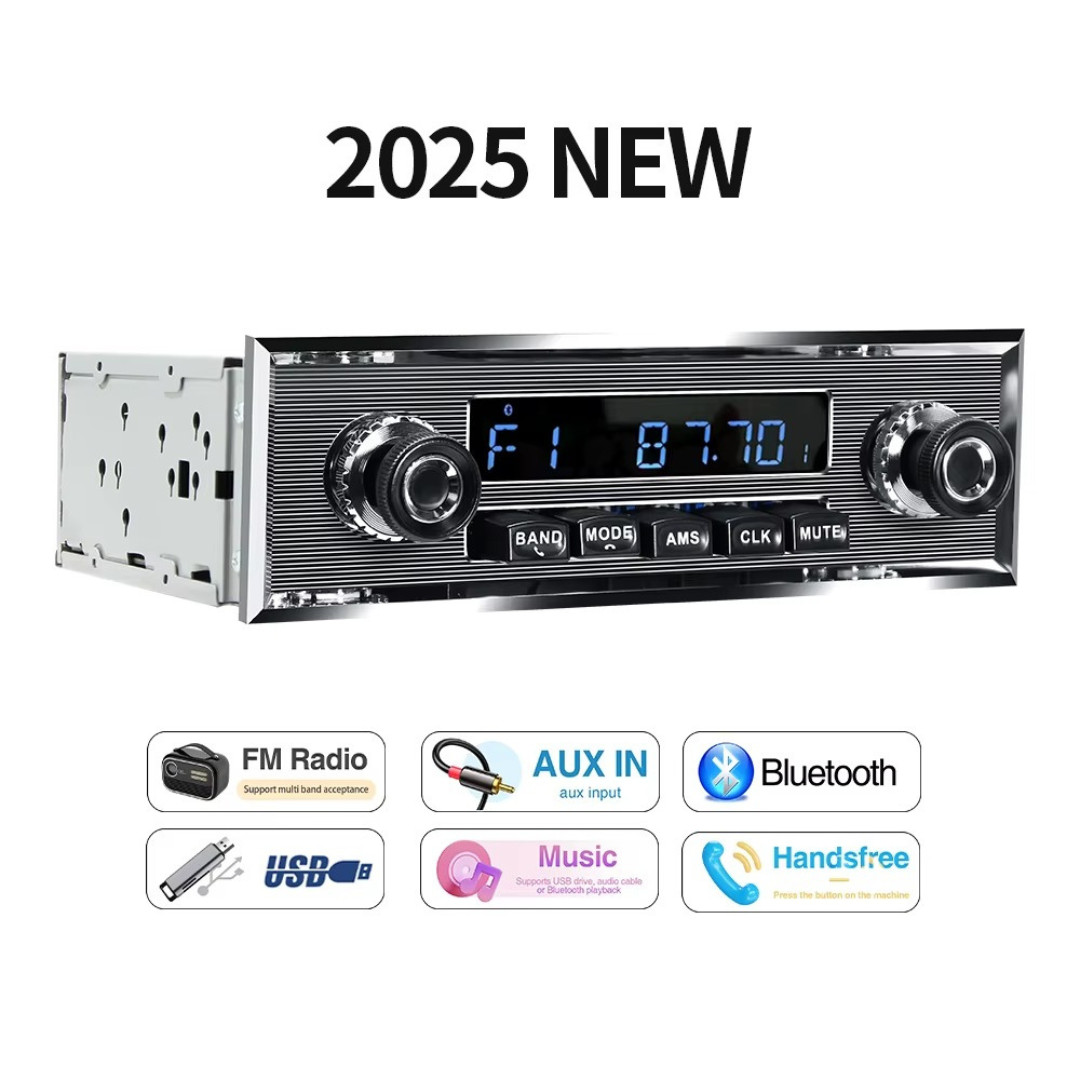 1 Din Car Radio MP3 Player Classic Car Retro Audio Stereo Support FM AUX EQ USB$69.89View on eBay
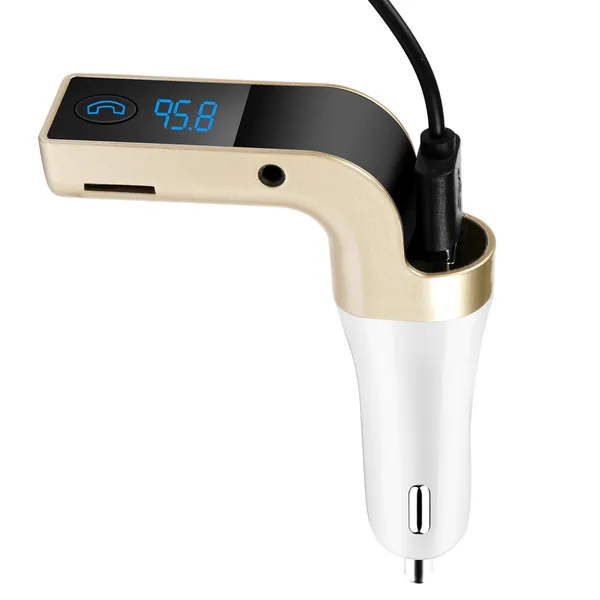 Car Wireless FM Transmitter USB Charger Hands-free Call MP3 Player MMC Card Reading Aux-in LCD Display$26.99View on Mallflare
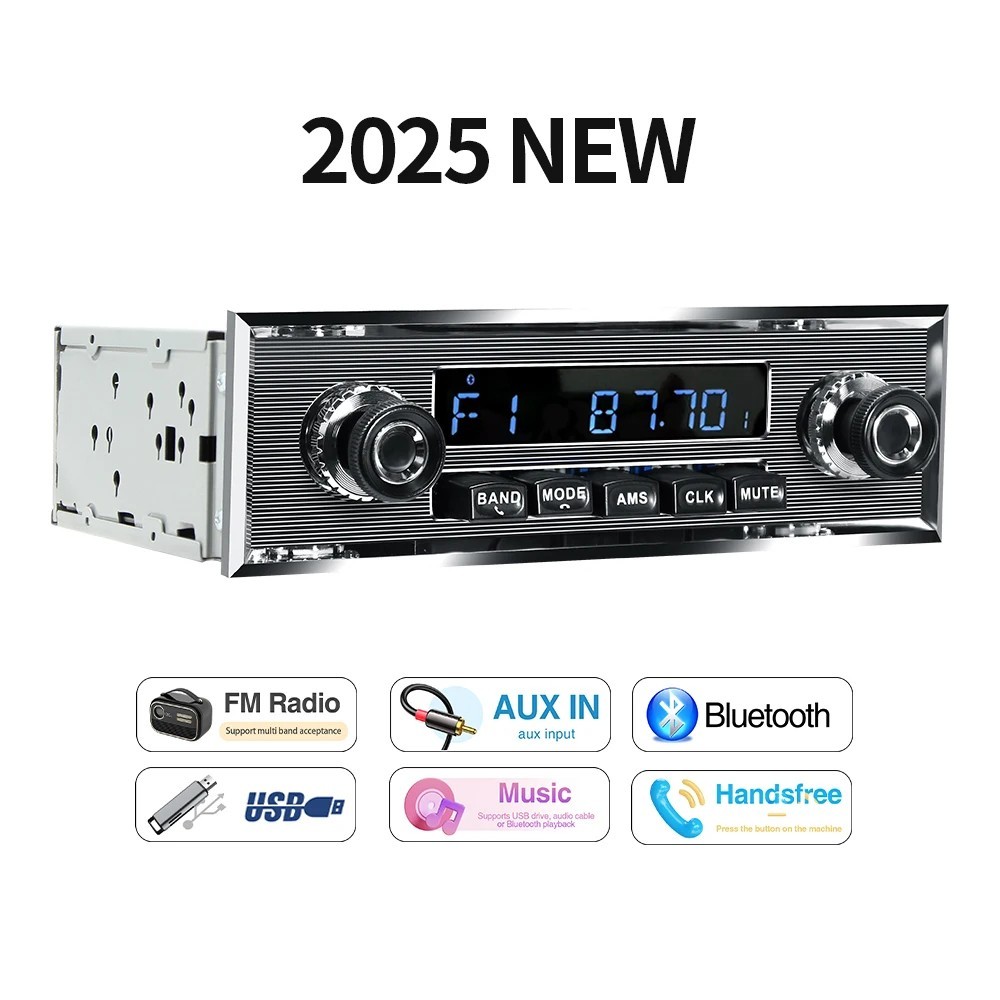 1 Din Car Radio MP3 Player Classic Car Retro Audio Stereo Support FM AUX EQ USB$85.99View on eBay
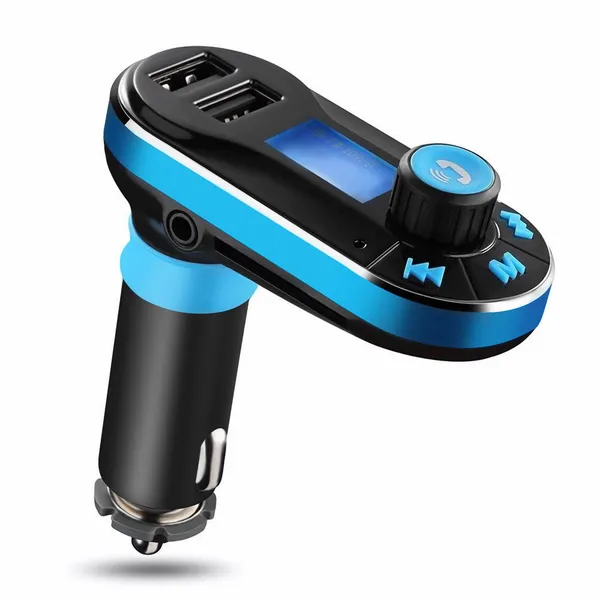 Car Wireless FM Transmitter Dual USB Charger Hands-free Call MP3 Player Aux-in LED Display Remote Controller$27.99View on Mallflare
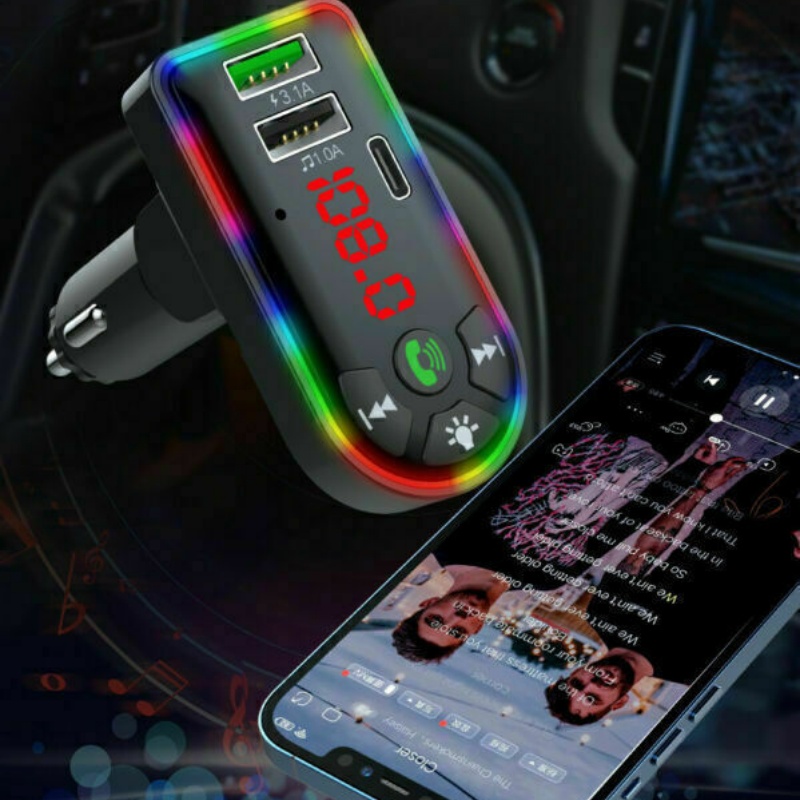 Car Bluetooth 5.0 MP3 Player FM Transmitter Radio 3.1A Fast Charger Adapter Lots$28.99View on Mallflare
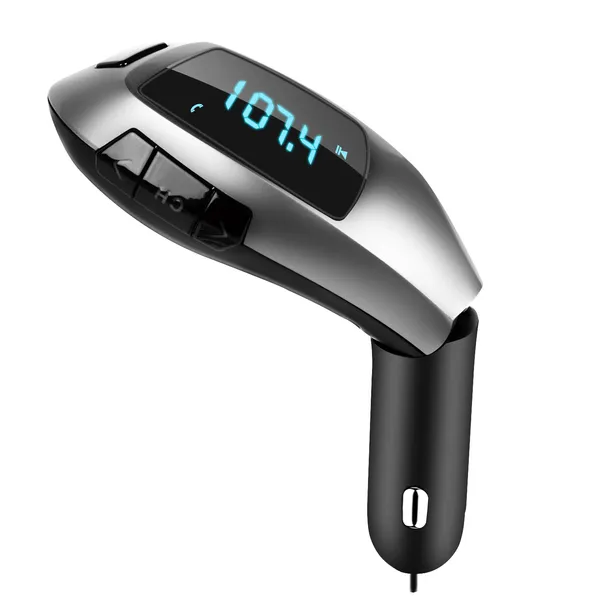 Car FM Wireless Transmitter USB Charge Hands-free Call MP3 Player$28.99View on Mallflare
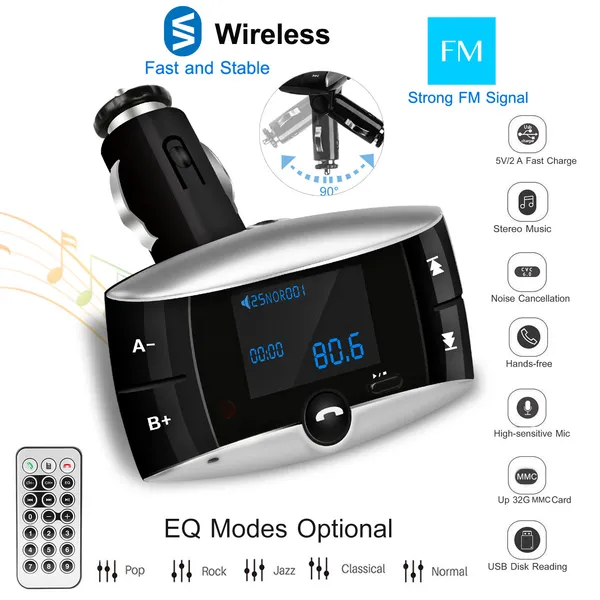 Car Wireless FM Transmitter USB Charger Hands-free Call MP3 Player SD Card Reading Aux-in LED Display$30.99View on Mallflare
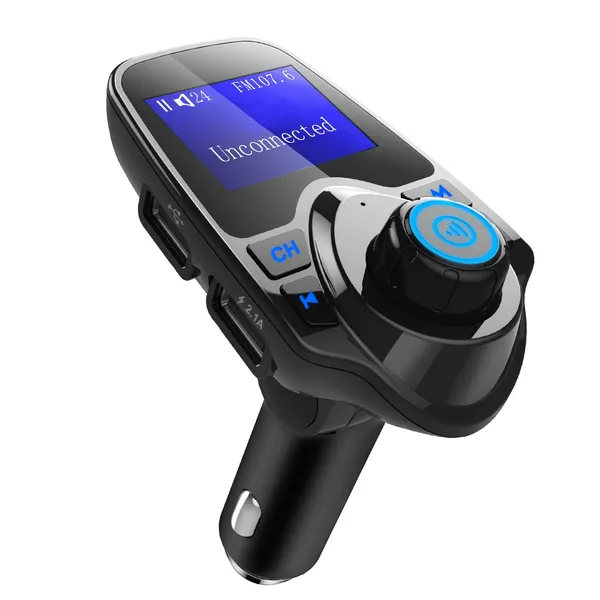 Car Wireless FM Transmitter MP3 Player Hand-Free Call USB Charger AUX Input$32.99View on Mallflare
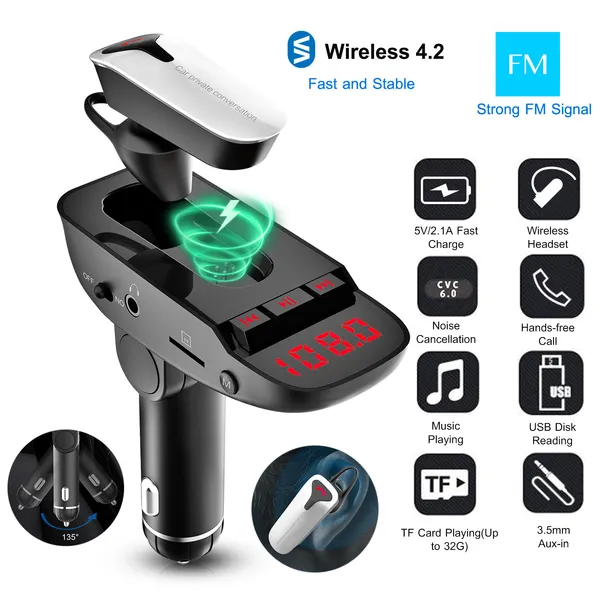 Car FM Transmitter W/ Wireless Earpiece 2 USB Charge Ports Hands-free Call MP3 Player$40.99View on Mallflare
Highlights
- FM transmitters broadcast on 87.5–108.0 MHz; selectable-frequency models let you dodge local station bleed, while fixed-frequency units lock you into one channel and often crackle in cities.
- In-dash receivers ship in single-DIN (1.8 × 7.1 in) and double-DIN (3.9 × 7.1 in) chassis; measure your dash opening before buying, since adapters and wiring harnesses are model-specific.
- Bluetooth 5.0 transmitters deliver lower latency and more stable pairing than Bluetooth 4.0 units, which matters for hands-free call clarity and lip-sync on video playback.
- USB charge output on transmitters ranges from 1.0 A to 3.4 A; only 2.4 A+ ports charge modern phones at full speed, and dual-port units split amperage between devices.
Best use cases
- Best fit: older cars with a working factory radio and no Bluetooth—pick a Bluetooth 5.0 FM transmitter with selectable frequency and a 2.4 A+ USB port for calls and charging.
- Best fit: project cars or vehicles with a dead head unit—install a single-DIN in-dash receiver with AUX, USB, and SD inputs for wired, interference-free playback.
- Wrong fit: premium vehicles with steering-wheel controls and amplified factory systems—skip budget FM transmitters and in-dash swaps unless you add a CAN-bus adapter, or you lose factory integration.
- Wrong fit: dense-city commuters relying on crystal-clear audio—an FM transmitter will pick up station bleed; choose a wired AUX or in-dash USB connection instead.
Buying tips
- Measure your dash opening first: single-DIN is 1.8 × 7.1 in, double-DIN is 3.9 × 7.1 in; a double-DIN radio will not fit a single-DIN slot without a fascia adapter.
- For FM transmitters, prioritize selectable frequency (full 87.5–108.0 MHz range) over fixed-channel units—it is the single biggest factor in reducing static.
- Choose Bluetooth 5.0 over 4.0 for lower latency and steadier pairing; the version difference is real and affects hands-free call quality.
- Match charging needs to USB amperage: 1.0 A ports trickle-charge, 2.4 A ports fast-charge, and dual-port 3.4 A units share output across both devices.
Specs
| Architecture | FM transmitter vs in-dash receiver |
|---|---|
| Dash Fit | Single-DIN 1.8×7.1 in / Double-DIN 3.9×7.1 in |
| Bluetooth Version | 5.0 preferred over 4.0 |
| USB Charge Output | 1.0 A trickle / 2.4–3.4 A fast |
Related searches
What to check before buying
- Dash opening: confirm single-DIN or double-DIN slot size and whether a mounting cage or fascia adapter is required for your vehicle model.
- Antenna and harness: in-dash receivers need a compatible wiring harness and antenna plug; confirm your car's connector type before install.
- Cabin RF environment: scan local FM stations to find a clear frequency; in dense urban areas, expect fewer open channels for transmitter use.
- Power and ports: verify 12 V accessory socket works and count USB devices you will charge simultaneously against the transmitter's total amperage.
FAQ
Data sources: eBay / Amazon listings and product attribute feeds Data updated Nov 16, 2026.
Some links on this page are affiliate links. If you buy after clicking one, we may earn a commission at no extra cost to you. This does not change which products appear here or their order. Affiliate disclosure.