Photos from current listings. Actual item, color, and included accessories may vary.
Car Camcorder Buying Guide
Car camcorders (dash cams) record the road ahead for liability evidence, while backup cameras (rear-view kits) aid reversing and trailer hitching. The core trade-off is image sensor quality and mounting integrity versus feature bloat: a 1080p/2K sensor with capacitor power and a secure adhesive or bracket mount beats a 4K-labeled unit with a weak suction cup. Choose a dedicated dash cam with loop recording and parking mode for driving evidence, and a wired rear-view kit with a 170° CMOS camera and dash monitor for reversing.

At a glance
- Category
- Car Electronics
- Data updated
- Nov 16, 2026
Current offers
 DoHonest Baby Car Camera Monitor Rear Seat View Infant Safety Camera Tested$11.99
 View on eBay
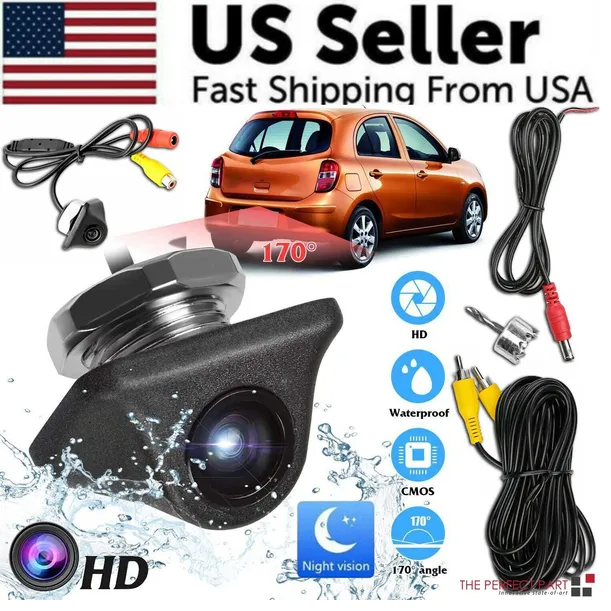 Car Rear View Reverse Camera Parking Backup Cam HD Night Vision Waterproof$22.99
 View on Mallflare
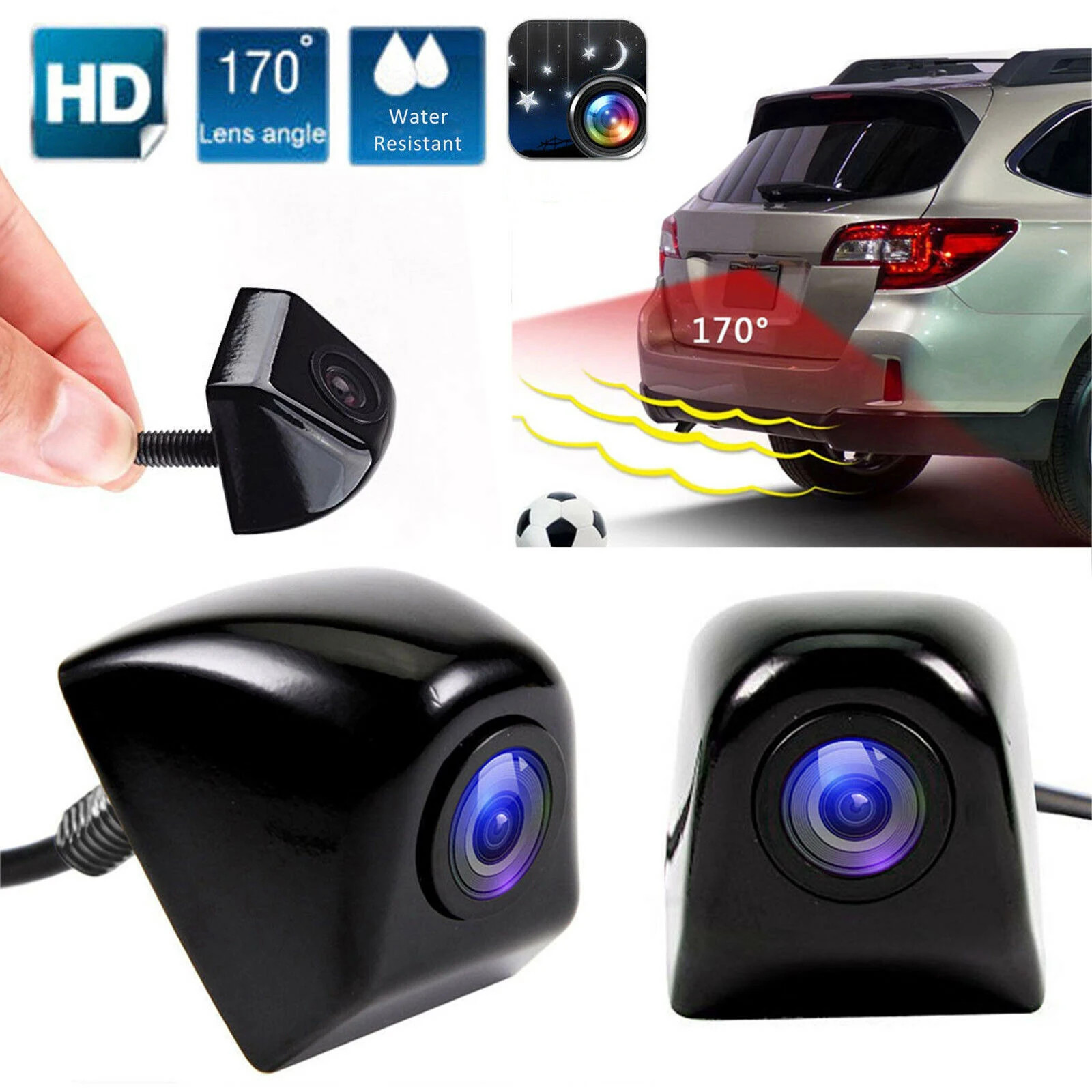 Rear Car Camera 170°HD Night Vision View Reverse Backup Parking Waterproof CMOS$16.32View on eBay
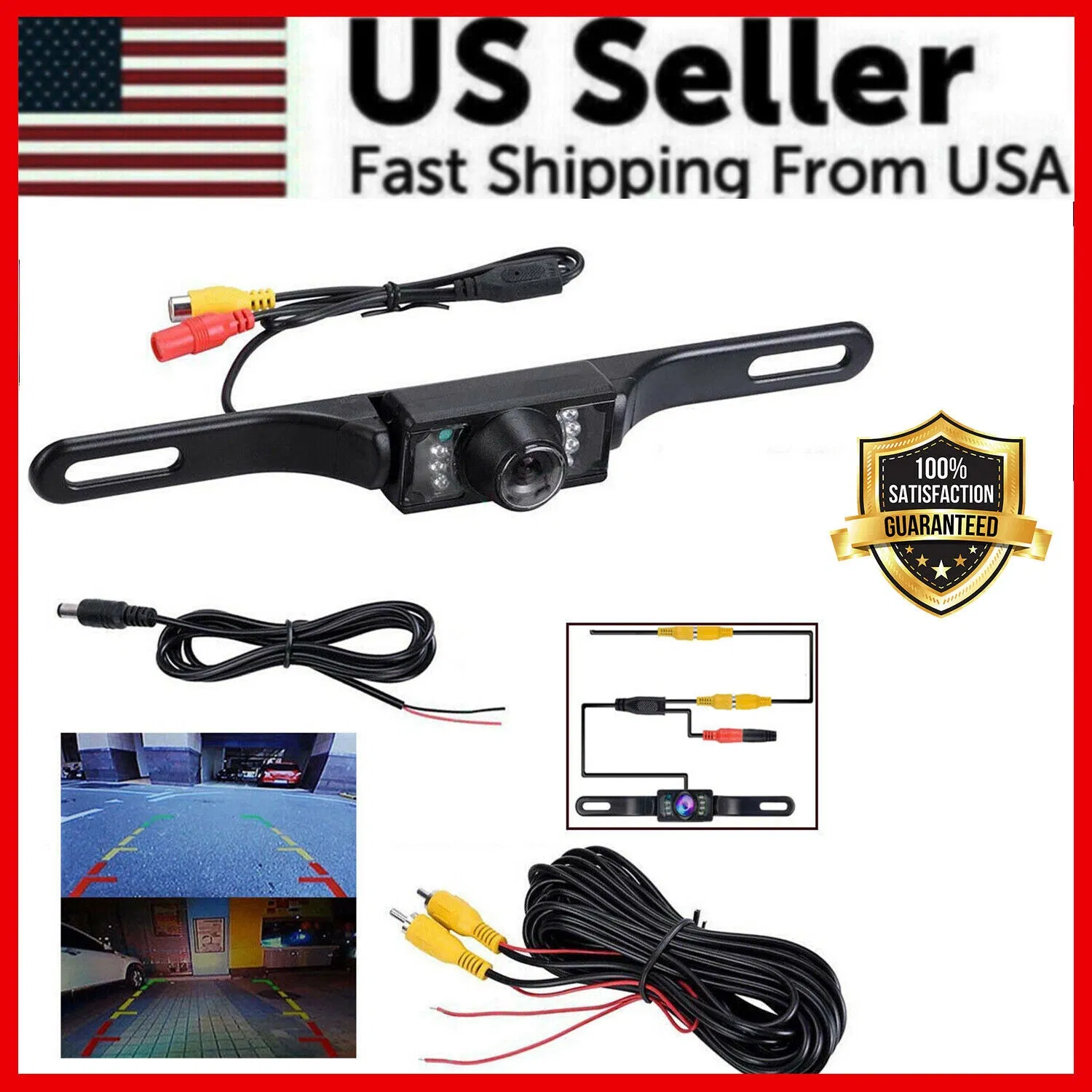 Wide 170° Night Vision Car Rear View Reverse Backup Parking Camera Waterproof$23.99View on Mallflare
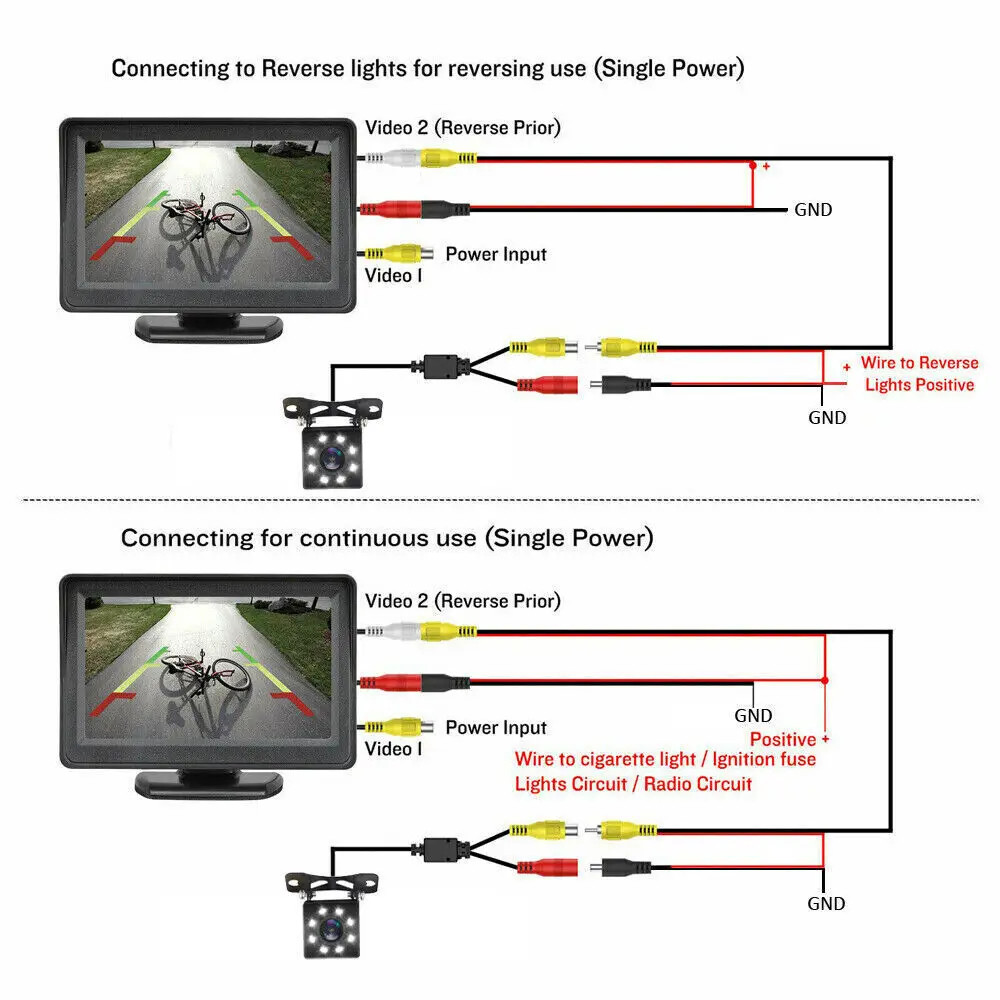 4.3'' Car Monitor With Night Vision Reverse Camera Backup Rear View Parking Kit$30.03View on eBay
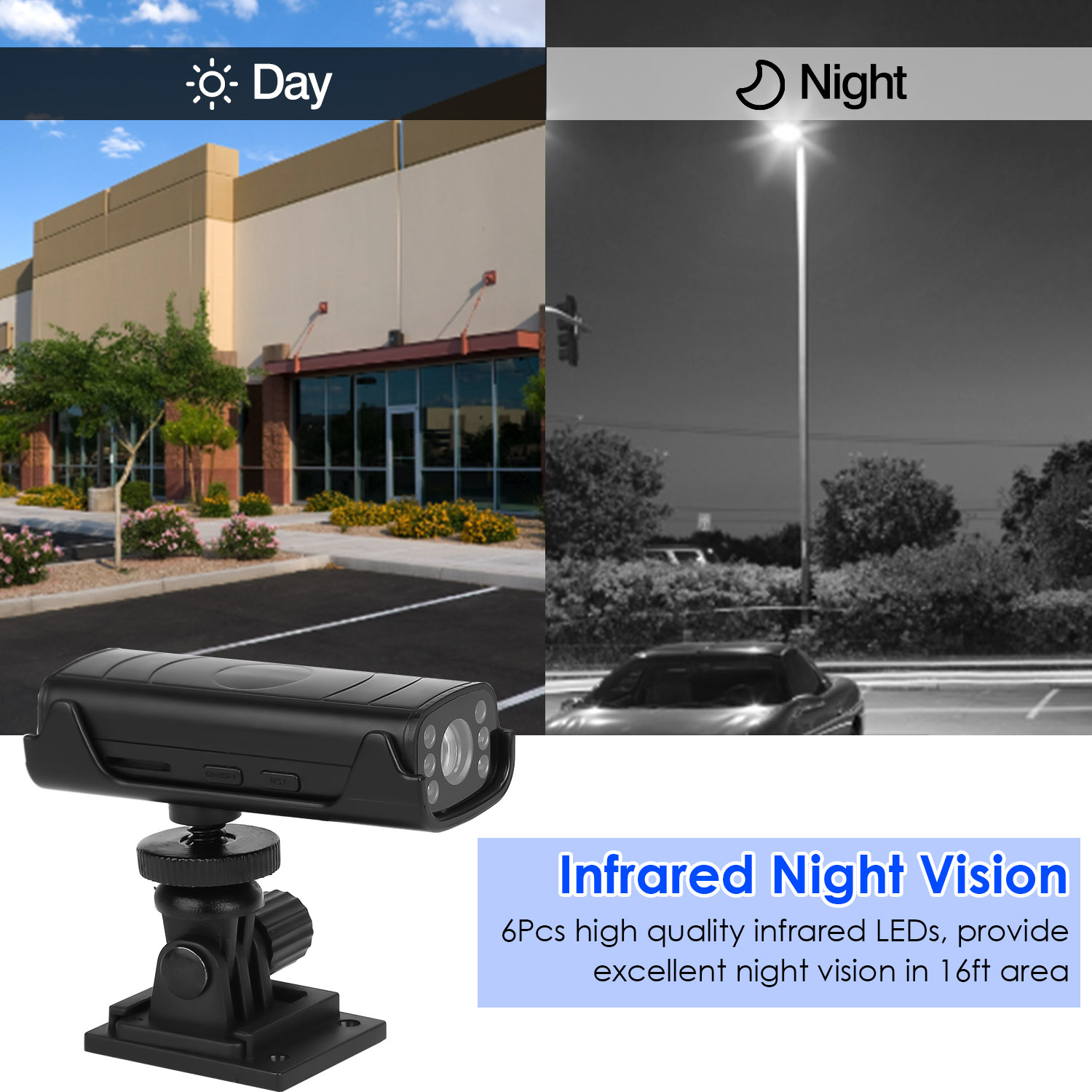 1Pc Wireless Camera Reverse Hitch Guide Vehicle Backup Rechargeable With Flexible Adhesive Base Night Vision For Car RVs$35.99View on Mallflare
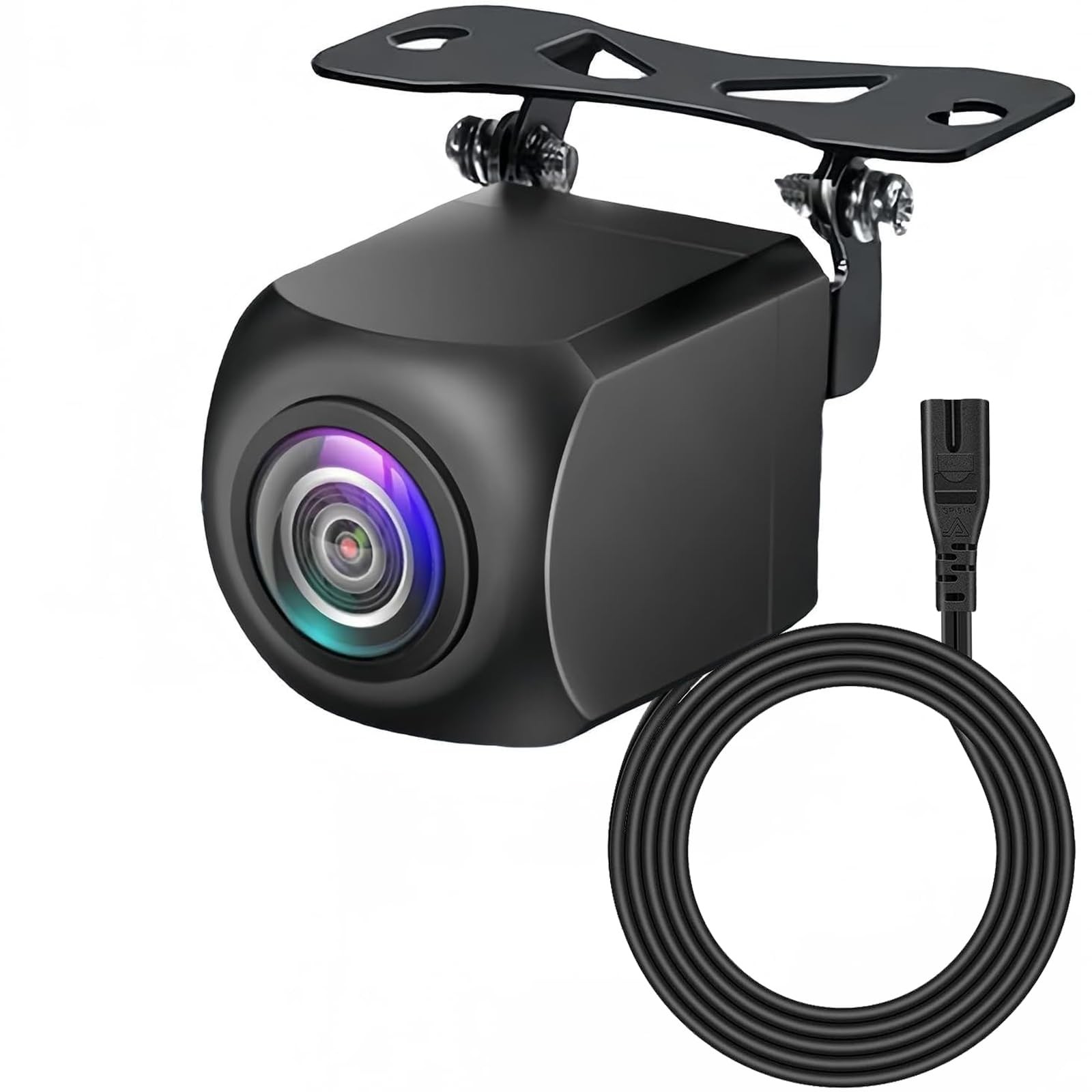 Carplay Screen Backup Camera 9 Inch Display Car Dashboard Monitor Accessories$34.36View on eBay
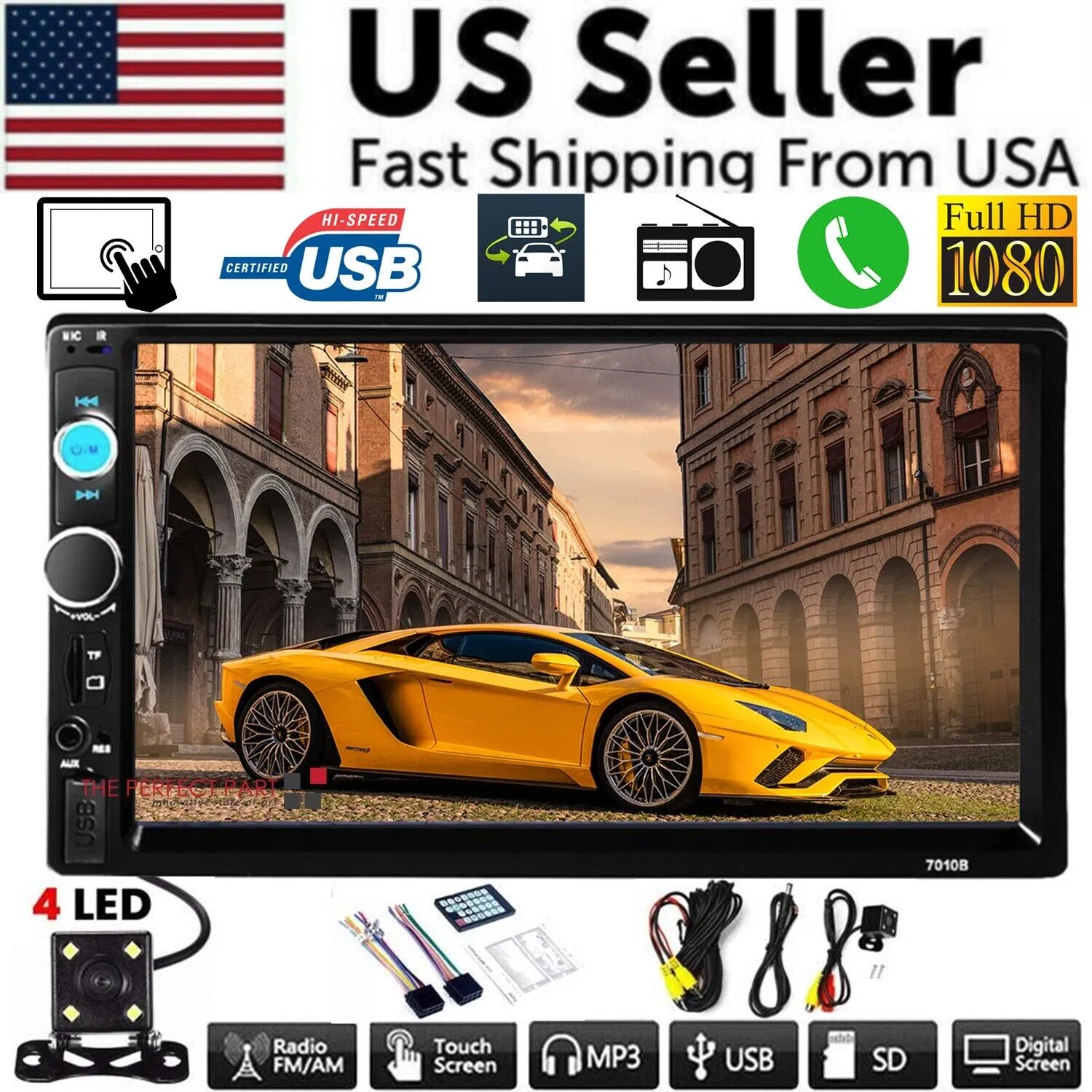 7" Double 2 DIN Car MP5 Player Bluetooth Touch Screen Stereo Radio With Camera$55.99View on Mallflare
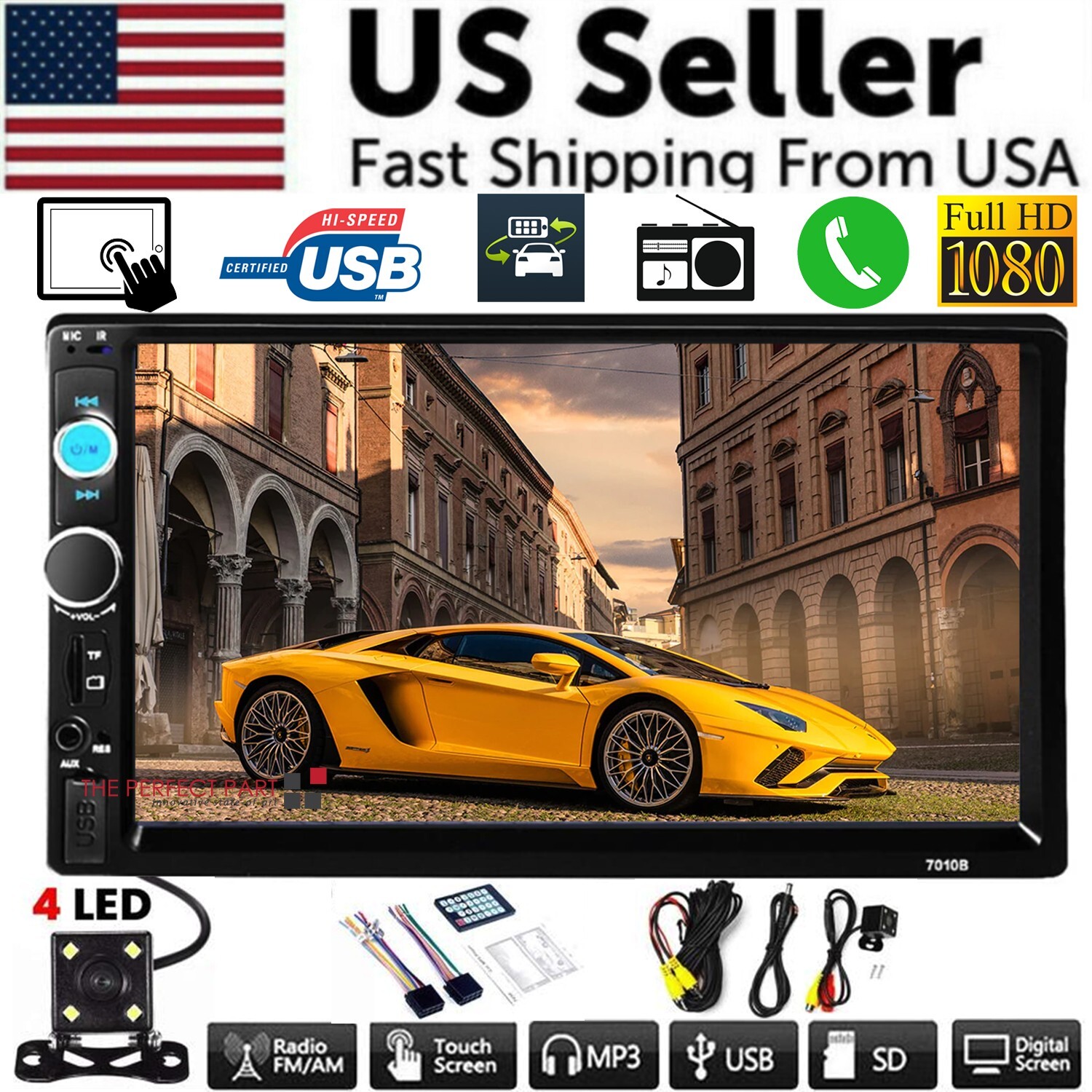 7" Double 2 DIN Car MP5 Player Bluetooth Touch Screen Stereo Radio With Camera$38.69View on eBay
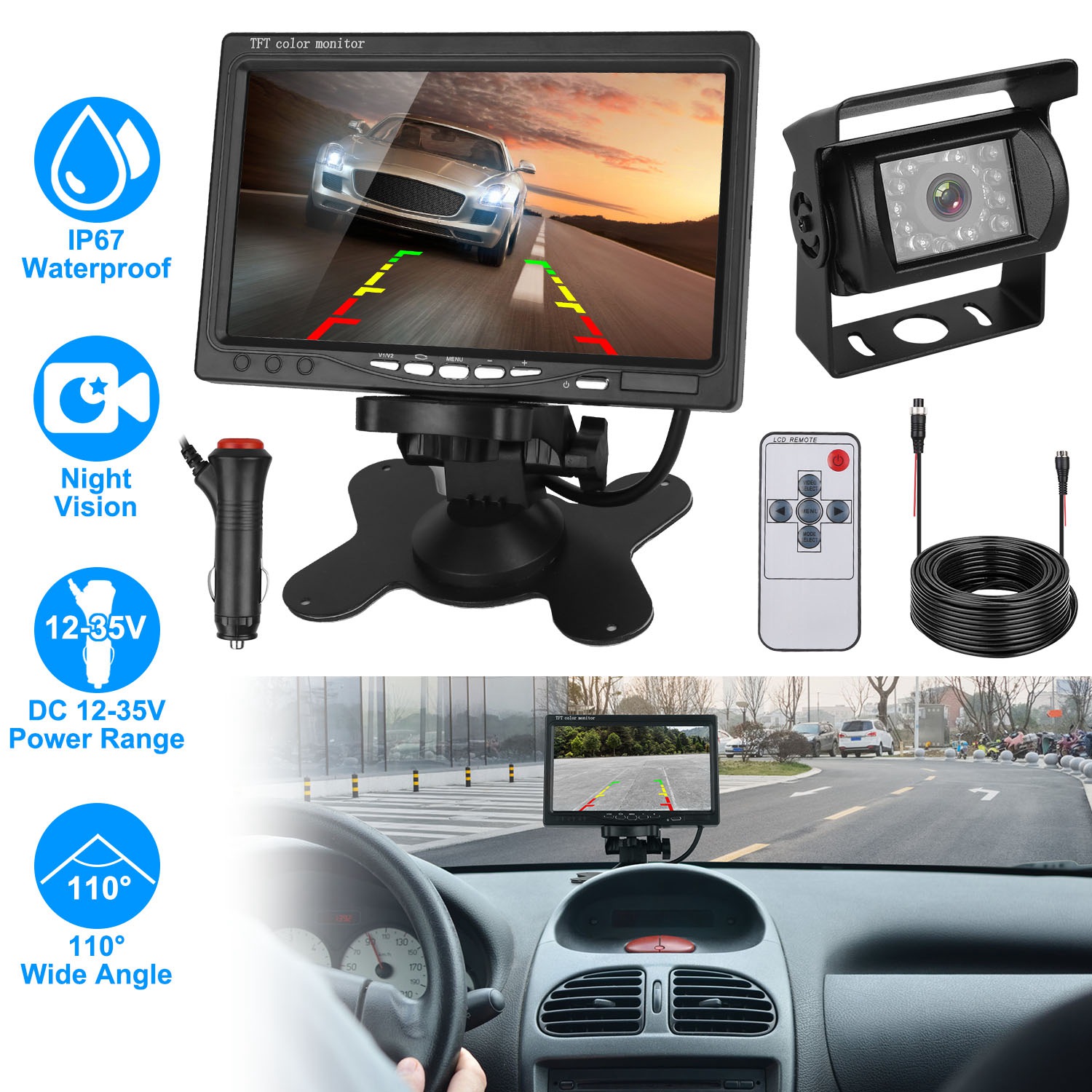 1Pc 7In Screen Backup Camera System Vehicle Rear View Monitor Kit IP67 Waterproof Car Parking Reverse With Night Vision$77.99View on Mallflare
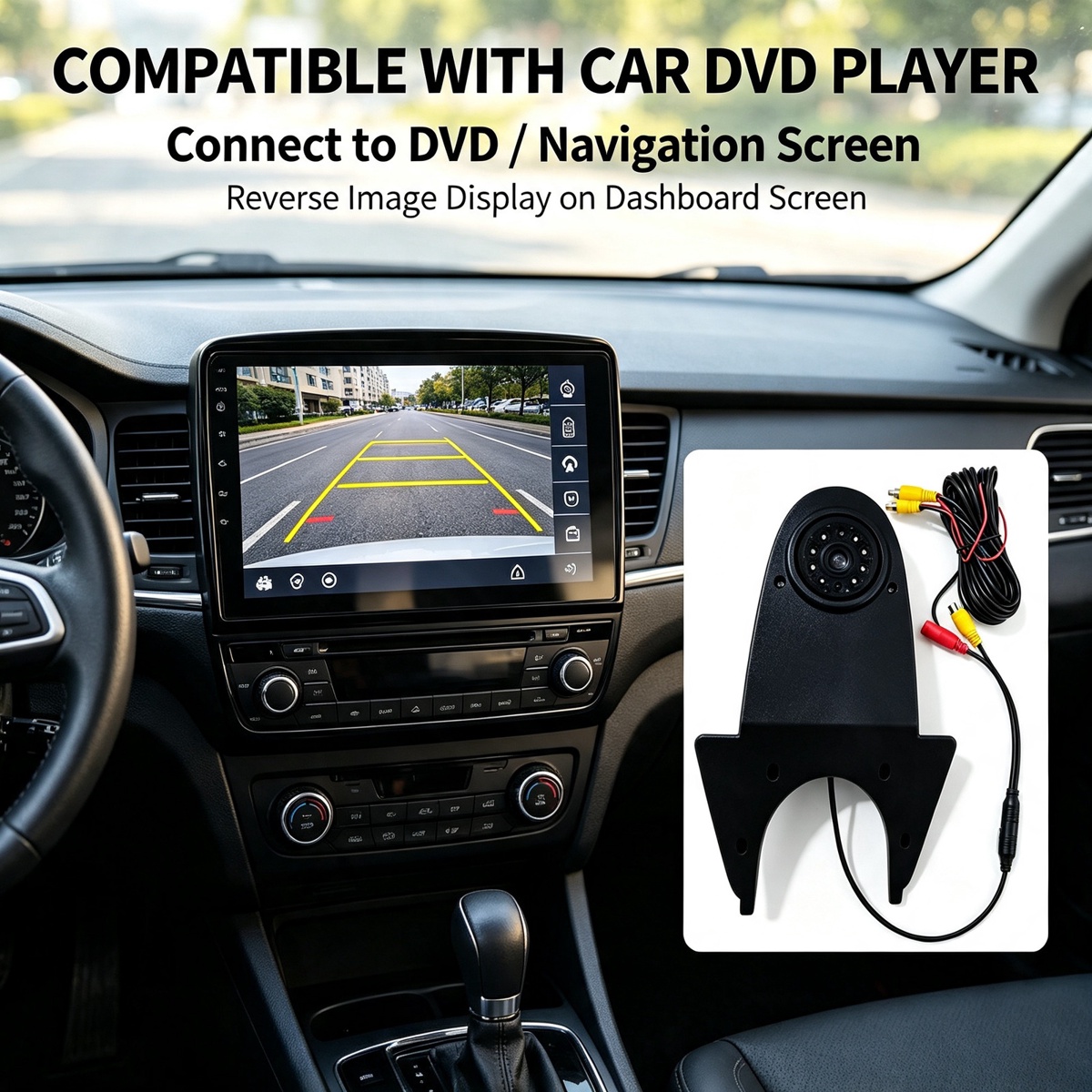 Car Rear View Camera Roof Mount FOR MERCEDES-BENZ SPRINTER 2500 3500$39.40View on eBay
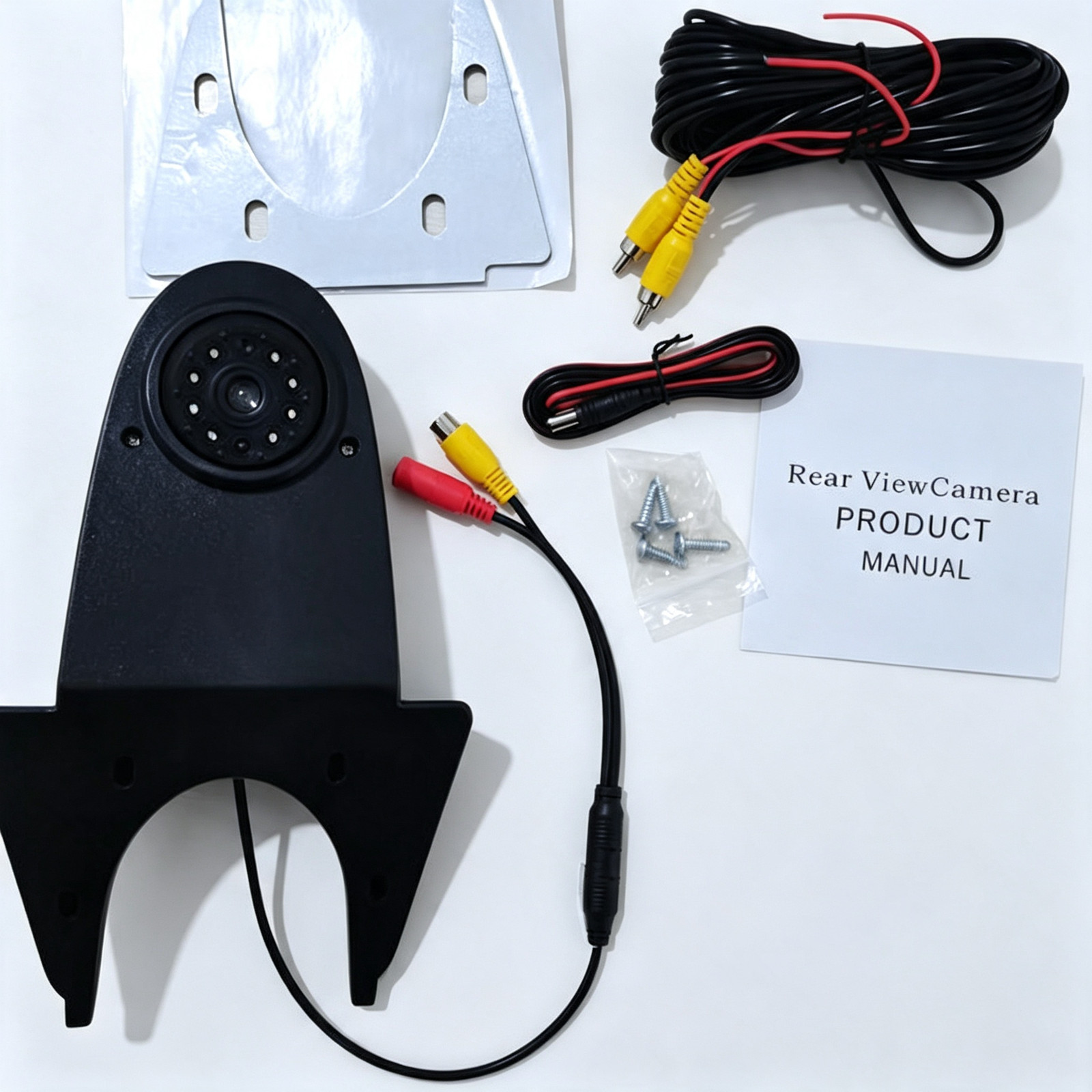 Car Rear View Reverse Camera For Mercedes for Benz SPRINTER 2500 3500$39.86View on eBay
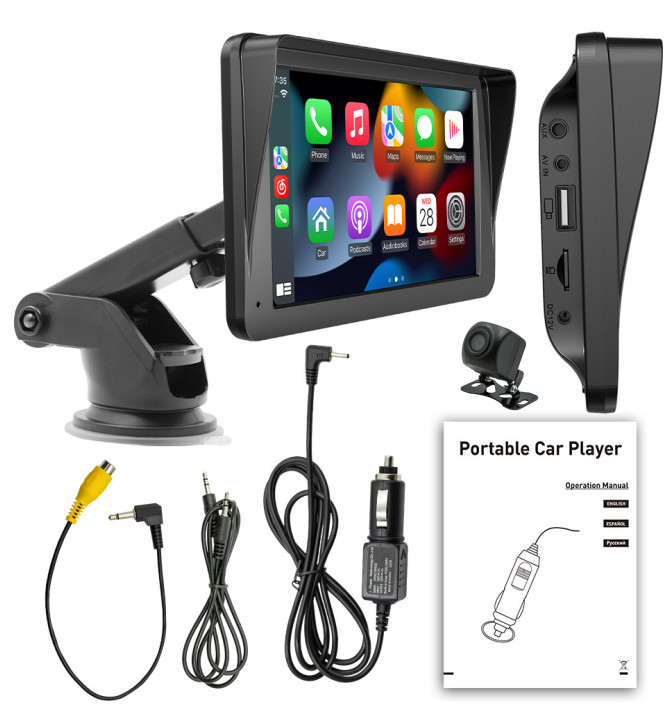 7-inch PND Car MP5 Player Wireless CarPlay Smart Display with Rearview Camera$40.99View on eBay
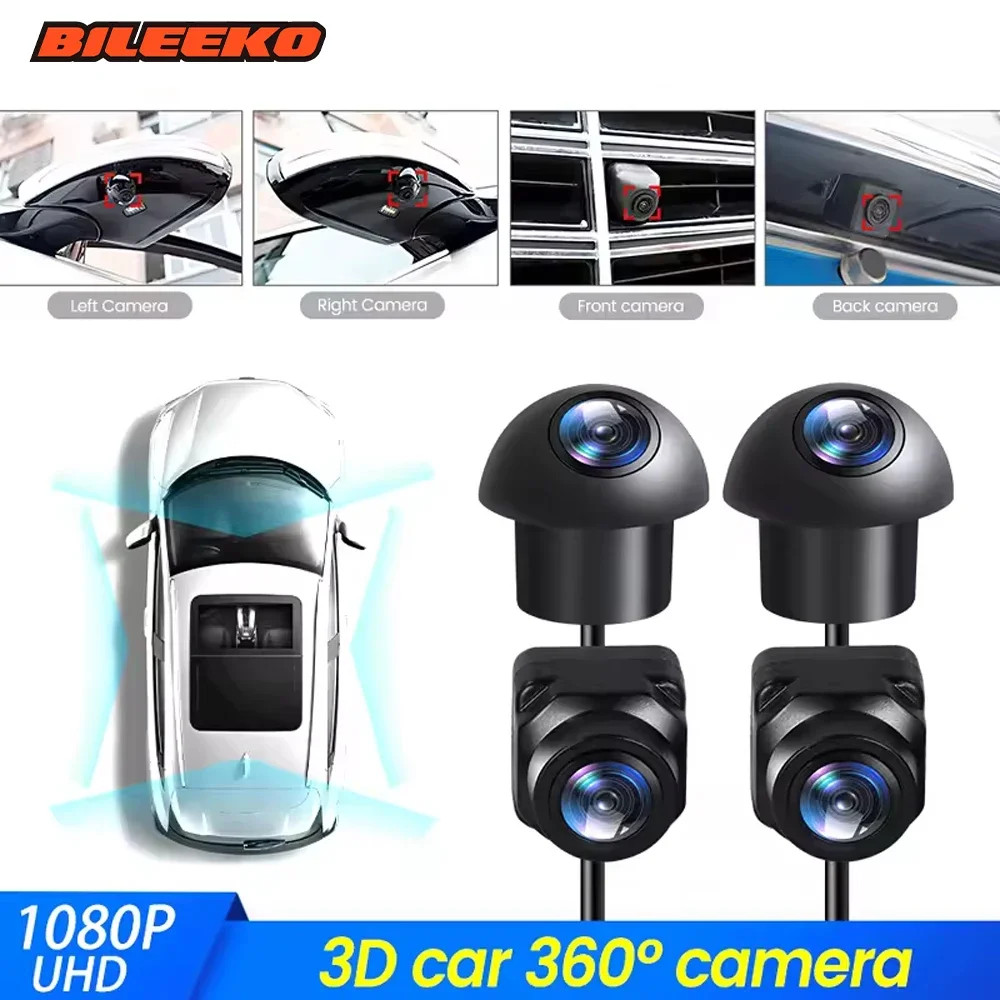 360° Car Camera Panoramic Surround View AHD 1080P Right+Left+Front+Rear 4-Camera$57.18View on eBay
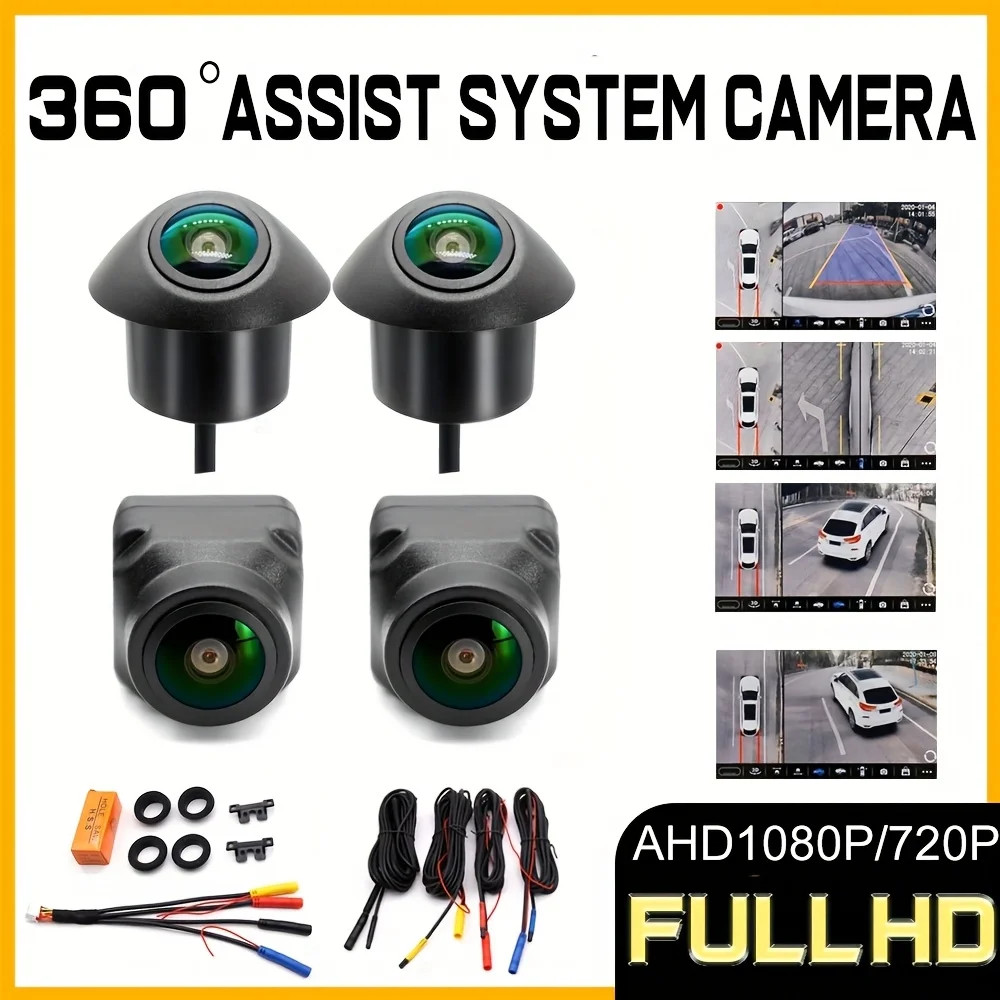 360°Surround Bird View Car Camera Panoramic 4-way for Android Player AHD1080P HD$57.18View on eBay
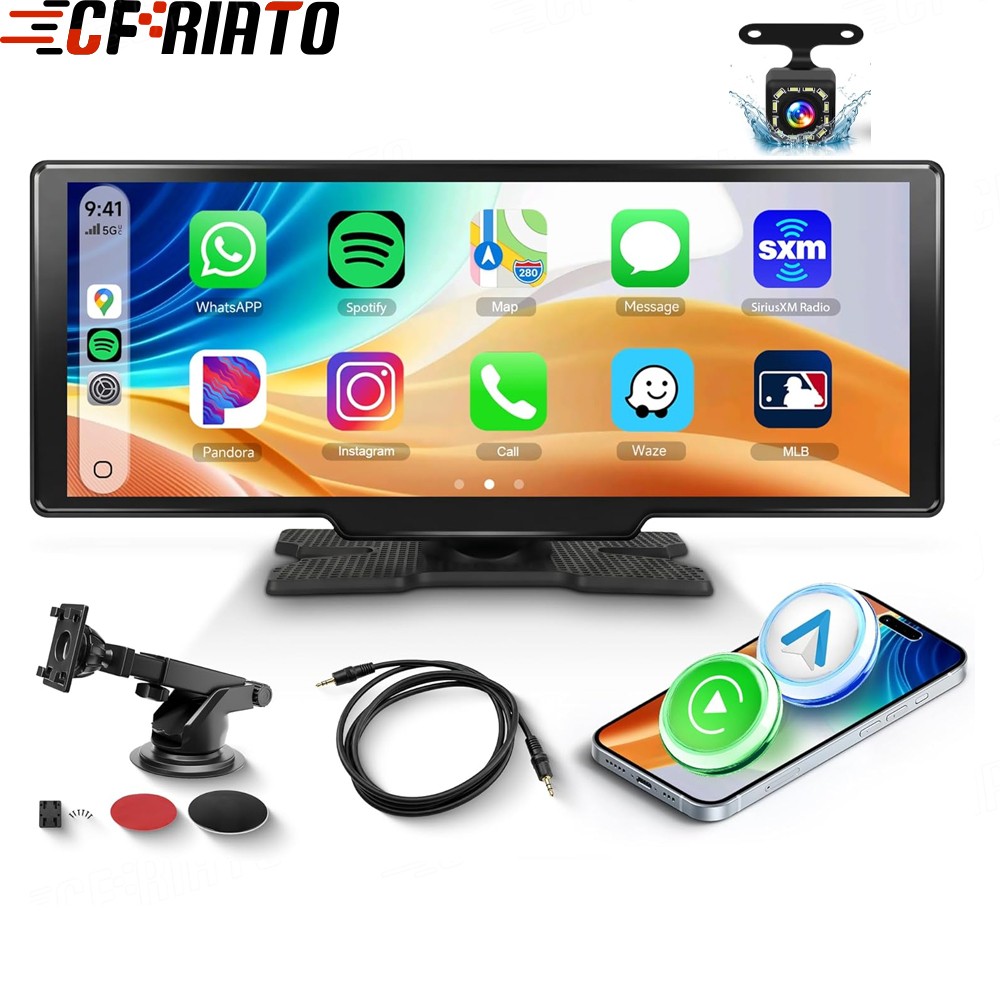 10.26" Car Portable Apple CarPlay Android Auto FM BT Touch Screen Radio + Camera$59.99View on eBay
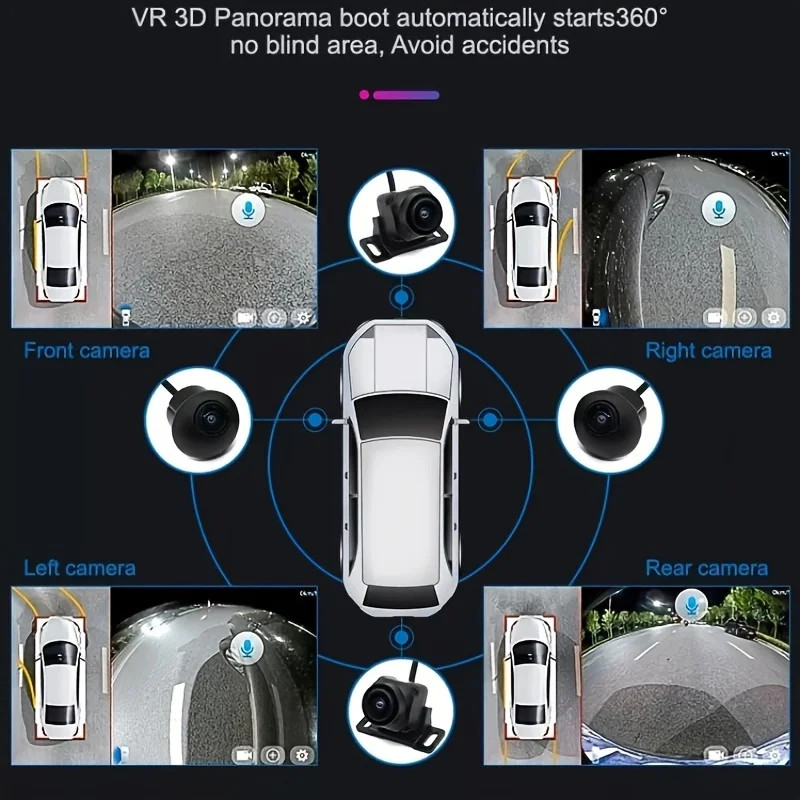 360° Panoramic Camera Surround Night Vision For Android Car Reversing Dash Cam$61.38View on eBay
- Panoramic View Car Camera 360° Panoramic AHD1080P/720P HD Android Player$61.38View on eBay
- Panoramic View 4-Way Parking Reverse Camera For 360° Car GPS Stereo Radio Player$61.38View on eBay
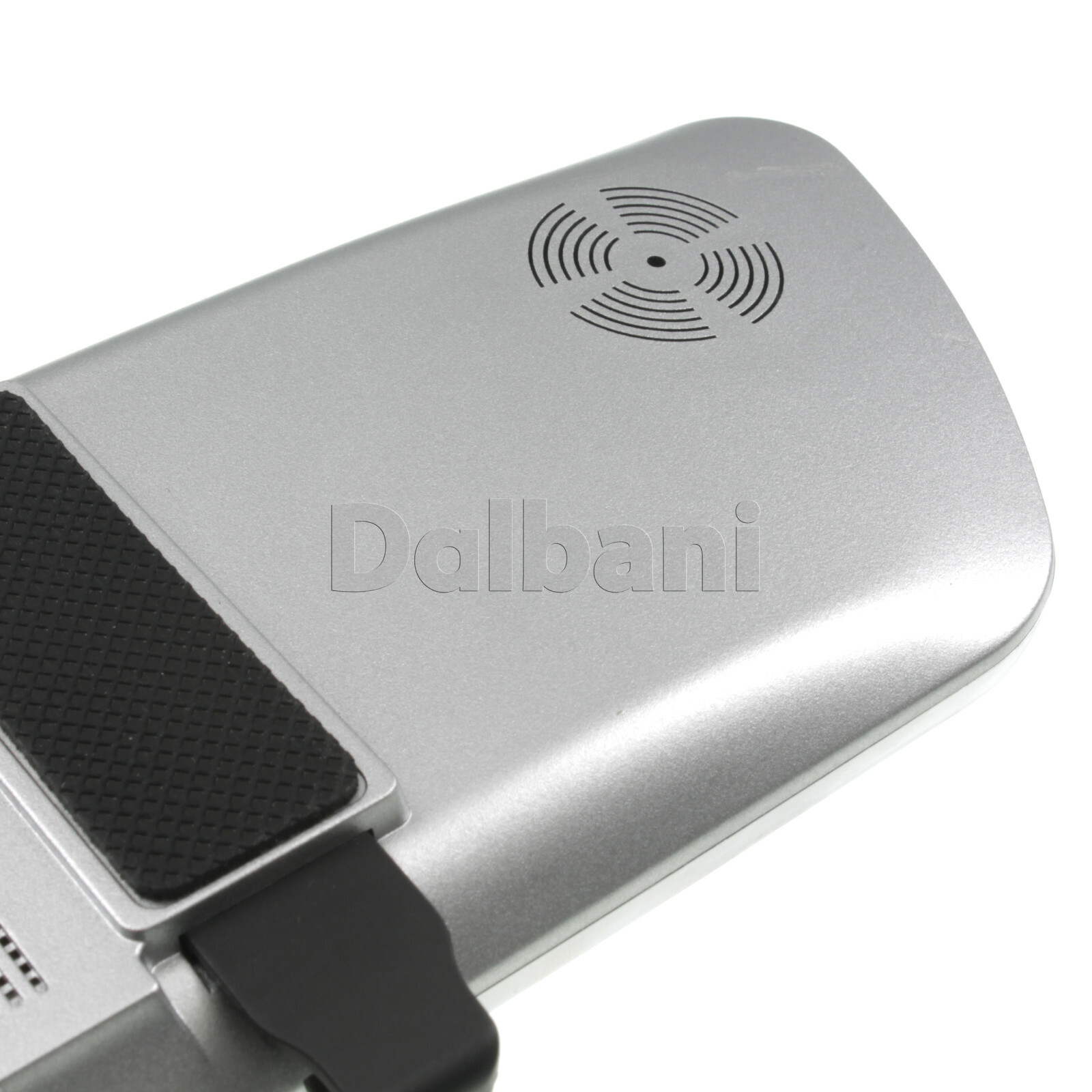 7" 1080P Rear View Car Mirror Car Reverse Camera Kit Wired Camera$65.95View on eBay
Highlights
- Sensor resolution: 1080p is baseline; 2K/1440p gives readable plates at 3-5 m; 4K marketing on budget units often means interpolated upscaling.
- Power architecture: supercapacitor handles heat and lasts 5+ years; lithium battery units swell and fail in hot cabins above 60°C.
- Rear-view kits: 170° CMOS cameras with IP68 waterproof rating and 4-pin aviation or RCA cabling deliver stable night vision; wireless hitch cameras sacrifice reliability.
- Mounting: 3M VHB adhesive pads and screw-in brackets outperform suction cups, which drop off in summer heat and leave residue.
Best use cases
- Daily commuting and rideshare: pick a 2K front dash cam with supercapacitor, GPS, and 256GB microSD support; skip 4K budget units with batteries.
- Towing and trailer hitching: choose a wired 170° rear-view camera kit with 7-inch dash monitor and 4-pin extension cable; skip wireless rechargeable hitch cameras for highway use.
- Infant rear-seat monitoring: use a dedicated baby car camera with night vision and windshield or headrest mount; skip generic backup cameras that point outward.
- Budget parking aid only: a basic 170° CMOS reverse camera wired to an existing aftermarket stereo screen is sufficient; skip dash monitors if the head unit already has a video input.
Buying tips
- Match microSD endurance to loop recording: use a high-endurance card rated for 10,000+ write cycles; standard cards fail within months in continuous recording.
- For rear-view kits, measure cable run from camera to monitor; 4-pin aviation extension cables come in 5 m, 10 m, and 15 m lengths—pick 15 m for full-size vans and RVs.
- Check monitor voltage: dash monitors are 12V; confirm your vehicle fuse tap or cigarette adapter supplies 12V and not 5V USB-only.
- Prefer CMOS sensors with stated lux rating (e.g., 0.1 lux for night vision) over vague 'HD night vision' claims; CCD sensors are obsolete and rare.
Specs
| Sensor Resolution | 1080p / 2K / 4K (interpolated) |
|---|---|
| Power Type | Supercapacitor vs Lithium battery |
| Rear Camera Lens | 120°-170° CMOS, IP68 waterproof |
| Mount Type | 3M adhesive / screw bracket / suction |
Related searches
What to check before buying
- Measure windshield space behind the mirror for dash cam footprint; a 3-inch screen unit needs 10 cm clearance to avoid obstructing the driver's view.
- Confirm your stereo has a video input (RCA or CVBS) before buying a reverse camera without a monitor.
- For rear-view camera mounting, verify the intended location (license plate, roof, or tailgate) and check that the camera bracket matches your vehicle's bolt pattern or plate frame.
- Check microSD card slot support: many dash cams cap at 128GB; larger cards may not format.
FAQ
Data sources: eBay / Amazon listings and product attribute feeds Data updated Nov 16, 2026.
Some links on this page are affiliate links. If you buy after clicking one, we may earn a commission at no extra cost to you. This does not change which products appear here or their order. Affiliate disclosure.