Photos from current listings. Actual item, color, and included accessories may vary.
Car Cam Buying Guide
Car cams span dash cams that record forward, backup cameras that show the rear, and combined monitor kits; the core trade-off is sensor quality and voltage protection versus cheap CMOS modules that fail in heat or rain. Durable units use Sony STARVIS or similar sensors, supercapacitors instead of batteries, and IP67-rated rear cameras; bargain kits rely on plastic housings and unregulated hardwire adapters that brown out. Buy for the sensor and power architecture first, then match resolution and field-of-view to your vehicle and climate.

At a glance
- Category
- Car Electronics
- Data updated
- Nov 16, 2026
Current offers
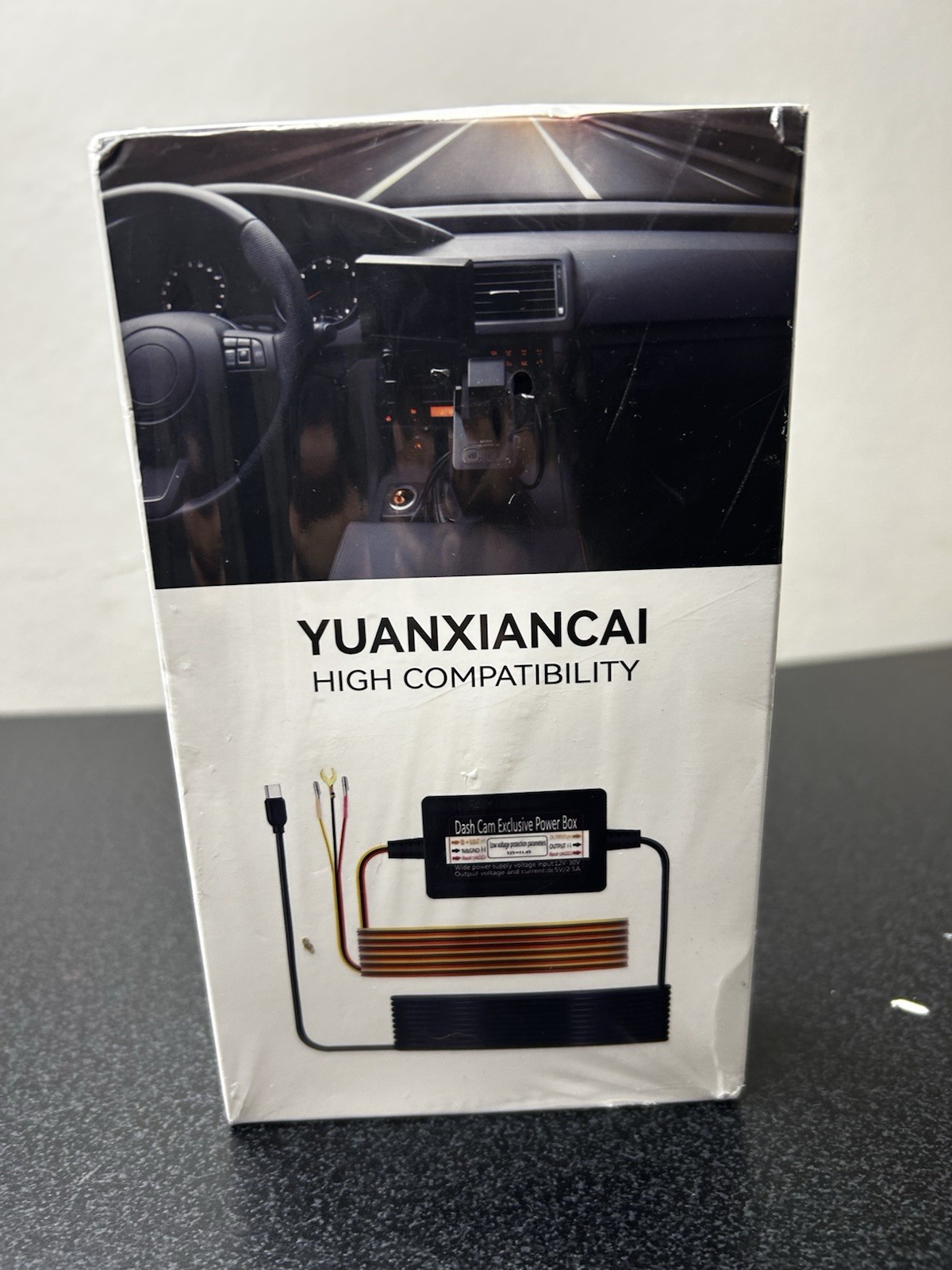 YUANXIANGCAI Dash Cam Power Box Hardwire Kit High Compatibility Car Gadget$8.99
 View on eBay
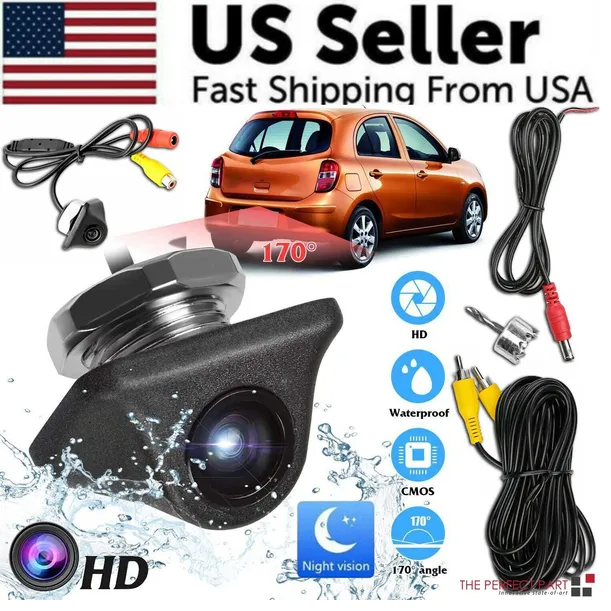 Car Rear View Reverse Camera Parking Backup Cam HD Night Vision Waterproof$22.99
 View on Mallflare
 DoHonest Baby Car Camera Monitor Rear Seat View Infant Safety Camera Tested$11.99View on eBay
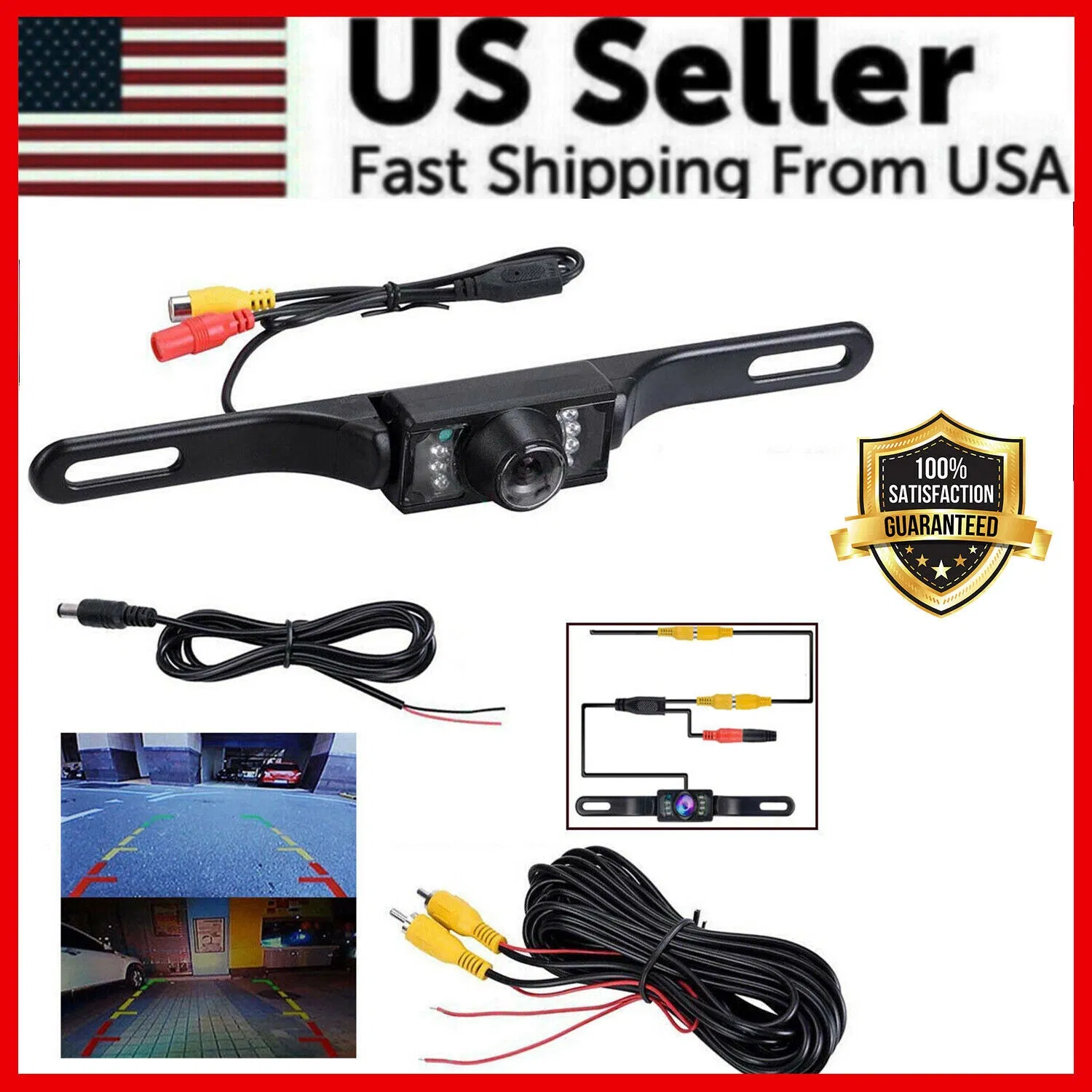 Wide 170° Night Vision Car Rear View Reverse Backup Parking Camera Waterproof$23.99View on Mallflare
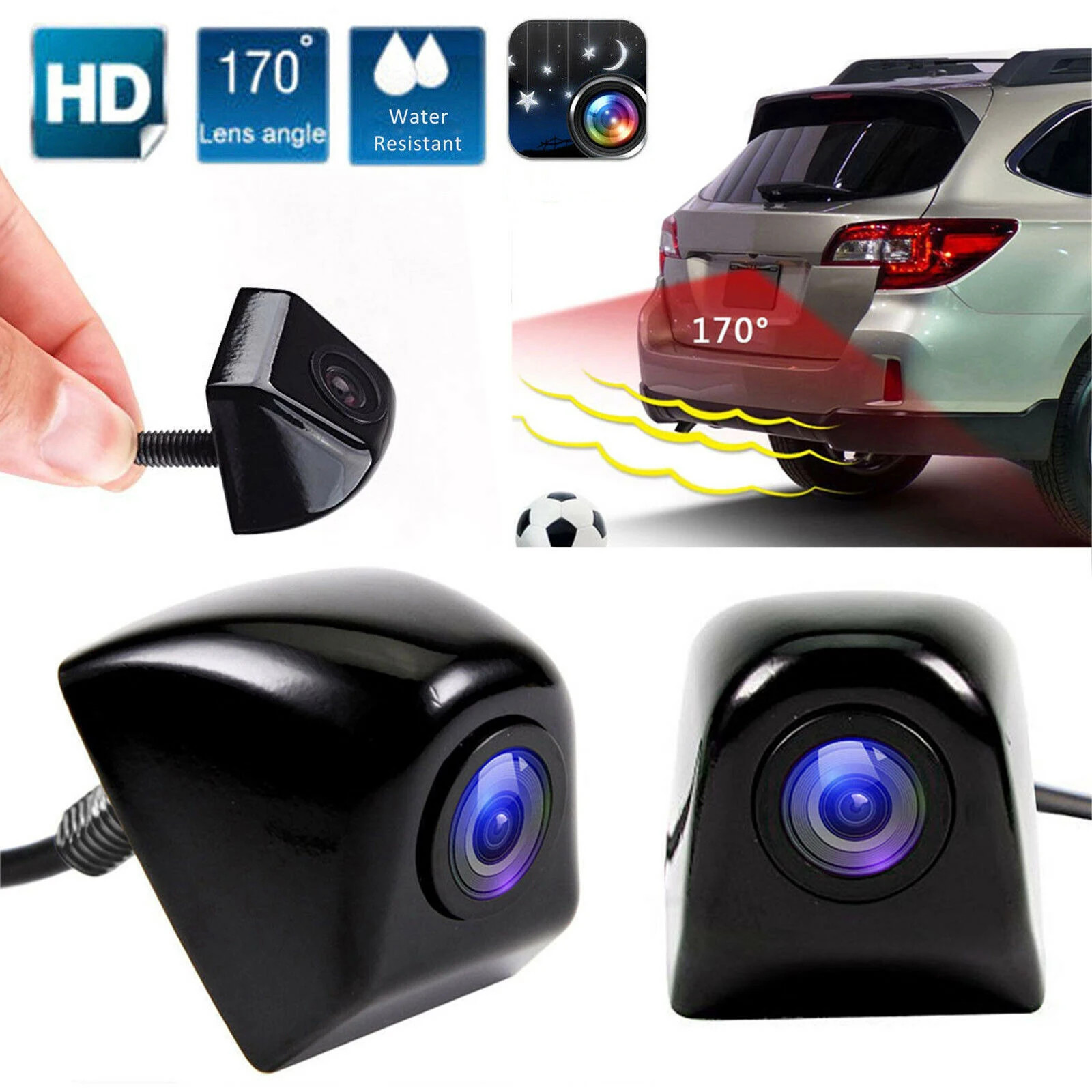 Rear Car Camera 170°HD Night Vision View Reverse Backup Parking Waterproof CMOS$16.32View on eBay
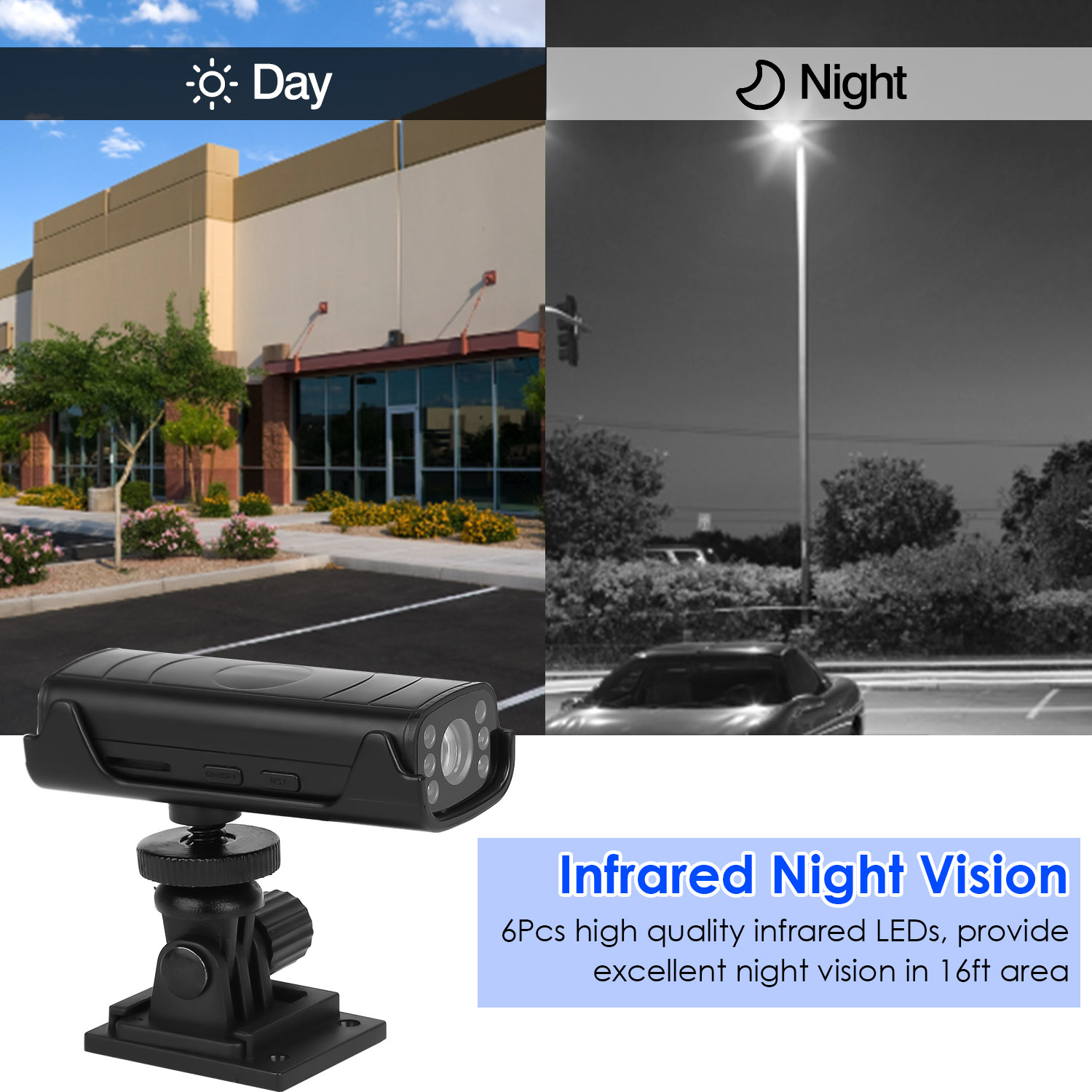 1Pc Wireless Camera Reverse Hitch Guide Vehicle Backup Rechargeable With Flexible Adhesive Base Night Vision For Car RVs$35.99View on Mallflare
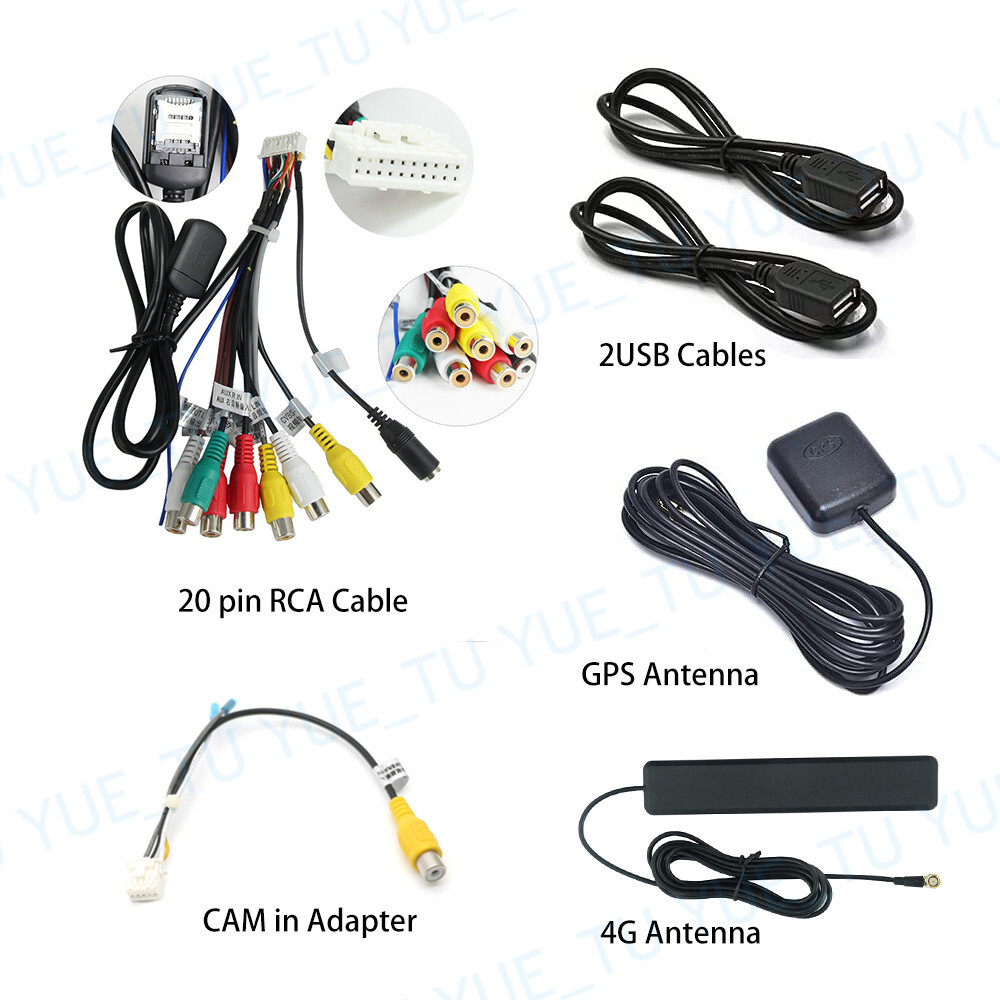 Universal Car Stereo Radio RCA USB CAM in Mic 4G Cable Wire Adapter GPS Antenna$24.00View on eBay
 7" Double 2 DIN Car MP5 Player Bluetooth Touch Screen Stereo Radio With Camera$55.99View on Mallflare
 Rearview Mirror Dash Cam Installation Accessories Adhesive Tape Nails Car$25.98View on eBay
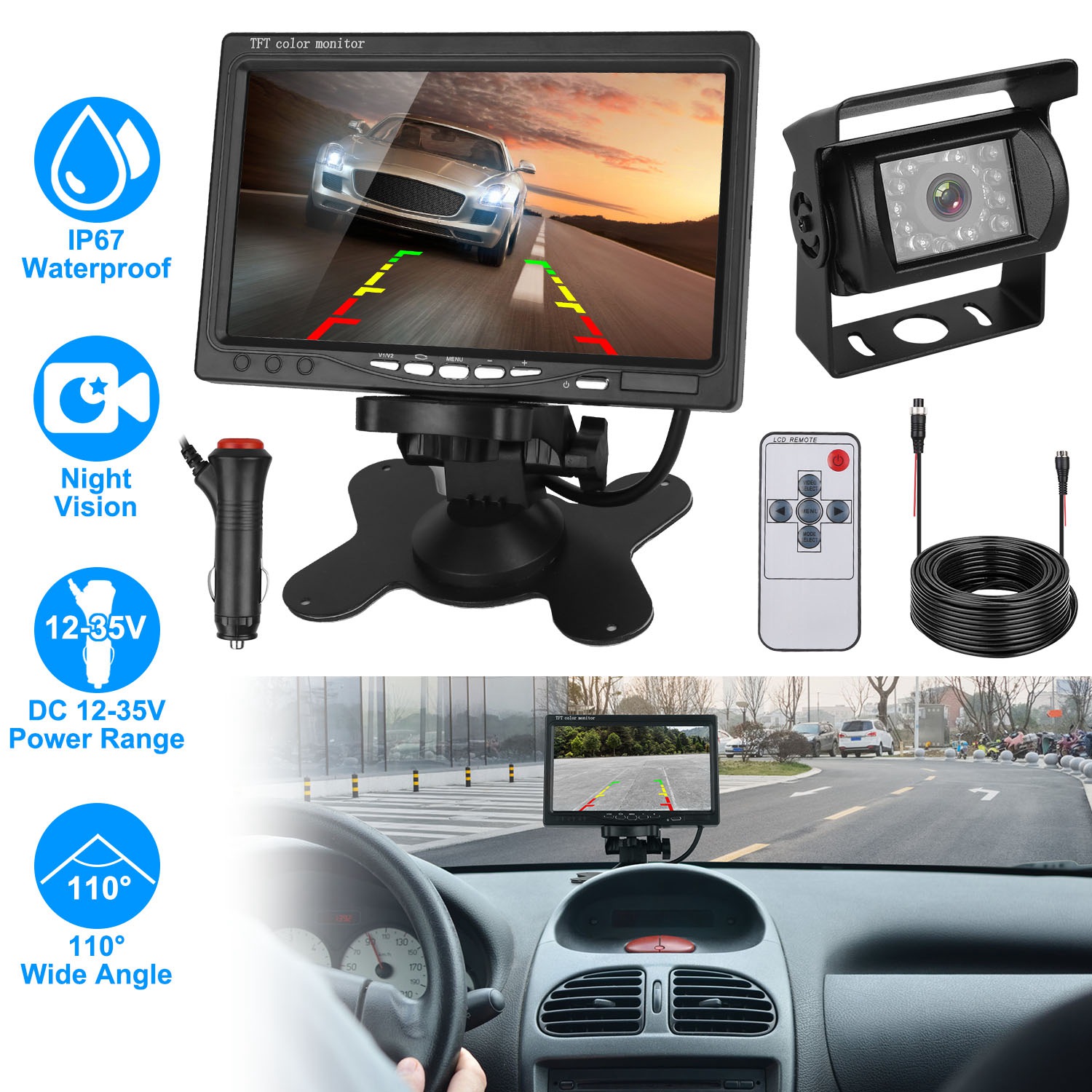 1Pc 7In Screen Backup Camera System Vehicle Rear View Monitor Kit IP67 Waterproof Car Parking Reverse With Night Vision$77.99View on Mallflare
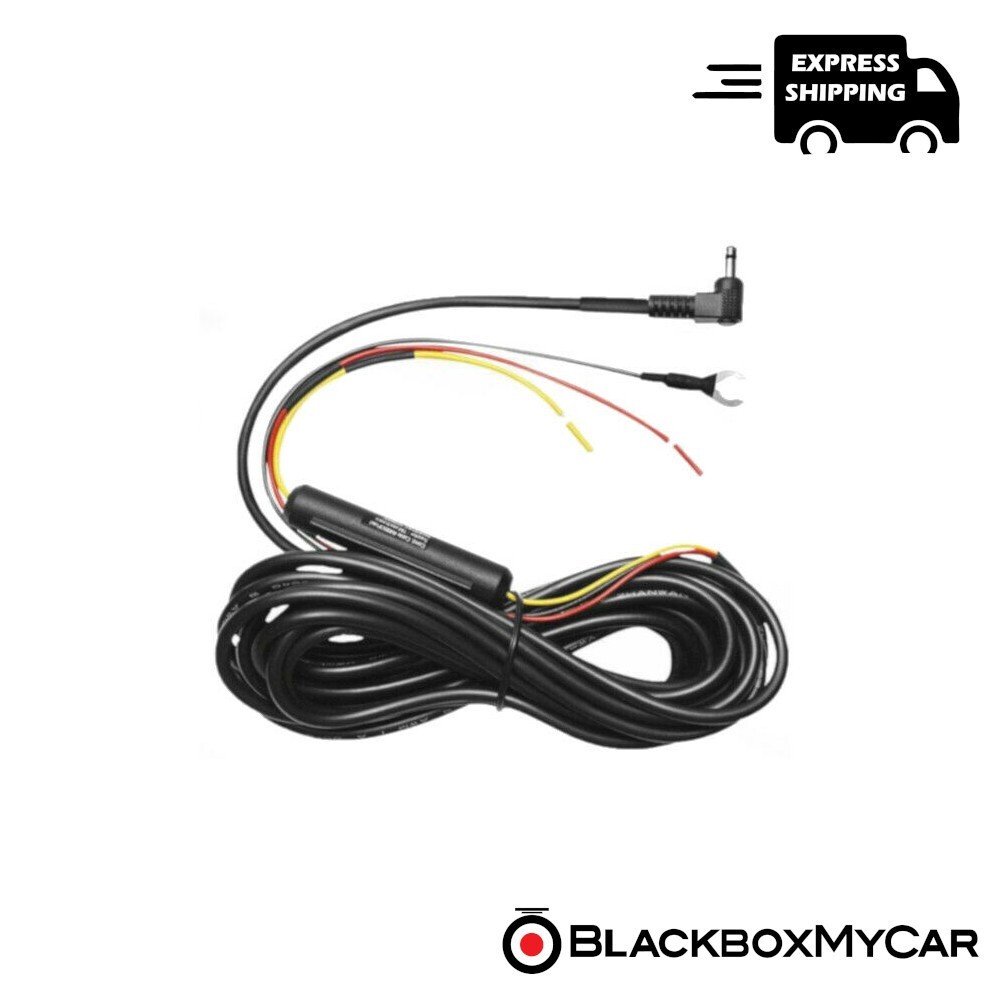 Thinkware Hardwiring Kit Cable for Dash Cams, Car Voltage Drain Protection$29.99View on eBay
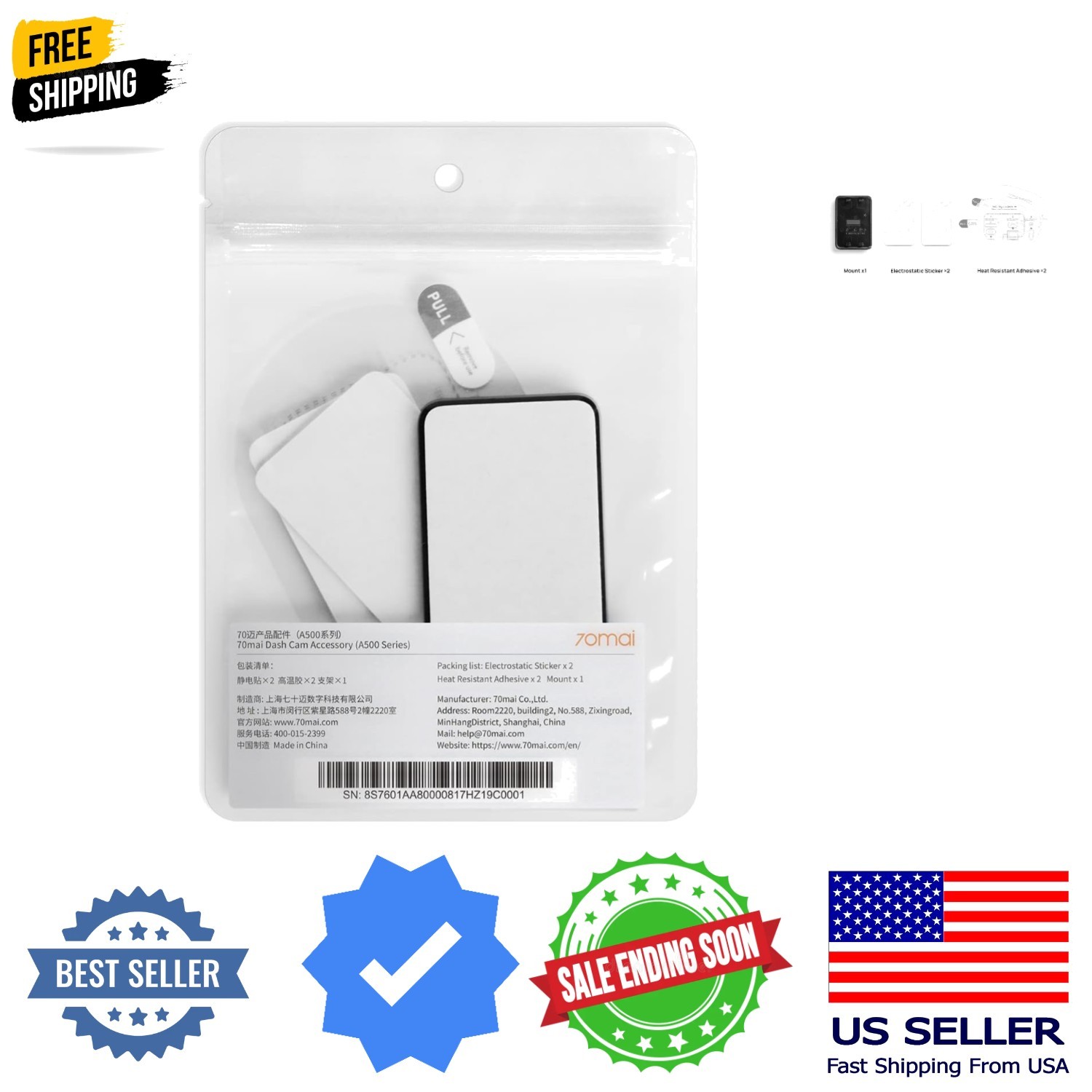 Dash Cam Accessory, Accessories for Car Camera, Replaceable Dash Cam Componen...$29.99View on eBay
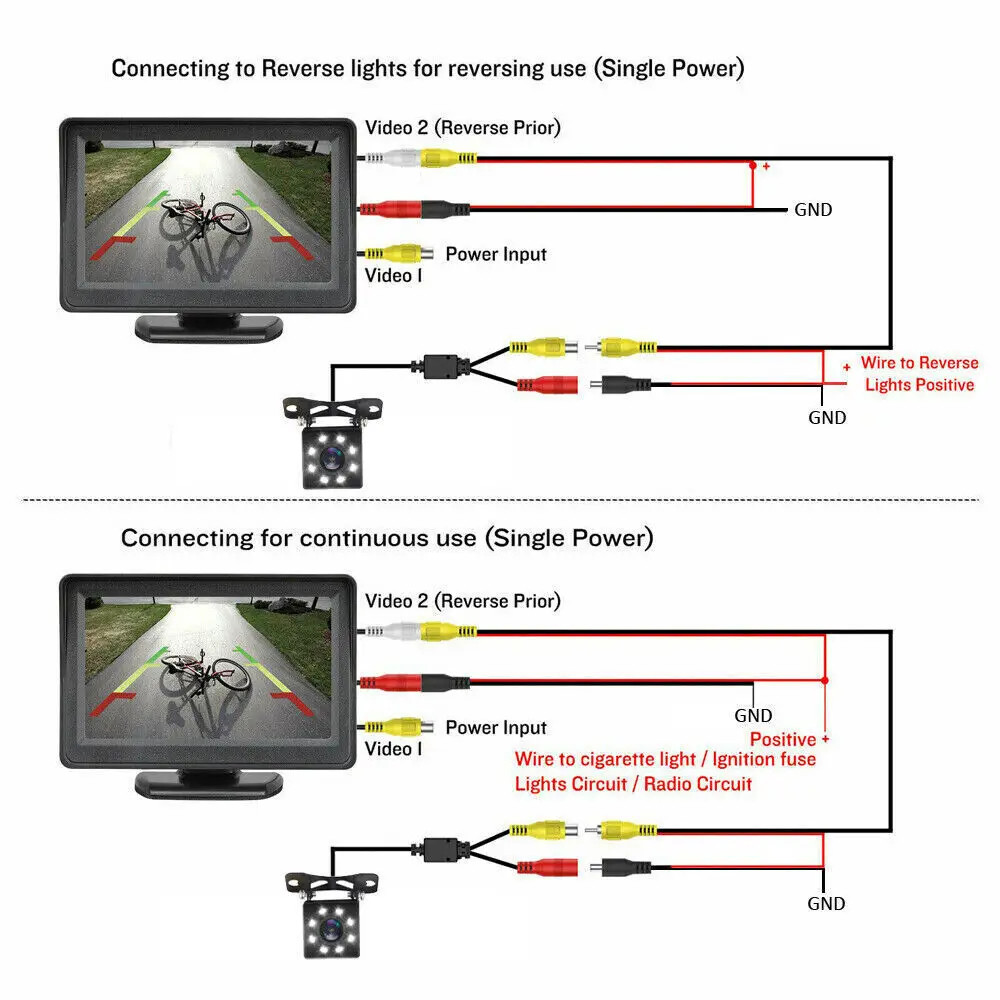 4.3'' Car Monitor With Night Vision Reverse Camera Backup Rear View Parking Kit$30.03View on eBay
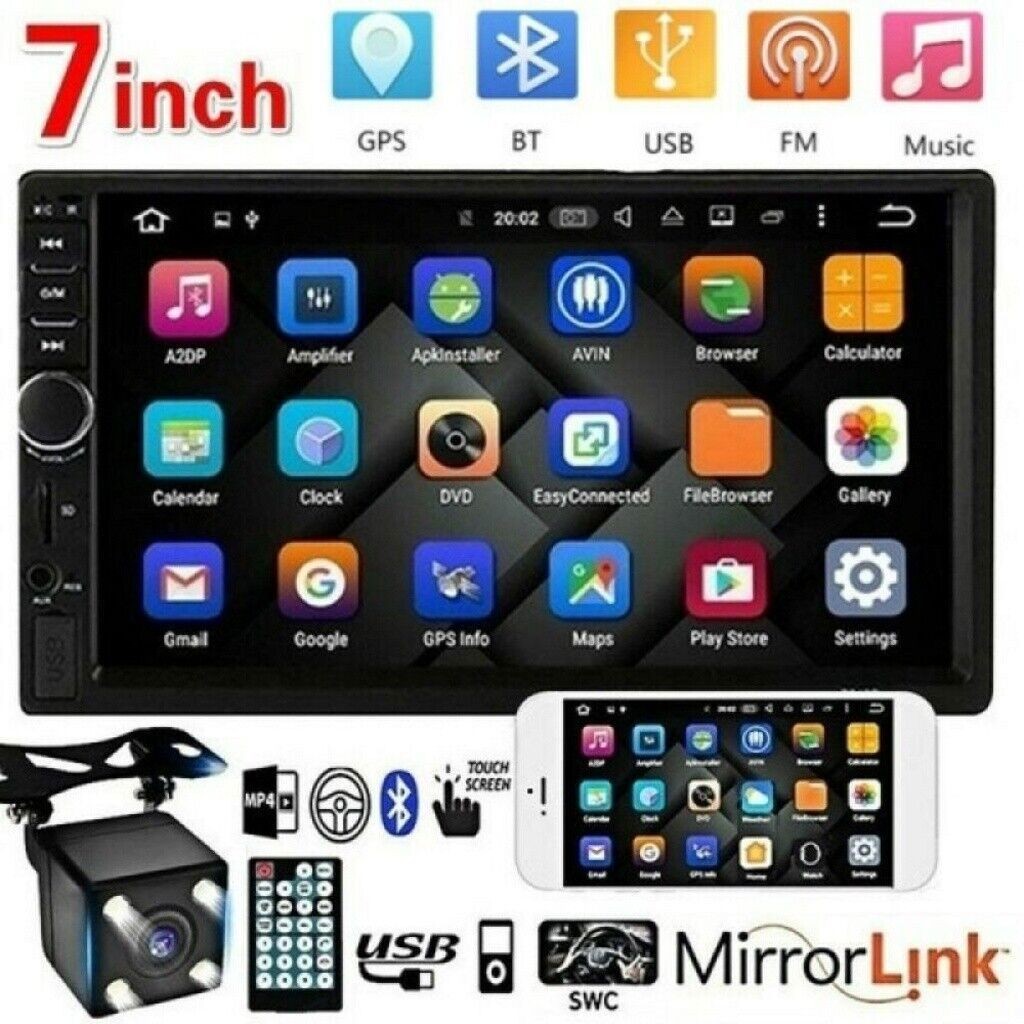 Double Din 7" Car Stereo with Backup Cam for Android/Apple Radio Touch Screen US$30.89View on eBay
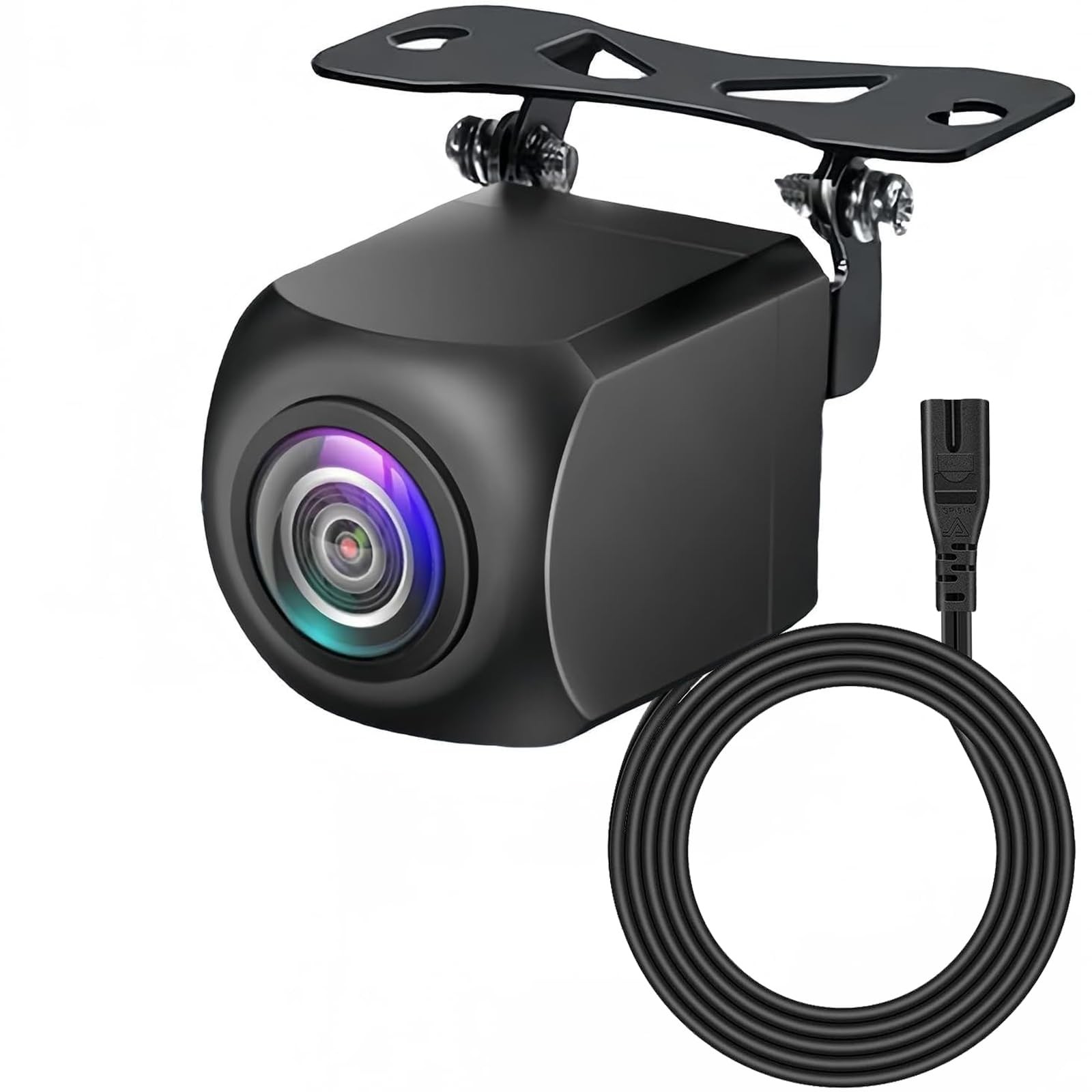 Carplay Screen Backup Camera 9 Inch Display Car Dashboard Monitor Accessories$34.36View on eBay
 7" Double 2 DIN Car MP5 Player Bluetooth Touch Screen Stereo Radio With Camera$38.69View on eBay
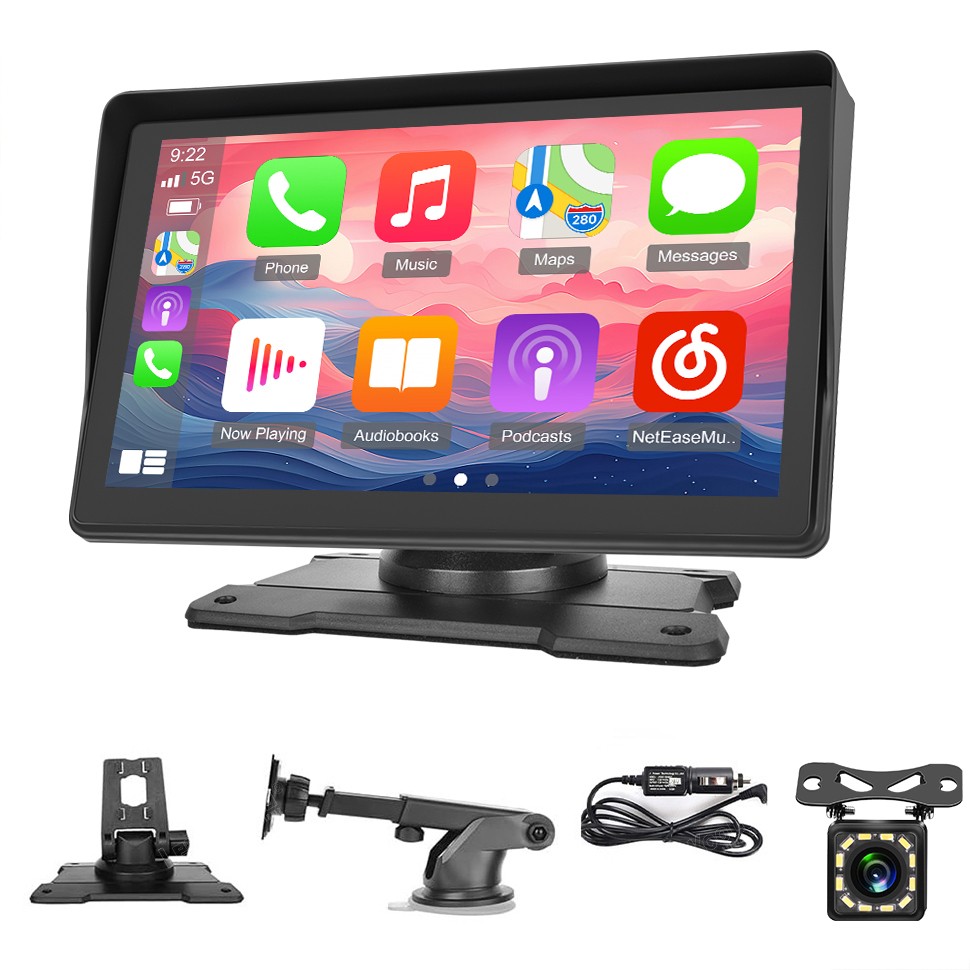 7" Touch Screen BT Wireless Apple Carplay Android Auto Car Stereo Portable CAM$38.99View on eBay
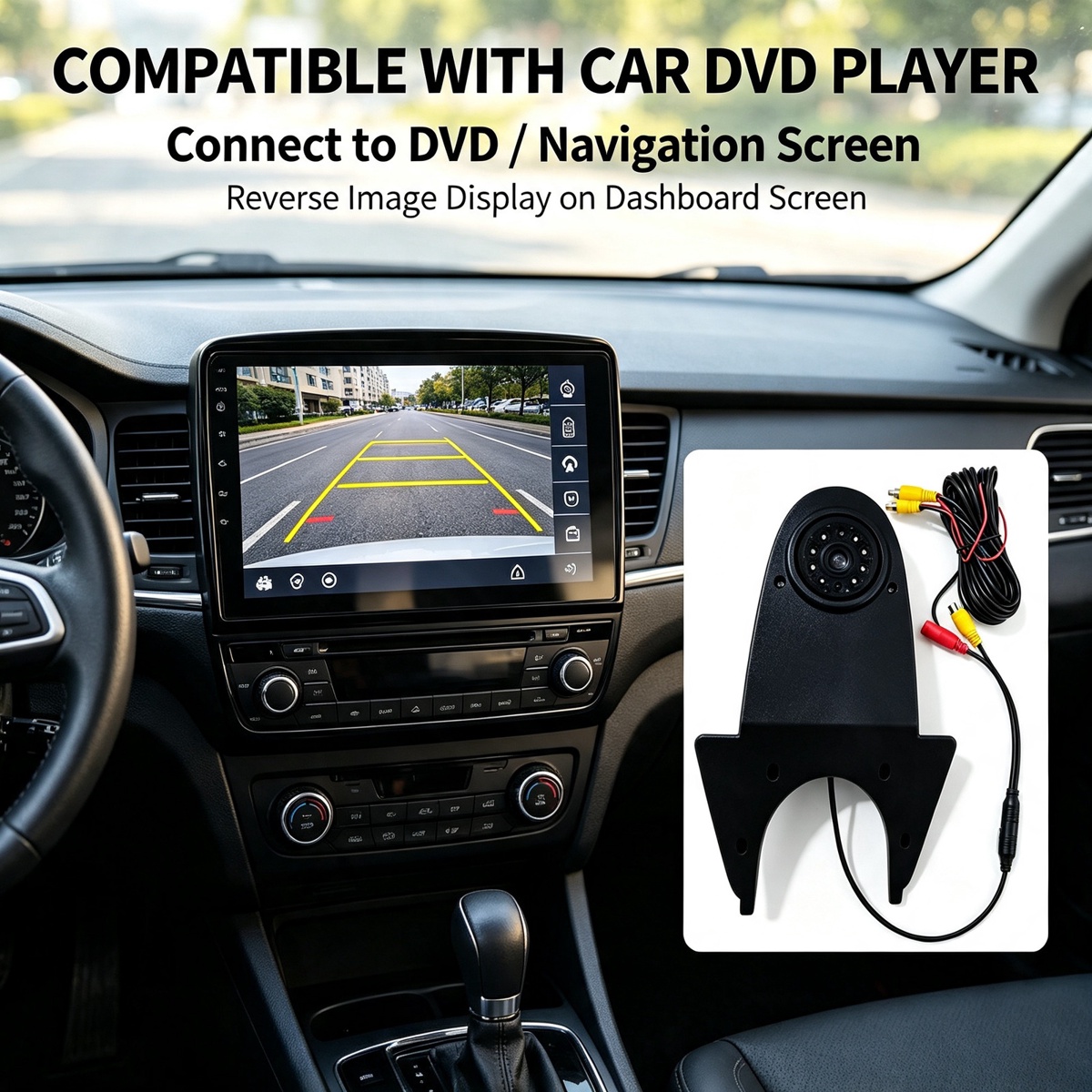 Car Rear View Camera Roof Mount FOR MERCEDES-BENZ SPRINTER 2500 3500$39.40View on eBay
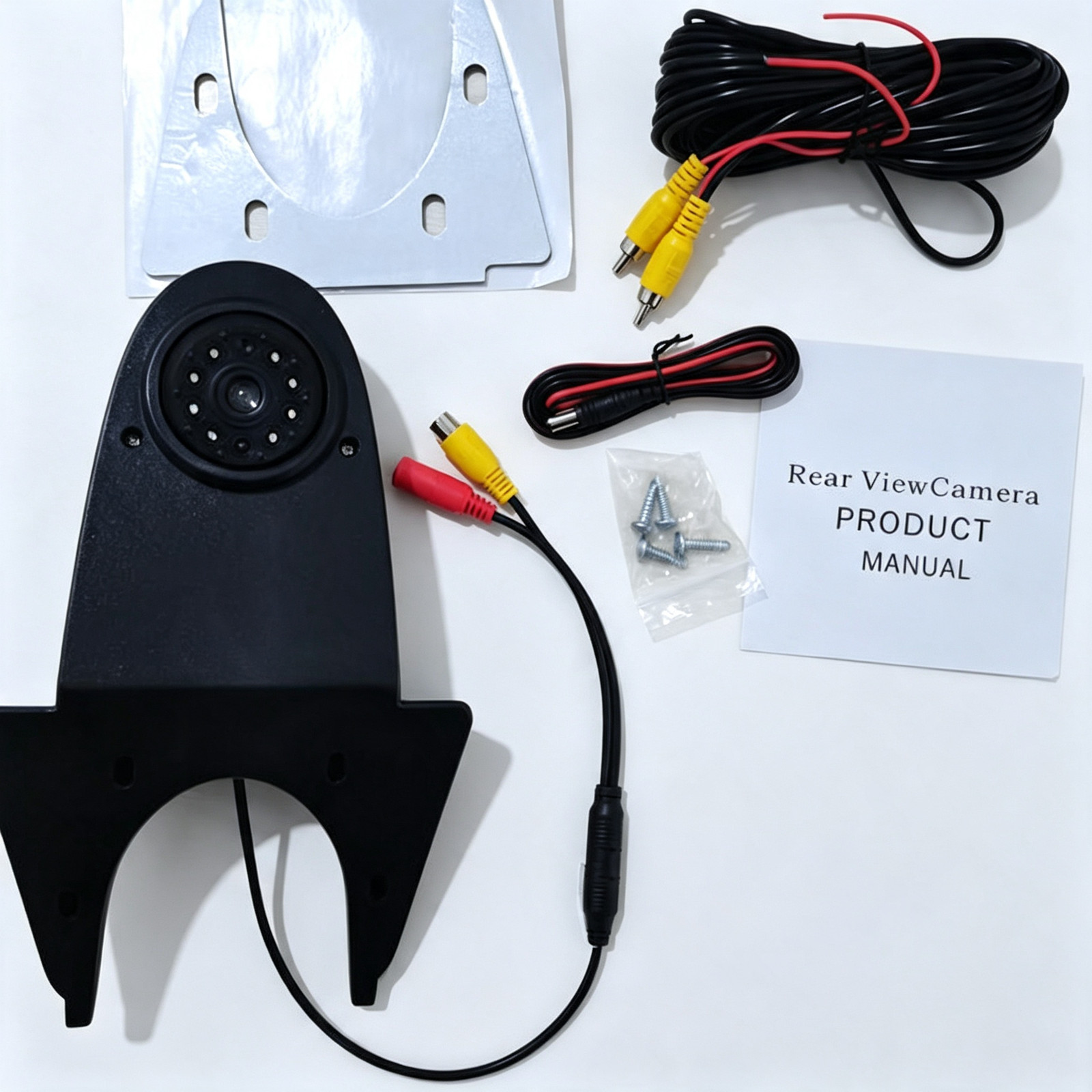 Car Rear View Reverse Camera For Mercedes for Benz SPRINTER 2500 3500$39.86View on eBay
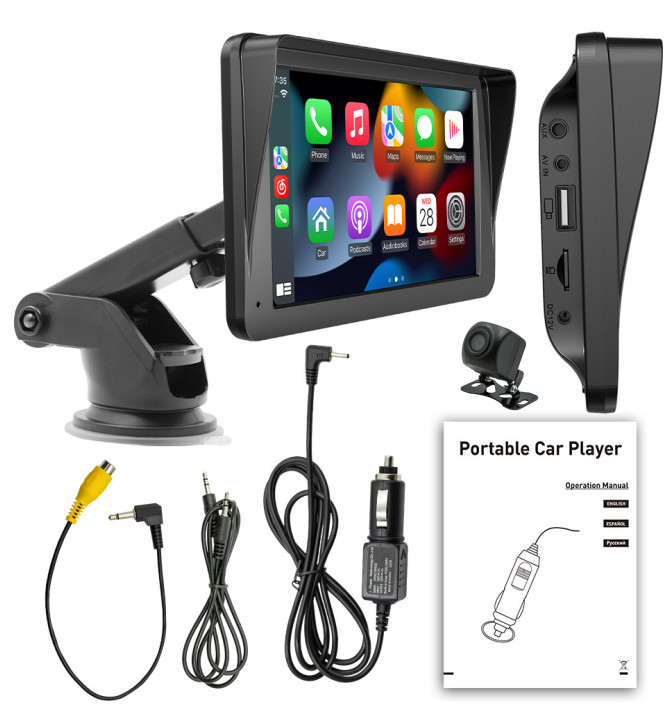 7-inch PND Car MP5 Player Wireless CarPlay Smart Display with Rearview Camera$40.99View on eBay
Highlights
- Sensor grade decides night clarity: STARVIS/IMX sensors beat generic CMOS in low light; rear cameras need 0.1 lux or better and true IP67 sealing.
- Power architecture: supercapacitor dash cams survive 85°C dash heat; lithium battery cams swell in summer, hardwire kits need 12V-to-5V regulation with low-voltage cutoff.
- Rear camera field of view: 170° covers blind spots but distorts edges; 120-140° is more natural for parking, and license-plate legibility needs 1080p minimum.
- Monitor kits: 7-inch 2-DIN MP5 head units and standalone 7-inch backup monitors use RCA composite; wireless hitch cameras add rechargeable batteries and adhesive mounts that need flat, clean surfaces.
Best use cases
- Daily commuting with parked-car heat: pick a supercapacitor dash cam with STARVIS sensor and hardwire kit with low-voltage cutoff; skip lithium-battery cams and unregulated 12V adapters.
- Towing or RV reversing: choose a wireless hitch camera with rechargeable battery and 7-inch monitor; skip wired 170° bumper cameras unless you can route cable through the tailgate.
Buying tips
- Match camera to screen input: RCA composite for 2-DIN MP5 radios and standalone monitors; USB-only head units need a compatible USB camera, not an RCA module.
- For parking lines, buy a camera with adjustable grid lines or a monitor that overlays them; fixed grids often sit wrong on lifted or lowered vehicles.
- Hardwire kits must specify 12V-to-5V output, 2A minimum, and low-voltage cutoff at 11.6-12V to protect the battery during parking mode.
- Rear camera resolution: 1080p is the practical floor for plate reading at 3-5 meters; 720p is adequate only for proximity sensing, not evidence.
Specs
| Sensor Type | STARVIS/CMOS vs generic CMOS |
|---|---|
| Power Source | Supercapacitor vs lithium battery |
| Rear Camera Rating | IP67/IP68 vs unsealed plastic |
| Monitor Connection | RCA composite / 2-DIN / wireless |
Related searches
What to check before buying
- Measure your screen or radio bay: 2-DIN is 7 x 4 inches (178 x 100 mm); a 7-inch monitor kit needs dash space and a 12V accessory socket or fuse tap.
- Check climate: if summer dash temperatures exceed 70°C, choose supercapacitor power and metal-bodied cameras over plastic battery units.
- Confirm voltage: all kits here assume 12V negative-ground automotive systems; 24V trucks need a 24V-to-12V converter before any camera or hardwire kit.
- Plan cable routing: wired rear cameras need 5-8 meters of cable from bumper to screen; wireless hitch cameras need a charged battery and a flat mounting face.
FAQ
Data sources: eBay / Amazon listings and product attribute feeds Data updated Nov 16, 2026.
Some links on this page are affiliate links. If you buy after clicking one, we may earn a commission at no extra cost to you. This does not change which products appear here or their order. Affiliate disclosure.