Photos from current listings. Actual item, color, and included accessories may vary.
Motorcycle Hitch Carrier Buying Guide
A motorcycle hitch carrier is a receiver-mounted platform that carries a dirt bike or scooter on a 2-inch Class III/IV hitch, trading the cost and storage of a trailer for a single-vehicle load cantilevered behind your vehicle. The decisive trade-off is tongue weight and beam strength versus carrier weight and clearance, so the hitch rating and carrier material—welded steel versus aluminum—determine whether the setup is safe or a compromise.

At a glance
- Category
- Towing, Roof Racks & Cargo
- Data updated
- Nov 15, 2026
Current offers
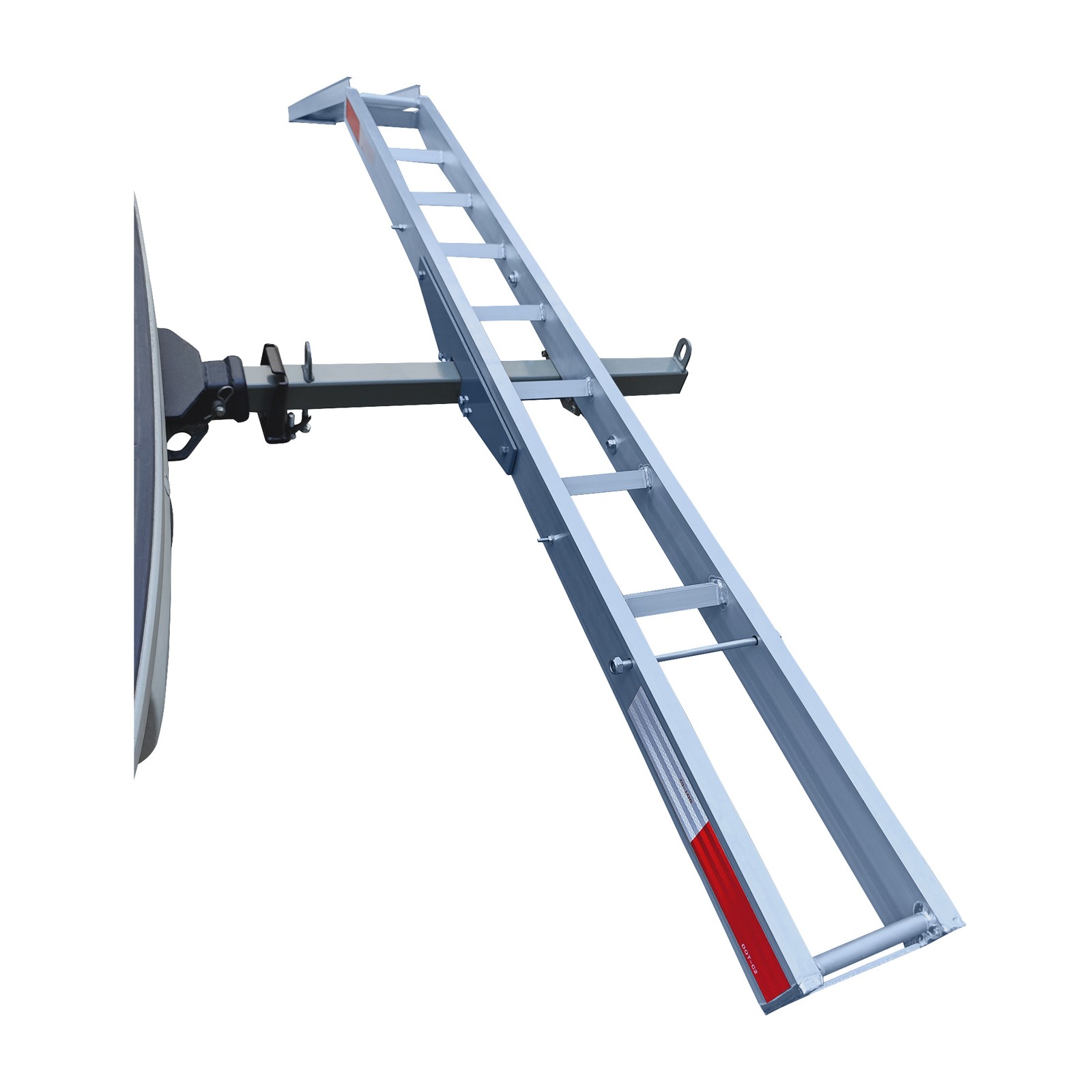 MotoProducts Aluminum Motorcycle Dirt Bike Carrier Trailer Hauler 2" Hitch Rack$119.99
 View on eBay
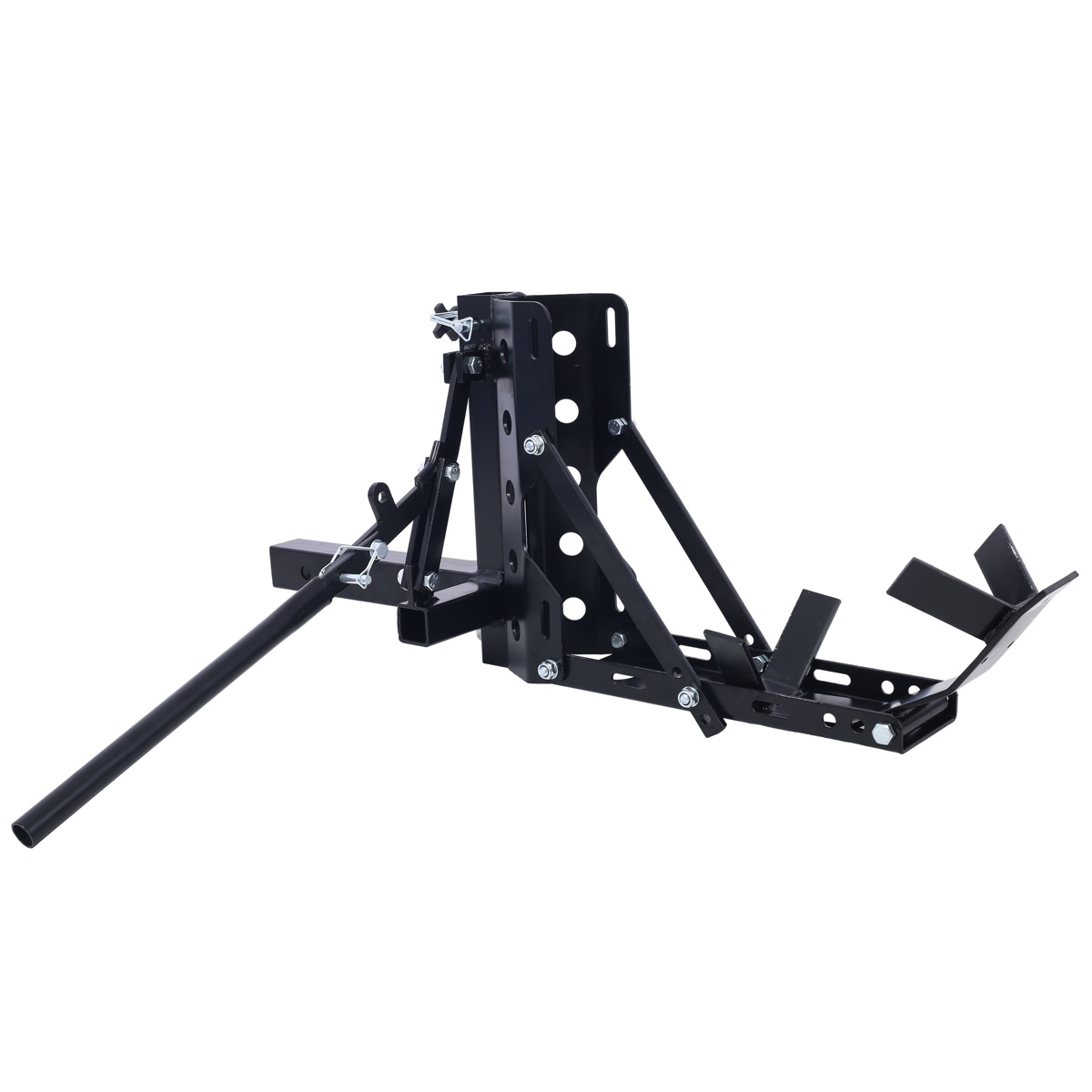 800LBS Motorcycle Trailer Hitch Scooter Hauler Mount Rack 2" Tow Carrier Receiver Heavy Duty Steel$147.99
 View on Mallflare
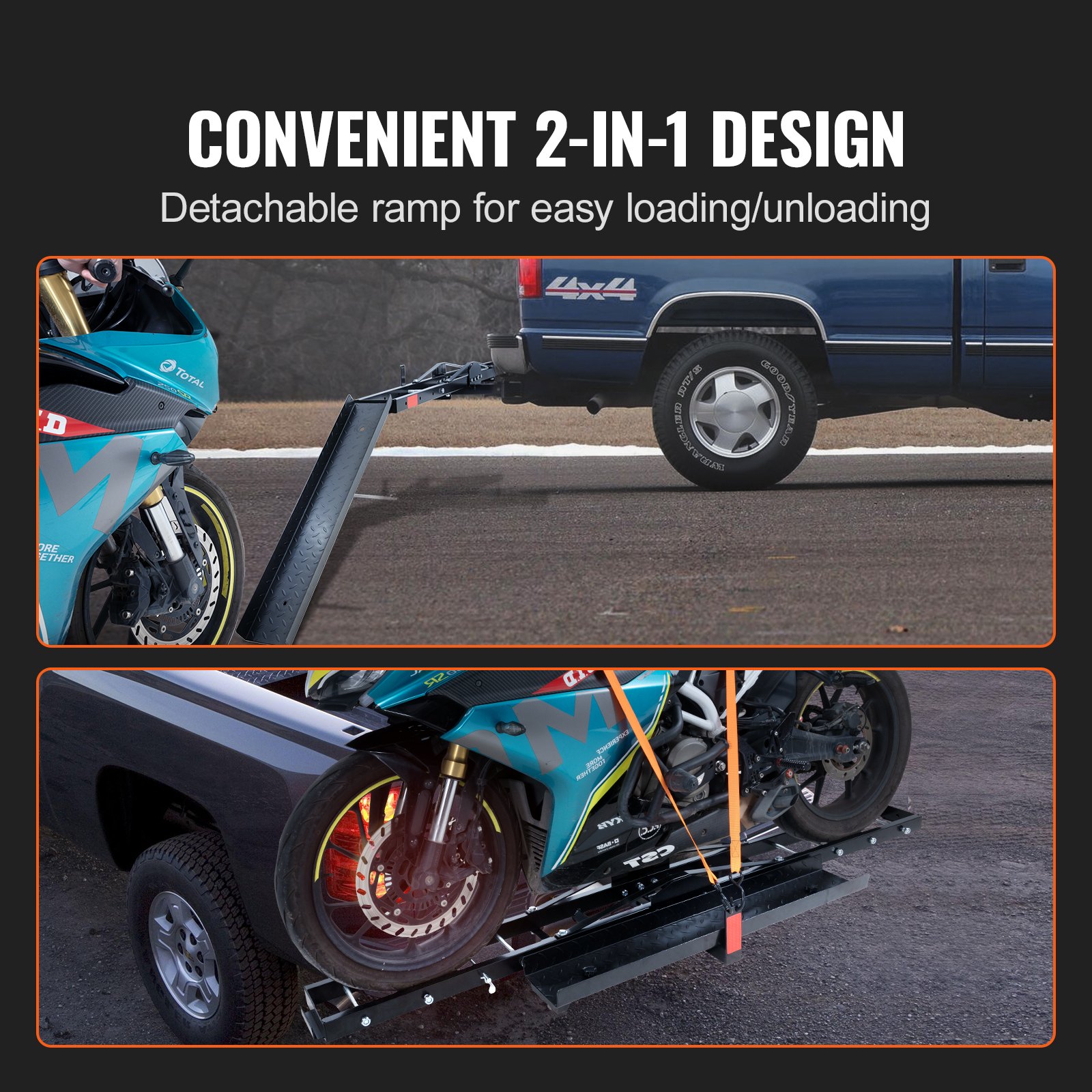 Motorcycle Carrier, 600 LBS Steel Hitch Mount With Loading Ramp, Scooter Dirt Bike Trailer Hauler Ratchet Straps And Stabilizer, For Car, Truck 2 Receiver$152.99View on Mallflare
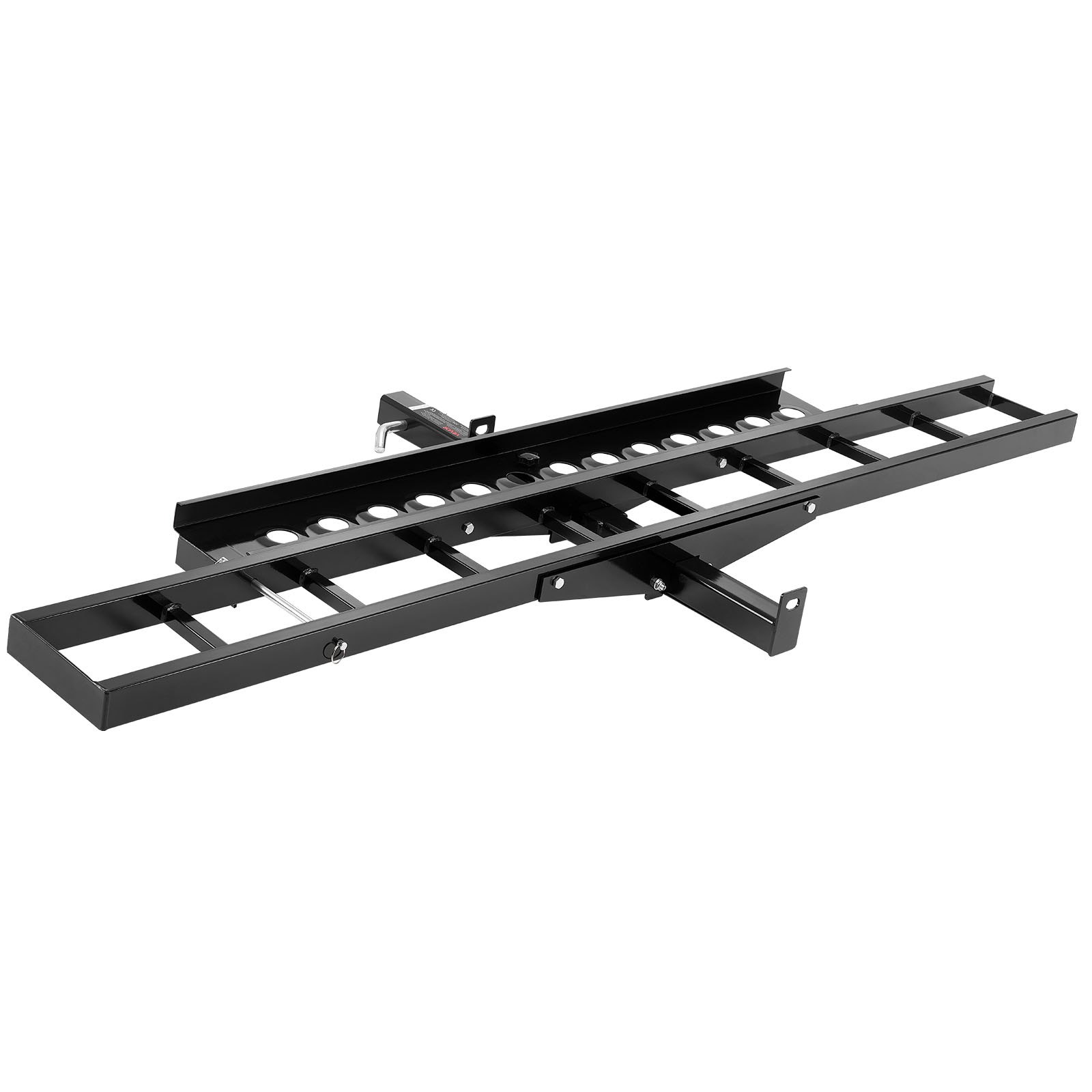 Motorcycle Carrier, 500 Lbs Capacity, Heavy Duty Steel Hitch Mount Rack With 47in Ramp, Ratchet Straps & Stabilizer, Scooter Dirt Bike Trailer Hauler For Car Truck 2-Inch Receiver$166.99View on Mallflare
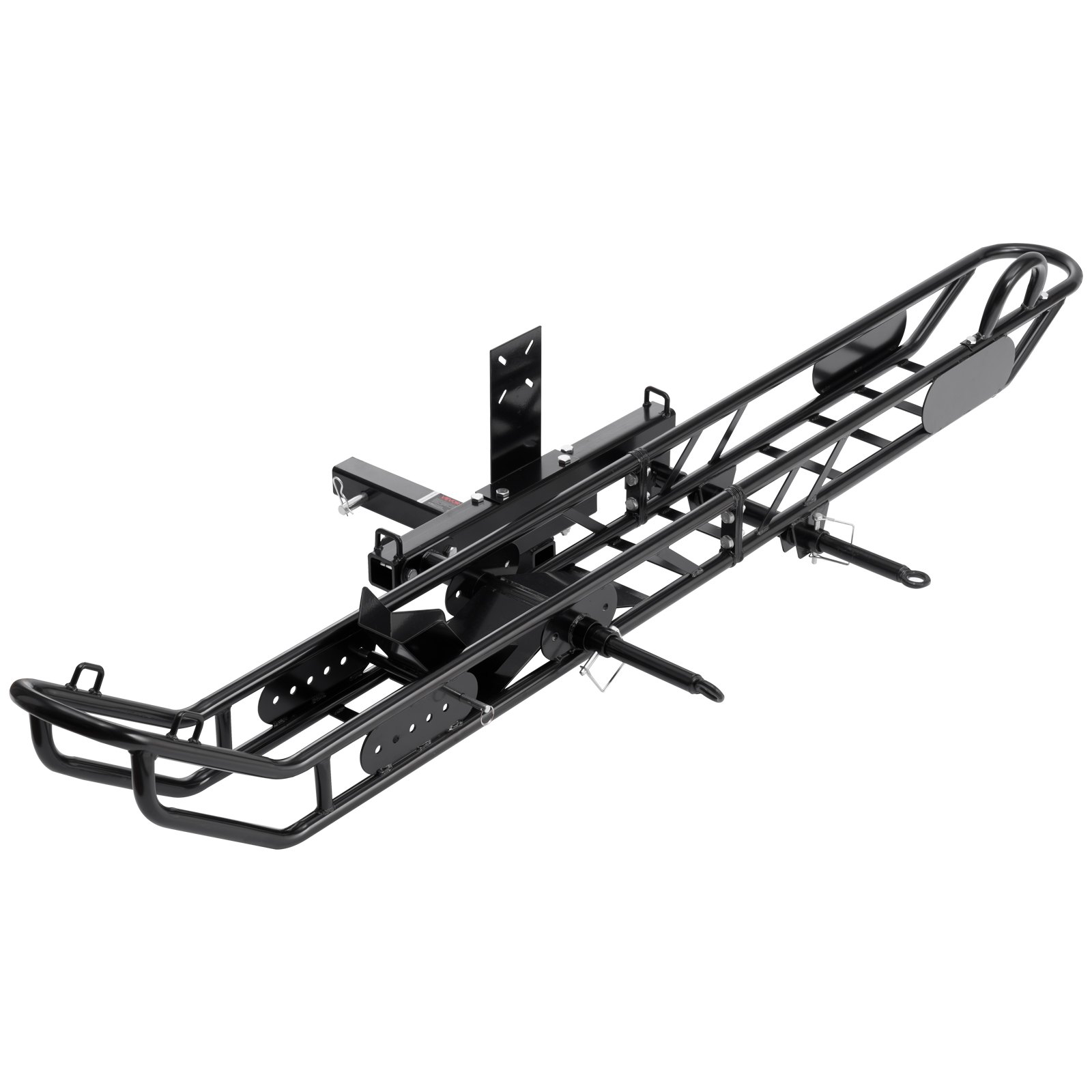 Motorcycle Carrier, 500 Lbs Capacity, Heavy Duty Steel Hitch Mount Rack With Anti-Tilt Lock Device, Straps & Stabilizer, Scooter Dirt Bike Trailer Hauler For Car Truck 2-Inch Receiver$219.99View on Mallflare
Highlights
- Steel carriers rated 500-600 lbs typically use formed channel or tube main beams with a bolt-together anti-tilt bracket; aluminum carriers cut 30-50% of carrier weight but demand thicker extrusion walls to hold the same load.
- All carriers require a 2-inch receiver hitch rated Class III or higher; the carrier's loaded weight plus bike must stay under both the hitch's tongue-weight rating and the vehicle's payload.
- Loading ramps are usually 40-47 inches and fold or stow on the carrier; a ramp shorter than the carrier deck height creates a steep, unsafe loading angle for heavier bikes.
- Anti-tilt or stabilizer devices clamp the carrier shank to the receiver to stop rocking; without one, a cantilevered load oscillates and fatigues the hitch pin and welds.
Best use cases
- Best fit: dirt bikes and scooters up to about 300-350 lbs on a 500-lb steel carrier behind a mid-size SUV or half-ton truck with a Class III hitch—light single-track loads where the carrier's own weight matters less.
- Best fit: heavier dual-sport or adventure bikes near 400-500 lbs need a 600-lb steel carrier and a vehicle whose tongue rating exceeds the combined carrier-plus-bike weight by a comfortable margin.
- Wrong fit: full-size touring or cruiser bikes over 500 lbs—skip hitch carriers entirely and use a trailer; no 2-inch receiver carrier in this class is rated for that load.
- Wrong fit: aluminum carriers on rough washboard roads with a 400-lb bike—aluminum saves weight but is less tolerant of repeated shock loading than welded steel at the same rating.
Buying tips
- Match carrier capacity to bike wet weight plus a 10-15% margin: a 500-lb-rated carrier suits bikes up to roughly 425-450 lbs, not a 500-lb bike.
- Subtract the carrier's own weight from your hitch tongue rating: a 600-lb carrier weighing about 80 lbs leaves roughly 520 lbs of bike capacity within a 600-lb tongue limit.
- Choose steel for maximum durability per dollar and aluminum when you load and unload solo or drive a lighter vehicle where carrier weight counts against payload.
- Insist on a bolt-together anti-tilt bracket and included ratchet straps and stabilizer; these are functional necessities, not accessories.
Specs
| Carrier Material | Welded steel vs aluminum extrusion |
|---|---|
| Rated Capacity | 500-600 lbs typical |
| Receiver Fit | 2 in Class III/IV |
| Ramp & Stabilizer | 40-47 in ramp; anti-tilt bracket |
Related searches
What to check before buying
- Measure your receiver: it must be a 2-inch square opening rated Class III/IV; 1.25-inch receivers cannot carry these loads.
- Confirm vehicle tongue-weight and payload ratings exceed carrier weight plus bike weight plus straps and ramp.
- Measure bike wheelbase and tire width against the carrier's rail length and wheel chock or cradle spacing.
- Check ground clearance and departure angle with the carrier empty and loaded, especially on lowered vehicles or steep driveways.
FAQ
Data sources: eBay / Amazon listings and product attribute feeds Data updated Nov 15, 2026.
Some links on this page are affiliate links. If you buy after clicking one, we may earn a commission at no extra cost to you. This does not change which products appear here or their order. Affiliate disclosure.