Photos from current listings. Actual item, color, and included accessories may vary.
Roof Box Buying Guide
A roof box is a hard-shell cargo carrier that mounts to roof crossbars to add lockable, weather-resistant volume for luggage, gear, and sports equipment. The core trade-off is between aerodynamic hard-shell boxes (low noise, weatherproof, higher cost) and open basket or extension carriers (cheap, bulky items only, poor weather protection). Buy a hard-shell box with a certified dynamic load rating and vehicle-specific crossbars if you need all-weather security; choose a basket or extension only for bulky low-value cargo on short trips.

At a glance
- Category
- Towing, Roof Racks & Cargo
- Data updated
- Nov 15, 2026
Current offers
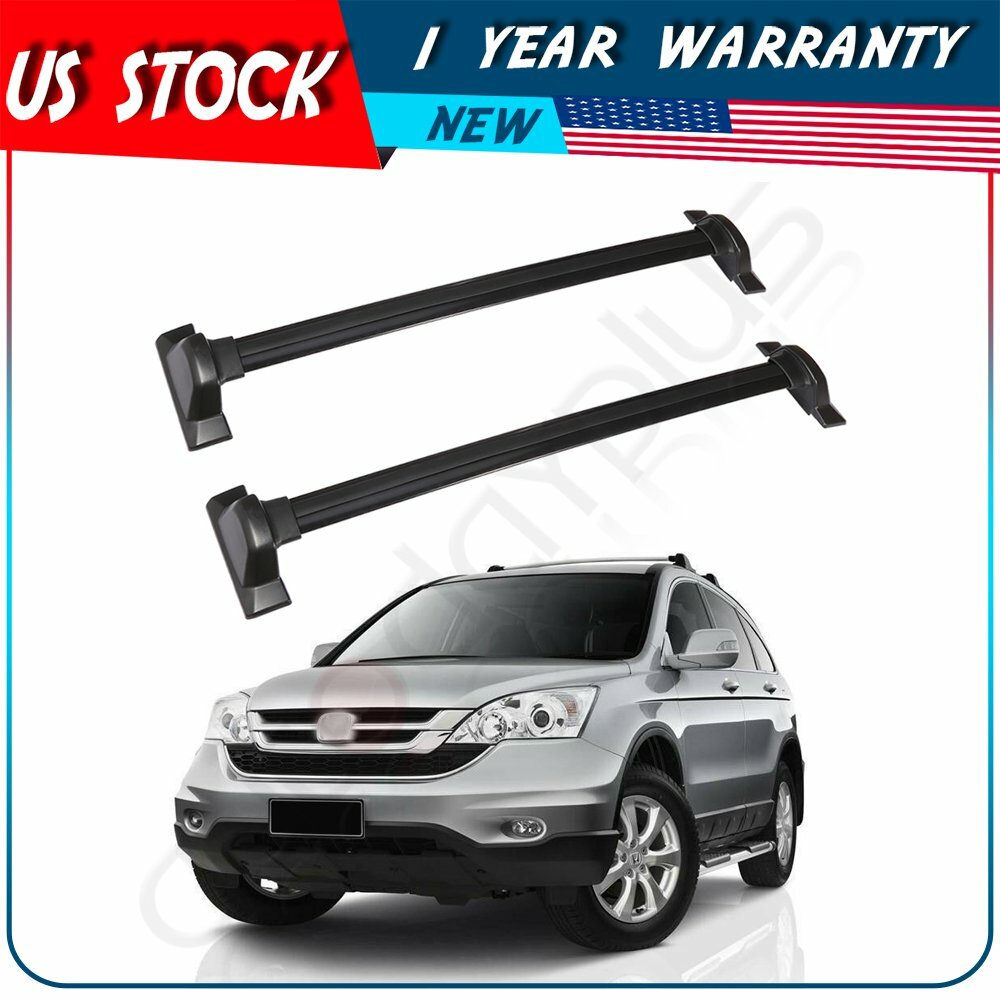 Luggage For 2007-2011 Honda CR-V Aluminum Top Roof Rack Cross Bars Cargo Carrier$56.01
 View on eBay
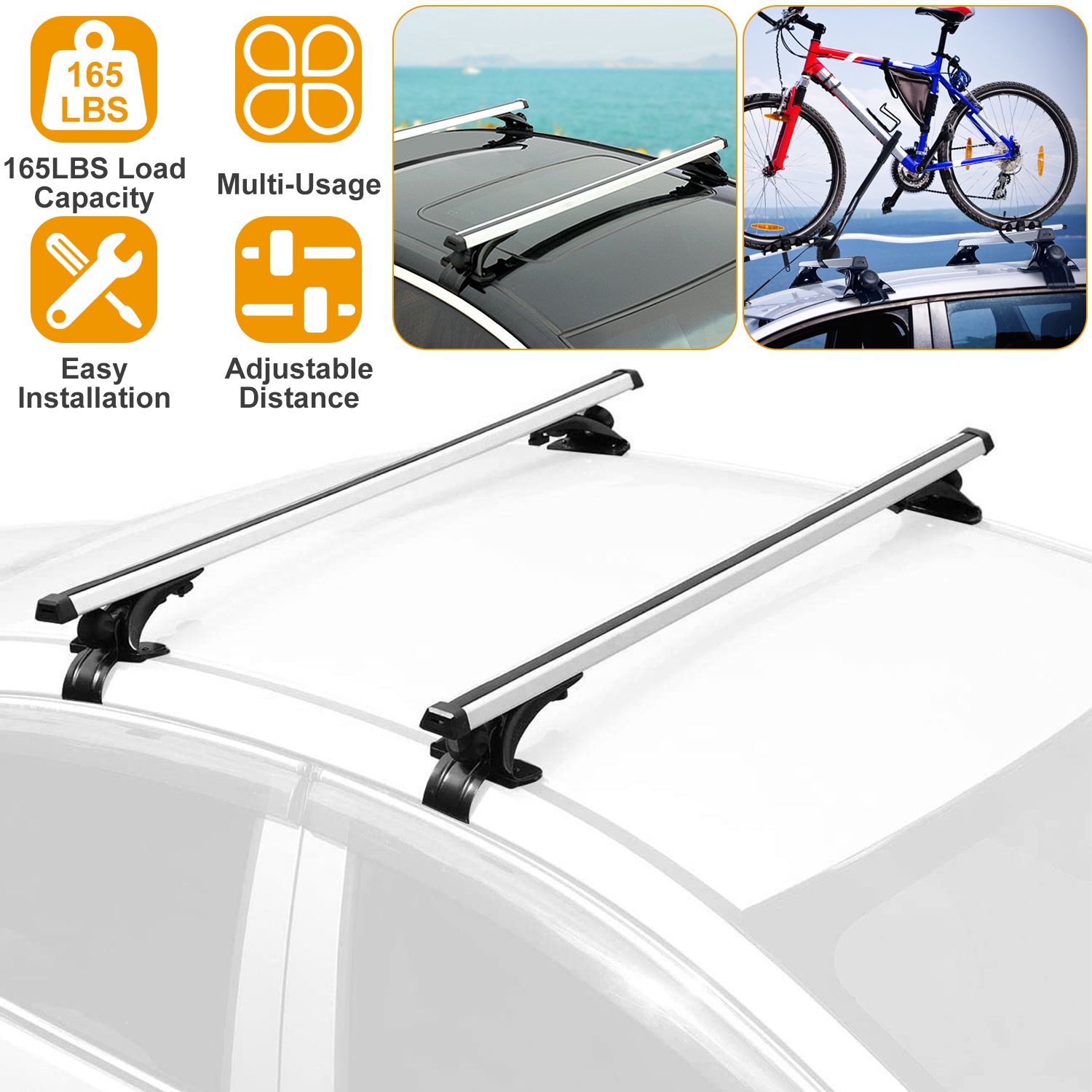 47.24in Universal Top Roof Rack Cross Bar Cargo Carrier Aluminum Crossbar With 165LBS Capacity Fit For Most Vehicle Wagon Car Without Side Rail$67.99
 View on Mallflare
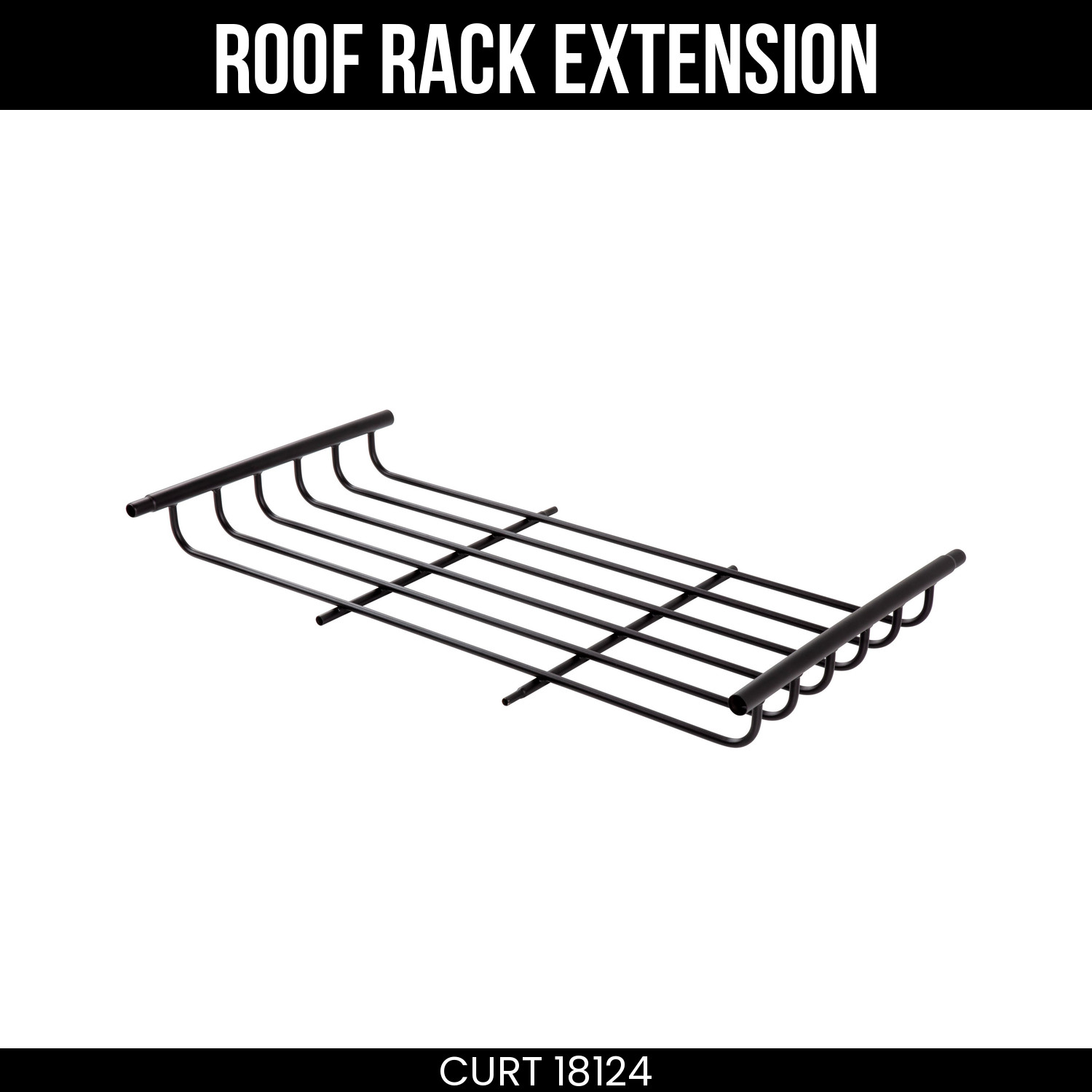 CURT 18124 Roof Rack Cargo Carrier Extension 6 Square Feet Black Steel 18124$105.99View on eBay
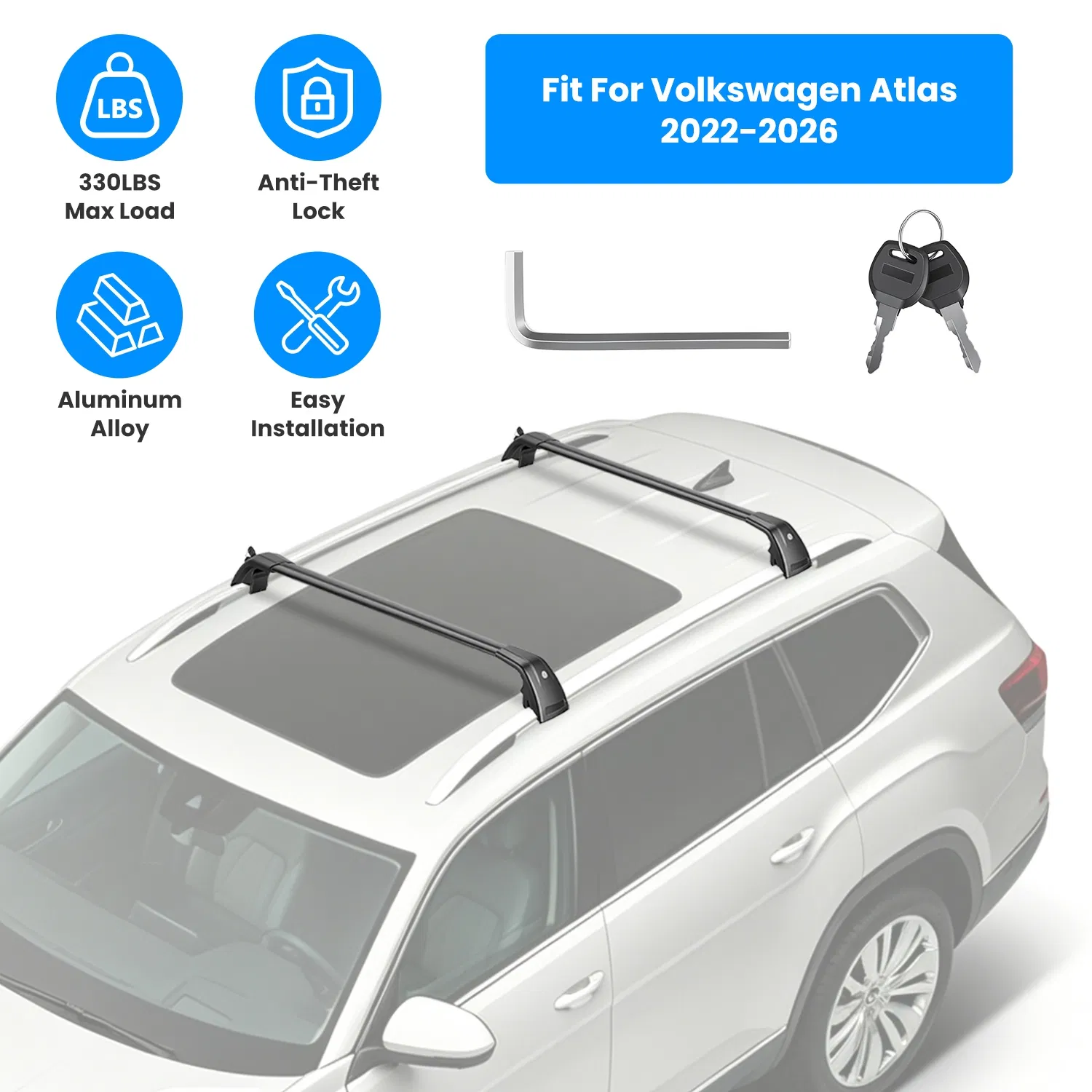 Roof Rack Cross Bars Fit for Atlas 2022-2026 with Factory Raised Side Rails Lockable Aluminum Crossbars Locks Anti-Theft Cargo Carrier 330lbs Max Load$83.99View on Mallflare
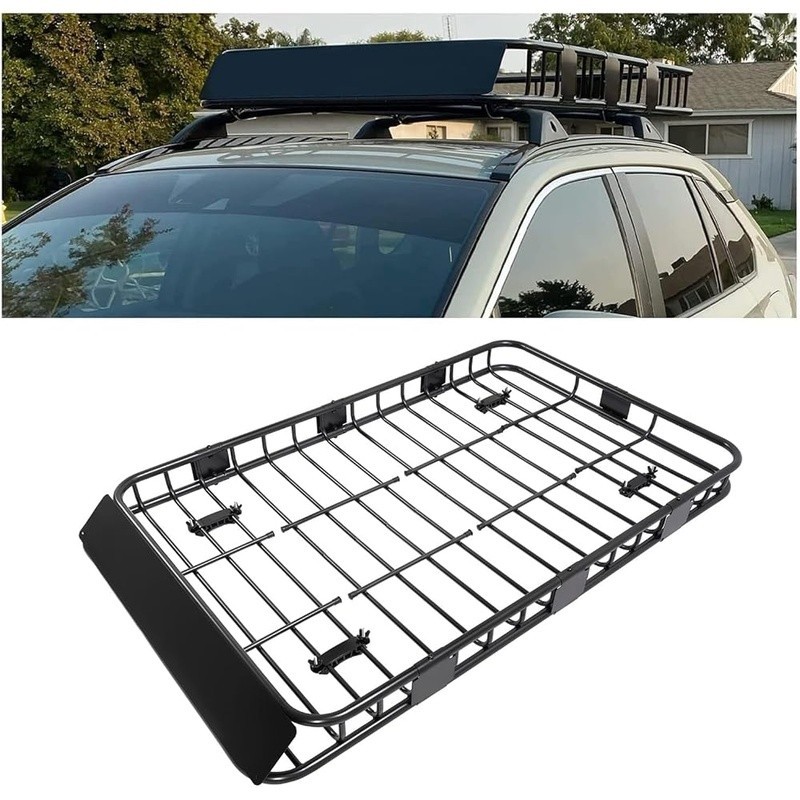 Adjustable Roof Rack Cargo Carrier Universal Fit SUV Truck Outdoor Use$120.42View on eBay
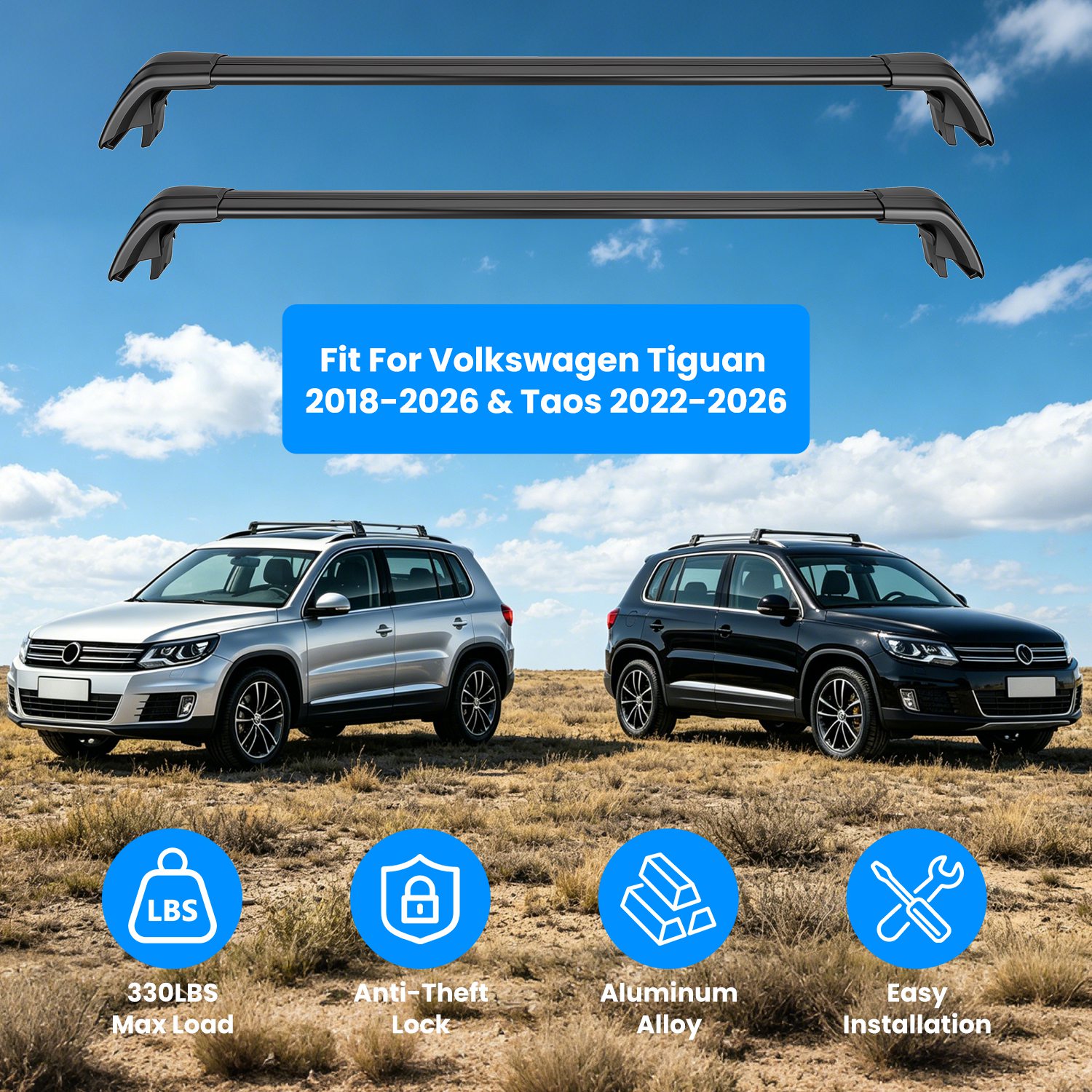 Roof Rack Cross Bars Fit For Tiguan 2018-2026 & Taos 2022-2026 With Factory Raised Side Rails Lockable Aluminum Cargo Carrier 330lbs Max Load For Luggage Kayaks Bikes$92.99View on Mallflare
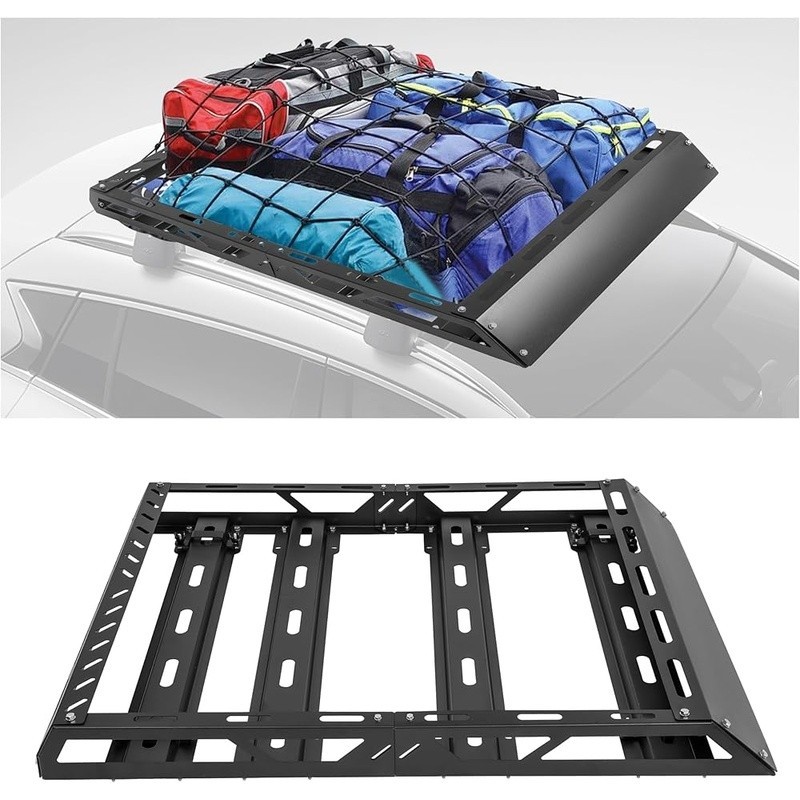 Adjustable Roof Rack Universal Fit SUV Truck Cargo Carrier Easy Install New$121.67View on eBay
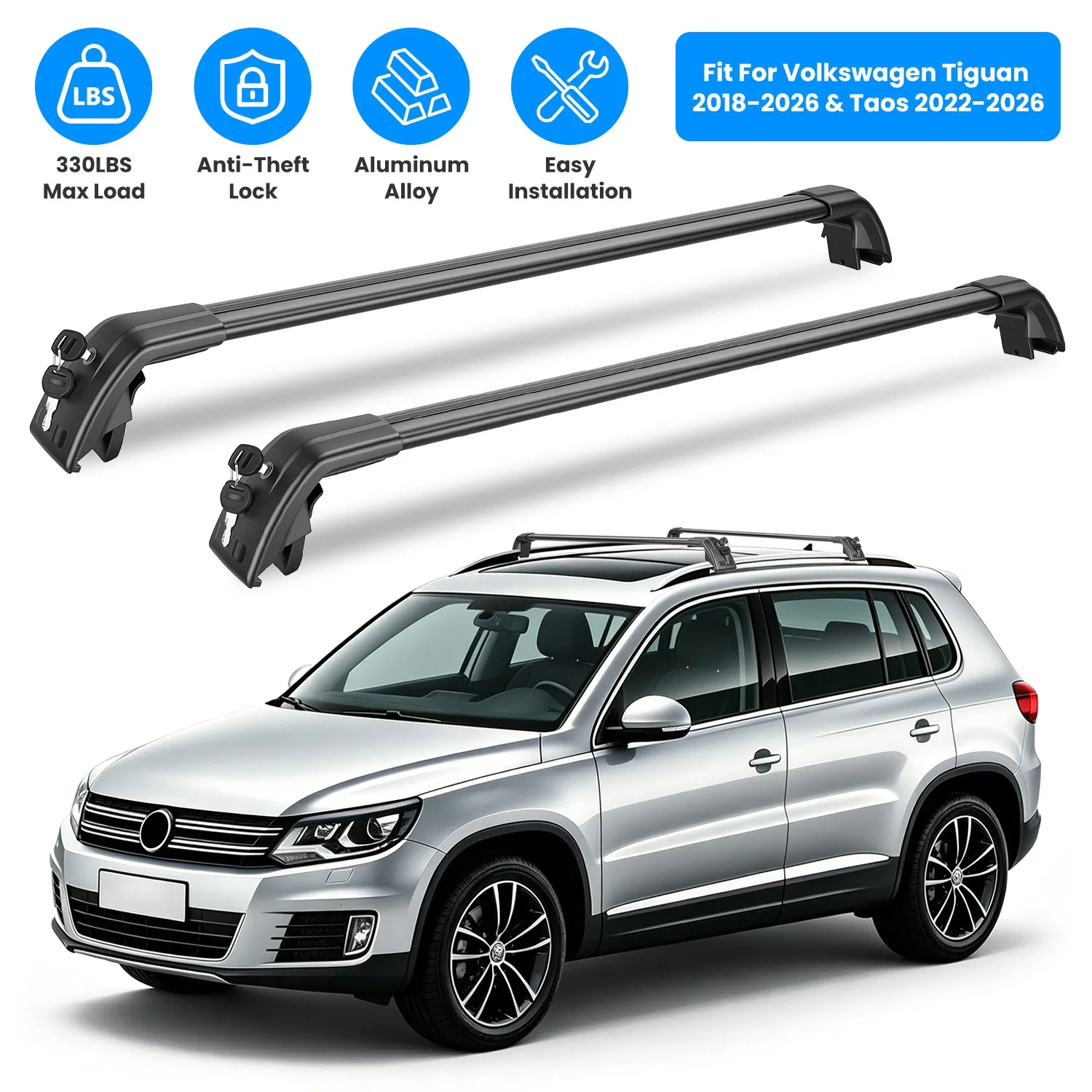 Roof Rack Cross Bars Fit for Volkswagen Tiguan 2018-2026 & Taos 2022-2026 with Factory Raised Side Rails Lockable Aluminum Cargo Carrier 330lbs Max Load for Luggage Kayaks Bikes$96.99View on Mallflare
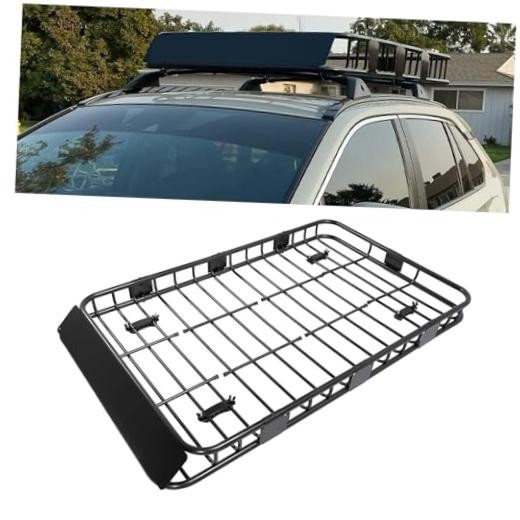 59" x 39" x 5.1" Universal Adjustable Roof Rack Cargo Carrier 67" x 39" x 5.1"$126.26View on eBay
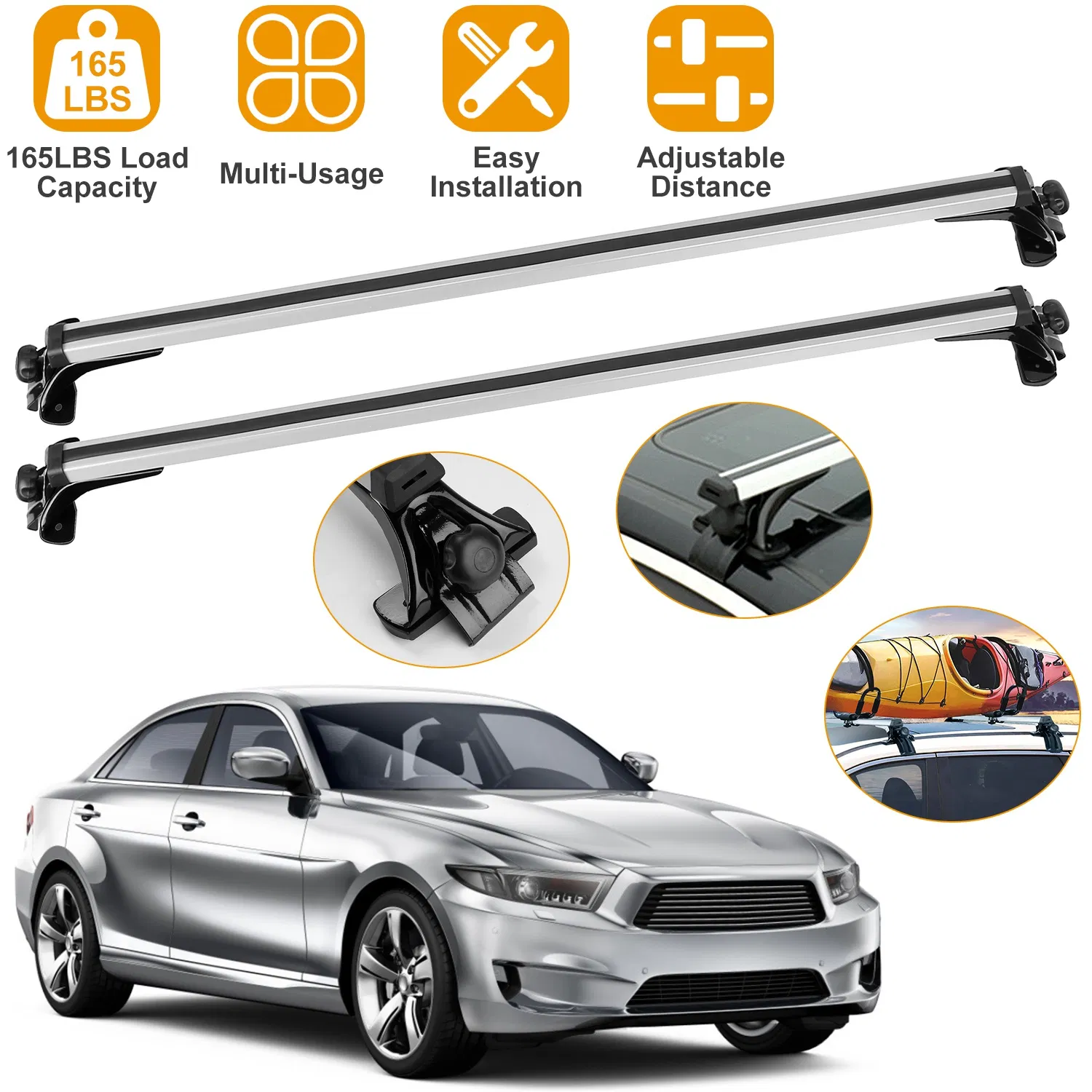 47.24in Universal Top Roof Rack Cross Bar Cargo Carrier Aluminum Crossbar w/ 165LBS Capacity Fit for Most Vehicle Wagon Car Without Side Rail$124.99View on Mallflare
- 59" x 39" x 5.1" Universal Adjustable Roof Rack Cargo Carrier 67" x 39" x 5.1"$126.52View on eBay
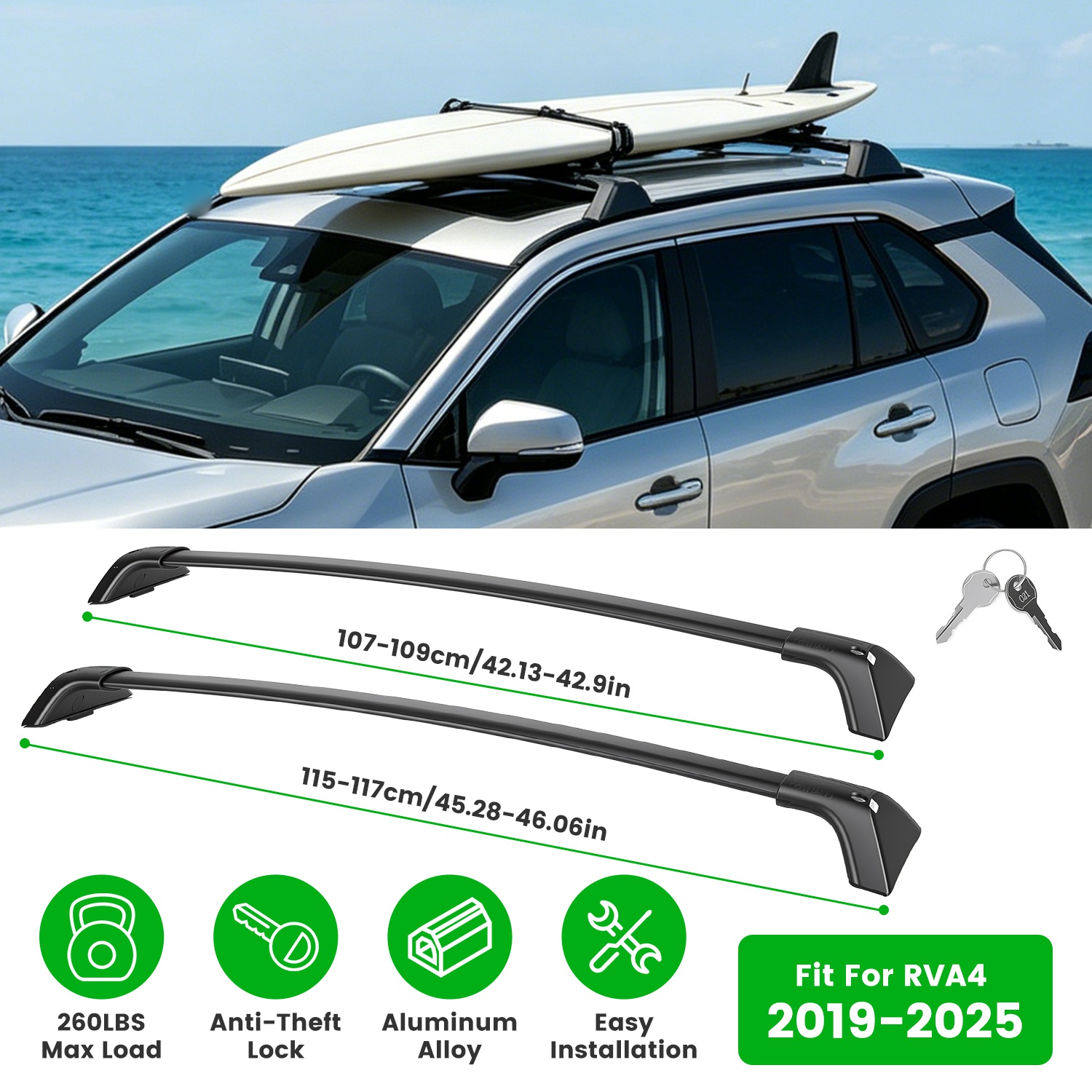 Roof Rack Cross Bars For Fit RAV4 2019-2025 Aluminum Rails Cargo Crossbars For Flush Side Heavy Duty Rooftop Carrier Anti-Theft Lock For Kayak Bike Luggage 260lbs Capacity$126.99View on Mallflare
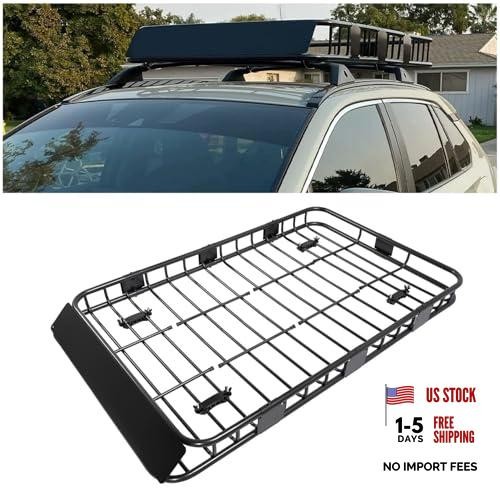 59" x 39" x 5.1" Universal Adjustable Roof Rack Cargo Carrier 67" x 39" x 5.1$126.52View on eBay
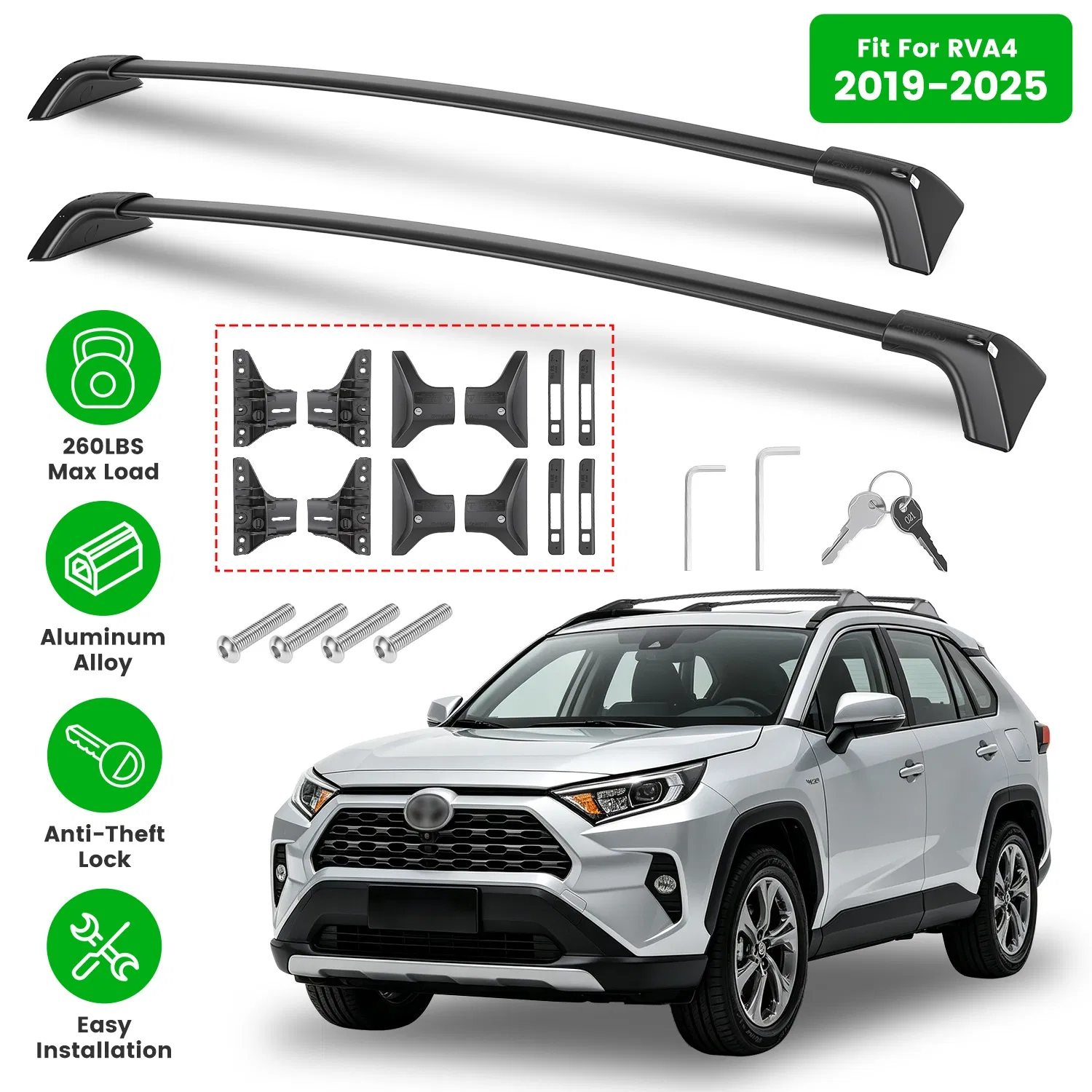 Roof Rack Cross Bars Fit for Toyota RAV4 2019-2025 Aluminum Rails Cargo Crossbars for Flush Side Heavy Duty Rooftop Carrier Anti-Theft Lock for Kayak Bike Luggage 260lbs Capacity$134.99View on Mallflare
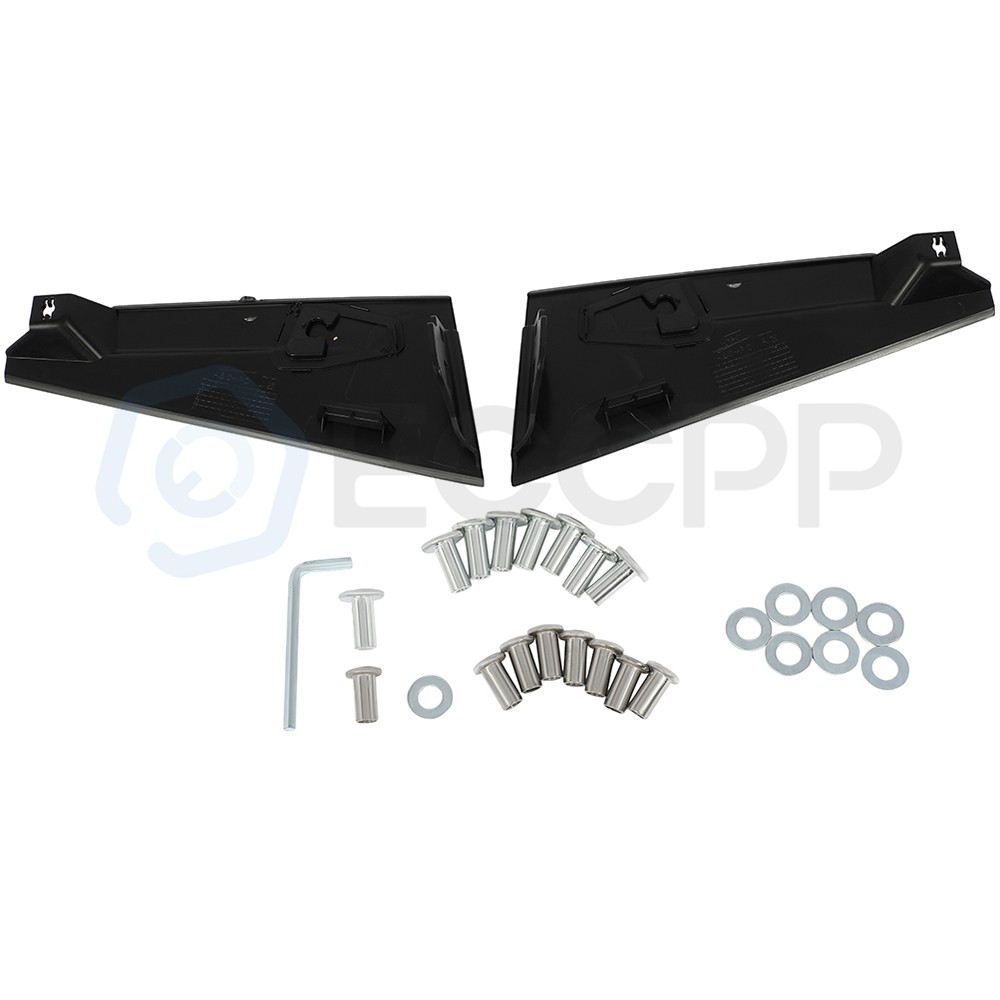 ?Roof Rail For 16-20 Honda Pilot Aluminum Roof Rack Set Baggage Carrier Cargo$126.91View on eBay
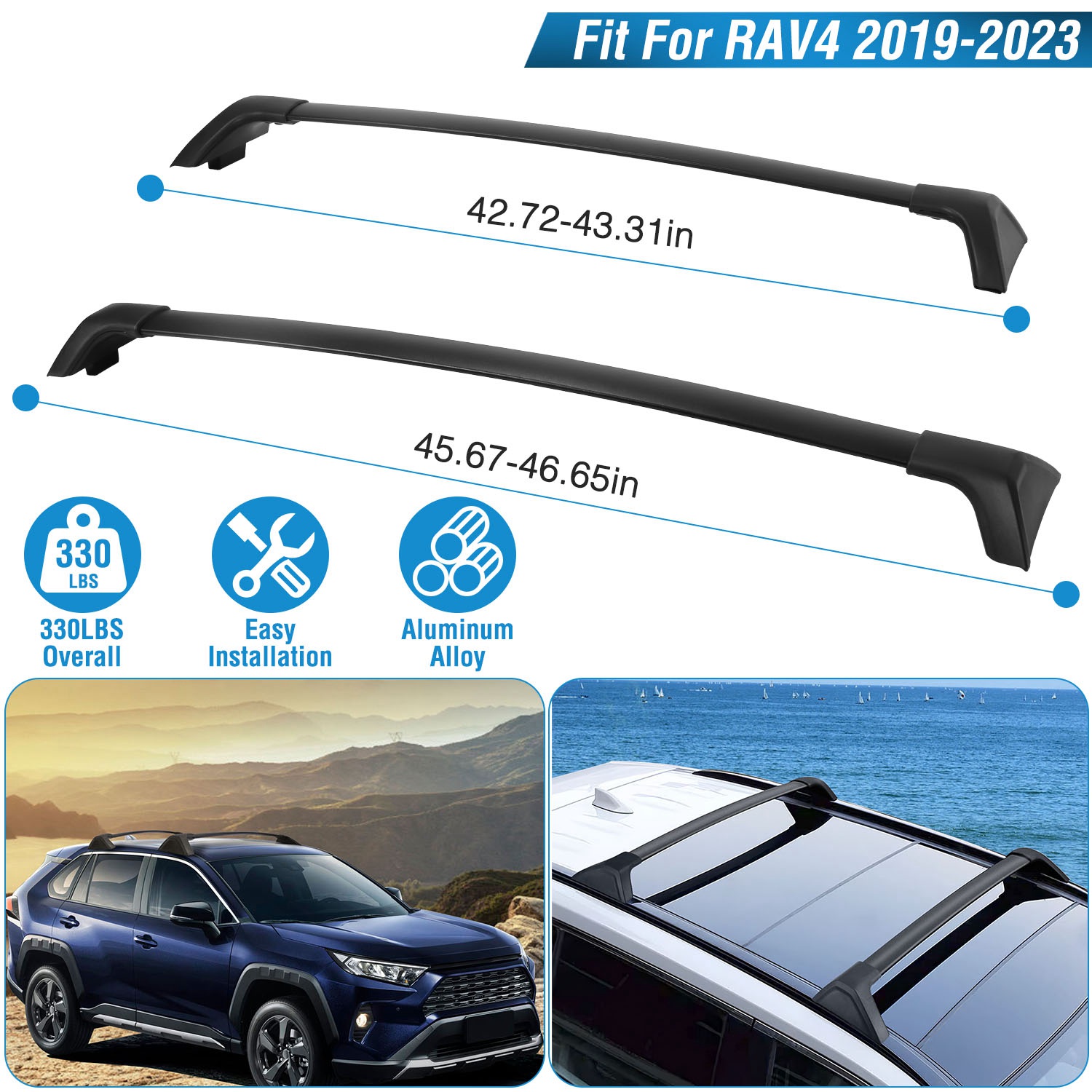 Car Roof Rack Cross Bars Aluminum Alloy Cargo Carrier Rooftop Crossbars Fit For RAV4 2019-2024 With Side Rails For Bag Kayak Bike Snowboard$137.99View on Mallflare
- 59" x 39" x 5.1" Universal Adjustable Roof Rack Cargo Carrier 67" x 39" x 5.1"$130.24View on eBay
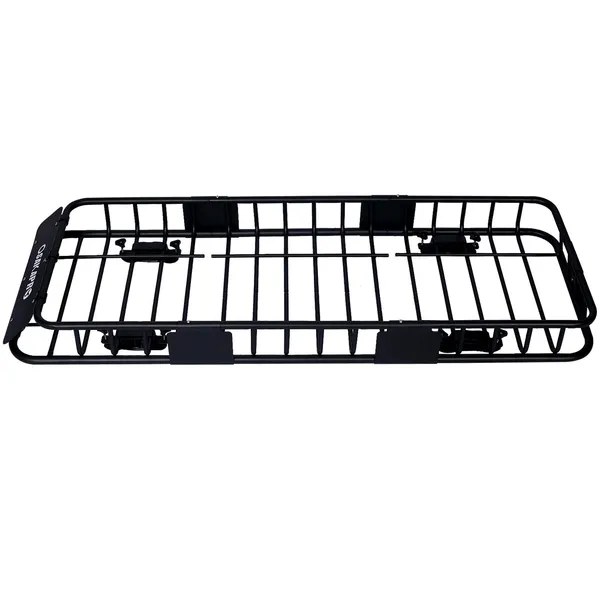 Rooftop Cargo Carrier Basket Motoring Roof Rack,Top Mount Rack 64' Black Steel$151.99View on Mallflare
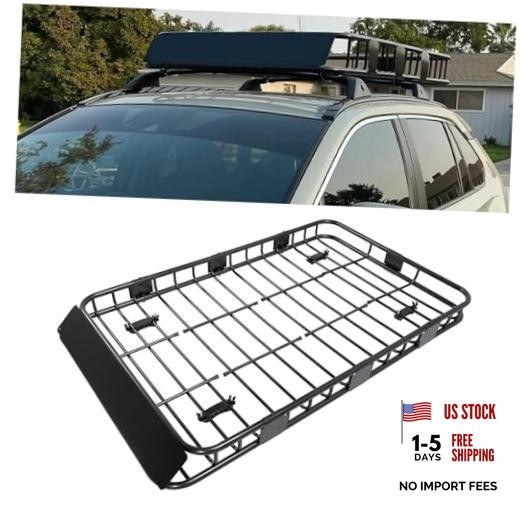 Universal Adjustable Roof Rack Cargo Carrier 59"x39"x5.1" 67"x39"x5.1"$131.31View on eBay
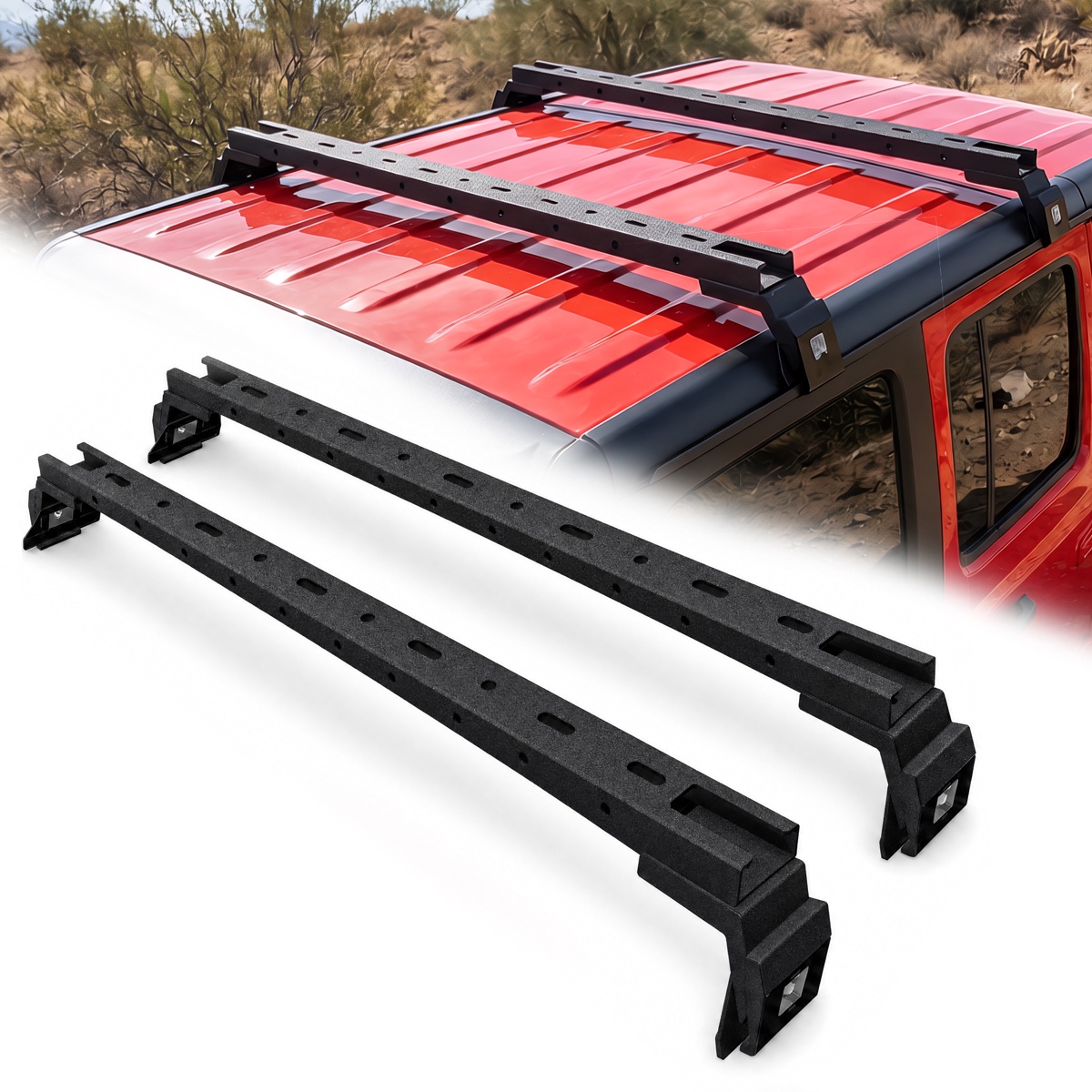 2PCS 400 LBS Roof Rack Cross Bars Compatible For 2007-2026 Jeep Wrangler JK JKU / JL JLU Unlimited & Gladiator JT Hardtop, Rail Crossbars Cargo Carrier Rooftop Luggage$161.99View on Mallflare
Highlights
- Hard-shell boxes use ABS or polycarbonate shells with dual-side opening; baskets and extensions are steel or aluminum open frames with no weather sealing.
- Dynamic load ratings matter: crossbars typically carry 165-330 lbs, and the box plus cargo must stay under the lowest rating in the chain.
- Mounting system compatibility splits into factory raised side rails, flush rails, and naked roofs; each needs a different crossbar foot or adapter.
- Aerodynamic boxes add 10-18 inches of height and reduce range or fuel economy; open baskets add drag and wind noise but cost far less.
Best use cases
- Best fit: family SUV road trips with luggage and weather exposure — pick a lockable hard-shell box with dual-side opening and a dynamic load rating at or above your gear weight.
- Best fit: kayaks, lumber, or dirty gear — pick an open basket or extension carrier with tie-down points; skip hard-shell boxes that cannot fit long irregular items.
- Wrong fit: vehicles without any factory rails or fixed mount points — you must add a bare-roof crossbar system first; a universal box alone will not attach safely.
- Wrong fit: low-clearance garages or height-restricted parking — measure total vehicle-plus-box height before buying; most boxes add 12-18 inches.
Buying tips
- Match the box footprint to your crossbar spread: most boxes require at least 24-30 inches between crossbars; measure center-to-center before ordering.
- Use the lowest load rating in the chain — crossbars, box, and roof limit — and keep cargo plus box weight under that number.
- Choose dual-side opening for curbside loading; single-side boxes force access from traffic side on street parking.
- For naked roofs, budget for a complete crossbar system with vehicle-specific feet; universal clamp bars fit only raised rails.
Specs
| Carrier Type | Hard-shell box / basket / extension |
|---|---|
| Shell Material | ABS or polycarbonate vs steel/aluminum |
| Dynamic Load | 110-165 lbs box; 165-330 lbs bars |
| Mount System | Raised rail / flush rail / naked roof |
Related searches
What to check before buying
- Measure your roof: confirm factory raised rails, flush rails, or naked roof, and the distance between mounting points.
- Measure garage or parking height: total vehicle height plus box height must clear the lowest overhead obstruction.
- Check crossbar spread and bar shape: boxes clamp to round, square, or aerodynamic bars with specific hardware.
- Confirm your vehicle's roof load limit in the owner's manual; it is often lower than the crossbar or box rating.
FAQ
Data sources: eBay / Amazon listings and product attribute feeds Data updated Nov 15, 2026.
Some links on this page are affiliate links. If you buy after clicking one, we may earn a commission at no extra cost to you. This does not change which products appear here or their order. Affiliate disclosure.