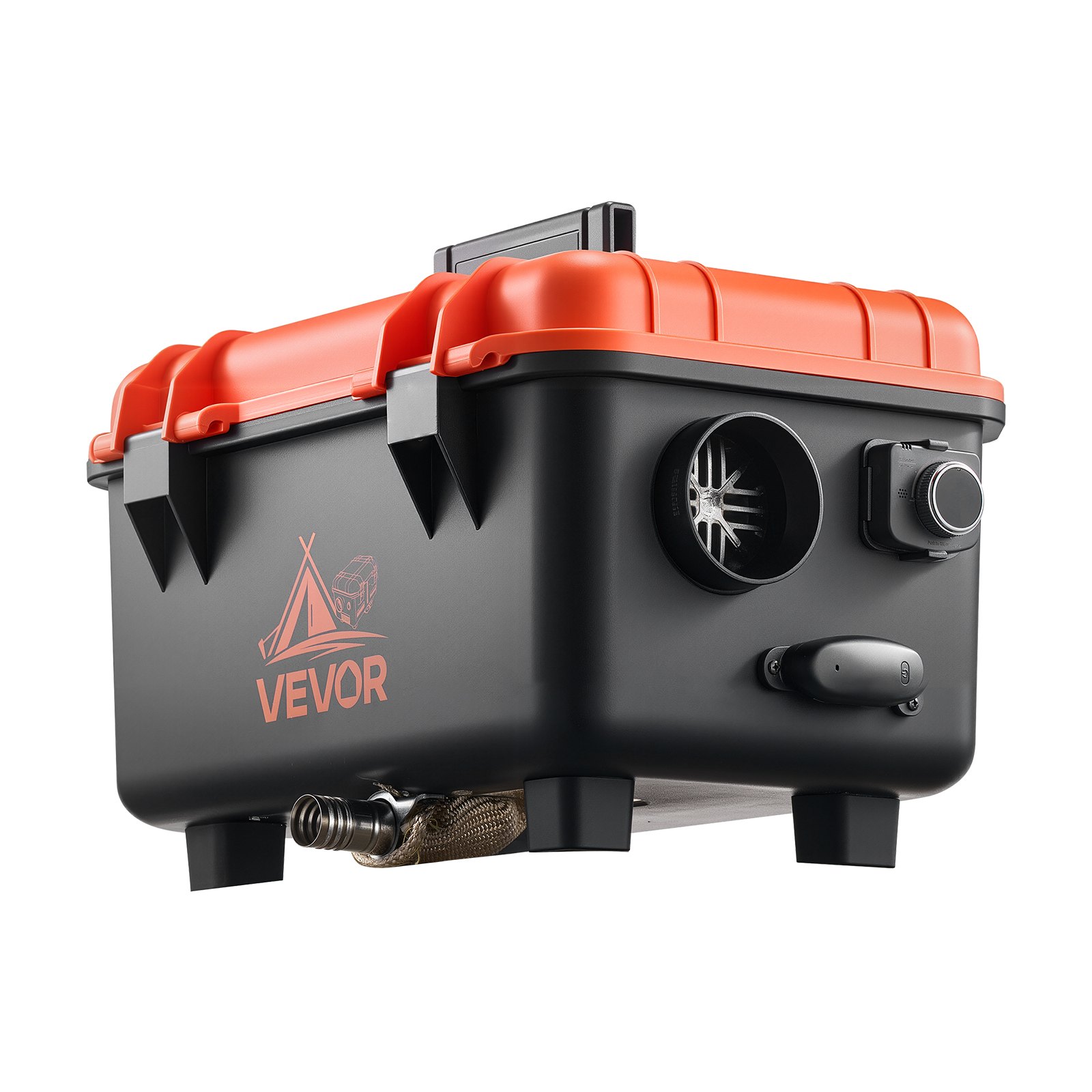

Photos from current listings. Actual item, color, and included accessories may vary.
Portable Heater Buying Guide
Portable RV heaters split into two architectures: electric space heaters that draw from campground or battery power, and fuel-fired diesel air heaters that run on their own tank. The core trade-off is power draw versus self-sufficiency—electric units are silent and simple but need 120V shore power or a large inverter bank, while diesel heaters deliver dry, high-BTU heat off-grid but require 12V/24V DC for the fan and glow plug. Buy electric only if you have reliable shore power or 2000W+ inverter capacity; buy diesel if you routinely boondock and want heat without draining the house battery.


At a glance
- Category
- RV Ventilation & Heating
- Data updated
- Nov 15, 2026
Current offers
Highlights
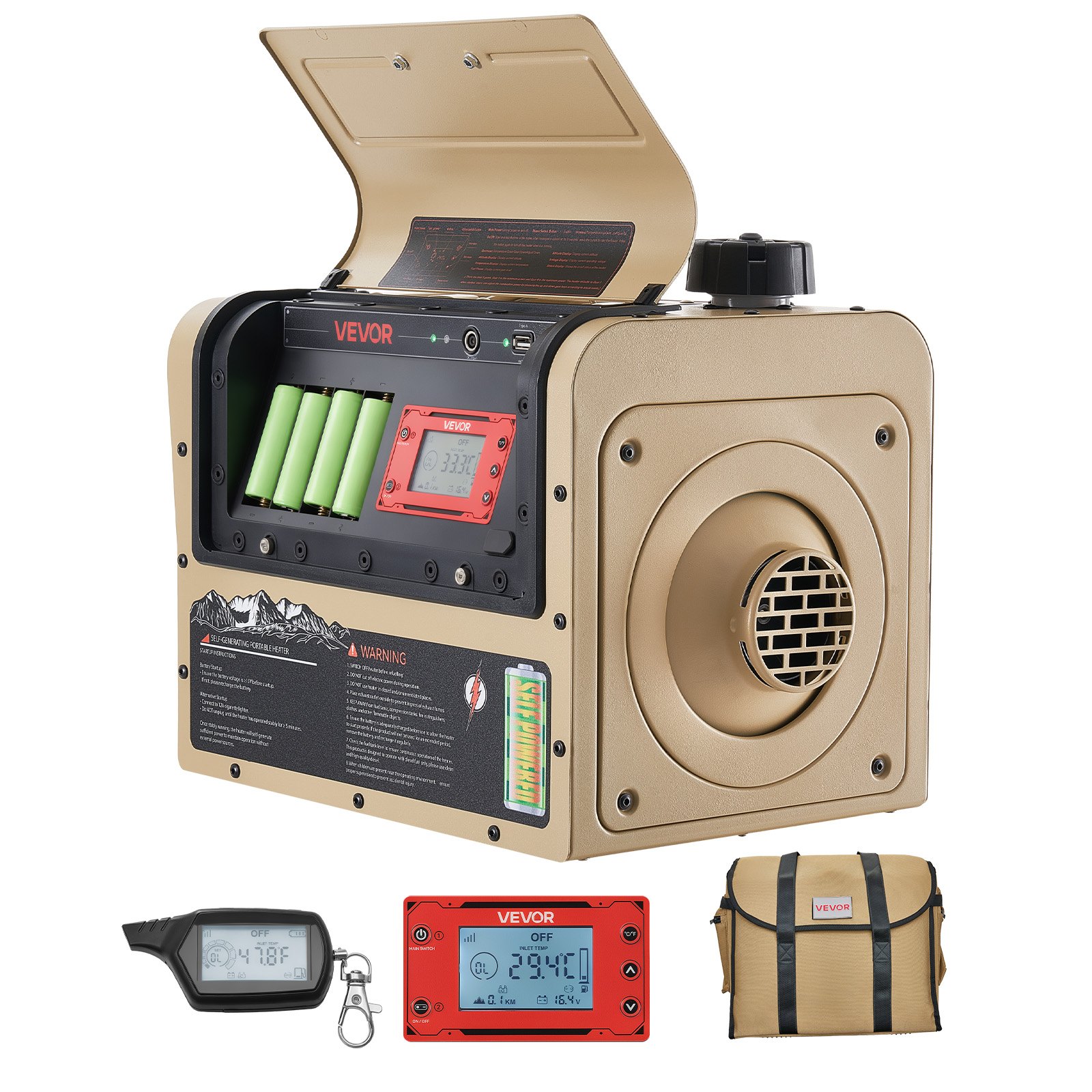
- Diesel all-in-one heaters run 8kW (approx. 27,000 BTU) on 12V/24V DC, drawing roughly 1-3A once running but 8-12A during the 2-3 minute glow-plug ignition cycle.
- Built-in fuel tanks range from 1 gallon to 1.1 gallon (3.8-4.2L), giving roughly 10-20 hours of low-output runtime at 0.05-0.1 gal/hr burn rates.
- Ceramic and oil-filled electric heaters draw 750-1500W on 120V, with a 1500W unit consuming about 12.5A—near the 15A limit of a standard campground pedestal circuit.
- Diesel heaters produce dry heat (no condensation) and are altitude-sensitive above 8,000 ft unless a high-altitude tuning kit or barometric sensor is fitted.
Best use cases
- Best fit for boondocking and winter camping: 8kW all-in-one diesel heater with 1+ gal tank and 12V DC—runs off the house battery and heats a 20-30 ft rig without shore power.
- Best fit for campground hookups: 1500W ceramic or oil-filled electric heater on a 120V 15A pedestal—silent, no fuel, no CO risk, but skip if you only have 30A service shared with other draws.
- Wrong fit: a 1500W electric heater on a 1000W inverter—it will trip the inverter; step down to a 400-750W low-wattage model or switch to diesel.
- Wrong fit: a diesel heater for a small pop-up or tent without a 12V battery—the glow plug needs a stable 12V source; use a catalytic propane or low-watt electric unit instead.
Buying tips
- Size diesel output to rig length: 2-5kW for vans and truck campers, 5-8kW for 20-30 ft Class C and travel trailers; 8kW in a small van short-cycles and soots the chamber.
- Match electric wattage to your circuit: 1500W needs a dedicated 15A/120V outlet; on 30A RV service leave headroom for the converter and fridge, so cap the heater at 750-1000W.
- Fuel-fired heaters need 12V DC at 10A+ for ignition; confirm your battery bank or converter can supply the surge without dropping below 11V.
- Check the tank size against overnight runtime: 1 gal at 0.1 gal/hr is about 10 hours on high; plan a 3.8-4.2L minimum for sub-freezing nights and a spare fuel can.
Specs
| Heater Type | Diesel air vs ceramic/oil/IR electric |
|---|---|
| Power Input | 12V/24V DC or 120V AC |
| Heat Output | 2-8kW diesel / 400-1500W electric |
| Fuel Tank / Runtime | 1-1.1 gal, 10-20 hr low output |
Related searches
What to check before buying
- Measure your rig's interior volume and insulation: 8kW suits 20-30 ft poorly insulated trailers; a well-insulated van needs only 2-5kW.
- Confirm your power source: 120V 15A pedestal for electric; a 12V/24V battery bank with 10A+ ignition capacity for diesel.
- Verify installation clearance for the diesel exhaust and combustion-air intake—typically 1-2 ft from windows, doors, and combustible walls.
- Check altitude: above 8,000 ft, diesel heaters need a high-altitude kit or CO/altitude sensor; electric heaters are altitude-neutral.
FAQ
Data sources: eBay / Amazon listings and product attribute feeds Data updated Nov 15, 2026.
Some links on this page are affiliate links. If you buy after clicking one, we may earn a commission at no extra cost to you. This does not change which products appear here or their order. Affiliate disclosure.