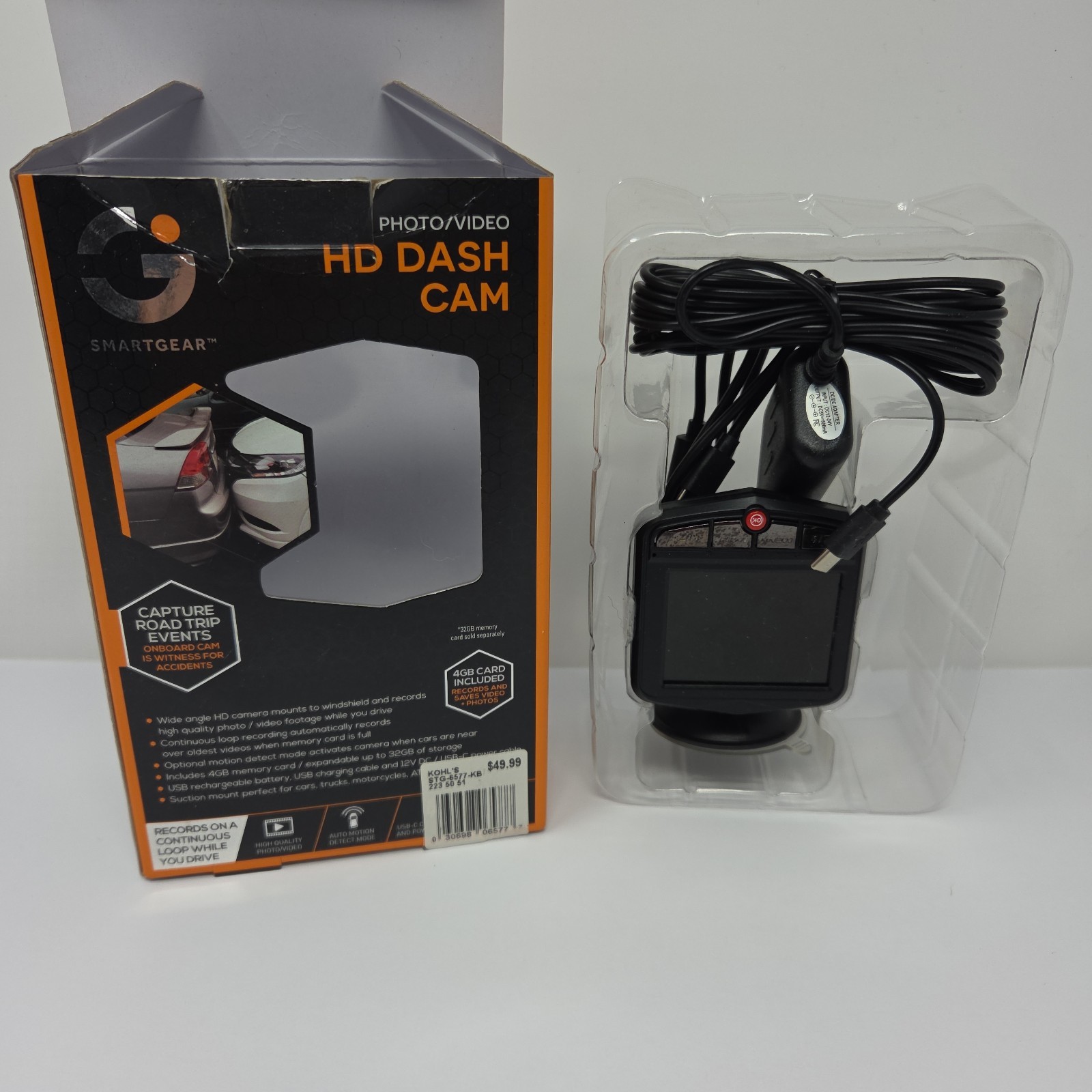

Photos from current listings. Actual item, color, and included accessories may vary.
Smartgear Hd Dashcam Buying Guide
The SmartGear HD Dashcam is a generic, entry-level single-channel dash camera sold under a house-brand name, typically offering 720p/1080p video and a wide-angle lens in a compact windshield-mount body. The core trade-off at this tier is sensor and lens quality versus price: budget units often use interpolated resolution and plastic optics that degrade night footage, while durable options use genuine CMOS sensors and glass lenses. The decision rule is simple: buy this class only for basic daytime incident capture on a tight budget; step up to a branded capacitor-based camera if you need reliable night plates or parking-mode durability.


At a glance
- Brand
- Not synced yet
- Model
- Not synced yet
- MPN
- Not synced yet
- Category
- Dash Cams
- Status
- Offers available
- Data updated
- Nov 15, 2026
Current offers
Highlights
- Most SmartGear-class units record 720p or interpolated 1080p from a small CMOS sensor, so true detail is limited compared with native 2K/4K branded cams.
- Wide-angle lenses in this tier run roughly 120-170 degrees; wider coverage reduces per-pixel detail, so plate readability drops at distance.
- Budget dashcams commonly use lithium batteries, which degrade in hot parked cars; supercapacitor models last longer in high-heat climates.
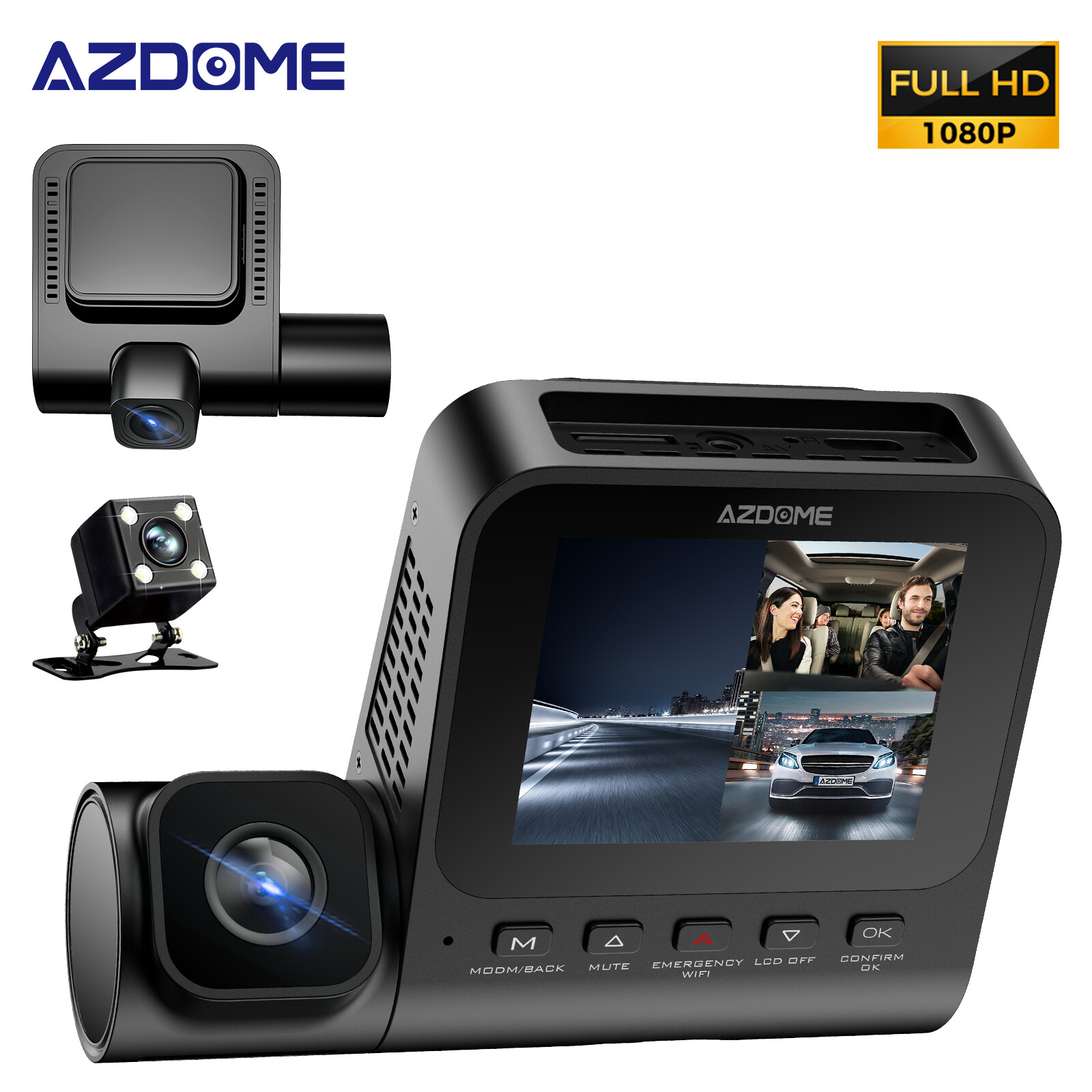
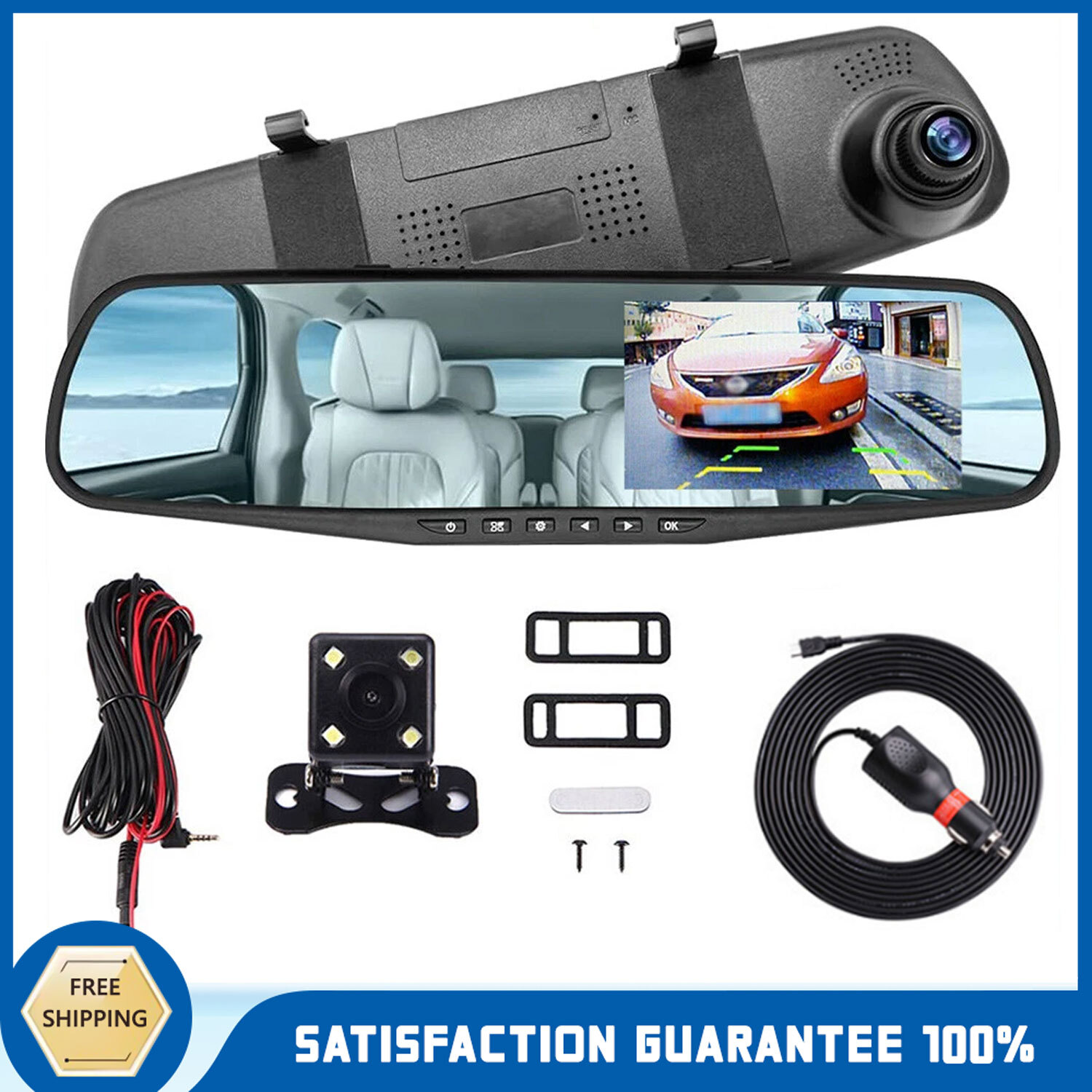
- Single-channel design records only the front view; rear coverage requires a separate camera or a dual-channel model with a rear cable run.
Best use cases
- Best fit: daytime commuting and basic collision evidence on a strict budget, where 1080p front footage and loop recording cover the need.
- Wrong fit: rideshare or night-heavy driving, where you should skip battery-powered budget cams and pick a supercapacitor dual-channel model with STARVIS-class sensor.
- Best fit: a second vehicle or teen driver's car where a simple set-and-forget wide-angle camera is preferable to a costly flagship.
- Wrong fit: parking-surveillance use, since this tier typically lacks hardwire kits, buffered parking mode, and heat tolerance for unattended summer recording.
Buying tips
- Verify native resolution: demand 1080p native from a named CMOS sensor, not 'interpolated 1080p' from a 720p sensor.
- Choose a supercapacitor over a lithium battery if the car sits in sun above roughly 40°C/104°F; heat is the leading cause of dashcam failure.
- Confirm the mount type (suction vs adhesive) and that a replacement adhesive pad or mount is available, since suction cups fail in heat and cold.
- Check loop-recording and storage support: microSD up to at least 64GB Class 10/U1, and confirm the cam overwrites oldest files automatically.
Specs
| Channel Setup | Single front / Dual front+rear |
|---|---|
| Native Resolution | 720p / 1080p / 2K / 4K |
| Power Source | Lithium battery vs supercapacitor |
| Lens & Field of View | Glass vs plastic, 120-170 deg |
Alternatives to compare
Related searches
What to check before buying
- Measure windshield space near the mirror and confirm the mount footprint clears tint bands and rain sensors.
- Confirm your vehicle has a 12V accessory socket or USB port rated for the camera, and that the cable reaches the mount point.
- Check local legality for windshield mounting position and any suction-cup restrictions before installing.
- Verify you have a microSD card of the correct class and capacity; most budget cams ship without one.
FAQ
Data sources: eBay / Amazon listings and product attribute feeds Data updated Nov 15, 2026.
Some links on this page are affiliate links. If you buy after clicking one, we may earn a commission at no extra cost to you. This does not change which products appear here or their order. Affiliate disclosure.