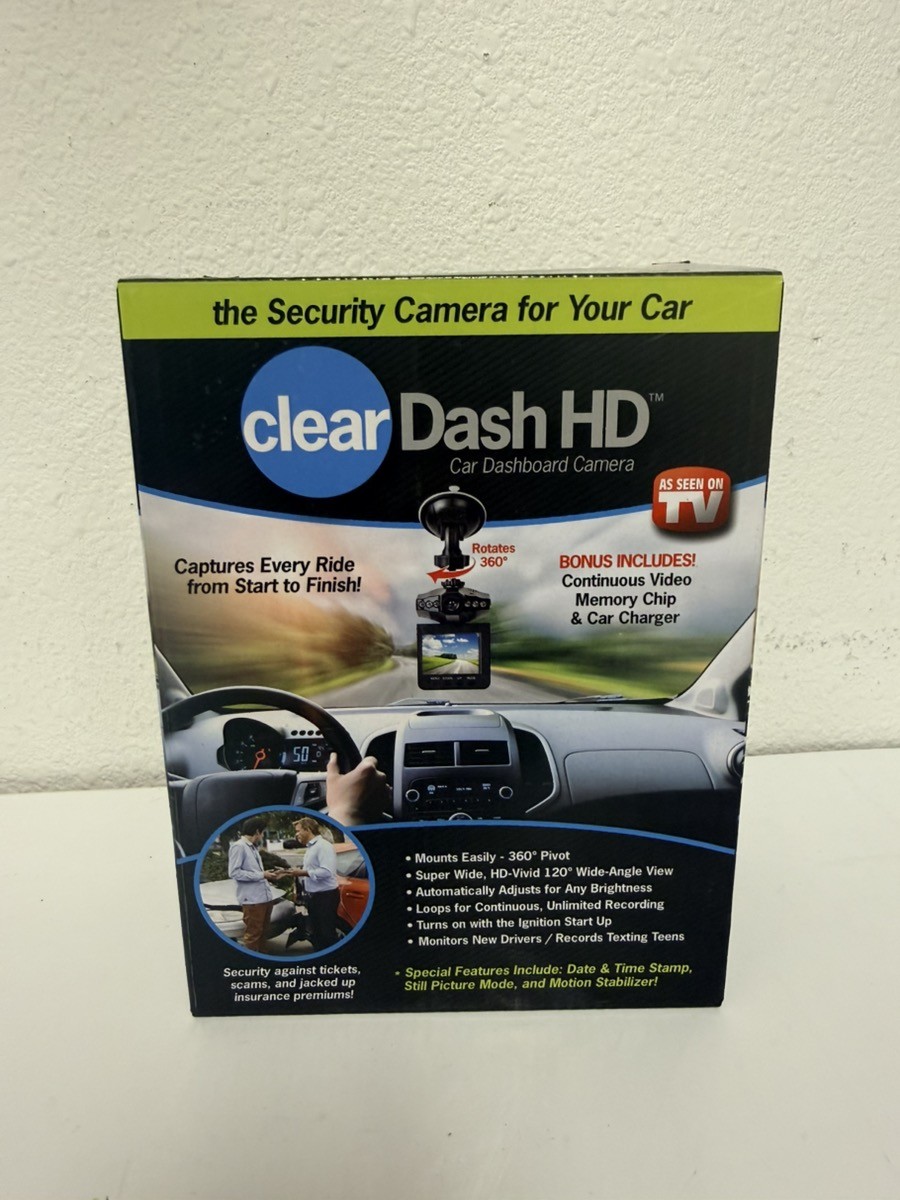

Photos from current listings. Actual item, color, and included accessories may vary.
CLEAR DASH HD Buying Guide
The CLEAR DASH HD is a single-model dash cam, but the name also reflects a broad class of budget 1080p recorders where sensor and lens quality—not the 'HD' label—determine plate readability. The critical trade-off is between low-light clarity and daytime sharpness; durable options use a Sony STARVIS sensor and glass lens, while compromises rely on interpolated sensors. Buy only if the model explicitly lists a STARVIS sensor and capacitor power; skip any variant that claims 4K from a 2MP sensor or ships without a CPL accessory thread.


At a glance
- Brand
- Not synced yet
- Model
- Not synced yet
- MPN
- Not synced yet
- Category
- Dash Cams
- Status
- Offers available
- Data updated
- Nov 15, 2026
Current offers
Highlights
- 1080p at 30fps is the minimum for legible plates at 10–15 ft; 720p or 1080p interpolated from 2MP fails at night.
- Sony STARVIS IMX323/IMX307 sensors deliver usable night video; generic CMOS sensors smear plates under headlights.
- Supercapacitor power handles 158°F dash temperatures; lithium-ion batteries swell and fail in 1–2 summers.
- A glass lens with IR-cut filter and f/1.8 or faster aperture beats a plastic lens with f/2.4 for dusk clarity.
Best use cases
- Best fit: day/night commuter recording—pick a 1080p STARVIS model with capacitor and 140–160° FOV; skip 4K budget units with tiny sensors.
- Wrong fit: parking-mode surveillance without a hardwire kit—choose a model with buffered parking mode and low-voltage cutoff, not a basic loop recorder.
- Best fit: rental/fleet proof-of-driving clips—select a unit with stamped date/time/GPS overlay and 64GB+ card support; skip Wi-Fi-only models with no screen.
- Wrong fit: rear-window install in a hatchback—avoid thick dual-channel rear cams that block the wiper; pick a slim single-channel rear unit.
Buying tips
- Demand sensor model names: IMX323/IMX307 (STARVIS) for night clarity; reject 'HD CMOS' or interpolated 4K claims from 2MP sensors.
- Require supercapacitor power for windshield heat; lithium-polymer batteries are a 1–2 summer failure point.
- Match FOV to use: 140° covers three lanes with less distortion; 170° fisheye warps plates at the edges.
- Check card ceiling: class 10 U3 microSD up to 128GB; 64GB gives ~8 hours at 1080p30 before loop overwrite.
Specs
| Sensor Class | Sony STARVIS vs generic CMOS |
|---|---|
| Power Type | Supercapacitor vs lithium battery |
| Resolution Tier | True 1080p vs interpolated 4K |
| Lens Aperture | f/1.8 fast glass vs f/2.4 plastic |
Alternatives to compare
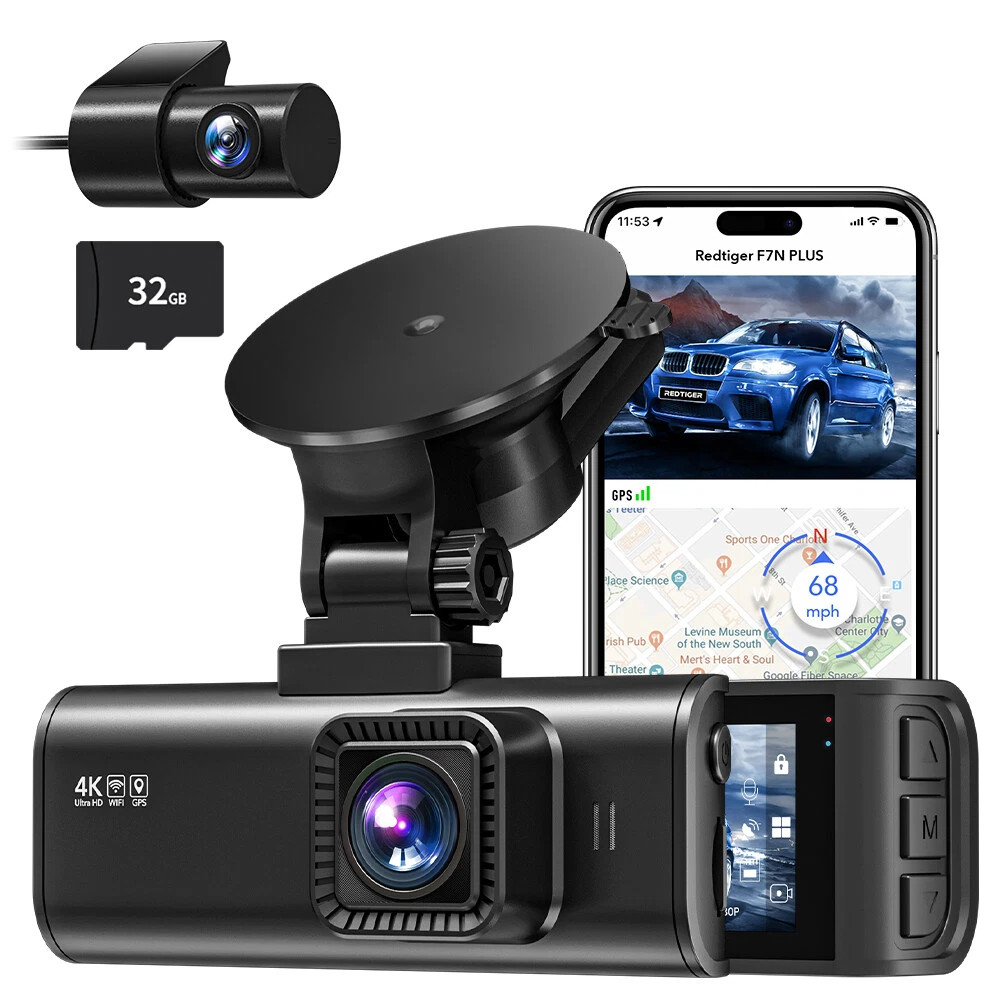
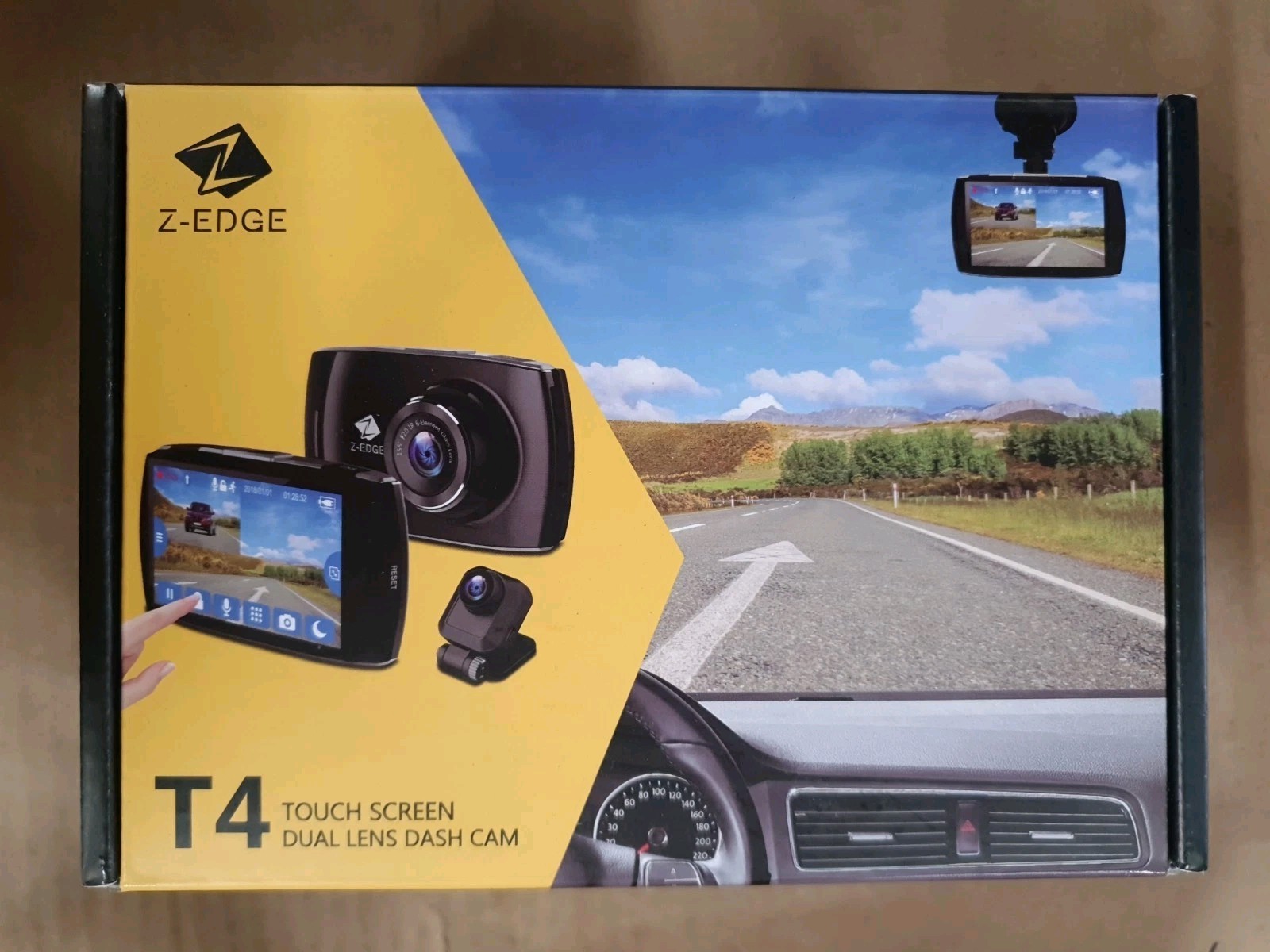
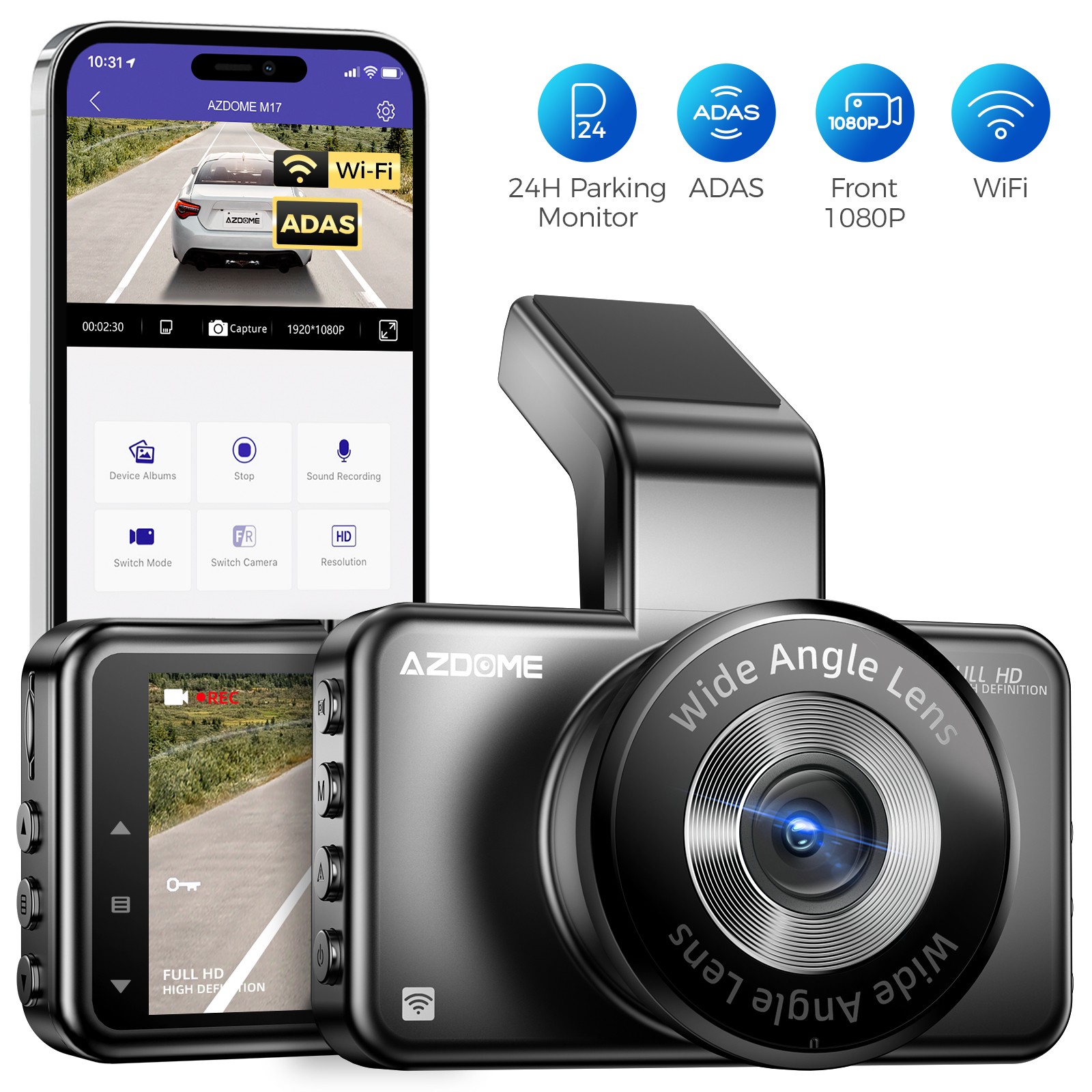
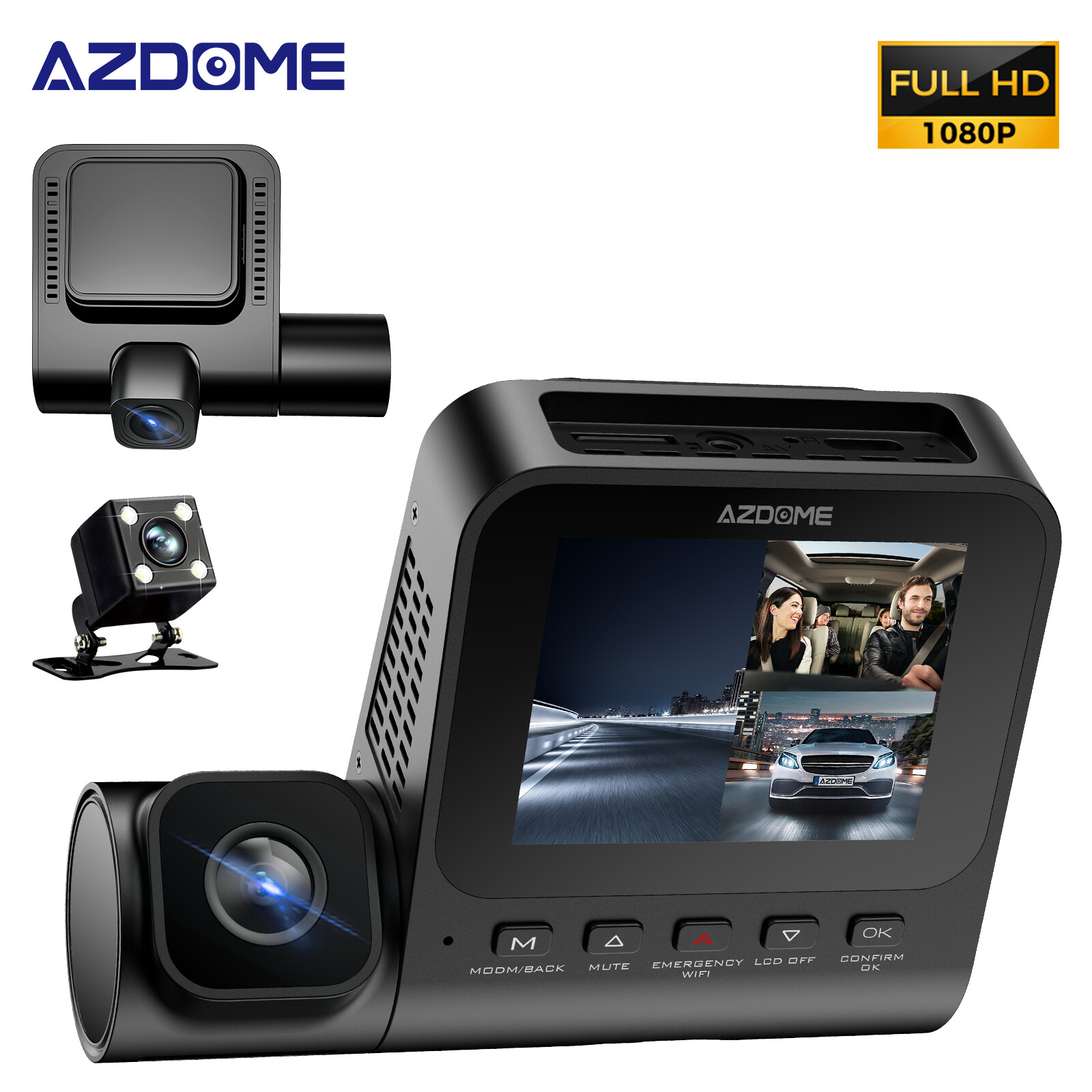
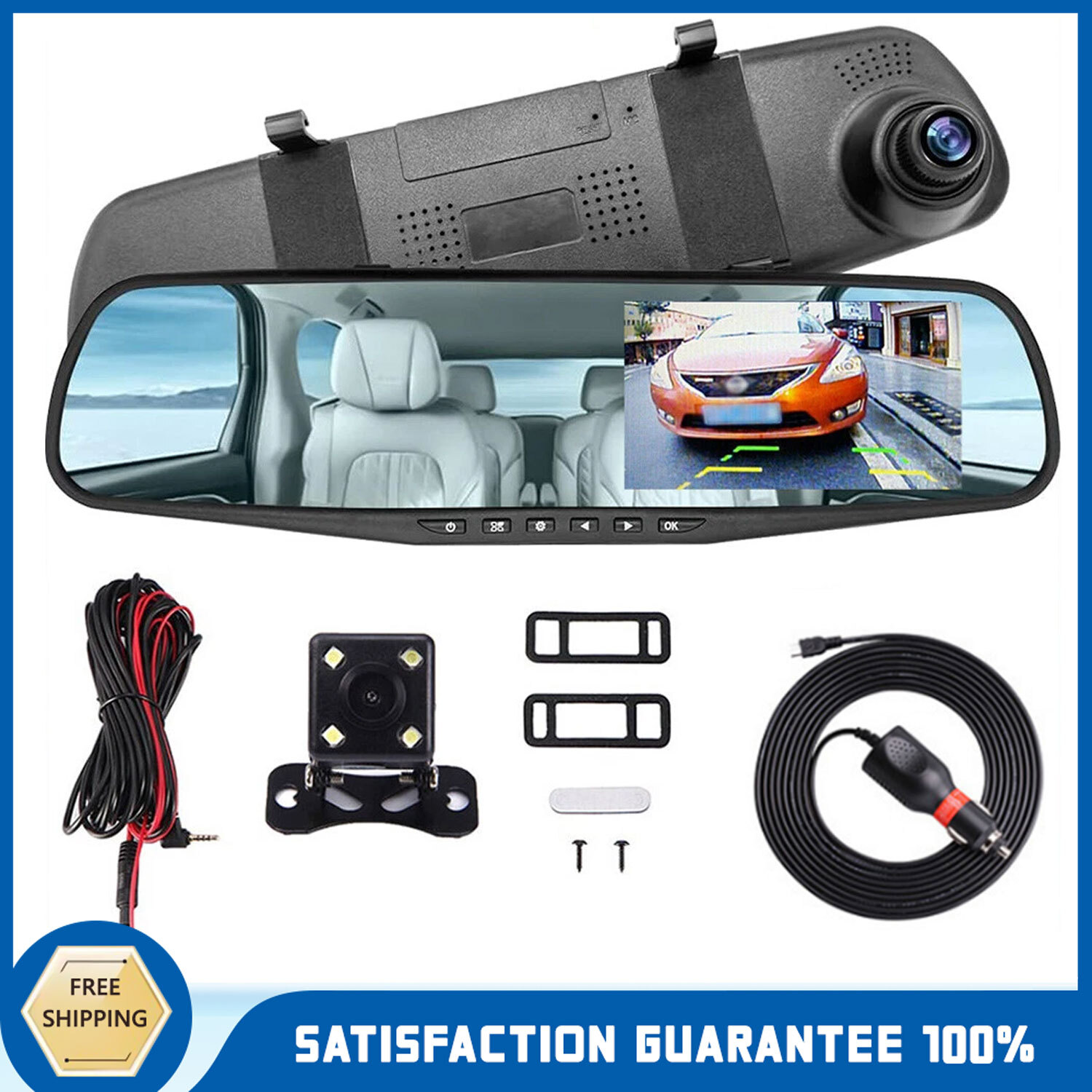
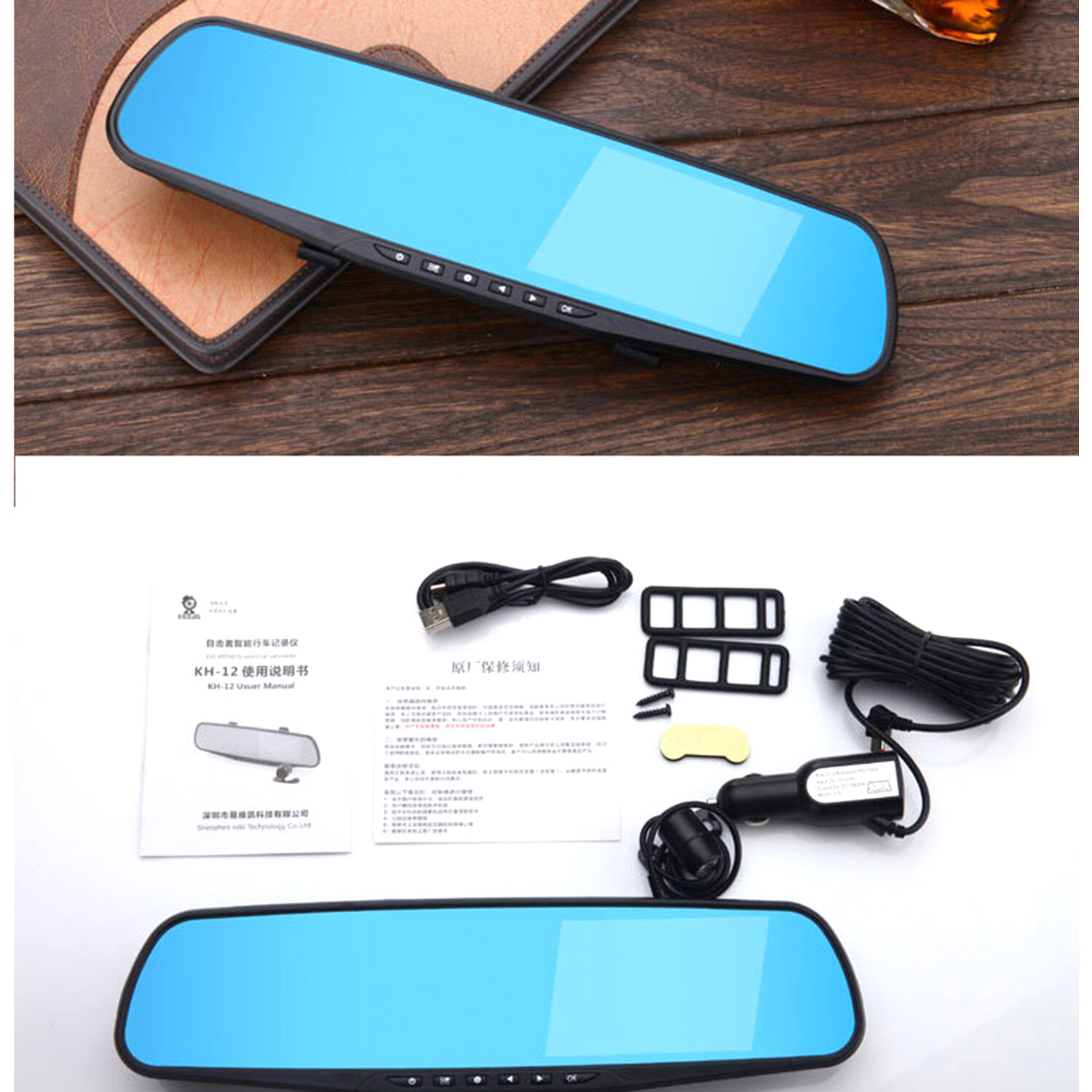
Related searches
What to check before buying
- Measure windshield space behind the mirror: unit plus mount must clear the mirror stalk and sun visor sweep.
- Confirm 12V accessory socket or fuse-tap hardwire available; parking mode requires constant 12V with low-voltage cutoff.
- Verify microSD endurance rating (high-endurance card) and that the cam accepts 128GB if you want 8+ hours retention.
- Check state windshield-mount laws: some states restrict suction mounts or objects in the driver's sightline.
FAQ
Data sources: eBay / Amazon listings and product attribute feeds Data updated Nov 15, 2026.
Some links on this page are affiliate links. If you buy after clicking one, we may earn a commission at no extra cost to you. This does not change which products appear here or their order. Affiliate disclosure.