Photos from current listings. Actual item, color, and included accessories may vary.
Car Polish And Wax Buying Guide
Car polish and wax products fall into two functional classes: abrasives that correct paint defects and protective LSPs (last-step products) that seal the surface. The primary trade-off is clarity and durability versus application effort: spray sealants and liquid waxes are fast but short-lived, while paste waxes and ceramic coatings last months but demand prep and cure time. The decision rule: match the product to your paint's condition and your willingness to prep—polish first only if you have swirls or oxidation, then choose a wax or sealant by durability target, not by label claims.

At a glance
- Category
- Car Coatings, Waxes & Sealants
- Data updated
- Nov 15, 2026
Current offers
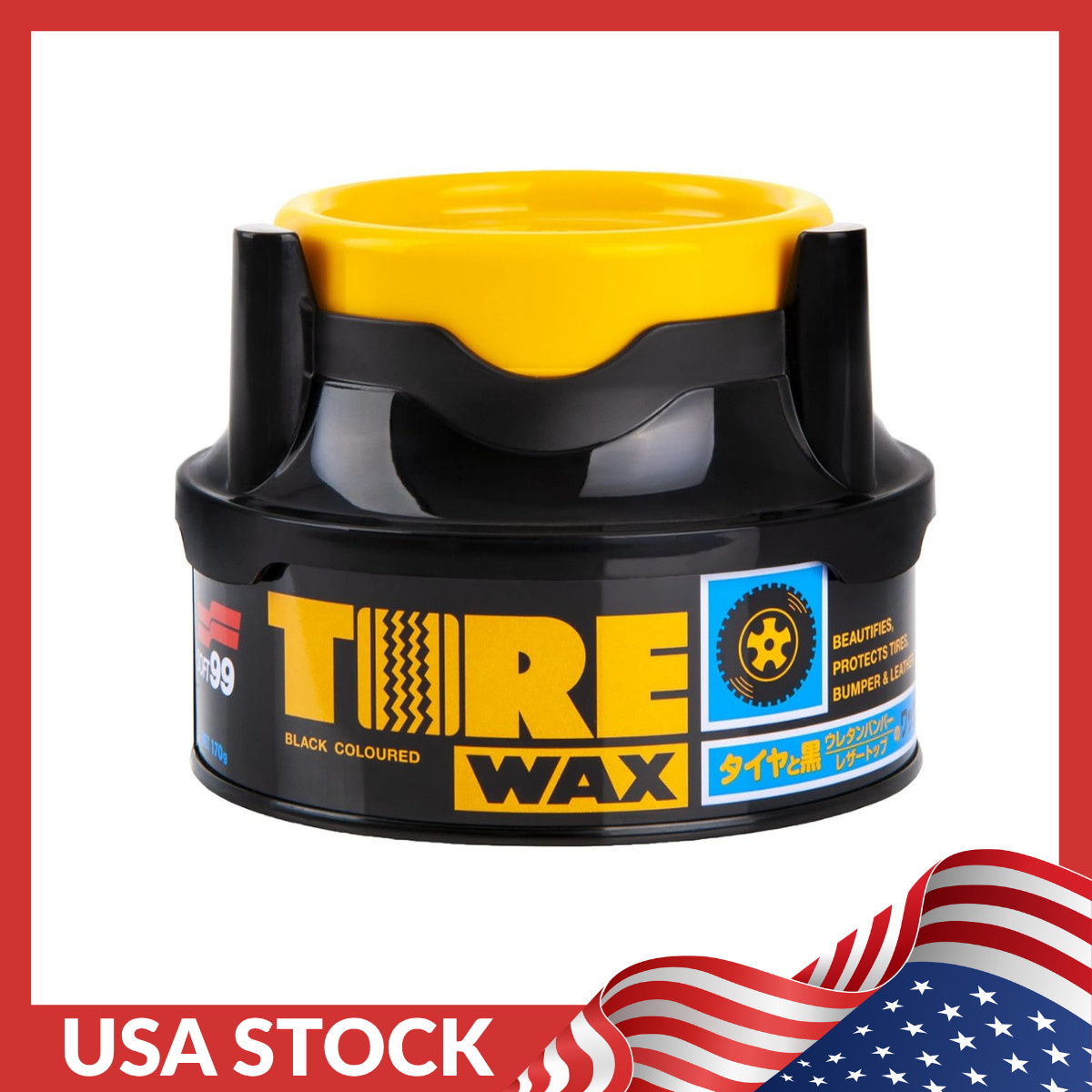 SOFT99 Tire Black Wax 170g Solid Deep Gloss Polish Car Wheel Care Made in Japan$36.98
 View on eBay
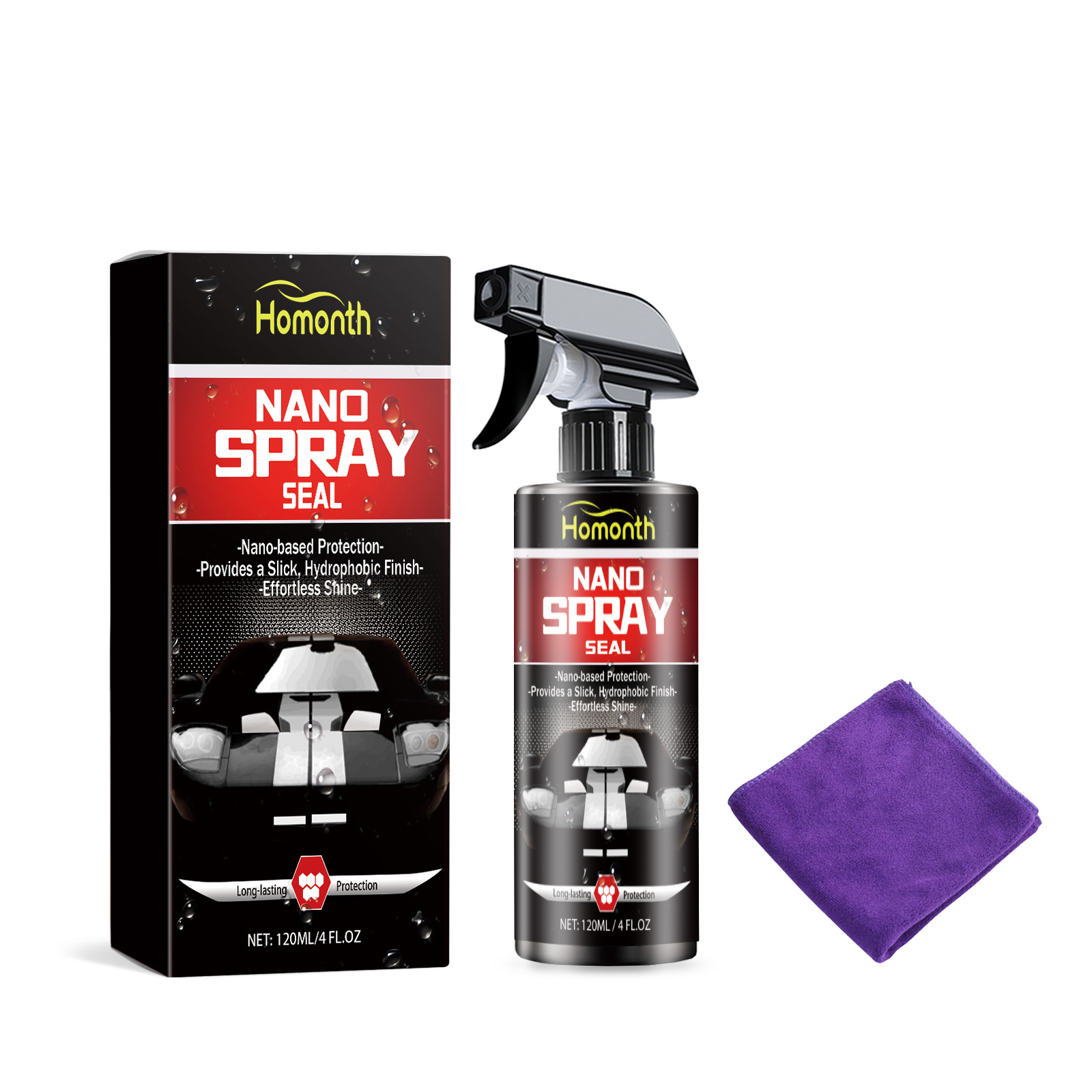 Homonth Automotive Nano Coating, Cleaning Polish Car Paint Polishing, Maintenance, Waxing And Antifouling$19.99
 View on Mallflare
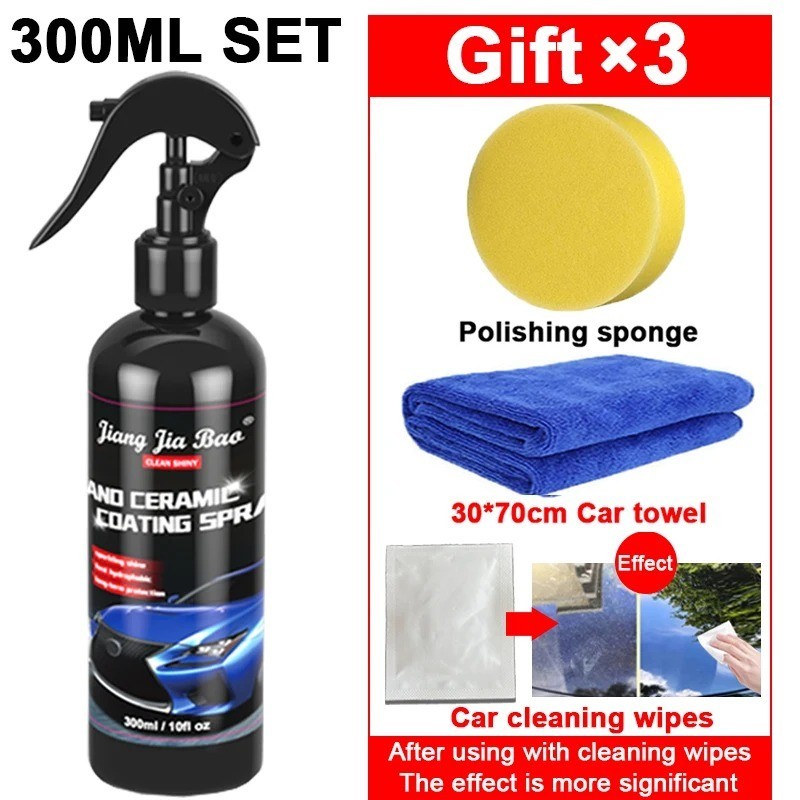 NEW Car Ceramic Nano Coating Hydrophobic Polish Paint Sealant Gloss Protector$37.99View on eBay
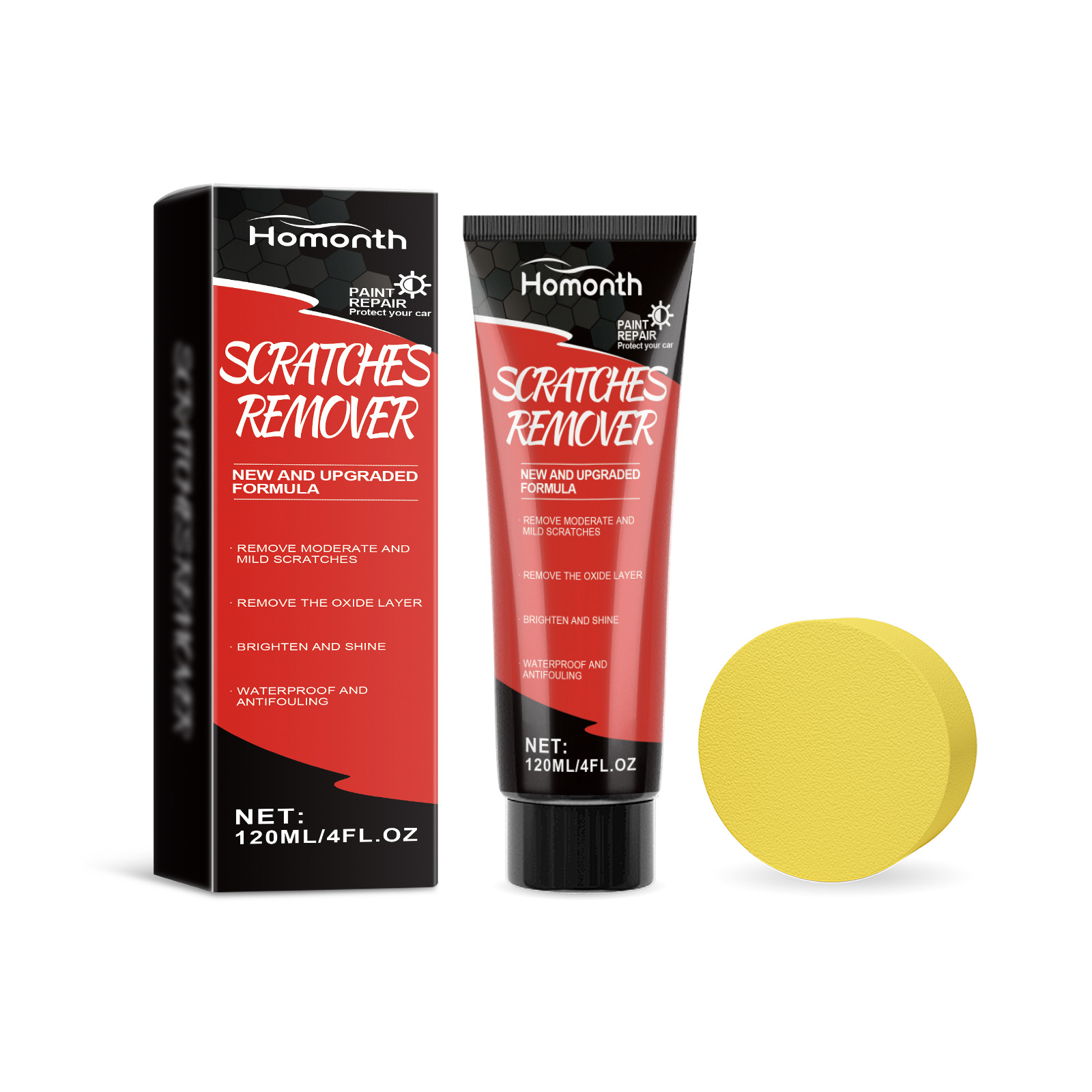 Scratch Repair Polish Wax, Paint Touch-Up Restoration Maintenance, Polishing Paste for Car Care$22.99View on Mallflare
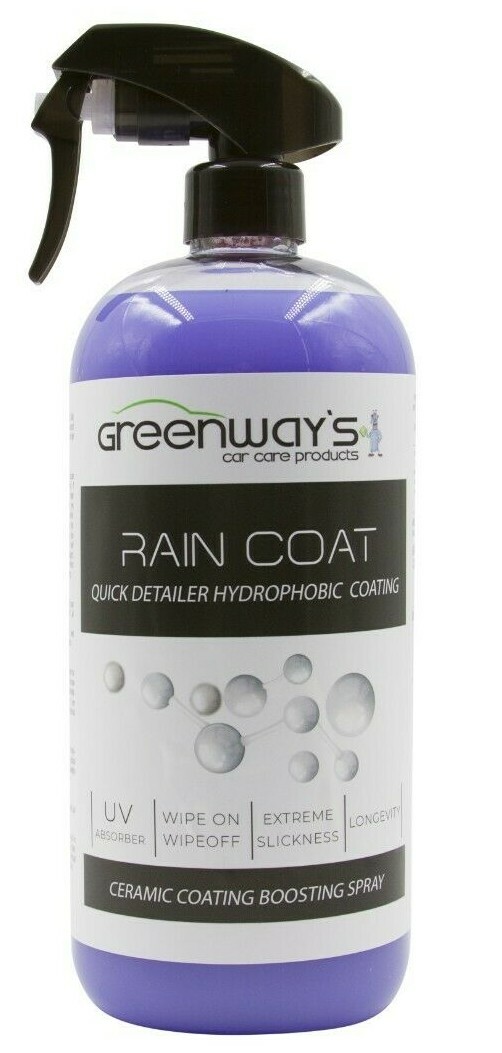 Ceramic Spray Ultra Shine Car Coating Polish and Sealer Pro Grade Formula$45.99View on eBay
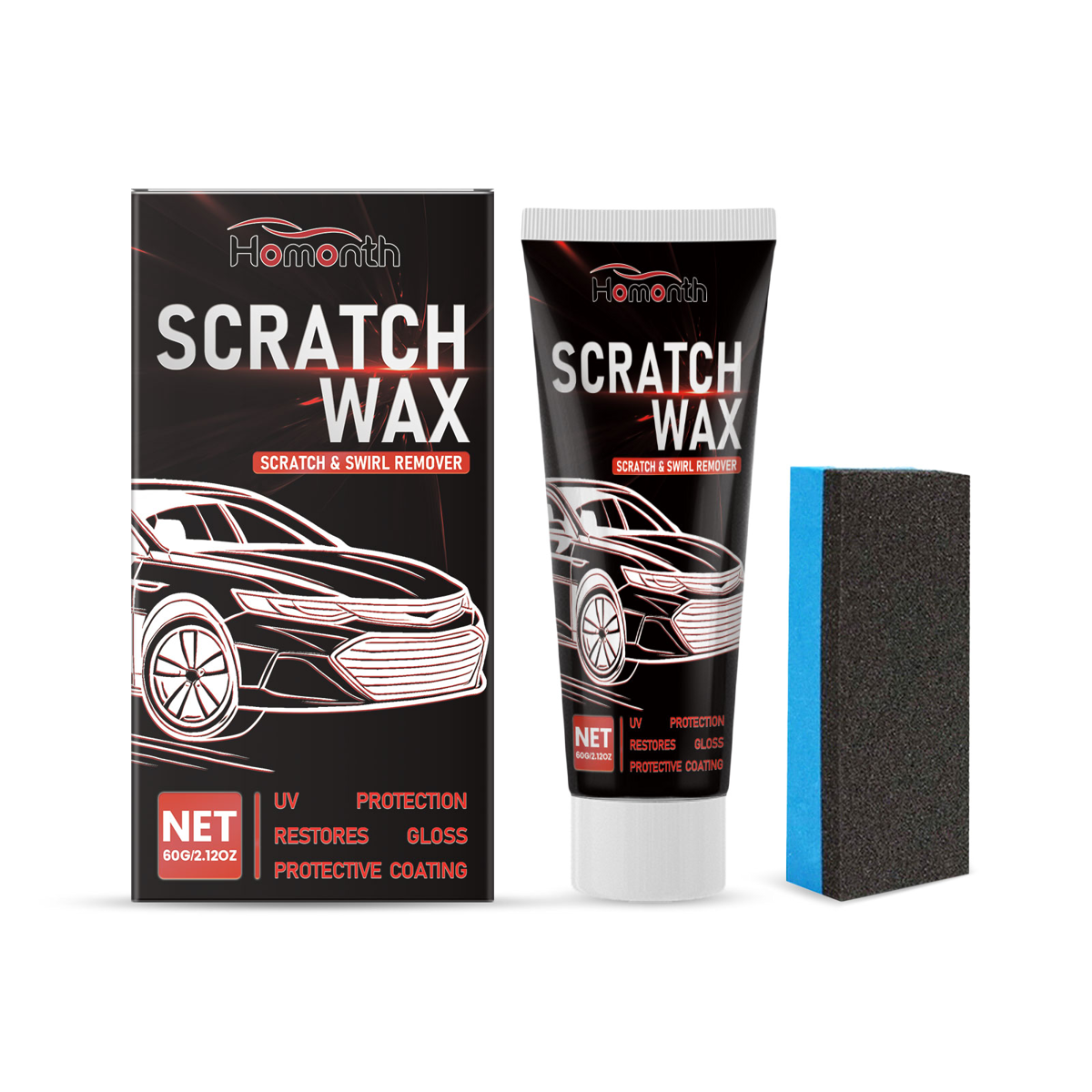 Scratch Repair Wax, Paint Polish Wax Maintenance Restoration Care, Polishing Paste for Car$22.99View on Mallflare
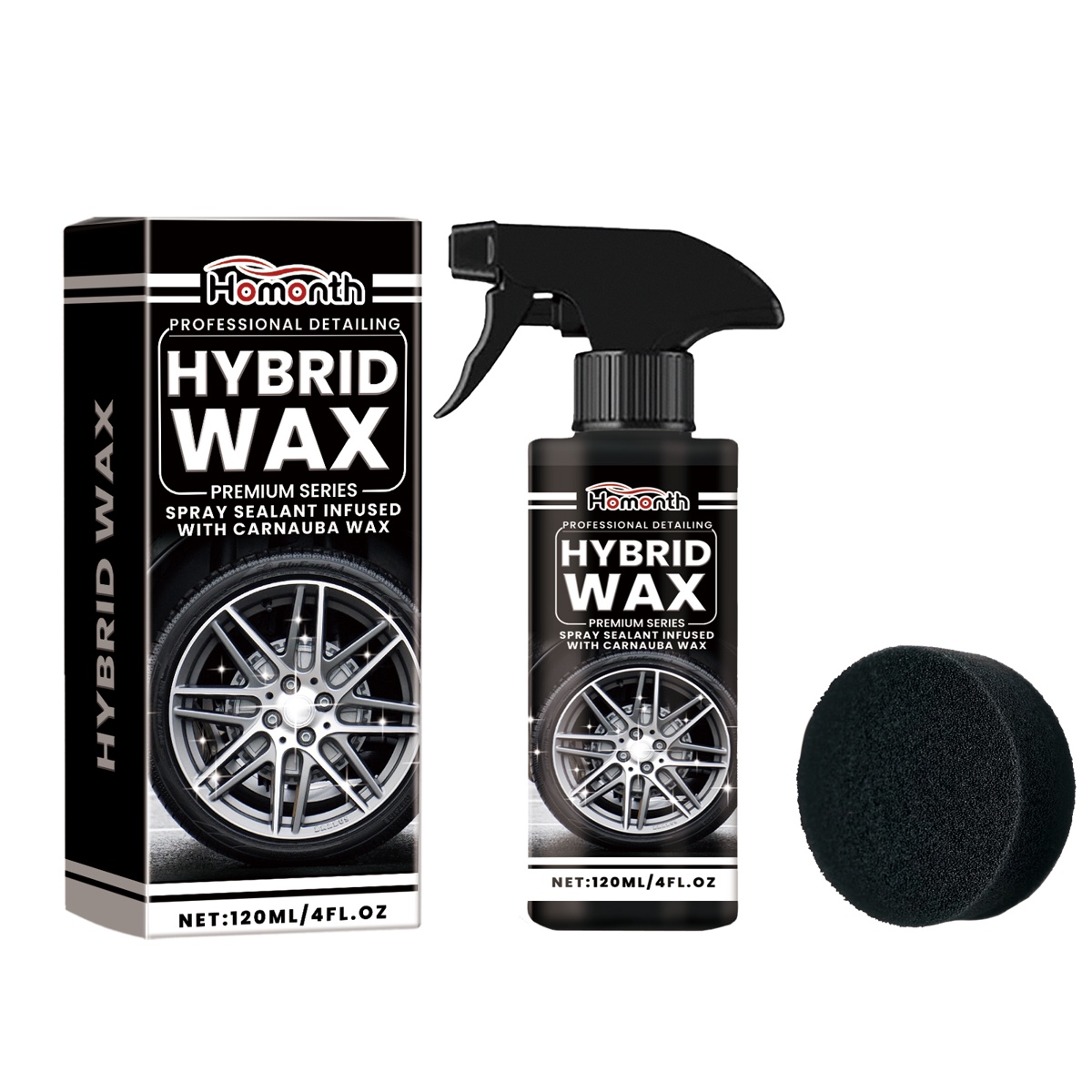 Tire Shine Spray, Wheel Polish Coating Liquid Care Sealant, Car Product for Car$22.99View on Mallflare
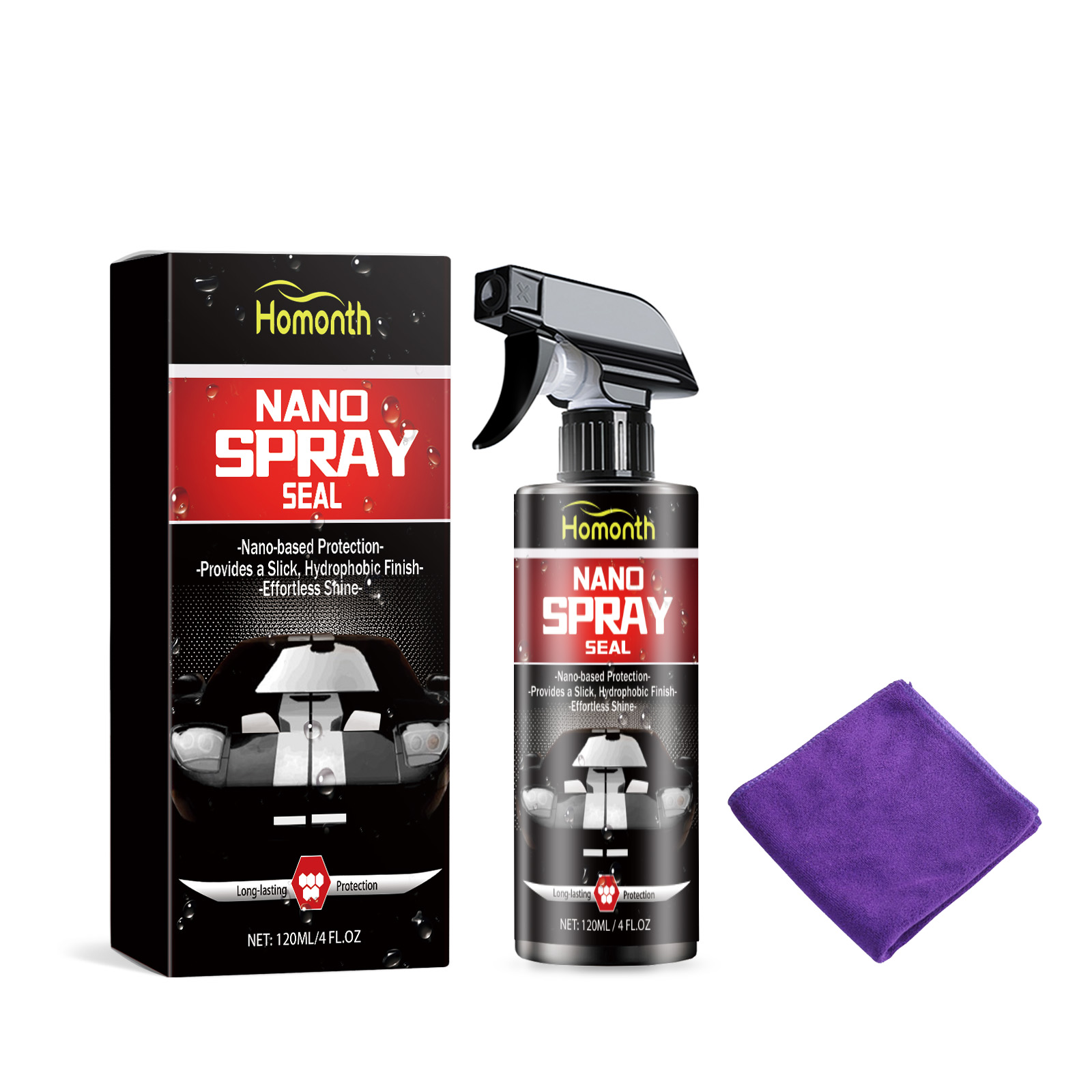 Nano Coating, Car Polish Paint Wax Decontamination Shine Sealant, Car Care Product for Car$22.99View on Mallflare
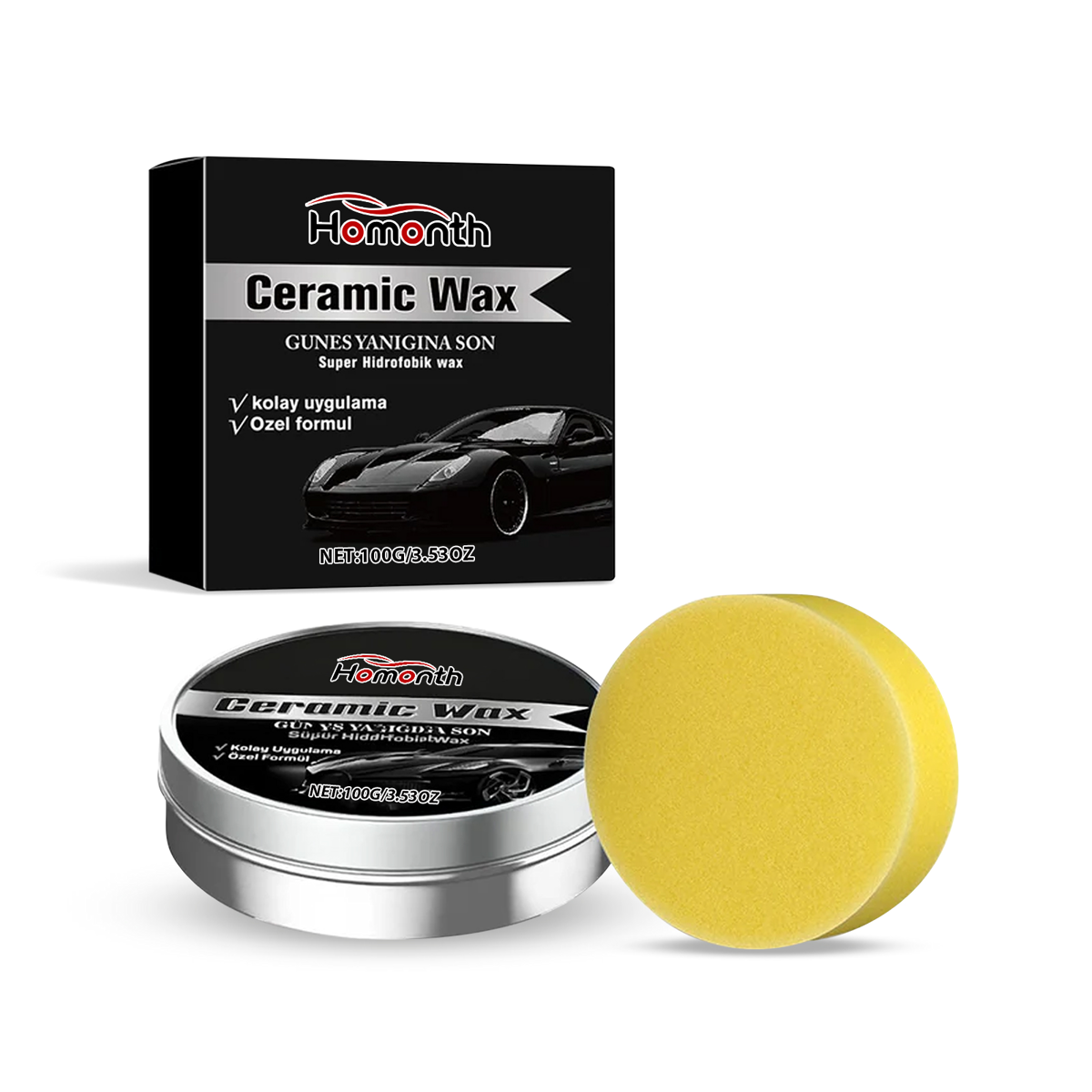 Car Care Wax, Paint Gloss Anti-Stain Anti-Oxidation Quick Polish Wax, Car Product for Car$22.99View on Mallflare
Highlights
- Abrasives are graded by cut: heavy compounds remove 1000-1500 grit sanding marks, medium polishes refine 2000-3000 grit, and finishing polishes remove haze with minimal paint removal.
- Wax protection typically lasts 4-8 weeks; polymer sealants 3-6 months; SiO2 ceramic sprays 2-4 months; true ceramic coatings 1-3+ years with proper cure.
- Paste waxes (carnauba content 30-50%) give warm gloss but low heat resistance; synthetic sealants and SiO2 formulations resist UV and wash chemicals far better.
- Applicator and towel choice matters: microfiber applicators and plush 300+ GSM towels prevent marring; foam pads cut slower but safer for beginners.
Best use cases
- Best fit: a daily-driven car with light swirls and no deep scratches—use a medium polish on a dual-action polisher, then a spray SiO2 sealant for 3-month protection with minimal effort.
- Best fit: a garage-kept weekend car where maximum gloss matters—use a finishing polish followed by a carnauba paste wax, accepting 4-8 week reapplication.
- Wrong fit: skip abrasive polishes on fresh repaints (under 30 days) or on matte/satin finishes—use only dedicated matte sealants to avoid glossing or damaging the texture.
- Wrong fit: do not use heavy-cut compounds by hand on thin or single-stage paint—hand application cannot generate enough heat for uniform cut and risks uneven clear coat removal.
Buying tips
- Choose cut level by defect depth: if your fingernail does not catch the scratch, a medium polish suffices; if it catches, you need compound plus wet sanding—not wax.
- For durability, prioritize SiO2 or polymer sealants over carnauba: they survive 20+ automated washes versus 5-8 for wax.
- Match applicator to product: use a firm foam pad for compounds, a soft microfiber applicator for waxes, and separate towels per step to avoid cross-contamination.
- Buy polish in 250-500 ml sizes for a full vehicle (2-3 applications); wax in 200-400 g tins lasts 10-20 coats, so smaller tins suit single-car owners.
Specs
| Product Type | Abrasive polish vs protective wax/sealant |
|---|---|
| Cut Level | Heavy compound / Medium / Finishing |
| Protection Durability | Wax 4-8 wk / Sealant 3-6 mo / Ceramic 1-3 yr |
| Form Factor | Paste / Liquid / Spray / Coating kit |
Related searches
What to check before buying
- Confirm paint condition: wash and clay the surface first; polishing over bonded contaminants embeds them and causes new scratches.
- Check environment: apply polishes and waxes at 15-27°C (60-80°F) in shade—direct sun and high humidity cause hazing and uneven cure.
- Verify finish type: matte, satin, and vinyl wraps require dedicated non-abrasive products; traditional waxes and polishes will create glossy patches.
- Gather companion tools: two buckets, clay bar, dual-action polisher or foam applicators, and 300+ GSM microfiber towels—these determine whether the product performs as intended.
FAQ
Data sources: eBay / Amazon listings and product attribute feeds Data updated Nov 15, 2026.
Some links on this page are affiliate links. If you buy after clicking one, we may earn a commission at no extra cost to you. This does not change which products appear here or their order. Affiliate disclosure.