Photos from current listings. Actual item, color, and included accessories may vary.
Car Polish Buying Guide
Car polish is a mild abrasive or chemical treatment that removes light oxidation, swirl marks, and surface contamination to restore gloss before wax or sealant is applied—unlike wax, it does not add a protective layer. The core trade-off is cut versus finish: heavier abrasives correct defects faster but leave haze or micromarring if not refined, while finer polishes preserve clearcoat and leave a burnished finish. Choose a graded polish system (cutting compound followed by finishing polish) for defect removal; choose a one-step polish-sealant only for maintenance on already-corrected paint.

At a glance
- Category
- Car Coatings, Waxes & Sealants
- Data updated
- Nov 15, 2026
Current offers
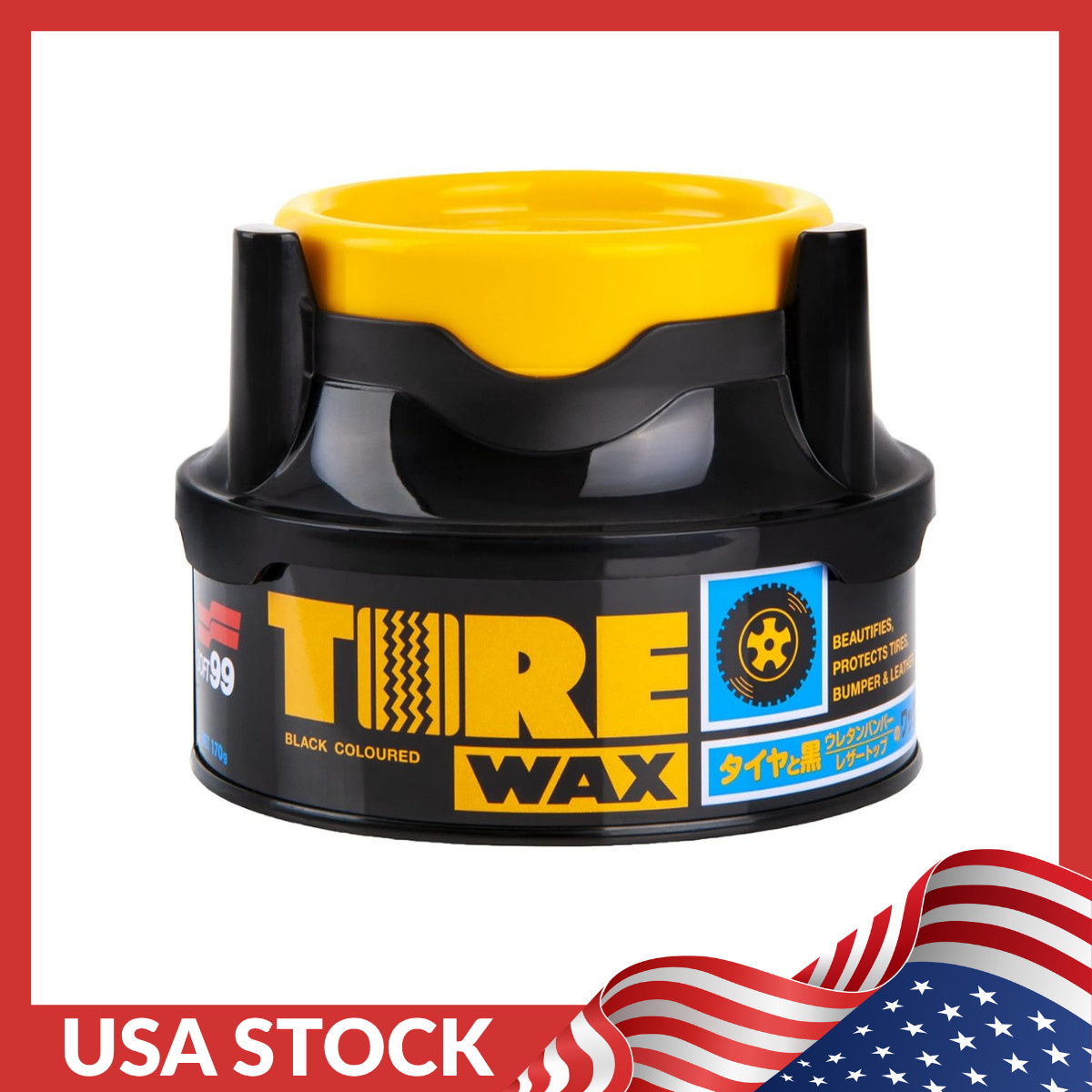 SOFT99 Tire Black Wax 170g Solid Deep Gloss Polish Car Wheel Care Made in Japan$36.98
 View on eBay
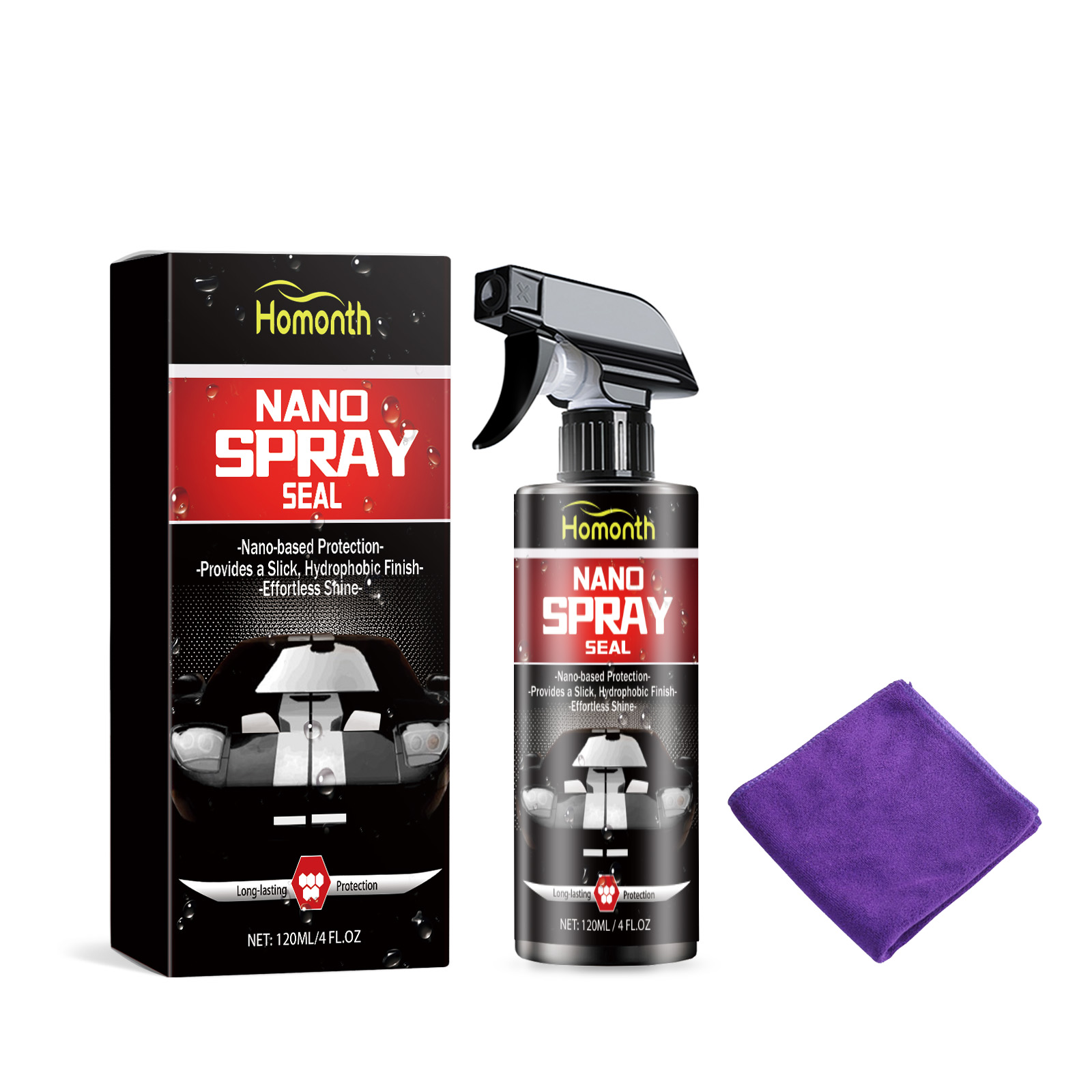 Nano Coating, Car Polish Paint Wax Decontamination Shine Sealant, Car Care Product for Car$22.99
 View on Mallflare
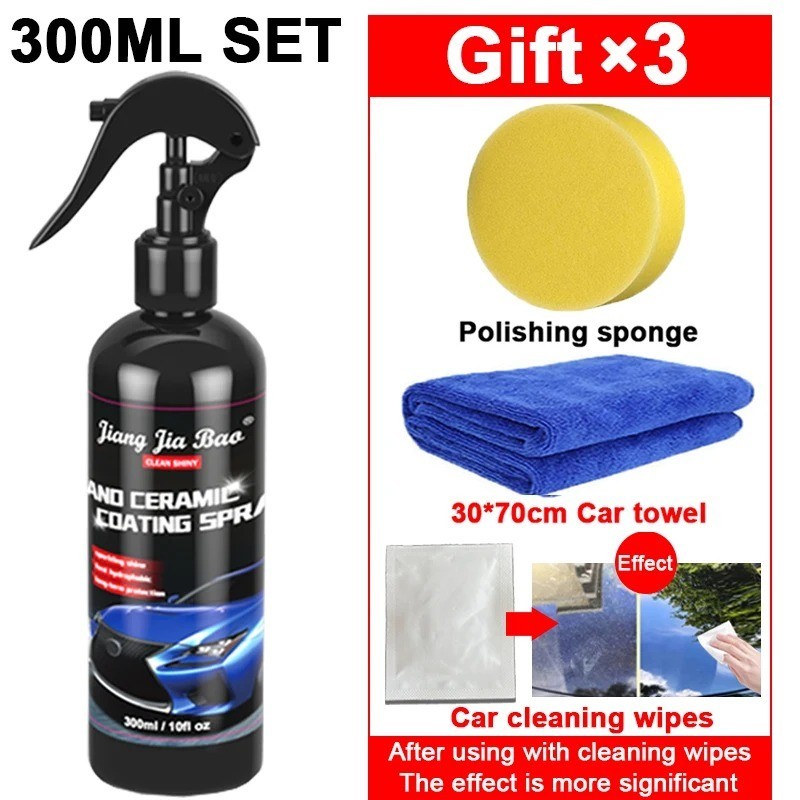 NEW Car Ceramic Nano Coating Hydrophobic Polish Paint Sealant Gloss Protector$37.99View on eBay
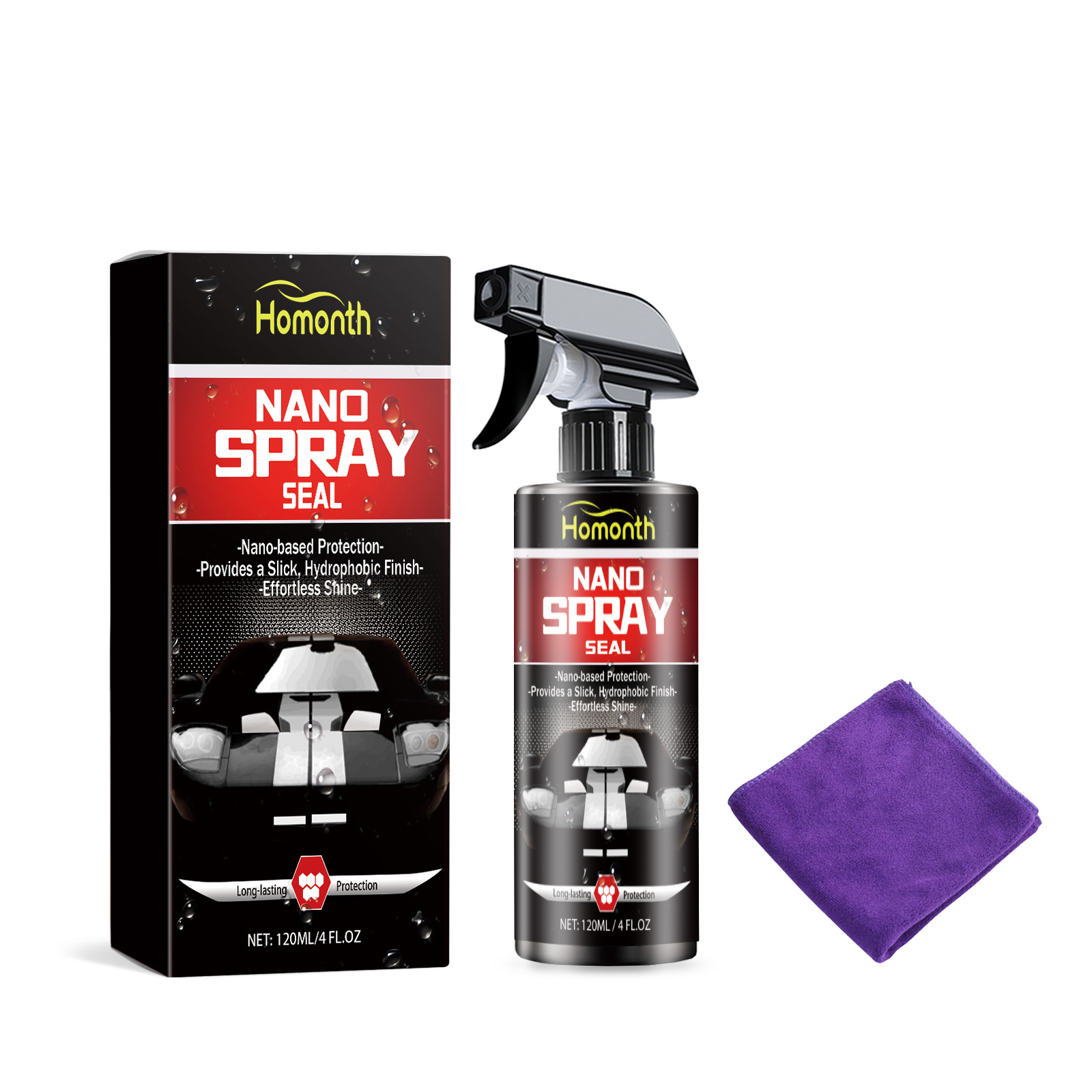 Homonth Automotive Nano Coating, Cleaning Polish Car Paint Polishing, Maintenance, Waxing And Antifouling$19.99View on Mallflare
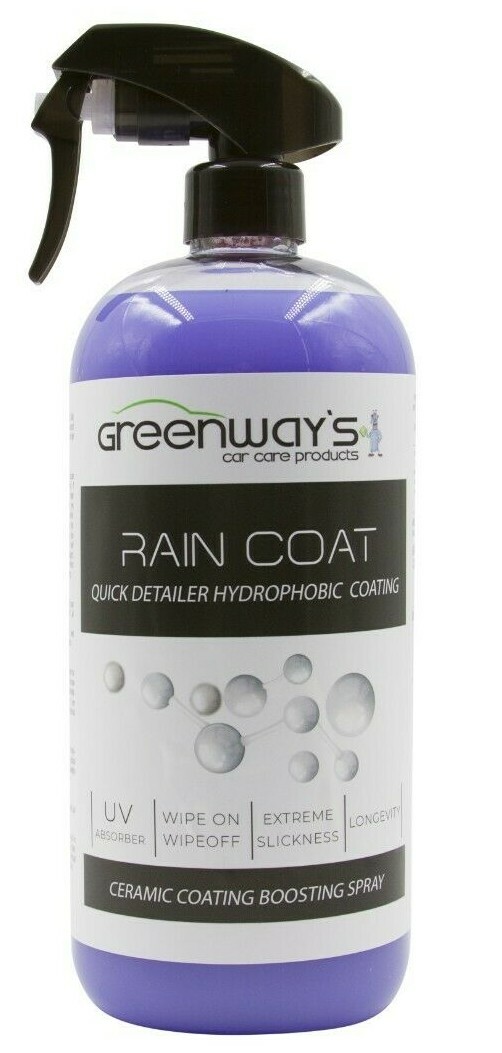 Ceramic Spray Ultra Shine Car Coating Polish and Sealer Pro Grade Formula$45.99View on eBay
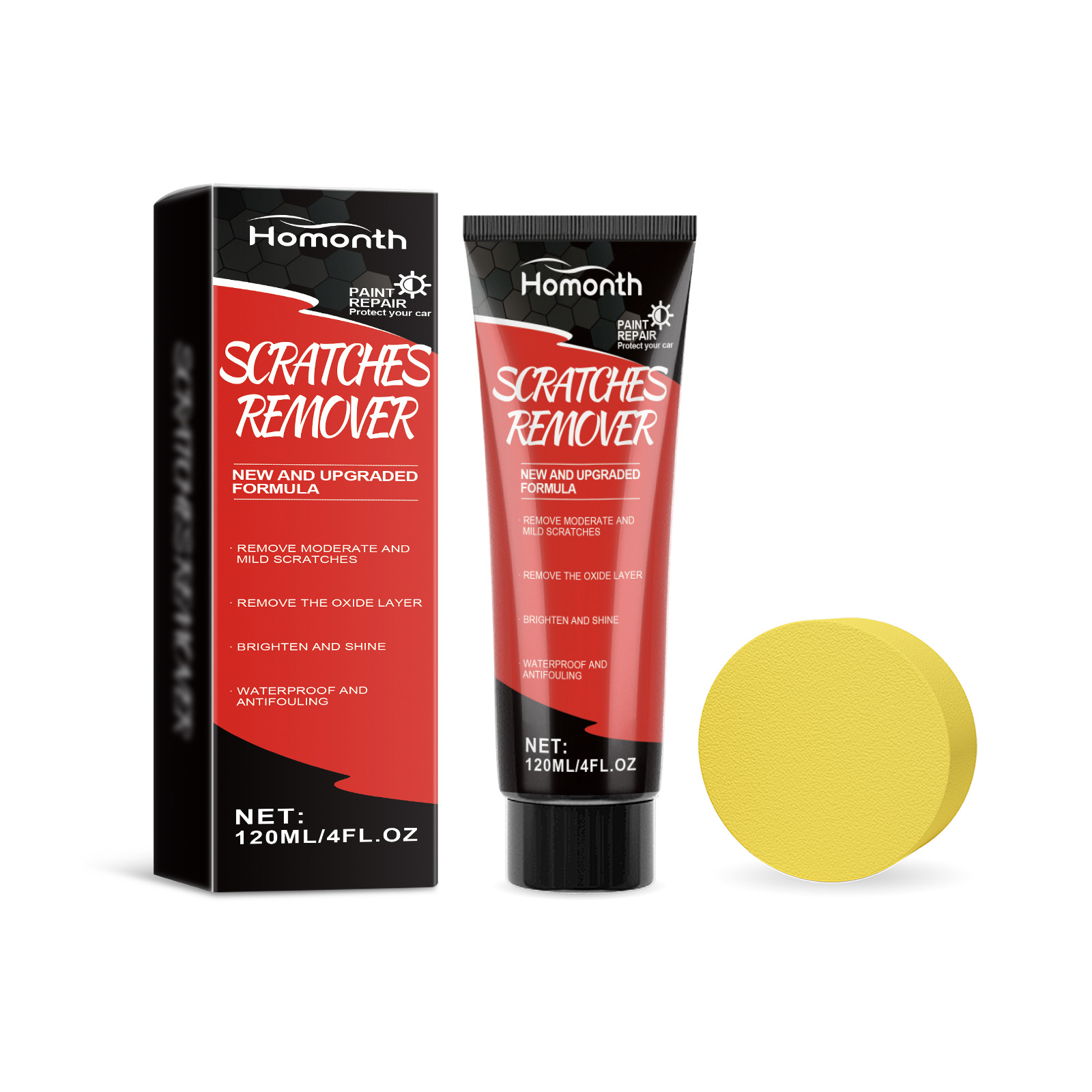 Scratch Repair Polish Wax, Paint Touch-Up Restoration Maintenance, Polishing Paste for Car Care$22.99View on Mallflare
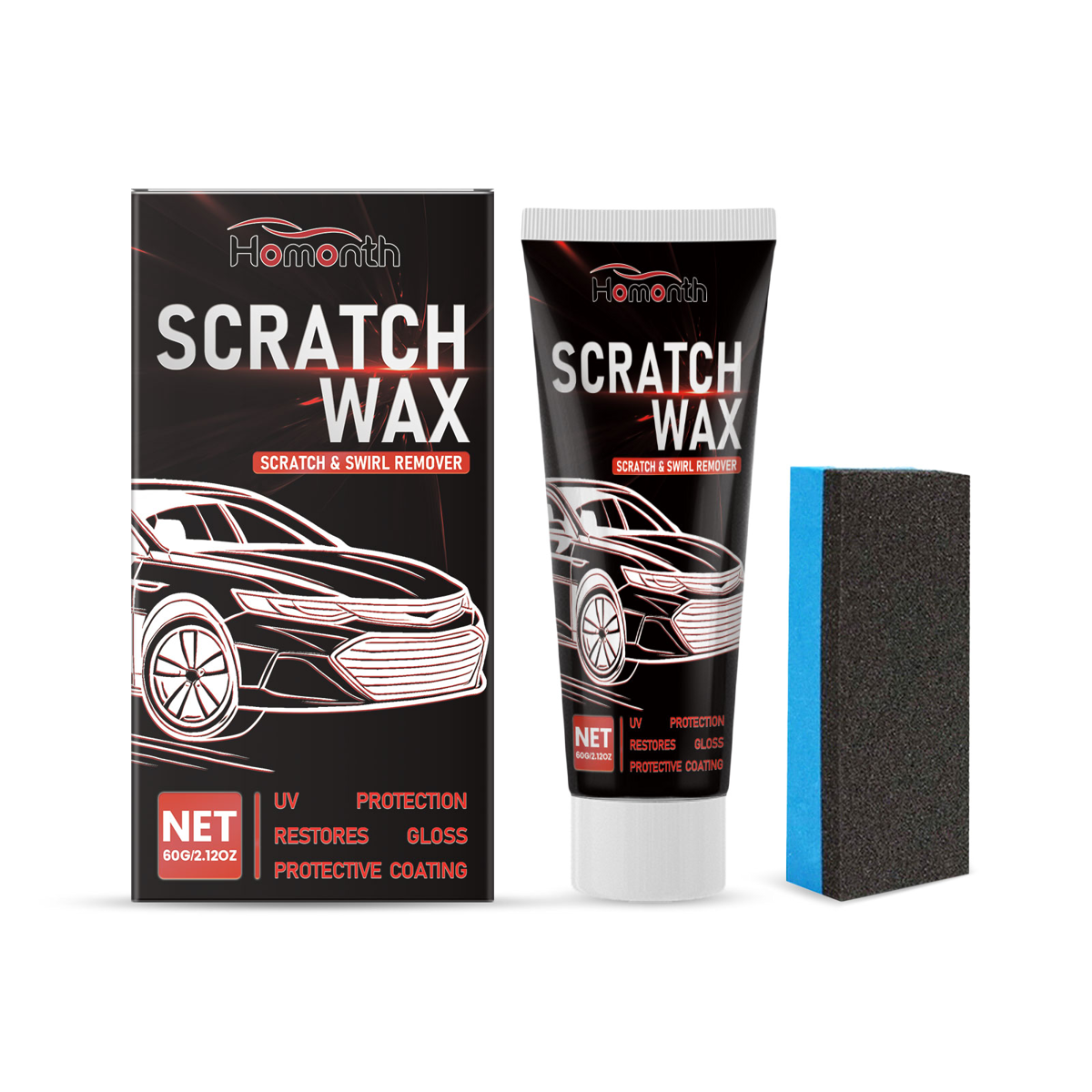 Scratch Repair Wax, Paint Polish Wax Maintenance Restoration Care, Polishing Paste for Car$22.99View on Mallflare
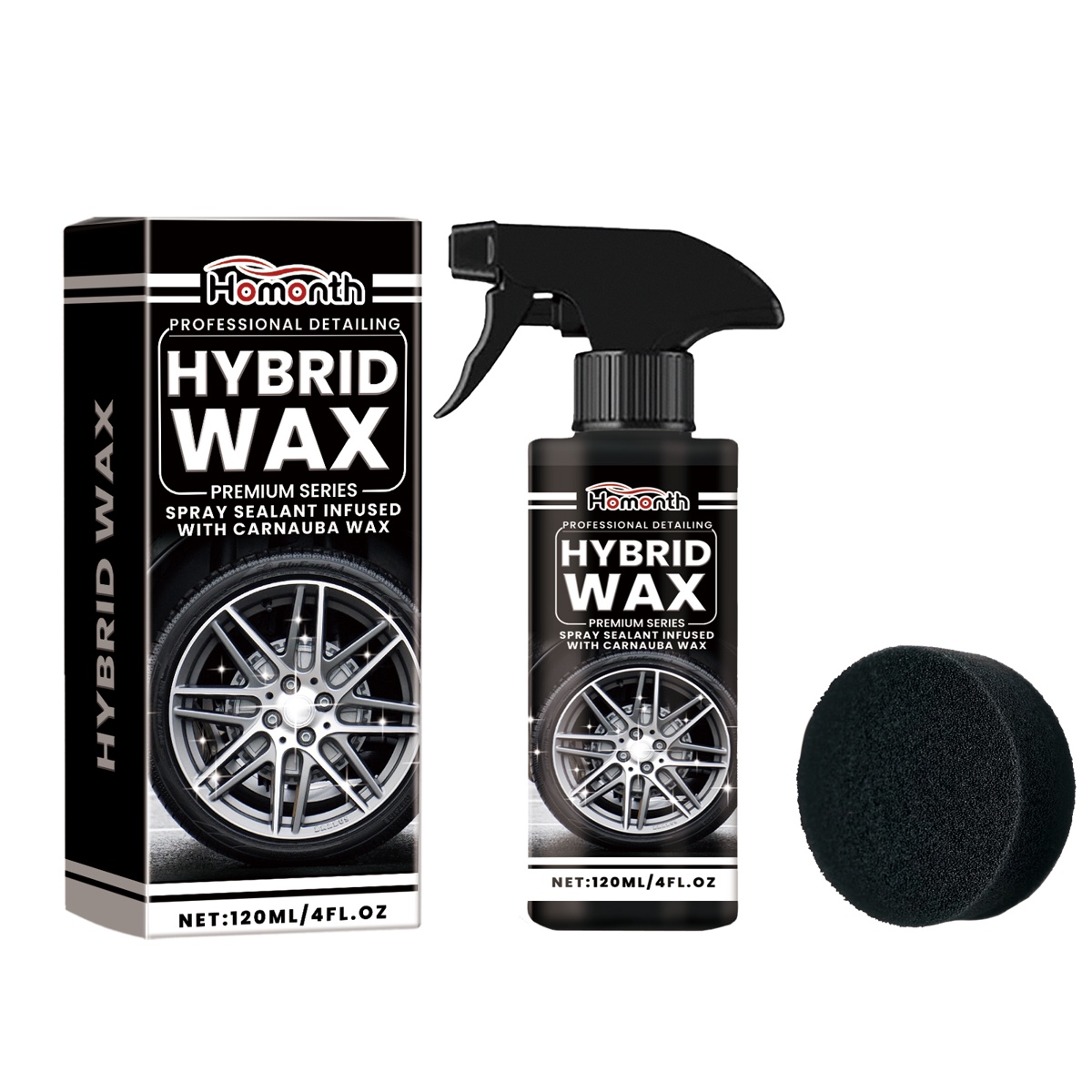 Tire Shine Spray, Wheel Polish Coating Liquid Care Sealant, Car Product for Car$22.99View on Mallflare
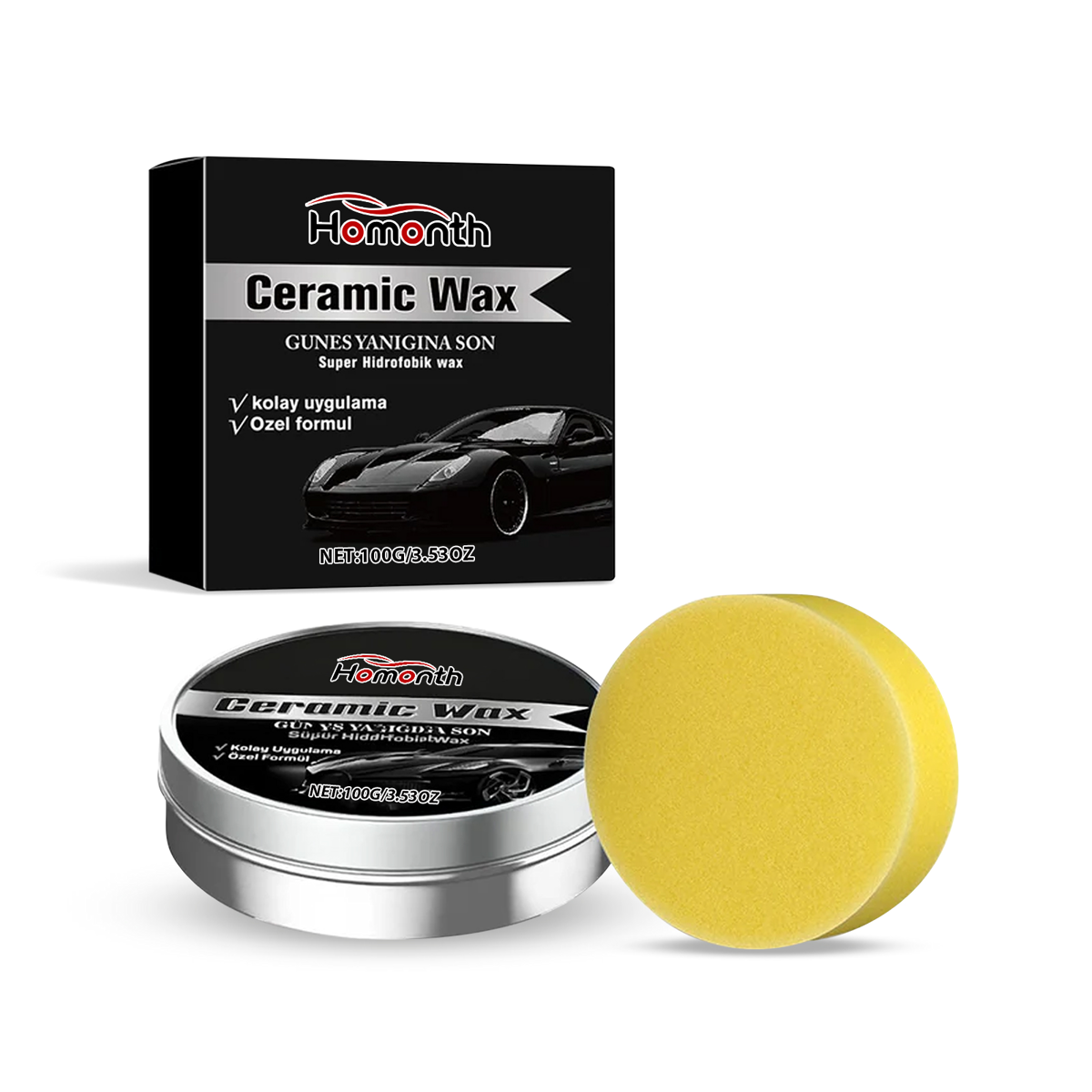 Car Care Wax, Paint Gloss Anti-Stain Anti-Oxidation Quick Polish Wax, Car Product for Car$22.99View on Mallflare
Highlights
- Abrasive grade separates polishes: heavy-cut compounds use coarse aluminum oxide or silica clusters for 1000-1500 grit defect removal; finishing polishes use sub-micron abrasives for LSP-ready gloss.
- Diminishing-abrasive technology breaks down particles during buffing, letting one polish cut then finish—but it demands consistent machine speed and pad pressure to work as designed.
- Black and dark paint amplifies micromarring and holograms; fine-finish polishes paired with soft foam finishing pads are mandatory, not optional, on single-stage and clearcoat black.
- Polish contains no durable protection—it must be topped with wax, sealant, or ceramic coating; spray 'polish and sealant' hybrids trade correction ability for convenience.
Best use cases
- Best fit: a two-step system (cutting compound on a microfiber or cutting foam pad, then finishing polish on soft foam) for oxidized, swirled, or neglected paint—skip one-step sprays here.
- Best fit: a fine finishing polish for maintenance on already-corrected paint or for black cars between full corrections—skip heavy compounds that remove unnecessary clearcoat.
- Wrong fit: using polish as protection—polish leaves bare paint; if you want durability without correction, choose a wax or ceramic sealant instead.
- Wrong fit: applying aggressive compound by hand on fresh or thin clearcoat—hand application generates uneven pressure and removes clearcoat unevenly; use a dual-action polisher for correction.
Buying tips
- Match polish grade to defect severity: heavy cut for 1000-1500 grit sanding marks and deep oxidation, medium for swirls, fine/finishing for haze removal and gloss enhancement.
- On black or dark paint, finish with a fine polish and a soft finishing pad at low machine speed; test on a small panel first because dark paint reveals every imperfection.
- Polish is pad-dependent: cutting foam or microfiber pads increase cut, finishing foam pads reduce it—buy pads matched to the polish grade rather than relying on the liquid alone.
- One-step polish-sealant sprays clean and add temporary gloss but cannot remove swirls or oxidation; reserve them for maintained paint, not restoration.
Specs
| Abrasive Grade | Heavy cut / Medium / Fine finish |
|---|---|
| Application Method | Dual-action polisher / Hand |
| Pad Compatibility | Foam / Microfiber cutting pads |
| Protection Layer | None—requires wax or sealant top coat |
Related searches
What to check before buying
- Confirm paint type and condition: single-stage, clearcoat, or fresh repaint—fresh clearcoat needs 30-90 days cure before abrasive polishing.
- Verify you have a dual-action polisher, correct backing plate, and at least two pad grades; hand polishing only suits fine finishing polishes.
- Check that you have a proper wash and decontamination step (clay bar or iron remover) first—polishing over bonded contaminants grinds them into the paint.
- Plan the top coat: purchase wax, sealant, or ceramic coating separately since polish provides zero UV or chemical protection.
FAQ
Data sources: eBay / Amazon listings and product attribute feeds Data updated Nov 15, 2026.
Some links on this page are affiliate links. If you buy after clicking one, we may earn a commission at no extra cost to you. This does not change which products appear here or their order. Affiliate disclosure.