Photos from current listings. Actual item, color, and included accessories may vary.
Car Scanner Diagnostic Tool Buying Guide
Car scanner diagnostic tools range from basic OBD2 code readers that pull emissions and check-engine codes to full-system bidirectional scan tools that read every module and perform active tests. The core trade-off is protocol and module coverage versus price and complexity: basic readers handle OBD2 generic codes only, while bidirectional tools access OEM-level data across ABS, SRS, transmission, and body modules. The decision rule is simple: buy a basic OBD2 reader only if you need emissions/check-engine codes; buy a full-system bidirectional scanner if you plan to diagnose ABS, airbag, transmission, or perform relearns and actuation tests.

At a glance
- Category
- Automotive Diagnostic Tools
- Data updated
- Nov 15, 2026
Current offers
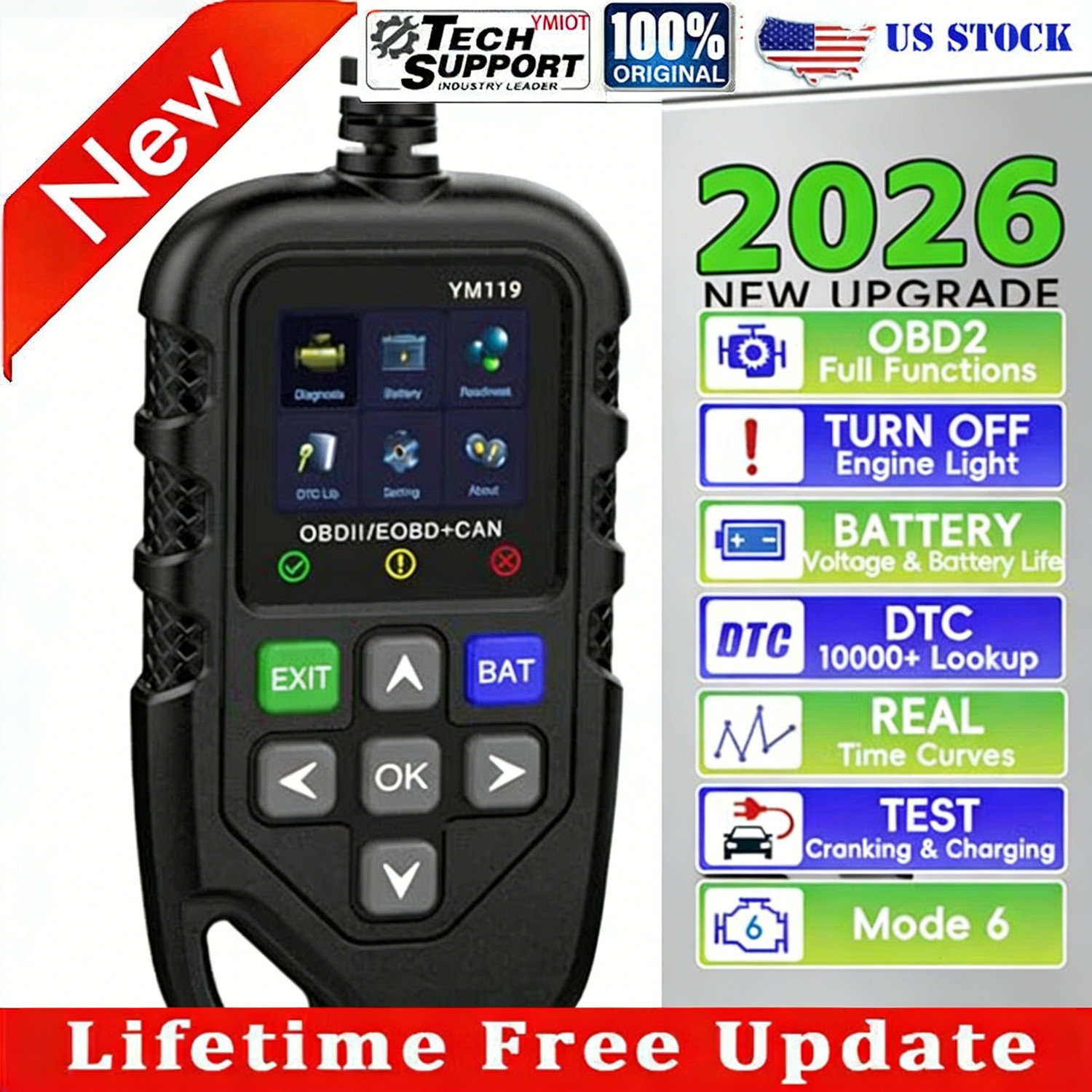 Automotive OBD2 Code Reader OBD Scanner Car Check Engine Fault Diagnostic Tool$21.77
 View on eBay
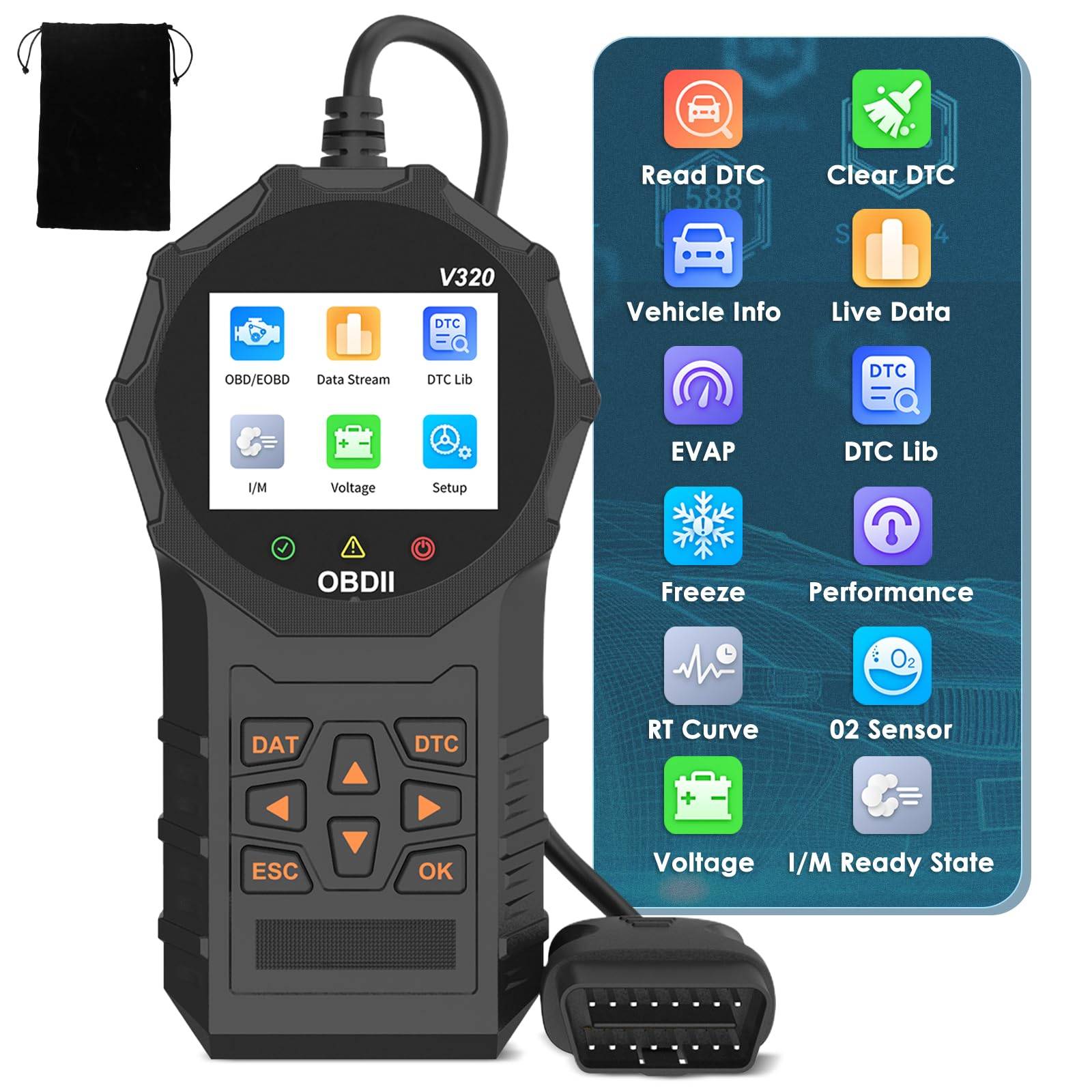 Automotive OBD2 Scanner OBD Code Reader Car Check Engine Fault Diagnostic Tool$58.99
 View on Mallflare
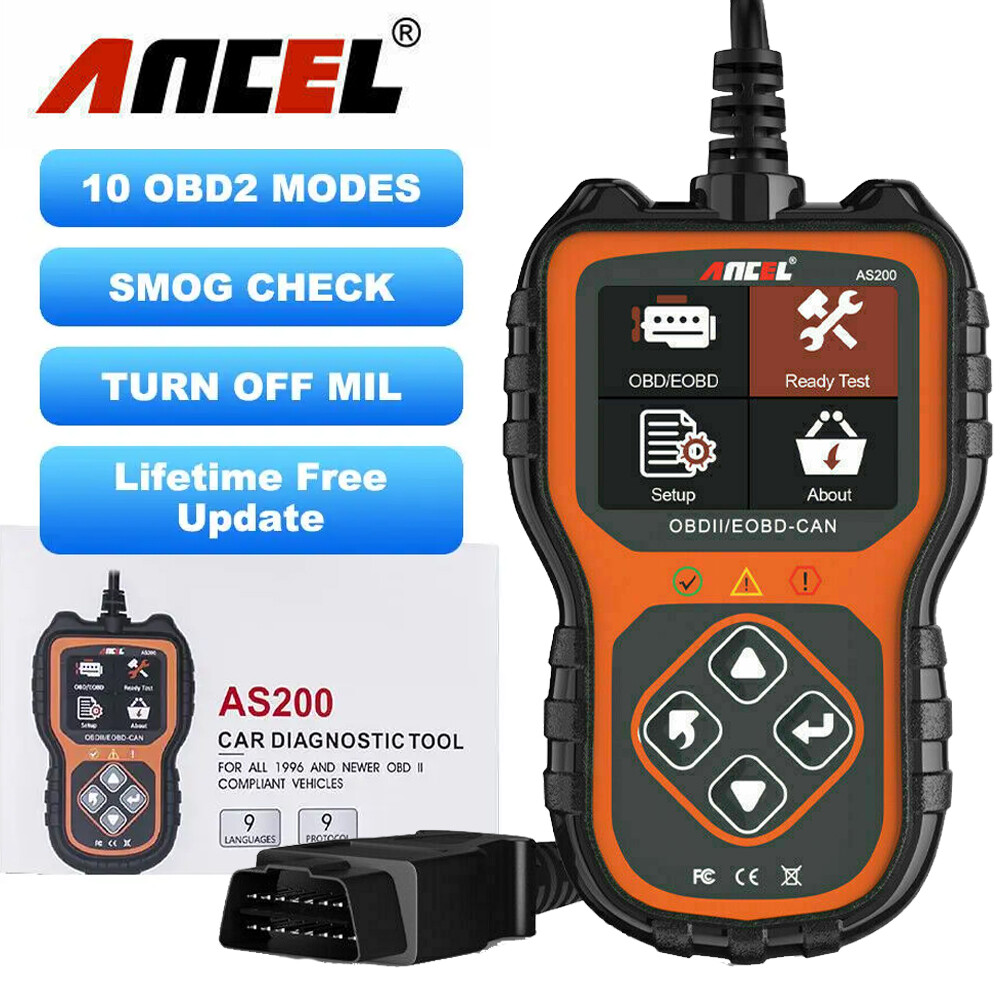 Automotive OBD2 Scanner Code Reader Car Diagnostic Tool Check Engine Live Data$22.59View on eBay
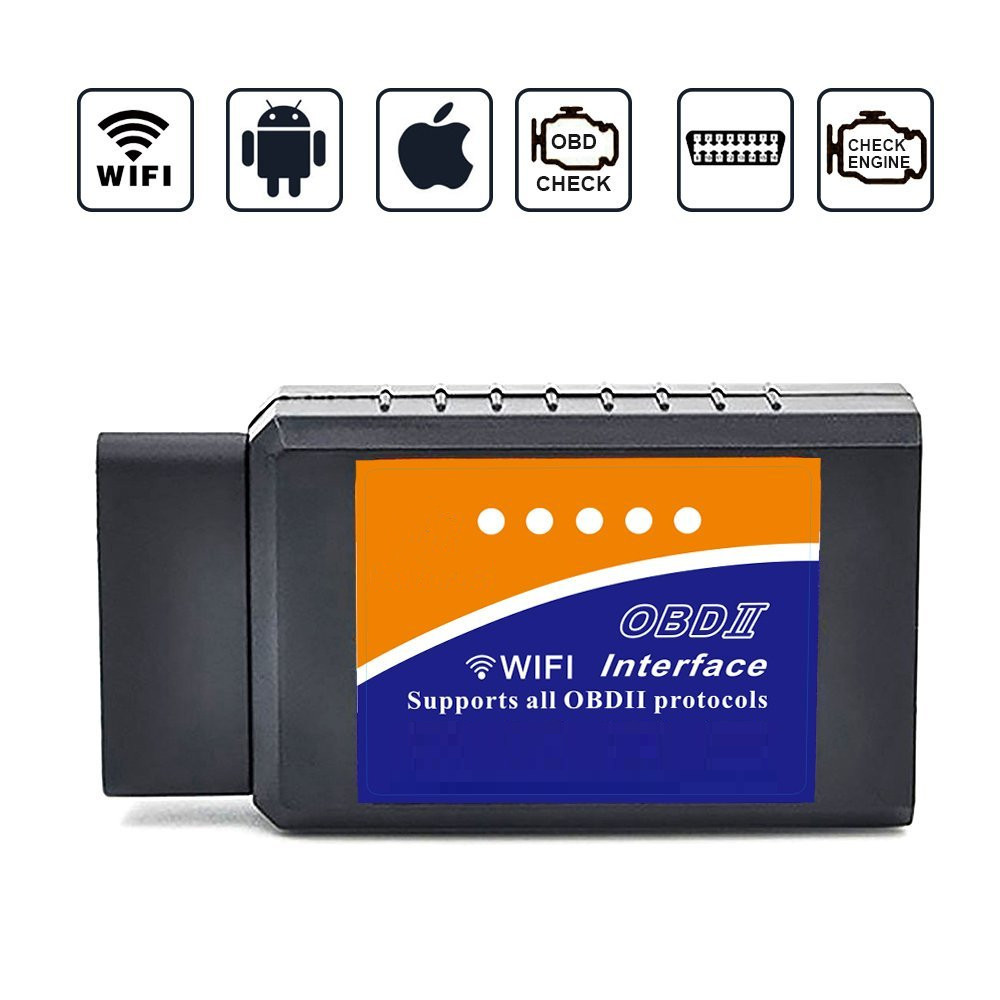 WiFi OBD2 Scanner WiFi Tool Engine Code Reader Car Accessories Diagnostic Tool$26.99View on eBay
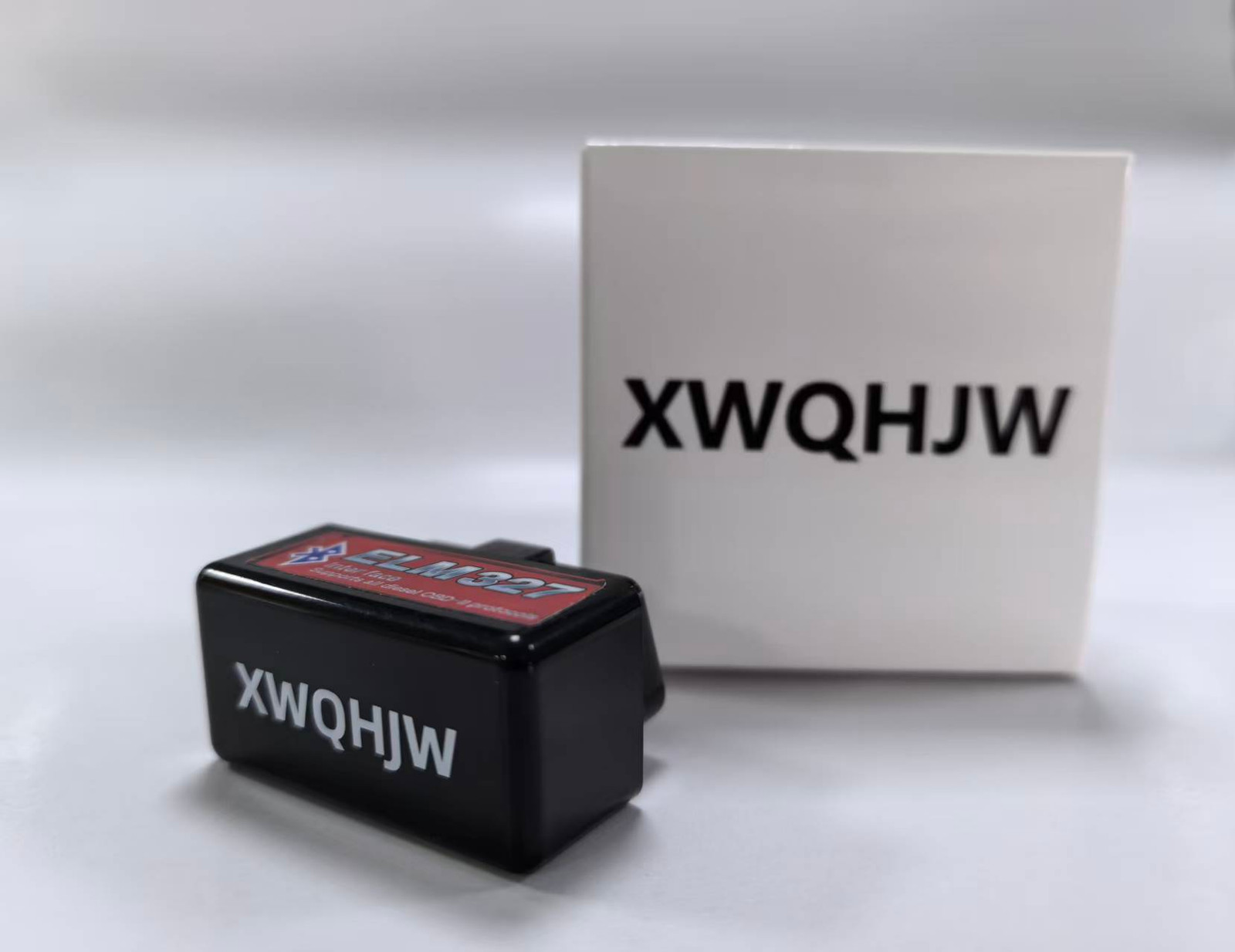 XWQHJW ELM327 Bluetooth Scanner Real-Time Data Car Diagnostic Tool iOS Android$28.55View on eBay
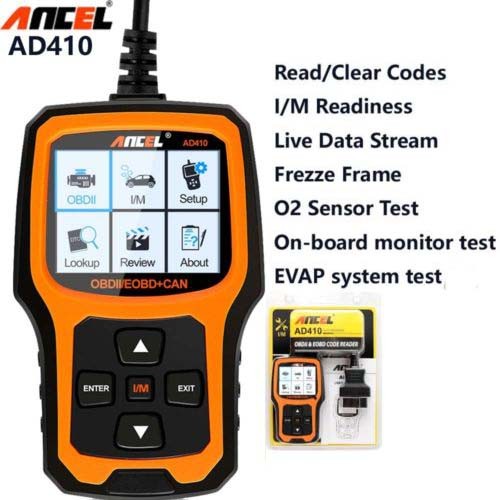 FOXWELL NT710 Bidirectional Scan Tool OBD2 Scanner OEM Car Diagnostic Equipment$37.99View on eBay
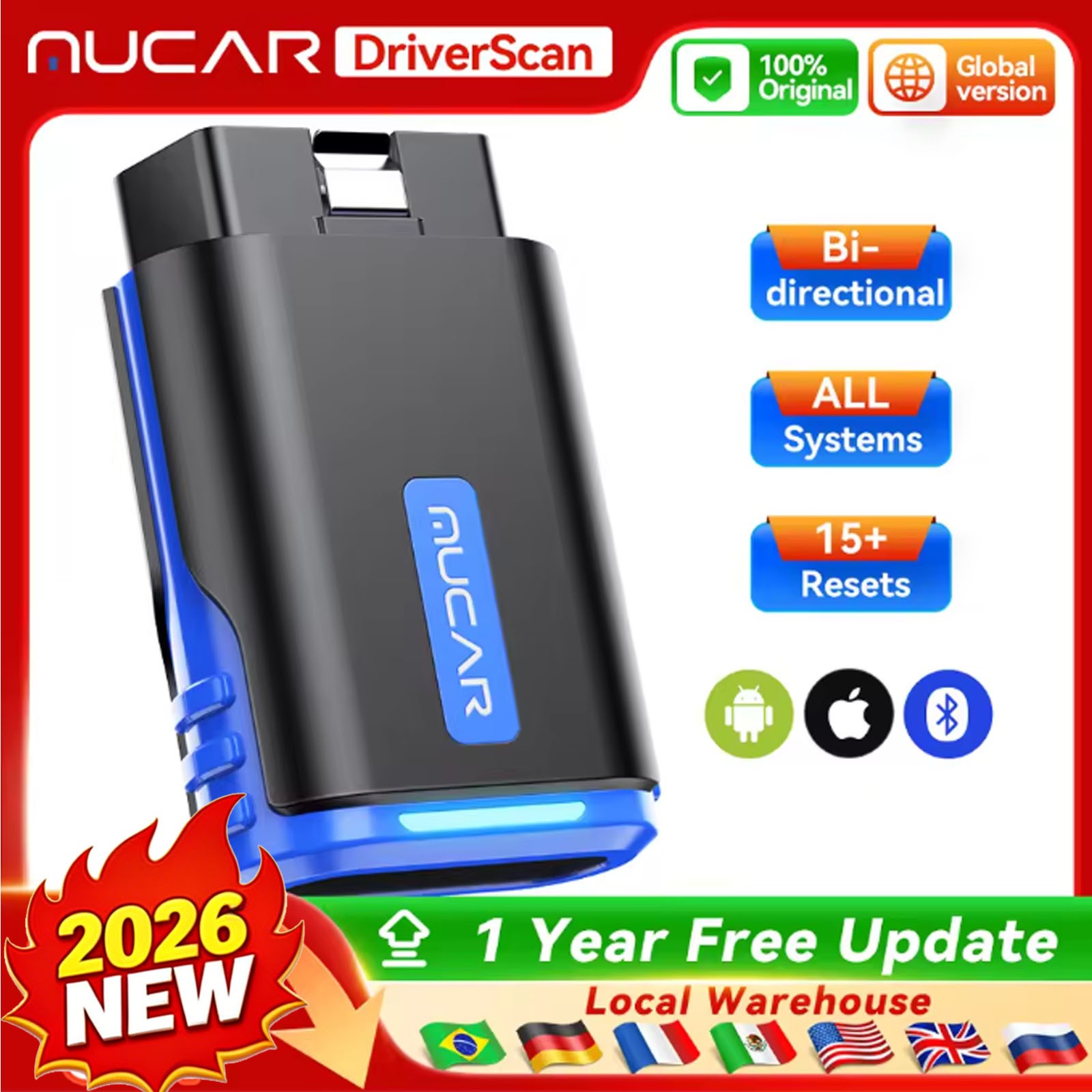 MUCAR Driverscan Automotive Diagnostic Tools OBD 2 Scanner All Cars Full System$39.99View on eBay
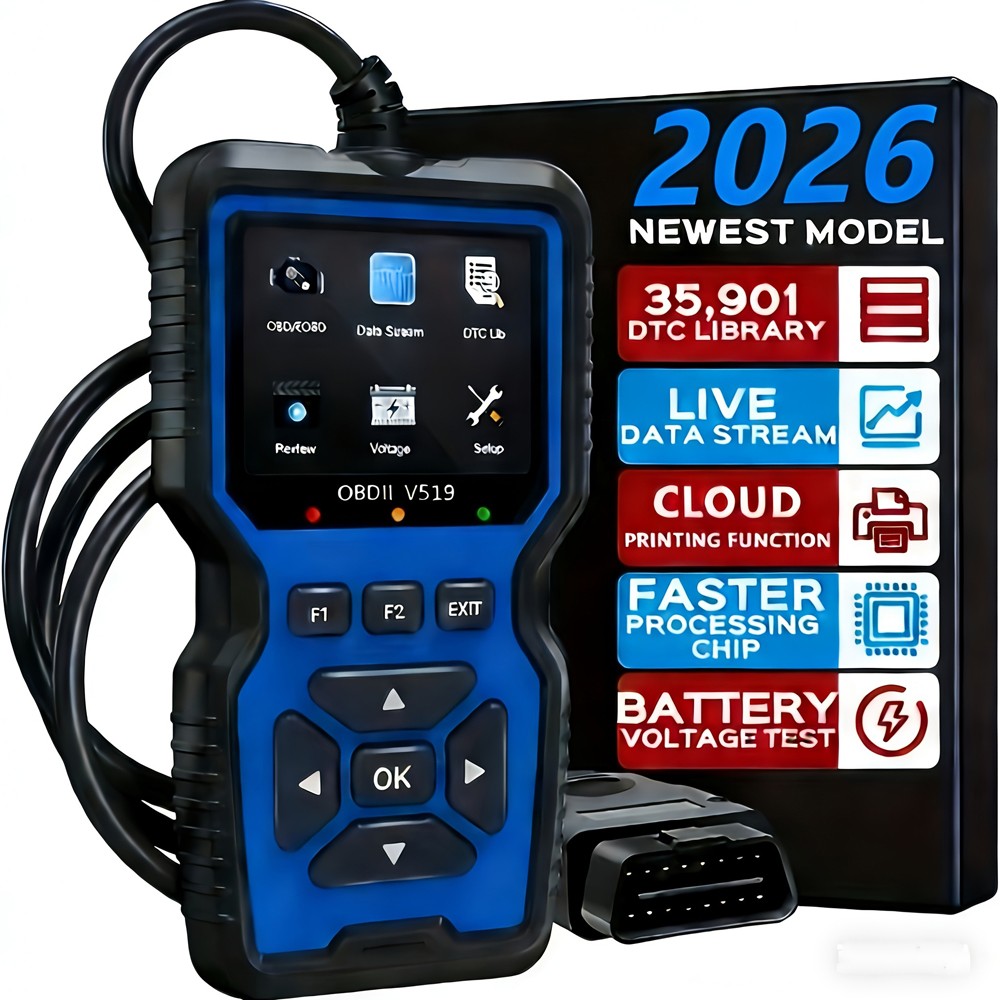 Car Obd2 Scanner Diagnostic Tool Code Reader Engine Fault Code Reader Scanner Ca$78.94View on eBay
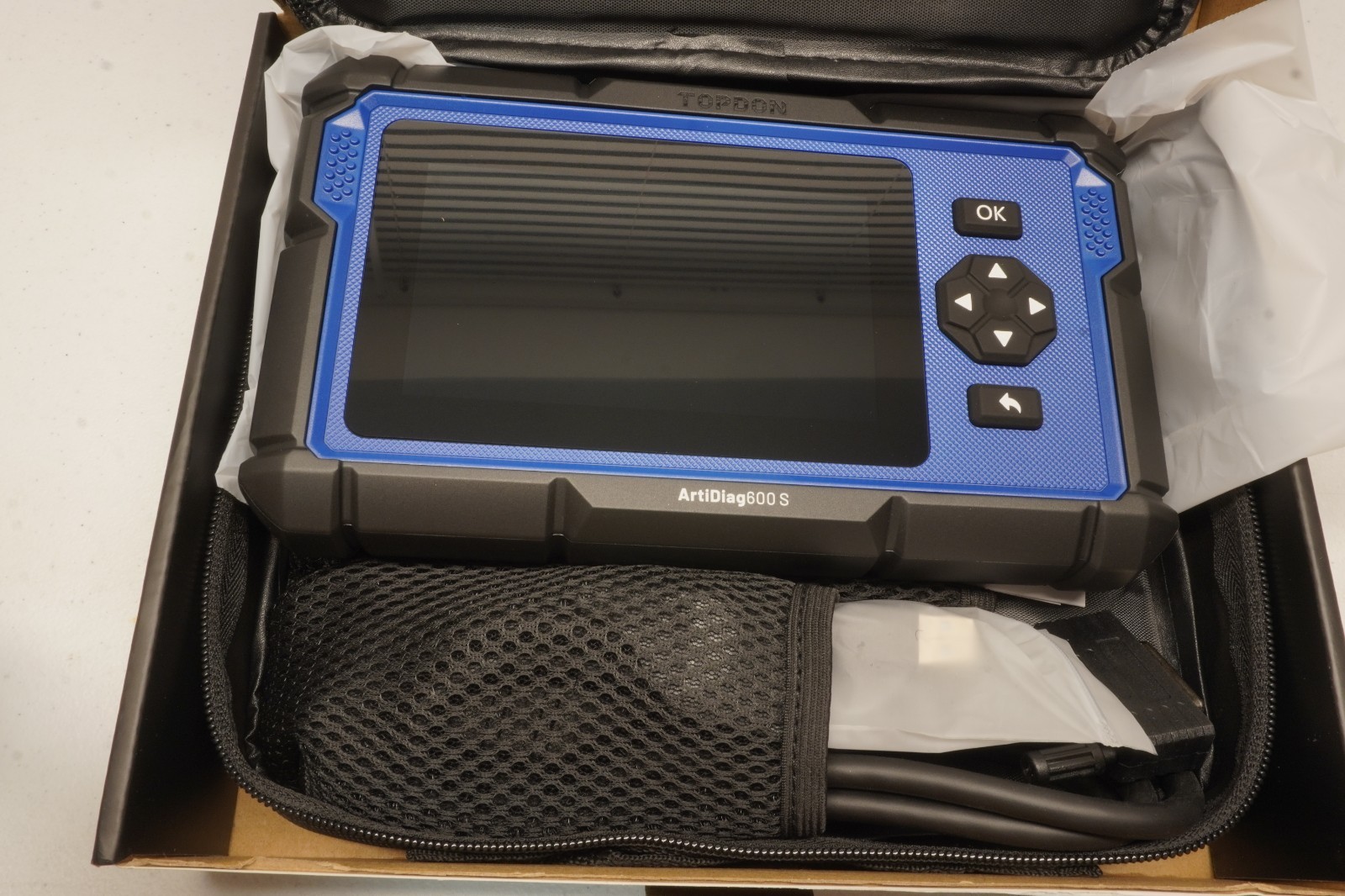 FOR TOPDON ArtiDiag 600S Car Diagnostic Scanner Automotive Scan Tool Code Reader$153.00View on eBay
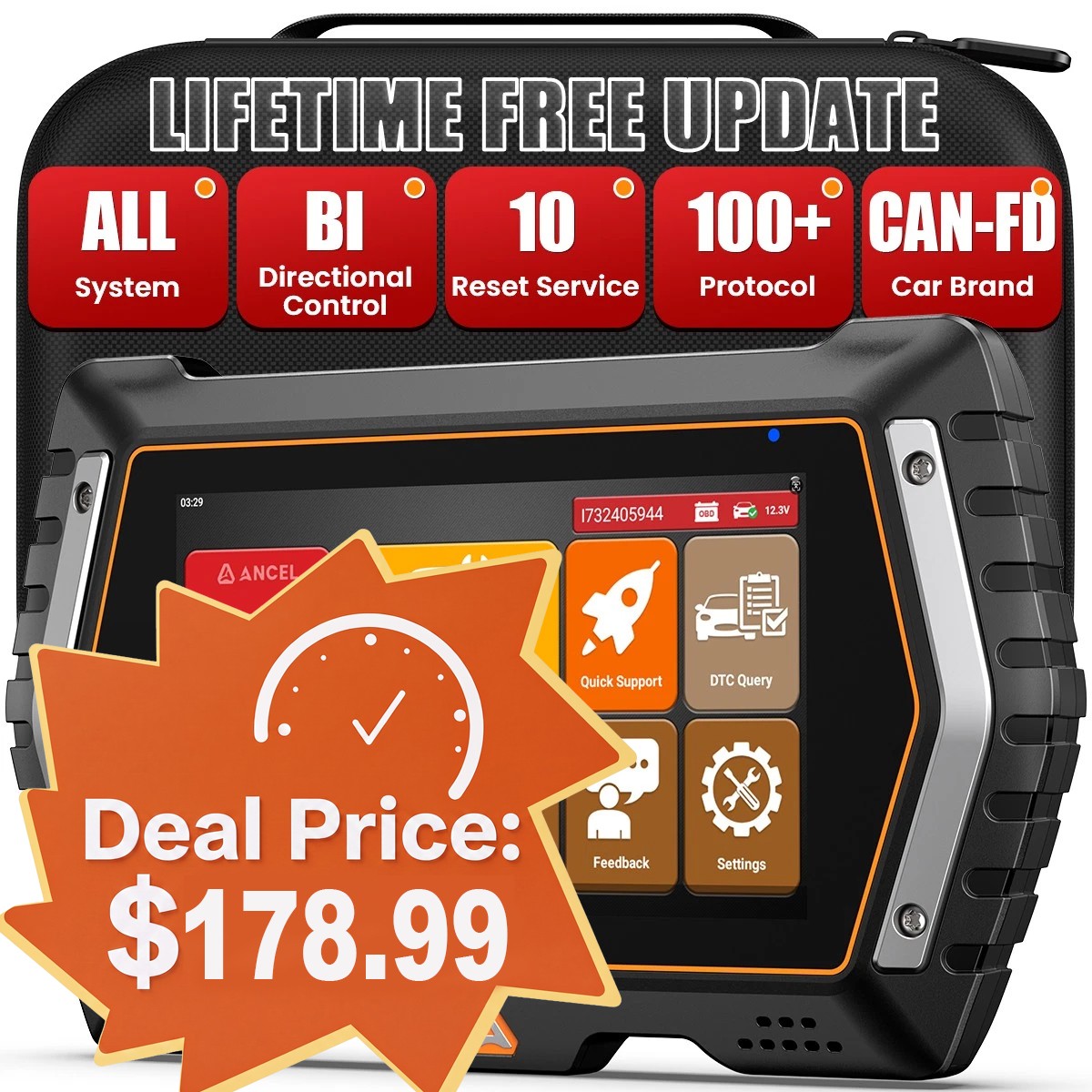 2026 ANCEL V3 Pro Car Full System OBD2 Scanner Bidirectional ECU Diagnostic Tool$198.88View on eBay
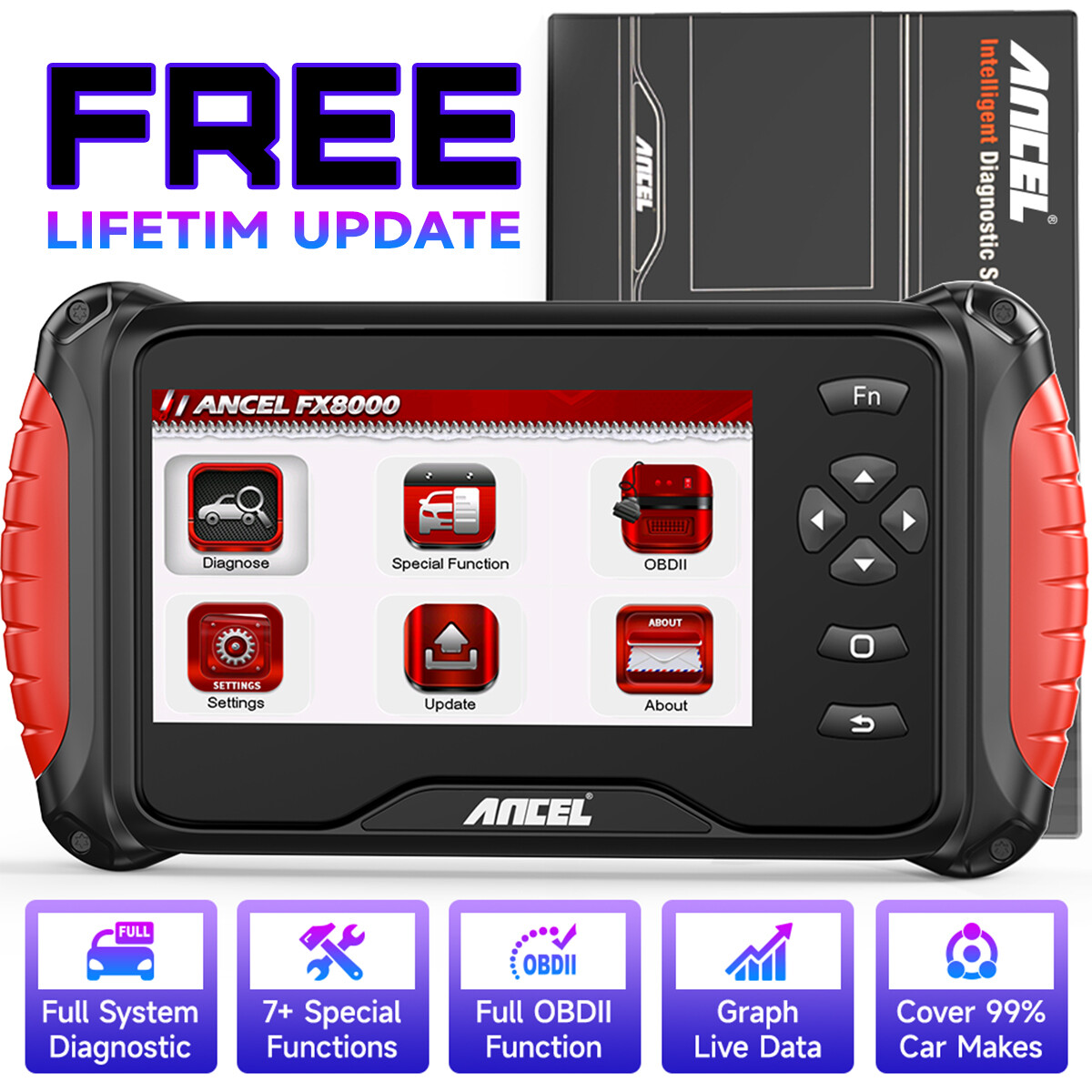 ANCEL FX8000 Car Full System Diagnostic Tool OBD2 Scanner Automotive Code Reader$199.00View on eBay
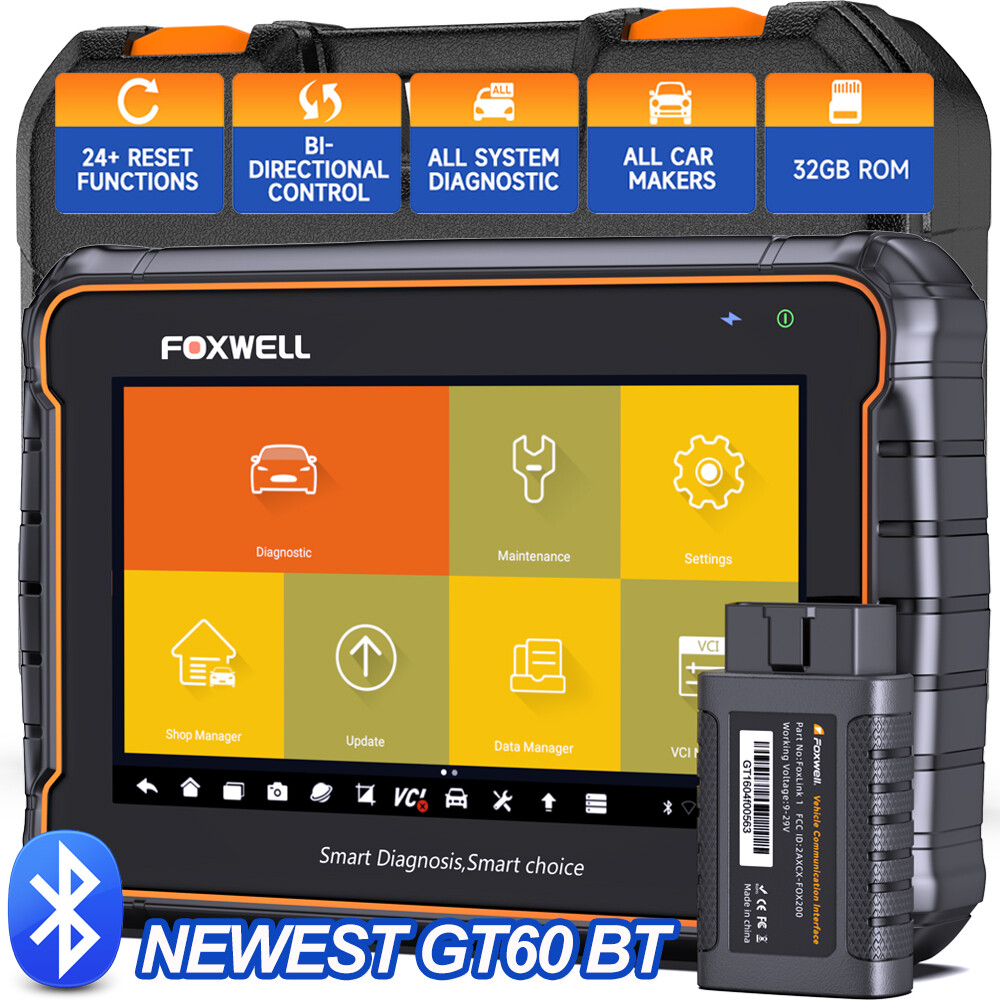 Foxwell GT60 BT Full System Scanner Car Diagnostic Tool OBD2 ABS SRS DPF BMS$245.66View on eBay
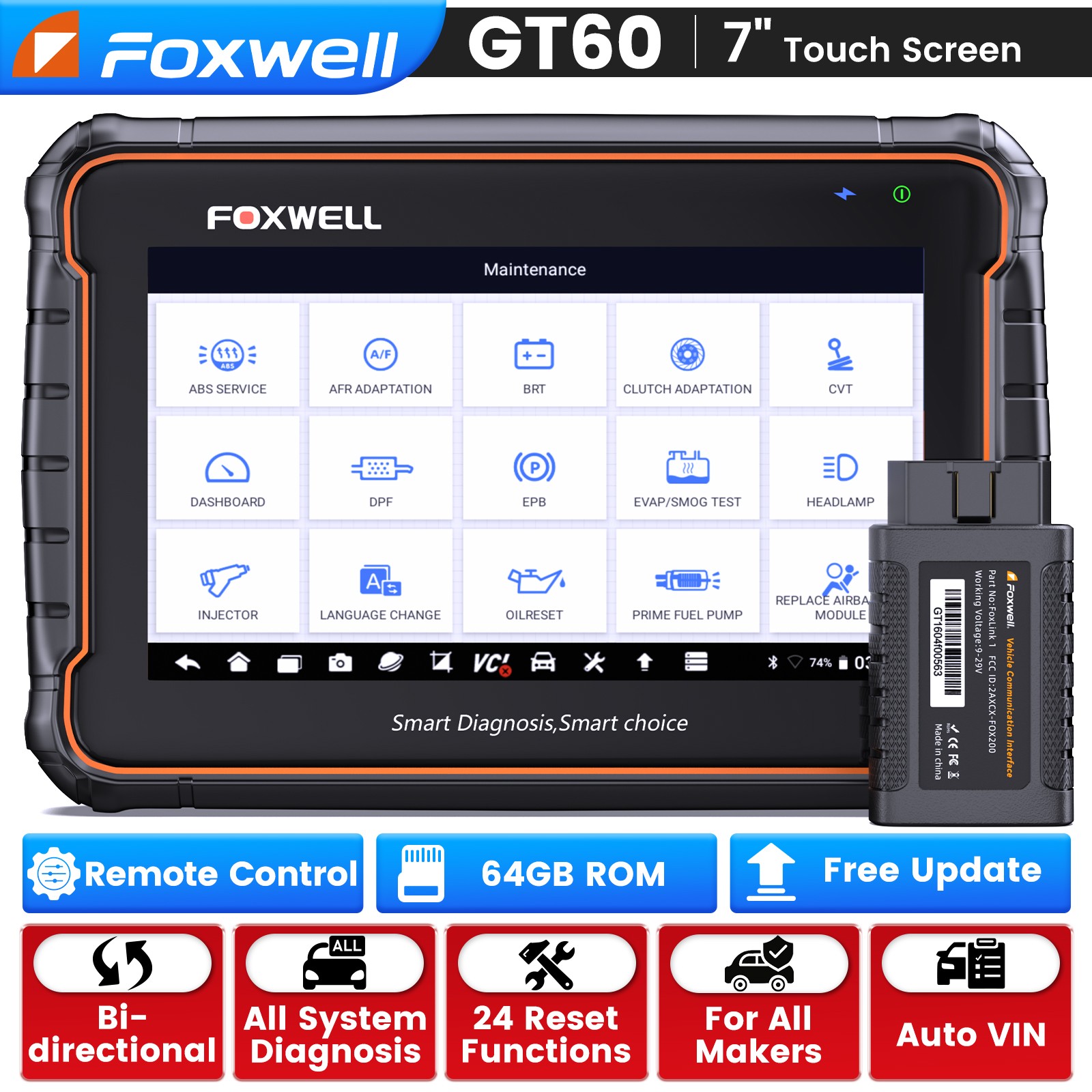 Car OBD2 Scanner Full System Diagnostic Tool 24+ Reset Service Bidirectional BT$254.59View on eBay
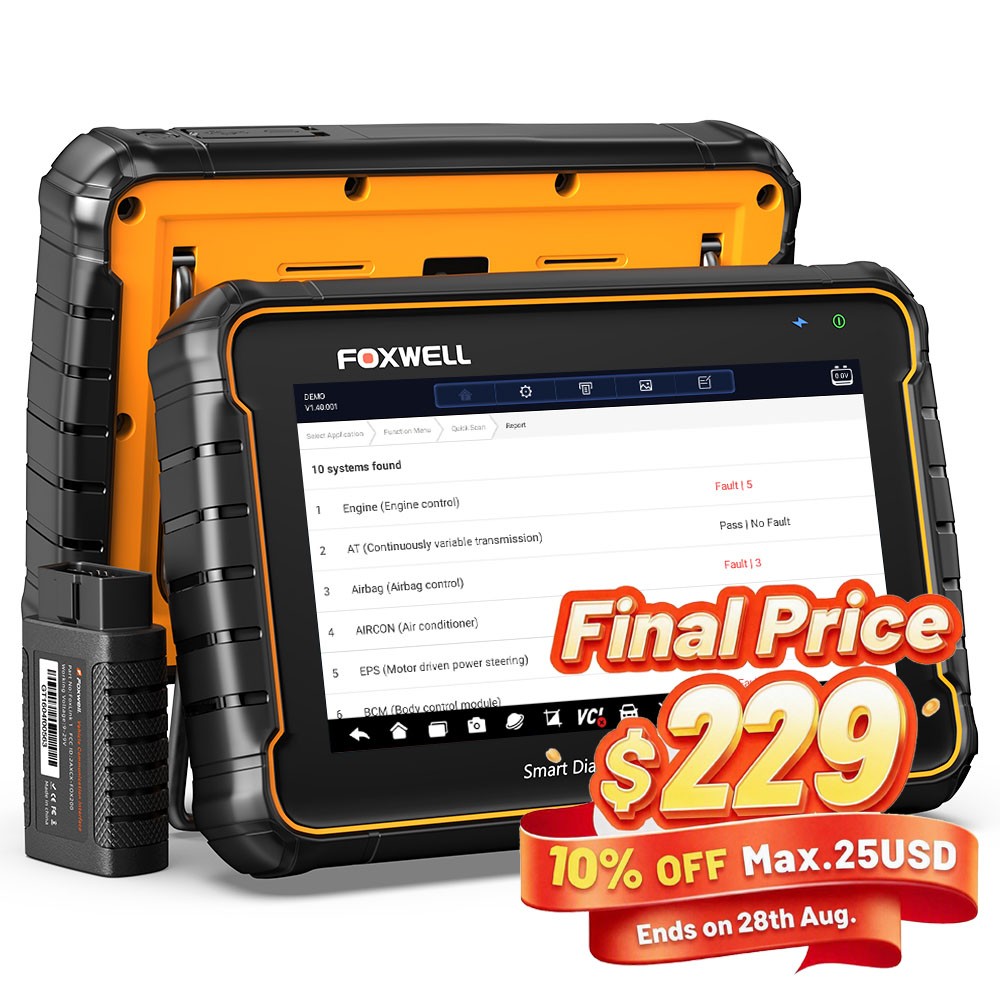 Automotive Scanner OBD2 FOXWELL ALL System Bluetooth Car Diagnostic Scan Tool$254.59View on eBay
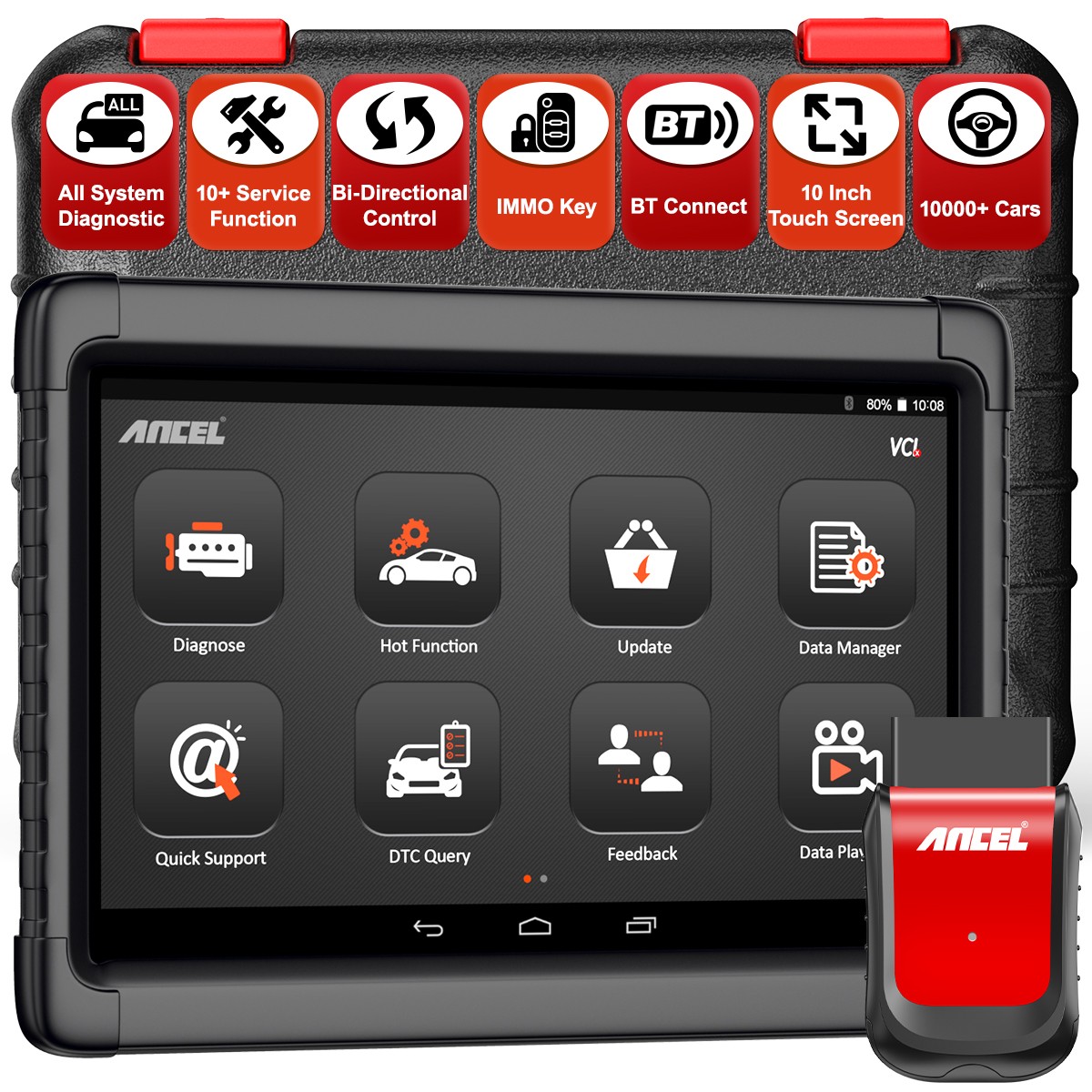 2026 ANCEL X6 Car Bidirectional Full System Diagnostic Scanner Tool ABS Bleeding$259.99View on eBay
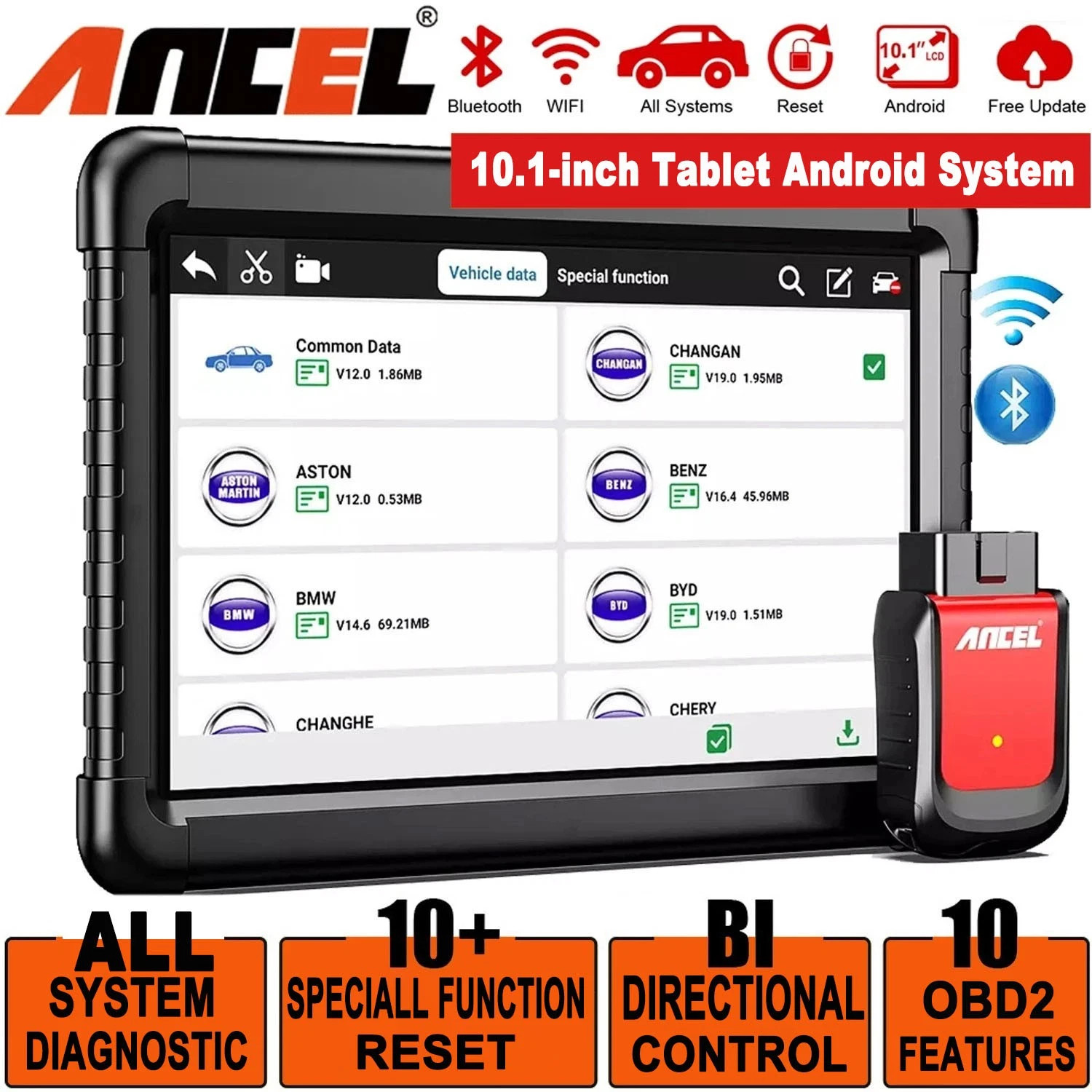 10 Inch Automotive All System Bidirectional OBD2 Scanner Car Diagnostic Tool Oil$259.99View on eBay
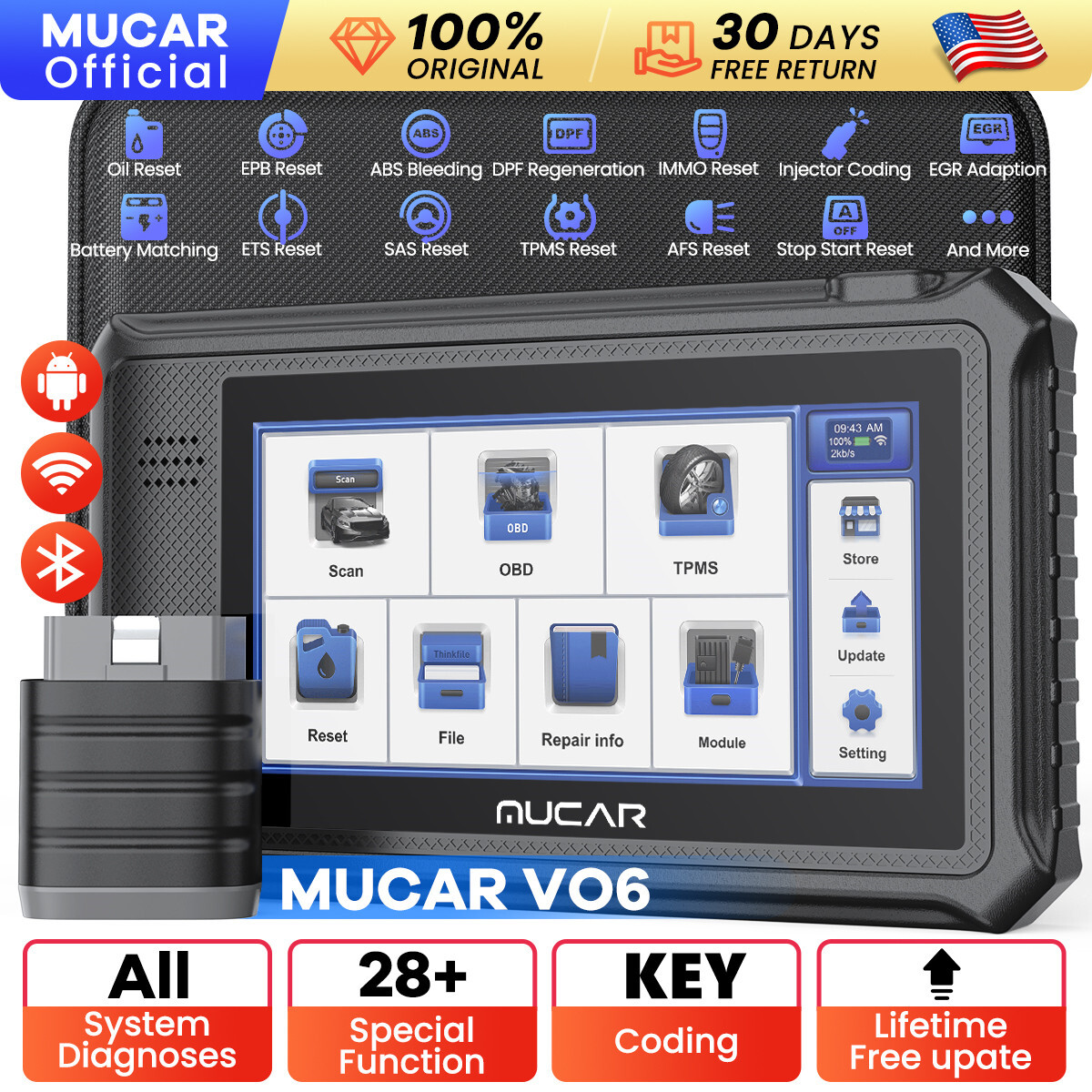 MUCAR VO6 Automotive Full System OBD2 Scanner Car IMMO Diagnostic Scan Tool$279.00View on eBay
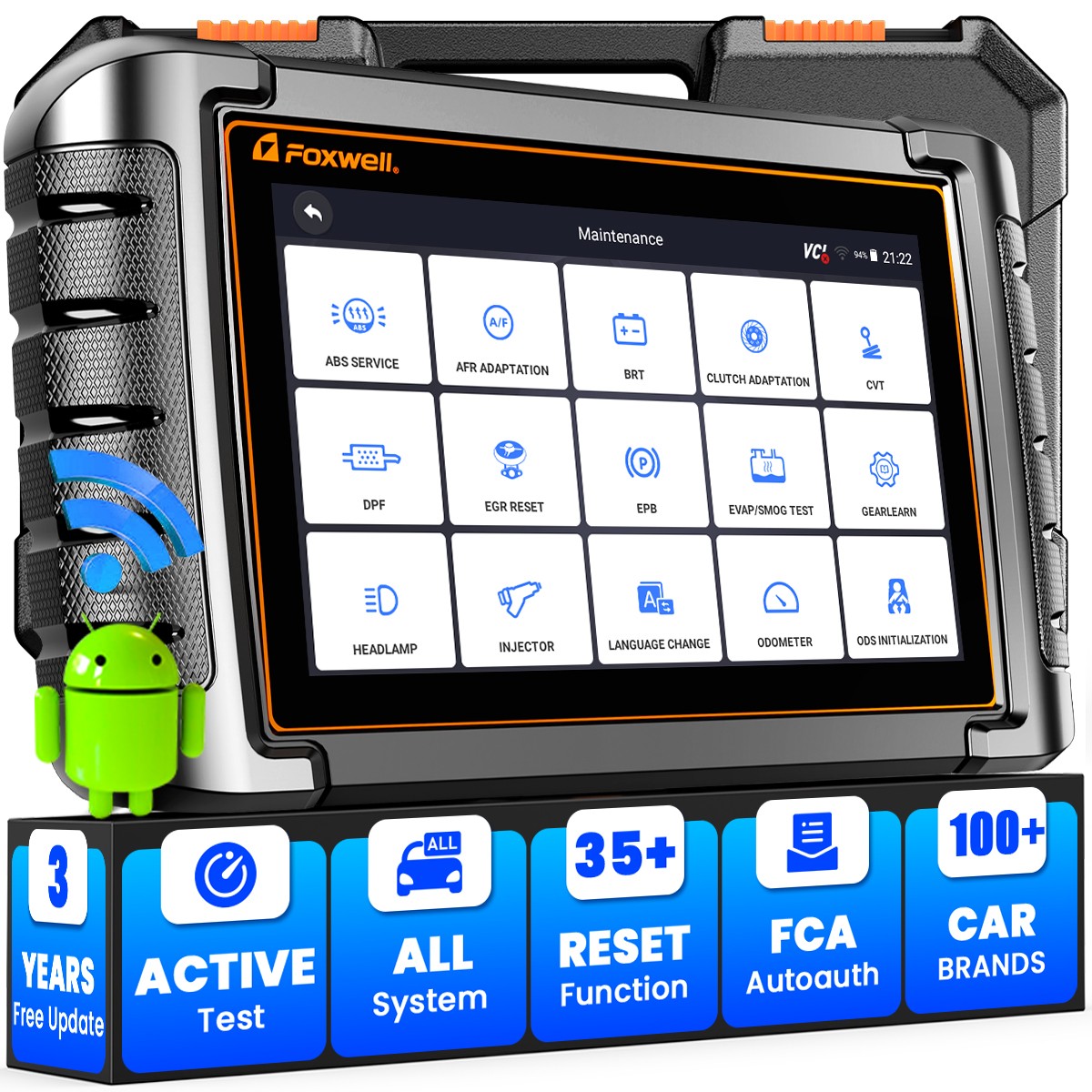 Foxwell NT809 Pro All System Bidirectional Car OBD2 Scanner Diagnostic Scan Tool$283.99View on eBay
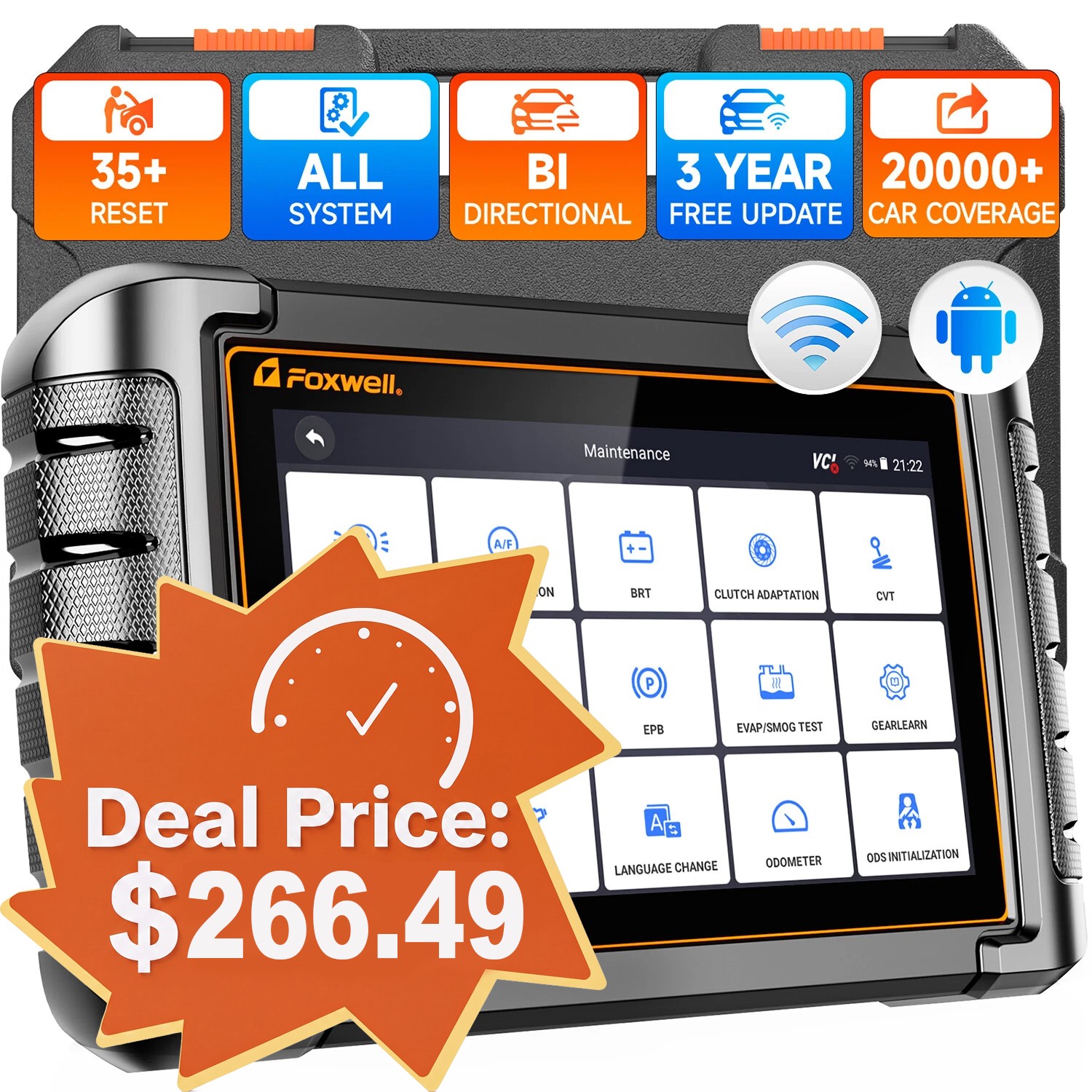 Foxwell NT809 Pro All System Bidirectional Car OBD2 Scanner Diagnostic Scan Tool$296.10View on eBay
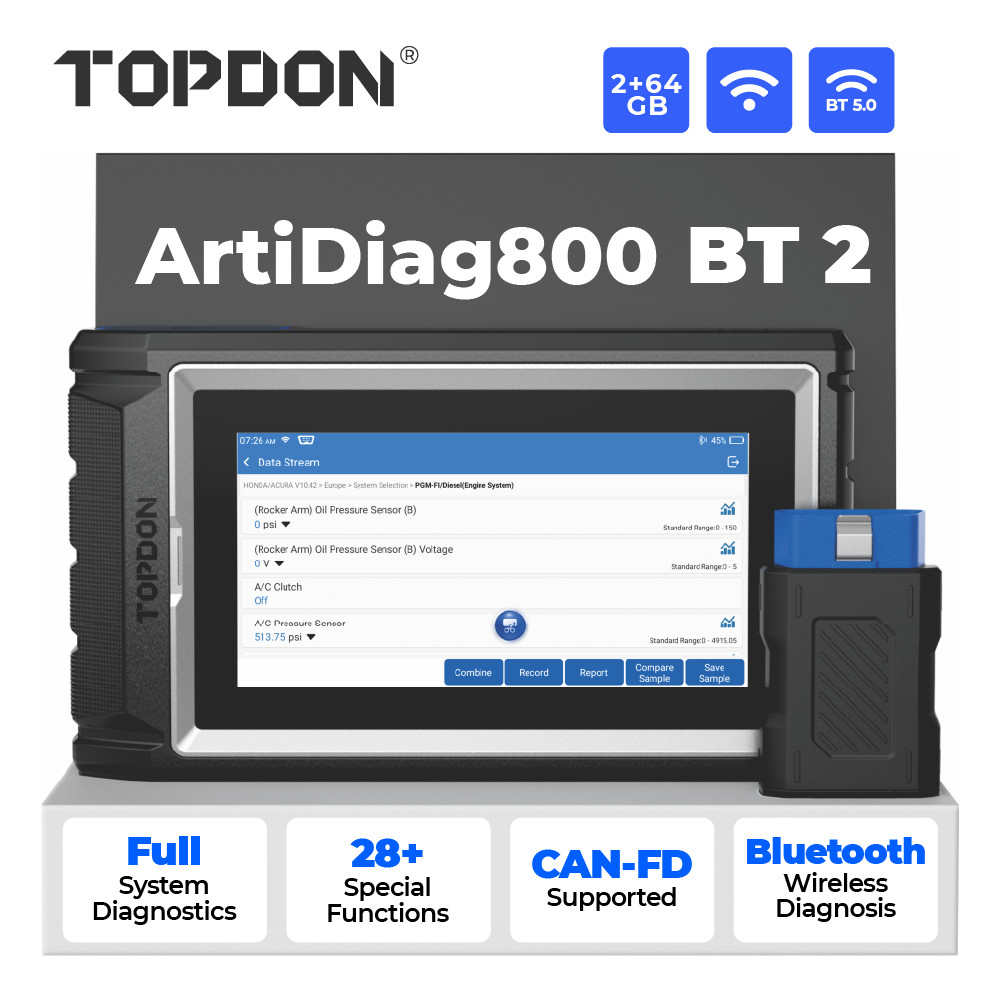 TOPDON AD800BT 2.0 All System Bluetooth OBD2 Scanner Car Diagnostic Tool ABS SRS$309.98View on eBay
Highlights
- OBD2 basic readers cover generic emissions codes (P0xxx) across all 1996+ US cars but cannot access manufacturer-specific modules like ABS or SRS.
- Full-system scanners read all modules (engine, ABS, SRS, transmission, BCM, TPMS) and support bidirectional actuation tests, relearns, and OEM-level diagnostics.
- Bluetooth/WiFi OBD2 adapters (ELM327-based) stream live data to phone apps but offer limited or no module access and are not true scan tools.
- Bidirectional scan tools can command actuators (fuel pump, injectors, ABS bleed) and perform service functions like DPF regen and TPMS reset; basic readers cannot.
Best use cases
- Best fit for basic check-engine light diagnosis and emissions readiness: a standalone OBD2 code reader with live data—skip full-system tools if you only need generic codes.
- Best fit for DIY brake, airbag, and transmission diagnostics: a full-system bidirectional scanner with ABS/SRS/transmission coverage—skip phone-app OBD2 dongles, which lack module access.
- Best fit for professional multi-brand shops: a bidirectional tool with OEM-level coverage and actuation tests—skip budget readers that cannot perform relearns or service functions.
- Wrong fit: buying a WiFi/Bluetooth ELM327 dongle expecting full-system diagnostics—it only reads generic OBD2 data and cannot access ABS, SRS, or body modules.
Buying tips
- Match protocol support to your vehicle generation: OBD2 covers 1996+ US gasoline cars; pre-1996 and some diesel/European models need CAN or manufacturer-specific protocols.
- Choose a tool with the modules you need: basic readers do engine/emissions only; full-system tools add ABS, SRS, transmission, BCM, and TPMS coverage.
- For bidirectional actuation and relearns (ABS bleed, DPF regen, EPB reset), buy a dedicated bidirectional scan tool—phone dongles cannot command actuators.
- Verify screen and connectivity: 9.7-inch touchscreens suit shop use; Bluetooth/WiFi adapters suit phone-based live data but not full-system diagnostics.
Specs
| Tool Type | Code reader / Full-system / Bidirectional |
|---|---|
| Module Coverage | Engine only / All modules (ABS, SRS, BCM) |
| Connectivity | Standalone touchscreen / BT-WiFi dongle |
| Protocol Support | OBD2 / CAN / OEM-specific |
Related searches
What to check before buying
- Confirm your vehicle's OBD2 port location and protocol (1996+ US gasoline is standard; diesel and European models may need CAN or manufacturer-specific support).
- Check that the tool supports your required modules (ABS, SRS, transmission, TPMS) and service functions (relearn, actuation, DPF regen).
- Verify power and connectivity: standalone tools need 12V OBD2 power; Bluetooth/WiFi adapters require a compatible phone app and stable connection.
- Ensure the tool's vehicle coverage list includes your make, model, and year—especially for bidirectional and OEM-level functions.
FAQ
Data sources: eBay / Amazon listings and product attribute feeds Data updated Nov 15, 2026.
Some links on this page are affiliate links. If you buy after clicking one, we may earn a commission at no extra cost to you. This does not change which products appear here or their order. Affiliate disclosure.