Photos from current listings. Actual item, color, and included accessories may vary.
Obd Scanner With Abs Buying Guide
An OBD scanner with ABS is a diagnostic tool that reads engine and anti-lock brake system codes, bridging basic code readers and full-system scan tools. The core trade-off is protocol coverage and module access: budget readers often only handle engine codes, while ABS-capable units add chassis protocol support and live ABS data. The decision rule: if you need to diagnose wheel-speed sensor or ABS pump faults, choose a scanner that explicitly lists ABS/chassis module coverage, not just generic 'OBD2' claims.

At a glance
- Category
- Automotive Diagnostic Tools
- Data updated
- Nov 15, 2026
Current offers
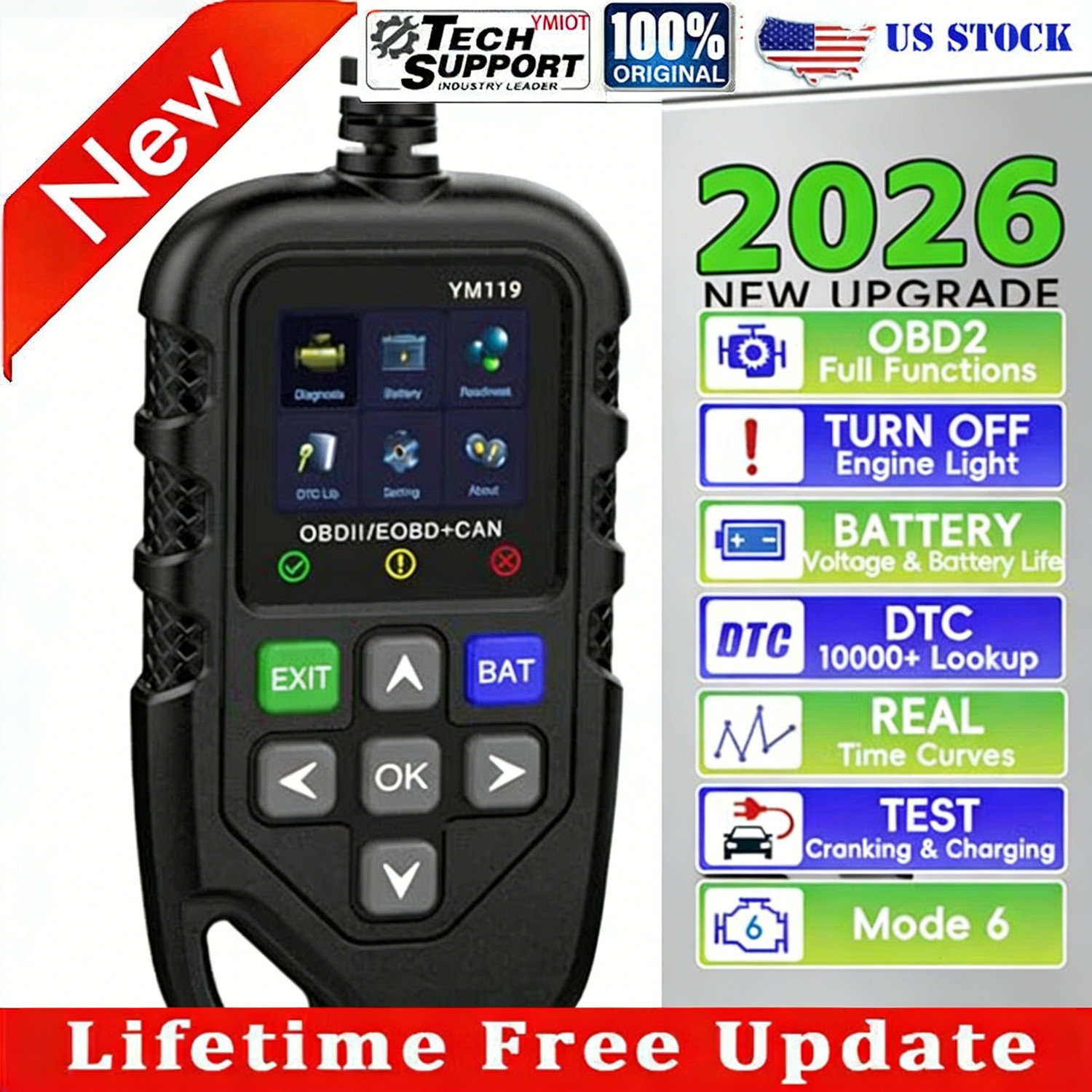 Automotive OBD2 Code Reader OBD Scanner Car Check Engine Fault Diagnostic Tool$21.77
 View on eBay
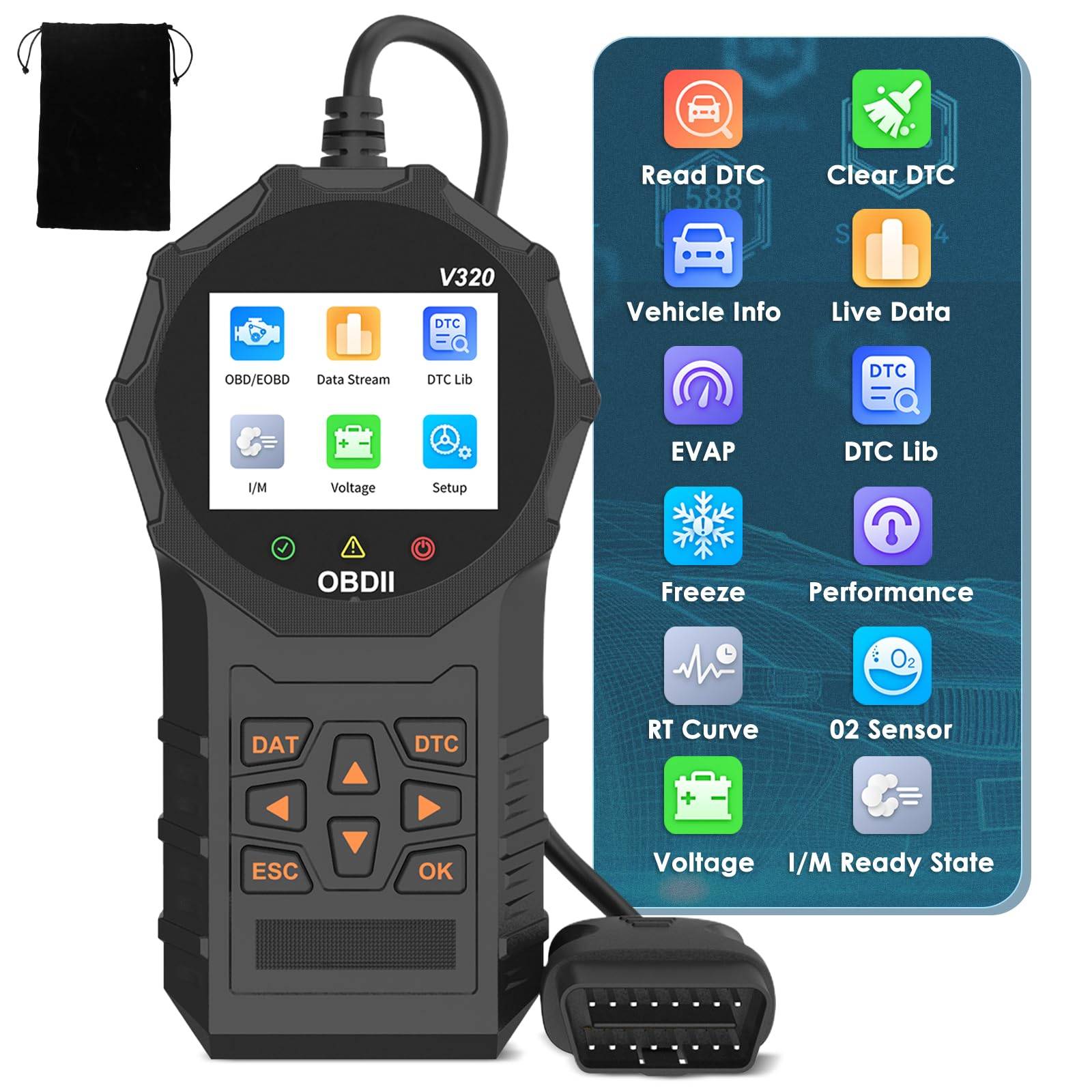 Automotive OBD2 Scanner OBD Code Reader Car Check Engine Fault Diagnostic Tool$58.99
 View on Mallflare
 FIXD OBD-II ACTIVE CAR HEALTH MONITOR ENGINE CODE READER DIAGNOSTIC SCANNER$22.50View on eBay
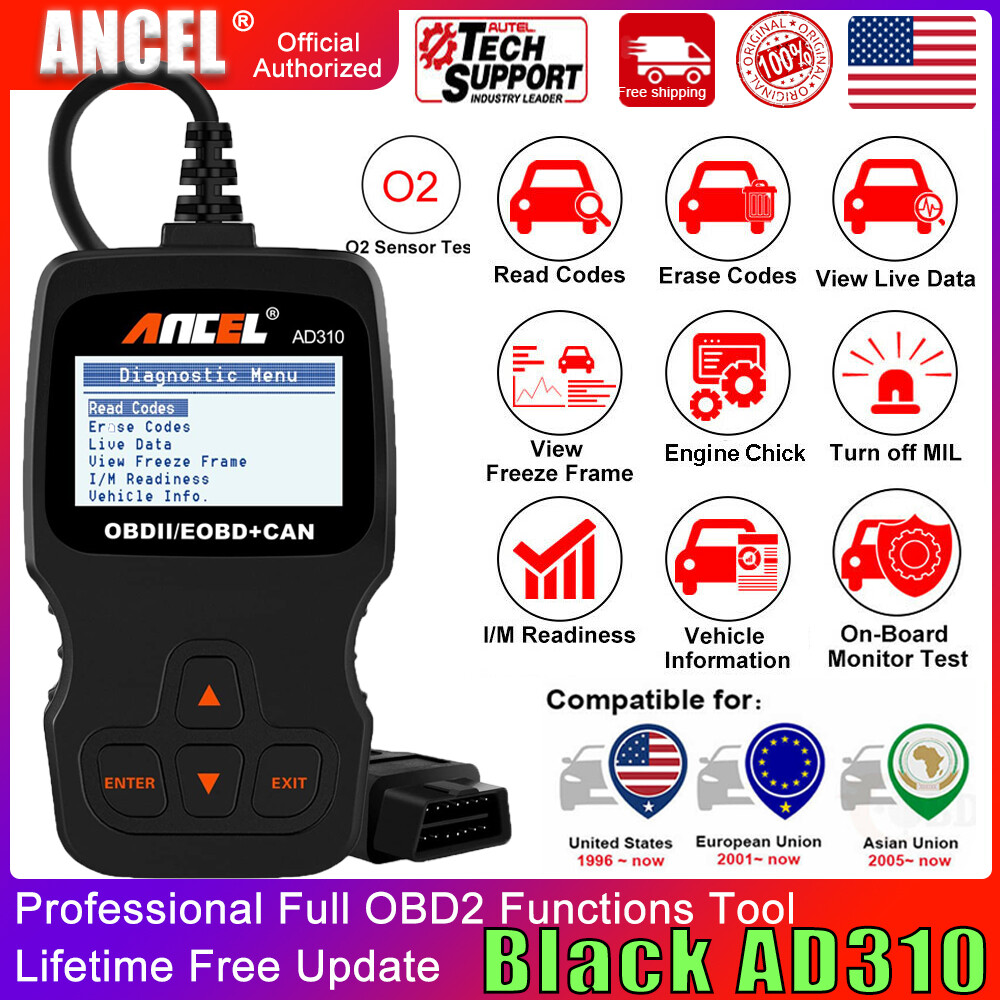 ANCEL AD310 Classic Enhanced Universal OBD II Scanner Car Engine Fault Code Read$29.99View on eBay
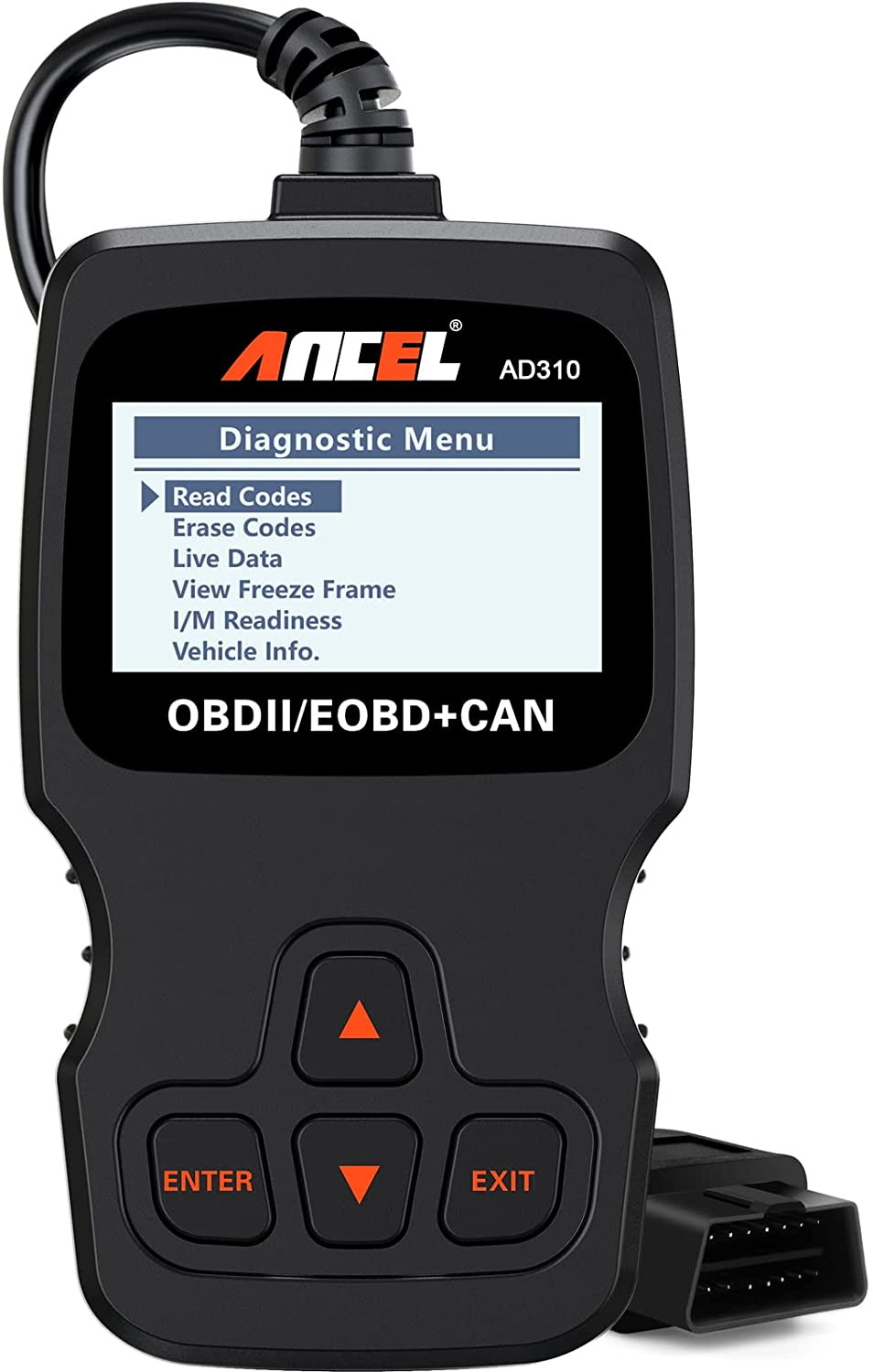 AD310 Classic Enhanced Universal OBD II Scanner Car Engine Fault Code Reader CAN$36.99View on eBay
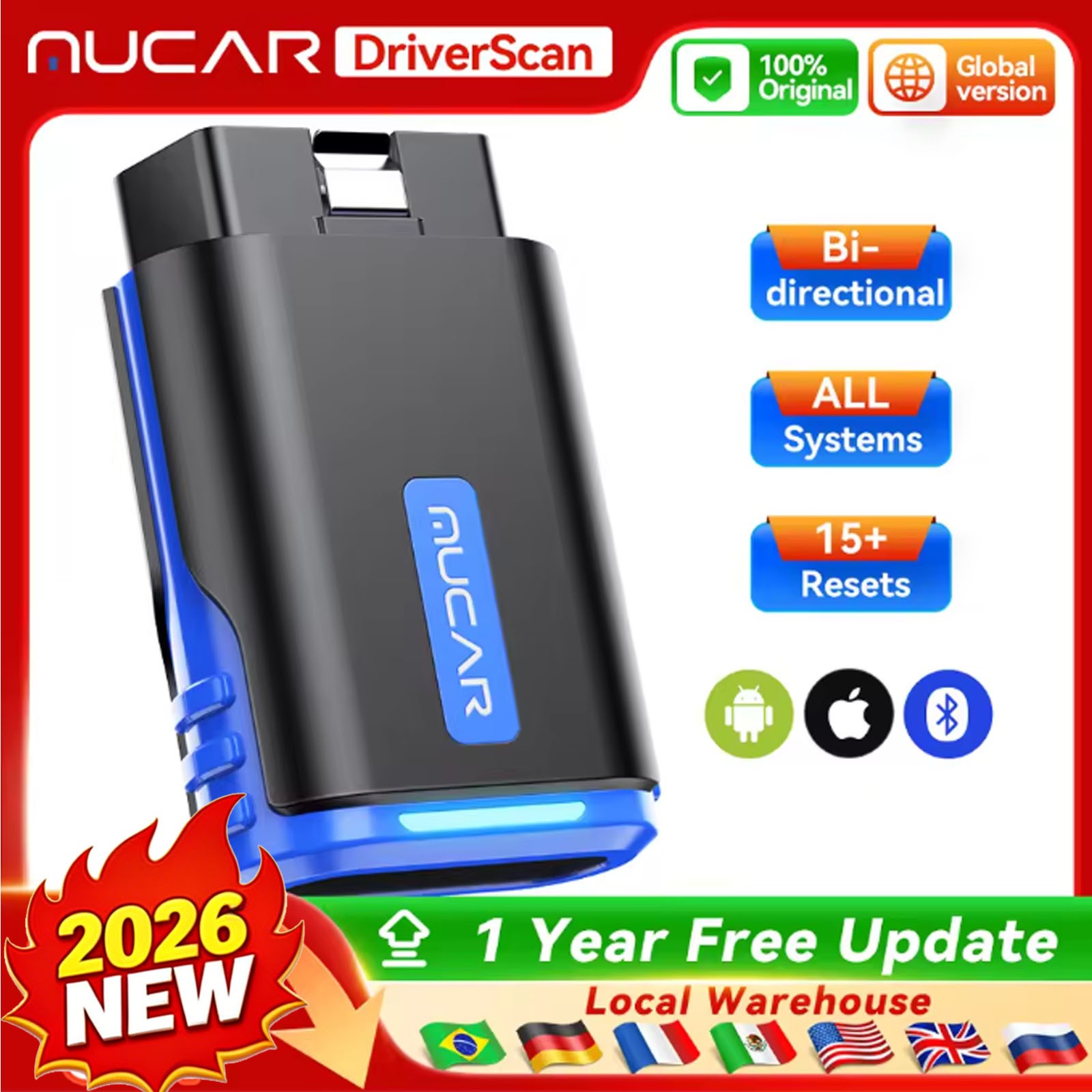 MUCAR Driverscan Automotive Diagnostic Tools OBD 2 Scanner All Cars Full System$39.99View on eBay
Highlights
- ABS access requires support for chassis modules and manufacturer-specific protocols beyond generic OBD-II (ISO 15765 CAN, ISO 9141, KWP2000).
- Entry-level ABS scanners like the ANCEL AD310 read engine and some ABS codes but lack bidirectional controls and full live data for all modules.
- Mid-tier tools (e.g., MUCAR Driverscan) advertise full-system scans including ABS, SRS, and transmission, but verify module coverage per make and model.
- Bluetooth dongles like FIXD rely on a paired app; ABS functionality depends on the app's paid tier and vehicle-specific add-ons, not the dongle alone.
Best use cases
- Best fit: DIYers diagnosing a lit ABS light on a single daily driver—pick a dedicated handheld with confirmed ABS code reading for your make, not a generic engine-only reader.
- Wrong fit: A shop needing bidirectional ABS bleed or calibration—skip consumer dongles and entry handhelds; choose a professional scan tool with actuation tests.
- Best fit: Multi-car households wanting engine plus ABS coverage—select a tool with full-system scan claims and verify make-specific ABS module support before buying.
- Wrong fit: Buyers expecting ABS live data from a basic OBD2 reader—engine-only readers will not show wheel-speed or ABS pump parameters.
Buying tips
- Match ABS coverage to your vehicle's protocol: CAN-based (2008+) needs ISO 15765 support; older cars may need ISO 9141 or KWP2000 for ABS modules.
- Handheld scanners with color screens and dedicated ABS buttons (e.g., ANCEL AD310 class) are simpler for code clearing than app-based dongles.
- App-based dongles (FIXD, MUCAR) add ABS only through paid app features; confirm the app lists your make/model ABS module before relying on it.
- Full-system tools cost more but add SRS, transmission, and bidirectional tests; buy only if you need module resets or actuator tests.
Specs
| ABS Module Access | Engine-only vs ABS/chassis capable |
|---|---|
| Protocol Support | CAN, ISO 9141, KWP2000 |
| Tool Type | Handheld vs Bluetooth dongle + app |
| System Coverage | Engine-only vs full-system (ABS/SRS/Trans) |
Related searches
What to check before buying
- Confirm your vehicle's OBD-II port is under the dash and accessible; some older or commercial vehicles use different connectors.
- Verify the tool explicitly supports your vehicle make and year for ABS/chassis codes, not just engine codes.
- Check that the scanner includes the correct protocol set (CAN, ISO 9141, KWP2000) for your model year.
- For app-based dongles, ensure your phone's OS and the app's subscription tier include ABS diagnostics.
FAQ
Data sources: eBay / Amazon listings and product attribute feeds Data updated Nov 15, 2026.
Some links on this page are affiliate links. If you buy after clicking one, we may earn a commission at no extra cost to you. This does not change which products appear here or their order. Affiliate disclosure.