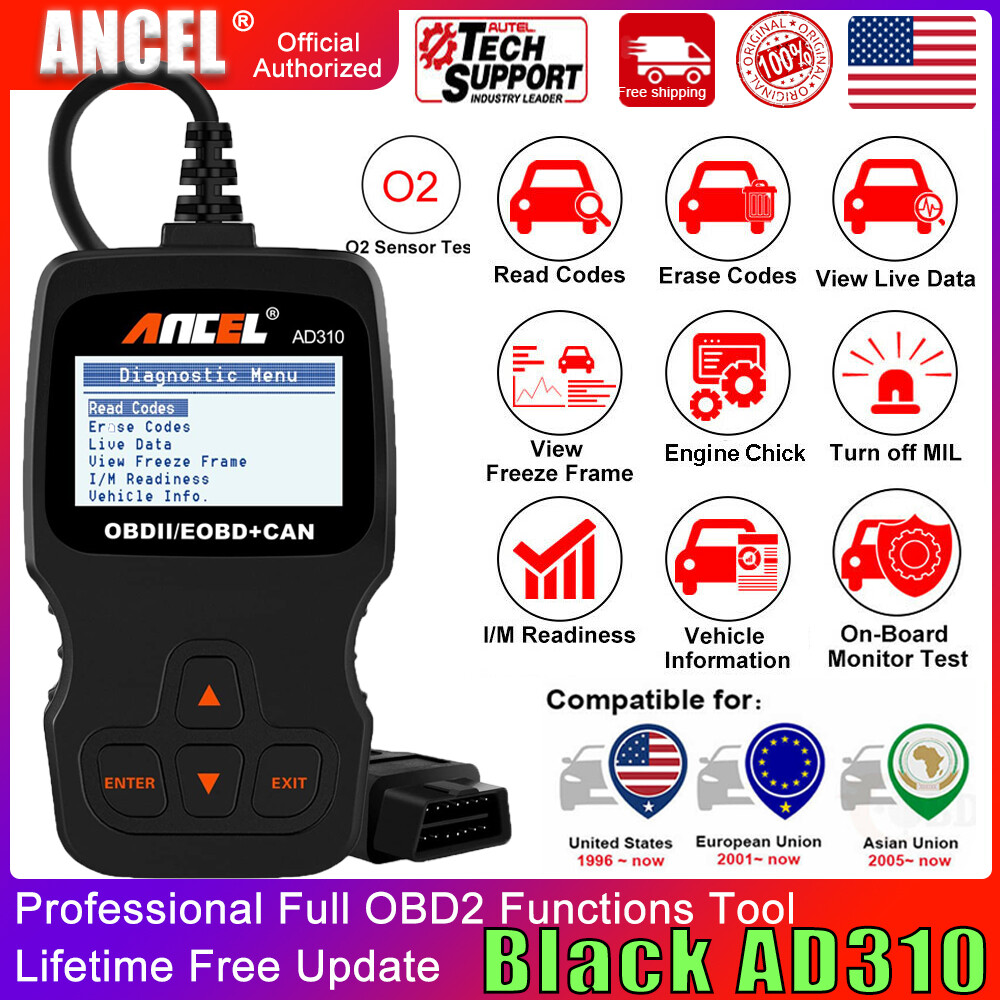

Photos from current listings. Actual item, color, and included accessories may vary.
ANCEL AD310 Buying Guide
The ANCEL AD310 is a handheld OBD2 engine-code reader that pulls and clears powertrain fault codes on 1996-and-newer US-market vehicles, but it cannot access ABS, airbag, transmission, or manufacturer-specific modules. The core trade-off is single-protocol engine-only coverage versus multi-system scan tools at higher cost. Buy the AD310 only if you need a fast, standalone check-engine-light reader with a screen and no app; step up to a multi-system or bidirectional tool if you need module-level diagnostics.


At a glance
- Brand
- Not synced yet
- Model
- Not synced yet
- MPN
- Not synced yet
- Category
- Automotive Diagnostic Tools
- Status
- Offers available
- Data updated
- Nov 15, 2026
Current offers
Highlights
- Engine-only OBD2 coverage: reads and clears generic powertrain codes (P0xxx) plus some enhanced P1xxx; no ABS, SRS, or transmission modules.
- Standalone LCD design: built-in screen and keypad, no smartphone app or subscription required for basic code read/clear.
- Protocol support: works on 1996+ US OBD2 vehicles and later EOBD; pre-1996 and some diesel/medium-duty trucks need a different tool.
- Model tier difference: AD310 is the basic reader; ANCEL's higher tiers add live data graphing, ABS/SRS, or bidirectional actuation tests.
Best use cases
- Best fit: a DIY owner who wants to read a check-engine light, confirm the code, clear it after a repair, and verify readiness monitors without a phone.
- Best fit: a second car or travel kit where a simple, self-contained engine-code reader is enough for emissions-related faults.
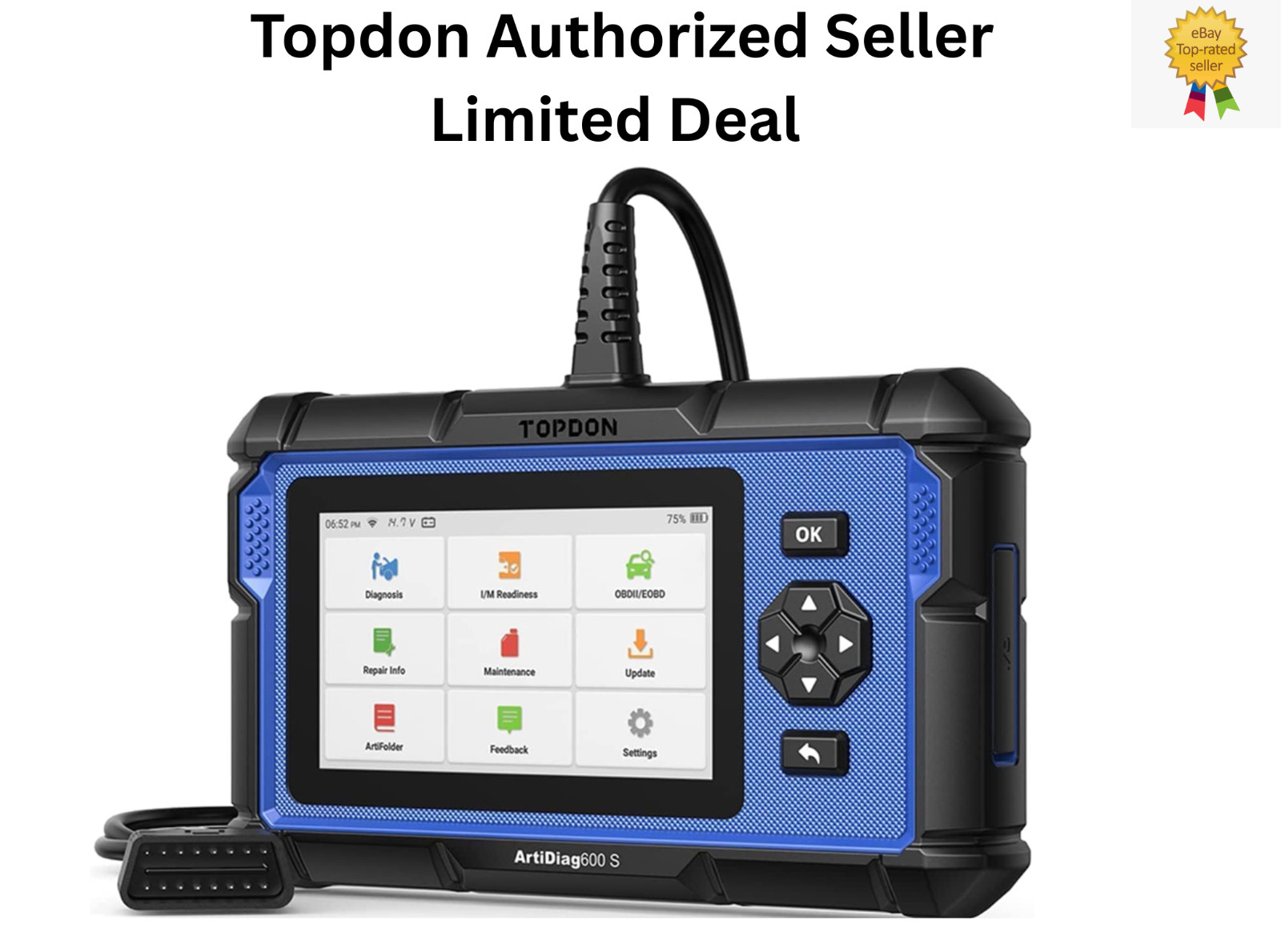
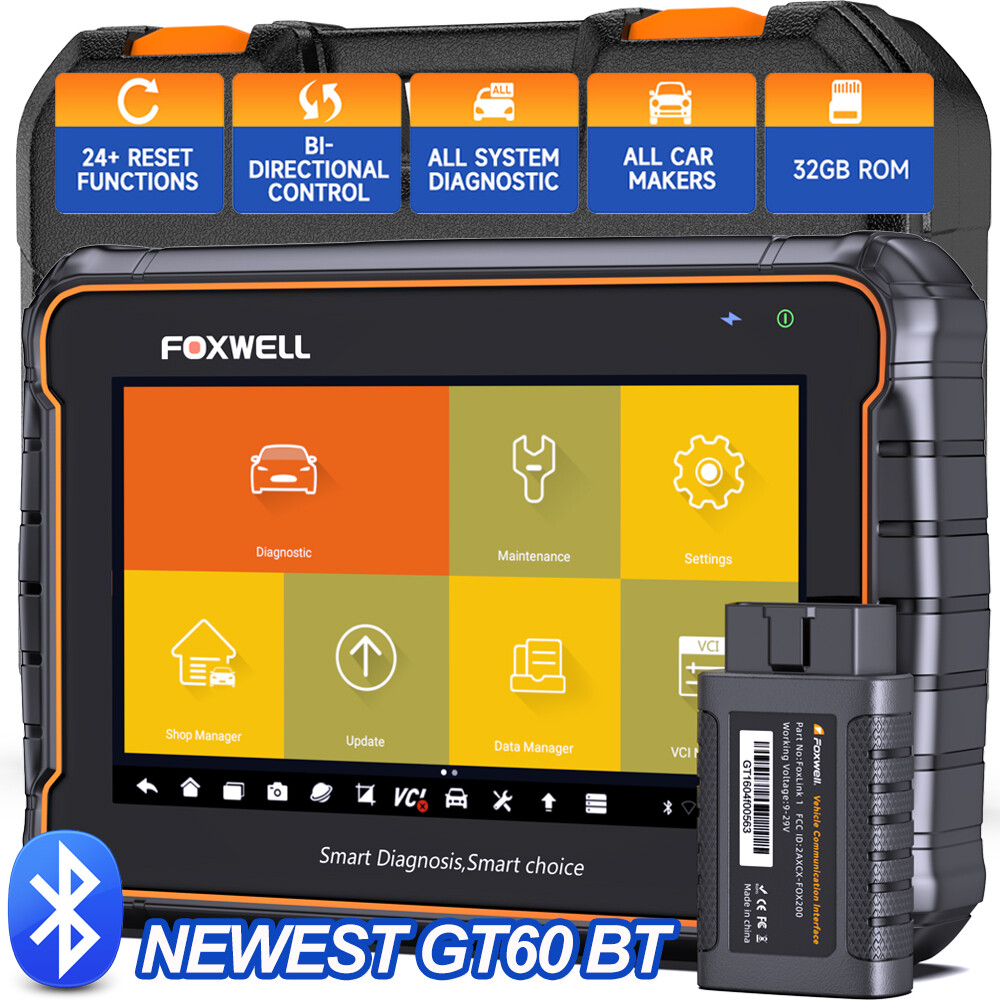
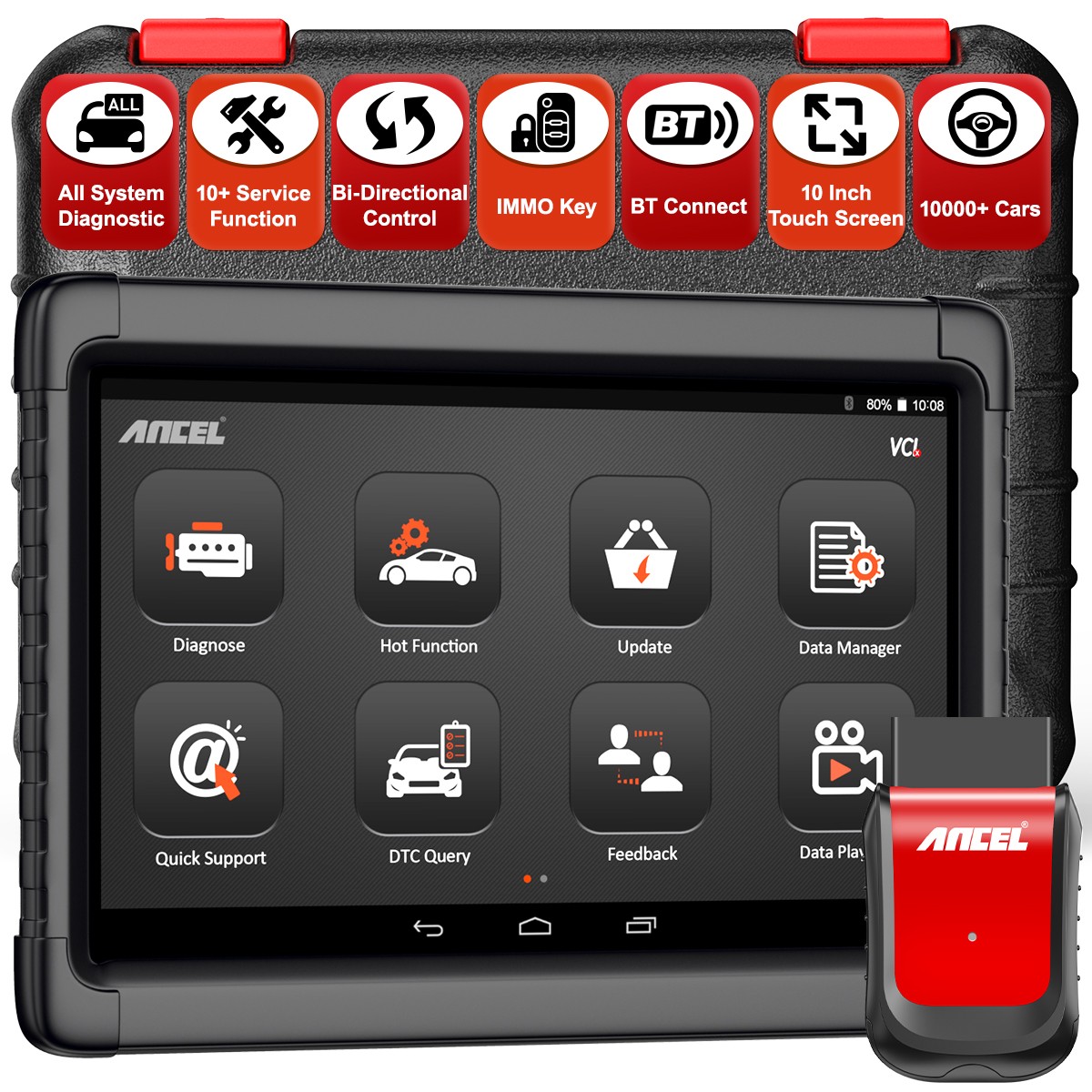
- Wrong fit: diagnosing ABS, airbag, or body-module faults, or performing bidirectional tests (fuel pump, injector, calibration) — pick a multi-system bidirectional scanner instead.
- Wrong fit: pre-1996 vehicles or heavy-duty trucks using proprietary protocols — verify OBD2 compliance first and choose a tool covering that protocol set.
Buying tips
- Match protocol to model year: OBD2 is mandatory on US gasoline cars from 1996; earlier vehicles need a manufacturer-specific or OBD1 adapter, which the AD310 does not provide.
- Choose engine-only readers for code read/clear and I/M readiness; choose multi-system tools when you need ABS/SRS/transmission codes or live data beyond basic PIDs.
- Check connector and cable: the standard J1962 16-pin DLC under the dash is required; some older or commercial vehicles use different ports.
- Prefer tools with a defined update path: firmware/app updates and clear DTC definitions matter more than screen size for long-term usefulness.
Specs
| System Coverage | Engine/powertrain only (OBD2) |
|---|---|
| Protocol Standard | OBD2 / EOBD (1996+ US gas) |
| Display Type | Built-in LCD, standalone |
| App/Subscription | None required for basic use |
Alternatives to compare
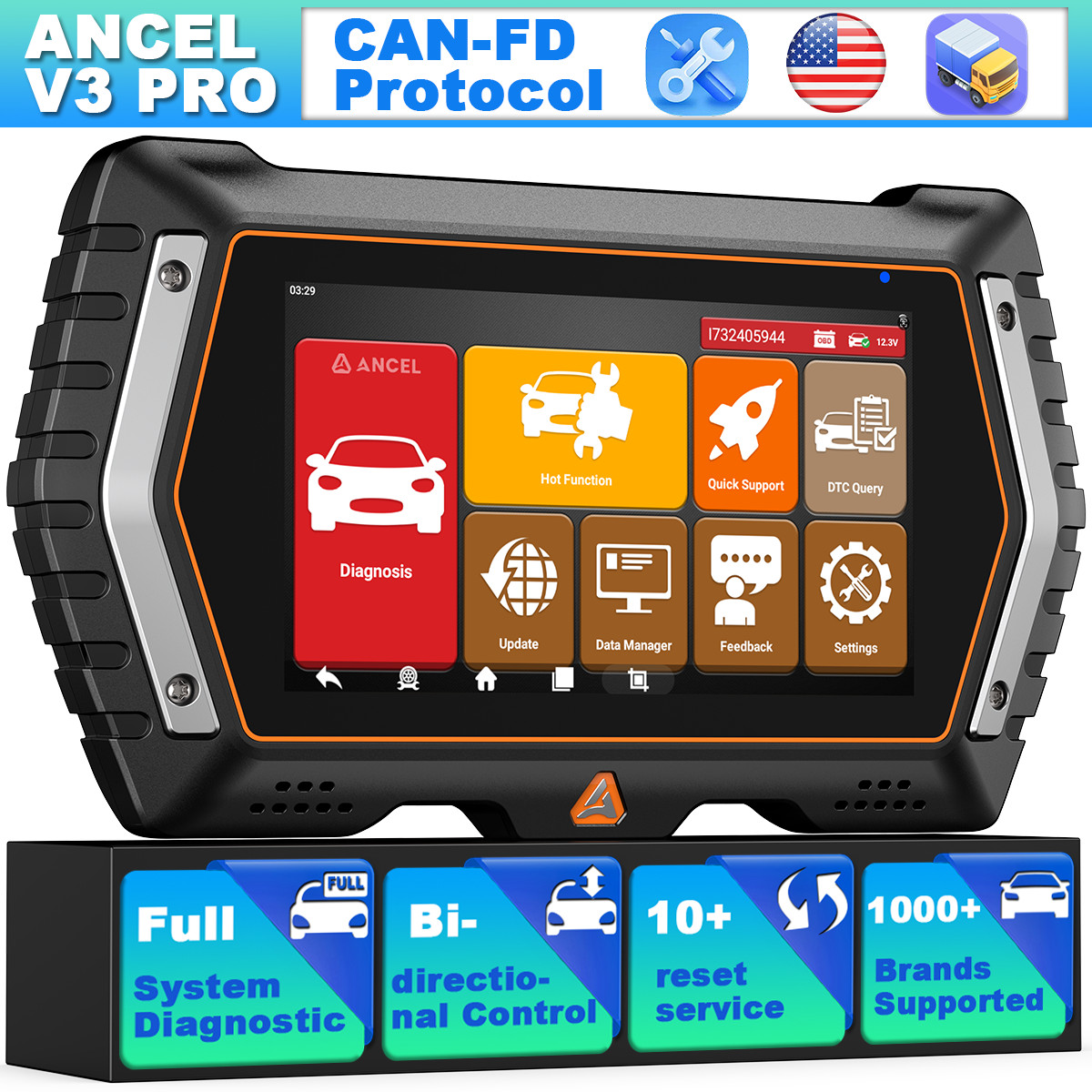
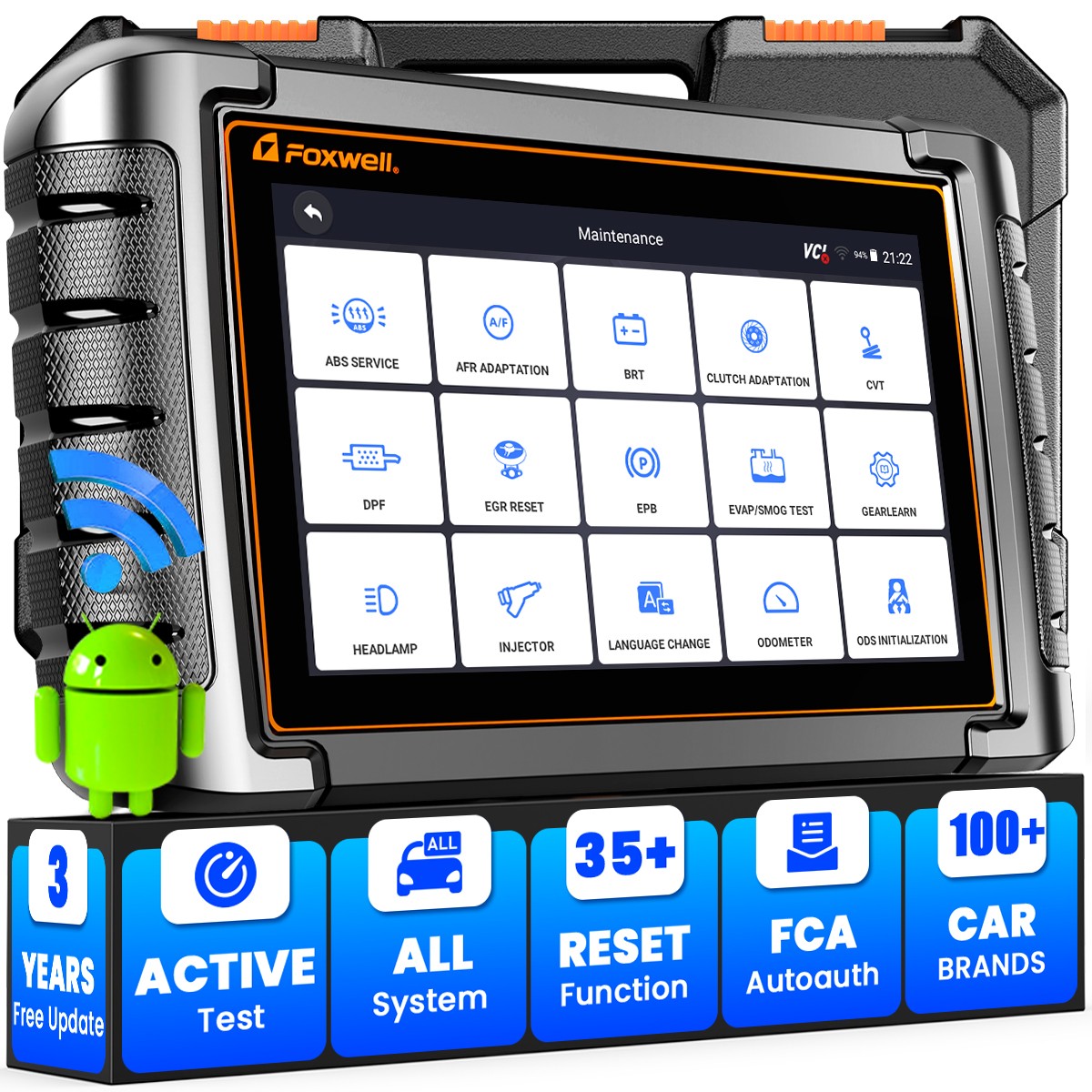
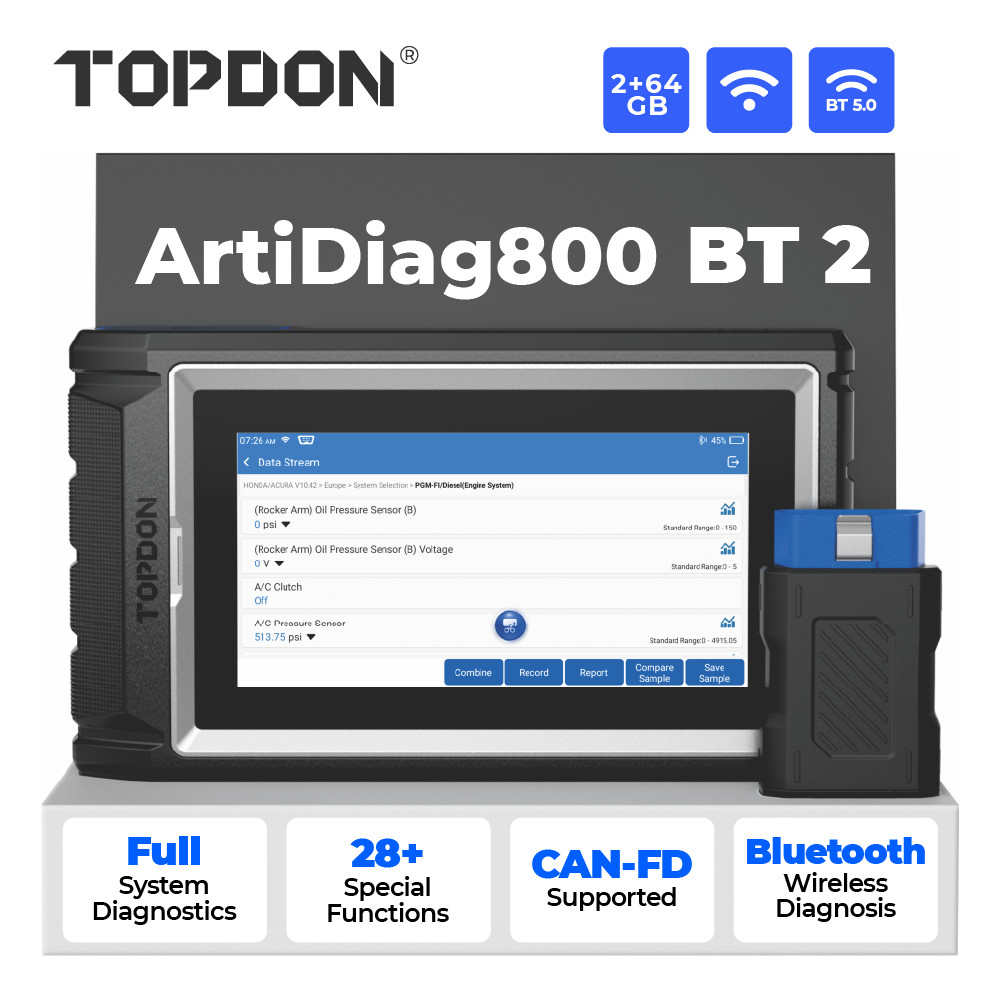
Related searches
What to check before buying
- Confirm the vehicle is OBD2-compliant (gasoline 1996+ in the US) and locate the 16-pin DLC within reach of the cable.
- Confirm you only need engine/powertrain codes — if ABS, airbag, or transmission diagnostics are required, choose a multi-system tool.
- Check that the tool's display and keypad are usable in your working conditions; standalone screen means no phone battery or app dependency.
- Verify included accessories: OBD2 cable, user manual with DTC lookup, and any carry case or protective boot for glovebox storage.
FAQ
Data sources: eBay / Amazon listings and product attribute feeds Data updated Nov 15, 2026.
Some links on this page are affiliate links. If you buy after clicking one, we may earn a commission at no extra cost to you. This does not change which products appear here or their order. Affiliate disclosure.