Choosing overland mobile power & solar starts with a practical fork: do you need a portable battery that powers campsite devices, or a 12V system that charges and monitors an onboard battery? The Portable Power Station and CTEK package target those different jobs. The useful decision is to match the power architecture to the trip, then use price as a tie-breaker-not to treat them as interchangeable.
Quick verdict
Pick the Portable Power Station for camping, CPAP, and RV electronics, plus solar-recharge flexibility in a self-contained pack. Pick the CTEK DC-to-DC Battery Charging System for an off-grid vehicle or trailer setup built around 12V battery charging and monitoring. The listed-price gap is $445.01, so the CTEK choice needs a specific onboard-battery use case to justify its different role.
Compact comparison
| Product | Listed price | Main job |
|---|---|---|
| Portable Power Station | $119.99 | Portable battery for camping, CPAP, and RV use |
| CTEK DC-to-DC Battery Charging System | $565.00 | 12V DC-to-DC charger set for off-grid power |
Where each product wins
Portable Power Station: It wins when the trip plan is about bringing power to people: the title specifically names camping, CPAP, and RV use, while the description lays out a portable station with multiple output types. That makes it the clearer match for travelers who want a pack to place at camp and use across small electronics.
CTEK DC-to-DC Battery Charging System: It wins when the vehicle itself is the center of the system. The package is framed for vehicles, boats, trailers, caravans, campers, RVs, and cabins, and its charger-and-monitor format fits an onboard 12V battery plan. Choose it for that defined off-grid setup rather than for a general portable power pack.
Product notes
Portable Power Station 300W 280Wh 110V AC DC Solar Generator For Camping CPAP RV
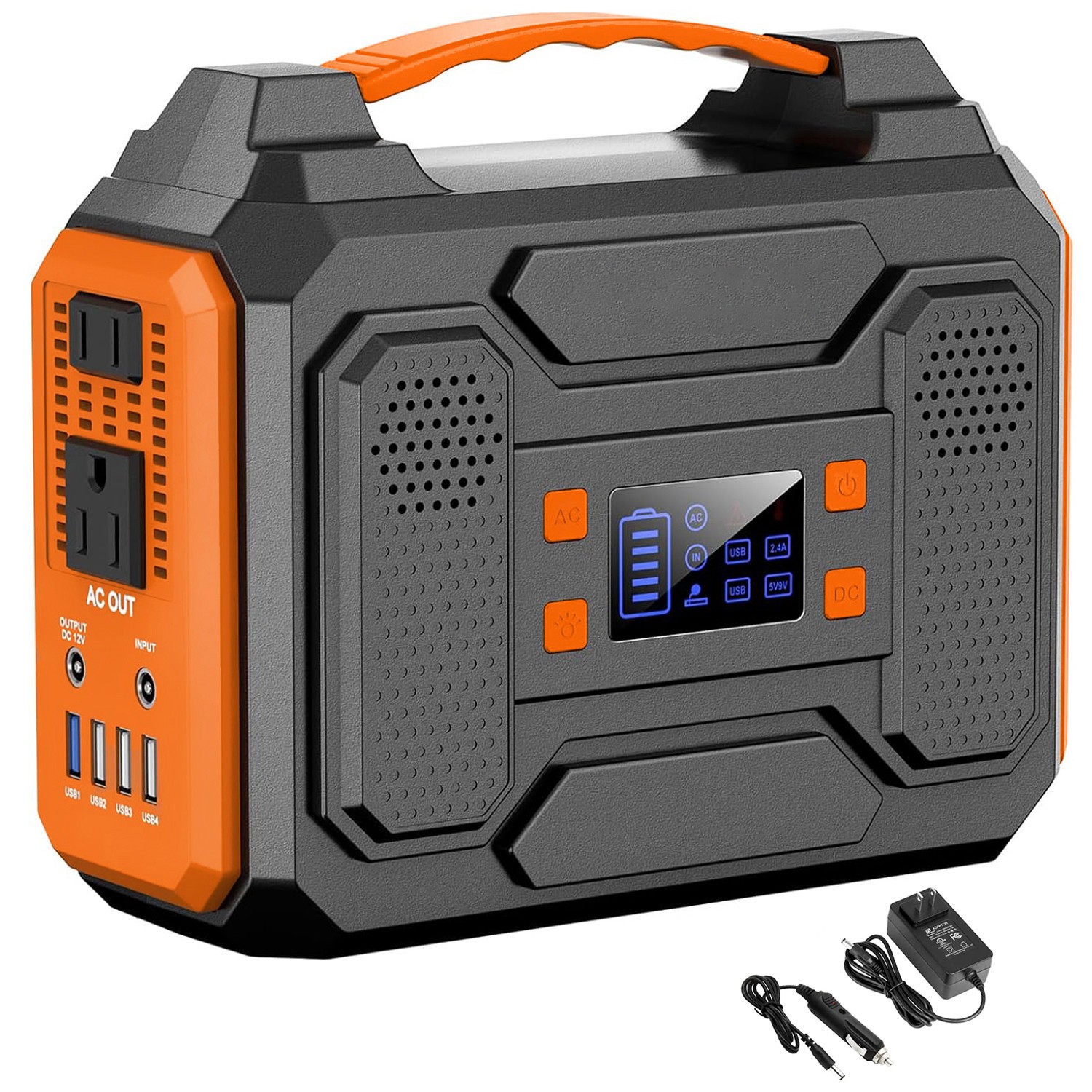
The Portable Power Station is the more natural choice when a trip needs a carryable source for personal electronics. Its 280Wh capacity is paired with two 110V pure sine wave AC outputs, a 9-12.6V DC output, three USB ports, and one USB QC 3.0 port, giving the pack several connection types. MPPT charging supports the solar-generator role named in the title, while the listed recharge methods also include an AC wall adapter and car charger. The concrete limitation is that the solar panel is not included; the description calls for a panel with 12V-23V output. The station's compatibility is stated for devices within its power range, so its role is personal and camp electronics rather than a 12V battery-charger package.
CTEK DC to DC Battery Charging System 12 volt 40-186 Overland Power 20A Off Grid
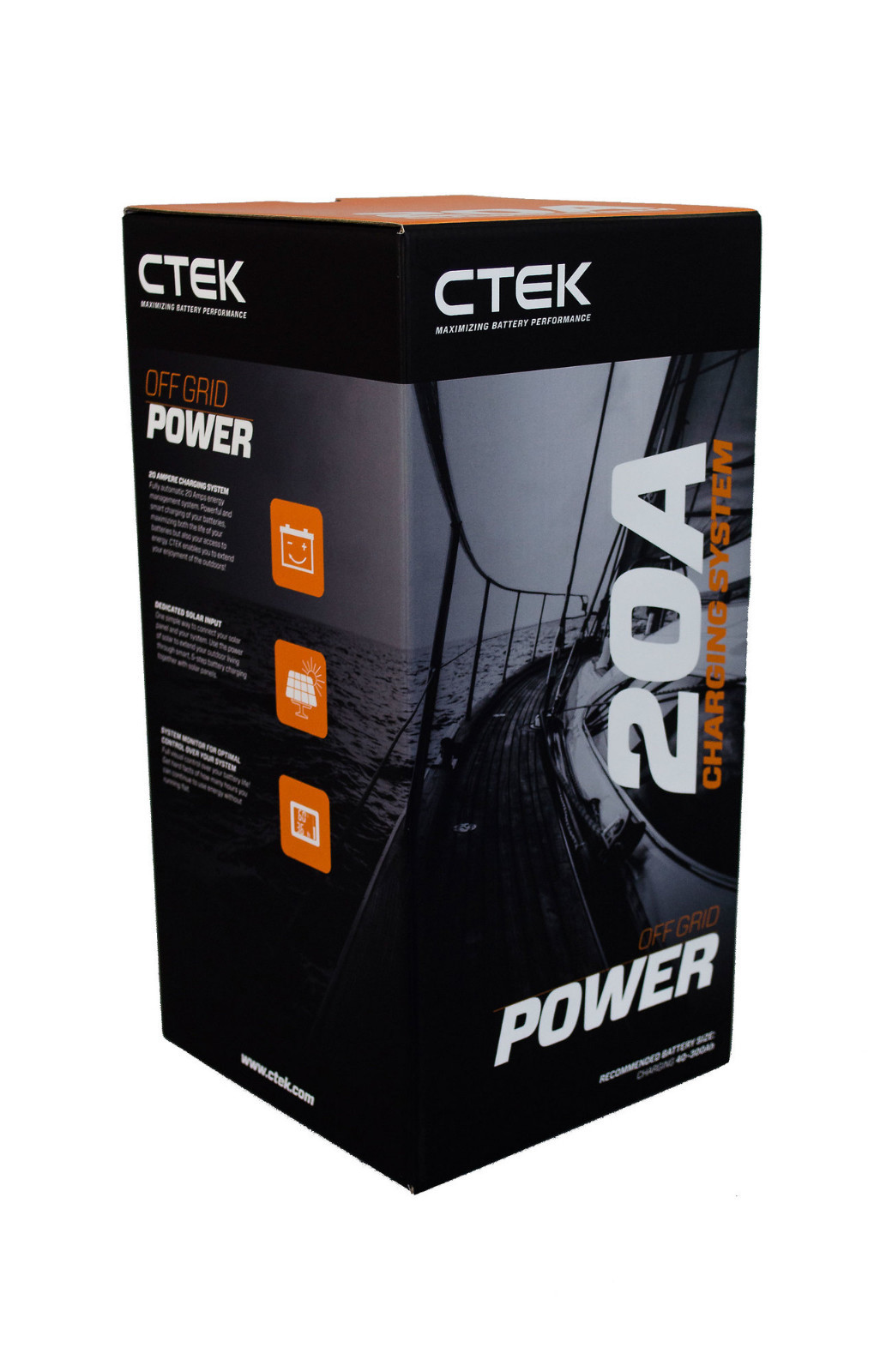
The CTEK package is aimed at a different job: a 12V onboard battery system for off-grid travel. It combines a 20A DC-to-DC charger with a digital power monitor and is described for batteries from 40 to 300Ah. The set format and 2-year warranty give the purchase a defined package identity. That is a concrete reason to choose it when charging and battery visibility matter more than carrying a standalone outlet pack. The main limitation is scope: its stated role is a charger set, so shoppers seeking a portable outlet pack are comparing unlike formats. At $565, it also has the higher listed price, making the intended 12V use especially important.
Final choice by use case
- Camping electronics, CPAP, or RV convenience: Choose the Portable Power Station. The product title makes those uses explicit, and its solar-generator format suits a pack-based setup.
- 12V dual-battery or onboard charging: Choose the CTEK system. The 20A DC-to-DC charger and digital monitor are aligned with that job.
- Solar-recharge flexibility: Choose the Portable Power Station, with a separate compatible solar panel.
- A defined off-grid charger set: Choose CTEK, whose title and description center on 12V, 20A, and off-grid power.
If the two use cases overlap, the choice remains format-first: the Portable Power Station is the lower-priced portable power route, while CTEK is the dedicated 12V charging-and-monitoring route. The $445.01 spread reinforces that these are alternatives for different builds, not two versions of the same device.