Choosing overland mobile power & solar is less about picking the biggest headline number and more about matching a power station to the devices, charging routine, and vehicle loadout you actually plan to use. The two choices here take notably different approaches: one is a lower-priced camping-oriented unit, while the other is a much larger power station with a 30KG listed weight.
Quick verdict
The Portable Power Station 300W 280Wh is the more straightforward choice for camping, CPAP, and RV-style backup when its listed scale and solar-charging approach fit the plan. The 2400W 1843Wh Portable Power Station is aimed at shoppers who need its appliance-oriented specification and can accommodate its heavier format. The listed price gap is $331.51, so the decision is whether the larger unit's specifications justify the added purchase commitment and vehicle space.
Compact comparison
| Product | Listed price | Capacity | Charging detail |
|---|---|---|---|
| Portable Power Station 300W 280Wh | USD 119.99 | 280Wh | MPPT charging |
| 2400W 1843Wh Portable Power Station | USD 451.50 | 1843.2Wh | AC charging described as full in 1.6-2 hours |
Where each product wins
- Portable Power Station 300W 280Wh wins on entry price and a solar-focused setup. The USD 119.99 listing is $331.51 below its rival, and the product is described for camping, CPAP, and RV use. Solar recharging requires a separately purchased panel, so it suits shoppers who are comfortable assembling that part of the setup.
- 2400W 1843Wh Portable Power Station wins for an appliance-oriented brief. Its title specifies 2400W, while the description discusses household appliances and devices. The tradeoff is the listed 30KG weight, which needs to be planned into an overland loadout rather than treated as an incidental carry detail.
Product notes
Portable Power Station 300W 280Wh
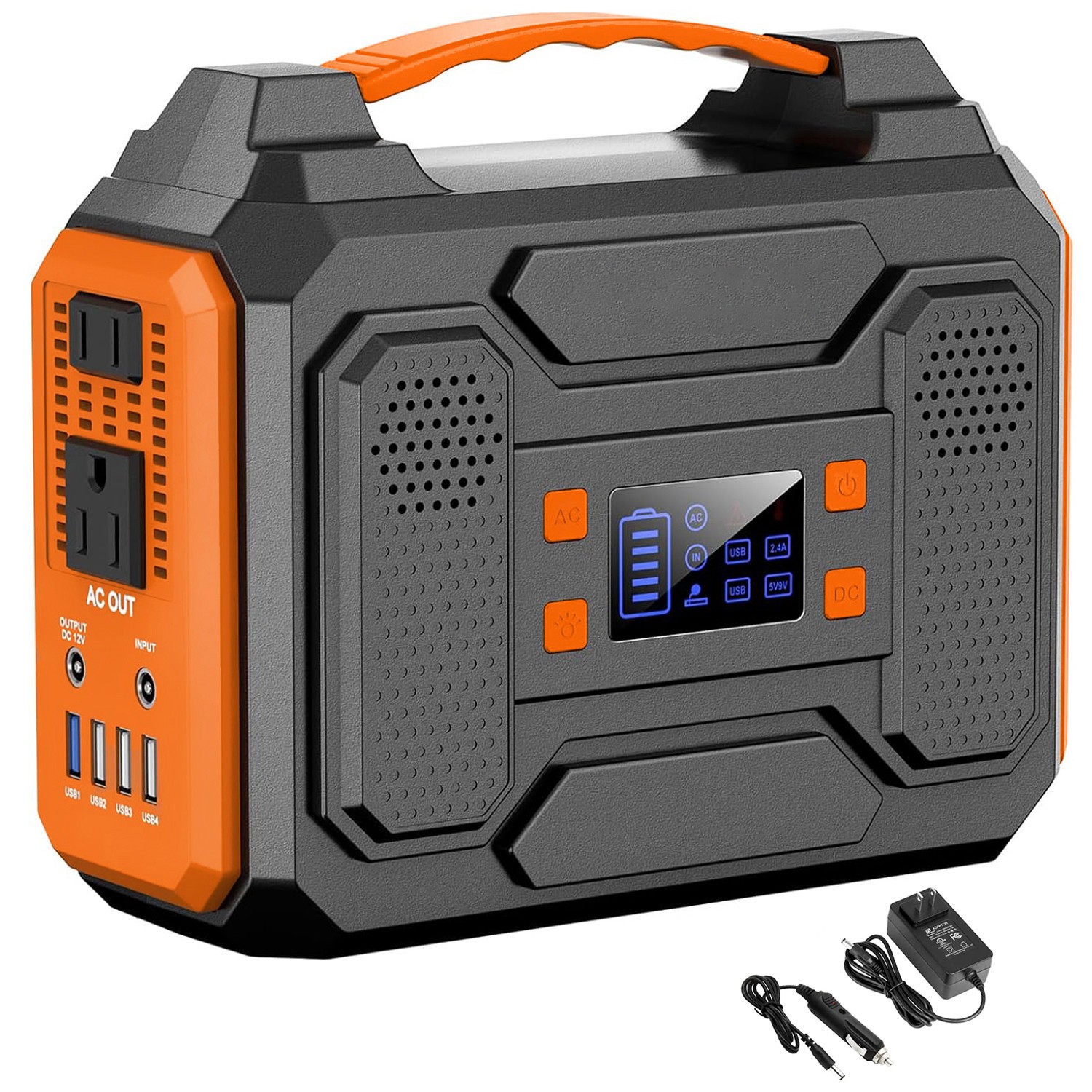
The Portable Power Station 300W 280Wh is the easier match for a camping, CPAP, or RV brief, all uses named in its title. MPPT charging and seven outlet ports give shoppers a concrete reason to choose it when several smaller devices need a flexible backup source. The gray finish and universal compatibility are also stated, although neither changes the power-planning decision. Its clearest limitation is the separate solar-panel requirement: solar recharging needs a panel purchased separately, and one is not included. The 280Wh capacity defines a smaller stored-energy format than the 1843.2Wh rival, so the intended use needs to align with that listed scale. Choose it for portable backup around the title's camping-oriented uses; move to the other unit when that 280Wh boundary does not fit the planned load.
2400W 1843Wh Portable Power Station
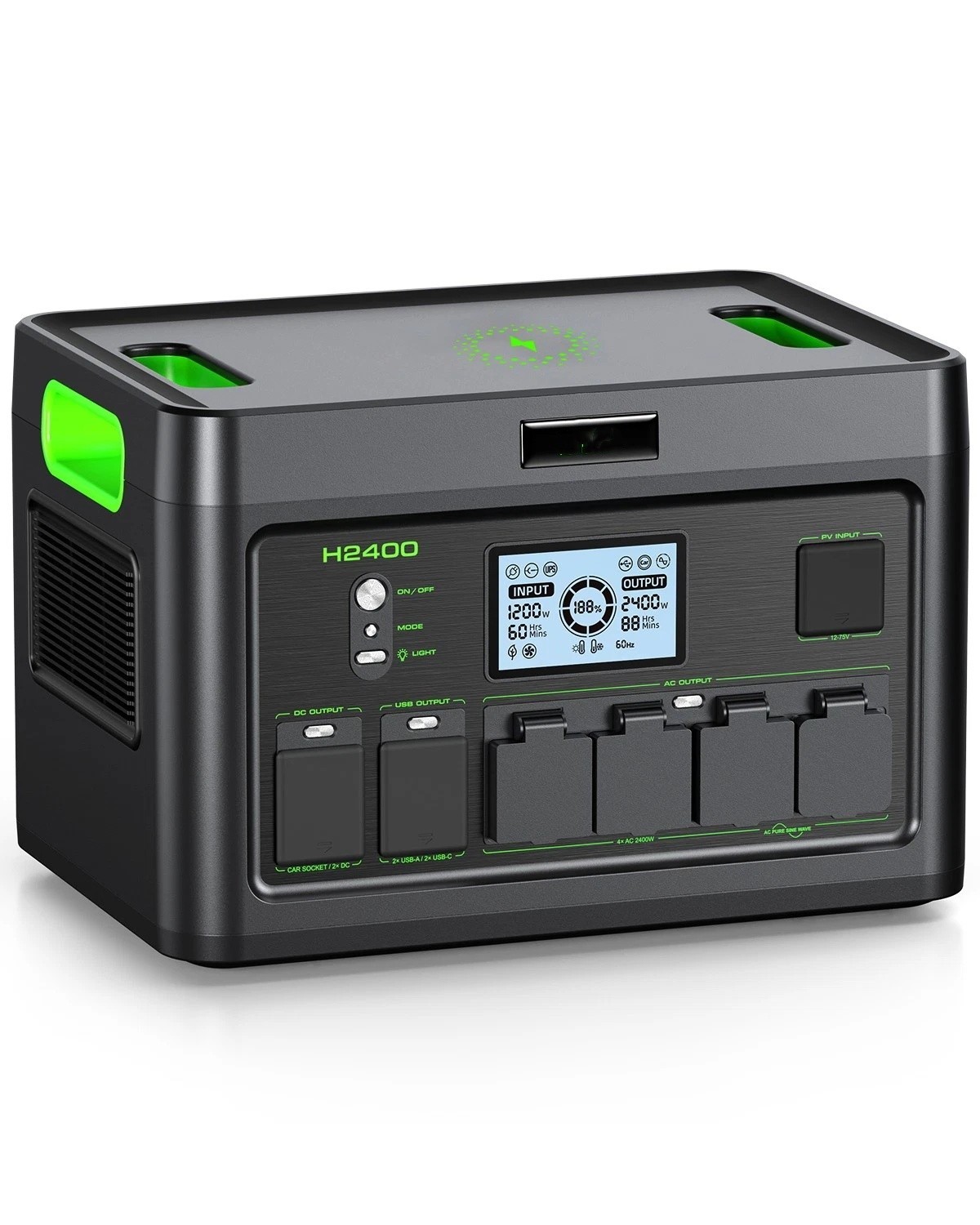
The 2400W 1843Wh Portable Power Station suits a different brief: travel or camping where household appliances and devices are part of the plan. Its description explicitly frames the unit for those loads and states that AC charging can reach full in 1.6 to 2 hours, giving shoppers a concrete charging-time consideration. The listed 30KG weight is the key limitation for an overland setup because it requires a deliberate place in the vehicle and matters when the power station is moved between camp and vehicle. Choose it when the appliance-oriented description and stated AC charging time match the itinerary. The 280Wh unit is the better fit when the planned use stays centered on camping, CPAP, or RV backup rather than the larger appliance brief.
Final choice by use case
- Camping, CPAP, or RV backup: Choose the Portable Power Station 300W 280Wh. Those uses are named directly in the title, and the listed MPPT charging mode supports a solar-oriented setup once a separate panel is added.
- Travel with household appliances: Choose the 2400W 1843Wh Portable Power Station when its appliance-focused description and AC charging time suit the itinerary. Its 30KG listed weight should be part of the vehicle-placement decision.
- When price leads the decision: The first unit's USD 119.99 listing makes it the clear starting point; select the second only when its appliance-oriented specifications match a real requirement rather than simply a larger headline.