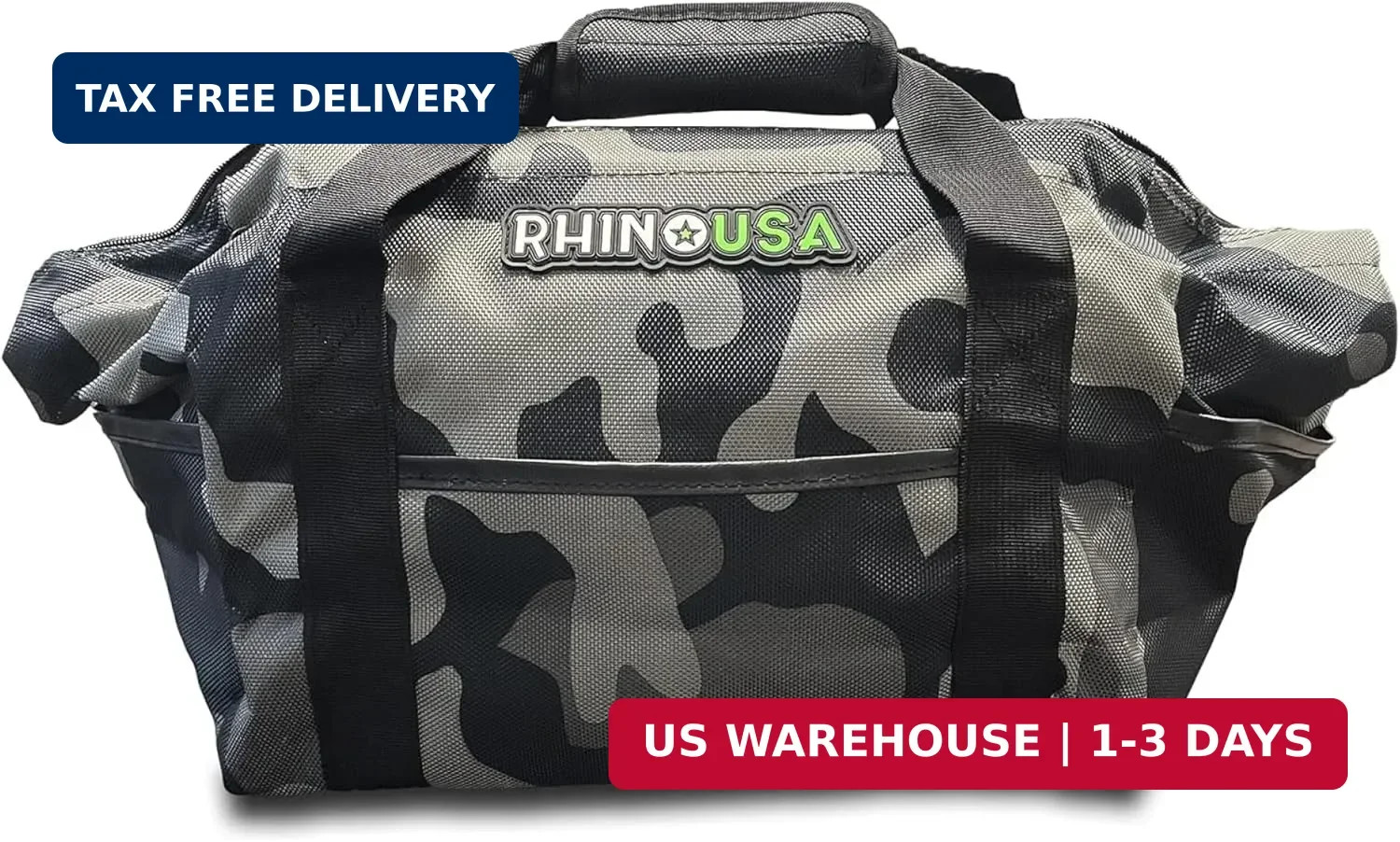

Photos from current listings. Actual item, color, and included accessories may vary.
Recovery Gear Buying Guide
Vehicle recovery gear is the system of straps, shackles, and anchors that pulls a stuck vehicle to safety, and the core trade-off is between low-strength elastic recovery ropes and high-strength kinetic energy-recovery systems. The decision rule is simple: match the gear's working load limit (WLL) to at least 1.5x your vehicle's gross weight, and buy only rated, labeled hardware, because unrated tow straps and cast shackles fail catastrophically under load.


At a glance
- Category
- Vehicle Recovery Gear
- Data updated
- Nov 16, 2026
Current offers
Highlights
- Kinetic recovery ropes stretch 20-30% to store and release energy, while static tow straps stretch under 5% and are for flat towing only.
- Working load limit (WLL) is typically one-third of minimum breaking strength (MBS); a 30,000 lb MBS strap has a 10,000 lb WLL.
- Synthetic bow shackles with 7/8-inch pins are the standard for 3/4-ton to 1-ton trucks, replacing weaker D-ring and cast-hook setups.
- Snatch blocks double line pull and halve winch load; a 10,000 lb winch with one block can recover a 20,000 lb rolling load.
Best use cases
- Choose a 3-inch x 30-foot kinetic rope with 30,000 lb MBS for mud and sand recovery of a 5,000-6,000 lb Jeep or midsize truck; skip static straps, which shock-load and fail in dynamic pulls.
- Choose a 4-inch x 30-foot strap with 40,000 lb MBS and two 7/8-inch synthetic shackles for full-size diesel pickups at 8,000-9,000 lb curb weight; skip 2-inch straps rated under 20,000 lb.
- Choose a tree-saver strap plus a 10,000 lb snatch block for winch-based self-recovery in wooded terrain; skip hi-lift jacks as a primary recovery tool on soft ground.
Buying tips
- Size the strap or rope to 1.5x your vehicle's gross vehicle weight rating (GVWR): a 6,000 lb Jeep needs at least 9,000 lb WLL, which maps to roughly a 27,000 lb MBS strap.
- Buy only gear with permanently stitched or labeled MBS/WLL tags; unlabeled 'heavy-duty' straps from generic sellers have no verified breaking strength.
- Prefer synthetic bow shackles or forged alloy steel shackles over cast iron D-rings; cast hardware can crack and become a projectile under shock load.
- Store recovery gear in a breathable bag away from UV and fuel; nylon straps degrade 30-50% in strength after prolonged sun exposure and abrasion.
Specs
| Recovery Type | Kinetic rope vs static strap |
|---|---|
| Working Load Limit | 1.5x vehicle GVWR minimum |
| Shackle Material | Synthetic or forged alloy steel |
| Strap Width & Length | 3-4 in wide, 20-30 ft long |
Related searches
What to check before buying
- Weigh or look up your vehicle's GVWR and confirm your strap or rope WLL is at least 1.5x that number before buying.
- Measure your recovery points: 3/4-inch shackle pins fit most OEM tow hooks, while 7/8-inch pins need aftermarket bumper tabs or adapter sleeves.
- Confirm your winch line capacity and fairlead type (steel cable vs synthetic rope) so the snatch block and shackle sizes match the line diameter.
- Check local regulations for rated recovery points and hitch receivers, and verify your hitch pin diameter matches the shackle mount.
FAQ
Data sources: eBay / Amazon listings and product attribute feeds Data updated Nov 16, 2026.
Some links on this page are affiliate links. If you buy after clicking one, we may earn a commission at no extra cost to you. This does not change which products appear here or their order. Affiliate disclosure.