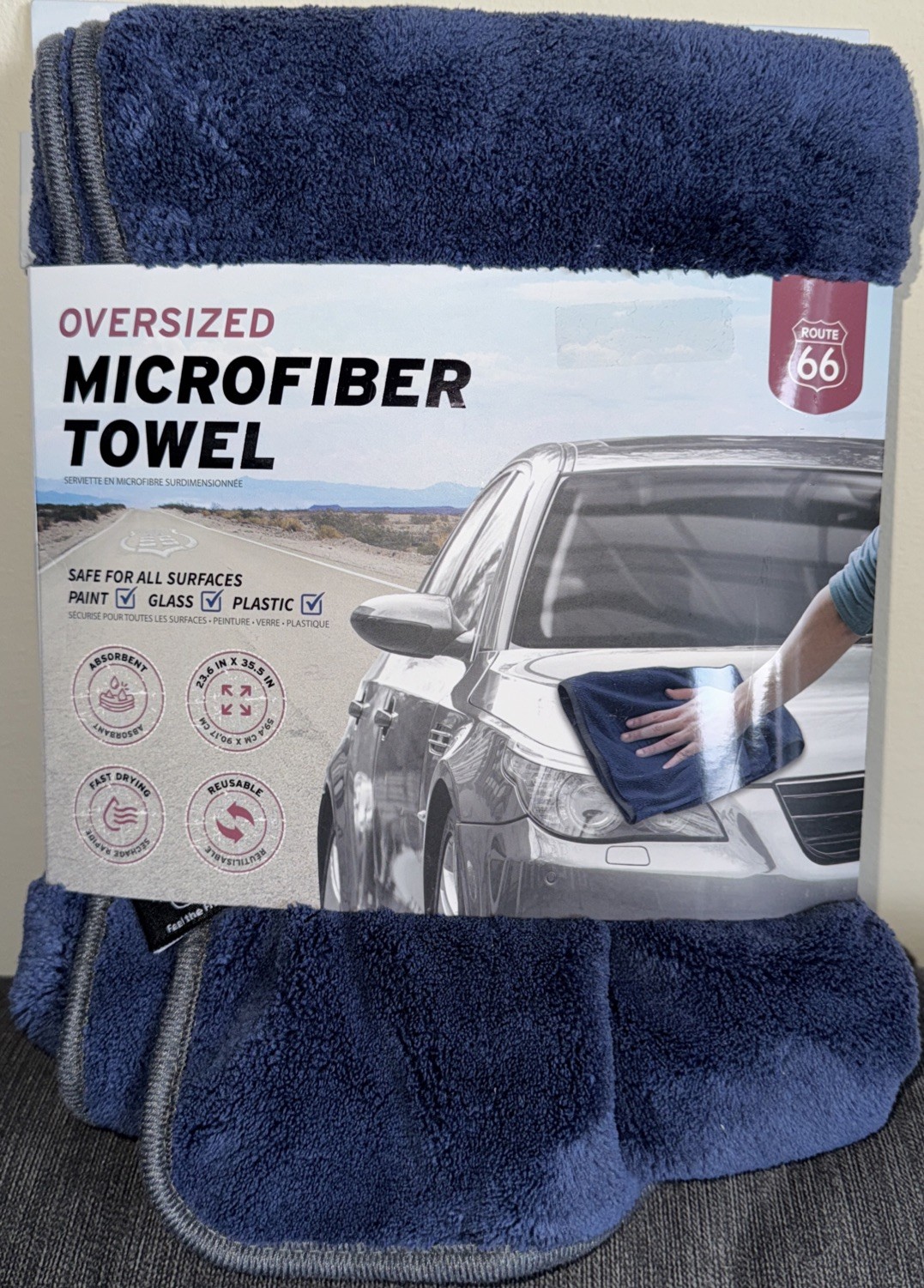

Photos from current listings. Actual item, color, and included accessories may vary.
Plastic Microfiber Buying Guide
Plastic microfiber refers to split-microfiber cloths made from synthetic polymers (polyester/polyamide blends) engineered for interior and exterior car care. The primary trade-off is between split-microfiber density (GSM) and blend ratio: higher polyamide content and 300+ GSM deliver absorbency and scratch-free cleaning, while low-GSM all-polyester cloths smear and lint. The clear decision rule is to buy split-microfiber (80/20 or 70/30 polyester/polyamide) at 300–400 GSM for paint and plastic trim; skip any towel labeled simply 'microfiber' without a GSM or blend specification.


At a glance
- Category
- Microfiber & Interior Care
- Data updated
- Nov 15, 2026
Current offers
Highlights
- Split microfiber requires a polyester/polyamide blend (commonly 80/20 or 70/30); 100% polyester cloths are non-split, low-absorbency, and prone to streaking on plastic trim.
- GSM (grams per square meter) is the decisive density metric: 300–400 GSM towels absorb interior cleaners and buff plastic without lint, while sub-250 GSM cloths are only suitable for light dusting.
- Oversized drying towels (typically 20x40 in or larger) reduce the number of passes over large interior panels and plastic dash surfaces, lowering swirl risk.
- Edgeless or silk-banded borders prevent the most common scratch source: hardened sewn edges dragging across piano-black plastic and clear-coated surfaces.
Best use cases
- Best fit: 350–400 GSM split-microfiber towels for wiping dashboard plastic, infotainment screens, and piano-black trim—pick edgeless construction to avoid edge scratches.
- Best fit: oversized (20x40 in+) 300+ GSM drying towels for drying exterior paint and glass after washes; the larger surface area absorbs more water per pass and reduces towel changes.
- Wrong fit: sub-250 GSM all-polyester 'microfiber' cloths for plastic trim or paint—they push dust rather than lift it and leave lint; reserve them for wheels, door jambs, and engine bays.
Buying tips
- Check the blend ratio: 80/20 or 70/30 polyester/polyamide indicates split microfiber; 100% polyester means non-split and poor absorbency for interior plastics.
- Use GSM as the tier selector: 300–400 GSM for paint, glass, and plastic trim; 250–300 GSM for general interior wipe-downs; below 250 GSM only for wheels and engine bays.
- Size math for drying: an oversized 20x40 in towel covers roughly twice the area per pass of a 16x16 in towel—choose oversized for large SUVs and trucks, standard 16x16 for interiors.
- Prefer edgeless or silk-banded borders over sewn-overlock edges; exposed thread edges can mar piano-black plastic and clear coat when pressure is applied.
Specs
| Fiber Blend | 80/20 or 70/30 polyester/polyamide |
|---|---|
| Density (GSM) | 300–400 GSM for paint/plastic |
| Border Type | Edgeless or silk-banded |
| Towel Size | Oversized 20x40 in+ or 16x16 in |
Related searches
What to check before buying
- Measure your largest interior plastic panel (dash, center console) or exterior drying area; oversized towels need at least a 20x40 in footprint to reduce passes.
- Confirm your wash routine supports microfiber: wash separately from cotton, no fabric softener, and low-heat tumble dry to preserve split fibers.
- Check the blend label before purchase: 80/20 or 70/30 polyester/polyamide for split microfiber; 100% polyester is a non-split compromise.
- Verify border construction: edgeless or silk-banded towels are required for piano-black plastic and paint; overlock edges are acceptable only for wheels and jambs.
FAQ
Data sources: eBay / Amazon listings and product attribute feeds Data updated Nov 15, 2026.
Some links on this page are affiliate links. If you buy after clicking one, we may earn a commission at no extra cost to you. This does not change which products appear here or their order. Affiliate disclosure.