Photos from current listings. Actual item, color, and included accessories may vary.
Interior Care Buying Guide
Interior care products clean, condition, and protect plastic, leather, and fabric surfaces against UV fading, cracking, and soiling. The core trade-off is solvent strength versus material safety: aggressive all-purpose cleaners strip grime fast but degrade vinyl and leather over time, while pH-balanced, material-specific formulas preserve surfaces but demand separate products per substrate. The durable decision rule: match chemistry to substrate (pH-neutral for leather and fabric, mild APC for plastic), and avoid any product that leaves a greasy silicone film or claims universal use on every surface.

At a glance
- Category
- Microfiber & Interior Care
- Data updated
- Nov 15, 2026
Current offers
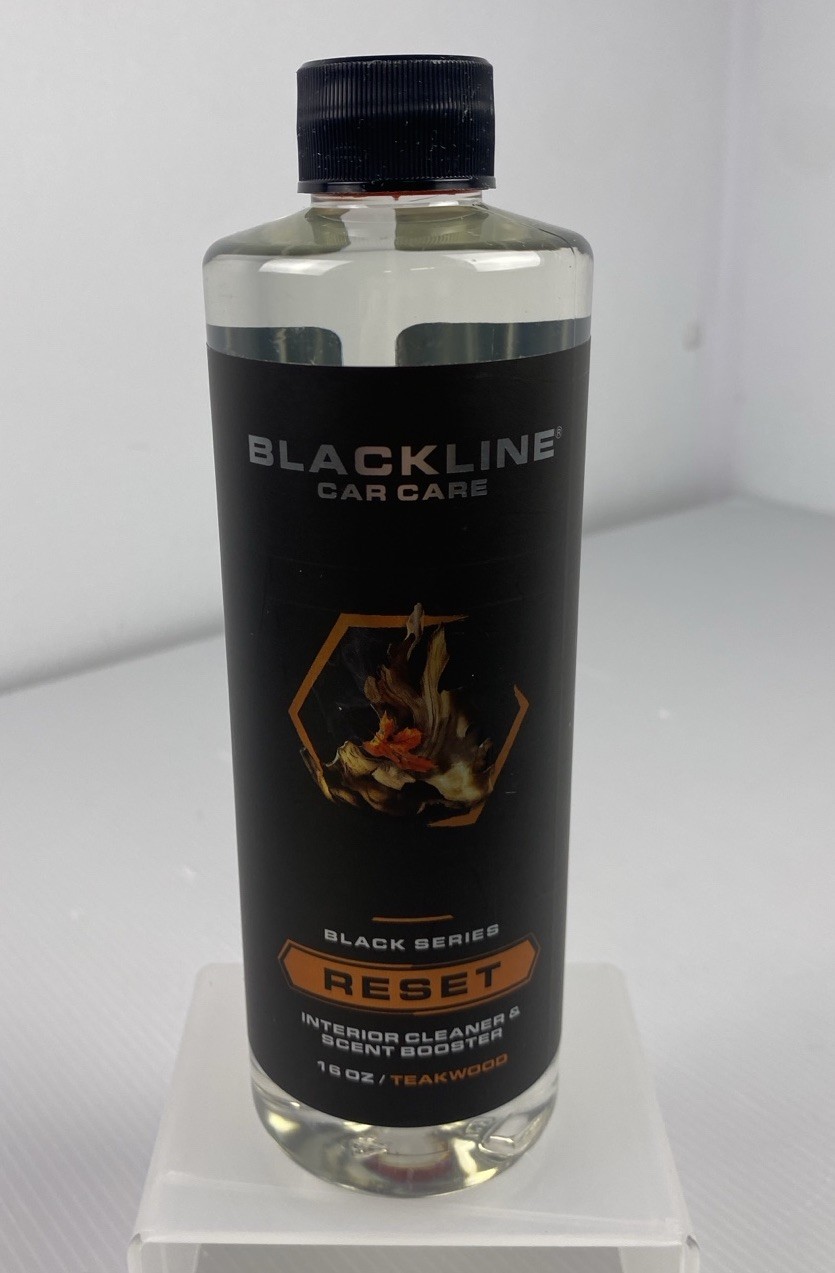 Blackline Car Care Luxury Scented Interior Cleaner Black Series Reset Teakwood$25.00
 View on eBay
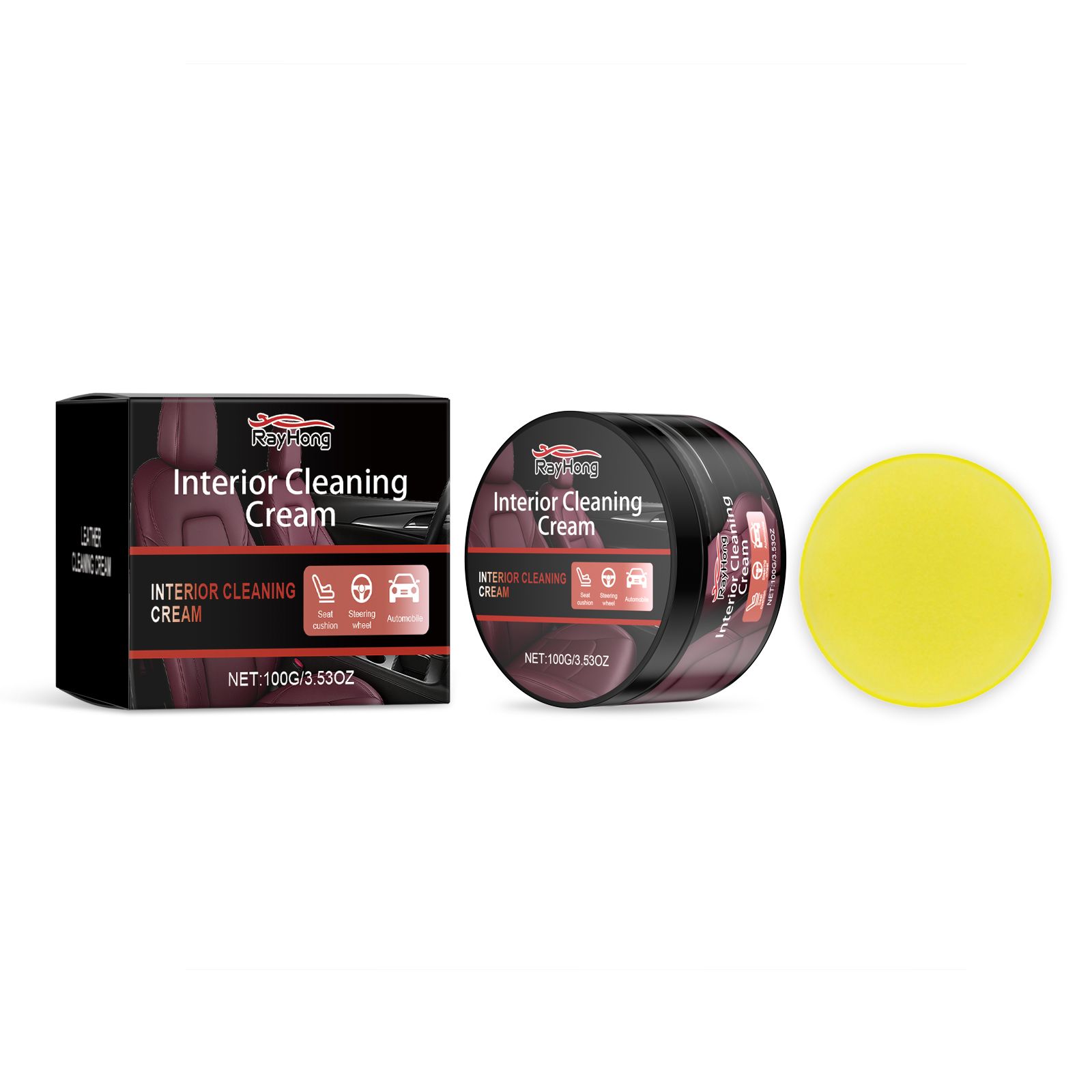 RAYHONG Automotive Leather Interior Care Paste, 100 g / 1 Pack$14.99
 View on Mallflare
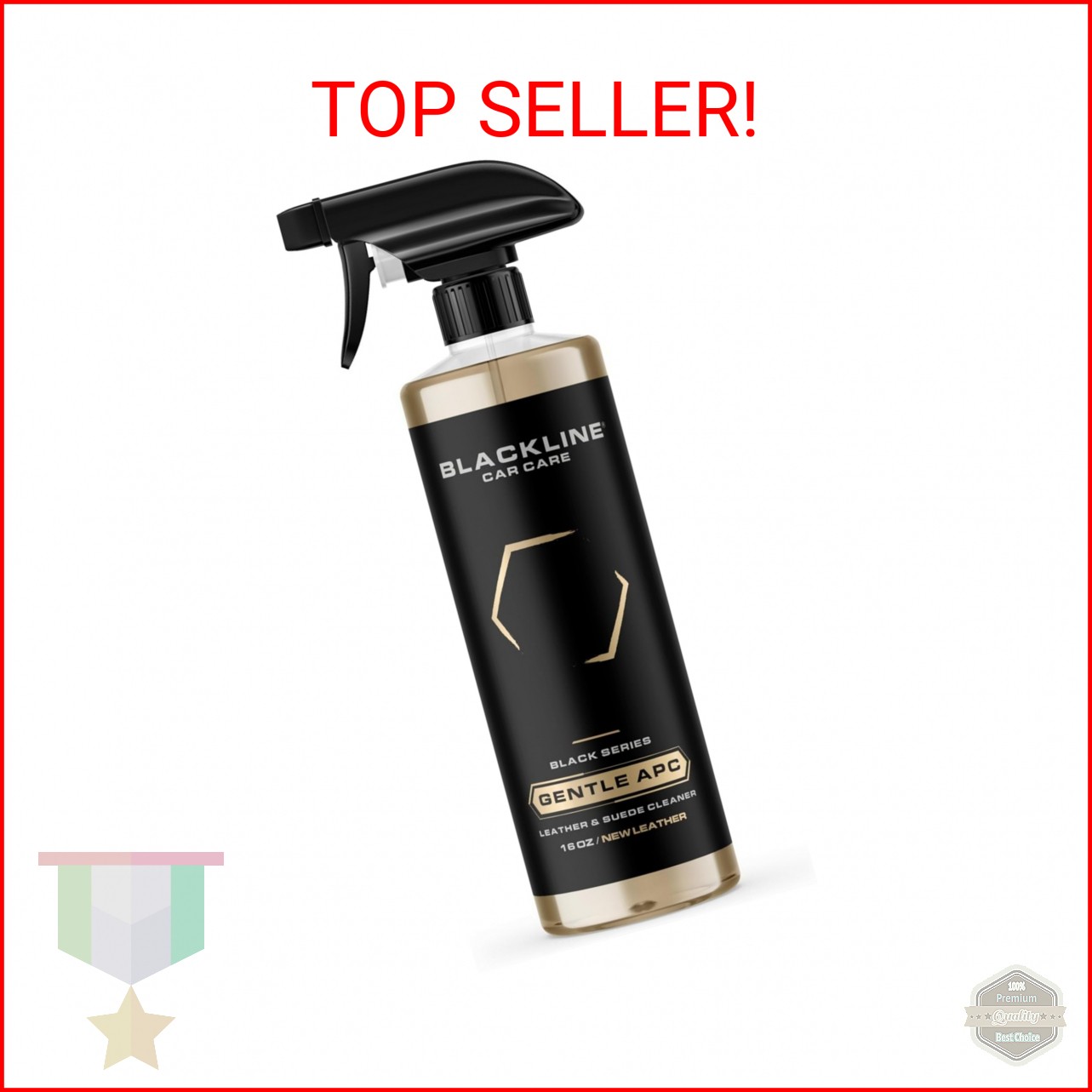 Blackline Car Care - Gentle APC - Streak free total Interior Cleaner and Protect$27.26View on eBay
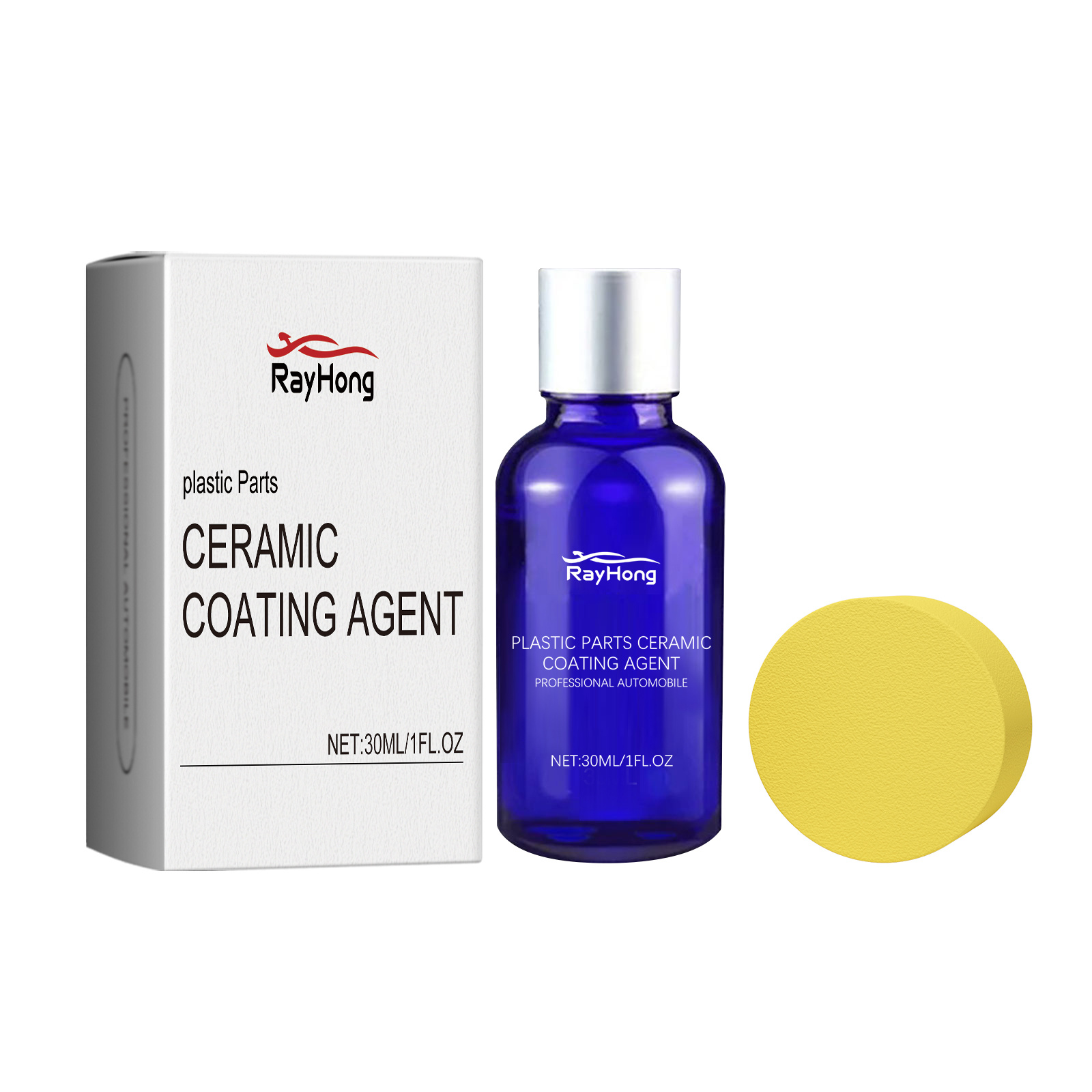 Interior Care Automotive Plastic Retreading Agent$21.99View on Mallflare
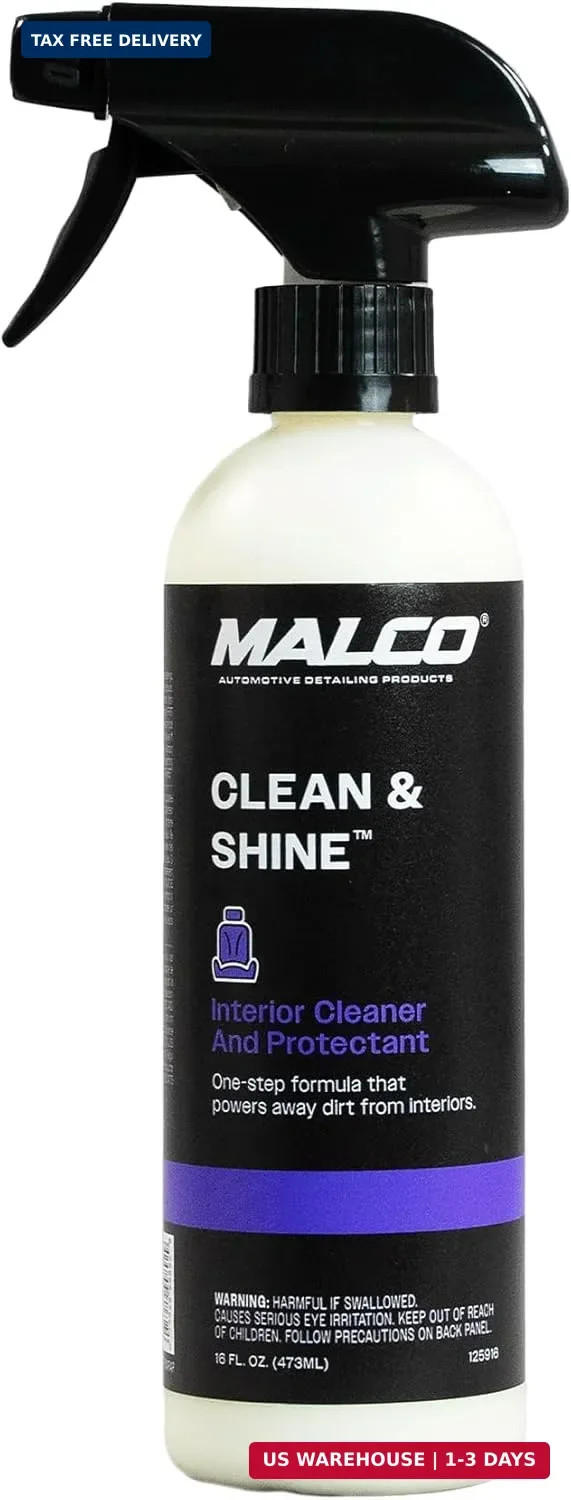 Malco Clean and Shine Interior Car Cleaner and Dressing - Best Interior Car Care$31.90View on eBay
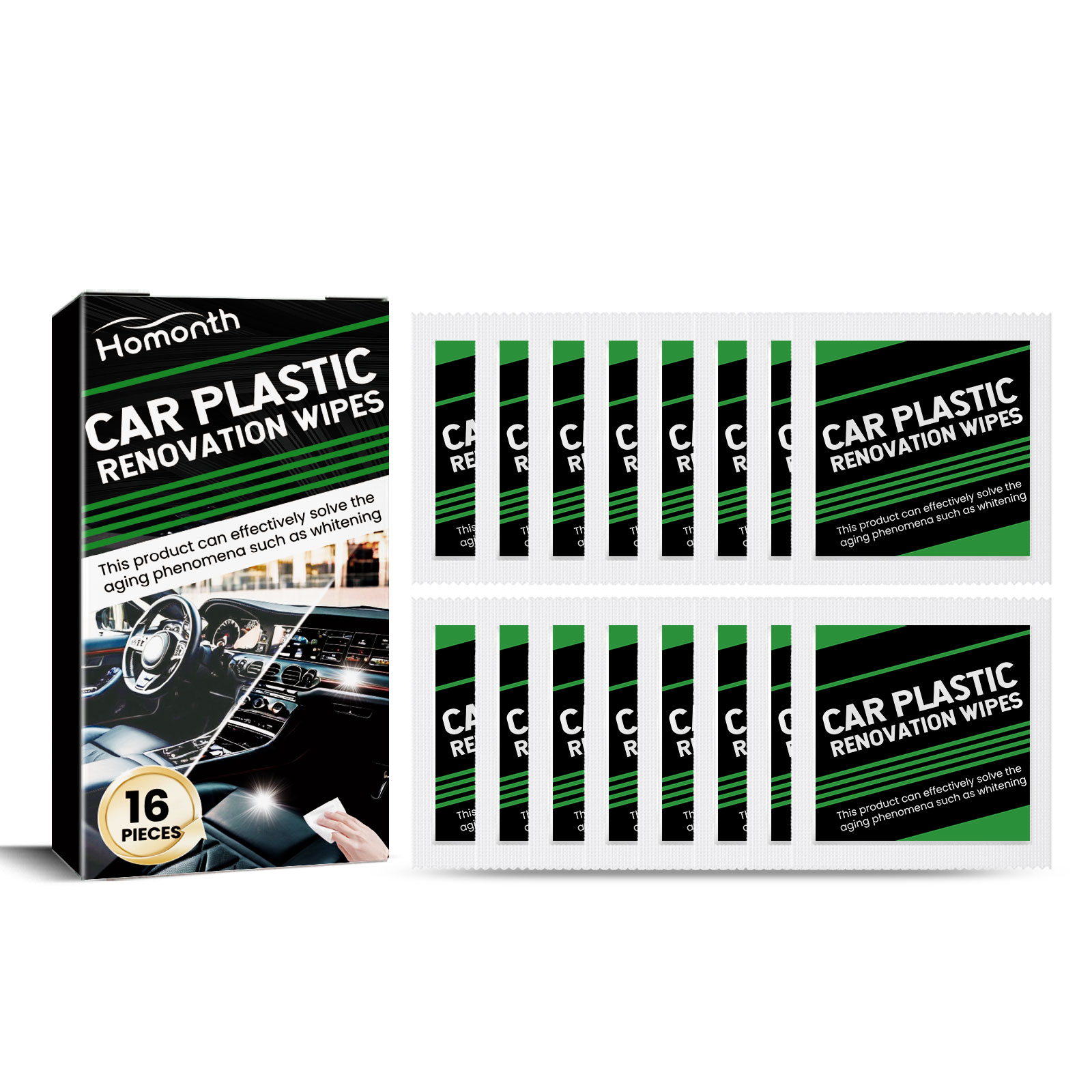 Plastic Restoration Wipes, Decontamination Interior Care for Daily Use$22.99View on Mallflare
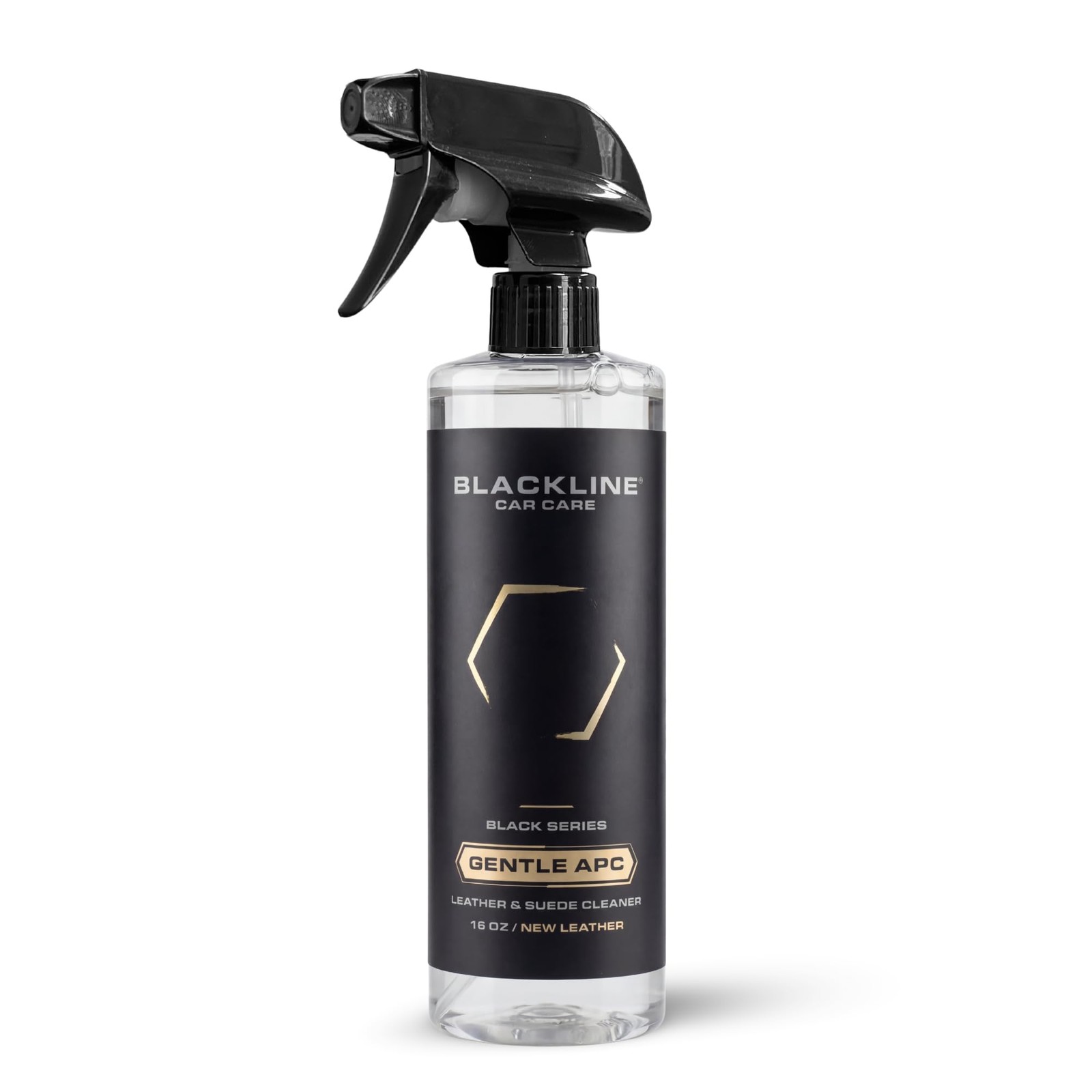 Blackline Car Care Gentle APC Streak free Interior Cleaner$33.88View on eBay
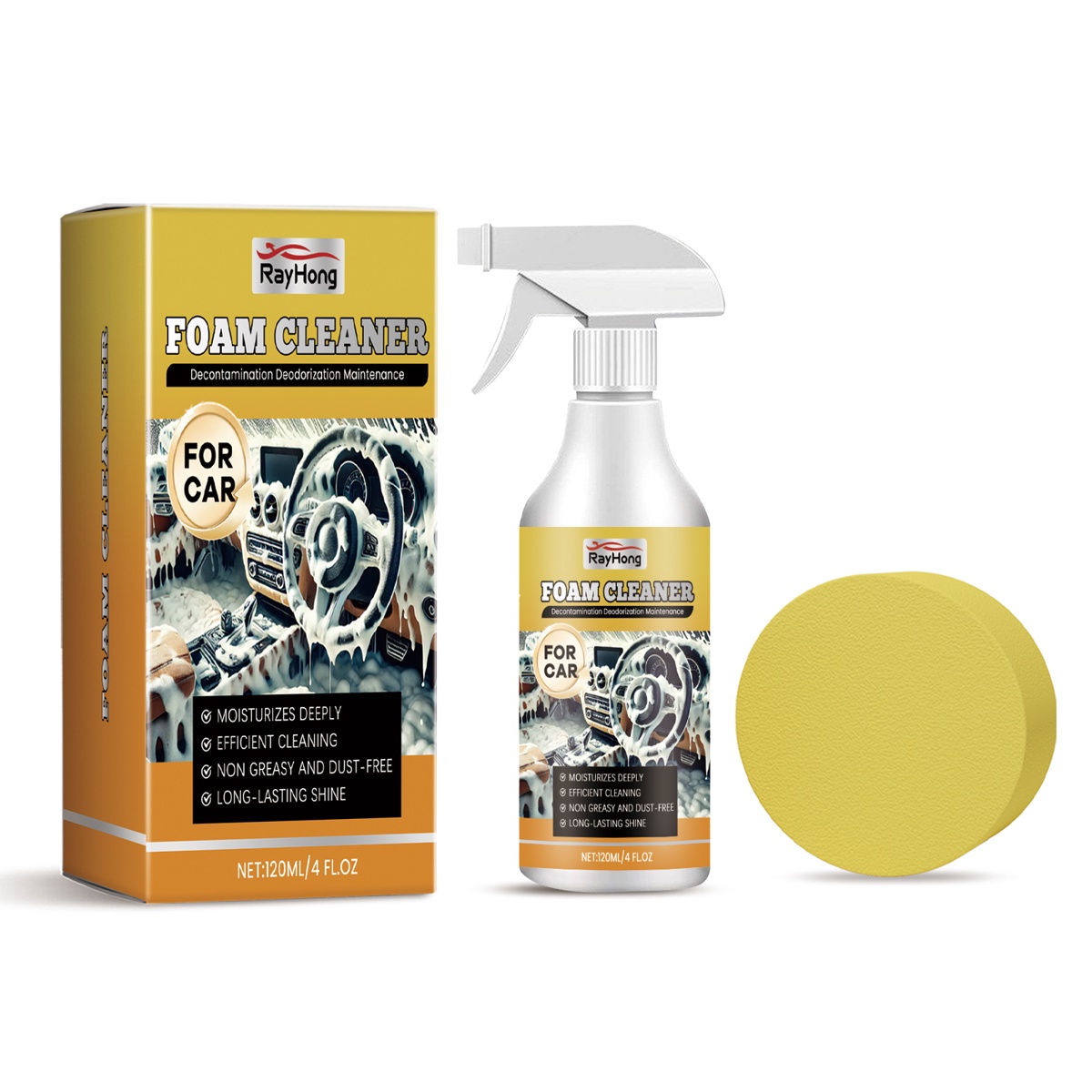 Multi-Purpose Foam Cleaner, Interior Care Waterproof Auto Maintenance, Cleaning Agent for Home$22.99View on Mallflare
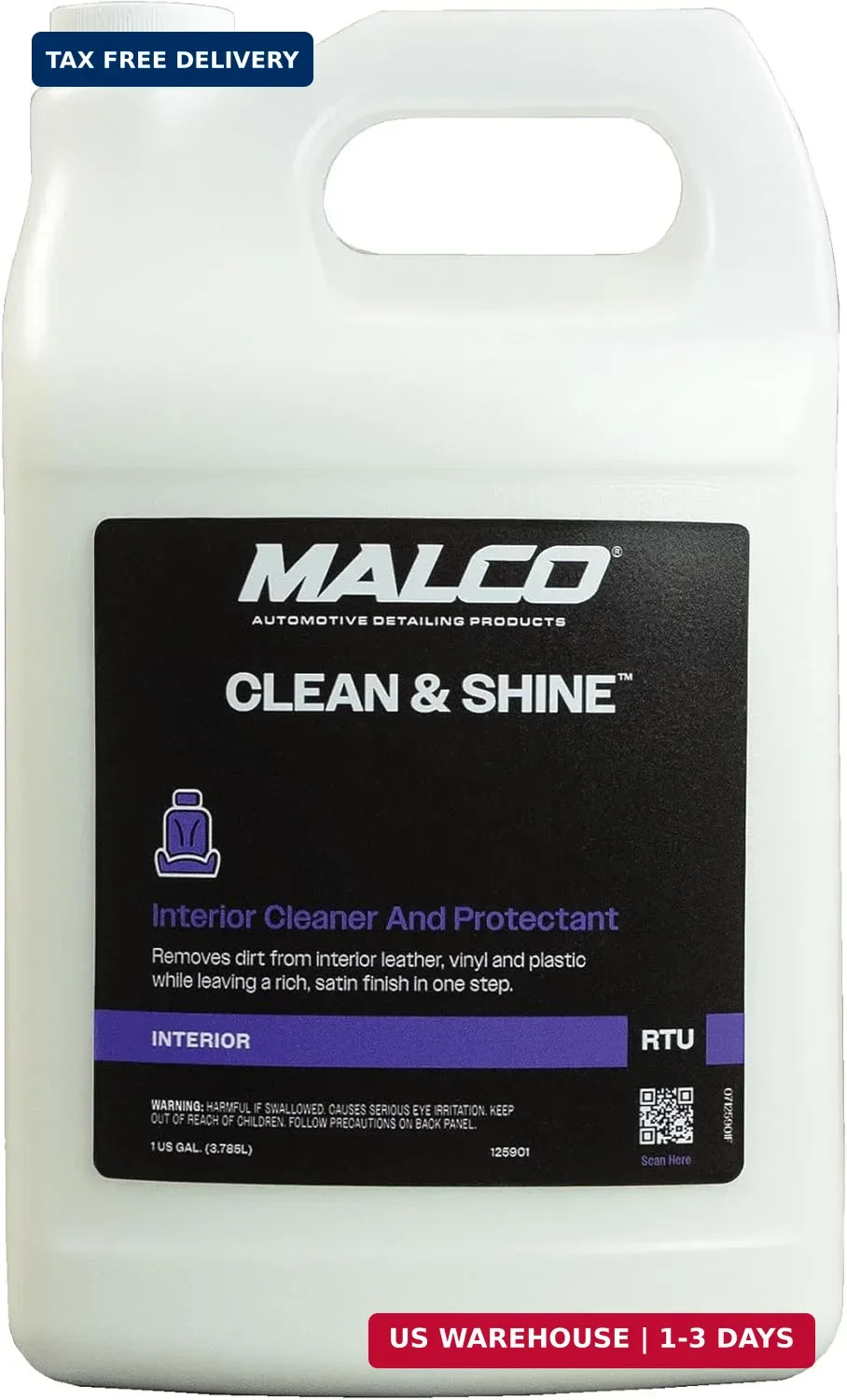 Malco Clean and Shine Interior Car Cleaner and Dressing - Best Interior Car Care$61.90View on eBay
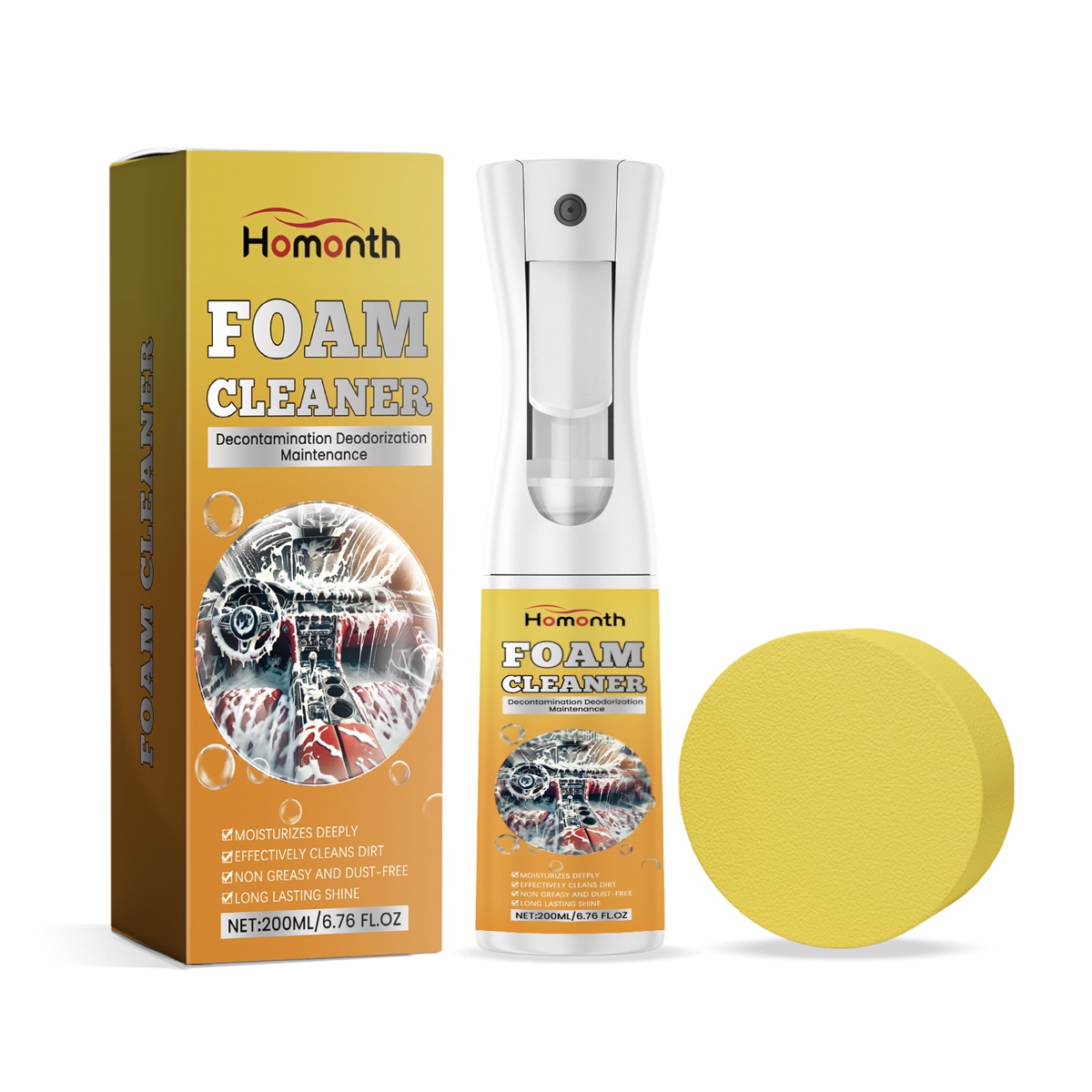 Multi-Purpose Foam Cleaner, Interior Care Waterproof Maintenance, Cleaning Agent for Home$23.99View on Mallflare
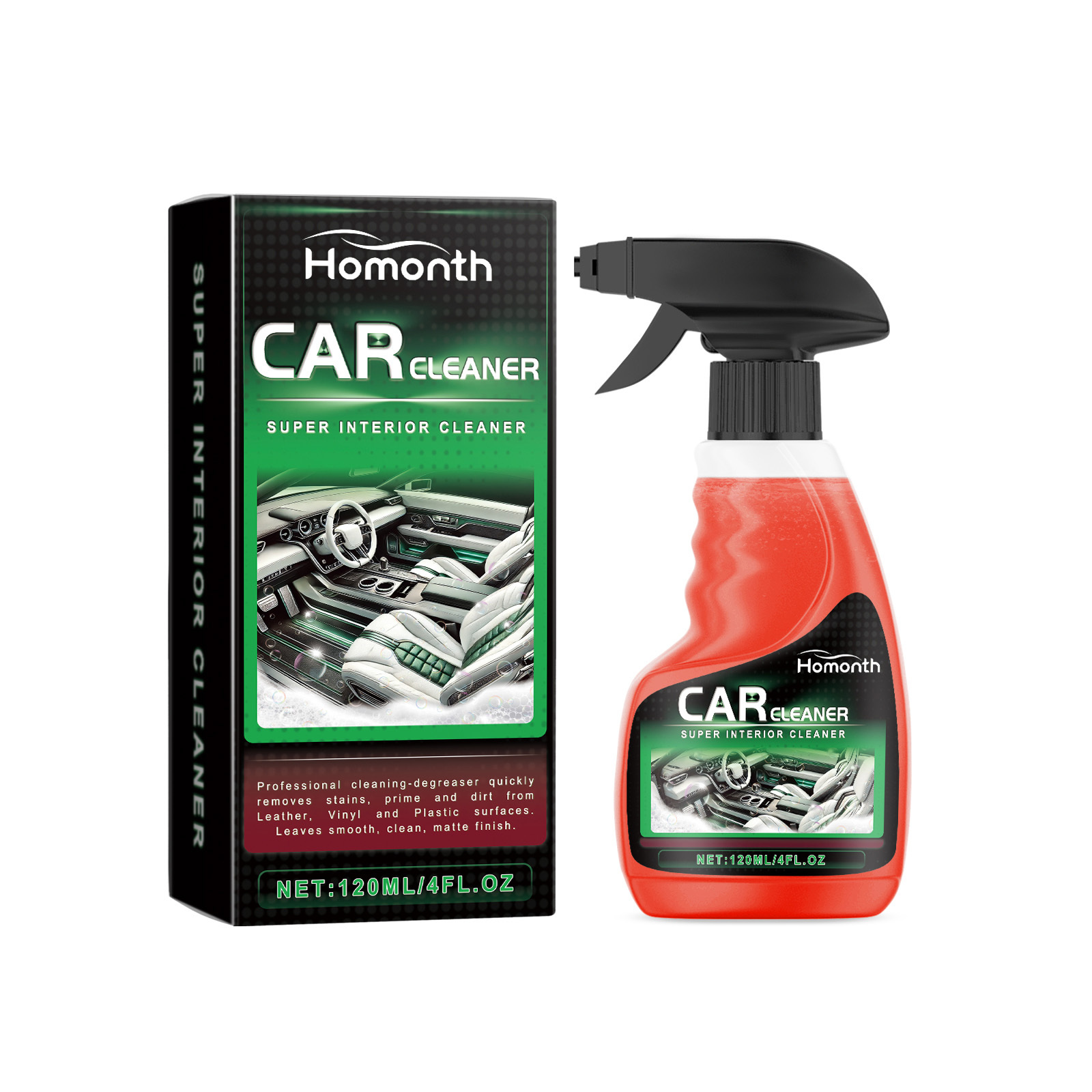 Interior Care Car Cleaner Maintenance Decontamination Waterproof$24.99View on Mallflare
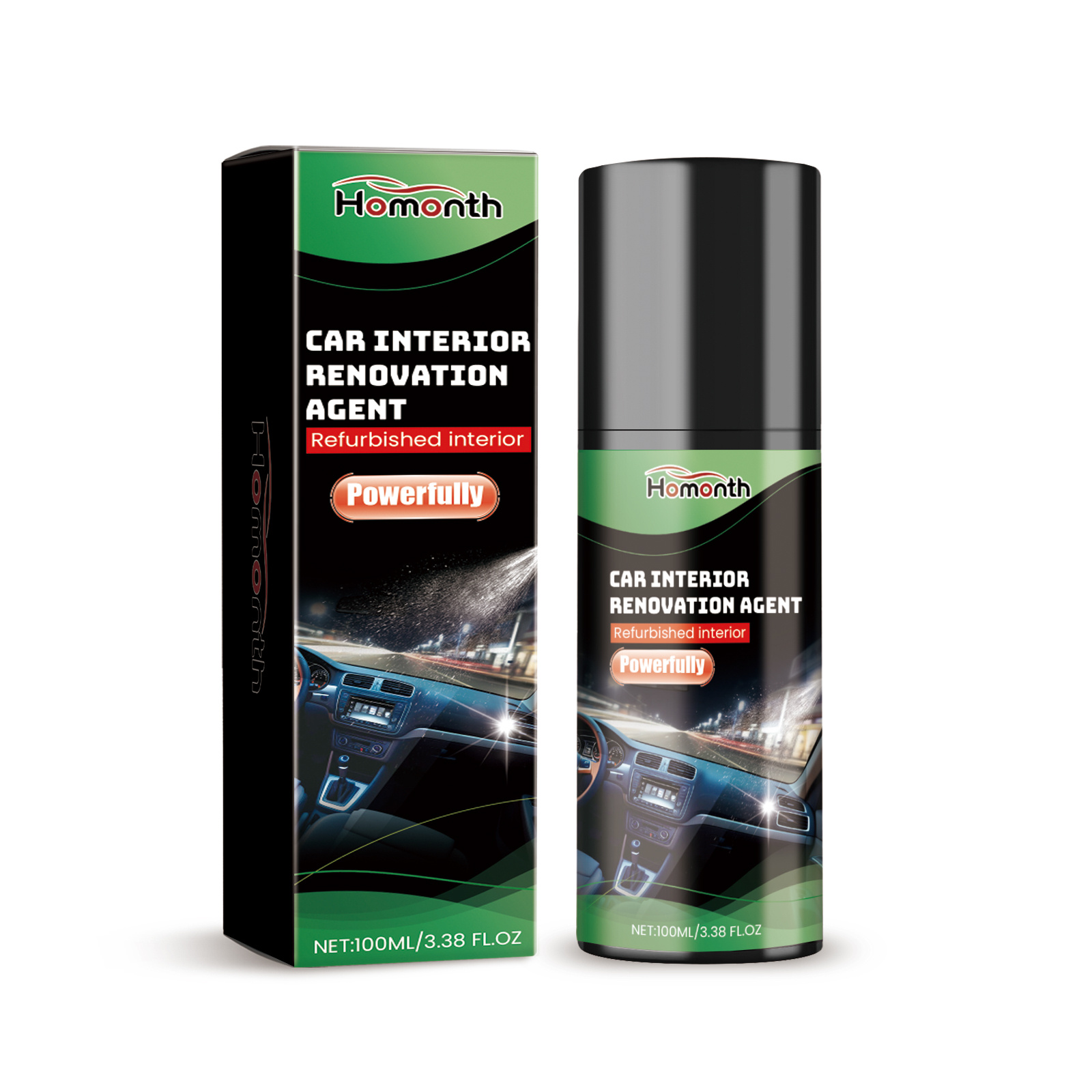 Interior Care Automotive Retreader$24.99View on Mallflare
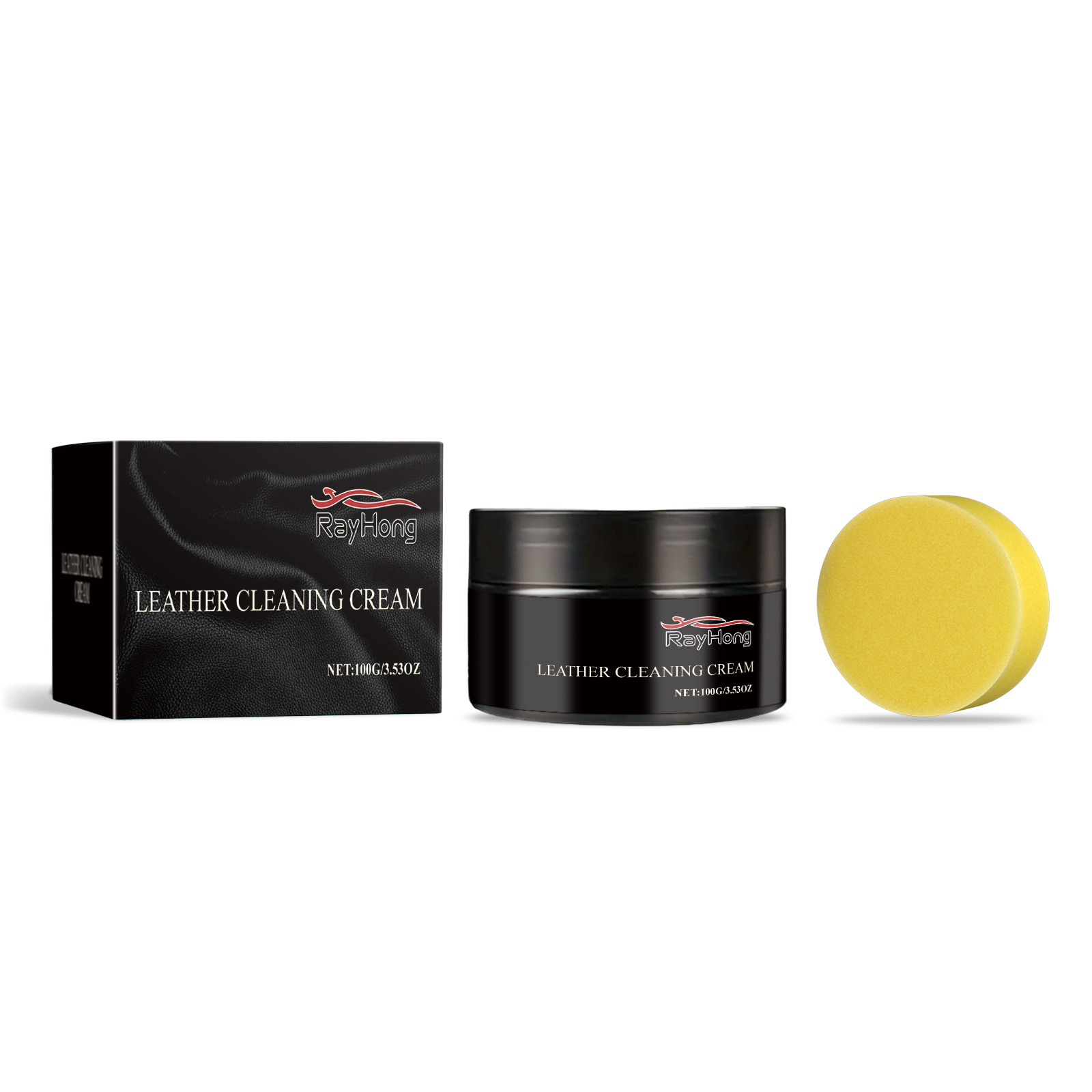 Interior Care Automotive Leather Cream Renewal Agent$24.99View on Mallflare
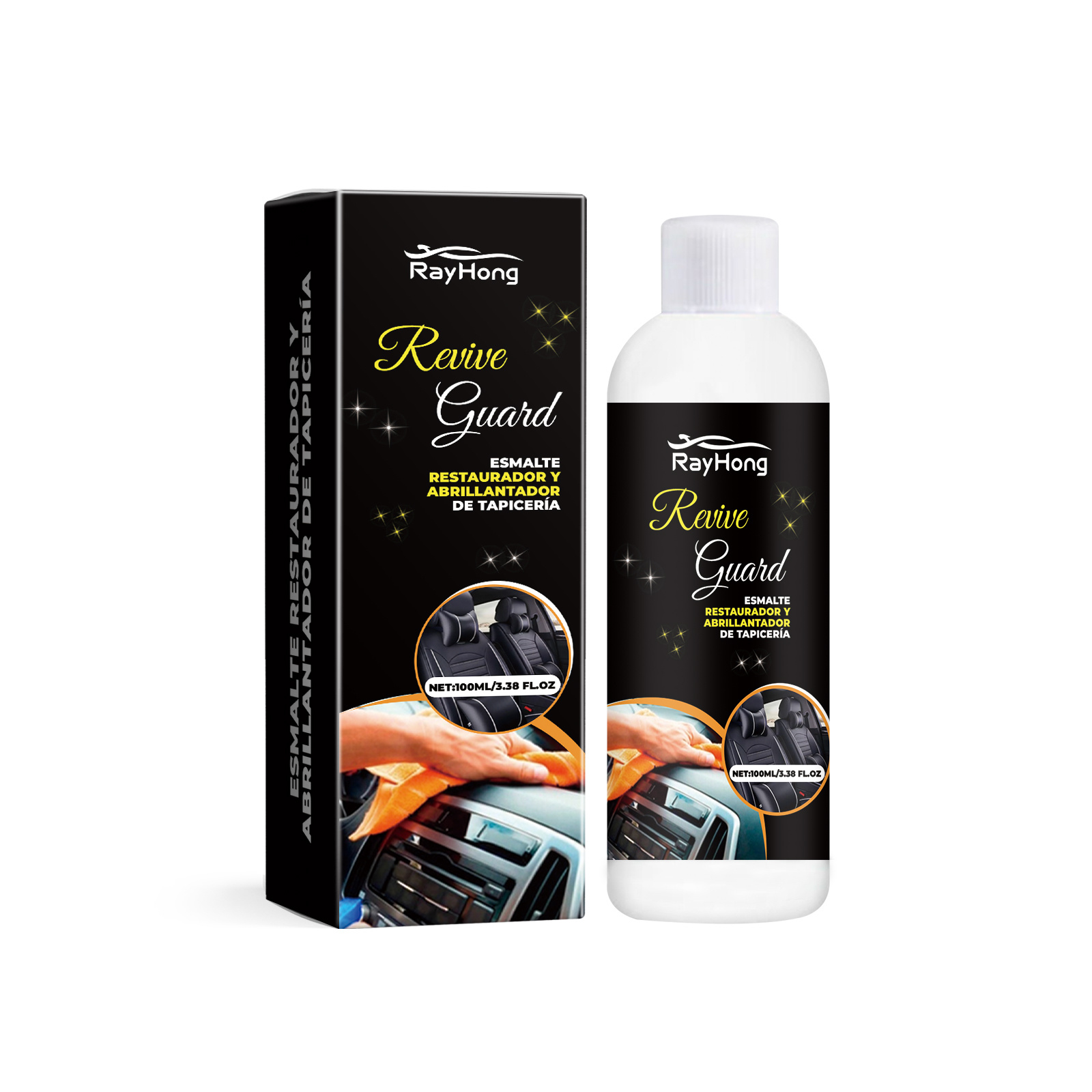 Interior Care Automotive Maintenance Polish$24.99View on Mallflare
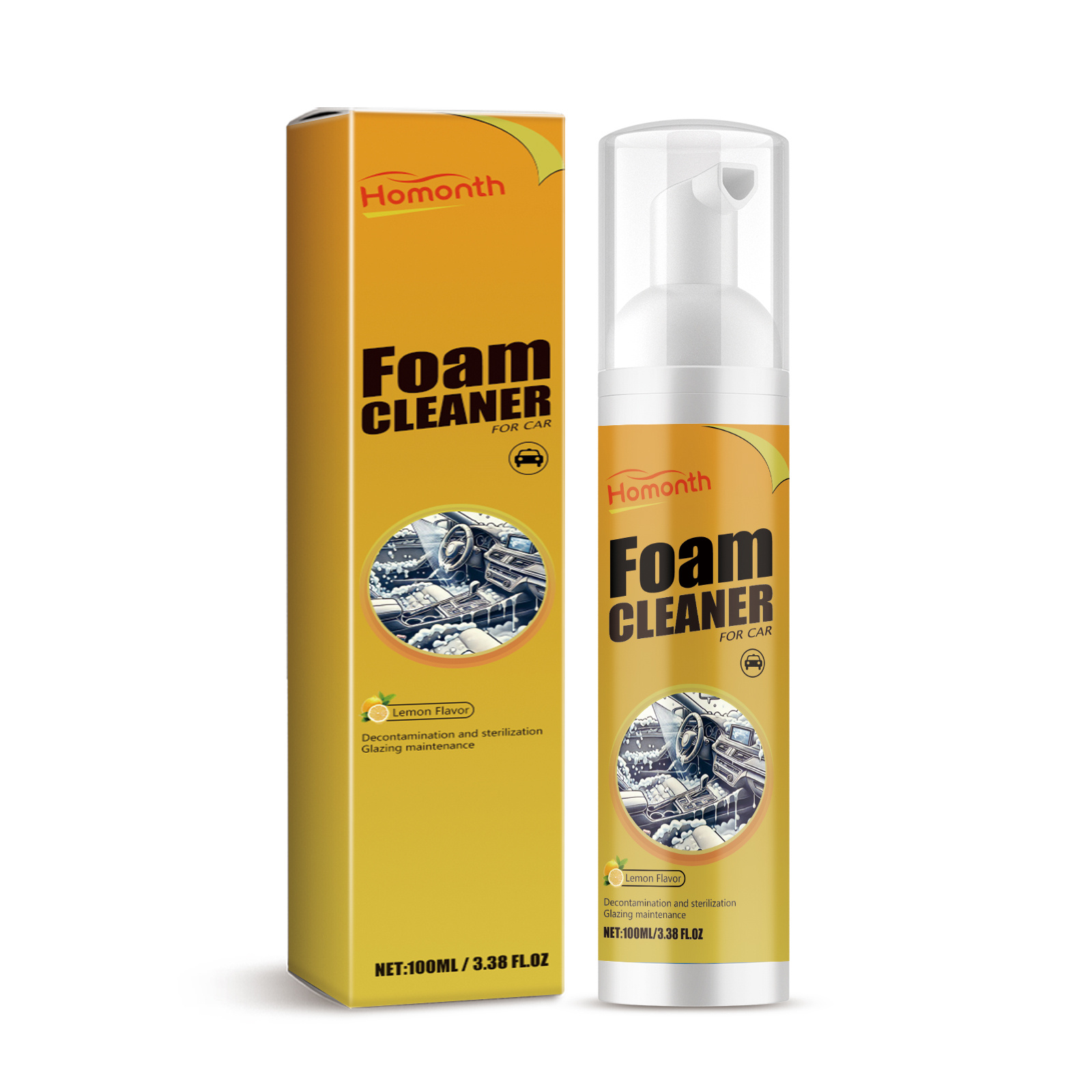 Interior Care Automotive Foam Cleaning Mousse$24.99View on Mallflare
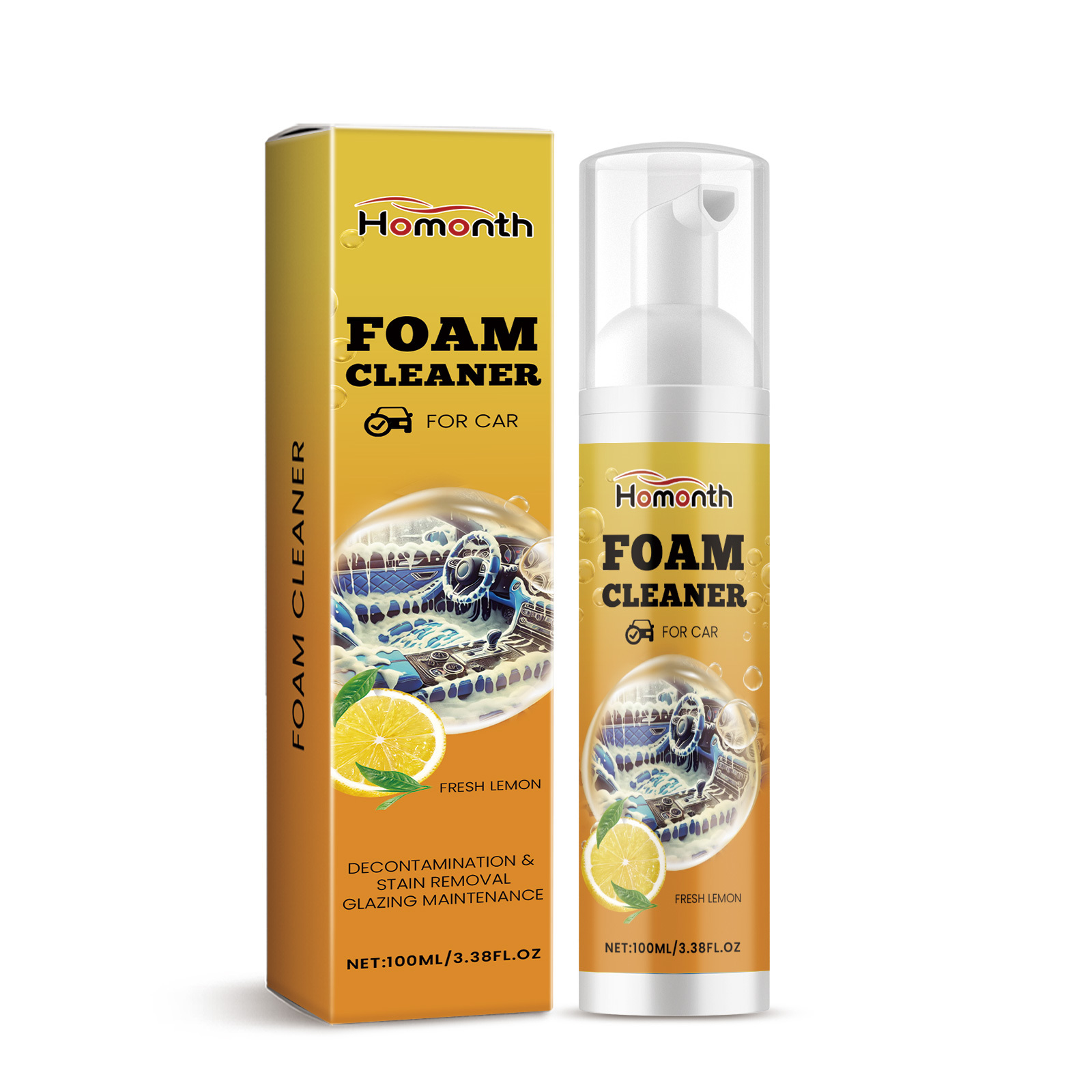 Interior Care Multi-Functional Car Foam Cleaner Maintenance Anti-Fouling And$24.99View on Mallflare
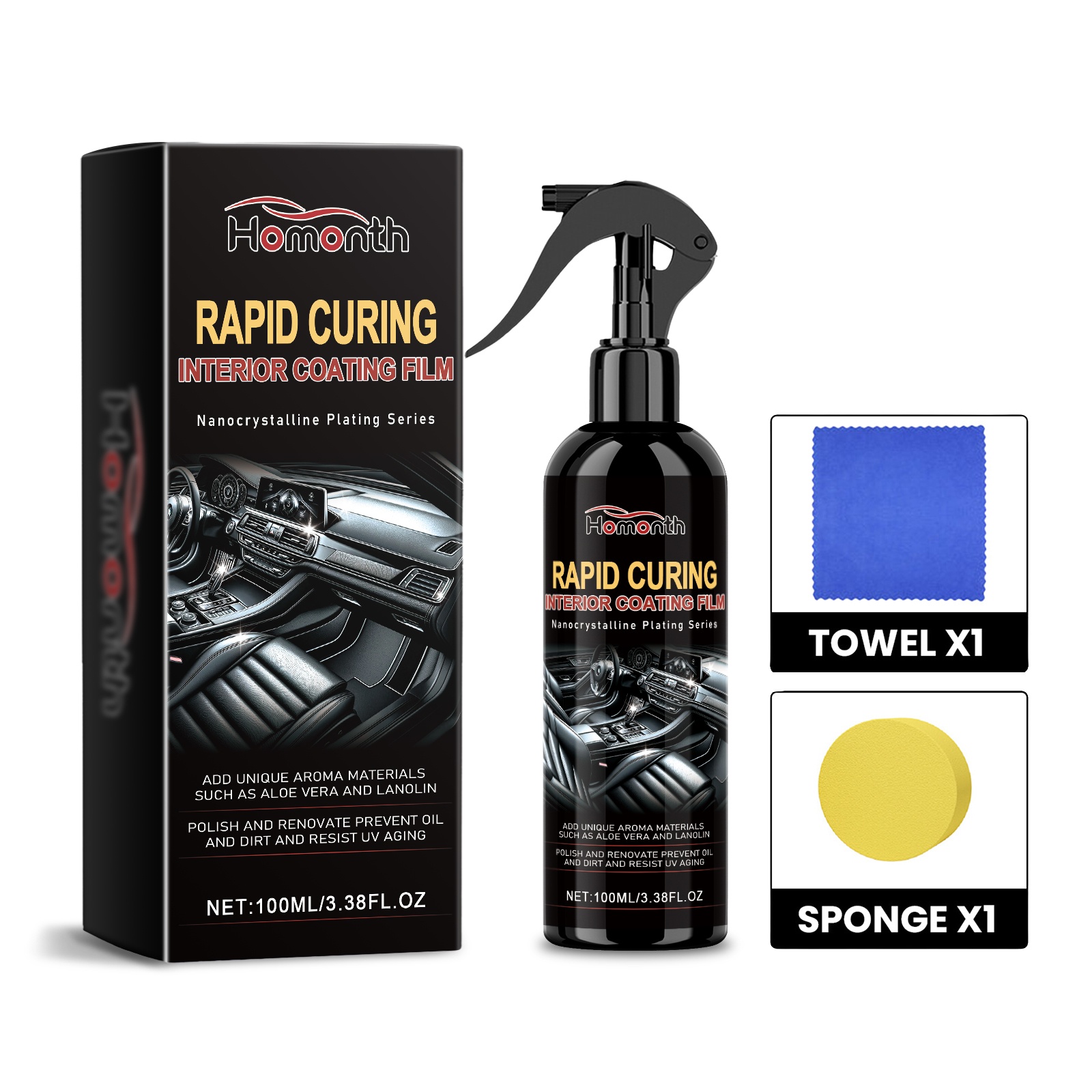 Interior Care Multi-Functional Automotive Retreader$24.99View on Mallflare
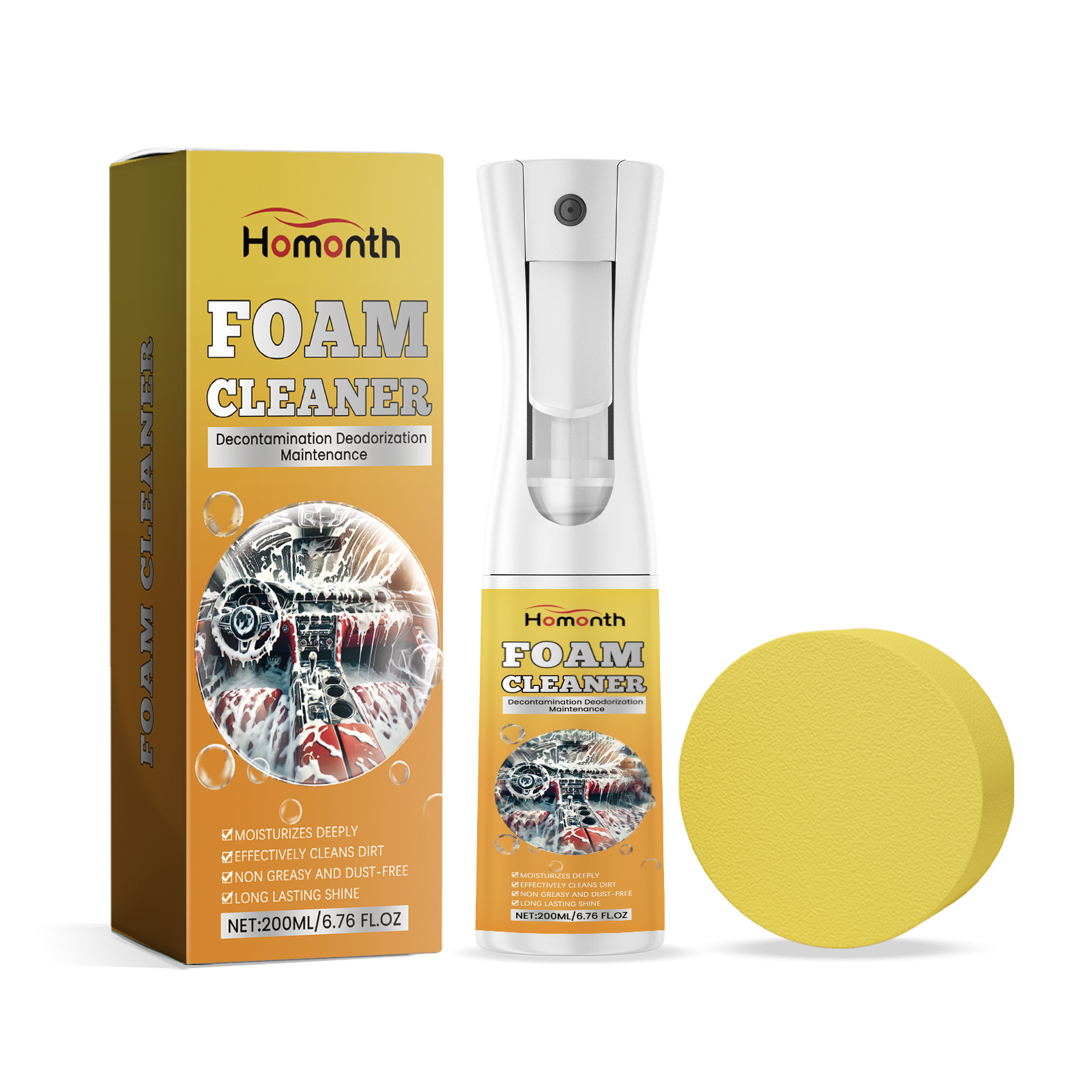 Interior Care Automotive Multi-Purpose Foam Cleaner Maintenance Antifouling$25.99View on Mallflare
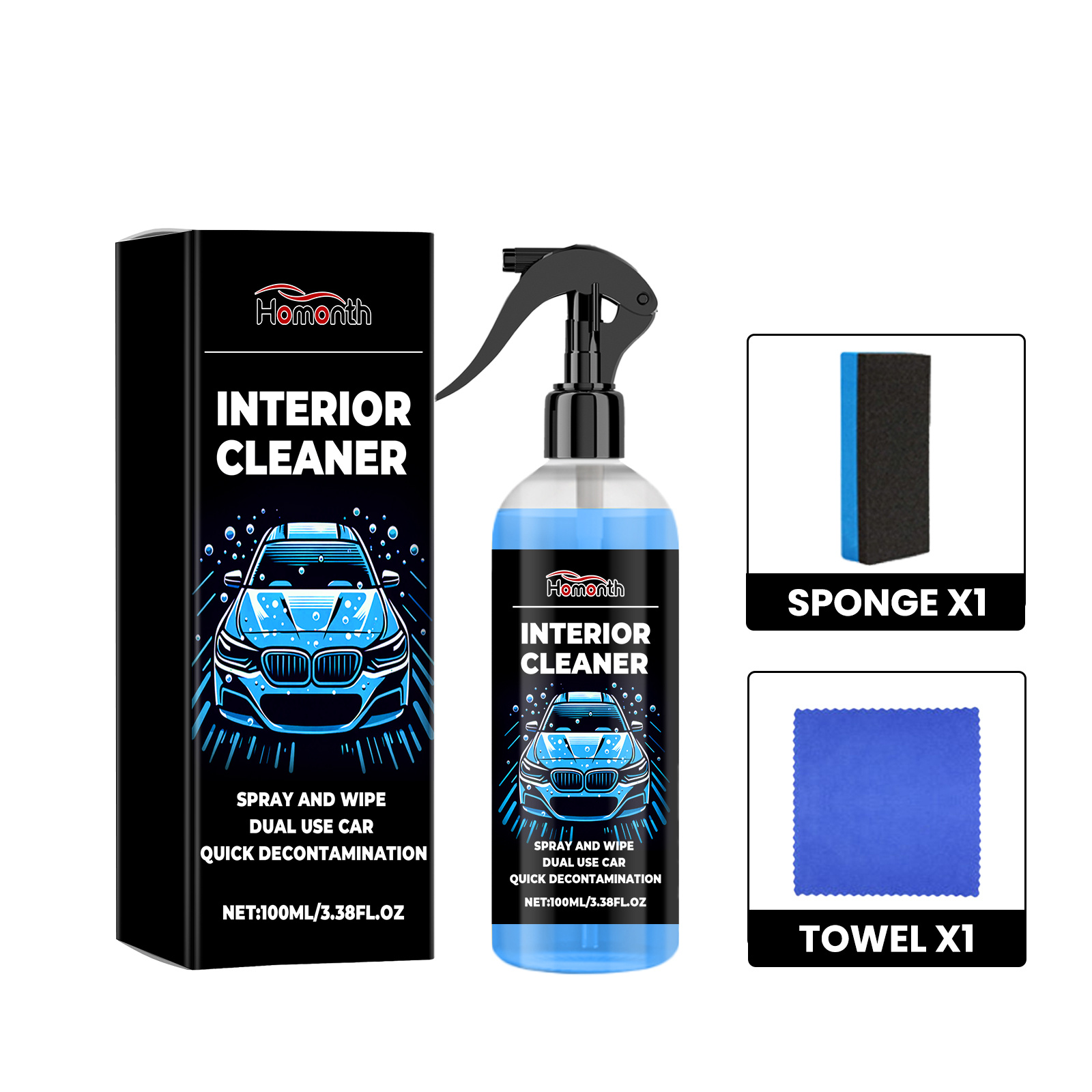 Interior Care Car Roof Cleaner$25.99View on Mallflare
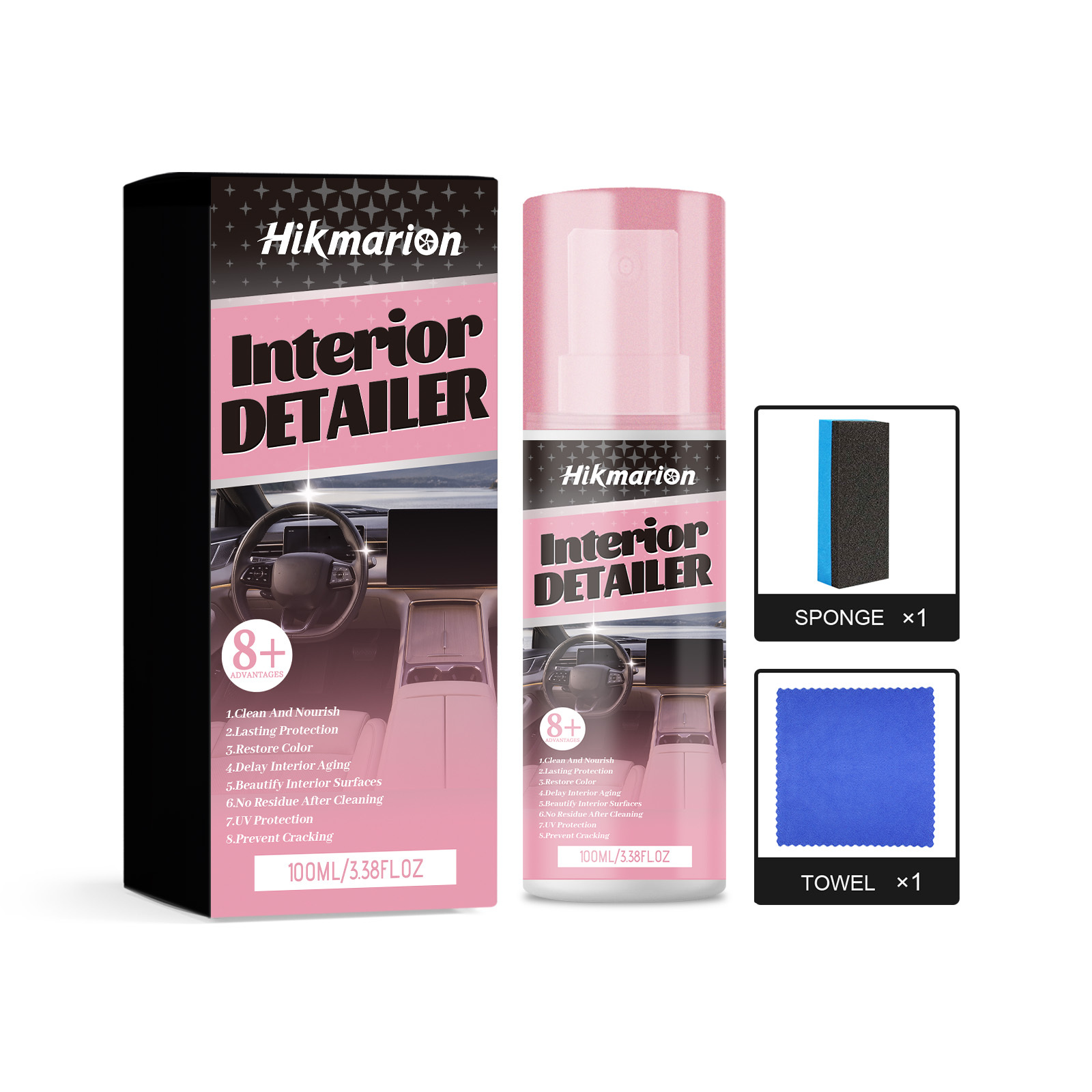 Automotive Car Interior Care Kit - Helps Clean Leather$30.99View on Mallflare
Highlights
- pH-neutral (6.5–7.5) leather cleaners preserve factory coatings; alkaline APCs above pH 9 strip dyes and accelerate cracking.
- Water-based dressings with UV inhibitors protect plastic and vinyl without the greasy, dust-attracting film left by silicone-oil dressings.
- Foam cleaners rely on surfactants and dwell time rather than harsh solvents, making them safer on painted plastics and touchscreens.
- Microfiber towels at 300–400 GSM with split fibers lift grit without scratching; 200-GSM utility cloths are for engine bays, not interiors.
Best use cases
- Daily driver with mixed plastic, leather, and fabric: pick a pH-neutral interior cleaner plus separate leather conditioner and fabric spotter; skip single 'all-surface' sprays that leave residue.
- Older car with faded, chalky plastic: choose a dedicated plastic restorer or trim dressing with UV blockers; skip harsh APC repeated weekly, which accelerates fading.
- New or leased car with coated leather and sensitive screens: use foam-based, low-residue cleaners and 300+ GSM microfiber; skip solvent-heavy degreasers and abrasive pastes.
- Heavy pet hair, spills, and sticky residues: use a diluted APC or foam cleaner for fabrics and rubber mats; skip leather pastes and conditioners on fabric, which trap dirt.
Buying tips
- Match chemistry to substrate: pH-neutral for leather and fabric, mild APC (diluted 10:1) for plastic and vinyl, dedicated restorer for faded trim.
- Choose water-based dressings over silicone-oil formulas to avoid greasy film and dust attraction on dashboards and door panels.
- Buy microfiber at 300–400 GSM for interior wipe-downs; keep separate color-coded cloths for cleaner and conditioner to avoid cross-contamination.
- For foam cleaners, confirm the can or bottle delivers expanding foam for vertical surfaces; thin sprays run and streak on door cards.
Specs
| Chemistry | pH-neutral vs mild APC vs solvent |
|---|---|
| Substrate | Plastic / leather / fabric / vinyl |
| Dressing Base | Water-based vs silicone-oil |
| Microfiber GSM | 300–400 GSM interior grade |
Related searches
What to check before buying
- Identify every interior substrate — plastic, coated leather, suede, fabric, piano black, and screens — before selecting a chemistry.
- Check whether leather is coated or aniline; aniline and suede require pH-neutral, solvent-free cleaners only.
- Confirm you have two or more 300+ GSM microfiber towels and a soft detailing brush for vents and seams.
- For foam or aerosol products, ensure ventilation and test on a hidden area first, especially on painted or piano-black trim.
FAQ
Data sources: eBay / Amazon listings and product attribute feeds Data updated Nov 15, 2026.
Some links on this page are affiliate links. If you buy after clicking one, we may earn a commission at no extra cost to you. This does not change which products appear here or their order. Affiliate disclosure.