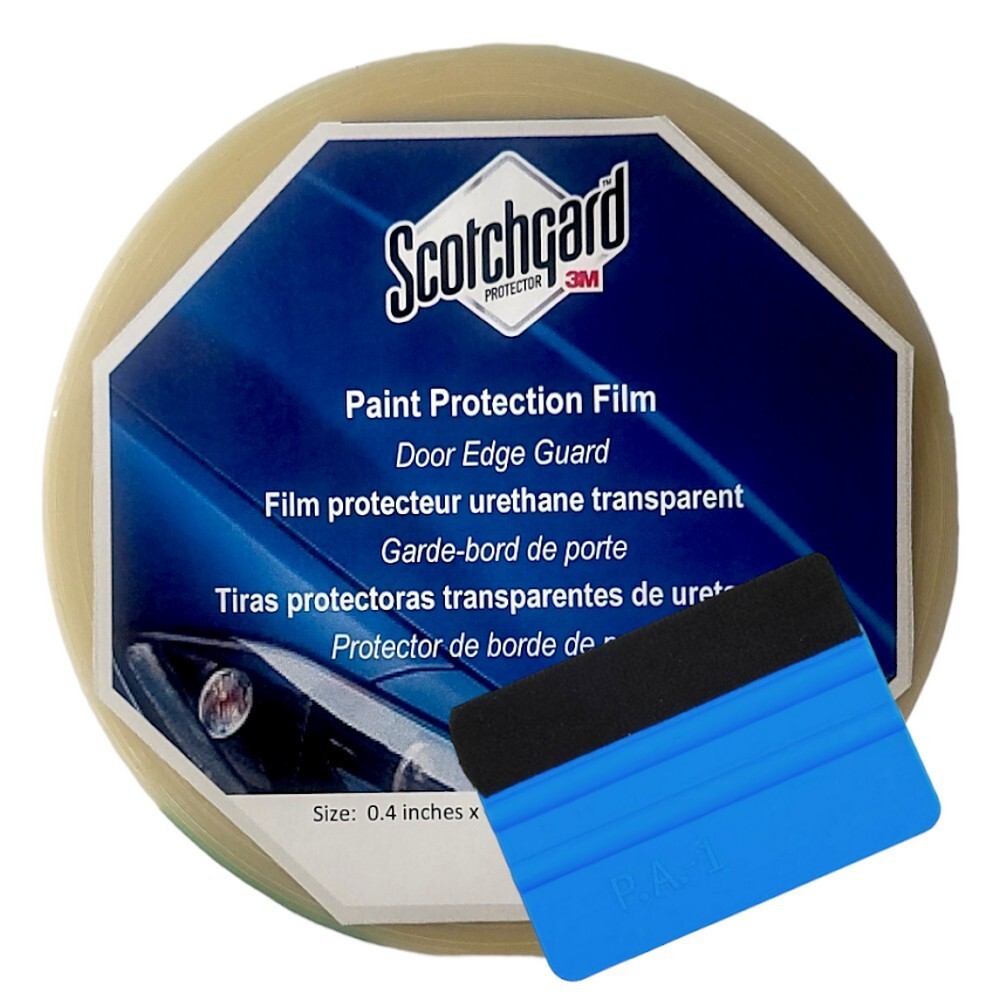

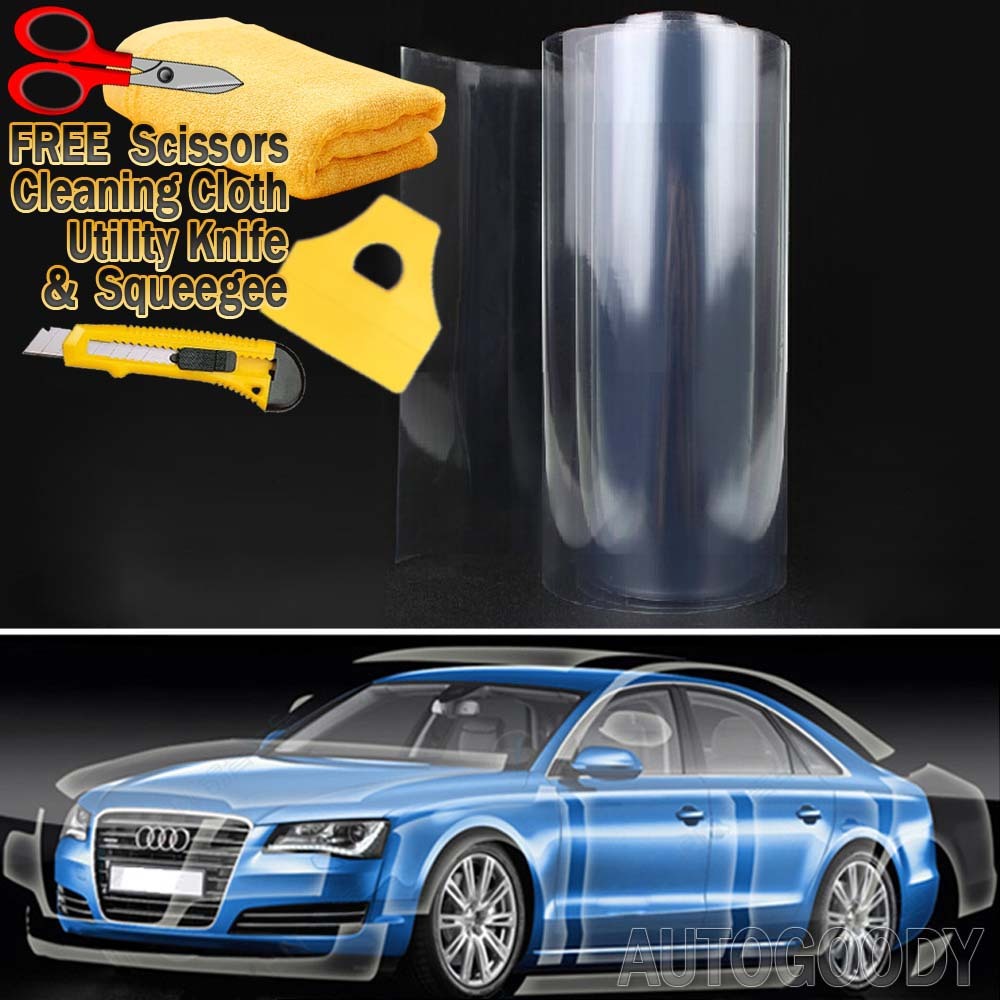
Photos from current listings. Actual item, color, and included accessories may vary.
Paint Protection Film Buying Guide
Paint protection film (PPF) is a transparent urethane or vinyl laminate applied to painted panels and lighting to absorb stone chips, scratches, and UV. The core trade-off is TPU versus PVC: thermoplastic polyurethane self-heals and resists yellowing, while vinyl is thinner, cheaper, and short-lived. Buy TPU for any panel you intend to keep; reserve vinyl for temporary track-day or lease-return coverage.


At a glance
- Category
- Exterior Protection & Accessories
- Data updated
- Nov 15, 2026
Current offers
Highlights
- TPU film rebounds after impact and self-heals surface swirls with heat; PVC vinyl creases permanently and yellows under UV within a few seasons.
- Top-tier films use aliphatic TPU (non-yellowing) with an acrylic adhesive; aromatic TPU is cheaper but discolors faster on white and light metallic paint.
- Gloss and matte finishes change the panel's reflectivity; matte PPF cannot be polished, so it suits factory-matte or satin paints only.
- Headlight kits are pre-cut 8-12 mil clear TPU; thicker 14-20 mil bulk rolls suit bumper and hood leading edges against gravel.
Best use cases
- Daily highway commuter: wrap the front bumper, partial hood, mirror caps, and headlights in 8-10 mil TPU; skip full-body film unless the car is a collector piece.
- White or silver car in a sunny climate: specify aliphatic TPU only; aromatic film and clear PVC will yellow visibly within two to three years.
- Factory-matte or satin paint: choose matte-finish TPU; gloss film on matte paint creates a permanent sheen mismatch and cannot be corrected.
- Lease return or track-day car: a vinyl kit is acceptable short-term protection; do not apply vinyl to a car you plan to keep beyond three years.
Buying tips
- Measure the panel for coverage: a partial hood kit typically spans 18-24 inches from the leading edge; full hood coverage needs a bulk roll, not a pre-cut kit.
- Match film thickness to exposure: 8 mil for street-driven hoods and mirrors, 14-20 mil for bumper faces and rocker panels hit by gravel.
- Buy pre-cut kits by exact year, make, and model; universal rolls require trimming and risk razor marks in the paint during installation.
- Confirm the film is repositionable during install; quality TPU with acrylic adhesive allows wet or slip-solution application and lifts cleanly for correction.
Specs
| Film Material | TPU (self-healing) vs PVC vinyl |
|---|---|
| Thickness | 8-10 mil street / 14-20 mil impact |
| Finish | Gloss, matte, satin |
| Adhesive | Acrylic, repositionable |
Related searches
What to check before buying
- Measure panel dimensions and leading-edge curvature; pre-cut kits are model-specific and will not fit across trim or facelift years.
- Check paint condition first: PPF locks in existing swirls and chips, so paint correction must happen before film application, not after.
- Confirm climate exposure: high-UV and hot climates demand aliphatic TPU; cold climates make film brittle during install, so apply above 60°F.
- Verify the kit includes installation solution, squeegee, and slip agent; bulk rolls require a separate application kit and trimming tools.
FAQ
Data sources: eBay / Amazon listings and product attribute feeds Data updated Nov 15, 2026.
Some links on this page are affiliate links. If you buy after clicking one, we may earn a commission at no extra cost to you. This does not change which products appear here or their order. Affiliate disclosure.