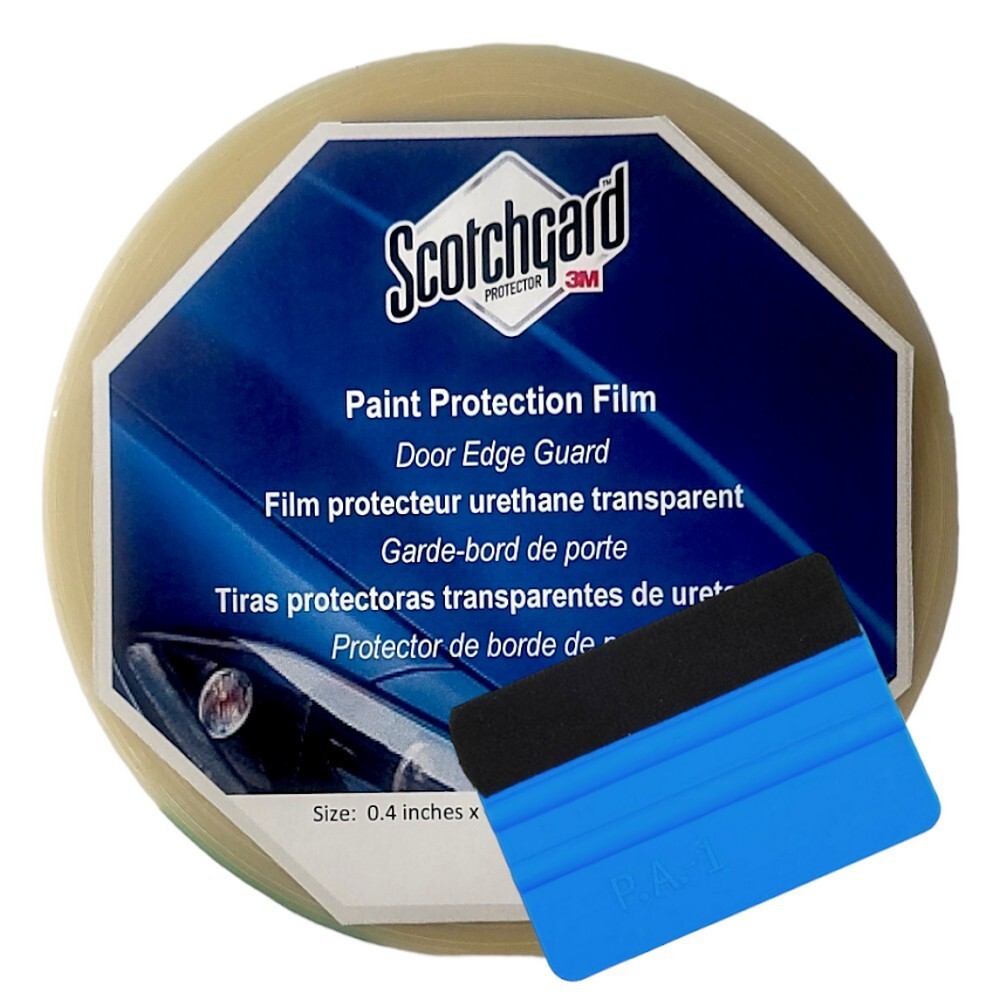

Photos from current listings. Actual item, color, and included accessories may vary.
3m Film Buying Guide
3M film spans two distinct product families: automotive paint protection film (PPF) and Scotchgard vinyl wraps or door-edge guards, each with different durability and installation requirements. The core trade-off is between clear urethane PPF for impact and chip resistance versus vinyl films for color-change or edge protection. Buyers should choose based on film thickness, adhesive type, and whether the film is a clear protective layer or a decorative wrap.


At a glance
- Category
- Exterior Protection & Accessories
- Data updated
- Nov 15, 2026
Current offers
Highlights
- 3M PPF uses thermoplastic polyurethane (TPU) with a clear coat, typically 6-8 mil thick for impact resistance, while Scotchgard vinyl wraps are 3-4 mil and intended for color or graphics.
- Adhesive systems differ: 3M PPF uses pressure-sensitive acrylic adhesives that allow repositioning, whereas cheaper films use solvent-based adhesives that bond aggressively and are harder to install.
- Door edge guard rolls like the Scotchgard 0.4in x 33yd product are narrow vinyl strips with U-shaped adhesive backing, suited for edge protection but not full-panel coverage.
- Genuine 3M films carry a warranty and batch codes; counterfeit films often lack UV inhibitors and yellow or crack within a year, so verify the 3M logo and part number on the liner.
Best use cases
- For full front-end chip protection on a daily-driven car, choose 3M Scotchgard Pro Series PPF (8 mil TPU) and have it professionally installed; skip thin 4 mil vinyl films.
- For temporary color change or accent wraps on a weekend car, use 3M 1080 or 2080 vinyl wrap films; skip PPF because it is clear and not meant for color.
- For door edge protection against parking-lot dings, the 3M Scotchgard door edge guard roll (0.4in wide) is a quick DIY solution; skip it for hood or bumper coverage because it is too narrow.
Buying tips
- Match film thickness to use: 8 mil TPU for impact zones (bumper, hood), 6 mil for full-body PPF, and 3-4 mil vinyl for wraps or interior accents.
- Check the film's adhesive: acrylic-based adhesives allow repositioning during installation and resist yellowing; solvent-based adhesives are permanent and less forgiving.
- For DIY installation, buy pre-cut kits or rolls with air-release channels; flat sheets require a squeegee and slip solution and are prone to bubbles.
- Verify authenticity by checking for a 3M watermark on the liner and a serial number; counterfeit films often have misaligned logos and no UV warranty.
Specs
| Film Type | TPU PPF vs Vinyl Wrap |
|---|---|
| Thickness | 6-8 mil PPF / 3-4 mil Vinyl |
| Adhesive | Acrylic (repositionable) |
| Warranty | Up to 10 years (PPF) |
Related searches
What to check before buying
- Measure the panel or edge you want to protect; door edge guards come in 0.4in width, while PPF rolls are typically 6in, 12in, or 24in wide.
- Confirm your climate: PPF adheres best between 60°F and 90°F; cold weather requires a heat gun and indoor installation.
- Check if the film is pre-cut for your vehicle model or universal; pre-cut kits save time but cost more and may have slight gaps.
- Ensure you have the right tools: squeegee, slip solution (water and baby shampoo), heat gun, and a clean, dust-free workspace.
FAQ
Data sources: eBay / Amazon listings and product attribute feeds Data updated Nov 15, 2026.
Some links on this page are affiliate links. If you buy after clicking one, we may earn a commission at no extra cost to you. This does not change which products appear here or their order. Affiliate disclosure.