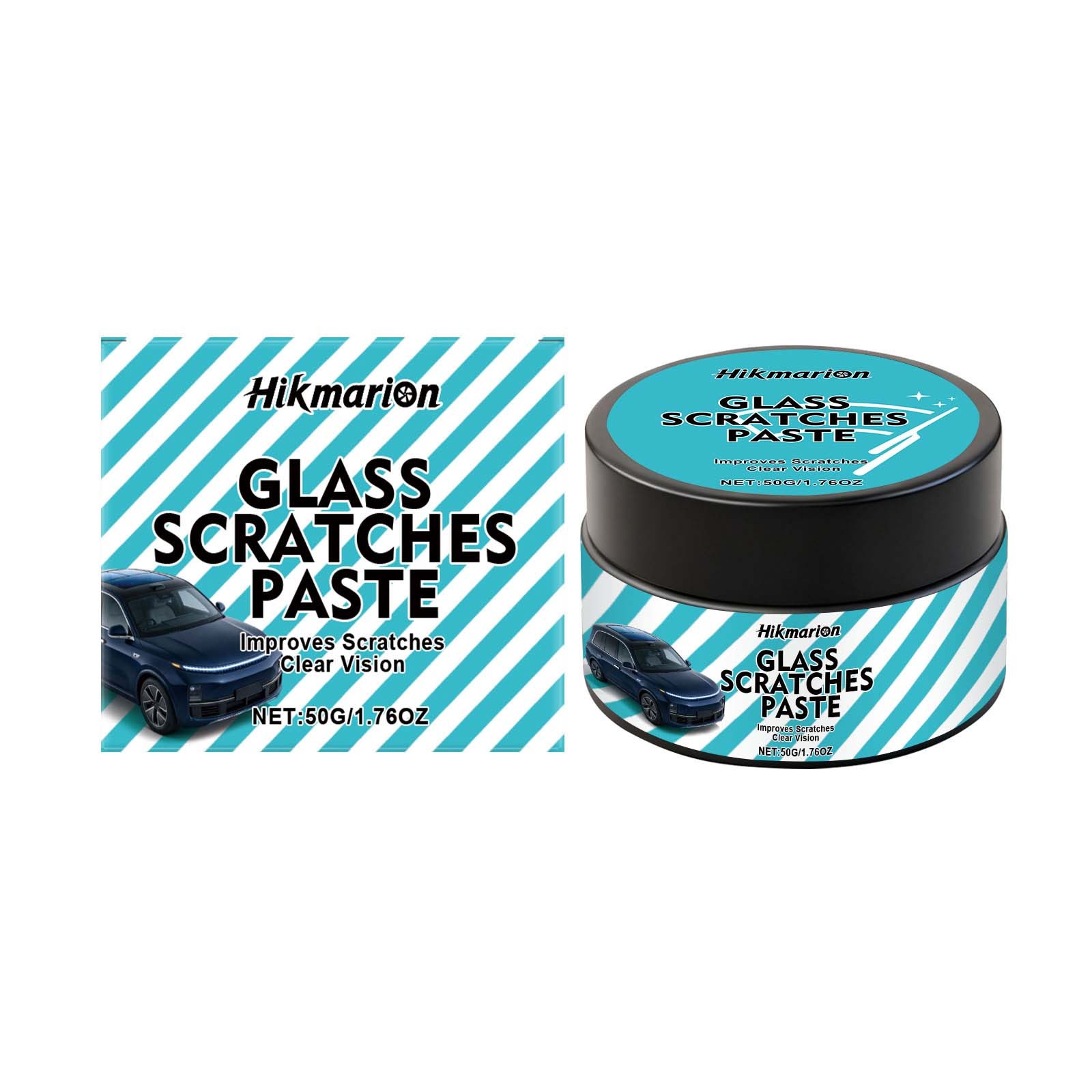

Photos from current listings. Actual item, color, and included accessories may vary.
Product Car Scratch Buying Guide
Car scratch products fall into two distinct categories: abrasive polishes that physically level clear coat around shallow defects, and filler/wax products that temporarily mask them. The critical trade-off is aggressiveness versus paint safety—true correction requires a graded abrasive system (heavy cut → refine → finish), while masking products offer short-term appearance gains with zero permanent repair. The decision rule: if your fingernail does not catch on the scratch, a machine-applied compound and polish combo will fix it; if it catches, no polish will remove it and you need touch-up paint or professional repair.


At a glance
- Category
- Car Polishers & Compounds
- Data updated
- Nov 16, 2026
Current offers
Highlights
- Abrasive grade determines defect removal: heavy-cut compounds (wool pad, 1000-1500 grit equivalent) level orange-peel and deep swirls, while finishing polishes refine to a mirror gloss with zero fillers.
- Glass-specific pastes use cerium oxide as the active abrasive; cerium oxide hardness (~6 Mohs) cuts glass scratches but will haze clear coat if used on paint.
- Dual-action (DA) polishers with 8mm-21mm throw are the safe standard for paint correction; rotary buffers cut faster but risk burning edges and require experienced technique.
- Temporary scratch removers rely on wax, silicone, or polymer fillers that sit in the scratch and wash away within weeks—they do not remove material or restore clear coat.
Best use cases
- Best fit for machine polishing: light swirl marks, holograms, and wash marring that your fingernail glides over—pair a DA polisher with a medium-cut pad and compound, then refine with a finishing pad.
- Best fit for hand application: isolated shallow scuffs on a small panel where a microfiber applicator and fine polish can safely work the area without risking adjacent trim.
- Wrong fit: deep scratches that catch a fingernail, cracked paint, or exposed primer—skip polish entirely and use touch-up paint or panel respray, because polishing removes clear coat without fixing the defect.
- Best fit for glass: wiper haze and light surface scratches on windshields respond to cerium oxide paste; skip it on interior tint film or aftermarket coatings.
Buying tips
- Start with the least aggressive method: a finishing polish on a soft pad removes light marring on most modern clear coats, and you only step up to heavy-cut compound if the defect remains after two passes.
- Match pad to compound: wool or microfiber cutting pads paired with heavy compound remove 1500-grit sanding marks, while foam finishing pads with fine polish produce the final gloss—never use a cutting pad with finishing polish.
- For glass scratch paste, confirm the active ingredient is cerium oxide; silica or aluminum oxide pastes are harder and can pit glass or fail to break down evenly during hand buffing.
- Use a DA polisher with a throw of at least 8mm for paint correction—small-throw units stall on curved panels, and forced-rotation or long-throw (15mm+) machines speed up multi-panel jobs.
Specs
| Abrasive Type | Cerium oxide (glass) / AlOx (paint) |
|---|---|
| Correction Level | Heavy cut → polish → finish |
| Application Method | DA polisher / hand applicator |
| Scratch Depth Limit | No fingernail catch = polishable |
Related searches
What to check before buying
- Perform the fingernail test across the scratch: if your nail catches, the defect is through the clear coat and polish will not fix it—budget for touch-up paint instead.
- Confirm you have a clean, shaded work area and a DA polisher with the correct backing plate diameter for your pad size before starting; hand-polishing deep defects is ineffective and risks uneven results.
- For glass products, verify the windshield has no aftermarket tint or rain-repellent coating on the interior or exterior surface, as cerium oxide will strip or damage these layers.
- Check that your compound and pad combination matches your clear coat type—soft Japanese clear coats respond to fine polish, while hard German clear coats may need a medium cut even for light swirls.
FAQ
Data sources: eBay / Amazon listings and product attribute feeds Data updated Nov 16, 2026.
Some links on this page are affiliate links. If you buy after clicking one, we may earn a commission at no extra cost to you. This does not change which products appear here or their order. Affiliate disclosure.