Photos from current listings. Actual item, color, and included accessories may vary.
Car Scratch Remover Buying Guide
Car scratch removers are abrasive polishes or paint-safe compounds that level minor clear-coat defects, not a touch-up paint or a filler wax. The core trade-off is cut rate versus finish quality: aggressive compounds erase deeper scratches but leave haze, while fine polishes restore gloss but only handle light swirls. The decision rule is simple—match abrasive grade to scratch depth, and only use a machine polisher when the product is formulated for dual-action use.

At a glance
- Category
- Car Polishers & Compounds
- Data updated
- Nov 16, 2026
Current offers
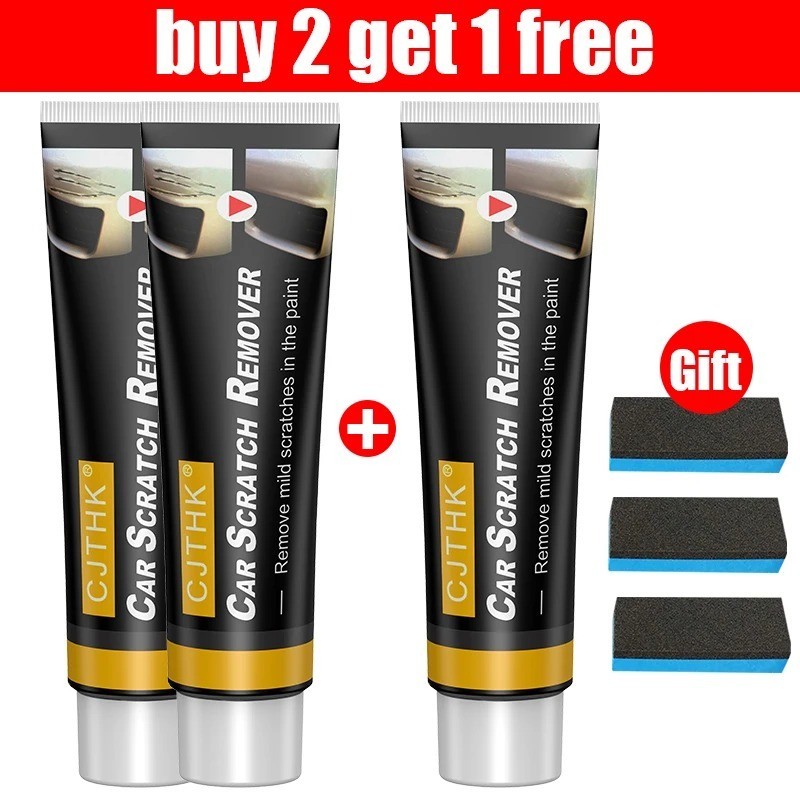 Car Scratch Remover Wax Polish Mild Scratch Repair Auto Paint Care$21.99
 View on eBay
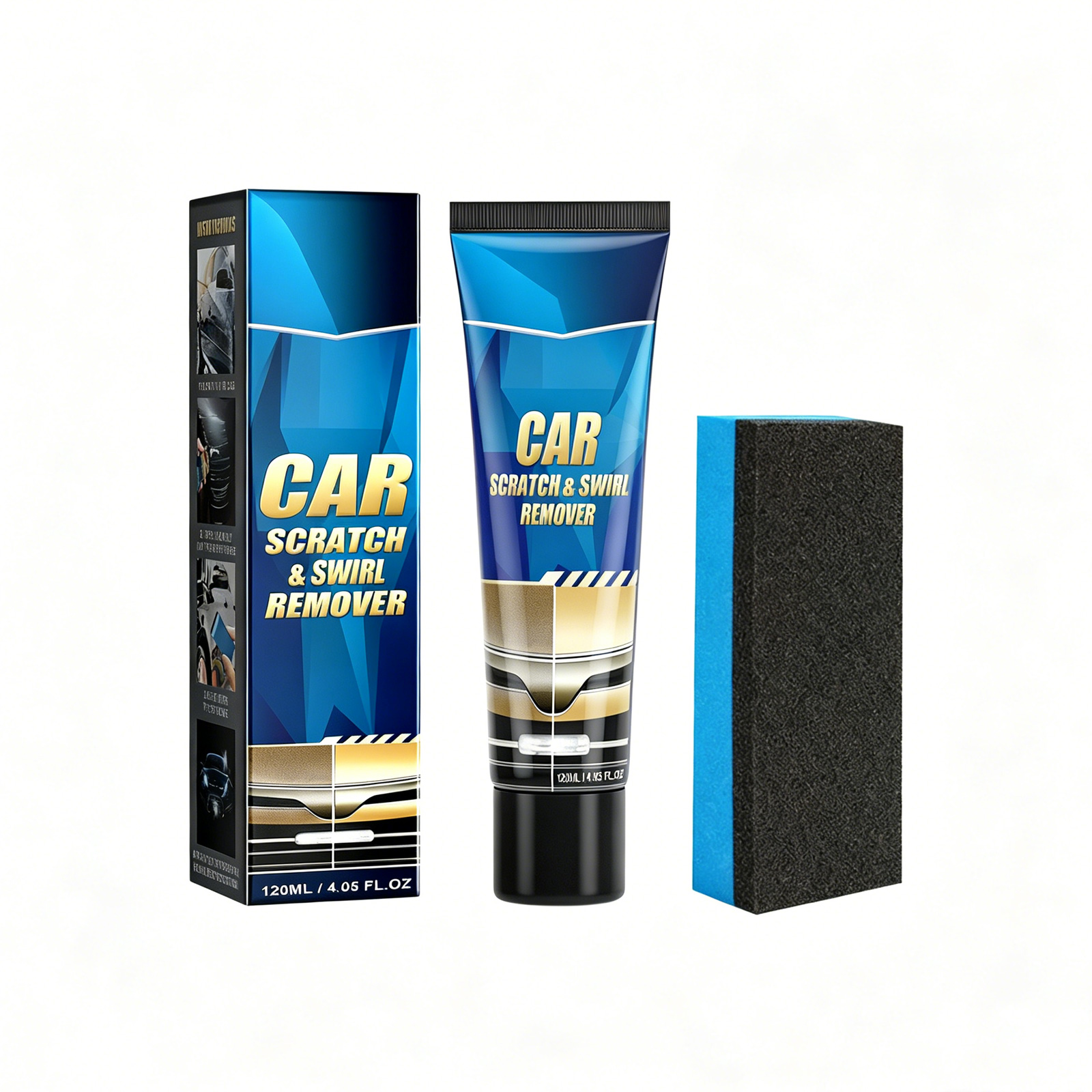 3pcs Car Scratch Remover Paste, Universal Auto Paint Repair Cream For All Car Colors, Remove Scratches, Water Marks & Swirl With Sponge$20.99
 View on Mallflare
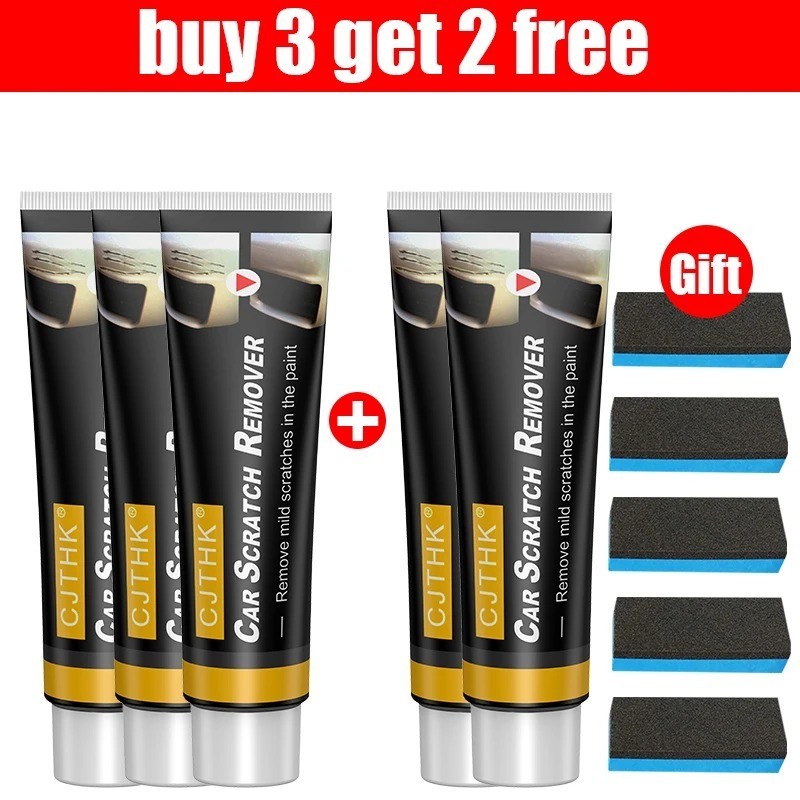 Car Scratch Remover Paint Care Tools Auto Swirl Remover Scratches Repair Polishi$23.54View on eBay
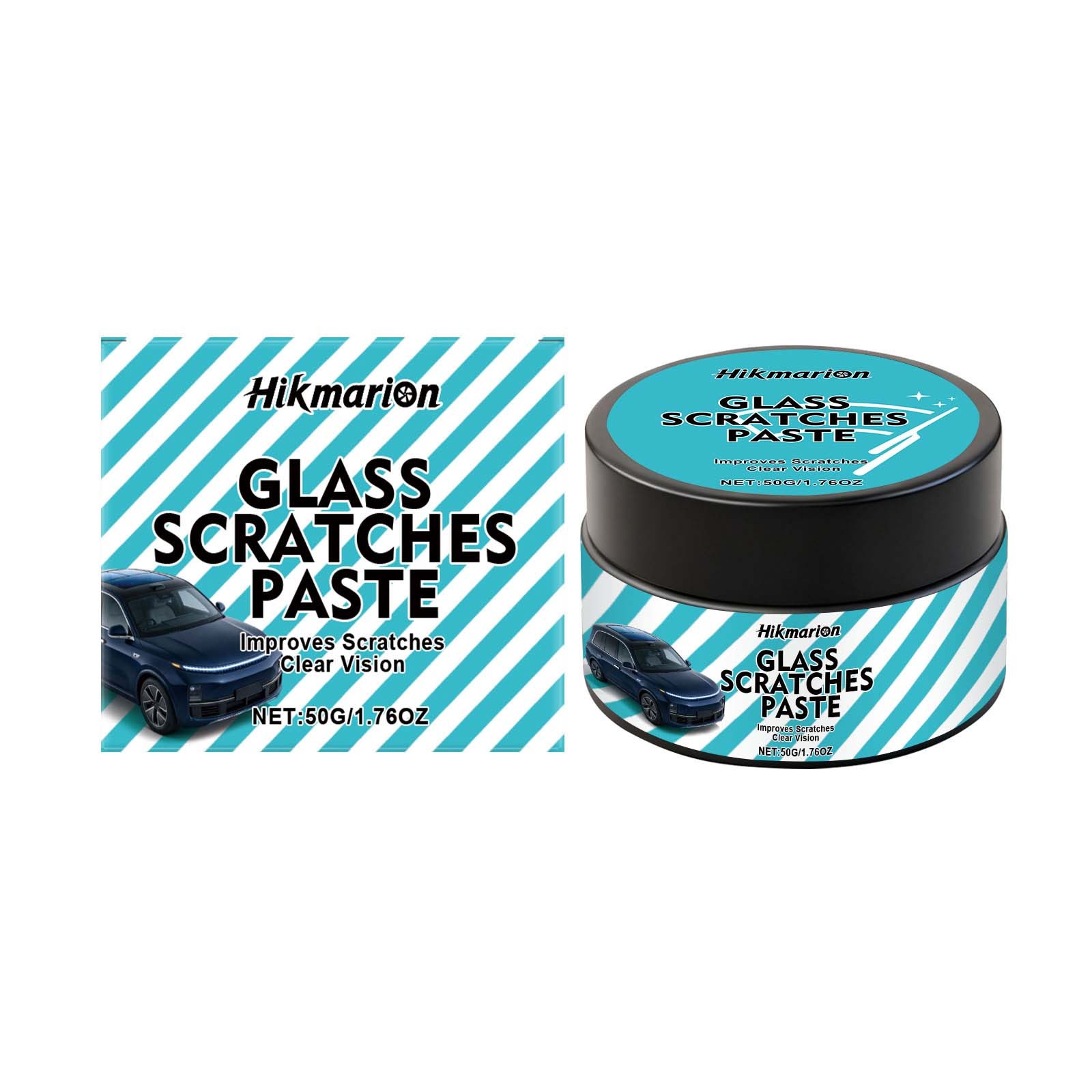 Automotive Glass Scratch Remover Paste, 50g, Car Care Product for Car$22.99View on Mallflare
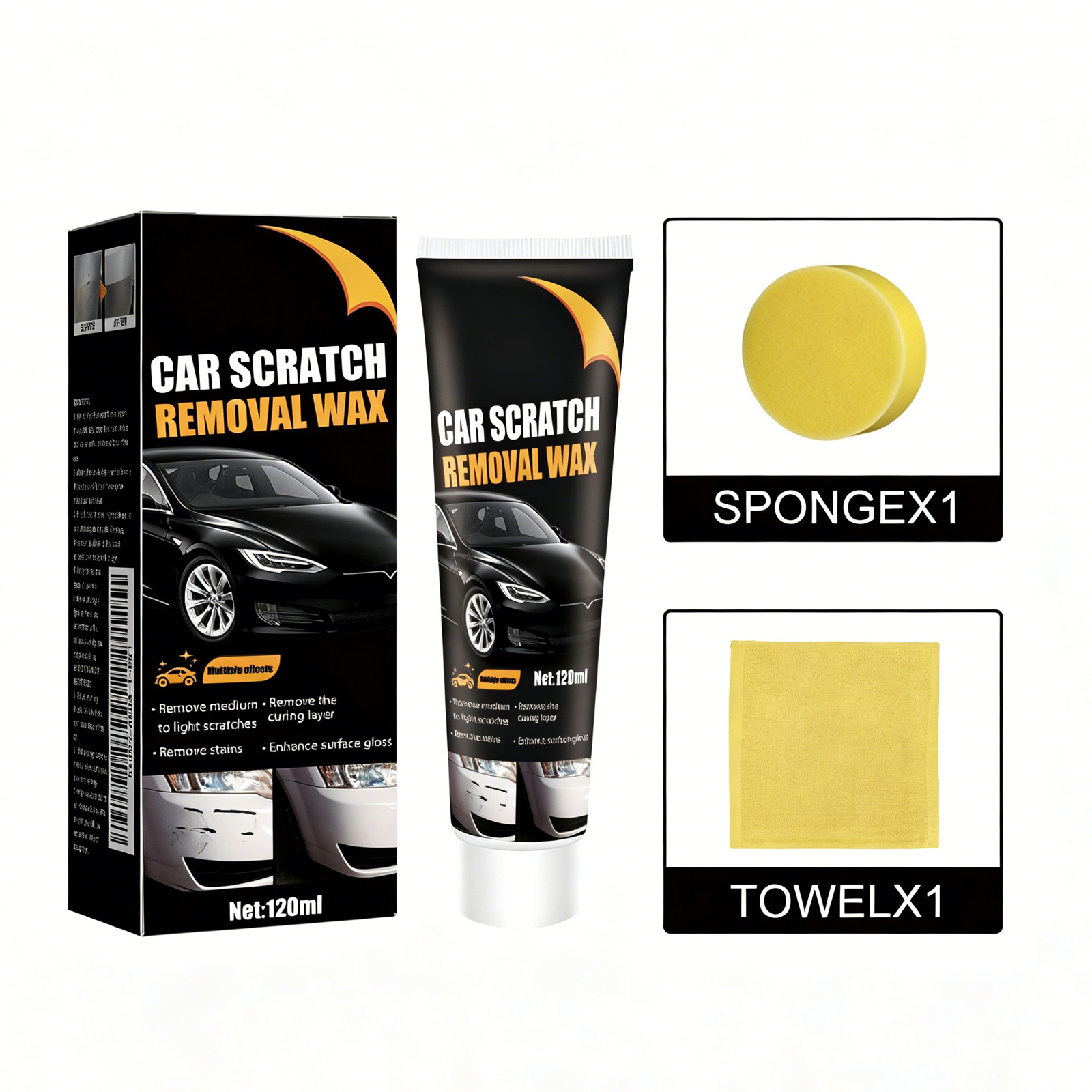 3pcs Car Scratch Repair Wax, Auto Paint Remover With Sponge & Towel, Restores Faded Car Removes Oxidation Stains Water Marks$30.99View on Mallflare
Highlights
- Scratch removers work by clear-coat ablation: they remove a measured layer of paint, so a compound with 3-5 micron cut removes light scratches while a finishing polish at 1-2 micron only refines swirls.
- Black and dark cars reveal every micro-marring, so they demand a finer finishing polish (not a heavy compound) and a soft microfiber pad to avoid holograms.
- Paste and cream formulas differ in carrier: water-based creams are pad-friendly for dual-action machines, while solvent pastes suit hand application but dry faster and can stain trim.
- Glass scratch removers use cerium oxide, a different abrasive chemistry from paint compounds—never substitute one for the other or you will haze the surface.
Best use cases
- Best for light swirl marks, water spots, and fine clear-coat scratches: choose a fine finishing polish applied by hand or dual-action polisher with a soft foam pad.
- Best for black or dark paint: pick a finishing polish labeled for dark colors and avoid heavy compounds that leave hazy holograms under sunlight.
- Wrong fit for deep scratches that catch a fingernail: skip polish entirely—these need touch-up paint or wet-sanding plus clear-coat, not a remover.
- Wrong fit for glass: use a dedicated cerium-oxide glass remover; paint compounds will not cut glass and can leave an oily film.
Buying tips
- Test scratch depth with a fingernail: if it catches, polish will not fix it; if it glides over, a fine polish will level it.
- Match abrasive to pad: heavy compound needs a firm cutting pad, finishing polish needs a soft foam or microfiber pad—mismatches cause holograms.
- For hand application choose a cream or paste with lubricating carriers; for machine use choose a water-based polish rated for dual-action polishers.
- Avoid products that promise all-color universal repair with no abrasive grade listed—scratch removal is graded, not universal.
Specs
| Abrasive Grade | Compound (heavy cut) vs Polish (fine) |
|---|---|
| Application Method | Hand paste vs DA-machine cream |
| Paint Compatibility | All colors vs dark/finishing |
| Surface Type | Paint clear-coat vs glass (cerium oxide) |
Related searches
What to check before buying
- Confirm paint type and color: dark and metallic finishes need finer polish grades than white or single-stage paint.
- Check whether you will apply by hand or with a dual-action polisher—formulation and pad choice differ between the two.
- Verify the product is for paint, not glass—glass scratch removers use cerium oxide and are not interchangeable.
- Measure the scratch: if it catches a fingernail, plan for touch-up paint rather than polish.
FAQ
Data sources: eBay / Amazon listings and product attribute feeds Data updated Nov 16, 2026.
Some links on this page are affiliate links. If you buy after clicking one, we may earn a commission at no extra cost to you. This does not change which products appear here or their order. Affiliate disclosure.