Photos from current listings. Actual item, color, and included accessories may vary.
Car Polishing Pad Buying Guide
Car polishing pads are the consumable interface between your machine and paint, and their foam density, fiber grade, and backing diameter determine whether you correct defects or create new ones. The core trade-off is cut versus finish: stiffer foams and wool cut aggressively but haze, while soft foams and microfiber refine but struggle with deep defects. Buy pads sized to your backing plate and matched to your compound stage; treat ultra-cheap multi-packs as finish-only consumables, not correction tools.

At a glance
- Category
- Car Polishers & Compounds
- Data updated
- Nov 16, 2026
Current offers
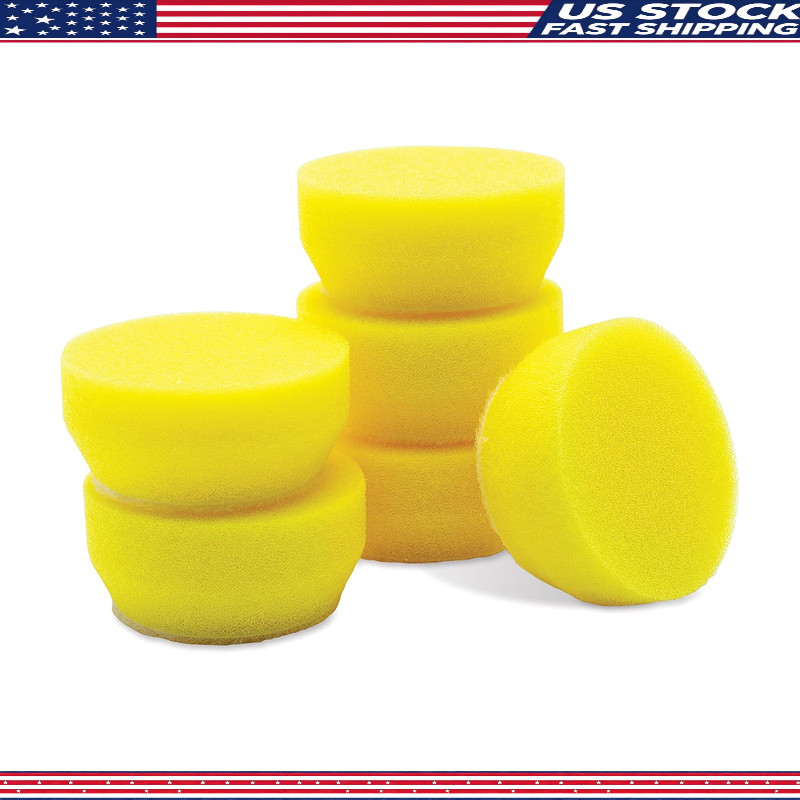 Yellow 1 Foam Pads Car Polishing, Detailing, Paint Correction and Waxing, Set 6$32.99
 View on eBay
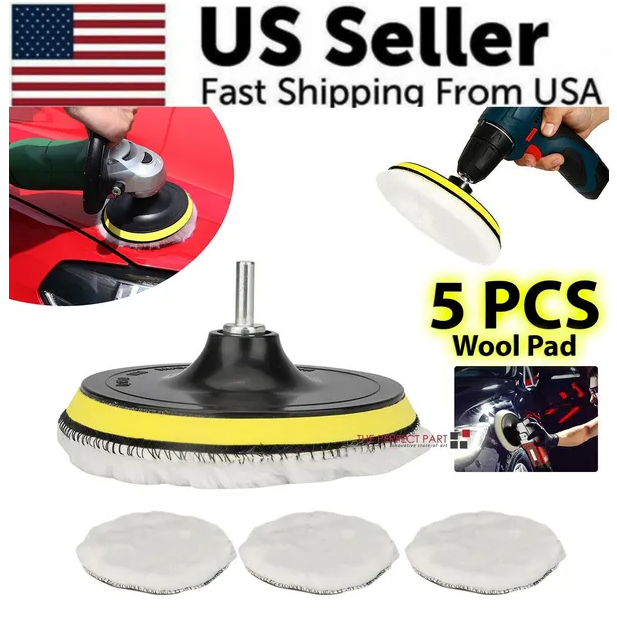 5PCS Buffing Polishing Pad Wool Wheel Mop Kit For Car Polisher Drill Adapter$21.99
 View on Mallflare
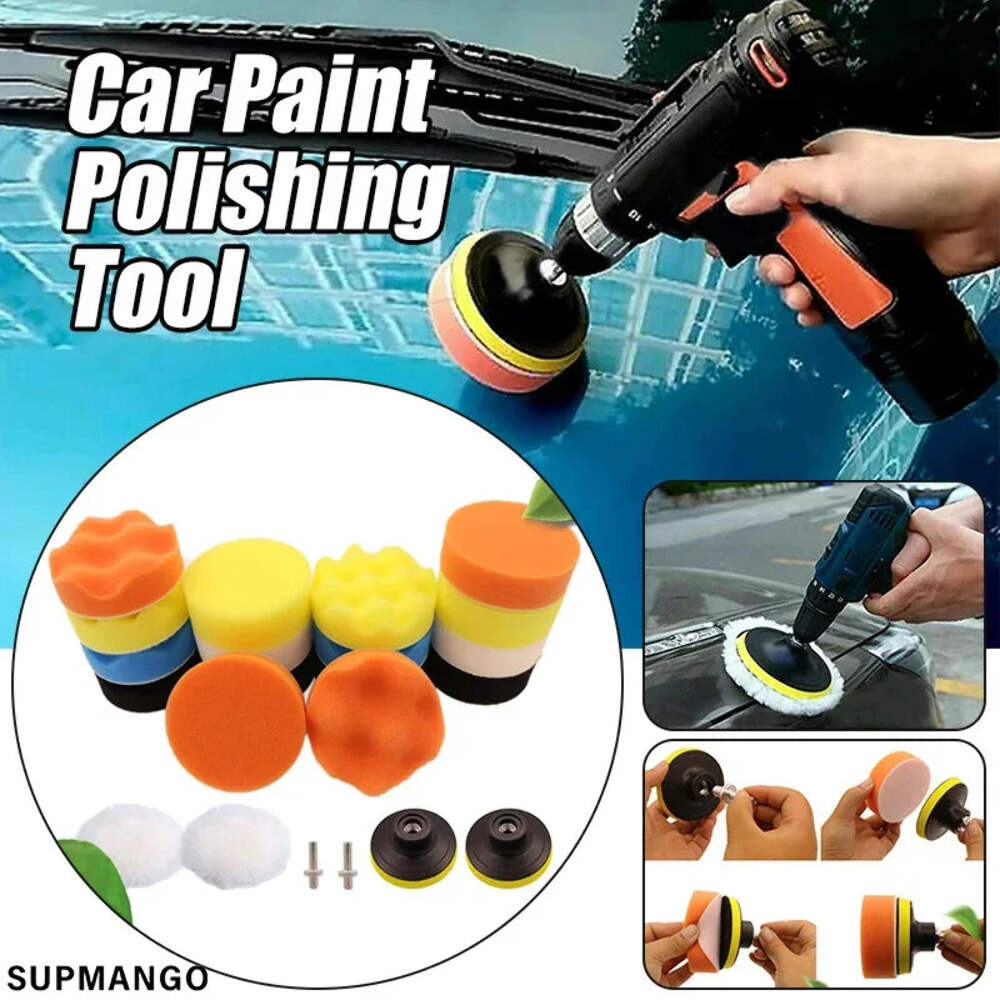 Universal Car Paint Care Accessories 22pcs Car Polishing Sponge Pads Kit Foam Pa$35.72View on eBay
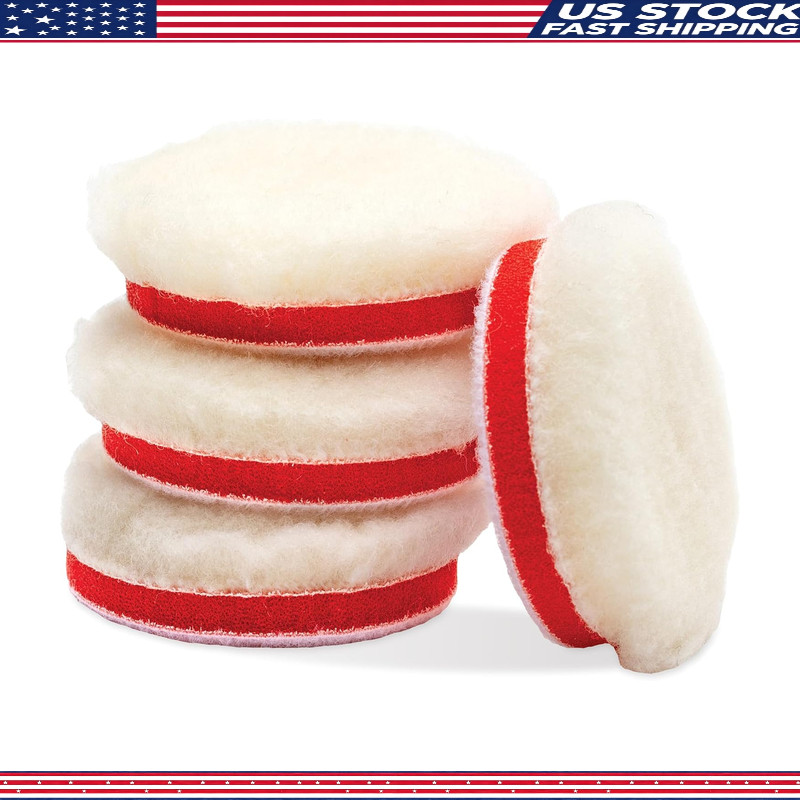 BOSS Knitted Wool Pads Car Detailing, Polishing, Paint Correction, Buffing Pads$36.99View on eBay
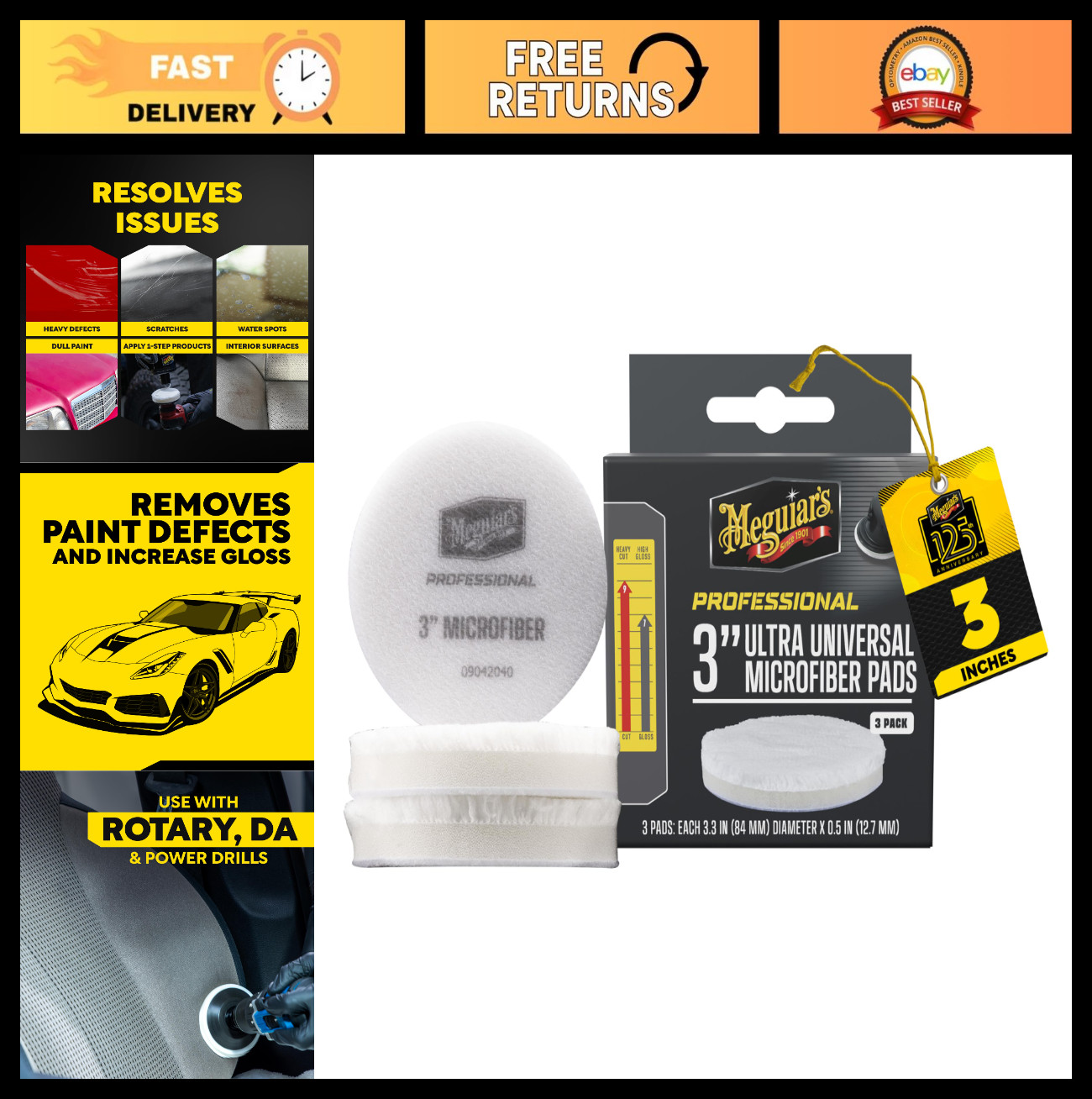 3" Microfiber Polishing Pads, 3-Pack for Car Detailing, Auto Care Accessories$41.99View on eBay
Highlights
- Foam pads are graded by density: heavy-cut (stiff, open-cell), polishing (medium), and finishing (soft, fine-cell) — using a finishing pad with a compound yields haze, not correction.
- Wool pads cut fastest and run coolest but require a rotary or forced-rotation polisher and leave micromarring that needs a foam or microfiber finishing step.
- Microfiber pads bridge the gap: they cut near wool levels on dual-action machines while finishing closer to foam, making them the preferred one-pad correction option.
- Backing diameter dictates pad size: a 5-inch backing plate runs 5.5-inch pads, while drill adapters accept smaller 3-4 inch pads and demand lower RPM to avoid burn-through.
Best use cases
- Choose a dual-action polisher with 5.5-inch foam pads (heavy-cut, polishing, finishing) for safe paint correction on factory clear coat — skip wool unless you have rotary experience.
- Choose 3-inch microfiber or foam pads on a drill adapter for tight areas, pillars, and headlights — keep drill speed low and never hold the pad stationary.
- Choose a multi-piece foam kit for waxing, sealant application, and light finishing on healthy paint — do not expect heavy-cut foams in budget kits to remove deep scratches.
- Skip knitted wool wheel mops for dual-action correction; they are best for removing oxidation and buffing metal or heavy compound residue, not finishing paint.
Buying tips
- Match pad diameter to backing plate: 5-inch plate = 5.5-inch pads, 6-inch plate = 6.5-inch pads; oversized pads bog the machine and undercut.
- Buy at least two pads per stage (cut, polish, finish) so you can swap when a pad loads with compound and stops cutting.
- For drill use, pick 3-4 inch pads with a 5/16-inch or 1/4-inch shank adapter and run moderate RPM; large pads on drills burn edges.
- Microfiber pads require a dedicated microfiber compound and frequent cleaning; foam pads pair with water-based compounds and are easier to manage.
Specs
| Pad Material | Foam / Wool / Microfiber |
|---|---|
| Cut Level | Heavy-cut / Polishing / Finishing |
| Backing Fit | Hook-and-loop, plate +0.5 in |
| Machine Type | Dual-action / Rotary / Drill |
Related searches
What to check before buying
- Measure your backing plate diameter before ordering pads — pad size must exceed plate size by roughly half an inch for safe edge control.
- Confirm your machine type (dual-action, rotary, or drill) because wool and heavy-cut foams behave differently on each and can damage paint on a drill.
- Check pad backing (hook-and-loop) condition: worn backing loops let pads slip and wobble, so replace backing plates showing flattened hooks.
- Plan a pad-cleaning method (pad washer or compressed air) since loaded pads generate heat and stop cutting, especially on multi-panel jobs.
FAQ
Data sources: eBay / Amazon listings and product attribute feeds Data updated Nov 16, 2026.
Some links on this page are affiliate links. If you buy after clicking one, we may earn a commission at no extra cost to you. This does not change which products appear here or their order. Affiliate disclosure.