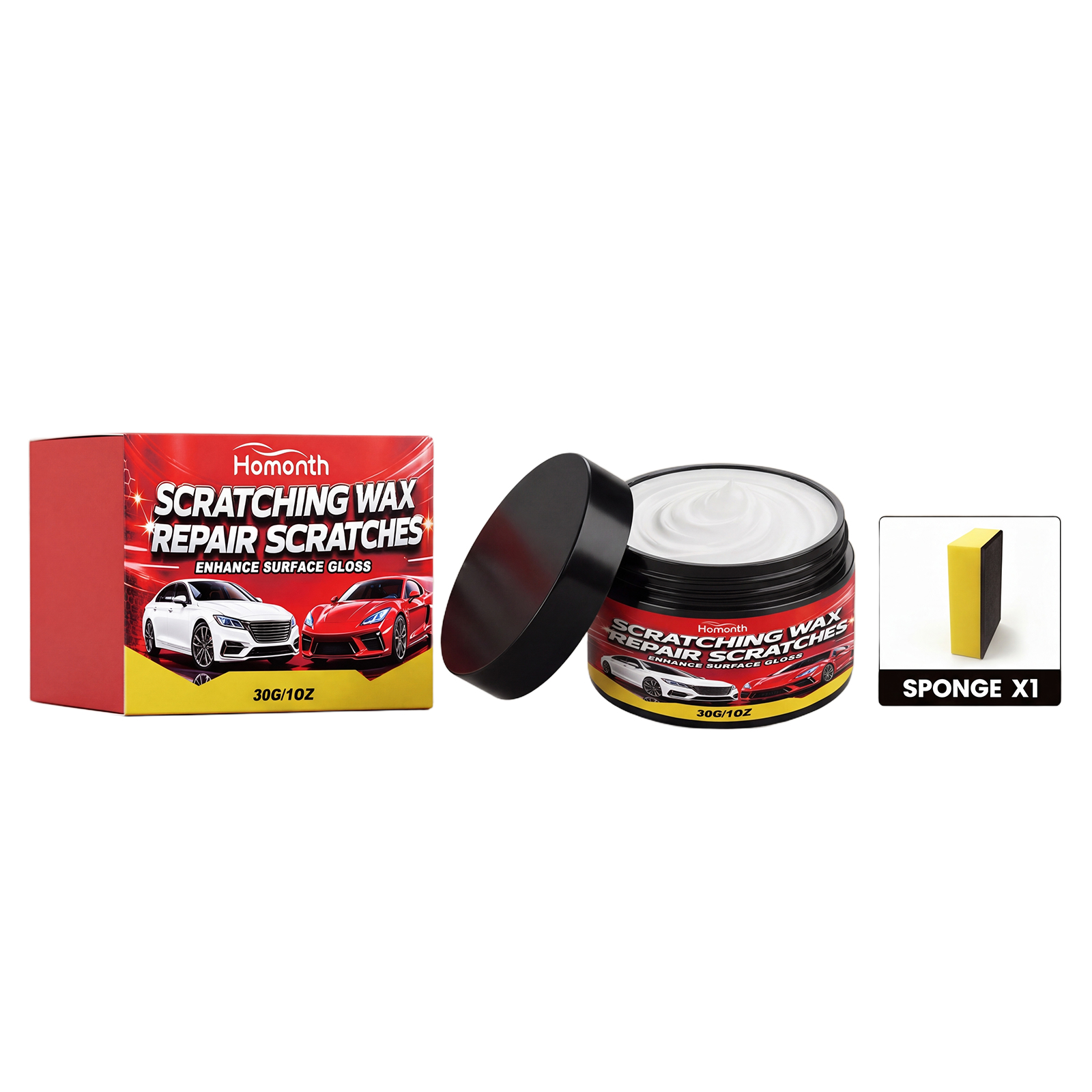

Photos from current listings. Actual item, color, and included accessories may vary.
Car Paste Wax Buying Guide
Car paste wax is a hard, carnauba-based protective coating applied by hand to painted surfaces for gloss, water beading, and UV resistance. The core trade-off is carnauba content versus ease of application: higher carnauba (30–50%+) yields deeper gloss and better durability but requires more effort to apply and remove, while lower-carnauba or synthetic-blend pastes spread easier but fade faster. The decision rule: buy a paste with a stated carnauba percentage and a petroleum-solvent base for durability, and skip any paste that markets itself primarily as a scratch remover—that is a polishing compound, not a protective wax.


At a glance
- Category
- Car Polishers & Compounds
- Data updated
- Nov 16, 2026
Current offers
Highlights
- Carnauba content drives performance: pastes with 30–50% carnauba deliver 2–4 months of protection, while blends under 20% typically last 4–8 weeks.
- Paste wax is a sacrificial layer, not a corrective product—true scratch and swirl removal requires an abrasive polish or compound applied before waxing.
- Hard paste formulas resist heat and UV better than liquid waxes, making them preferable for dark paint and outdoor-stored vehicles in hot climates.
- Application method matters: apply thin coats with a foam applicator, let haze for 5–15 minutes, then remove with a microfiber towel—thick coats cause smearing and difficult removal.
Best use cases
- Best fit: older single-stage or clear-coated paint on a garaged weekend car—choose a high-carnauba paste (30%+) for maximum depth and 2–4 month durability.
- Best fit: daily driver parked outdoors in sun or rain—pick a paste with UV inhibitors and synthetic polymer content for 6–8 weeks of protection with easier removal.
- Wrong fit: vehicles with heavy oxidation, swirl marks, or scratches—skip paste wax entirely and use a machine-applied compound and polish first, then seal with wax.
- Wrong fit: matte, satin, or vinyl-wrapped finishes—paste wax clogs textured surfaces and creates blotchy shine; use a dedicated matte protectant instead.
Buying tips
- Look for a stated carnauba percentage: 30% or higher indicates a genuine hard paste; unlabeled or 'carnauba-enriched' products are typically low-solids blends.
- Choose a paste packaged in a wide, shallow tin (6–8 oz) over a narrow jar—it allows a 4-inch applicator pad to load evenly and reach the edges.
- For dark or black paint, select a paste with no added dyes or cleaners; clear or white pastes avoid staining trim and fillers that can cloud clear coat.
- Avoid products labeled 'scratch remover wax' or 'refurbishing paste'—these combine mild abrasives with wax and deliver neither durable protection nor true correction.
Specs
| Carnauba Content | 30–50% (high) vs <20% (blend) |
|---|---|
| Durability | 2–4 months vs 4–8 weeks |
| Form | Hard paste tin vs soft paste jar |
| Best For | Glossy paint vs matte/wrap (skip) |
Related searches
What to check before buying
- Confirm your paint type: single-stage, clear coat, matte, or wrap—paste wax is only appropriate for glossy single-stage or clear-coated finishes.
- Check ambient temperature: apply between 60–80°F (15–27°C) in shade; paste wax becomes hard to spread below 50°F and smears above 90°F.
- Verify you have the companion tools: two foam applicator pads, 3–4 plush microfiber towels, and a wash and clay-bar step completed before waxing.
- Measure your vehicle size: a 6–8 oz tin covers a mid-size sedan 4–6 times; larger SUVs or trucks need 8–10 oz per application season.
FAQ
Data sources: eBay / Amazon listings and product attribute feeds Data updated Nov 16, 2026.
Some links on this page are affiliate links. If you buy after clicking one, we may earn a commission at no extra cost to you. This does not change which products appear here or their order. Affiliate disclosure.