Photos from current listings. Actual item, color, and included accessories may vary.
Car Paint Scratch Remover Buying Guide
Car paint scratch removers are abrasive polishes or wax-based compounds that level clear coat to reduce the appearance of light scratches, swirls, and water spots—not a paint replacement. The core trade-off is abrasive strength versus clear-coat safety: true polishes use graded aluminum oxide or cerium oxide to cut and refine, while scratch-remover waxes rely on mild fillers and cleaners that hide defects temporarily. The decision rule: buy a graded compound-polish system when you need permanent correction, and a filler wax only for quick cosmetic masking on a healthy clear coat.

At a glance
- Category
- Car Polishers & Compounds
- Data updated
- Nov 16, 2026
Current offers
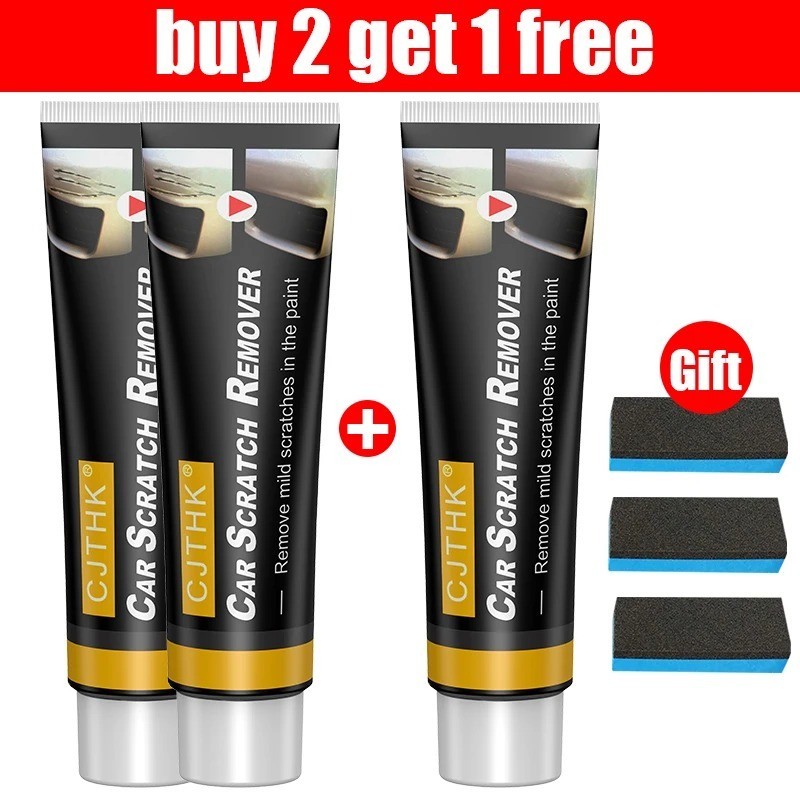 Car Scratch Remover Wax Polish Mild Scratch Repair Auto Paint Care$21.99
 View on eBay
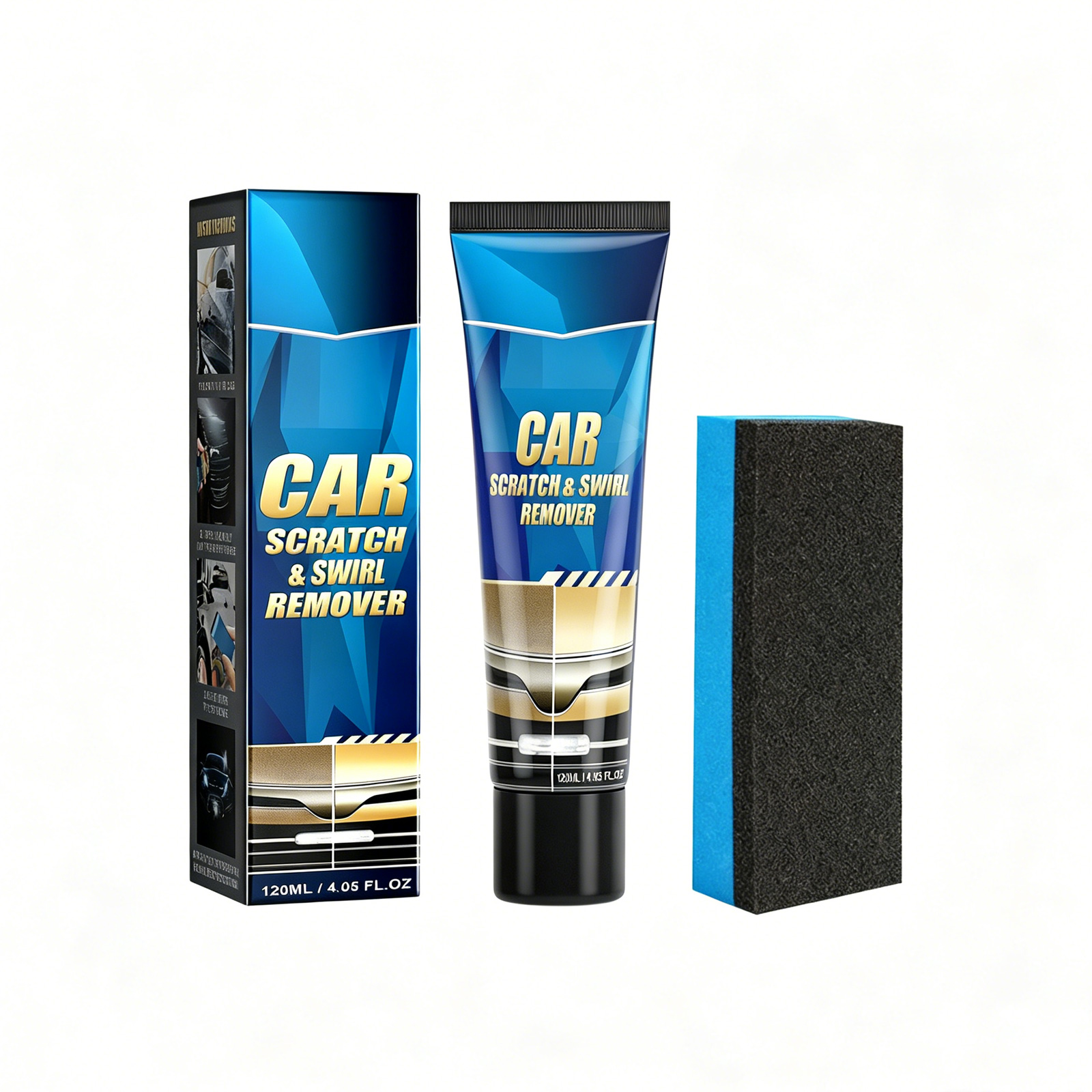 3pcs Car Scratch Remover Paste, Universal Auto Paint Repair Cream For All Car Colors, Remove Scratches, Water Marks & Swirl With Sponge$20.99
 View on Mallflare
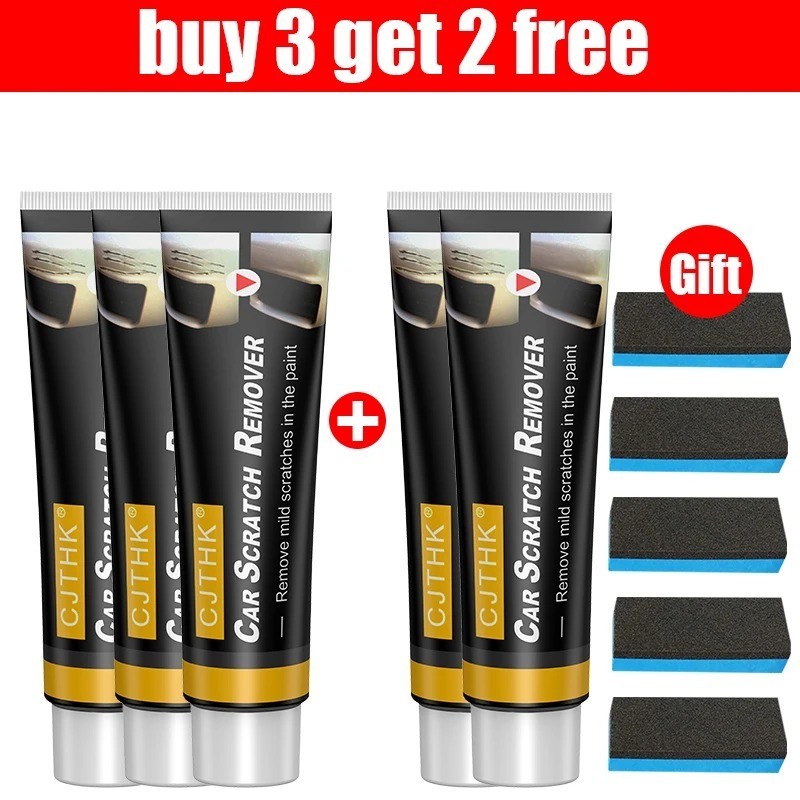 Car Scratch Remover Paint Care Tools Auto Swirl Remover Scratches Repair Polishi$23.54View on eBay
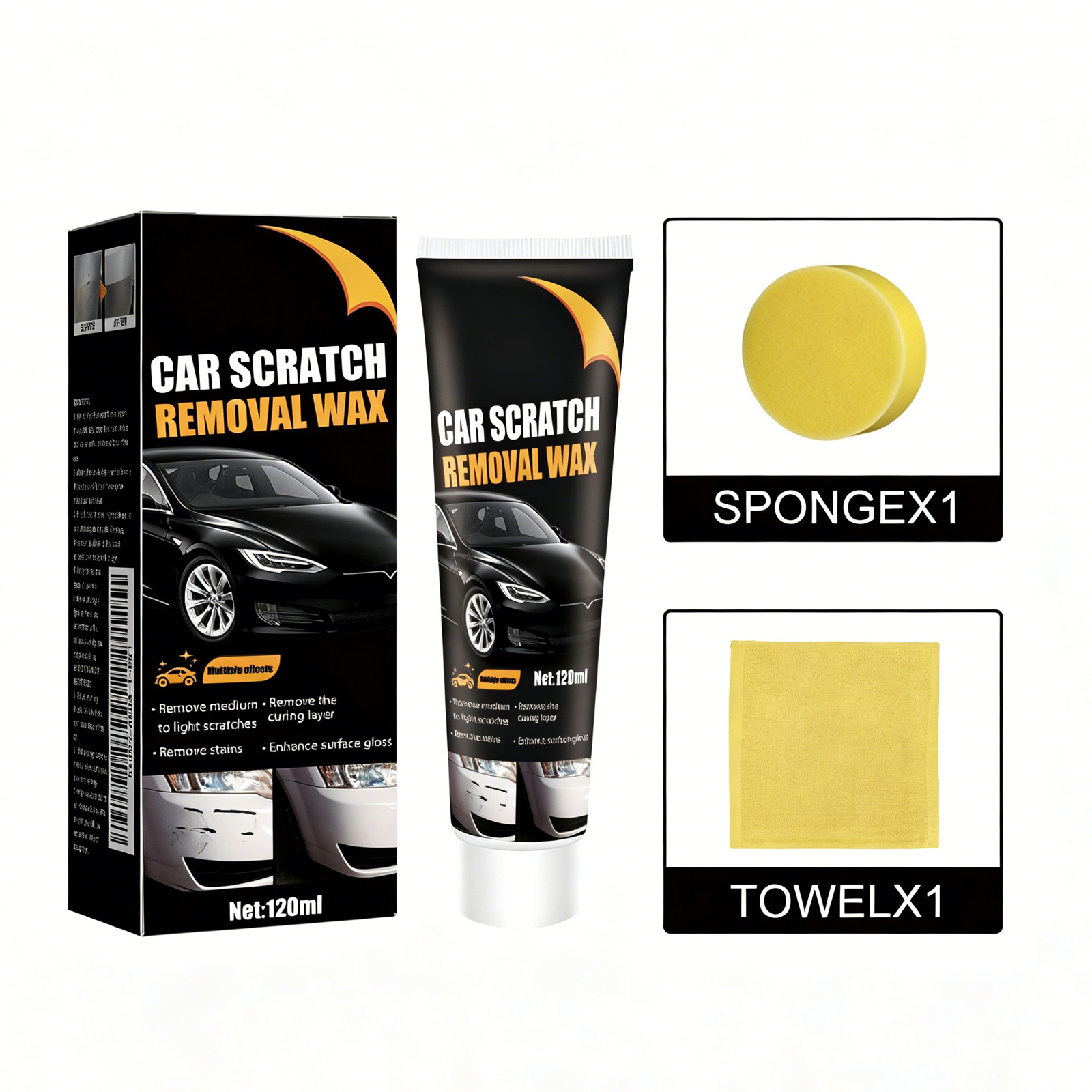 3pcs Car Scratch Repair Wax, Auto Paint Remover With Sponge & Towel, Restores Faded Car Removes Oxidation Stains Water Marks$30.99View on Mallflare
Highlights
- True scratch removers are graded abrasives (aluminum oxide or cerium oxide) in diminishing particle sizes; wax 'scratch removers' are filler-heavy and only mask defects until the next wash.
- Clear coat is typically 1.5–2 mil (38–50 microns) thick; aggressive single-stage rubbing compounds can remove 2–5 microns per pass, so multi-step polish is safer than one heavy cut.
- Dual-action (DA) polishers with 5–6 mm throw and foam cutting pads remove scratches more evenly than hand applicators, which concentrate pressure and risk pigtail marks.
- Paste and cream compounds work by pad and speed: cutting pads with a DA at 4,000–5,000 OPM for correction, then polishing pads at lower speed to refine haze.
Best use cases
- Best fit: light swirls and fine towel scratches on a factory clear coat—use a fine-grade polish on a soft foam pad by hand or DA; skip heavy rubbing compound that can strike through thin clear.
- Best fit: oxidation, water spots, and faded single-stage paint—use a cleaner wax or mild polish with a microfiber applicator; skip pure filler waxes that wash away in weeks.
- Wrong fit: deep scratches you can feel with a fingernail (through clear coat into base coat)—no polish removes these permanently; only touch-up paint or repaint fixes them.
- Wrong fit: matte, satin, or vinyl-wrapped finishes—abrasive scratch removers create shiny patches; use dedicated matte cleaners instead.
Buying tips
- Match abrasive grade to defect depth: fine polish for swirls, medium compound for oxidation, heavy compound only for severe defects on thick clear coat—never jump straight to heavy cut.
- Choose a compound with diminishing abrasives (DAT) so it cuts then refines in one pass, reducing the risk of hazing and the number of steps.
- For hand application, pick a cream or paste that stays workable for 2–3 minutes; watery liquids dry too fast and leave uneven results.
- Buy a kit with matched foam pads (cutting and polishing) and microfiber towels; mismatched pads cause more swirls than they remove.
Specs
| Abrasive Type | Aluminum oxide / cerium oxide vs filler wax |
|---|---|
| Cut Grade | Fine polish / medium compound / heavy cut |
| Application Method | Hand applicator vs DA polisher |
| Finish Compatibility | Gloss clear coat only / not matte or vinyl |
Related searches
What to check before buying
- Confirm your clear coat condition: if the scratch catches a fingernail, it is too deep for polish—plan touch-up paint instead.
- Check finish type: gloss clear coat accepts abrasives; matte, satin, and vinyl wraps require non-abrasive cleaners.
- Have a DA polisher or firm hand applicator plus 2–3 clean microfiber towels; dirty towels reintroduce scratches.
- Work in shade on a cool panel; direct sun and hot paint make compounds dry too fast and burn unevenly.
FAQ
Data sources: eBay / Amazon listings and product attribute feeds Data updated Nov 16, 2026.
Some links on this page are affiliate links. If you buy after clicking one, we may earn a commission at no extra cost to you. This does not change which products appear here or their order. Affiliate disclosure.