Photos from current listings. Actual item, color, and included accessories may vary.
Car Dent Repair Kit Buying Guide
A car dent repair kit is a paintless dent removal (PDR) system that either pulls from the outer surface with glue tabs and a bridge, or welds a stud to the panel and pulls with a slide hammer or bridge. The core trade-off is glue-tab PDR for accessible, shallow dents versus stud-welder systems that handle creased, high-tension, or glued-in panels where tabs cannot grip. Buy the glue-tab kit for clean door dings and hail; step up to a 3 kW stud welder only when you need to pull sharp creases or double-layer steel.


At a glance
- Category
- Garage & Shop Equipment
- Data updated
- Nov 15, 2026
Current offers
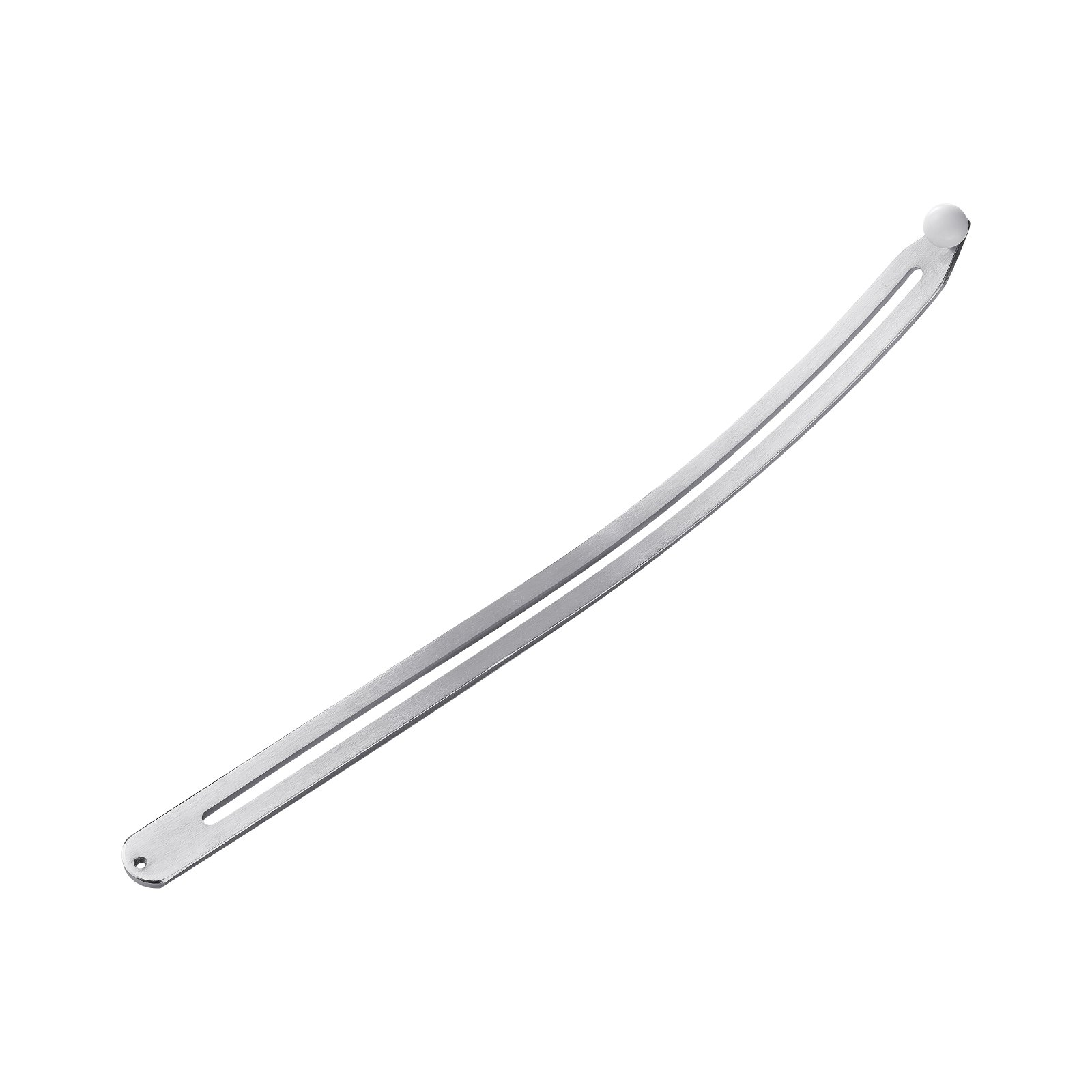 Dent Puller Kit, Paintless Car Removal Tool, Auto Fender Damage Repair Lifter With Curved Rod, Crowbar, Rubber Hammer, Airbag, Detachable & Pens, Replacement Heads Tools Kit$49.99
 View on Mallflare
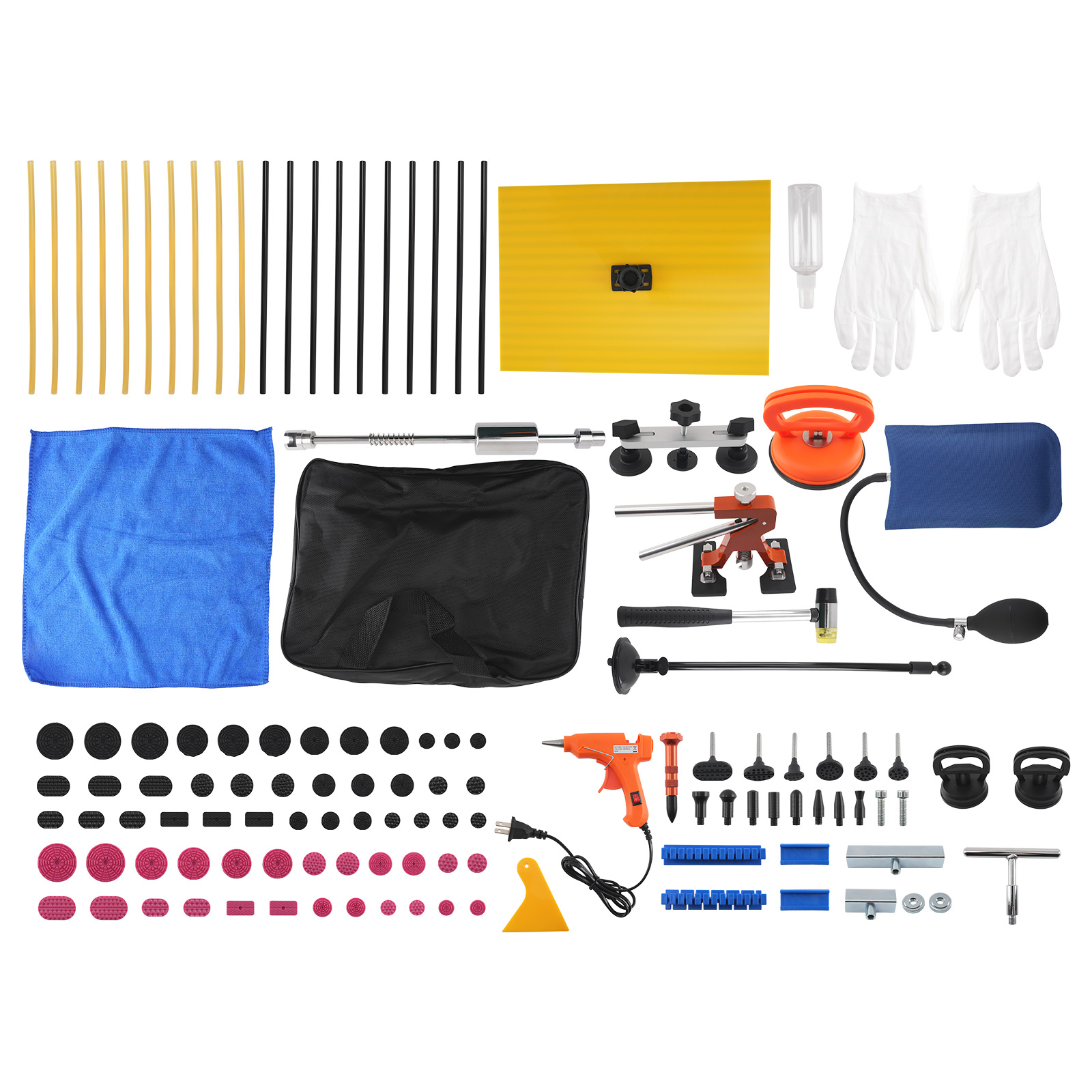 Car Body Dent Puller Bridge Lifter Tool Paintless Hail Remover Repair Kit US$106.99View on Mallflare
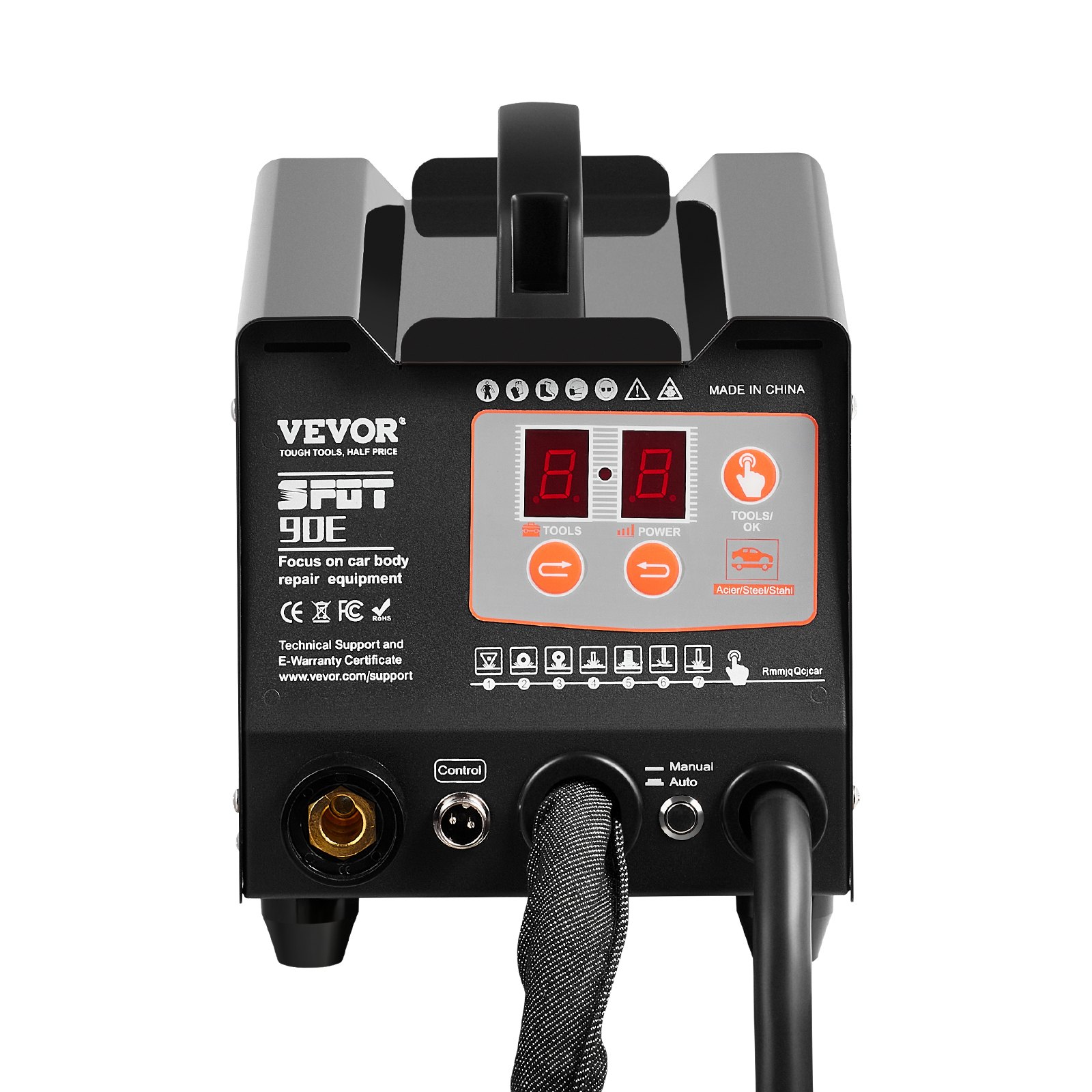
 Stud Welder Dent Repair Kit, 3KW Spot Puller With 6 Welding Modes, Auto Body Machine & 16 Types Of Accessories For Car,$203.99View on Mallflare
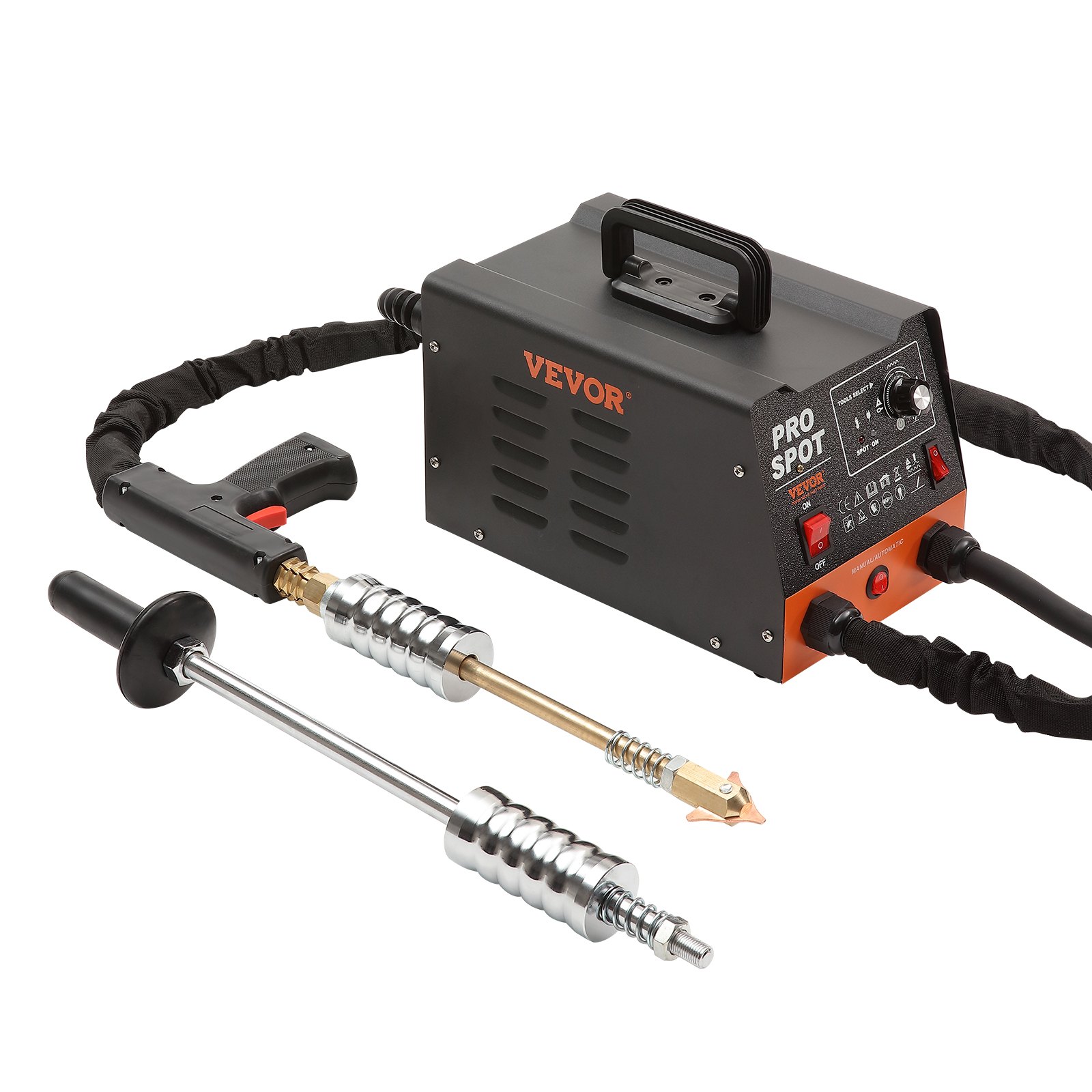
 Spot Welder Dent Puller, 3KW Stud Repair Kit With 2 Welding Guns, Auto/Manual & 7 Modes, 110V Auto Body Machine For Car, Truck$285.99View on Mallflare
Highlights
- Glue-tab PDR kits use hot-melt adhesive and plastic tabs; they are safe for factory paint but limited to dents with a soft crown and clear back access.
- Stud welder kits run 3 kW at 110 V with multiple welding modes; they weld a copper-coated stud to bare steel and pull with a slide hammer or bridge.
- Bridge-style pullers distribute force across a wide base for large, shallow dents; slide-hammer pullers deliver sharper impact for tight creases.
- PDR rods and curved crowbars reach behind panels through window gaps and wheel wells to push dents out from the backside.
Best use cases
- Buy a glue-tab PDR kit with a bridge and hot-glue gun for door dings, hail, and shallow round dents on original paint; skip stud welders here to avoid burning paint.
- Buy a 3 kW stud welder kit when the dent is a sharp crease, on a double-wall panel, or on a panel where glue tabs keep popping; it requires grinding to bare metal and repainting.
- Use PDR rods and a curved crowbar for dents behind a window or wheel-well opening; skip the bridge kit if you cannot reach the backside of the panel.
- Skip both for stretched or torn metal and for aluminum panels; those need body-shop panel replacement, not a puller kit.
Buying tips
- Match the kit type to dent depth: glue-tab PDR for dents under roughly a coin's depth with soft edges; stud welder for sharp creases and high-tension panels.
- Check stud welder input at 110 V and 3 kW; confirm the kit includes a slide hammer, a bridge, and at least 2 welding guns for reach and control.
- For glue-tab kits, confirm the tab set covers 10-30 mm diameters and the kit includes a glue gun and removal solvent; tabs are the consumable that limits you.
- For PDR rods, pick a set with at least 4-6 tip shapes and lengths from 300 mm to 600 mm; long rods reach through window gaps, short rods work in tight wheel wells.
Specs
| Kit Type | Glue-tab PDR vs Stud welder |
|---|---|
| Stud Welder Power | 3 kW / 110 V, multi-mode |
| Puller Style | Bridge vs slide hammer |
| Rod Reach | 300-600 mm, 4-6 tip shapes |
Related searches
What to check before buying
- Confirm the dent is on a steel or aluminum panel with factory paint and no cracking; cracked or repainted panels need a body shop, not PDR.
- Check you have backside access behind the panel through a window gap, wheel-well liner, or trim removal point for rod work.
- For a stud welder, confirm a 110 V grounded outlet near the car and that you can grind to bare metal and refinish the pulled area.
- Measure the dent diameter and depth before choosing tab sizes or stud puller strength; a dent wider than the bridge base needs a larger bridge or multiple pulls.
FAQ
Data sources: eBay / Amazon listings and product attribute feeds Data updated Nov 15, 2026.
Some links on this page are affiliate links. If you buy after clicking one, we may earn a commission at no extra cost to you. This does not change which products appear here or their order. Affiliate disclosure.