Photos from current listings. Actual item, color, and included accessories may vary.
Air Compressor Buying Guide
An air compressor converts electrical power into stored pneumatic energy, and the core trade-off is tank size and motor type versus portability and noise. Buyers must match CFM at working pressure to their tools, not just PSI or tank gallons. Durable options use oil-lubricated cast-iron pumps or high-efficiency oil-free designs with metal tanks; compromises use small plastic tanks and direct-drive motors that overheat under continuous load.

At a glance
- Category
- Garage & Shop Equipment
- Data updated
- Nov 15, 2026
Current offers
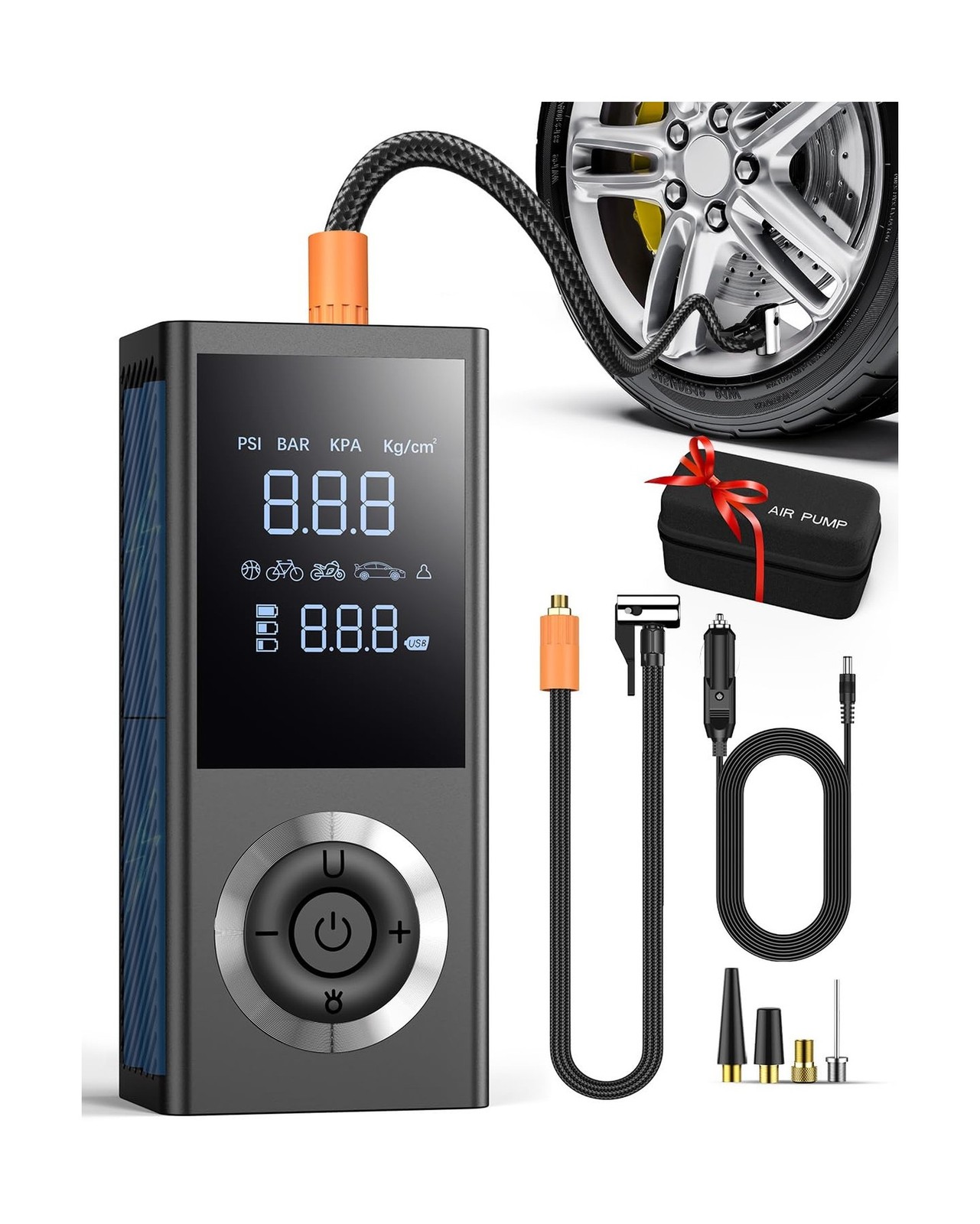 Tire Inflator Portable Air Compressor, 150 PSI Smart Air Pump for Car Tires w...$42.29
 View on eBay
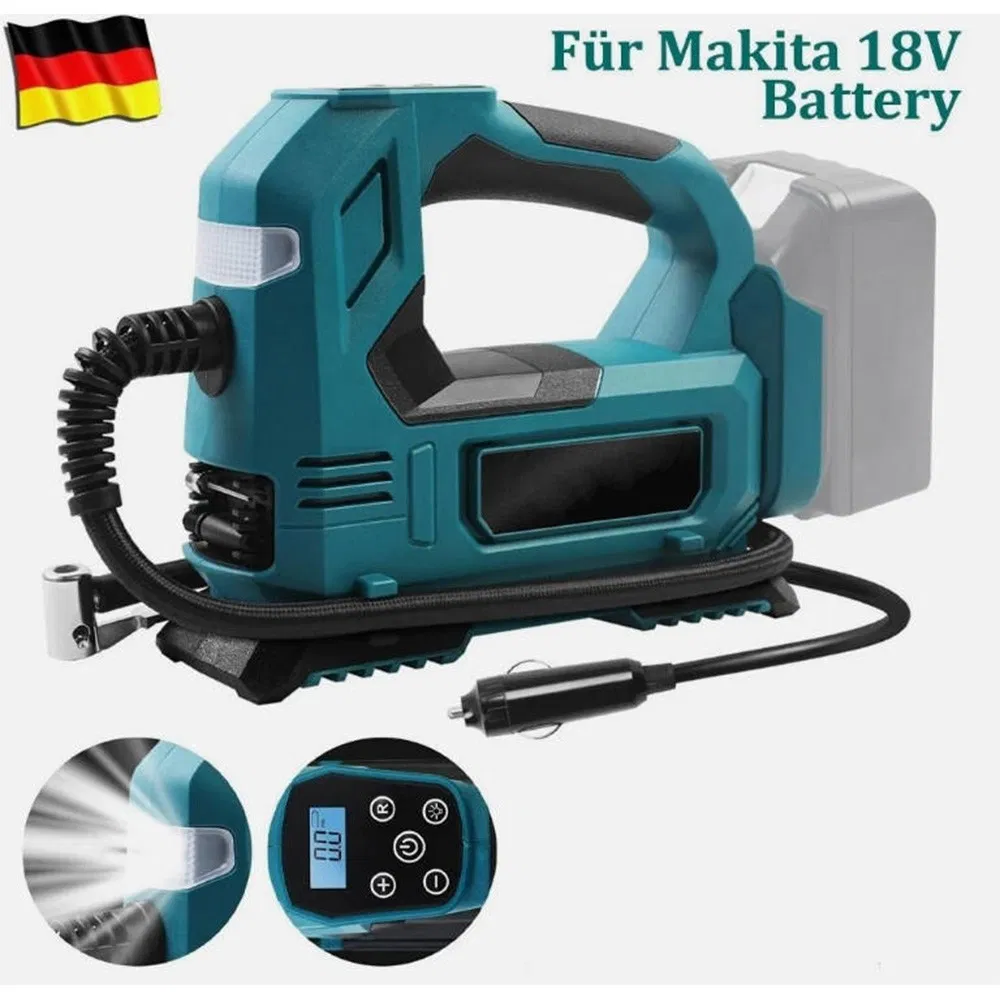 25-Cylinder Cordless Air Compressor Electric Tire Inflator, Compatible with Makita 18V Battery$55.99
 View on Mallflare
 Tire Inflator Portable Air Compressor, 150 PSI Air Pump for Car Tires, Bike T...$46.31View on eBay
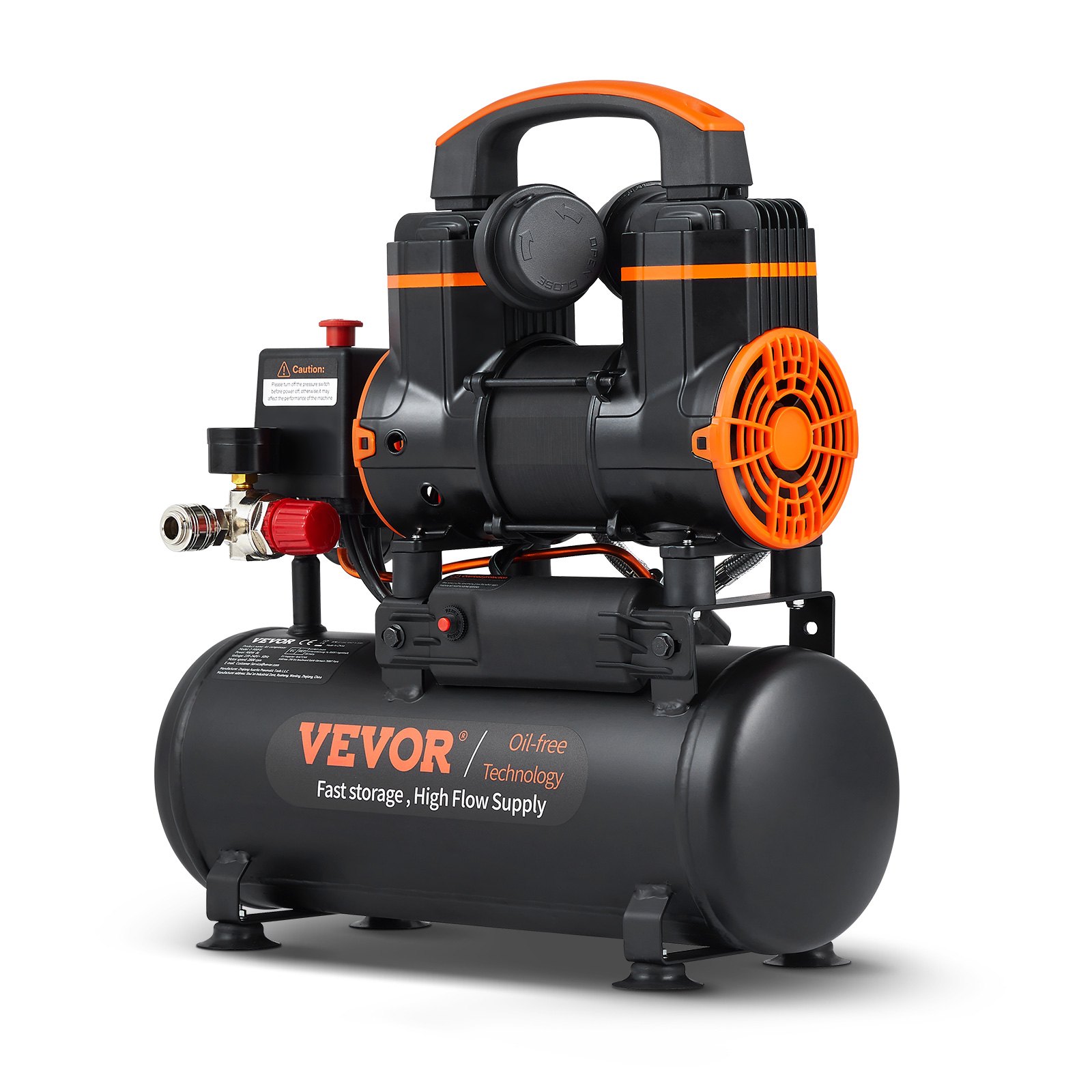 2.1 Gallon Air Compressor, 1.2HP 2.2 CFM@90PSI Air Compressors With Max. 116PSI Pressure, Oil Free Tank For Auto Repair,$148.99View on Mallflare
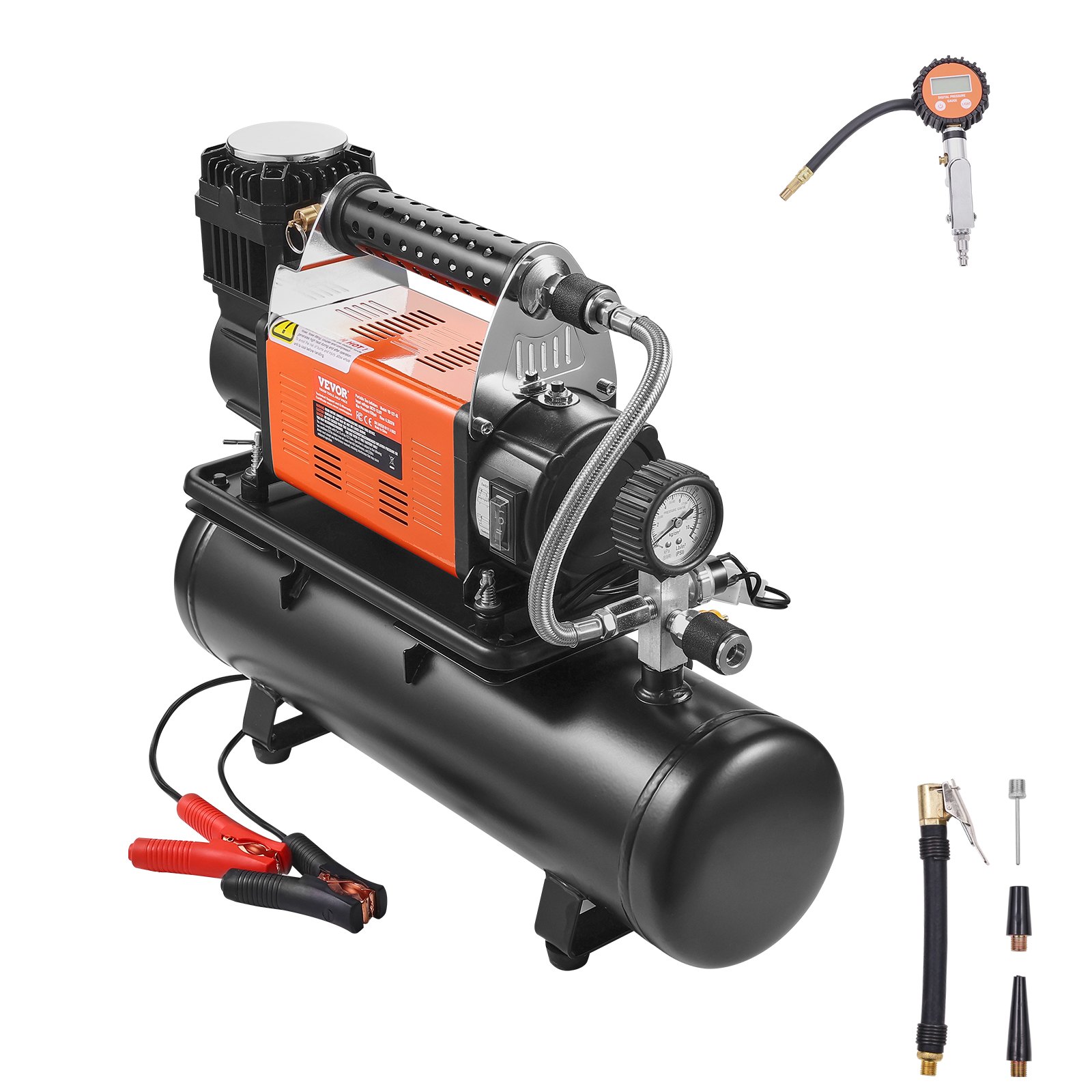 Heavy Duty Air Compressor & 6L Tank 6.35CFM Portable Tire Inflator 150PSI$195.99View on Mallflare
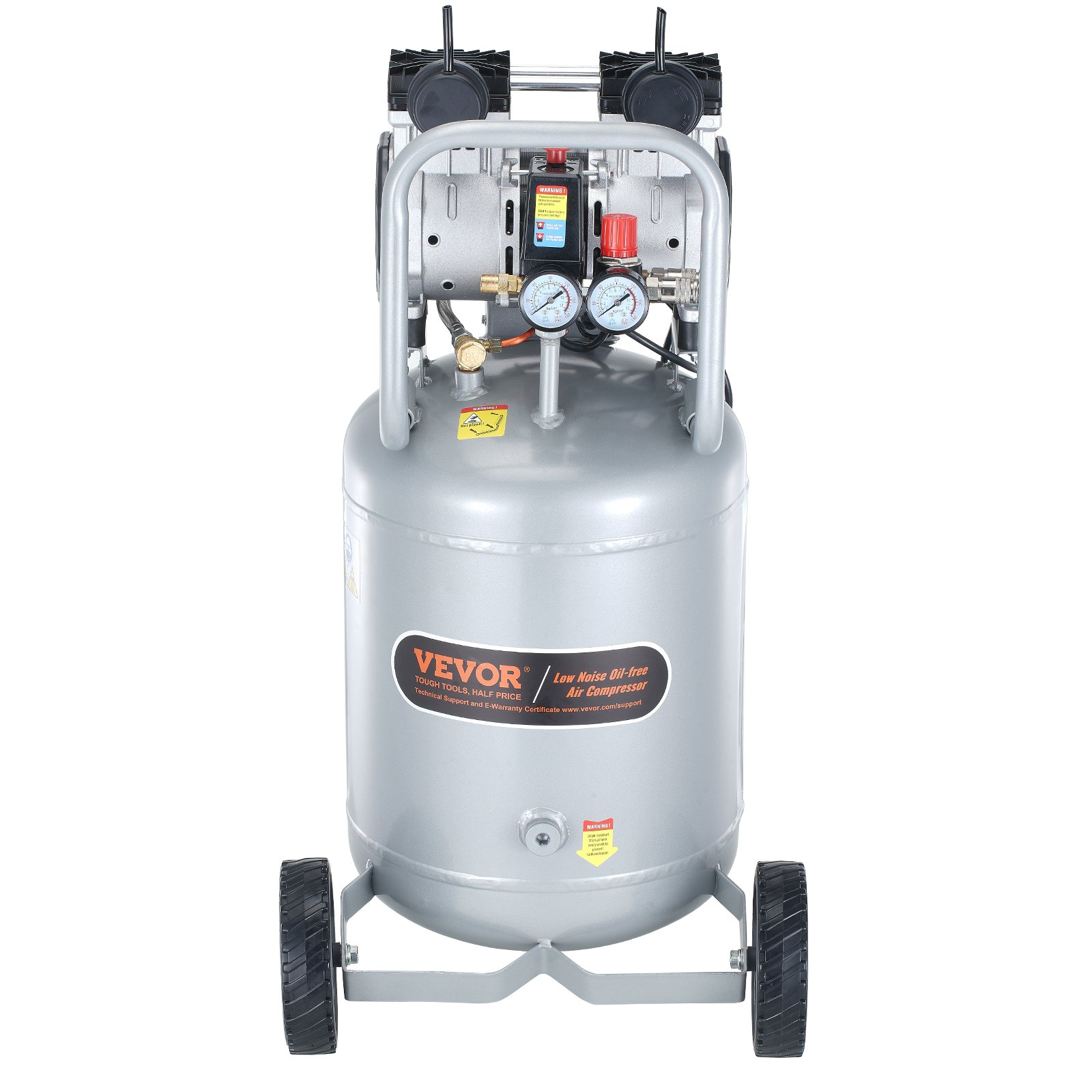 13 Gallon Air Compressor, 2HP 4.6 SCFM@90PSI Oil Free Air Tank, 66dB Ultra-Quiet For Tire Inflation, Auto Repair,$262.99View on Mallflare
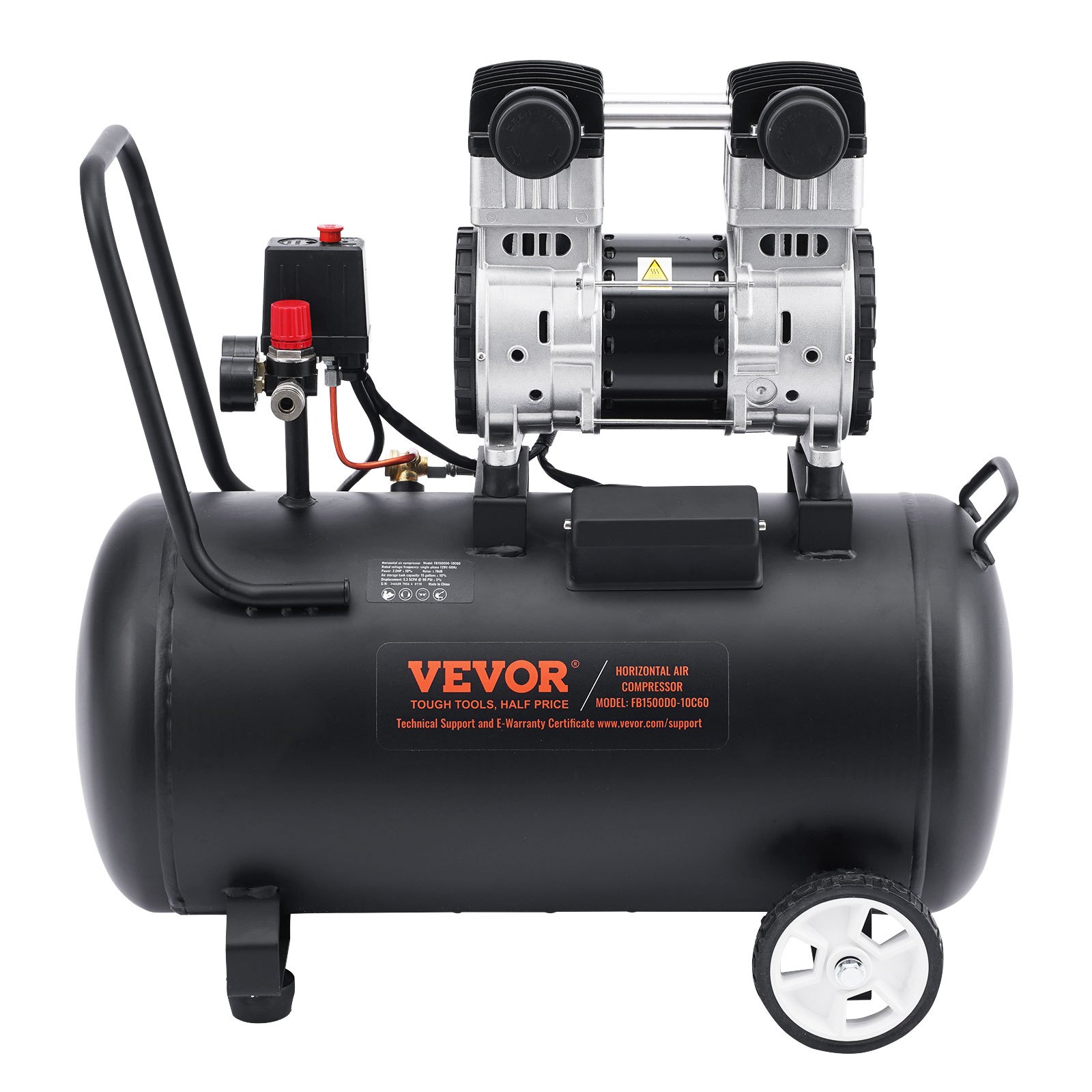 Air Compressor, 15 Gallon Steel Tank, 2HP 5.3 CFM@90 PSI Oil Free Air & Max. 125PSI Pressure, 78dB Ultra Quiet Portable$309.99View on Mallflare
Highlights
- CFM at 90 PSI is the decisive metric: impact wrenches need 4–6 CFM, HVLP guns 10–13 CFM, and tire inflators under 1 CFM.
- Oil-free motors are maintenance-free but louder (78–90 dB) and shorter-lived; oil-lubricated cast-iron pumps run cooler and quieter (70–80 dB) but require oil changes.
- Tank size sets reserve: 2–6 gallons suits inflators and brad nailers; 10–20 gallons supports ratchets, grinders, and spray guns with recovery time.
- Portable 12V and cordless inflators (150 PSI class) are emergency tire tools only—they cannot sustain air tools or continuous duty.
Best use cases
- Best fit for tire inflation and light brad nailing: a 2–6 gallon oil-free compressor with 2–4 CFM at 90 PSI and 116–150 PSI max—skip 20-gallon tanks for this.
- Best fit for impact wrenches, ratchets, and die grinders: a 10–20 gallon oil-lubricated or high-CFM oil-free unit delivering 5+ CFM at 90 PSI—skip 1–2 gallon pancake models.
- Best fit for HVLP spray guns and sandblasting: a 20+ gallon two-stage or high-CFM compressor with 10+ CFM at 90 PSI and a dryer—skip any portable inflator.
- Wrong fit for garage air tools: cordless 18V battery inflators and 12V tire pumps—these are for emergency tire top-offs only, not sustained tool use.
Buying tips
- Match CFM at 90 PSI to your highest-demand tool plus 30% headroom; a 4.6 SCFM unit cannot run a 6 CFM grinder continuously.
- Choose tank size by duty cycle: 2–6 gallons for inflators/nailers, 10–20 gallons for impact/ratchet work, 20+ for spray and sanding.
- Prefer oil-lubricated cast-iron pumps for quiet continuous duty; choose oil-free only for occasional use or where maintenance is unwanted.
- Check motor HP against circuit: 2 HP typically needs a dedicated 15A/120V circuit; larger units may require 240V—confirm your garage outlet.
Specs
| Motor Type | Oil-free vs oil-lubricated cast iron |
|---|---|
| CFM at 90 PSI | 2–13+ CFM (tool-dependent) |
| Tank Capacity | 2–25 gal (pancake to vertical) |
| Power Supply | 120V 15A or 240V 20A+ |
Related searches
What to check before buying
- Measure garage floor space and door width: 15–20 gallon vertical units need roughly 20x20 inches and 40+ inches height.
- Confirm electrical: 120V 15A for 1–2 HP; 240V 20A+ for 3 HP and above; avoid sharing circuits with welders or heaters.
- Verify tool couplers and hose: 1/4-inch NPT is standard; 3/8-inch hose for high-flow tools, 1/4-inch for inflators.
- Plan drainage and ventilation: oil-free units need clearance for cooling; install a moisture trap and drain valve access.
FAQ
Data sources: eBay / Amazon listings and product attribute feeds Data updated Nov 15, 2026.
Some links on this page are affiliate links. If you buy after clicking one, we may earn a commission at no extra cost to you. This does not change which products appear here or their order. Affiliate disclosure.