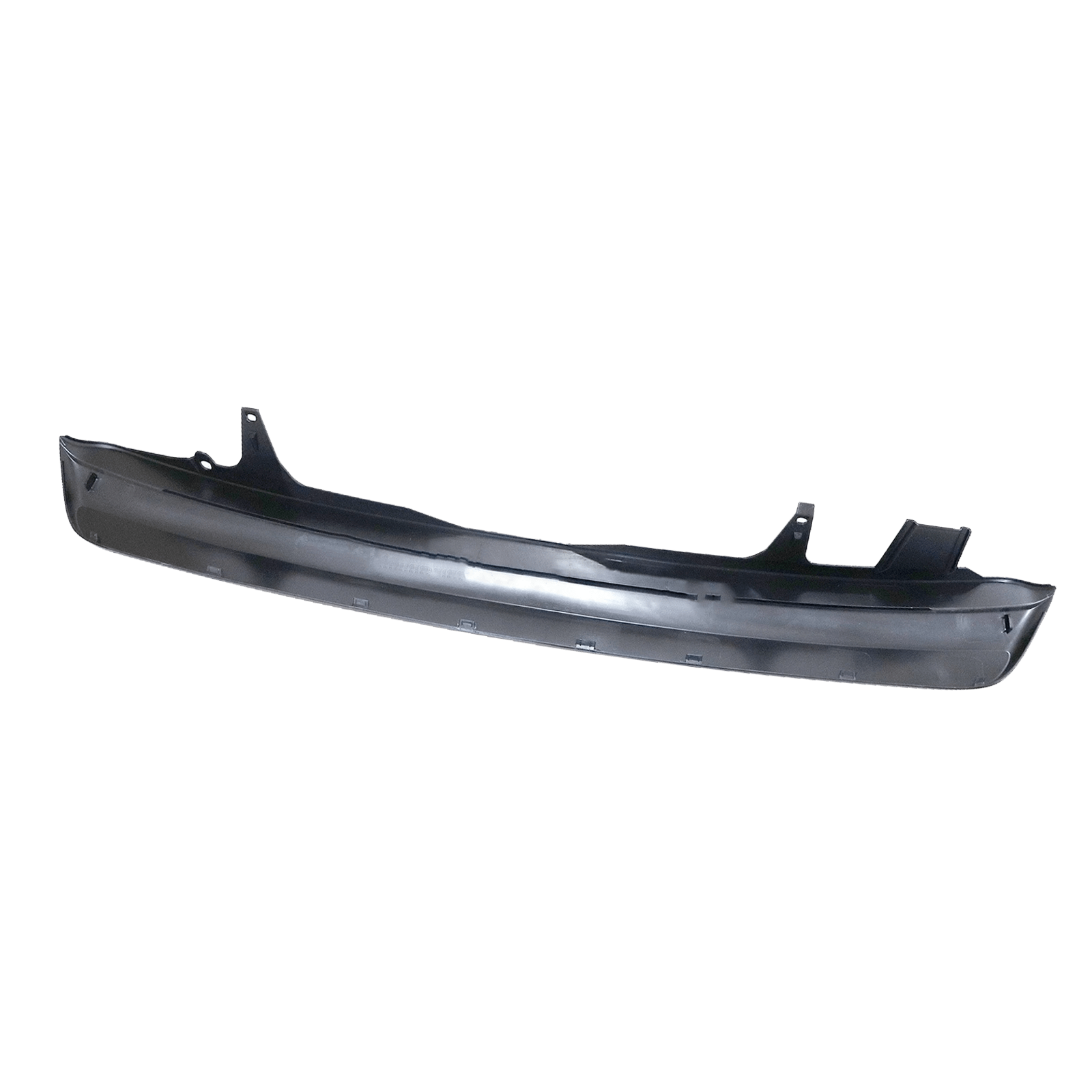

Photos from current listings. Actual item, color, and included accessories may vary.
Toyota Highlander Bumper Buying Guide
A Toyota Highlander bumper is a structural and cosmetic body panel that must match the exact model year, trim, and wheelbase generation for a seamless fit. The primary trade-off is between OEM-style metal-reinforced or plastic covers and inexpensive universal or wrong-generation covers that misalign with sensors and mounting points. The decision rule: buy only a bumper explicitly indexed to your Highlander's generation and trim code, and skip any cover that is not pre-cut for fog lights, parking sensors, and tow-hook access.


At a glance
- Category
- Body, Interior & Hardware Parts
- Data updated
- Nov 16, 2026
Current offers
Highlights
- Generation split: 2001–2007 (first-gen), 2008–2013 (second-gen), 2014–2019 (third-gen), 2020+ (fourth-gen) each have distinct bumper mounting, sensor, and grille geometry.
- Second-gen Highlander (2008–2013) rear lower covers differ between base, SE, and Limited trims due to exhaust cutout and tow-hitch clearance.
- OEM bumpers use metal-reinforced plastic or steel inner beams; aftermarket covers are usually ABS plastic and lack the internal energy-absorber structure.
- Pre-cut sensor holes and fog-light apertures are generation-specific; a cover without them requires drilling that compromises corrosion resistance.
Best use cases
- Best fit: a 2011–2013 Highlander owner replacing a cracked rear lower cover should buy a TO1115102-indexed ABS cover pre-cut for parking sensors and exhaust clearance.
- Wrong fit: a 2014–2019 Highlander owner should skip any 2008–2013 cover — the mounting tabs and sensor positions are physically incompatible.
- Best fit: off-road or heavy-tow users should choose a steel or aluminum reinforced bumper with integrated recovery points rather than a cosmetic plastic cover.
- Wrong fit: a buyer wanting a direct OEM replacement should skip universal trim-to-fit covers that require cutting and painting to match body lines.
Buying tips
- Match the Toyota part-number prefix (e.g., TO1115102 for 2011–2013 rear lower) to your year, trim, and body style before ordering any cover.
- Measure the distance between mounting tabs and compare to the listing's bolt-hole diagram; a variance over 5 mm will cause panel gaps.
- Choose ABS or polypropylene covers for daily driving; choose steel or aluminum only if you need winch or recovery-point mounting.
- Confirm the cover includes or reuses the OEM energy absorber, fog-light brackets, and sensor retainers — missing hardware adds hidden cost.
Specs
| Generation Fit | 2001–2007 / 2008–2013 / 2014–2019 / 2020+ |
|---|---|
| Material Grade | ABS plastic vs steel-reinforced |
| Sensor Compatibility | Pre-cut vs no cutouts |
| Trim Match | Base / SE / Limited / Hybrid |
Related searches
What to check before buying
- Verify your Highlander's generation by VIN or door-jamb sticker (2008–2013 vs 2014–2019) before selecting a bumper cover.
- Measure the gap between the bumper and fender at three points to ensure the replacement cover's tab spacing matches within 5 mm.
- Check whether your trim has parking sensors, fog lights, or a tow hitch — the cover must have pre-cut apertures for each.
- Confirm the cover is shipped with or accepts the OEM absorber bar, grille inserts, and mounting clips for your specific year.
FAQ
Data sources: eBay / Amazon listings and product attribute feeds Data updated Nov 16, 2026.
Some links on this page are affiliate links. If you buy after clicking one, we may earn a commission at no extra cost to you. This does not change which products appear here or their order. Affiliate disclosure.