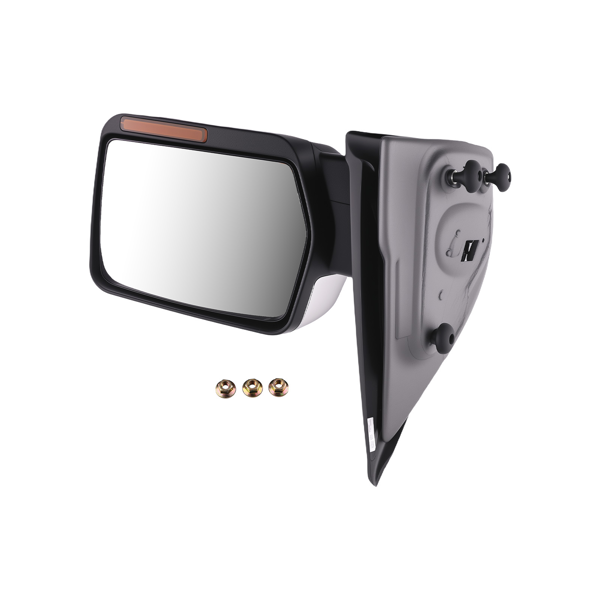

Photos from current listings. Actual item, color, and included accessories may vary.
Side Rear View Mirror Buying Guide
A side rear view mirror is a safety-critical exterior component that combines a reflective glass element, an adjustable housing, and often power/heated functions. The primary trade-off is between universal-fit aftermarket mirrors (cheap, but often vibration-prone and lacking proper detents) and vehicle-specific OEM-replacement assemblies (correct glass curvature, sealed motors, and factory connector pins). The decision rule: match the mirror to your vehicle's exact year, cab style, and connector type—never buy a 'fits most' universal mirror for a daily driver.


At a glance
- Category
- Body, Interior & Hardware Parts
- Data updated
- Nov 16, 2026
Current offers
Highlights
- OEM-replacement mirrors use sealed worm-gear power-fold motors rated for 50k+ cycles; universal mirrors use exposed plastic gears that strip within months.
- Heated mirrors draw 2-4 amps via two dedicated pins; vehicles without factory heat wiring need a relay harness, not a jumper wire.
- Glass curvature differs: convex (passenger side, wider field, 'objects in mirror are closer') vs flat (driver side, true distance) — swapping them is illegal in many states.
- Towing mirrors extend 4-6 inches and use dual-glass setups; standard mirrors cannot be extended safely without replacement arms.
Best use cases
- Best fit: direct OEM-replacement mirror for a specific year/make/model/cab (e.g., 2004-2014 F150 with power/puddle/heated) — plug-and-play with factory harness.
- Wrong fit: universal strap-on or adhesive mirror for a daily driver — vibration blurs the image and the strap scratches paint; use only as temporary emergency repair.
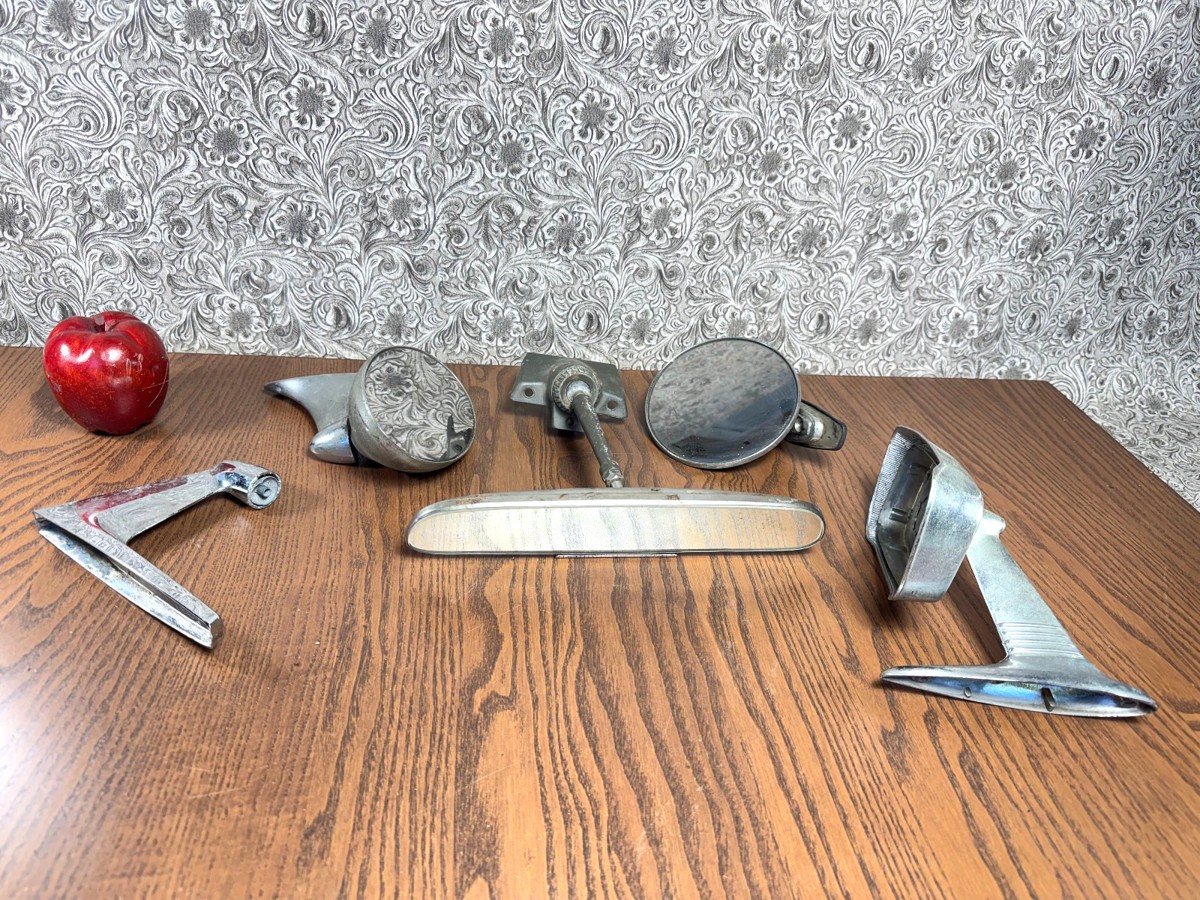
- Best fit: vintage/rat-rod build needing period-correct chrome or peep mirrors — buy by stem length and glass diameter, not vehicle fitment.
- Wrong fit: buying a pair when only one side is broken — left and right mirrors have different glass curvature and housing angles; order the correct side.
Buying tips
- Measure your existing mirror's glass width and housing depth; aftermarket 'universal' mirrors rarely match the factory footprint, leaving gaps or blocked defroster vents.
- Confirm connector pin count (3-pin = power + ground; 5-pin = power, ground, heat, turn signal, puddle light; 7-pin = adds fold) before ordering any powered mirror.
- For heated mirrors, verify the vehicle has a rear-defrost button that also activates mirror heat; otherwise the mirror's heating element will never receive power.
- Match cab style exactly (Regular, Extended, Crew) on trucks — mirror arms and door mounting plates differ by cab even within the same model year.
Specs
| Glass Type | Flat (driver) / Convex (passenger) |
|---|---|
| Adjustment | Manual / Power (3-7 pin) |
| Heat Function | Yes (2-4A) / No |
| Fold Type | Manual / Power-fold / Tow-extend |
Related searches
What to check before buying
- Measure door mounting footprint (bolt hole spacing and arm length) and compare to the replacement's base plate dimensions before purchase.
- Verify your vehicle's mirror connector: count pins on the factory harness plug and confirm color-coding matches the replacement's pigtail.
- Check state law for mirror glass type: driver side must be flat; passenger side may be convex — never install convex glass on the driver side.
- For towing, confirm the mirror's extended width stays within legal vehicle width limits (typically 102 inches total) and that the arm clears the window glass when folded.
FAQ
Data sources: eBay / Amazon listings and product attribute feeds Data updated Nov 16, 2026.
Some links on this page are affiliate links. If you buy after clicking one, we may earn a commission at no extra cost to you. This does not change which products appear here or their order. Affiliate disclosure.