Photos from current listings. Actual item, color, and included accessories may vary.
Lift Support Buying Guide
Lift supports (gas struts) are pressurized cylinders that hold hoods, hatchbacks, tailgates, and trunk lids open safely. The key trade-off is force rating versus length and end-fitting compatibility: an over-force strut can bend mounting points while an under-force unit sags under load. Choose a strut whose extended length, compressed length, and ball-socket or eyelet ends match your vehicle's original mounting geometry, and always replace in pairs to avoid uneven loading.

At a glance
- Category
- Body, Interior & Hardware Parts
- Data updated
- Nov 16, 2026
Current offers
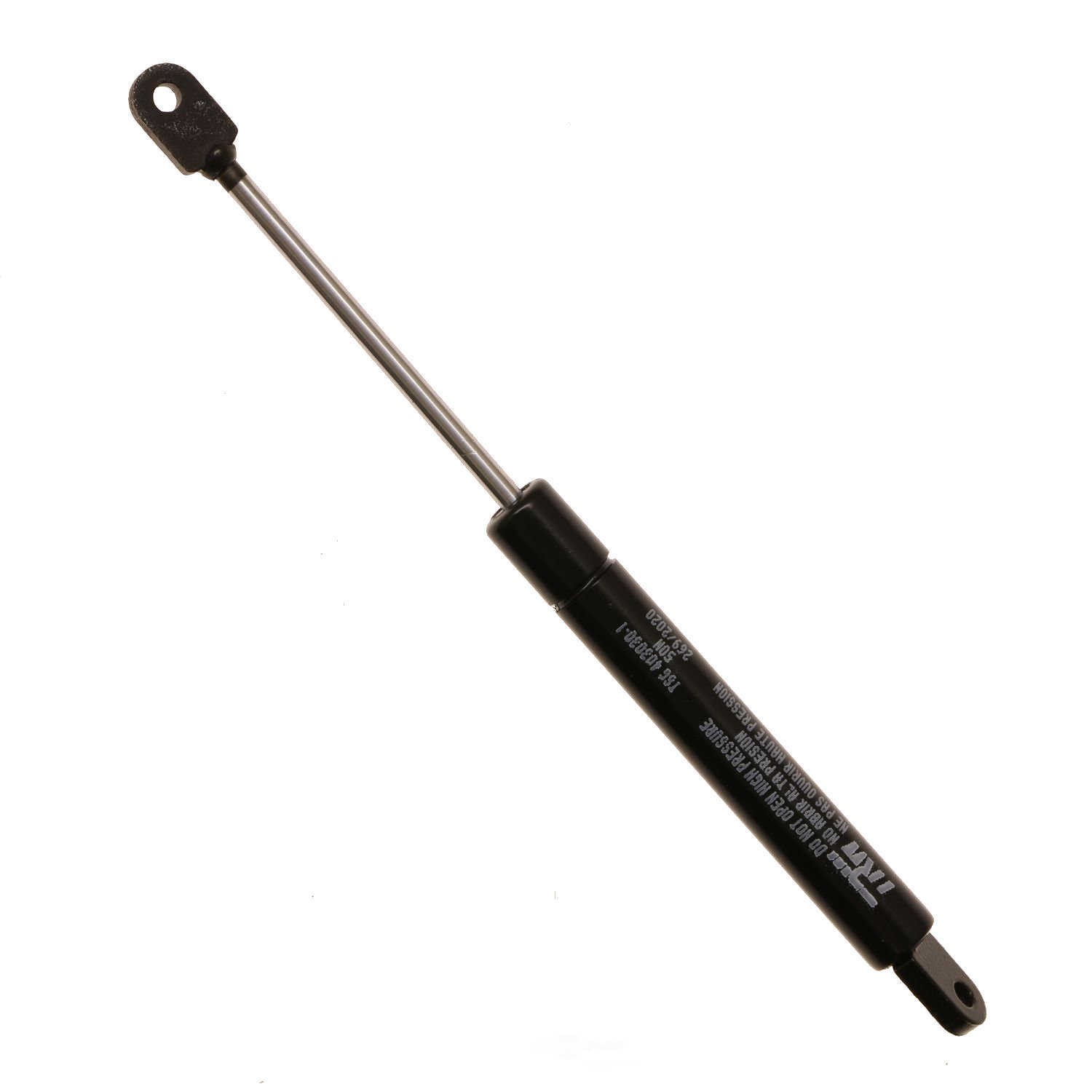 Interior Storage Compartment Lid Lift Support TRW TSG403030$54.99
 View on eBay
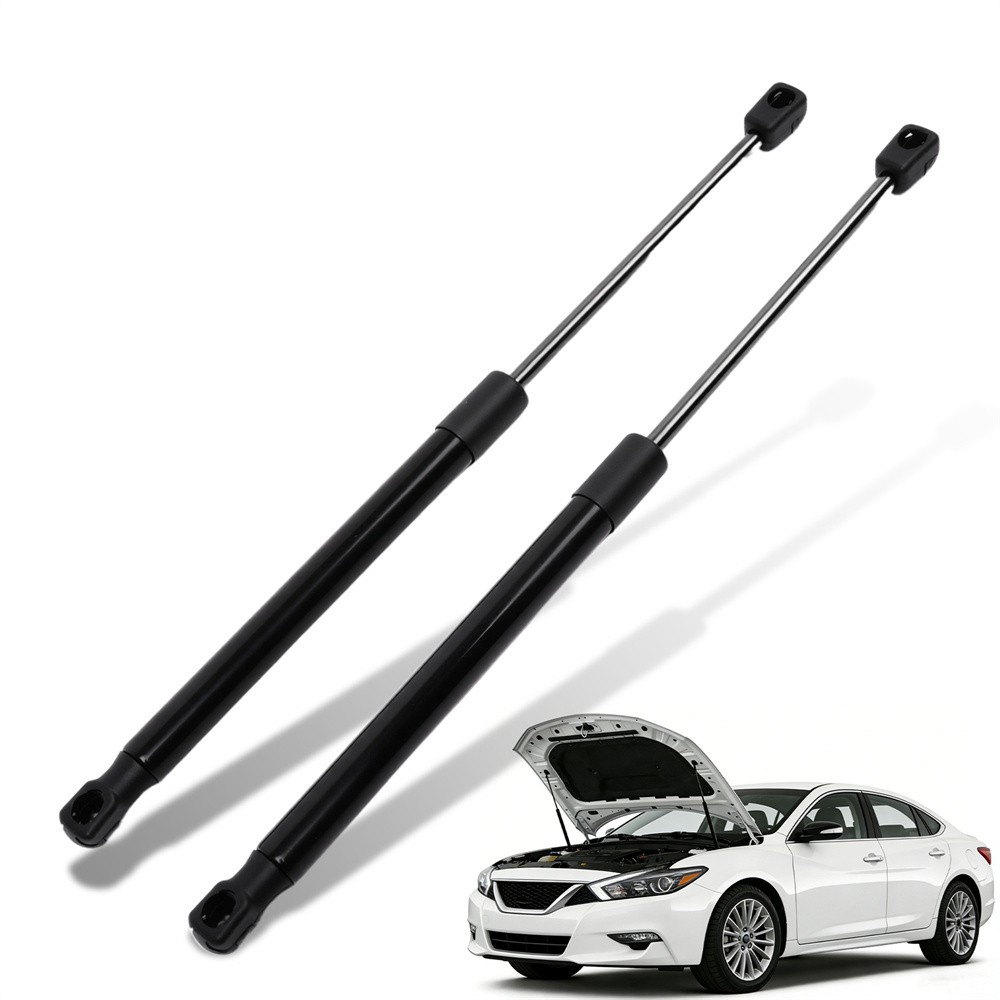 Pair Of 2 Front Hood Lift Support For 2009-2014 -Nissan Maxima 6478$33.99
 View on Mallflare
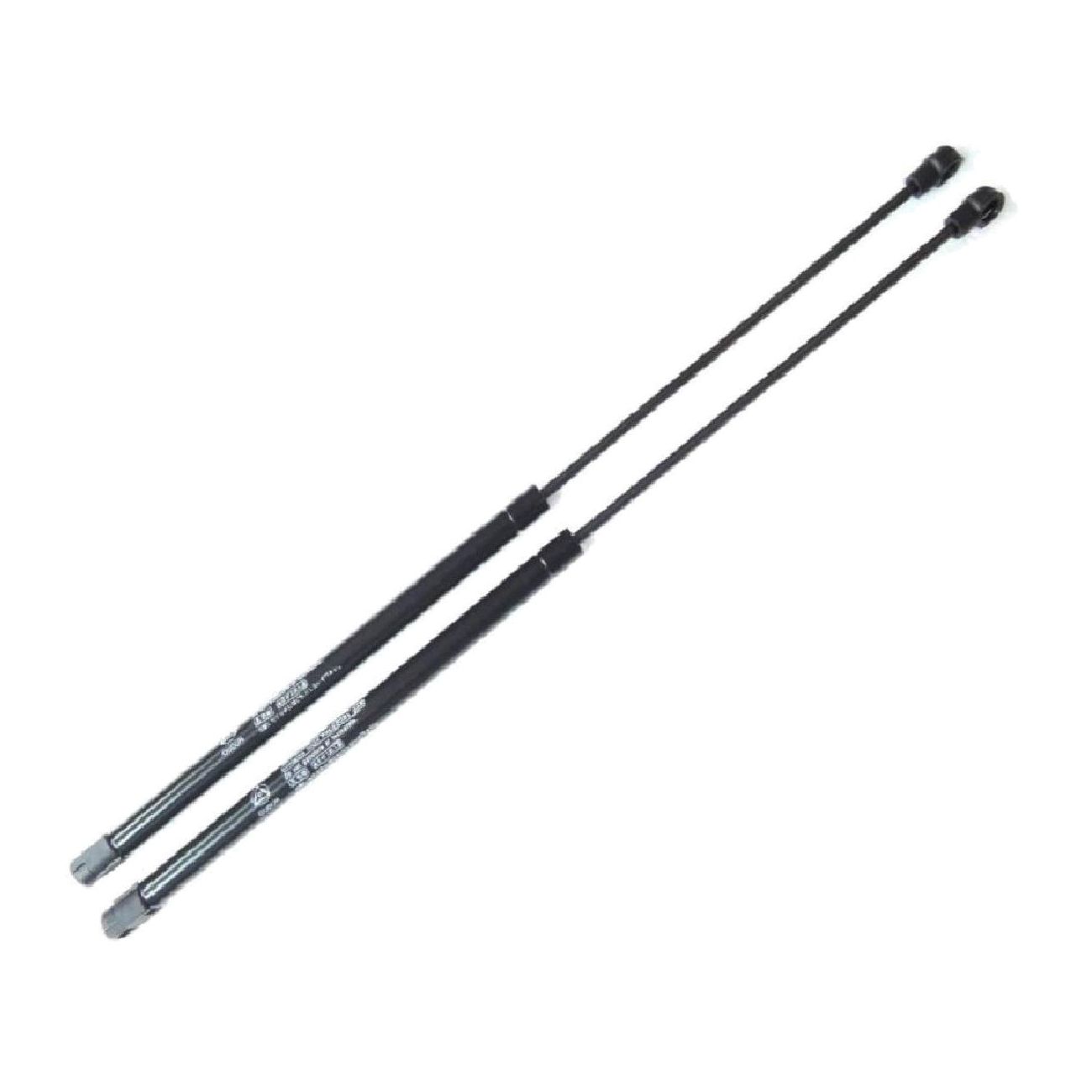 Pair L-R Rear Window Glass For 99-04 J Eep Grand Cherokee Gas Lift Support Strut$33.99View on Mallflare
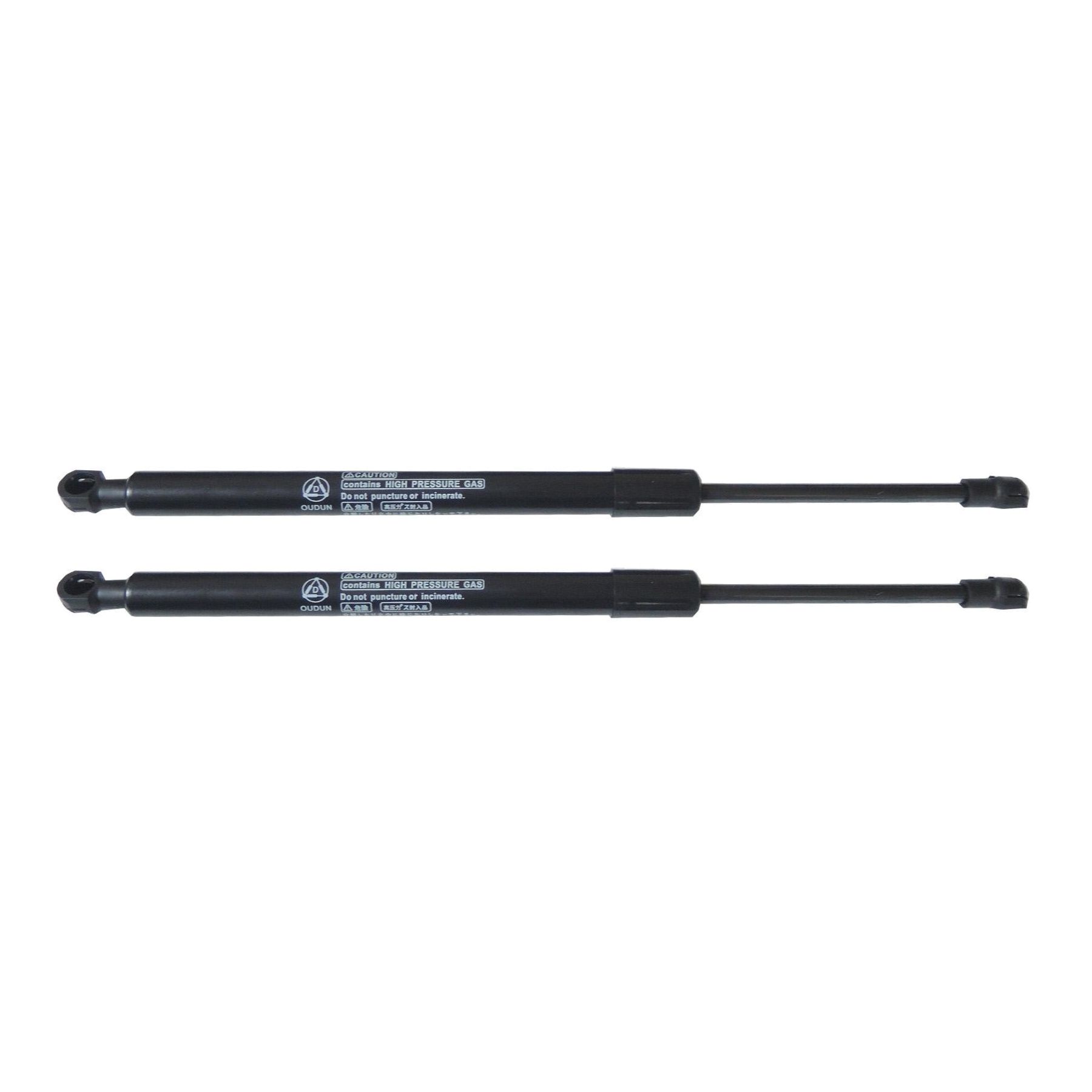 2pcs Rear Trunk Lid Gas Lift Supports Strut Shocks Fit 06-11 BMW E90 M3 Sedan$35.99View on Mallflare
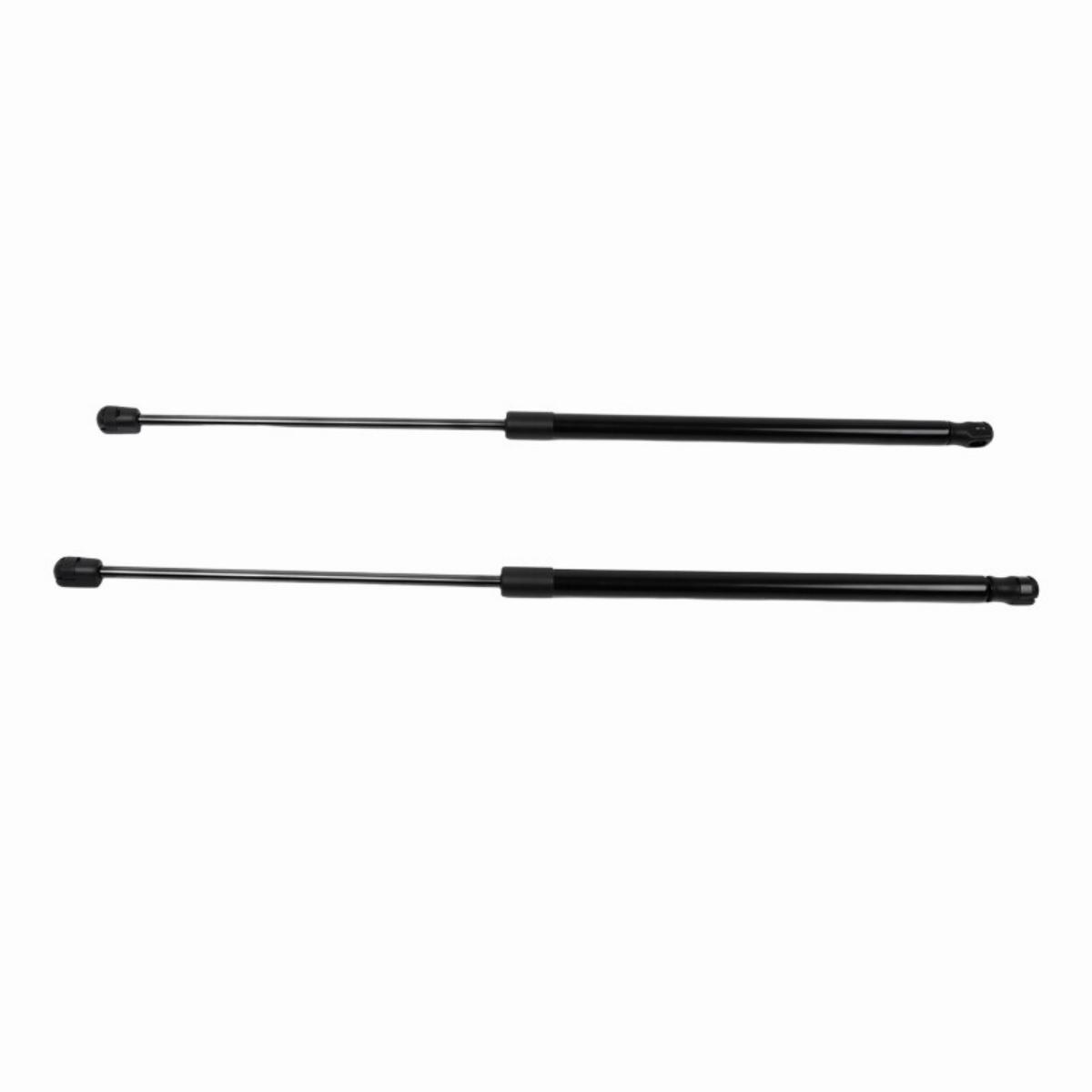 2Pcs Rear Hatch Lift Supports Shocks Struts 4325 For -Volkswagen Beetle 1998-2010$35.99View on Mallflare
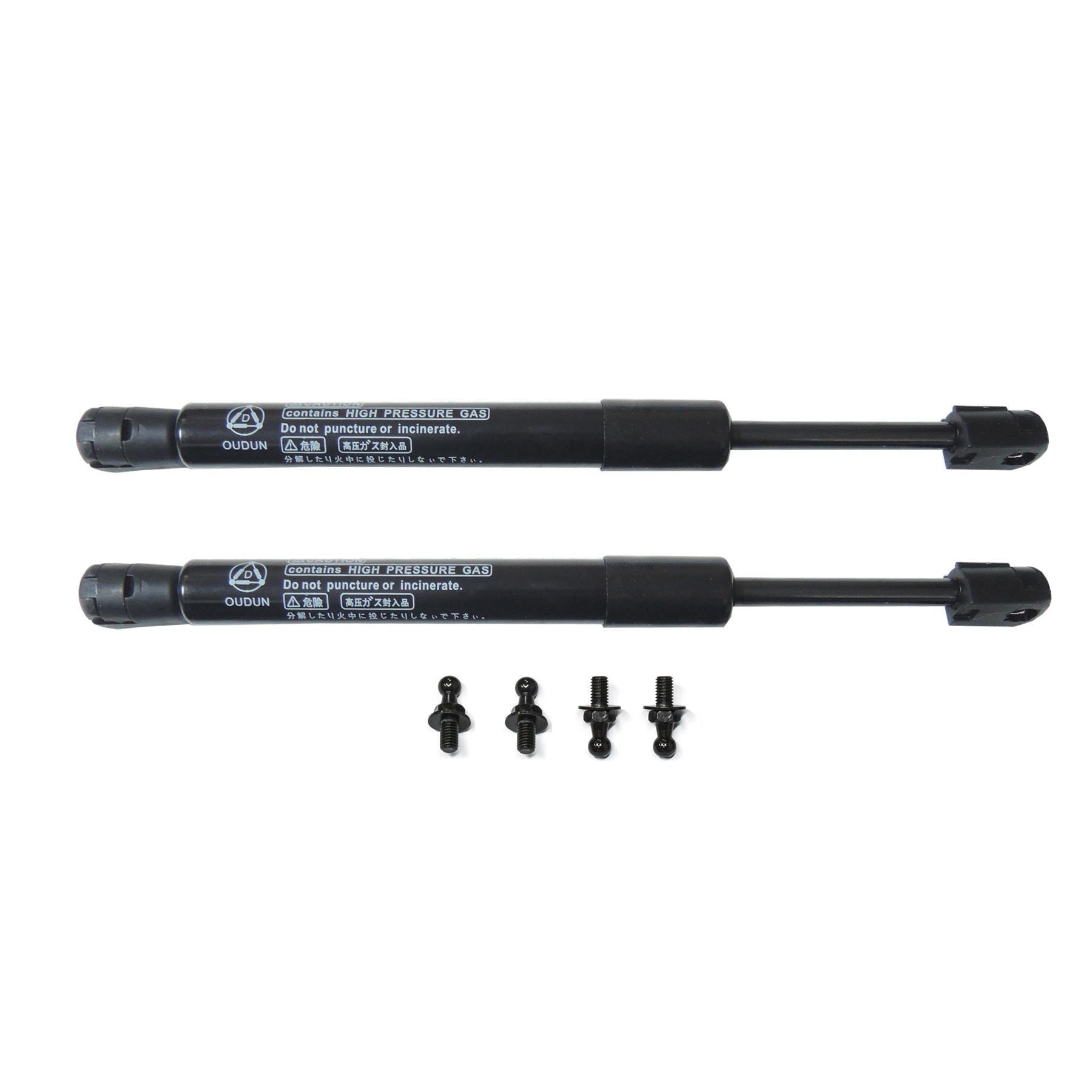 2pcs Front Hood Bonnet Gas Lift Supports Strut Shocks Fit Explorer Mountaineer$36.99View on Mallflare
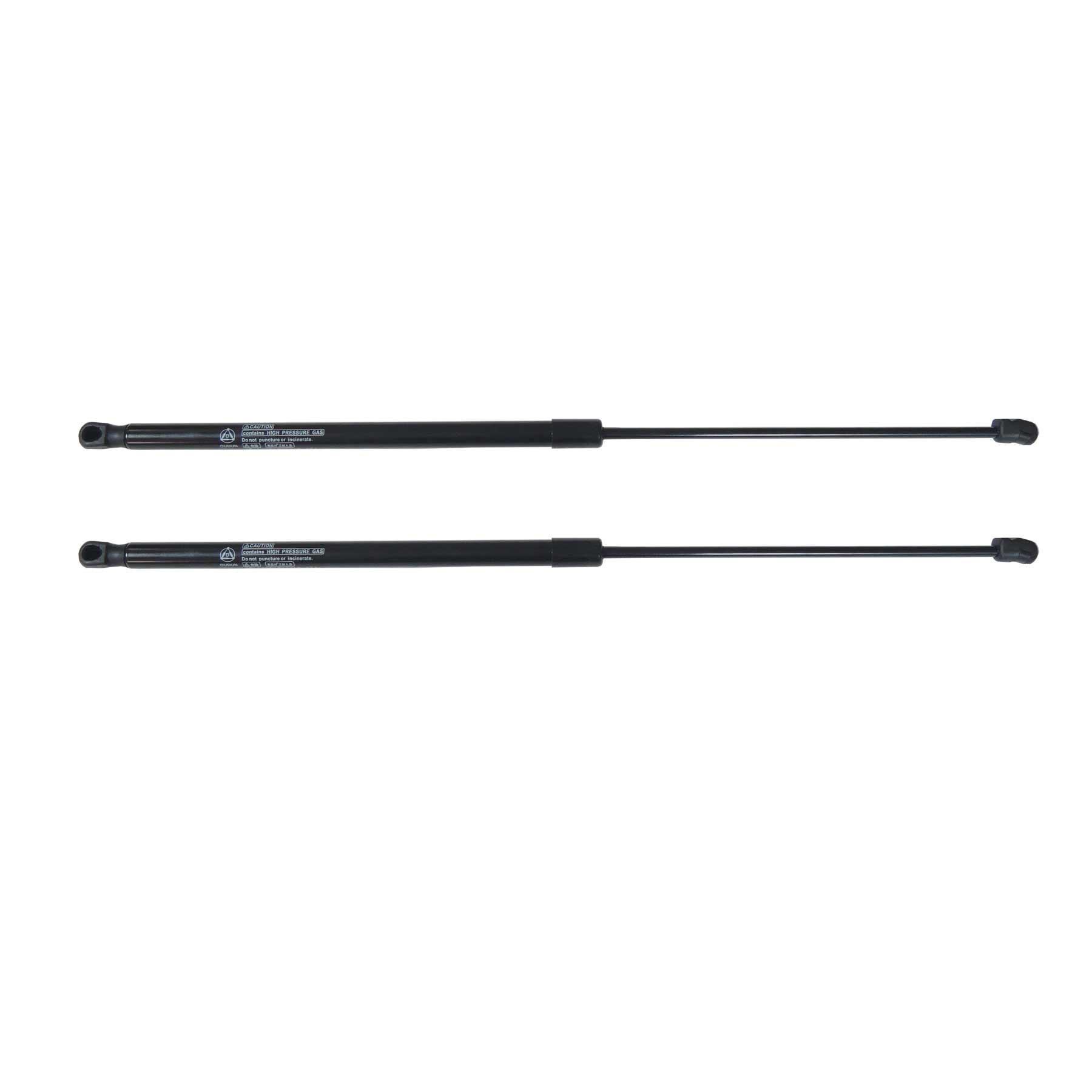 2pcs Front Hood Bonnet Gas Lift Support Strut Shock Fit 03-08 Infiniti FX35 FX45$39.99View on Mallflare
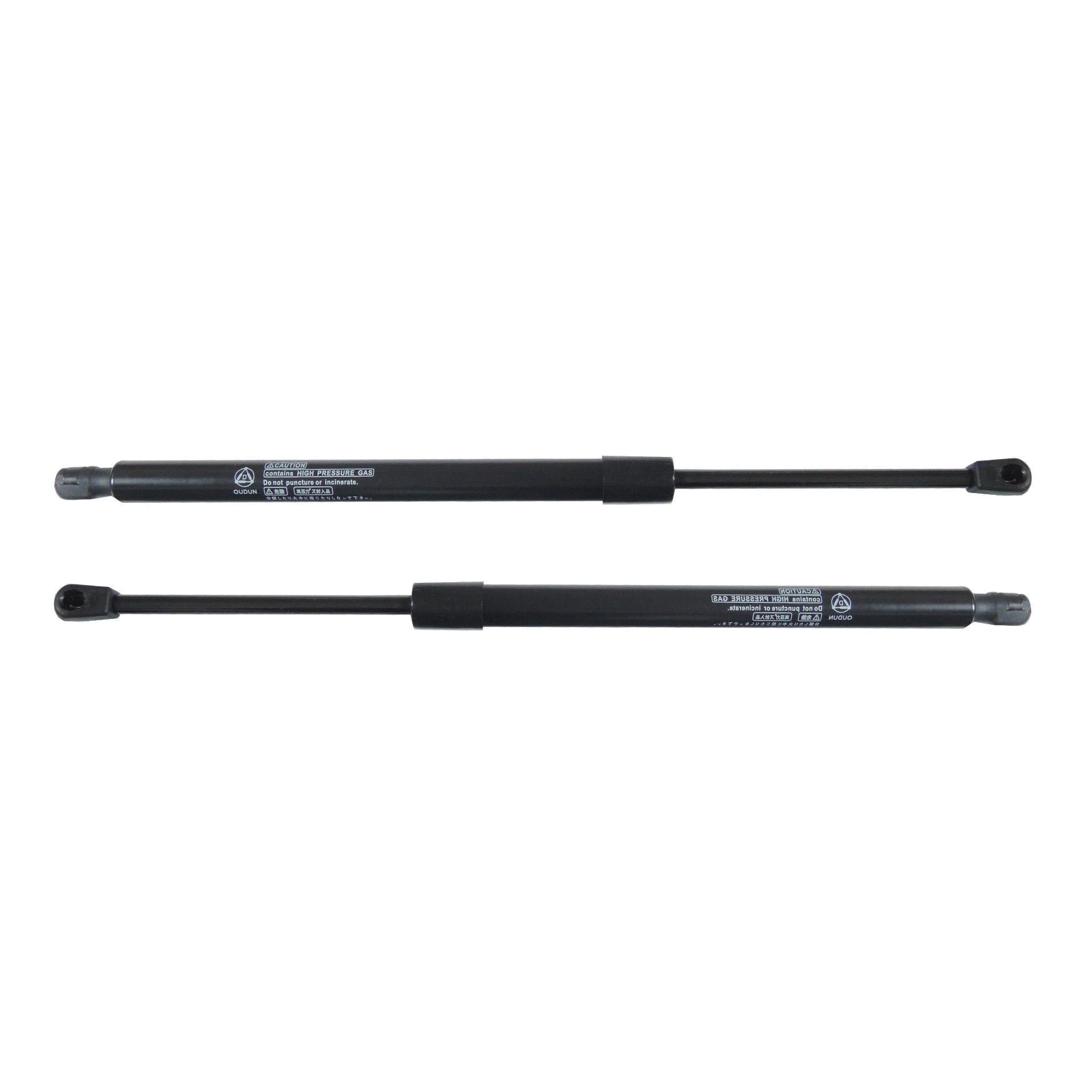 2pcs Rear Liftgate Hatch Gas Lift Supports Strut Shocks Fit 03-14 Volvo XC90$39.99View on Mallflare
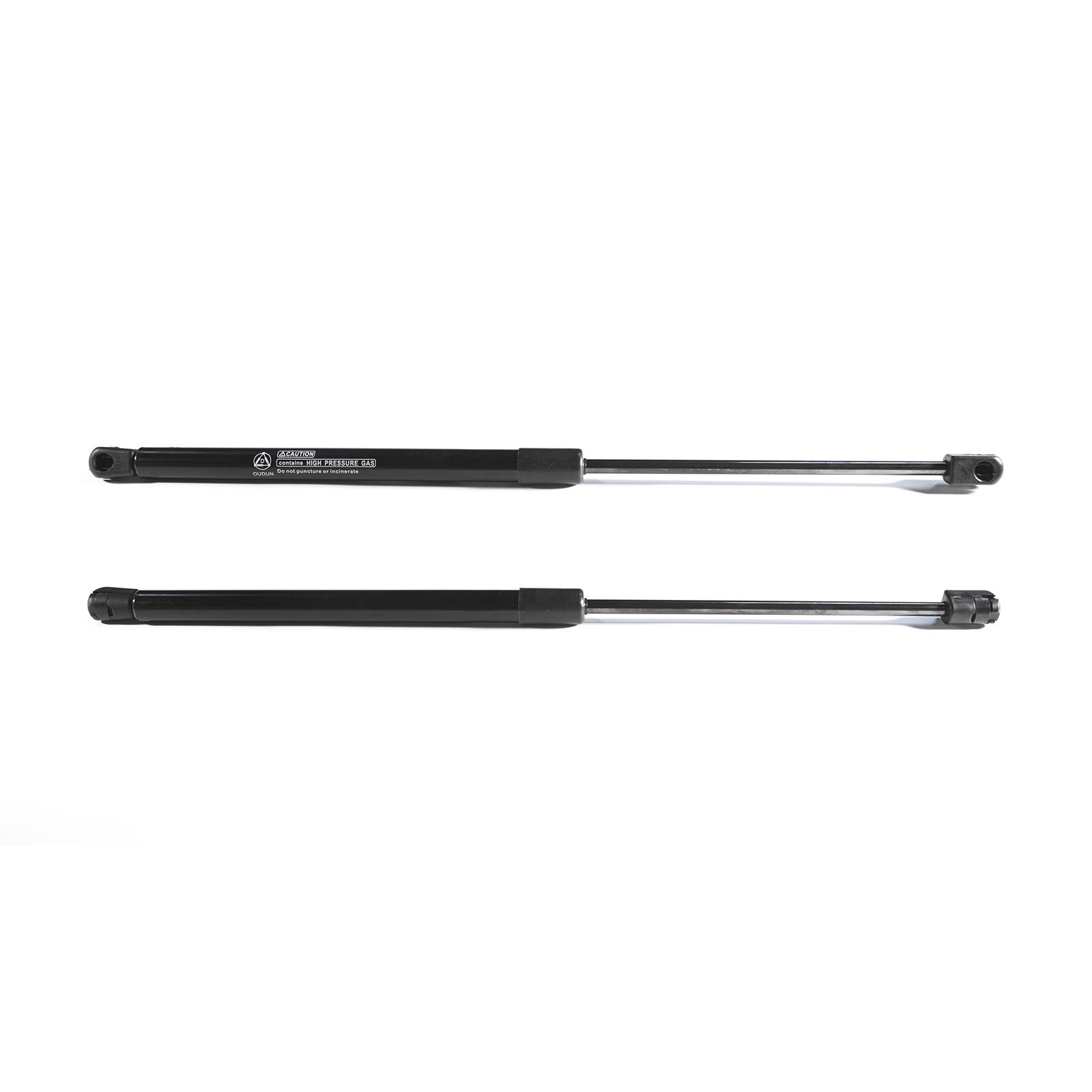 2 Front Hood Lift Support Struts Shock Rod Arms Gas Spring Fit 02-09 Ram OD$41.99View on Mallflare
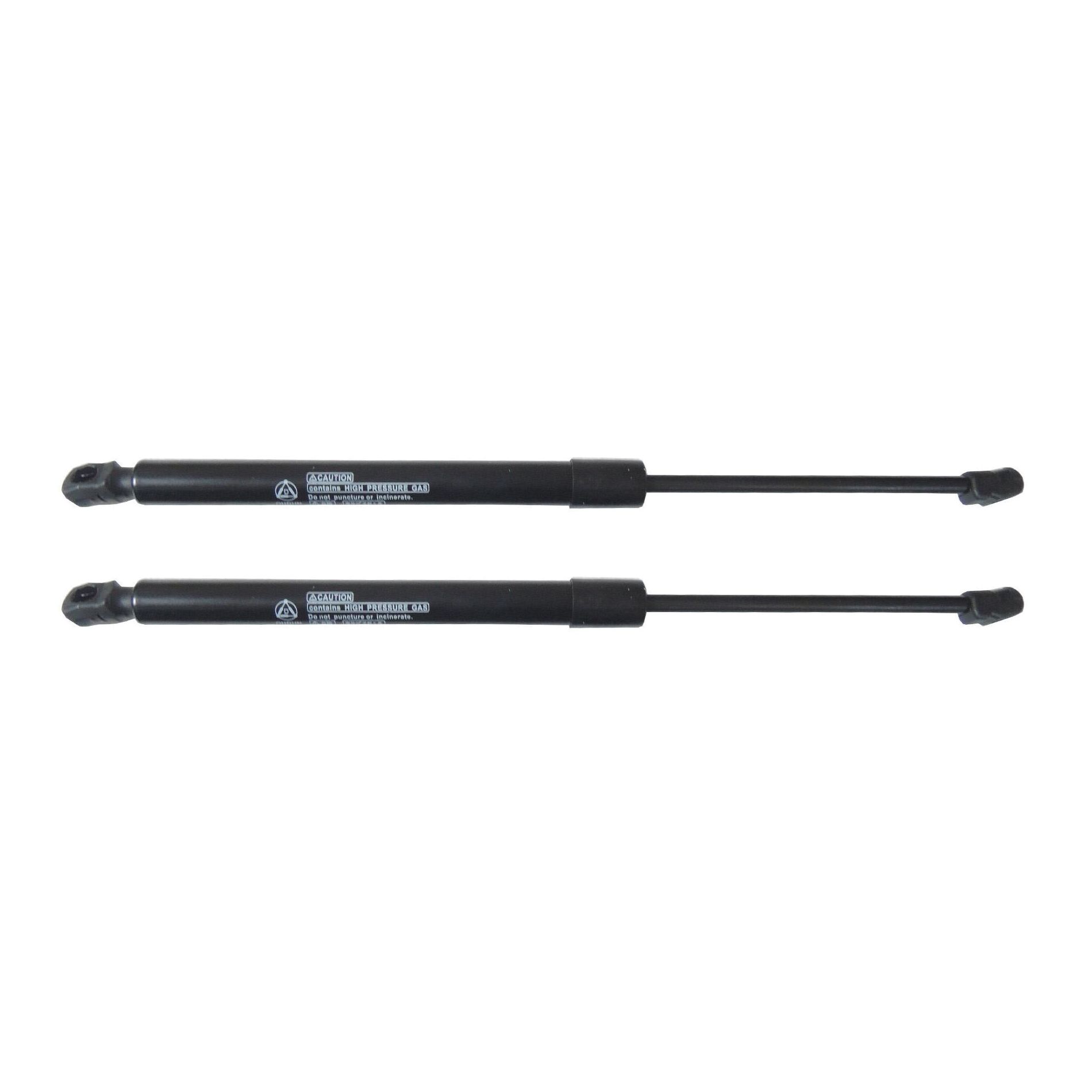 2pcs Front Hood Bonnet Gas Lift Support Strut Shock Fit 98-07 Land Curiser LX470$42.99View on Mallflare
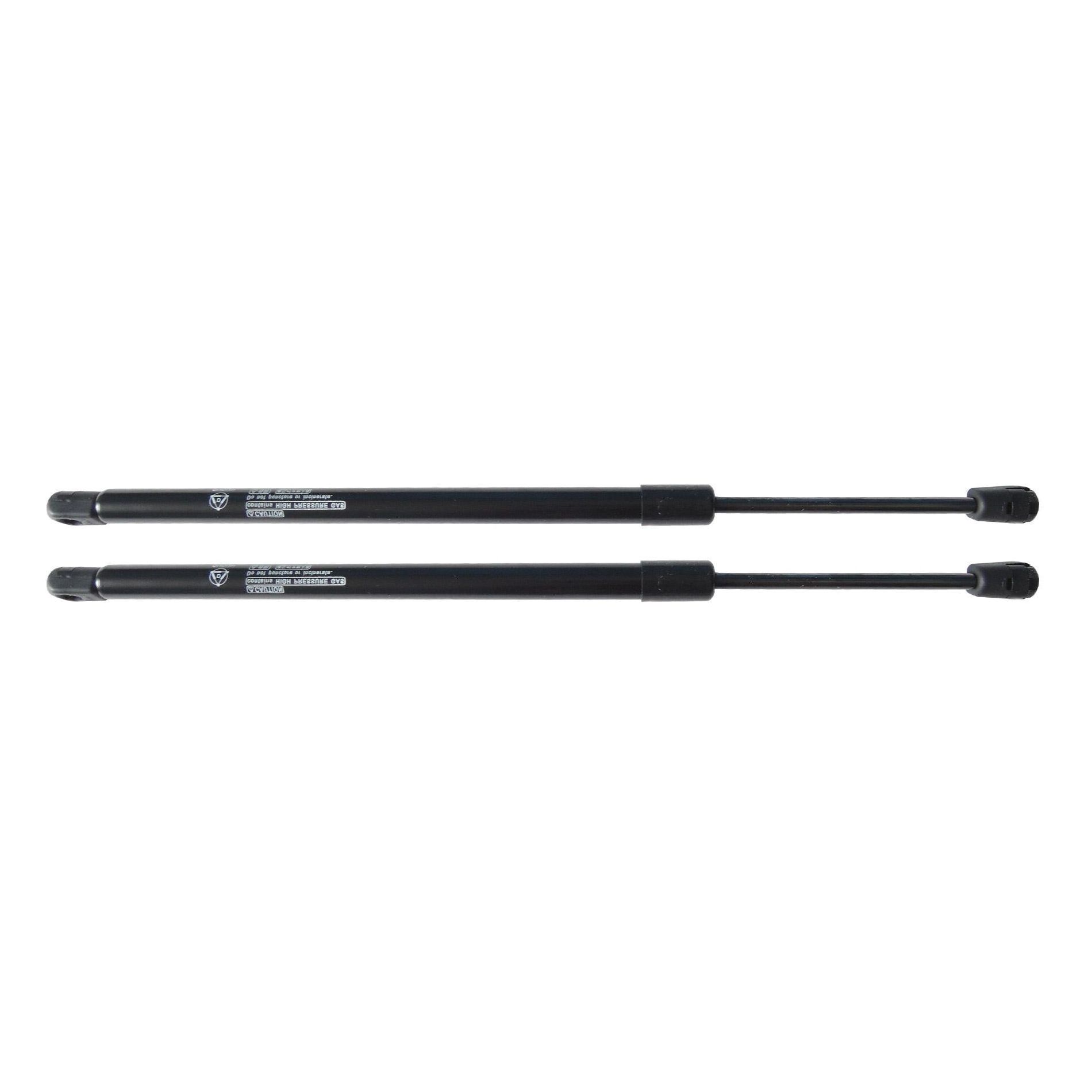 2pcs Rear Window Glass Gas Lift Supports Strut Shocks Fit 87-95 J Eep Wrangler$42.99View on Mallflare
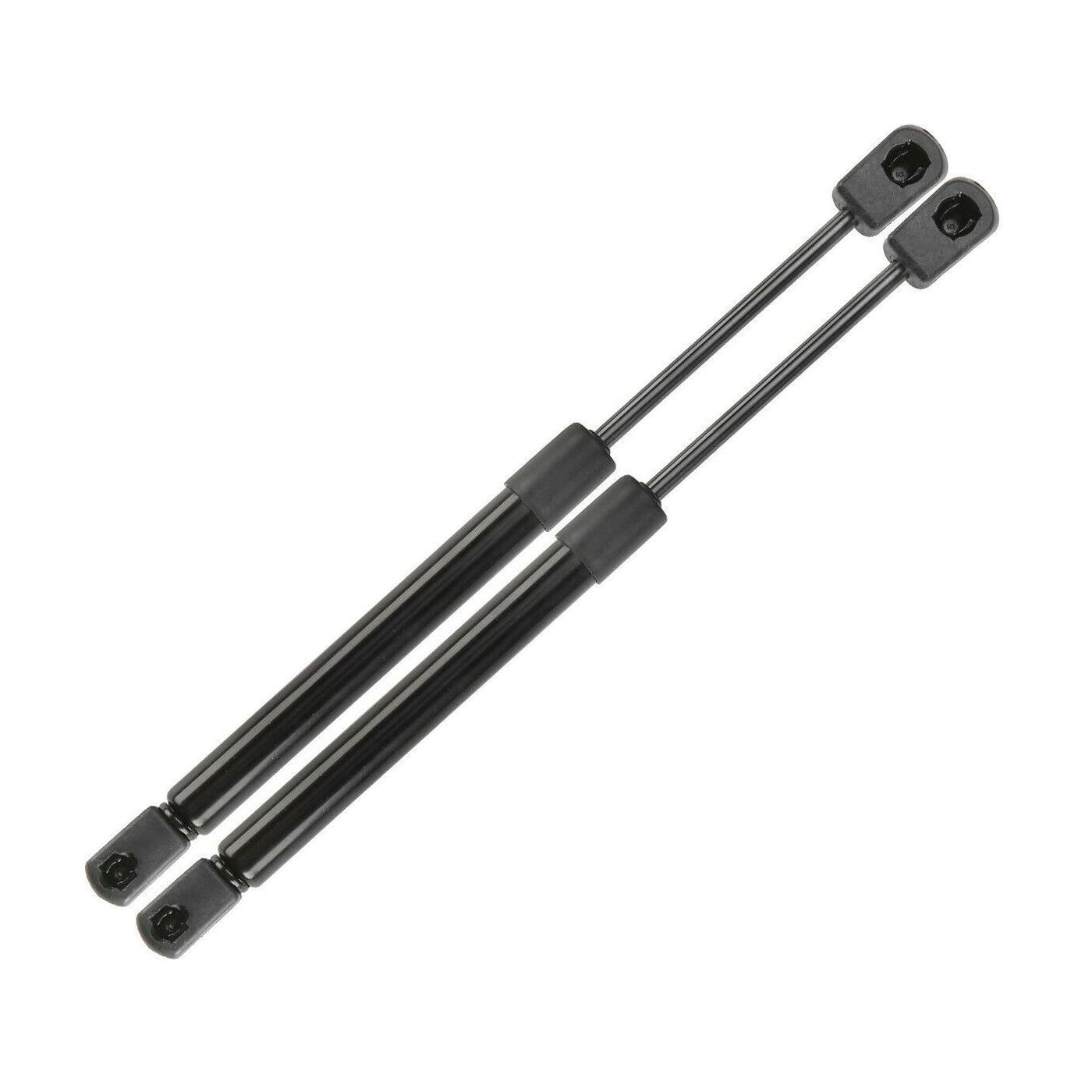 2x Lift Supports Gas Spring Rear Tailgate For 2004-2008 M Itsubishi Galant Sedan$42.99View on Mallflare
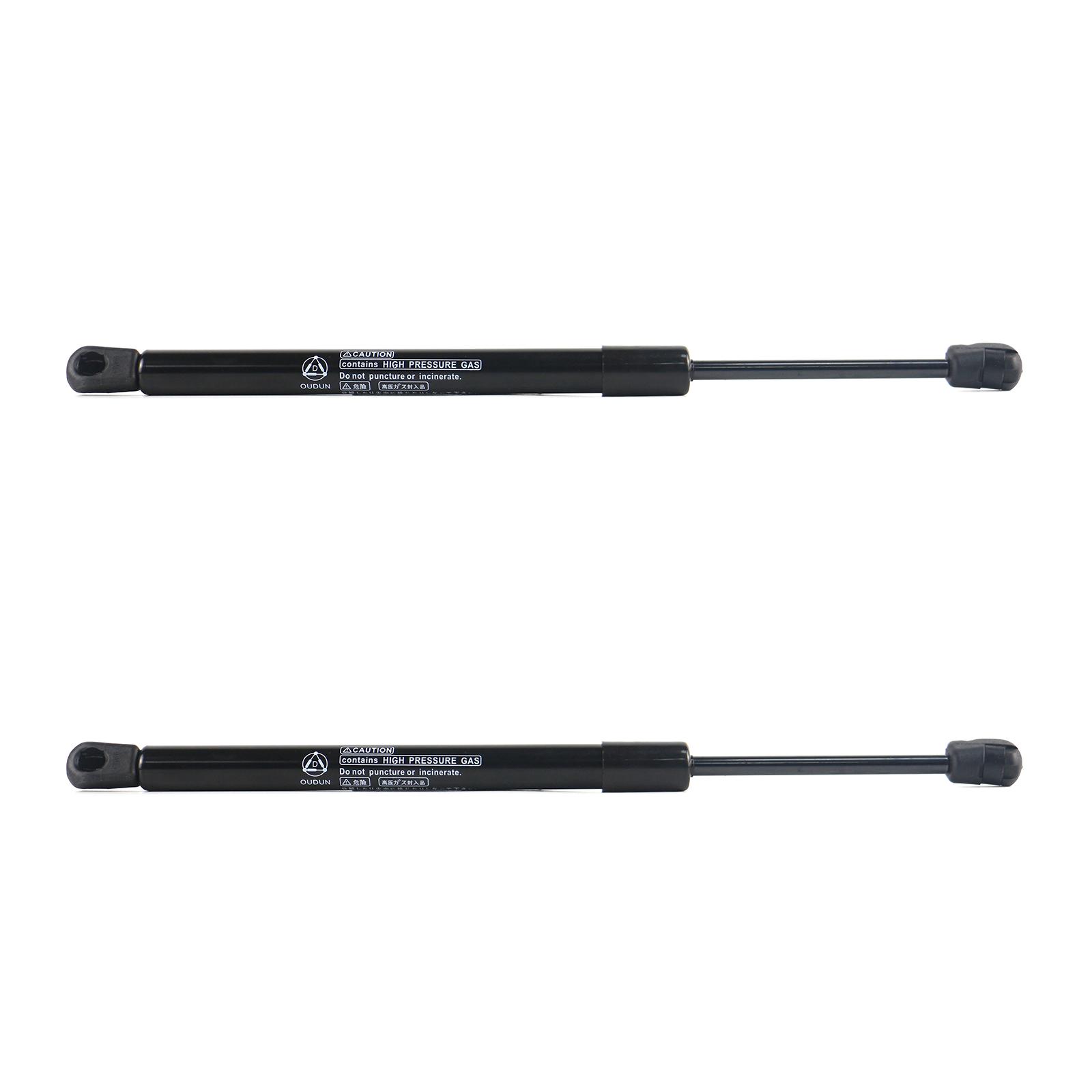 2pcs Rear Window Glass Gas Lift Support Strut Shock Fit 00-05 Ford Excursion 4WD$42.99View on Mallflare
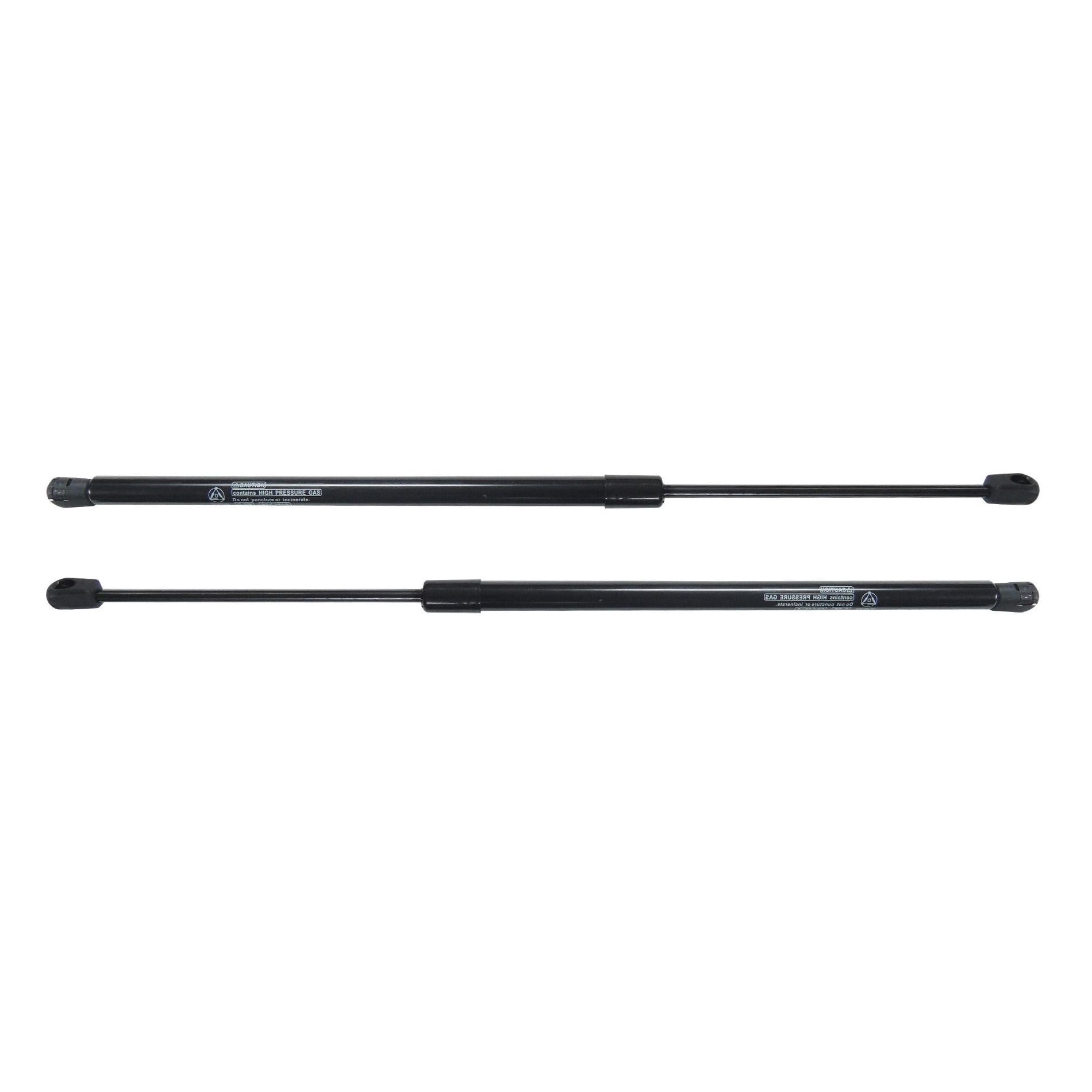 2pcs Rear Liftgate Hatch Gas Lift Supports Strut Shocks Fit 03-11 H Onda Element$42.99View on Mallflare
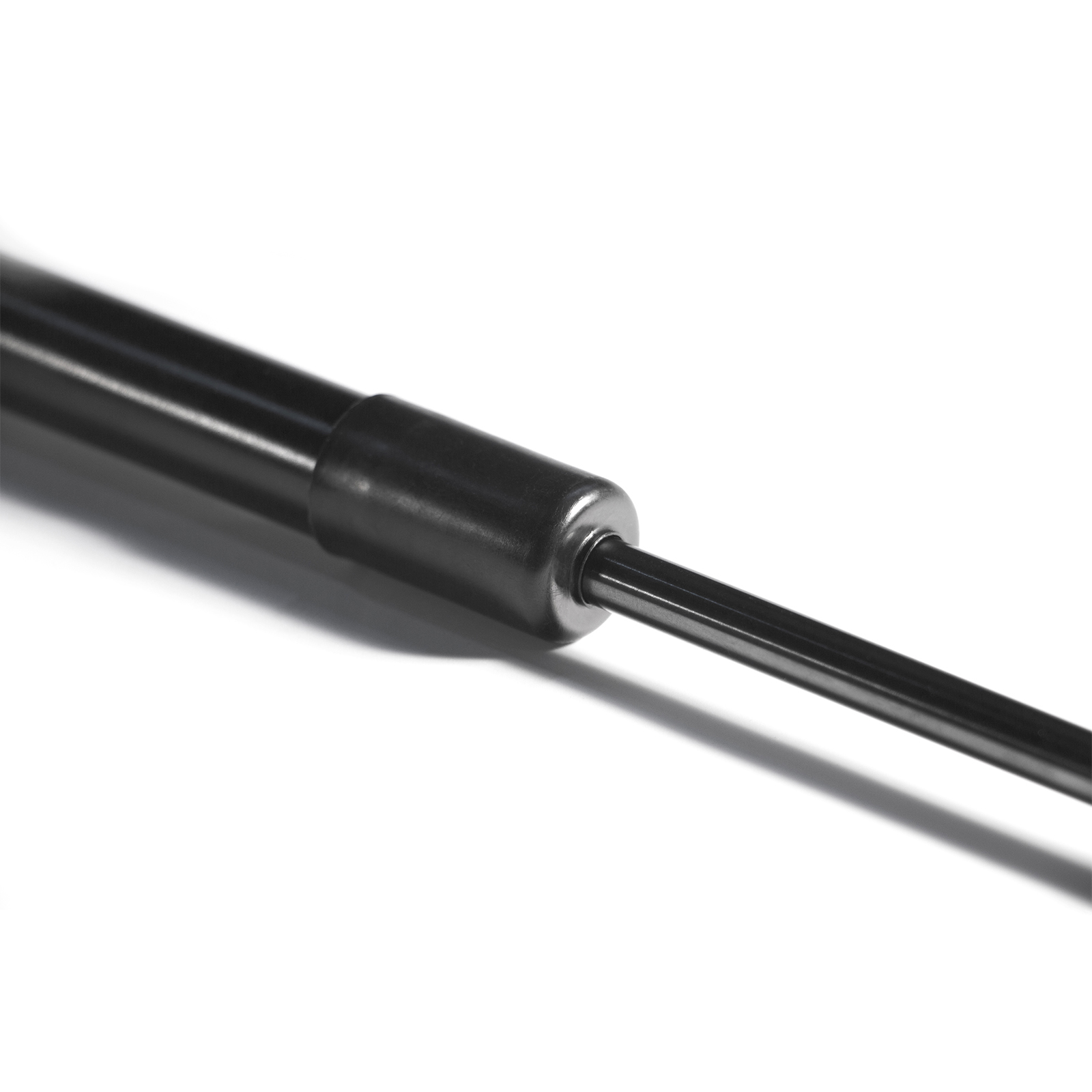 Pair Rear Hatch Tailgate For 02-14 Mini Cooper Gas Charged Lift Support Strut$42.99View on Mallflare
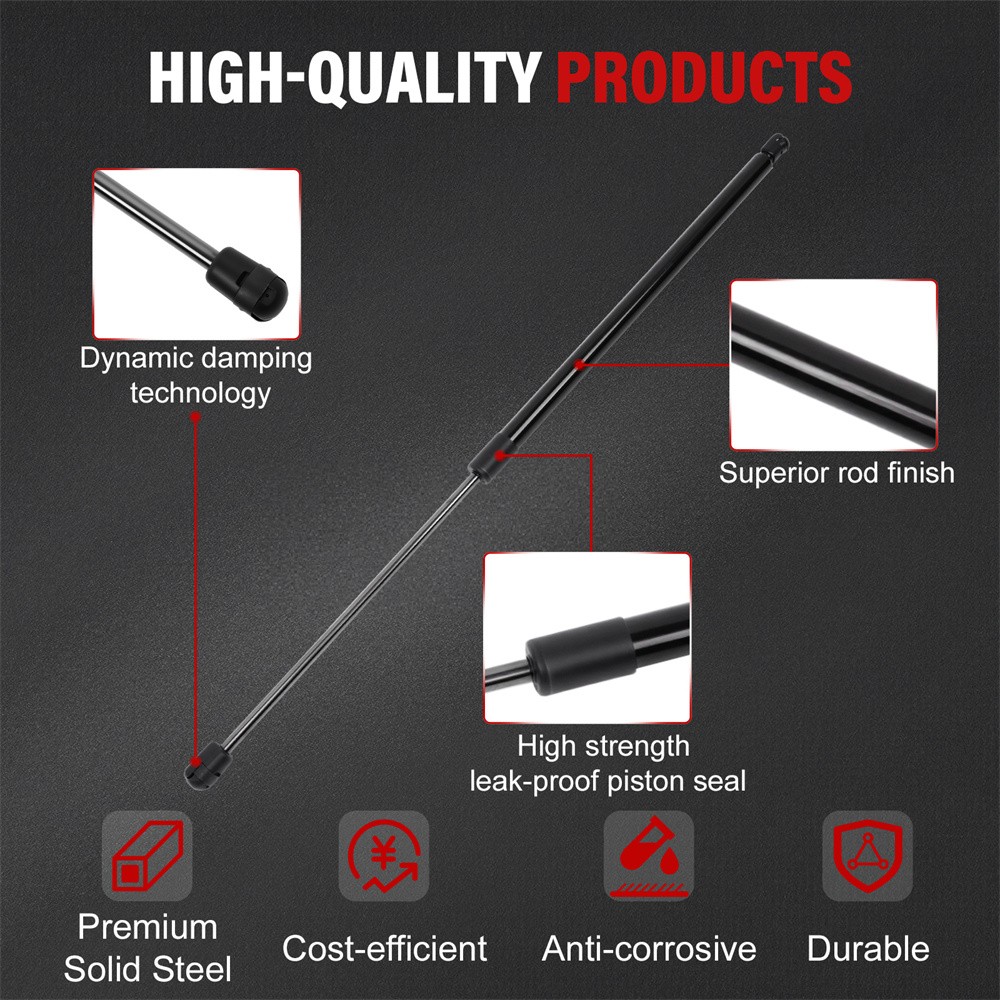 New Hood Lift Supports For Buick Enclave Chevrolet Traverse 2013-2017 PM3409$42.99View on Mallflare
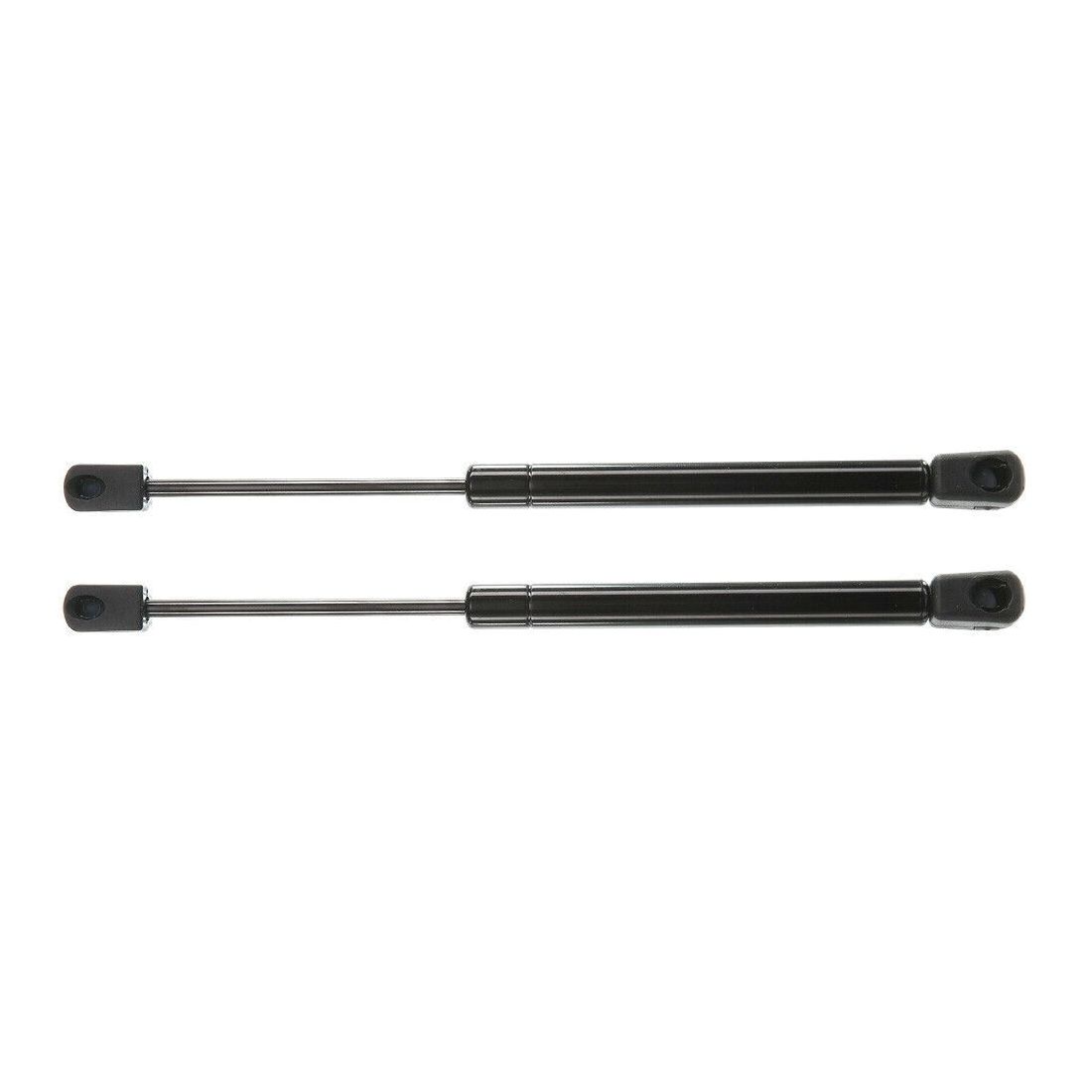 2Pcs Lift Supports Rear Trunk For 1998-2013 Chevrolet Corvette C5 C6 Convertible$42.99View on Mallflare
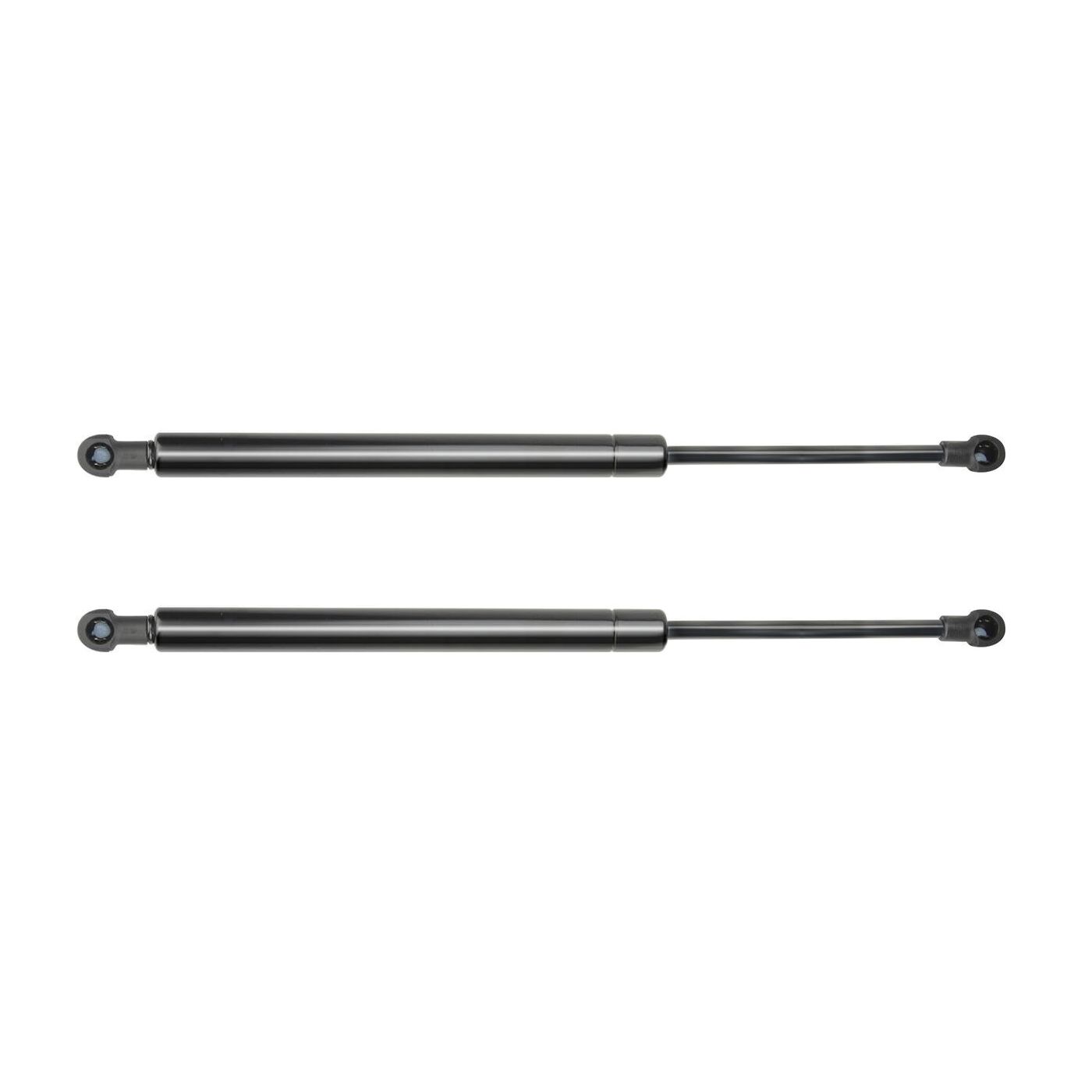 2x Trunk Lift Supports Struts Springs For B-MW 323 325 330 M3 E46 Convertible$42.99View on Mallflare
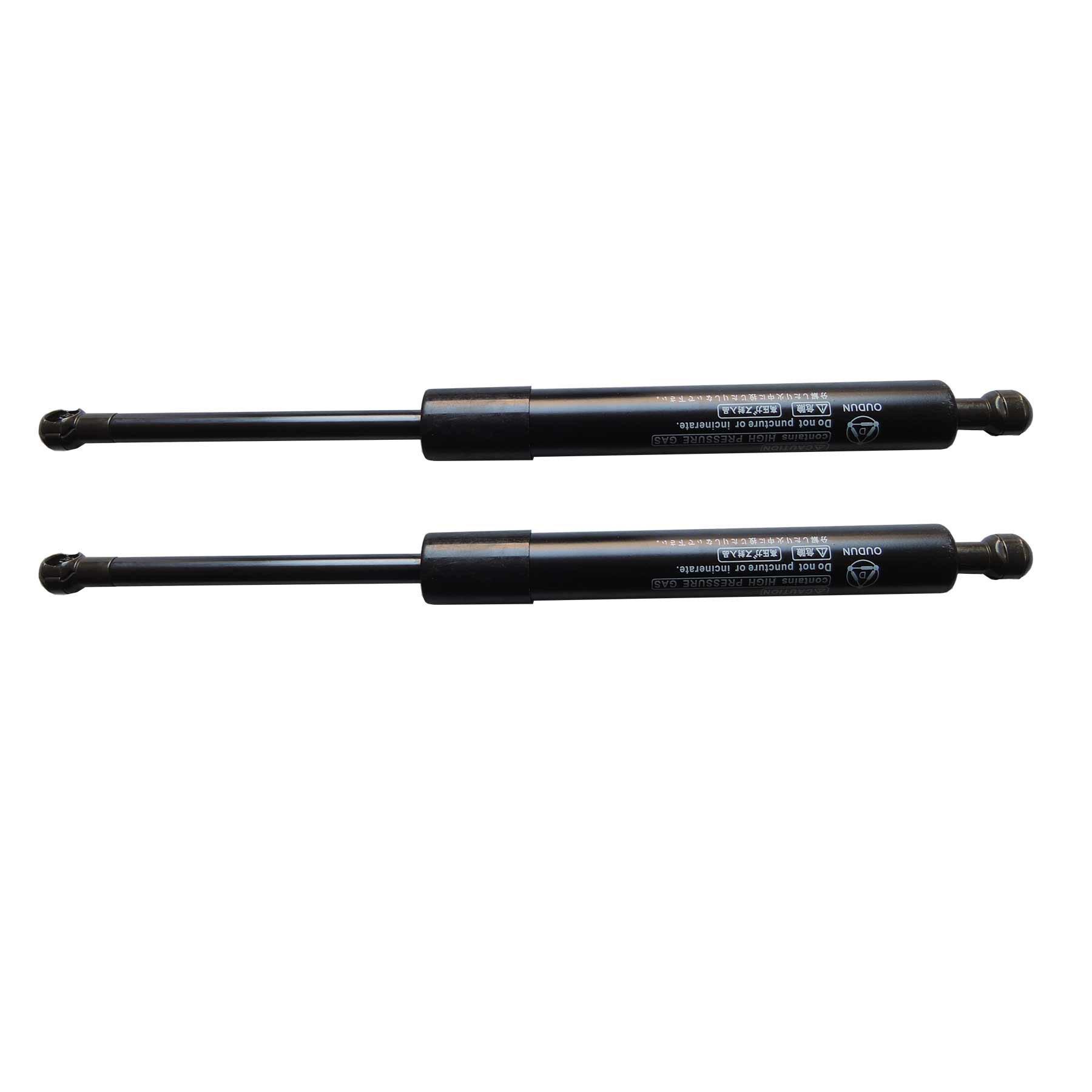 2pcs Rear Trunk Lid Gas Lift Supports Strut Shocks Fit 01-06 Lexus LS430$42.99View on Mallflare
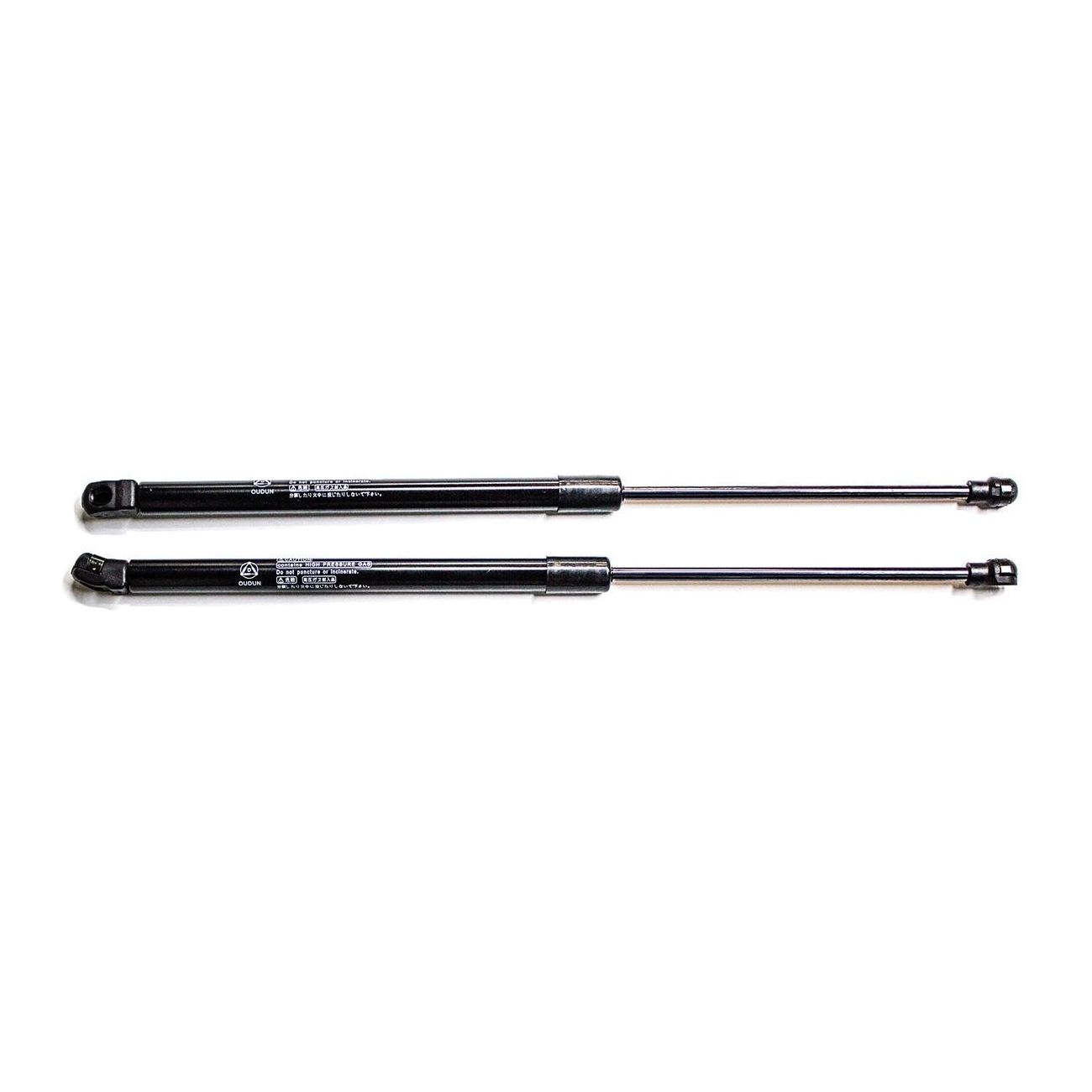 2x Front Hood Lift Support Struts Shock Bonnet Rod Arms Gas Spring For 02-09 Ram$42.99View on Mallflare
Highlights
- Force is rated in Newtons (N) or pounds (lbs); replacing a 600 N strut with a 900 N unit risks panel or hinge distortion, so match original force within ±10%.
- Body construction is typically black oxide or painted steel cylinder with a nitrile O-ring seal and sintered-metal rod guide; stainless rods resist rust in coastal or winter-salt climates.
- End fittings are ball-socket (snap over a 10 mm ball stud) or eyelet/clevis; cross-reference the original strut's fitting type and offset before ordering.
- Most hatch and hood applications require two struts; replacing only one causes asymmetric loading and early failure of the new unit.
Best use cases
- Best fit: weak or sagging hood/hatch on a daily driver — buy a matched pair in the OEM force rating and fitting type; skip single-strut replacements.
- Best fit: rear window glass on SUVs (e.g., Jeep Grand Cherokee) — use glass-specific struts with the correct compact length and ball-socket ends; do not substitute tailgate struts.
- Best fit: trunk lid on sedans (e.g., BMW E90) — pair replacement struts with the trunk's ball-stud layout; avoid universal adjustable struts whose force curve differs from OEM.
- Wrong fit: heavy aftermarket hoods or lift gates with added accessories — stock-force struts will sag; choose a higher-force strut only after confirming hinge and mount ratings.
Buying tips
- Measure extended length (center-to-center of mounting points), compressed length, and stroke; a strut within 2–3 mm of OEM avoids binding or over-extension.
- Match force in Newtons: convert OEM lbs to N (1 lb ≈ 4.45 N); a 10–15% higher force is the safe ceiling for added sound deadening or insulation.
- Confirm end fitting: 10 mm ball sockets are the most common; eyelet or threaded-end struts require the original bracket, so order by vehicle fitment not by sight.
- For cold climates, standard nitrogen struts lose holding force below freezing; choose low-temperature or higher-force variants if the hatch must stay open at -10 °C.
Specs
| Force Rating | OEM match ±10% (N or lbs) |
|---|---|
| End Fitting | 10 mm ball socket / eyelet |
| Rod Material | Steel or stainless (rust) |
| Replace In Pairs | Yes — both sides together |
Related searches
What to check before buying
- Measure the distance between the upper and lower mounting balls with the hatch fully open and fully closed.
- Note the ball stud diameter (usually 10 mm) and whether the socket is straight or angled.
- Check the vehicle's original strut part number or cross-reference the fitment year/make/model/body style.
- Inspect mounting brackets and ball studs for rust or elongation; replace worn studs before installing new struts.
FAQ
Data sources: eBay / Amazon listings and product attribute feeds Data updated Nov 16, 2026.
Some links on this page are affiliate links. If you buy after clicking one, we may earn a commission at no extra cost to you. This does not change which products appear here or their order. Affiliate disclosure.