Photos from current listings. Actual item, color, and included accessories may vary.
Ford Bumper Buying Guide
Ford bumpers split into two real architectures: stamped steel face bars and brackets for trucks/vans, versus plastic bumper covers over energy absorbers for cars and crossovers. The core trade-off is impact protection and corrosion resistance versus weight, fitment complexity, and sensor/parking compatibility. The decision rule: match the bumper to your cab/body style and model year, choose steel for work trucks and vans, and choose cover-over-reinforcement for passenger cars with sensors and tight panel gaps.


At a glance
- Category
- Body, Interior & Hardware Parts
- Data updated
- Nov 16, 2026
Current offers
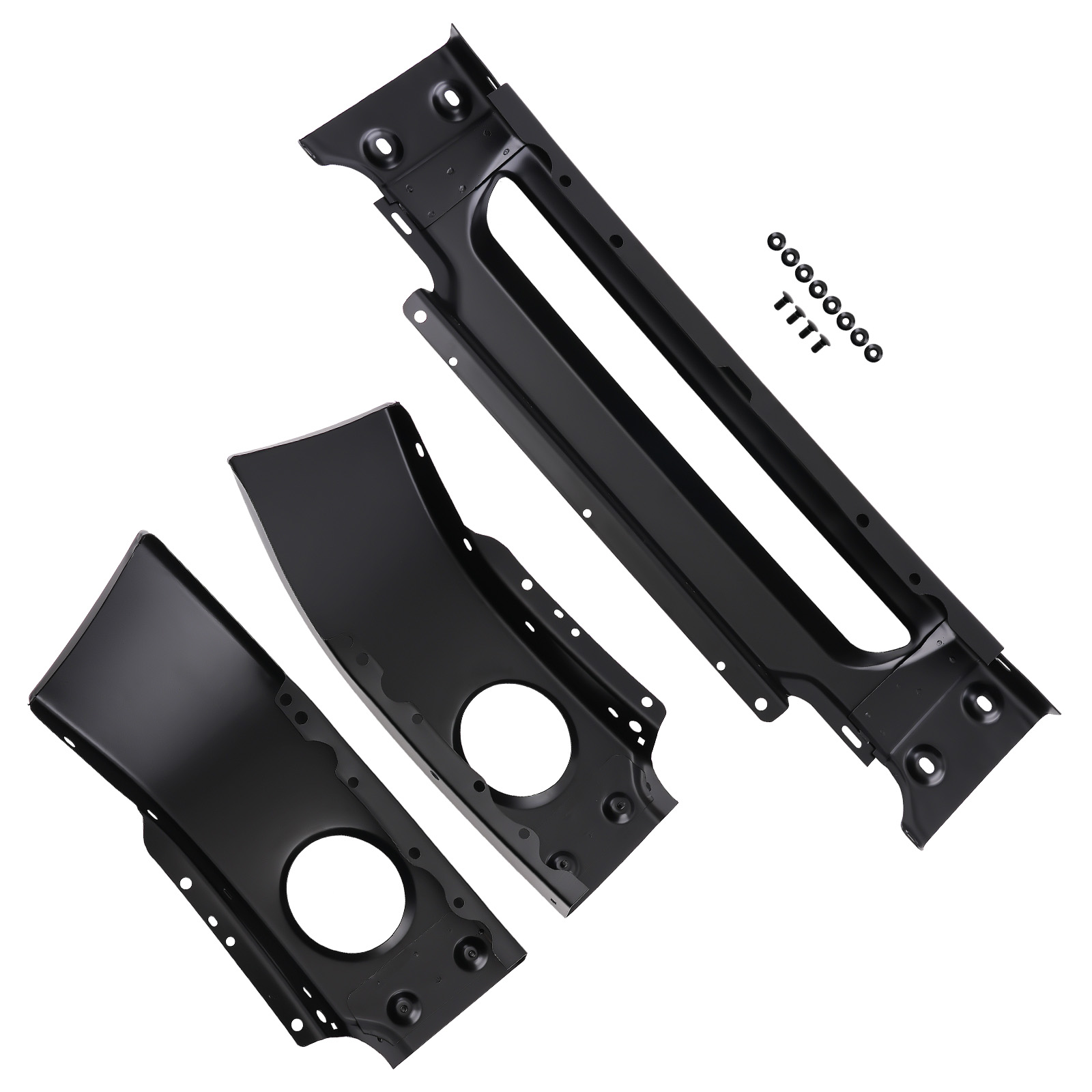 Front Bumper Face Bar fit for Ford F150 2006-2008 FO1002401 Steel W/ Fog Holes$278.99
 View on Mallflare
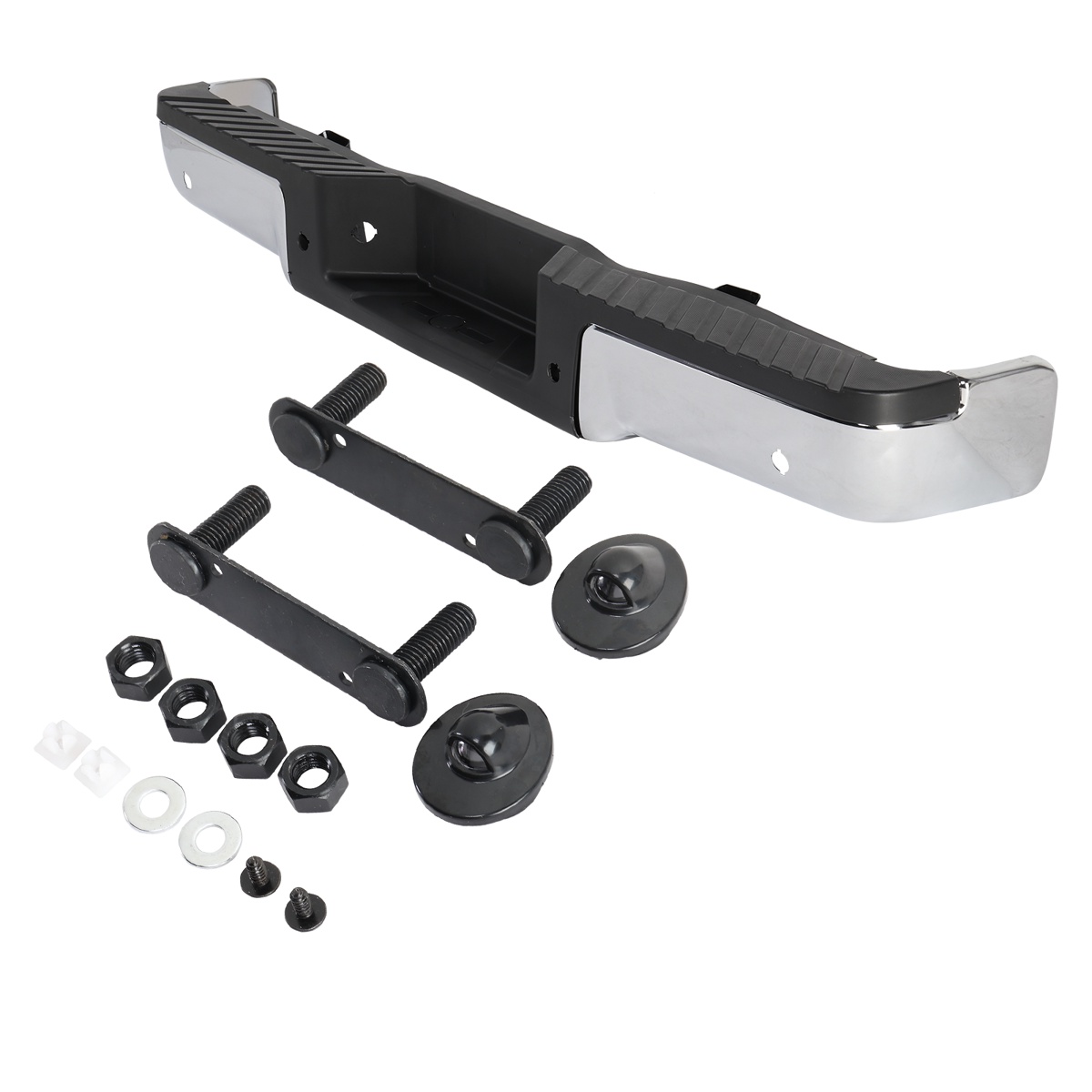 Pickup Rear Bumper Ford F150 2009-2014-Silver/Steel/With Holes$306.99View on Mallflare
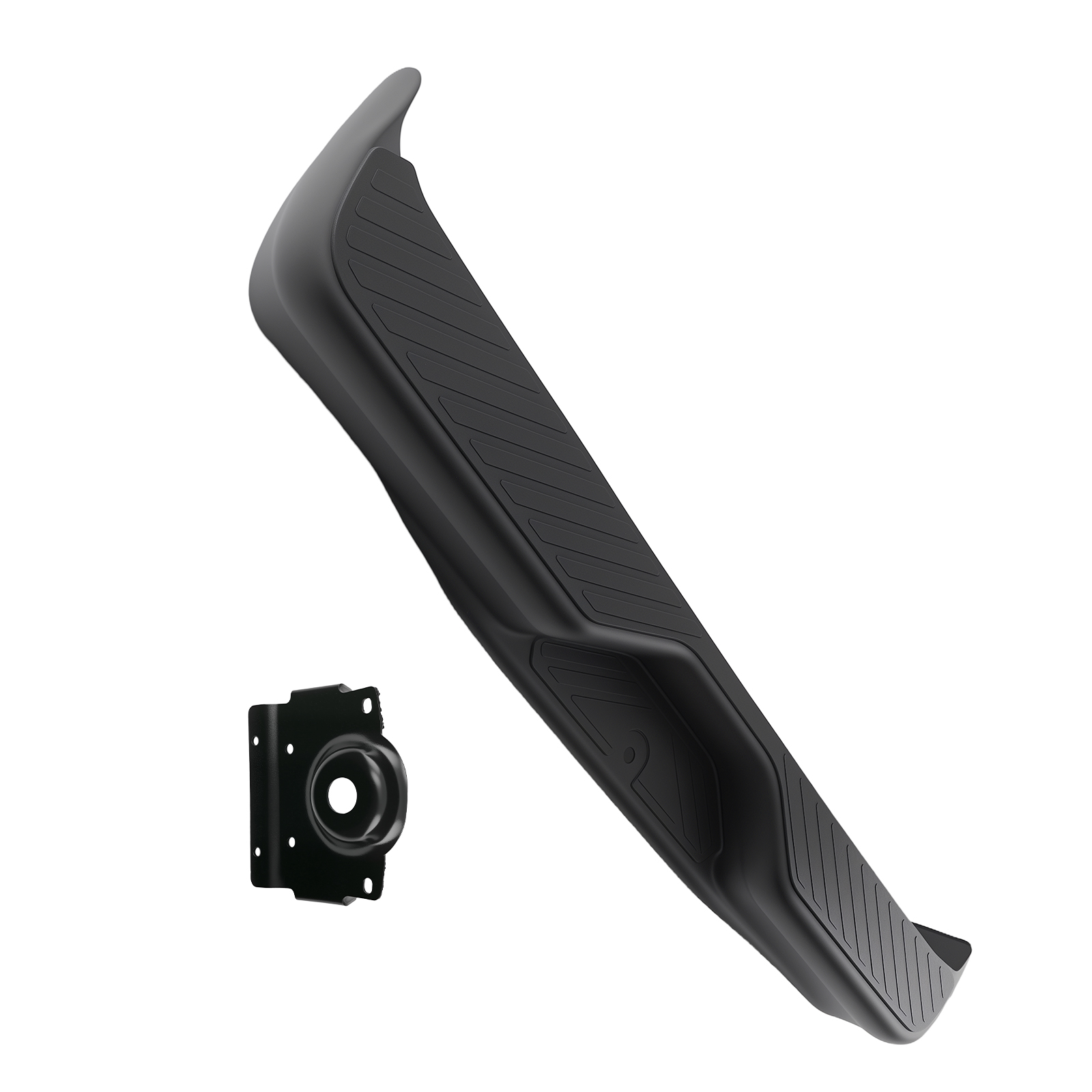 Black Rear Steel Bumper fit for Ford E-150 E-250 E-350 1992-14 FO1103203$359.99View on Mallflare
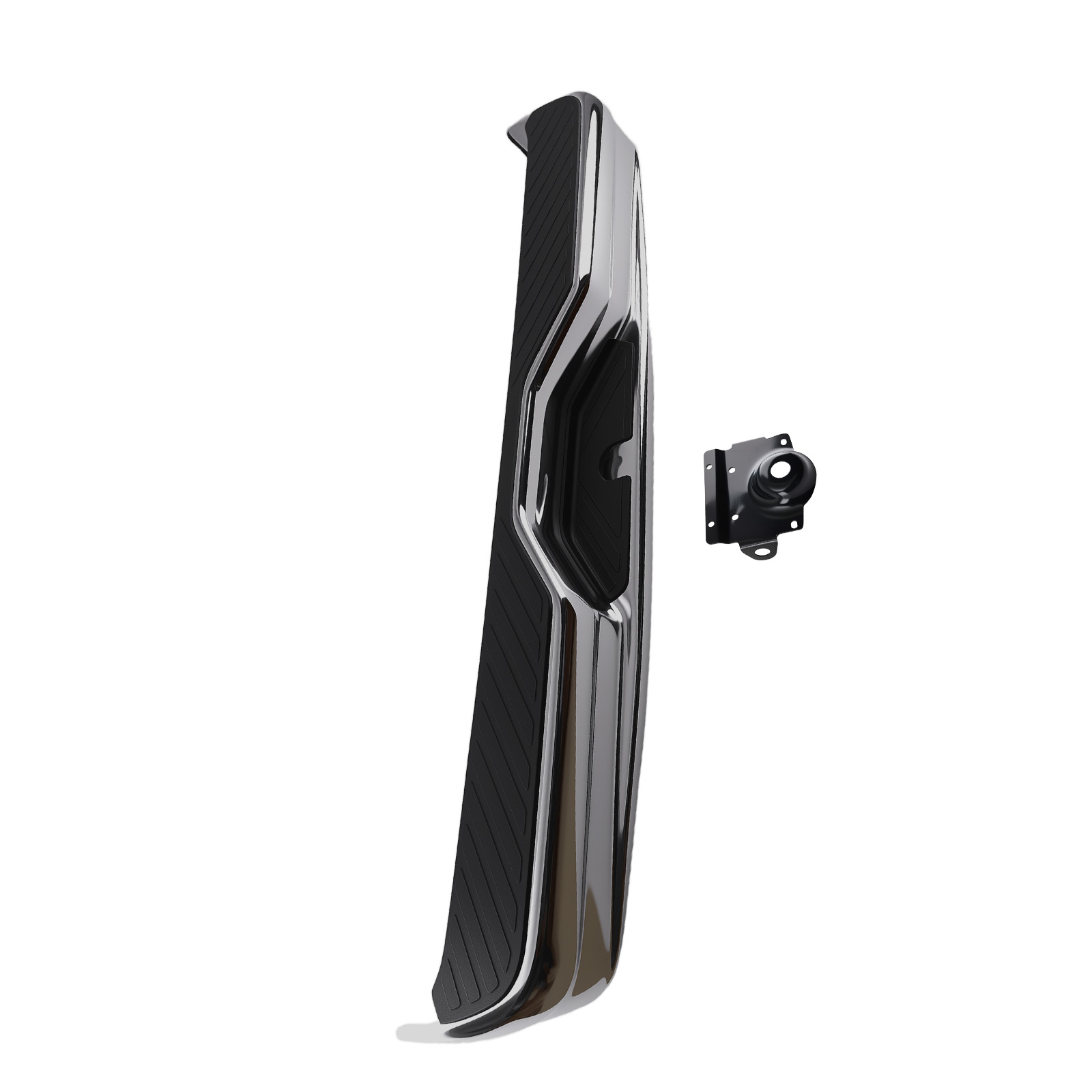 Chrome Steel Rear Bumper fit fit for Ford E-150 E-250 1992-2014 FO1103205$364.99View on Mallflare
Highlights
- Steel face bars use 11-14 gauge stamped steel; chrome or e-coat plus powder coat determines rust life in salt-belt states.
- Plastic bumper covers are PP/TPO or ABS and require a separate steel or aluminum reinforcement bar and energy absorber behind them.
- Fog light holes, tow hook cutouts, and sensor holes must match the exact trim and model year; a non-sensor bumper will not accept factory parking sensors.
- Generation splits are strict: F-150 2006-2008 front face bars differ from 2009-2014, and E-150/E-250/E-350 1992-2014 vans use a distinct rear steel bumper.
Best use cases
- Best fit: work trucks and vans that need impact resistance and tow-friendly steel — pick a stamped steel face bar or rear steel bumper with matching holes.
- Best fit: daily-driven cars and crossovers — pick a plastic cover plus reinforcement bar that preserves factory sensor and grille alignment.
- Wrong fit: mixing a non-sensor steel bumper onto a sensor-equipped trim; you lose parking assist and create dash warnings.
- Wrong fit: buying a bumper for the wrong cab/bed or van generation — mounting points and end caps will not align even if the body looks similar.
Buying tips
- Match model year ranges exactly: F-150 2006-2008 front bumpers will not fit 2009-2014 trucks; E-series vans 1992-2014 use a distinct rear steel bumper.
- Choose material by climate: powder-coated or e-coated steel resists salt better; bare or chrome-only steel needs undercoating in rust-belt states.
- Account for bumper weight: steel face bars add significant front-end mass, so confirm your springs and mounting brackets are rated for it.
- Sensor and fog-light compatibility: only buy a bumper with the exact holes your trim uses; drilling aftermarket holes misaligns sensors.
Specs
| Bumper Material | Stamped steel vs PP/TPO plastic cover |
|---|---|
| Steel Gauge | 11-14 gauge stamped face bar |
| Finish Type | E-coat + powder coat / chrome |
| Sensor Compatibility | Factory cutouts vs no holes |
Related searches
What to check before buying
- Confirm your exact model year, cab/bed configuration, and trim level before selecting a bumper generation.
- Check whether your vehicle has parking sensors, fog lights, or tow hooks and pick a bumper with matching cutouts.
- Measure frame horn and bracket spacing; steel replacement bumpers reuse factory brackets only if the mounting pattern matches.
- Verify finish and coating for your climate — powder coat plus e-coat for salt exposure, chrome for appearance-first builds.
FAQ
Data sources: eBay / Amazon listings and product attribute feeds Data updated Nov 16, 2026.
Some links on this page are affiliate links. If you buy after clicking one, we may earn a commission at no extra cost to you. This does not change which products appear here or their order. Affiliate disclosure.